Jichi

Tradition / Region: Bolivian Mythology
Alternative names: Jichi / Isireri
Category: Snake


The Myth

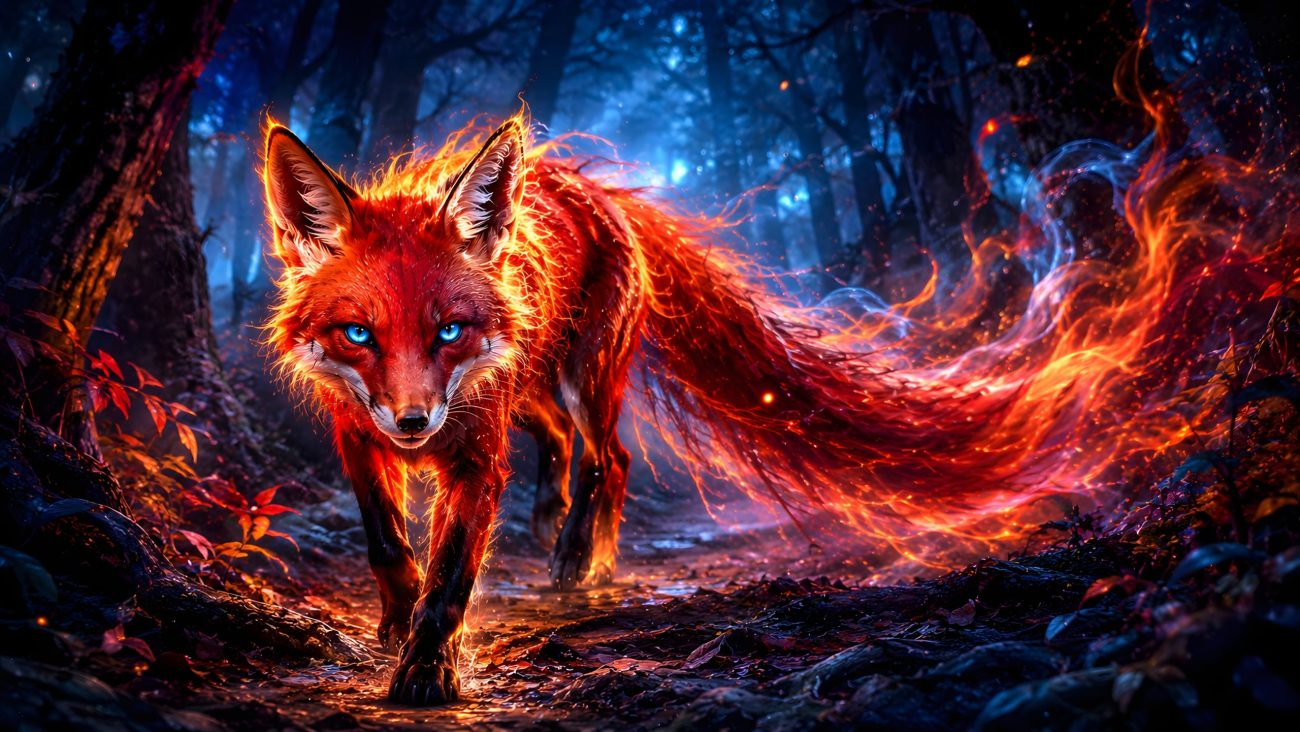
The Jichi is a gigantic serpent spirit that dwells deep beneath rivers, lakes, springs, wells, waterfalls, and hidden pools. It is regarded as the guardian of water and one of the oldest life-giving beings known to the indigenous peoples of the Bolivian lowlands.

Usually unseen, the Jichi reveals itself only after sunset. It is believed to inhabit the depths of waterways, watching over the balance between humans and nature. Wherever the Jichi remains, there is abundant water, healthy forests, plentiful fish, and thriving wildlife.

The creature is considered the source of life itself. According to ancient traditions, if people misuse water or damage the natural world, the Jichi abandons the region. When this happens, drought follows, fish disappear, animals flee, and the land becomes unable to sustain human life.

Among peoples descended from the Arawak migrations, the Jichi is connected with much older traditions surrounding the great anaconda, the Mother of Waters. In one account, the ancestors of humanity were once fish living in a mysterious Lake of Milk at the mouth of the Amazon. From this sacred place emerged the giant water serpent, who carried them upon her back against the current of the Amazon in search of higher lands where they could become human beings of flesh and blood.

As the great serpent traveled, tobacco was smoked and prayers were offered to guide the journey. Through this voyage, people received culture, life, and a place to live.

Thus, the He Jichi is remembered as a colossal serpent and protector of the waters, a being whose presence brings life and prosperity, and whose departure leaves only dryness and desolation behind.


Sources

Wikipedia contributors. (n.d.). Jichi. In Wikipedia, la enciclopedia libre. Retrieved June 13, 2026, from https://es.wikipedia.org/wiki/Jichi

Taraaka

Tradition / Region: Japanese Mythology
Alternative names: Taraaka Dragon
Category: Dragon


The Myth

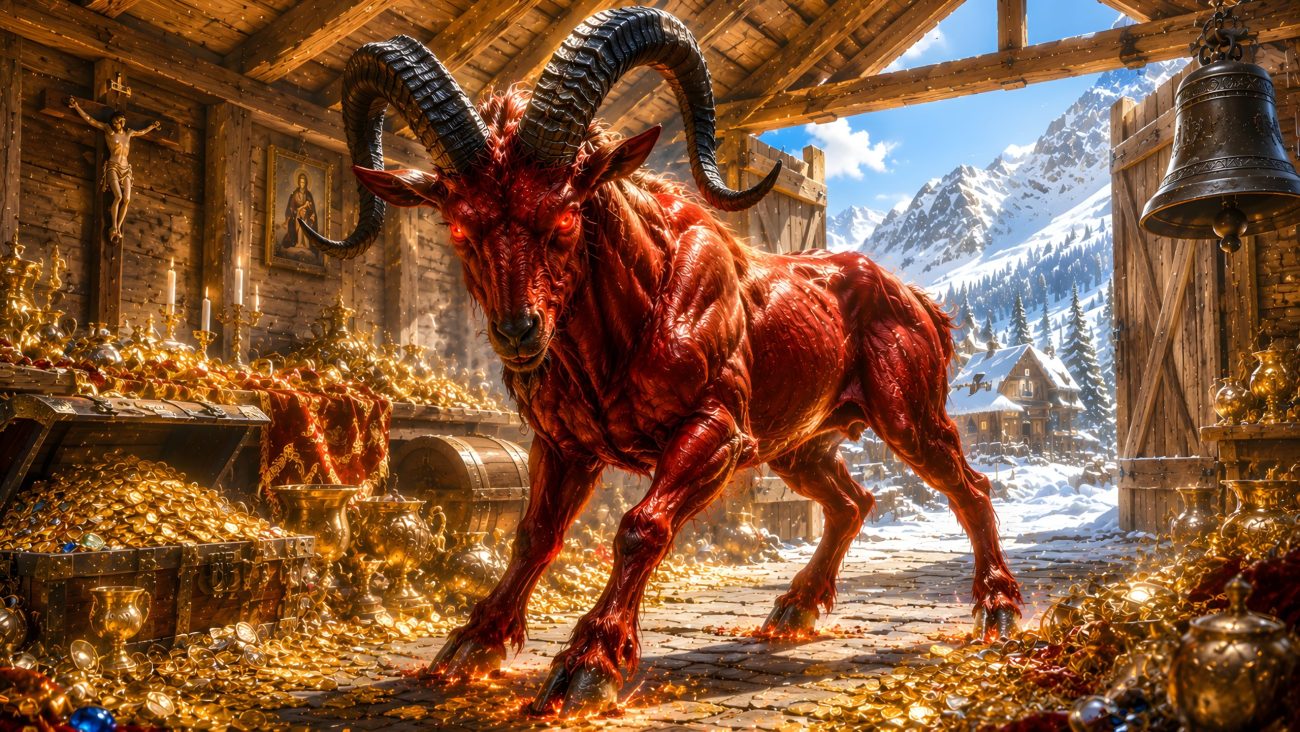
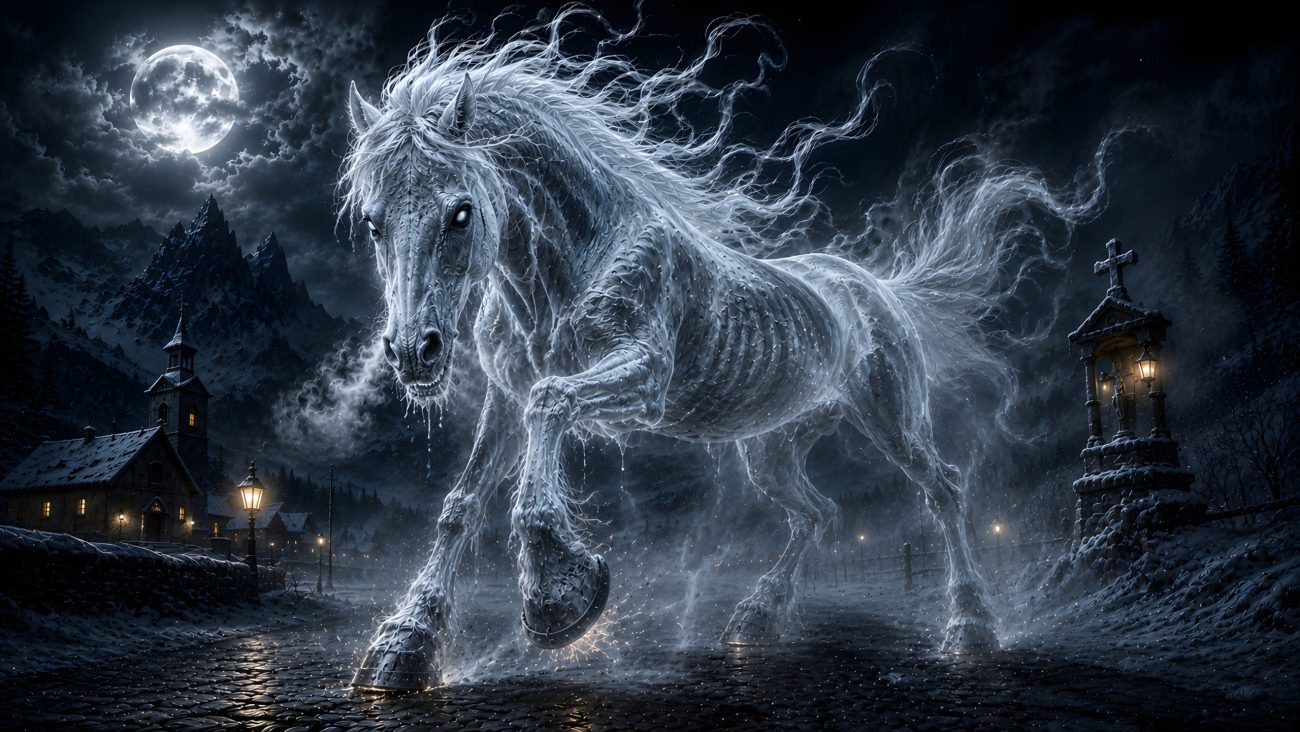
Taraaka was a gigantic evil dragon that invaded the seas ruled by Princess Otohime, mistress of the Dragon Palace. Accompanied by an army of monstrous poisonous fish and marine creatures, Taraaka seized the Shell Palace and spread terror throughout the ocean.

His followers included the Laughing Shark, a sawshark possessed by a vengeful spirit, the Tiger Pufferfish, giant crabs, sea snakes, octopuses, killer whales, sea otters, and many other fearsome creatures. Together they raided the seas and sought to steal the magical jewels that controlled the tides.

The Dragon Palace itself had long been ruled by Princess Otohime, but Taraaka’s growing power threatened her kingdom. The wicked dragon desired the Thousand Jewel and Ten Thousand Jewel, sacred treasures that governed the ebb and flow of the sea.

At that time, the wandering samurai Ōhara Takejirō Takematsu was rescued from drowning by a turtle he had once saved and was brought to the Dragon Palace. Trusting in his courage, Princess Otohime asked him to destroy Taraaka.

Believing the monster to be a type of mizuchi, an aquatic dragon, Takejirō devised a plan based upon ancient legends. Remembering how Susanoo defeated the eight-headed serpent through intoxication, he prepared a powerful sake brewed from fermented swallow meat, which dragons were believed to favor.

When five barrels of the strange wine were completed, they were delivered to Taraaka’s palace. The dragon, delighted by false news that Princess Otohime wished to marry him, opened the barrels and celebrated with his followers.

The magical drink quickly overwhelmed Taraaka and his entire court. While the monsters lay drunken and helpless, Princess Otohime’s servants recovered the stolen jewels and escaped.

Soon the evil fish awoke and pursued them, only to encounter Takejirō. Armed with a sword given to him by Otohime, he slaughtered the Laughing Shark, split the Tiger Pufferfish in half, and killed the other monstrous servants.

Enraged, Taraaka himself appeared, raising enormous waves and storms as he charged into battle. Takejirō drew his bow and released a single arrow. It struck the dragon in the throat and neck, and the gigantic creature collapsed like a falling tree.

When the monster’s true form was revealed, it measured more than twenty fathoms in length. It resembled a terrifying lizard with four legs, looking much like a gigantic crocodile. Takejirō believed it to be a kind of mizuchi, the rain dragon of ancient legends.

After its death, Princess Otohime ordered the bodies of Taraaka and his chief followers burned. Their ashes were buried beneath a mound to calm their vengeful spirits and prevent them from causing further harm.

Having restored peace to the seas, Otohime rewarded Takejirō with a sacred jewel bestowed by the Buddha and returned him to the world of men.

Thus Taraaka was remembered as one of the great evil dragons of Japanese legend, a monstrous ruler of the seas whose reign ended through cunning, sacred treasures, and the courage of a single warrior.


Sources

TYZ. (n.d.). Taraaka [タラーアカ]. In 新版TYZ 妖怪図鑑. Retrieved June 13, 2026, from https://tyz-yokai.blog.jp/archives/1070683103.html


Fire-Red Goat

Tradition / Region: Liechtenstein Mythology
Alternative names: The Red Goat of the Treasure
Category: Sheep


The Myth

In Triesenberg there once lived a wealthy but extremely greedy farmer who trusted no one with his hidden fortune. One Sunday he told his wife, daughters, and servant to go to church while he remained home alone.

The servant became suspicious and secretly hid himself in the hayloft to watch.

During the church bells for the consecration, the farmer entered the barn carrying a pot filled with gold. He lifted part of the wooden floor and poured the treasure into a hidden cauldron buried beneath the barn. After the farmer left, the servant climbed down and stole a few pieces of gold.

Soon the farmer returned with another load of treasure. Looking into the hidden pit, he muttered that some gold seemed missing, even though he believed himself alone. Frightened, the servant did not dare move again.

When the farmer came a third time and emptied more gold into the hidden place, he sealed the floor and declared:

“Only the one who drives a fire-red goat three times around this treasure during the consecration bells, in the three highest names, shall ever reach this gold.”

Three weeks later the farmer died. No treasure or documents could be found, and his family fell into despair. The servant then told them to pray for him while he searched for something important.

After another three weeks he returned leading a terrifying fire-red goat. The wife and daughters laughed, believing all their prayers had only been for a strange red animal. But the servant warned them to wait and see.

The following Sunday, during the church bells, the servant and the widow opened the barn floor and drove the fire-red goat three times around the hidden treasure.

At that moment the ghost of the dead farmer suddenly appeared sitting upon the gold. When the church bells stopped ringing, the spirit vanished forever, finally released from its curse. The hidden fortune now belonged to the family.

As reward for his courage and cleverness, the servant was allowed to marry the farmer’s eldest daughter.


Sources

SAGEN.at. (n.d.). Der feuerrote Geissbock. In SAGEN.at – Traditionelle Sagen. Retrieved May 23, 2026, from https://www.sagen.at/texte/sagen/liechtenstein/seger/geissbock.html


Lochgass Schimmel

Tradition / Region: Liechtenstein Mythology
Alternative names: The Lochgasse White Horse
Category: Horse


The Myth

Near the narrow road known as the Lochgasse in Vaduz, there once lived a cruel and greedy farmer feared for his dishonesty. Nothing was safe from him, not even horses, which he regularly stole and sold in secret.

One Christmas Eve, he decided to continue his crimes even during the holy night. Crossing near a church shortly before midnight, he noticed a magnificent white horse tied beside the wall. The animal was beautiful, powerful, and calm beneath the winter stars.

The farmer quickly untied the horse, leapt into the saddle, seized the reins, and struck its flanks.

At once the white horse exploded forward with a terrible neigh, racing wildly through the frozen night. The rider could barely control it as it thundered up the Lochgasse at unnatural speed.

Just as the thief believed the horse was finally his, the animal stopped with violent force. The farmer was hurled from the saddle onto the road, where he broke his neck.

As he lay dying, his eyes opened in horror when the white horse transformed before him into the Devil himself.

After death, the greedy farmer found no peace. His spirit was condemned to wander the Lochgasse in the form of a ghostly white horse, endlessly roaming the road where he had died. The phantom continued to appear for many years until a sacred cross was finally placed there, bringing the haunting to an end.


Sources

SAGEN.at. (n.d.). Der Lochgass-Schimmel. In SAGEN.at – Plattform für Kultur und Volkskunde. Retrieved May 23, 2026, from SAGEN.at


Wildmannli

Tradition / Region: Liechtenstein Mythology
Alternative names: Wild Men / Wild Folk
Category: Cave Dweller


The Myth

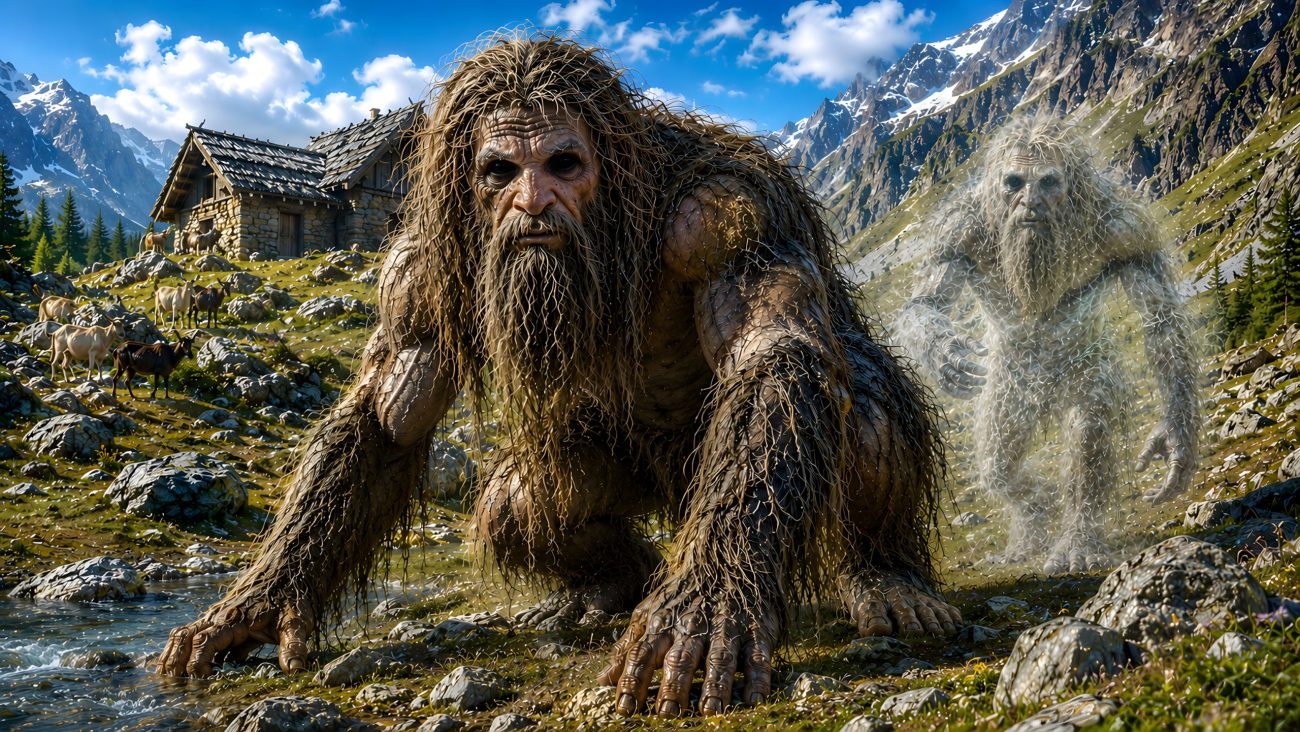
The Wildmannli were mysterious mountain beings said to live in caves high in the Alps around the Nenzing Valley and the alpine pastures of Seris. Their homes were stone caves called “Kasten,” hidden among the mountains and cliffs.

They appeared as small wild people completely covered in thick hair like bears. They wore no clothing and lived apart from ordinary humans in remote valleys and forests.

Despite their strange appearance, the Wildmannli often helped the mountain farmers. They came to the alpine meadows of Malbun and Steg and secretly cared for the cattle, feeding and watching over the animals while the herders remained below in the villages. Farmers trusted them so much that they sometimes stayed away from the high pastures for days, believing the Wildmannli would protect the livestock.

The Wildmannli, however, avoided violent weather, especially the warm alpine wind known as the Föhn. One autumn, while the wind raged high in the mountains, the farmers remained in the valley harvesting potatoes, assuming the Wildmannli would still tend the cattle. After several days, they finally climbed back into the Alps and found the animals nearly starving, because the Wildmannli had stayed hidden in their caves during the storm.

Another story tells how the Wildmannli summoned a midwife from Triesenberg to help a woman give birth deep in the mountains. After the child was born, the midwife was paid with an apron full of charcoal. Angry and disappointed, she threw away pieces of coal along the road home.

An invisible Wildmannli followed behind her, picking up the discarded coals and repeating: “The more you throw away, the less you will have.”

When the woman finally returned home, only a few pieces remained in her apron. But when she emptied them onto the stove, the charcoal had turned into shining silver coins. She rushed back to recover the discarded pieces, but they had vanished completely.

In later years, a Wildmannli was heard crying from the heights of the Ochsenkopf mountain: “Bitzi and Batzi have died!” After that night, the Wildmannli disappeared forever and were never seen again.

One cave near the mountain is still known as the Wildmannskirchle — the Little Church of the Wild Men.


Sources

SAGEN.at. (n.d.). Die Wildmannli. In SAGEN.at – Traditionelle Sagen. Retrieved May 23, 2026, from https://www.sagen.at/texte/sagen/liechtenstein/seger/wildmannli.html


Argus Panoptes

Tradition / Region: Greek Mythology
Alternative names: Argos Panoptes / The All-Seeing Giant
Category: Giant


The Myth

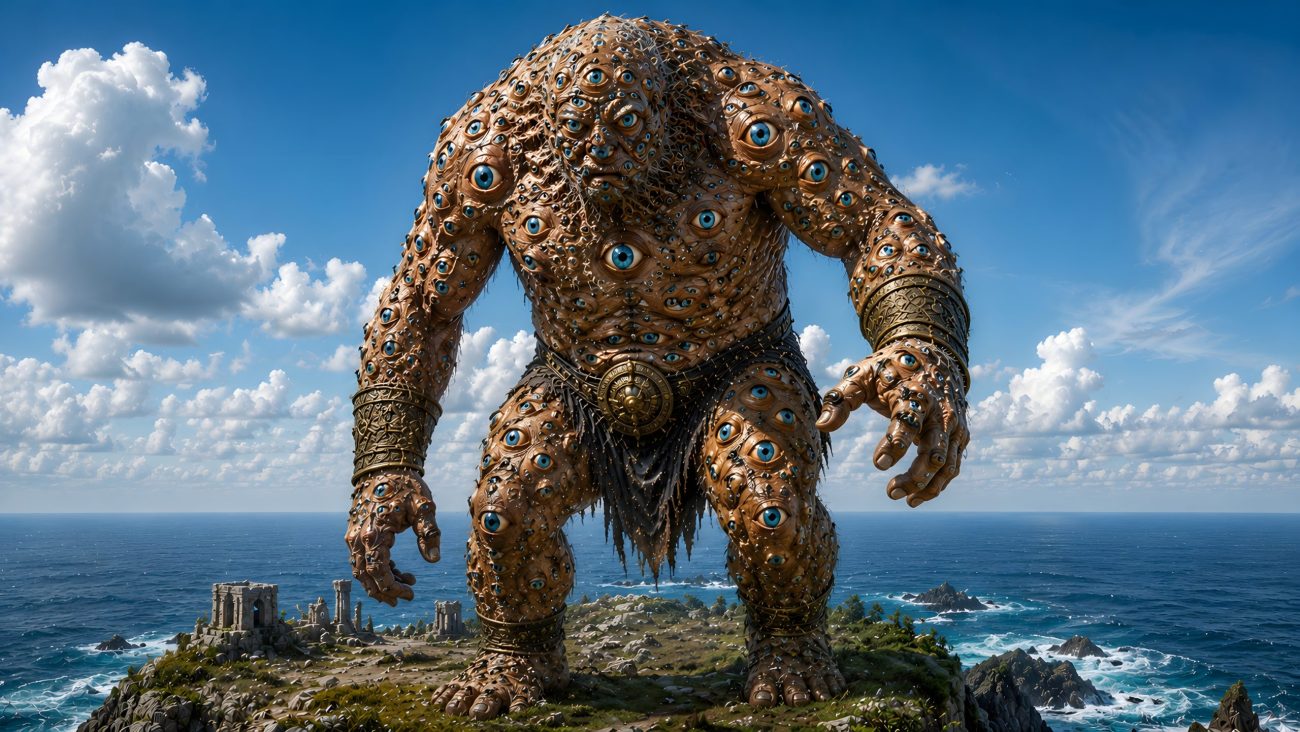
Argus Panoptes was a gigantic many-eyed being from Greek mythology, famous for his endless vigilance and supernatural sight. His name meant “All-Seeing,” and he served the goddess Hera as her perfect guardian and watchman.

Argus was often described as a massive primordial giant born from Gaia, the Earth itself. Ancient traditions gave him countless eyes spread across his body, sometimes a hundred in number. Even while he slept, only some of the eyes closed, while the others remained awake and alert. Because of this, nothing could escape his gaze.

He was immensely strong as well as watchful. One legend says he killed the monstrous serpent-woman Echidna while she slept in her cave. Another says he slew a savage bull that devastated Arcadia and afterward wore its hide as armor.

Argus became most famous for guarding Io, a priestess loved by Zeus. To hide Io from Hera’s jealousy, Zeus transformed her into a white heifer, but Hera saw through the deception and ordered Argus to watch her constantly. The giant chained Io near a sacred olive tree and guarded her day and night with his countless eyes.

To rescue Io, Zeus sent Hermes. Disguised as a shepherd, Hermes approached Argus and slowly lulled him to sleep with stories, music, and magical charms until every eye finally closed. Once the giant slept completely, Hermes killed him, becoming known afterward as Argeiphontes — the Slayer of Argus.

Hera mourned her faithful servant and honored him by placing his many eyes upon the tail of the peacock, where they remained forever as shining watchful patterns. In some versions of the myth, Argus himself was transformed into the first peacock.

Argus Panoptes remained one of the great watchful beings of Greek mythology — an immortal symbol of vigilance, guardianship, and the unblinking gaze that never truly sleeps.


Sources

Wikipedia contributors. (n.d.). Argus Panoptes. In Wikipedia. Retrieved May 18, 2026, from https://en.wikipedia.org/wiki/Argus_Panoptes


Koutsoulan

Tradition / Region: Bulgarian Mythology
Alternative names: Krivlyo / The Lame Wolf / The Crippled Wolf
Category: Wolf


The Myth

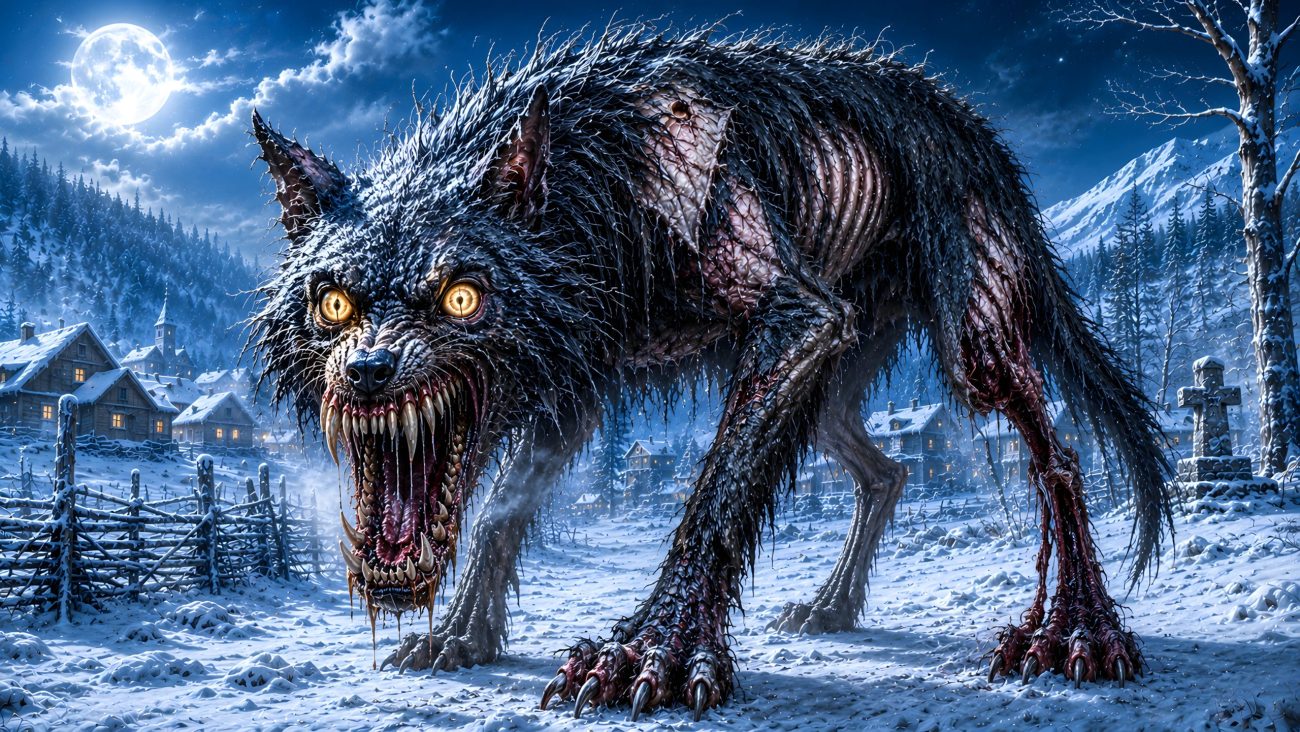
Koutsoulan was the most feared of all wolves in Bulgarian folklore — a supernatural lame wolf believed to roam during the dangerous winter “wolf days” between late autumn and early winter. Unlike ordinary wolves, Koutsoulan was seen as a monstrous spirit-beast connected to darkness, demons, and the border between the human and supernatural worlds.

The creature was described as crippled, lame, or twisted in form, which gave it its names Koutsoulan (“cripple”) and Krivlyo (“crooked one”). Though injured in appearance, it was believed to be far more dangerous than any normal wolf. It wandered alone and attacked both people and livestock, especially those who violated sacred taboos during the wolf feast days.

Bulgarian legends connected the wolf itself to the Devil. In one tale, the Devil created the wolf from clay but could not bring it to life. When the wolf finally awakened, it immediately attacked its creator and crippled him, which is why evil spirits in folklore were sometimes imagined as lame or one-legged. Koutsoulan inherited this supernatural deformity and became the most terrible of wolves.

During the wolf days, people avoided spinning wool, sewing, cutting cloth, or even speaking the wolf’s name aloud. It was believed that wolves could smell garments made during forbidden days and would hunt down the wearer. One story tells of a woman who mocked the lame wolf after finishing a sleeve during the forbidden period. Later the wolf attacked her husband, who escaped only by throwing away the cursed sleeve.

Many magical rituals were used against Koutsoulan. Villagers tied scissors shut to “seal the wolf’s mouth,” locked chains with padlocks to “bind its jaws,” and placed clay on doors to “blind the wolf’s eyes.” Charms were repeated aloud calling for thorns in its eyes, bullets in its liver, and stakes in its body.

Despite its terrifying nature, the wolf also possessed supernatural power against evil beings. Wolves were believed to attack vampires and tear demons apart. In some traditions they were creatures chosen by God to destroy devils hiding in the world. Because of this, the wolf existed in folklore as both a feared destroyer and a savage guardian against darker forces.


Sources

Georgieva, I. (1985). Bulgarian mythology. Sofia: Svyat Publishers.


Human Bear

Tradition / Region: Bulgarian Mythology
Alternative names: Granny Bear (Baba Metsa) / Bear-Man
Category: Bear


The Myth

In Bulgarian folklore, the bear stood between the world of humans and the world of beasts. It was seen as almost human in thought and behavior, yet still a powerful creature of the wilderness. Because of this dual nature, stories arose about beings who were part human and part bear.

One of the best-known tales tells of a king’s daughter abducted by a great bear and carried deep into a mountain cave. There she gave birth to a child who was neither fully man nor fully beast. The child possessed terrifying strength, enormous size, and the wild nature of the bear combined with human intelligence. Such human-bear beings were feared as creatures belonging to both worlds at once.

Other legends claimed that certain women could become bears through curses, transformation, or magical punishment. In the Western Rhodopes, a story told of a girl forced by her cruel stepmother to wash black wool until it turned white. Through suffering and enchantment she eventually became a bear herself. In some traditions, girls who violated sacred rules or failed ritual tests were transformed into she-bears.

A related belief described dragon-women appearing in the form of flesh-eating bears. After magical rites removed their dragon nature, only the bear shape remained. Because of this, bears and dragons were often linked in Bulgarian myth as powerful earthly beings tied to fertility, wilderness, initiation, and hidden strength.

The bear was treated with unusual respect. People avoided calling it directly by name and instead used affectionate titles such as “Granny Bear.” Killing a bear was often forbidden. Special feast days were held in its honor, especially on Bear’s Day during late autumn, when people scattered beans and grain around the house to appease it and ask for protection from sickness and disaster.

In wedding rituals from Western Bulgaria, young women sometimes dressed as bears and performed dances imitating growling, running, and wild animal behavior. These rites preserved ancient beliefs that connected the bear to transformation, initiation, and the passage from girlhood into adulthood.

Bulgarian folklore viewed the Human Bear not simply as a monster, but as a powerful being standing on the boundary between civilization and the ancient untamed world.


Sources

Georgieva, I. (1985). Bulgarian mythology. Sofia: Svyat Publishers.


Dragon Eagle

Tradition / Region: Bulgarian Mythology
Alternative names: Eagle Dragon / Dragon Eagle
Category: Dragon, Bird


The Myth

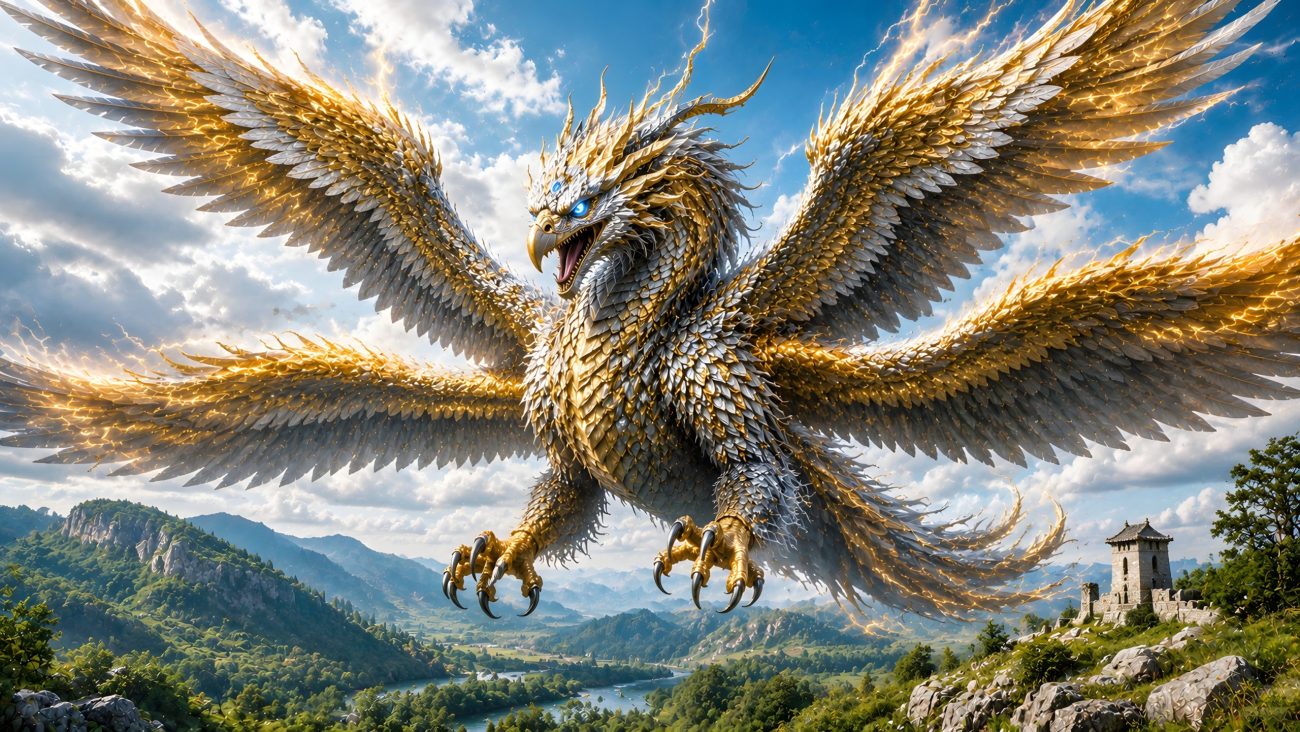
High above the mountains of Bulgaria there lived a supernatural eagle connected to storms, dragons, and the powers of the sky. It nested on remote peaks, flew above the clouds where violent winds raged, and was believed to travel between the world of the living and the underworld. Unlike ordinary creatures, the eagle never grew old because it drank from a hidden lake of life-giving water at the edge of the world.

The Dragon Eagle was feared and respected as a guardian of villages and farmlands. In the Pirin mountains it was said to build its nest in giant sycamore trees overlooking the countryside. From there it defended the land against destructive hailstorms and black storm clouds. As storms approached, the eagle flew directly against them, battling the clouds in the sky and driving them away before they could ruin crops.

People believed the eagle’s powers were almost identical to those of the dragon. In parts of Western Bulgaria, the Rhodopes, and Serbia, dragons and eagles were sometimes considered the same kind of supernatural being. The Dragon Eagle was said to possess four invisible wings and to create winds merely by flying. Some traditions claimed it could even become human or take human form, much like dragon-men in Balkan folklore.

The eagle was also connected with sacred trees, especially the oak, the tree of thunder. It symbolized both heavenly and earthly power. Folk songs described giant eagles battling in forests while rivers of blood flowed beneath them. In older traditions, the Dragon Eagle was seen not only as a storm fighter but as a guardian spirit and protector of clans, villages, and rulers.

One of the oldest images linked to the creature was the battle between the eagle and the serpent. This struggle appeared in medieval art and stories across Bulgaria, where the eagle represented heavenly force and the serpent represented darkness, evil, or destructive powers. Because of this, images of eagle-like dragon beings were carved onto churches, doors, jewelry, and protective objects to ward away danger.


Sources

Georgieva, I. (1985). Bulgarian mythology. Sofia: Svyat Publishers.


Enchanted Fox

Tradition / Region: Slovakian Mythology
Alternative names: The Fox of the Enchanted Forest
Category: Fox


The Myth

Deep within a cursed forest said to trap and destroy all who entered it lived an enchanted fox with strange supernatural powers. The creature appeared as an ordinary fox at first glance, swift and elusive, always staying just beyond reach. Hunters chased it deeper and deeper into the woods until they lost their way forever.

The fox served an ancient crone who ruled the enchanted forest through dark magic. The forest itself deceived travelers, swallowing roads and covering the land in unnatural darkness even during the day. No one who entered was believed to return alive.

The fox could not directly harm innocent people. Instead, it lured victims into anger, frustration, or cursing. Once someone lost control of themselves, the enchantment gained power over them. Only then could the witch capture them.

In the tale, one of two identical brothers chased the fox during a hunt. The creature constantly stopped just long enough to be seen before darting away again, leading him deeper into the cursed woods. Exhausted and furious, the hunter finally cursed aloud. At that moment the fox vanished, and he found himself trapped in the enchanted forest beneath a great oak.

There an old witch appeared, pretending to be cold and helpless. She tricked the hunter into striking his magical animal companions with a wand, turning them into stone. Then she transformed the hunter himself into stone and dragged him into her hidden cave where many victims already lay imprisoned.

Later, the hunter’s younger brother entered the forest searching for him. The fox again tried to lure him into rage, but this brother remained calm and careful. When the witch attempted the same trick, he deceived her instead, saving his animals from enchantment. Using a golden wand hidden in the oak tree, he restored the petrified creatures and revived his brother.

With the witch destroyed, the curse over the forest finally broke. The dead yellow woods became green again, and the enchanted animals revealed themselves to be princes who had long been trapped under a magical curse.


Sources

Dobšinský, P. (2015). Traditional Slovak folktales (D. L. Cooper, Ed. & Trans.). Routledge. (Original work published 2001 by M.E. Sharpe).