Enchanted Fox

Tradition / Region: Slovakian Mythology
Alternative names: The Fox of the Enchanted Forest
Category: Fox


The Myth

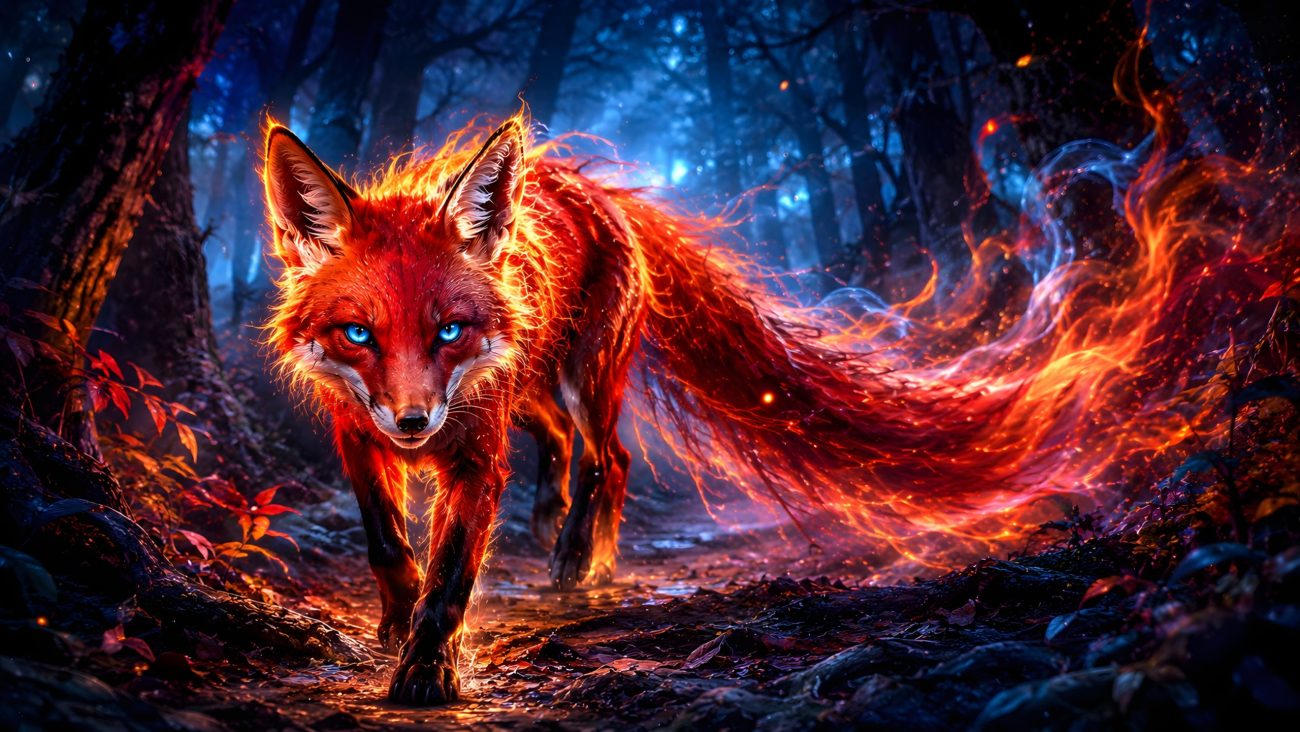
Deep within a cursed forest said to trap and destroy all who entered it lived an enchanted fox with strange supernatural powers. The creature appeared as an ordinary fox at first glance, swift and elusive, always staying just beyond reach. Hunters chased it deeper and deeper into the woods until they lost their way forever.

The fox served an ancient crone who ruled the enchanted forest through dark magic. The forest itself deceived travelers, swallowing roads and covering the land in unnatural darkness even during the day. No one who entered was believed to return alive.

The fox could not directly harm innocent people. Instead, it lured victims into anger, frustration, or cursing. Once someone lost control of themselves, the enchantment gained power over them. Only then could the witch capture them.

In the tale, one of two identical brothers chased the fox during a hunt. The creature constantly stopped just long enough to be seen before darting away again, leading him deeper into the cursed woods. Exhausted and furious, the hunter finally cursed aloud. At that moment the fox vanished, and he found himself trapped in the enchanted forest beneath a great oak.

There an old witch appeared, pretending to be cold and helpless. She tricked the hunter into striking his magical animal companions with a wand, turning them into stone. Then she transformed the hunter himself into stone and dragged him into her hidden cave where many victims already lay imprisoned.

Later, the hunter’s younger brother entered the forest searching for him. The fox again tried to lure him into rage, but this brother remained calm and careful. When the witch attempted the same trick, he deceived her instead, saving his animals from enchantment. Using a golden wand hidden in the oak tree, he restored the petrified creatures and revived his brother.

With the witch destroyed, the curse over the forest finally broke. The dead yellow woods became green again, and the enchanted animals revealed themselves to be princes who had long been trapped under a magical curse.


Sources

Dobšinský, P. (2015). Traditional Slovak folktales (D. L. Cooper, Ed. & Trans.). Routledge. (Original work published 2001 by M.E. Sharpe).


Gyrgalica

Tradition / Region: Slovakia Mythology, Polish Mythology
Alternative names: Grgolica, Gorgolica
Category: Giant


The Myth

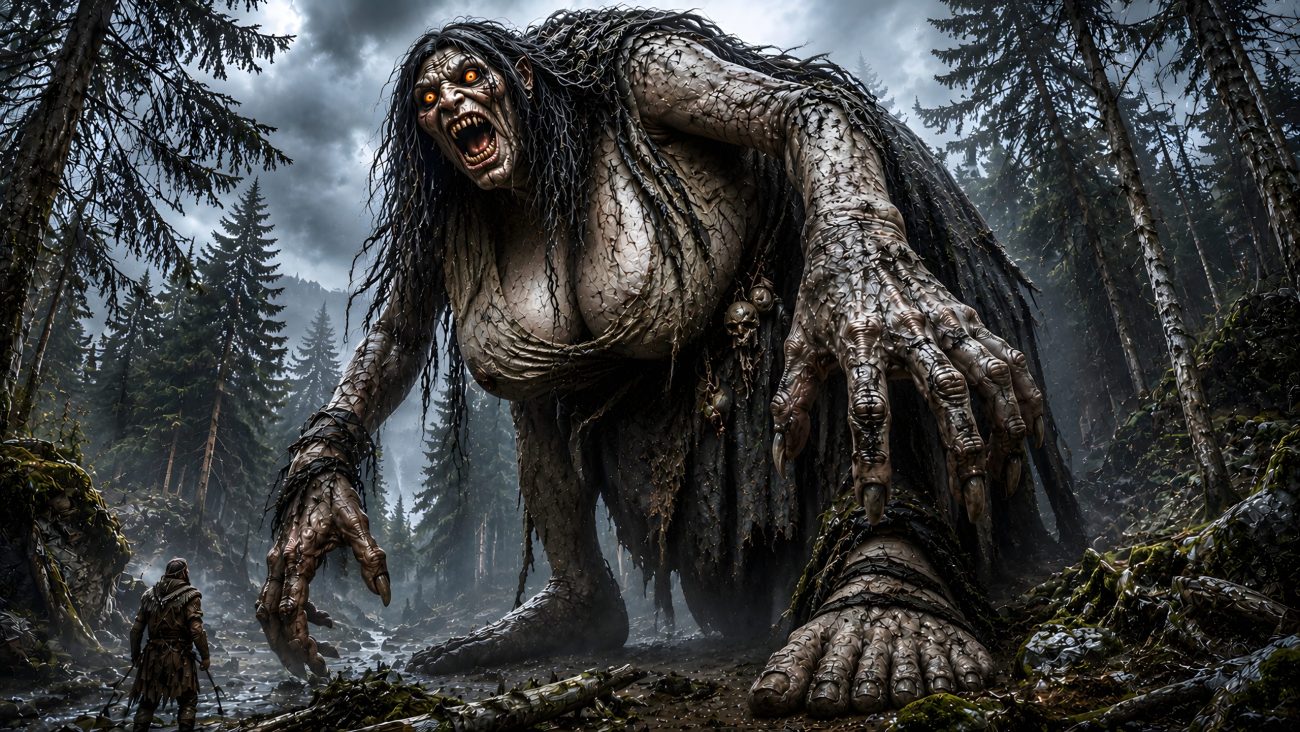
The Gyrgalica is a monstrous giant woman said to wander the forests of Slovakia and Poland. She is described as enormous and terrifying, with black feet, huge shovel-like hands, wild tangled hair, and eyes as large as saucers. Her breasts are so long and heavy that she throws them over her shoulders or across her back while moving through the woods.

Gyrgalicas hide deep in forests and prey upon wandering men. If one catches a victim, she kills him in a horrifying way: she forces one of her massive breasts into his mouth and suffocates him. Because of this, they became feared as deadly forest spirits associated with isolation, wilderness, and sudden disappearances.

In the Banská Bystrica region of Slovakia, people believed the creature could rarely be seen directly. Instead, travelers heard terrible howls and cries echoing through the forest at night. These sounds were believed to announce the presence of a nearby Gyrgalica hiding among the trees.

In some Slovak traditions, the Gyrgalica overlaps with the figure of the Runa and resembles other female wilderness spirits of the Carpathian region such as the Boginka and Mamuna. Like them, she is linked to remote forests, danger, and supernatural female beings that attack humans.

The name Gyrgalica or Gorgolica is believed to come from old Slavic words connected with shrieking, wailing, screaming, or harsh bird cries, reflecting the terrifying sounds said to echo through the woods when the giantess was near.


Sources

Bestiary.us. (n.d.). Grgalica. Retrieved May 18, 2026, from https://www.bestiary.us/grgalica/


Beskud

Tradition / Region: Ukraine Mythology, Poland Mythology, Czech Republic Mythology, Slovakia Mythology
Alternative names: Beskudians
Category: Vampire


The Myth

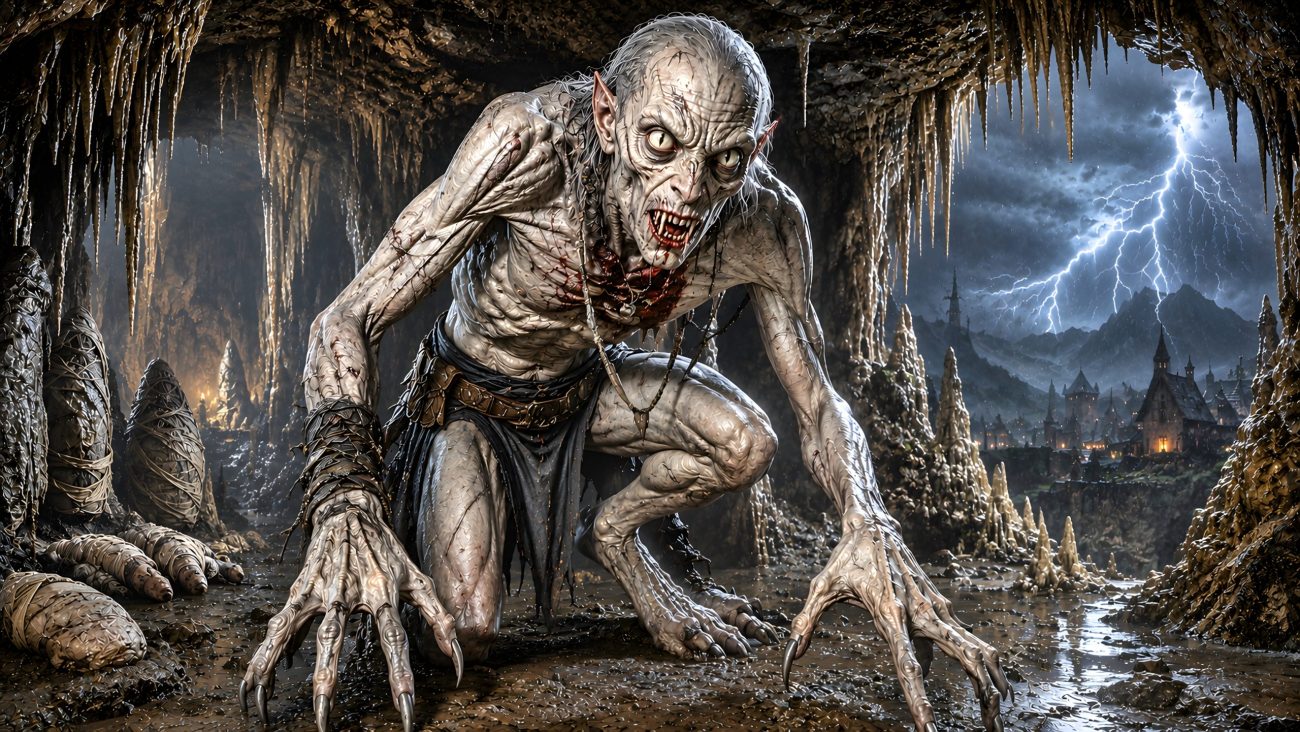
The Beskud is a rare and terrifying blood-drinking creature tied to the caves of the Beskydy Mountains. Unlike ordinary vampires, Beskuds are considered a separate breed of undead entirely. Folklore describes them as gray-skinned beings with slit-shaped catlike eyes, triangular teeth, immense physical strength, and skin so hard that ordinary weapons can barely wound them.

According to legend, the Beskuds were once members of the ancient Bastarnae nobility who willingly accepted a terrible curse before death. They were ritually killed and placed inside cave formations called helictites—strange twisting mineral structures that grow sideways inside the caves of the Moravian Karst and the northwestern Carpathians. Centuries later the cursed dead emerged from these stone cocoons as living blood-drinkers.

Unlike vampires, Beskuds are not created through bites, improper burials, or restless souls. Every Beskud originates directly from one of these ancient helictite cocoons. Even after one creature emerges, another may later form from the same cave structure, creating different Beskuds connected by an obscure mental bond. Destroying the helictite does not destroy the creatures born from it.

The life cycle of a Beskud is highly unusual. Newly emerged Beskuds are weak and unable to survive in sunlight. Even moonlight can temporarily turn them to stone. Hidden in caves, they survive on bats and are protected by older Beskuds until they grow stronger. After roughly a year of feeding, they enter a long hibernation and finally awaken as fully developed adult monsters.

Adult Beskuds can walk beneath the sun, though they strongly avoid open spaces and prefer darkness, storms, and overcast nights. Thunderstorms are considered their favored hunting time. Unlike most undead creatures, they usually attack only people awake after midnight—guards, drivers, thieves, wanderers, and night workers. Sleeping is considered one of the safest protections against them.

A Beskud’s bite drains more than blood. Victims also lose lymph and bodily fluids until they resemble dried mummies. Their attacks leave corpses shriveled and emptied rather than torn apart.

Beskuds are notoriously difficult to kill. They cannot dissolve into mist or transform into animals, but their speed and durability rival vampires. Wooden stakes are almost useless against them because their skin is extremely resistant. Folklore instead recommends silver-edged axes or silver-plated blades capable of severing the head. Decapitation is considered the only reliable way to destroy them.


Sources

Bestiary.us. (n.d.). Beskud. Retrieved May 18, 2026, from https://www.bestiary.us/beskud/