Karakura

Tradition / Region: Turkish Mythology
Alternative names: Qaraqura (Turkish spelling)
Category: Cat


The Myth

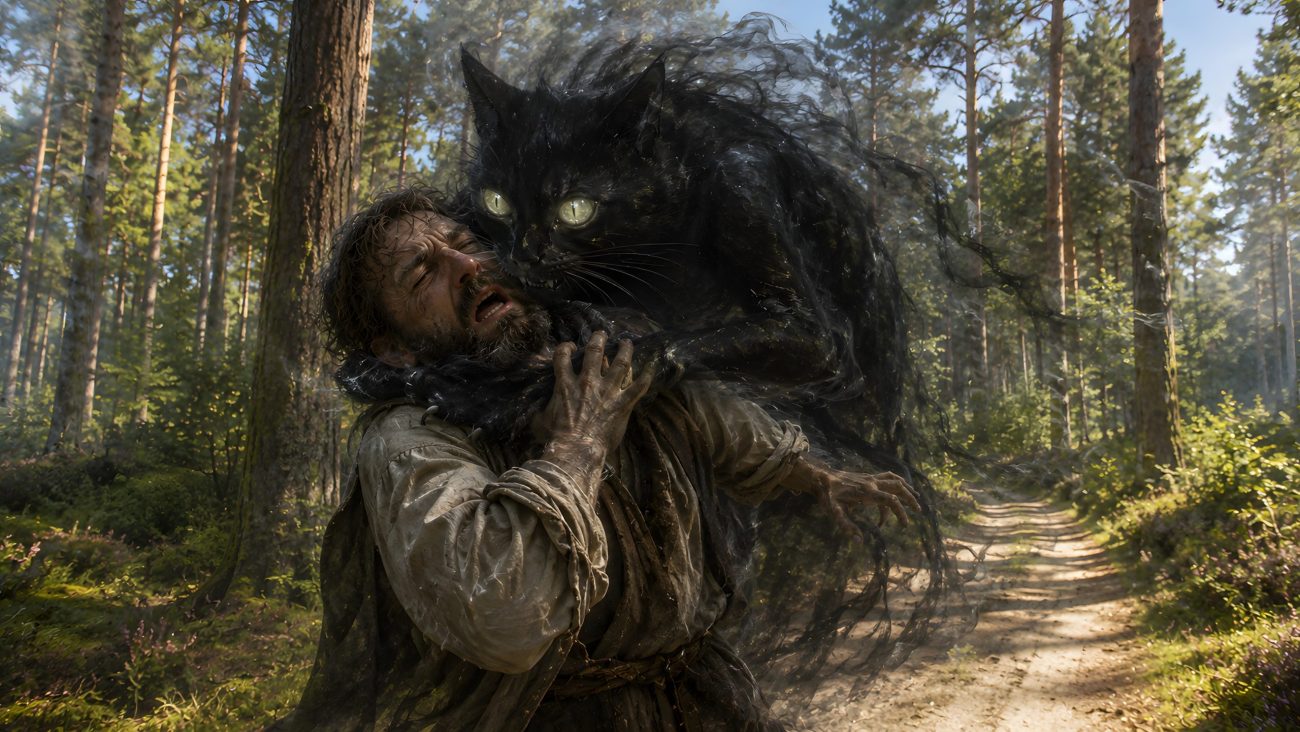
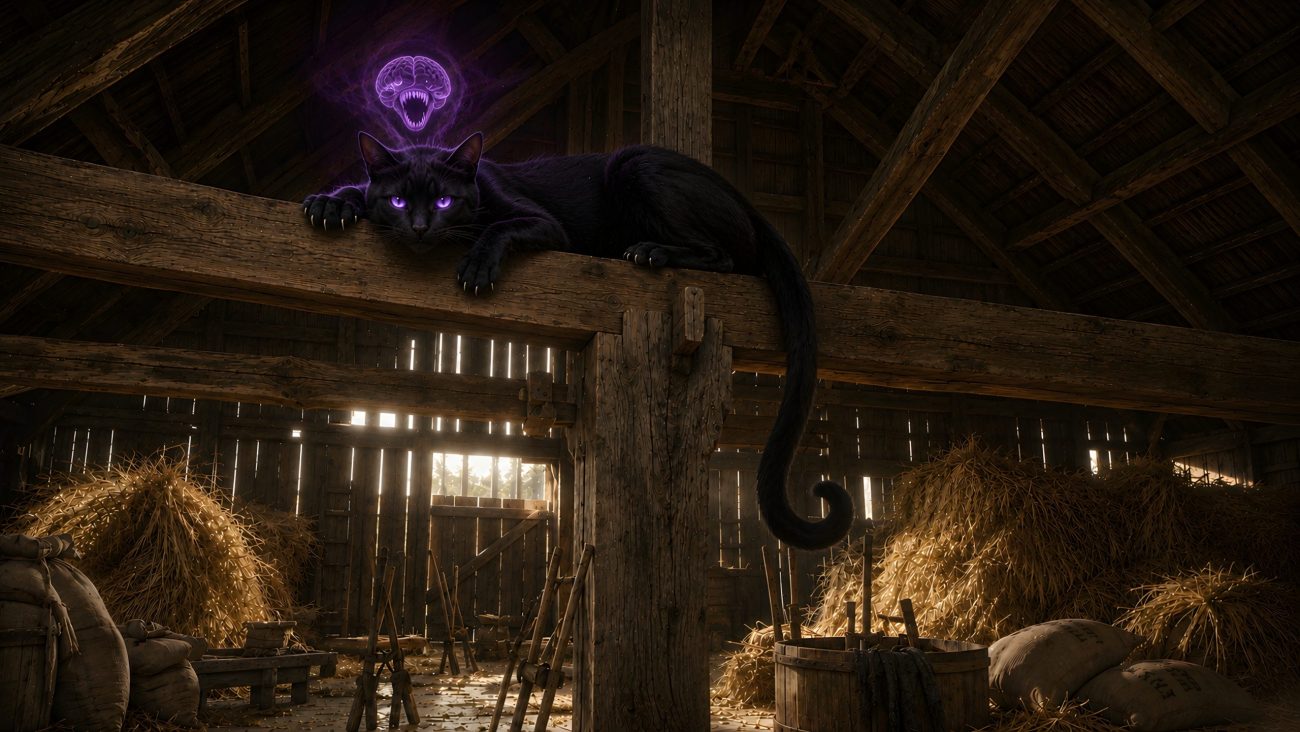
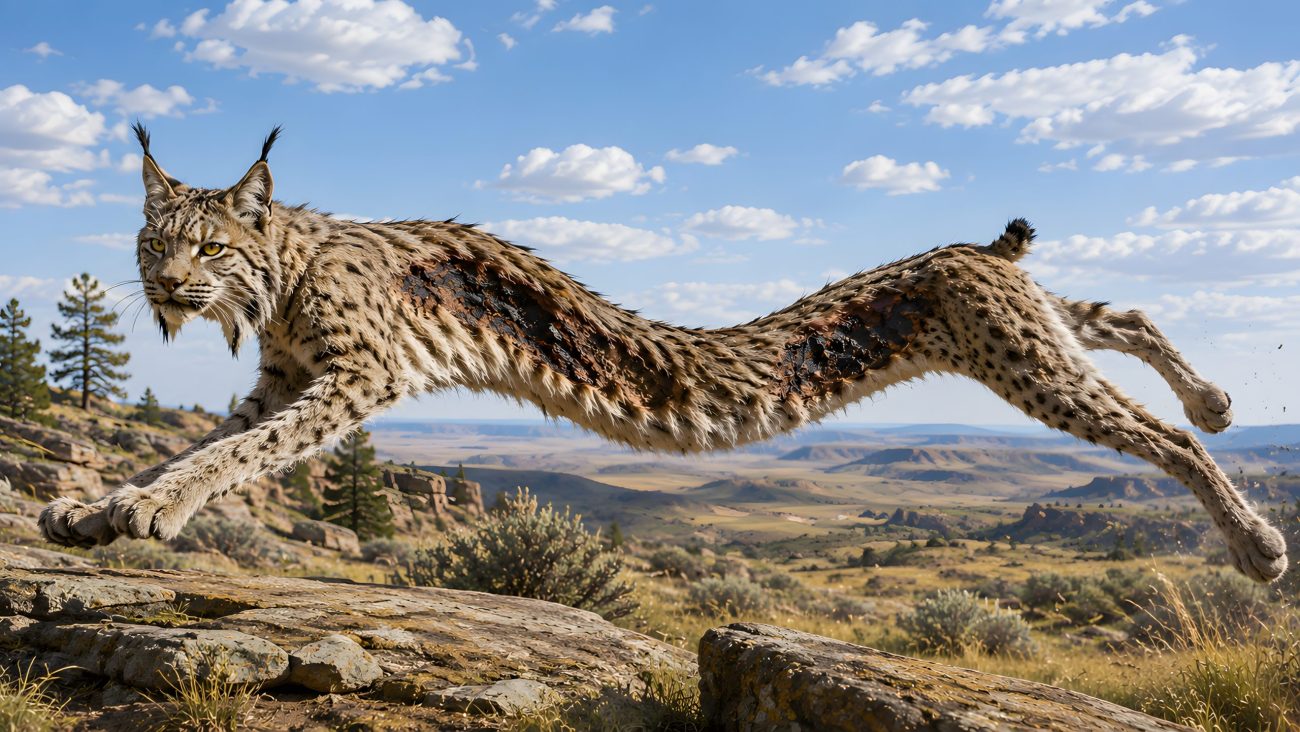
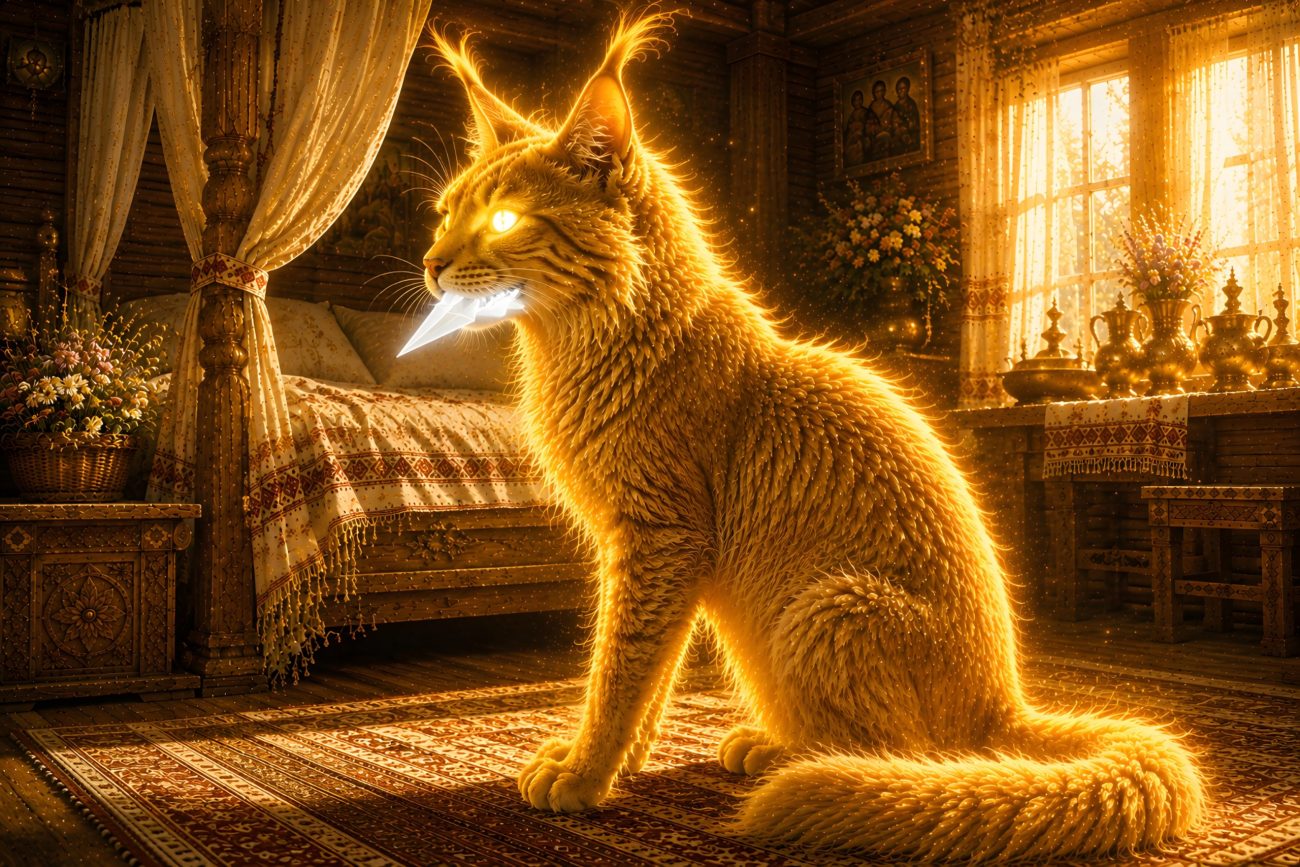
The Karakura is a cat-like nightmare spirit that attacks people while they sleep. It silently creeps onto the chest of a sleeping person, making it difficult or impossible to breathe, and may even tear out the victim’s lungs. In Anatolian folklore, it is sometimes described as a cat-sized animal, while in other traditions it is regarded as an invisible or abstract spirit.

A person afflicted by the Karakura suddenly feels a crushing weight pressing on the chest. Although fully aware of their surroundings, they cannot move, speak, or call for help. The only way to drive the creature away is to recite verses from the Qur’an. According to tradition, the Karakura quietly opens its eyes, but by the time the recitation is finished, it has already disappeared.

To protect against the Karakura, people were advised to place a knife or at least a piece of iron beneath their pillow before going to bed and to recite verses from the Qur’an before sleeping.

The Karakura is also said to fear daylight and cannot move once the sun rises, meaning it can only be encountered during the night.


Sources

“Kara Kura.” New Bestiary (Bestiary.us). Accessed July 28, 2026. https://www.bestiary.us/kara-kura


Hombre Gato

Tradition / Region: Argentinian Mythology
Alternative names: Catman
Category: Cat


The Myth

The Hombre Gato (“Catman”) is a legendary creature from Argentine folklore that combines both human and feline features.

According to the legend, the Hombre Gato emerges only at night, wandering through villages and rural areas in search of prey. It is said to attack both humans and animals under the cover of darkness, much like a werewolf.

Stories of the creature are especially common in the Argentine countryside. While many people regard the Hombre Gato as a fictional legend, others claim to have heard its eerie cries or even encountered the mysterious being during the night. The tale remains one of Argentina’s best-known modern urban legends and has inspired numerous works of fiction and documentaries.


Sources

“Hombre Gato.” Wikipedia: The Free Encyclopedia. Wikimedia Foundation. Accessed July 28, 2026. https://en.wikipedia.org/wiki/Hombre_Gato


Gotoku Neko

Tradition / Region: Japanese Mythology
Alternative names: Trivet Cat
Category: Cat


The Myth

The Gotoku Neko is a type of nekomata, a supernatural two-tailed cat. It is recognized by the upside-down iron trivet it wears on its head like a hat, while the tips of its twin tails burn with bright flames.

Like ordinary cats, Gotoku Neko are drawn to the warmth of fireplaces. They linger around the hearth, using bamboo pipes to blow air onto the fire and keep the flames burning.

According to its creator, Toriyama Sekien, the Gotoku Neko is also remarkably forgetful. This trait comes from a humorous wordplay connecting the creature’s name with a story about a nobleman who forgot two of the seven virtues during a ceremonial dance and became known for performing only the “five virtues” (gotoku).

The fiery tails of the Gotoku Neko also reflect an old Japanese superstition that allowing a cat to sleep too close to the hearth could bring disaster. Sparks might ignite the cat’s tail, causing the frightened animal to run through the house and accidentally set the entire building ablaze.


Sources

Meyer, Matthew. “Gotoku Neko.” Yokai.com: The Illustrated Database of Japanese Folklore. Accessed July 28, 2026. https://yokai.com/gotokuneko/


Jinhua Cat

Tradition / Region: Chinese Mythology
Alternative names: Jinhua Cat Demon, Cat Demon
Category: Cat


The Myth

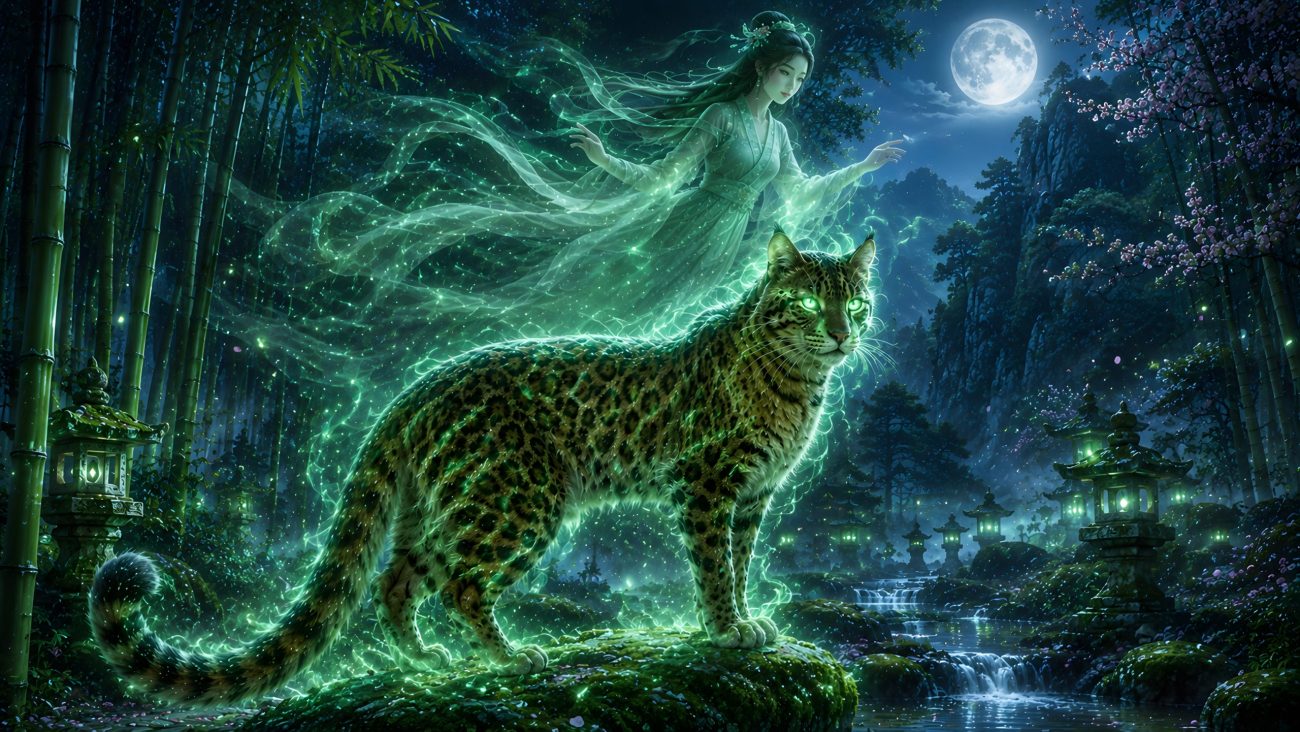
The Jinhua Cat is a cat spirit said to arise when a cat has been kept for more than three years. According to tradition, it climbs onto rooftops at midnight and absorbs the essence of the moon. After repeatedly feeding on moonlight, it transforms into a powerful cat demon.

Once transformed, the Jinhua Cat preys upon humans by taking on human form. It appears as a handsome young man to women and as a beautiful woman to men, seducing its victims. Before entering a household, it urinates in the family’s drinking water. Anyone who drinks the contaminated water becomes bewitched, unable to perceive the demon’s true feline form, and gradually falls ill.

One famous tale tells of a young woman in Lin’an who was secretly visited by an extraordinarily handsome youth. He provided food and drink instantly and behaved like an ordinary person, yet no one else could see him. Sorcerers failed to drive him away until an old noodle seller recognized the visitor as a Jinhua Cat Demon and successfully exorcised it.

Chinese tradition also warned against keeping pure white cats in the Jinhua region, believing they could absorb moonlight, become spirits, and bring misfortune to their owners.


Sources

“金華貓 (Jinhua Cat).” Chinese Wikipedia. Wikimedia Foundation. Accessed July 28, 2026. https://zh.wikipedia.org/wiki/金華貓


Dard

Tradition / Region: French Mythology
Alternative names:
Category: Cat


The Myth

The Dard is a strange creature from the French department of Vienne, combining the features of several animals. It has the head of a cat, the long body of a serpent with four legs, a short viper-like tail, and a mane running along its spine.

The creature is known to steal milk directly from cows and is feared for its piercing, terrifying whistle. Although it is not venomous, the Dard has a powerful bite and will viciously attack anything that provokes it.

Local tradition claimed that the Dard’s distinctive appearance was preserved in the stone carvings of certain churches in Vienne, where its cat-like head and serpentine body could still be recognized.


Sources

Countess Sica. “Dard.” A Book of Creatures. November 22, 2019. Accessed July 27, 2026. https://abookofcreatures.com/2019/11/22/dard/


Earth Cat

Tradition / Region: Russian Mythology
Alternative names:
Category: Cat


The Myth

The Earth Cat is an underground wildcat believed by the people of the Ural Mountains to guard hidden treasures beneath the earth.

One of its best-known appearances is in Pavel Bazhov’s tale “Cat’s Ears.” In the story, a girl named Dunyakha encounters what first appears to be two mysterious fires with a small mound between them that resembles a cat’s head. As she watches, the fiery “ears” grow larger, then shift aside as if the cat is moving. The strange apparition is said to appear in places where copper and gold lie buried underground.

The Earth Cat is described as a supernatural manifestation of the underground world rather than an ordinary animal. It is closely associated with hidden mineral wealth, appearing above deposits of valuable ore while silently guarding the treasures beneath the earth.


Sources

“Земляная кошка (Zemlyanaya Koshka).” New Bestiary (Bestiary.us). Accessed July 28, 2026. https://www.bestiary.us/zemljanaja-koshka


Drommelkater

Tradition / Region: Dutch Mythology
Alternative names: Duivelkater
Category: Cat


The Myth

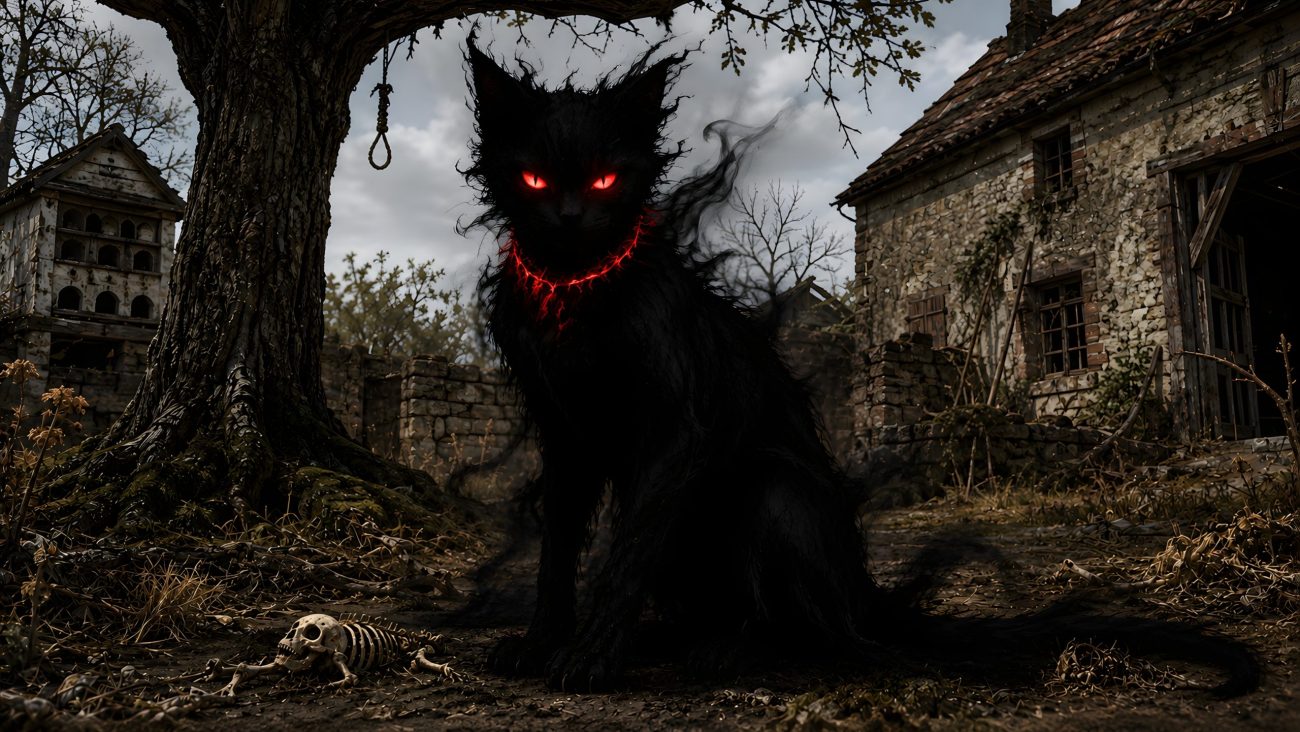
The Drommelkater is a name for the Devil when he appears in the form of a large black cat with glowing eyes. As a supernatural creature, it was regarded as a frightening manifestation of the Devil himself, haunting those who encountered it.

The name also became attached to a traditional loaf of bread known as a duivelkater (“devil’s cat”). According to folklore, this bread replaced an older ritual in which a live cat was buried or burned as an offering to the Devil. The loaf came to symbolize that former sacrifice, preserving its memory while replacing the living offering.


Sources

Van der Veen, Abe J. “Van aardmannetje tot zwarte juffer: Een lijst van Nederlandse en Vlaamse elfen en geesten.” Abe de Verteller. Accessed July 28, 2026. https://abedeverteller.nl/van-aardmannetje-tot-zwarte-juffer-een-lijst-van-nederlandse-en-vlaamse-elfen-en-geesten/


Chordeva

Tradition / Region: Bengali mythology, Indian Mythology
Alternative names:
Category: Cat


The Myth

The Chordeva is a vampiric witch feared throughout the folklore of Bengal. It possesses supernatural powers and commonly takes the form of a cat to hunt its victims.

Rather than attacking the healthy, the Chordeva stalks the elderly, the sick, and the dying. It hastens their deaths by stealing their food or poisoning what little nourishment they have left. The creature can also kill instantly by simply licking its victim. Because of this belief, cats were traditionally kept away from those near death.

Although it resembles an ordinary cat, the Chordeva is said to produce a distinctive mewing cry that reveals its true nature. It is also repelled by water and can transform into a monstrous werecat when threatened. In this form, it is said to be completely invulnerable to harm.

The Chordeva can assume a human appearance as well. While disguised as a person, it may be destroyed like a traditional vampire, by driving a wooden stake through its heart or exposing it to prolonged sunlight. If slain while in cat form, it immediately reverts to its human shape, bearing the same wounds that killed it, allowing people to identify the hidden vampire and destroy it permanently.


Sources

Bane, Theresa. Encyclopedia of Vampire Mythology. Jefferson, NC: McFarland & Company, 2010, p. 45.


Cath Palug

Tradition / Region: Welsh Mythology
Alternative names: Cath Paluc, Cath Balug, Chapalu
Category: Cat


The Myth

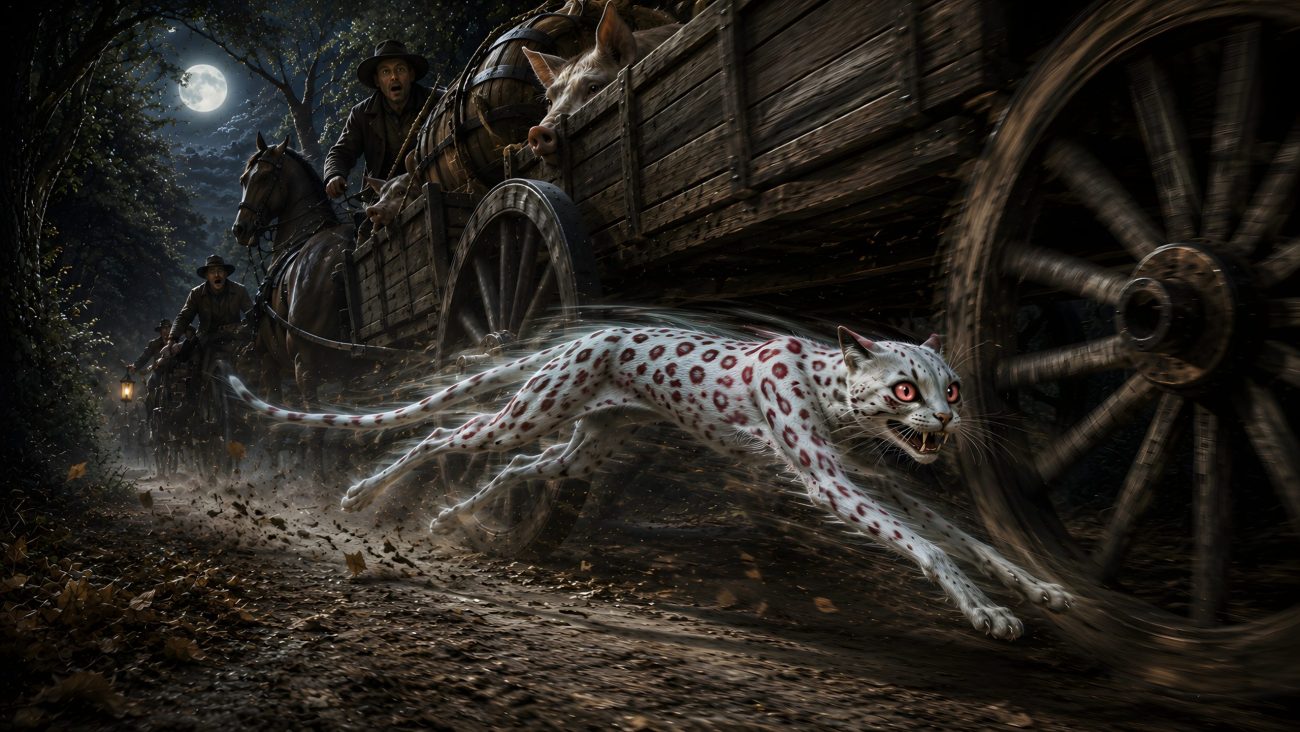
Cath Palug was a monstrous cat whose legend became closely associated with the tales of King Arthur. According to Welsh tradition, it was born as a kitten from the great white sow Henwen in Gwynedd. The kitten was cast into the sea but crossed the Menai Strait to the Isle of Anglesey, where it was raised by the sons of Palug. As it grew, it became one of the island’s greatest plagues.

The beast haunted the waters and shores of Anglesey, where it slaughtered countless warriors. One Welsh tradition tells that 180 men fell before the monster before the hero Cai (Kay) confronted it and finally slew it.

In later Arthurian romances, the story changed, replacing Cai with King Arthur himself. Some tales place the monster beside lakes or marshes, where it is described as an enormous black cat—or even a strange fish-like cat—that terrorized all who approached. In one famous version, a fisherman caught a small black kitten in his net after breaking a sacred vow. The kitten grew into a gigantic monster that killed the fisherman, his family, and every traveler who came near the lake until Arthur destroyed it.

Not every legend grants Arthur victory. Some medieval French stories claim the monstrous cat defeated the king, knocking him into a bog before killing him. These versions were widely regarded by other medieval writers as hostile tales intended to mock the Arthurian tradition.

Whether slain by Cai or Arthur, Cath Palug remains one of the most famous monstrous cats of Celtic legend, remembered as a deadly beast born from an unnatural birth whose reign of terror ended only after a legendary battle.


Sources

“Cat-sìth.” Wikipedia: The Free Encyclopedia. Wikimedia Foundation. Accessed July 28, 2026. https://en.wikipedia.org/wiki/Cat-s%C3%ACth


Cactus Cat

Tradition / Region: American Mythology
Alternative names:
Category: Cat


The Myth

The Cactus Cat is a legendary creature of the American Southwest, resembling a bobcat covered in sharp, cactus-like spines. Long thorns project from its legs, and its branching, armored tail is likewise covered in deadly spikes. Its coat blends perfectly with the desert, making it almost impossible to spot.

According to legend, the Cactus Cat emerges at night to slash giant cacti with its thorn-covered body. The cuts allow the cactus juice to flow freely. After leaving the sap to ferment for several nights, the creature returns to drink the intoxicating liquid.

The Cactus Cat is closely associated with the harsh deserts of the American Southwest and is often regarded as a living embodiment of the desert itself. It was said to haunt the arid wilderness, where its camouflage and thorny body made it perfectly adapted to its unforgiving home.

The legend was passed down through oral tradition and was later shared among frontiersmen, miners, and cowboys, ensuring that tales of the mysterious, spine-covered feline continued to roam the deserts long after its supposed tracks had vanished.


Sources

“Cactus Cat.” Wikipedia: The Free Encyclopedia. Wikimedia Foundation. Accessed July 28, 2026. https://en.wikipedia.org/wiki/Cactus_cat