Tradition: Inca Mythology, Peruvian Mythology
Alternative Names: Supaya, Auka
Category: Ghost
The Myth
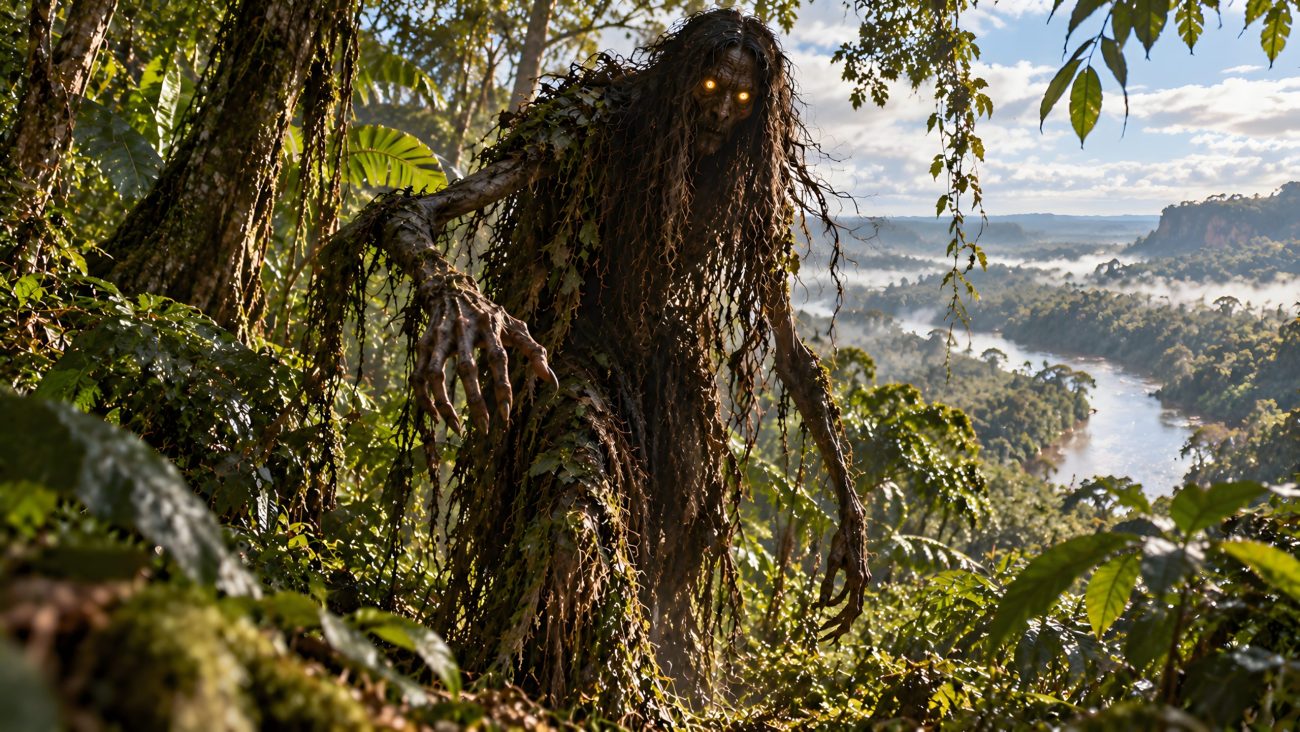
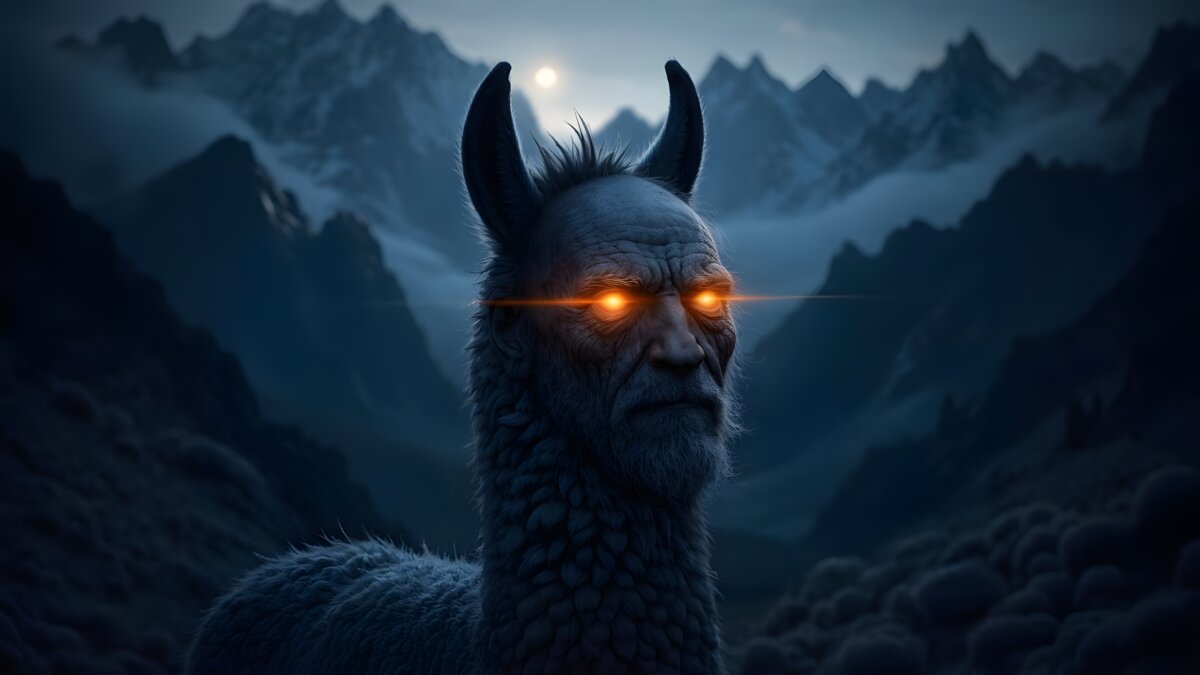
Supay is a powerful spirit associated with the underworld, darkness, death, and the shadowy forces of the universe. In Andean mythology, he is connected to Uku Pacha, the realm beneath the world where the spirits of the dead dwell. Supay is an ambivalent being who can embody both benevolent and harmful forces. In later Christian interpretations, he came to be associated with the Devil and demons, but in older Andean beliefs, he represented one of the opposing forces necessary to maintain the balance of existence.
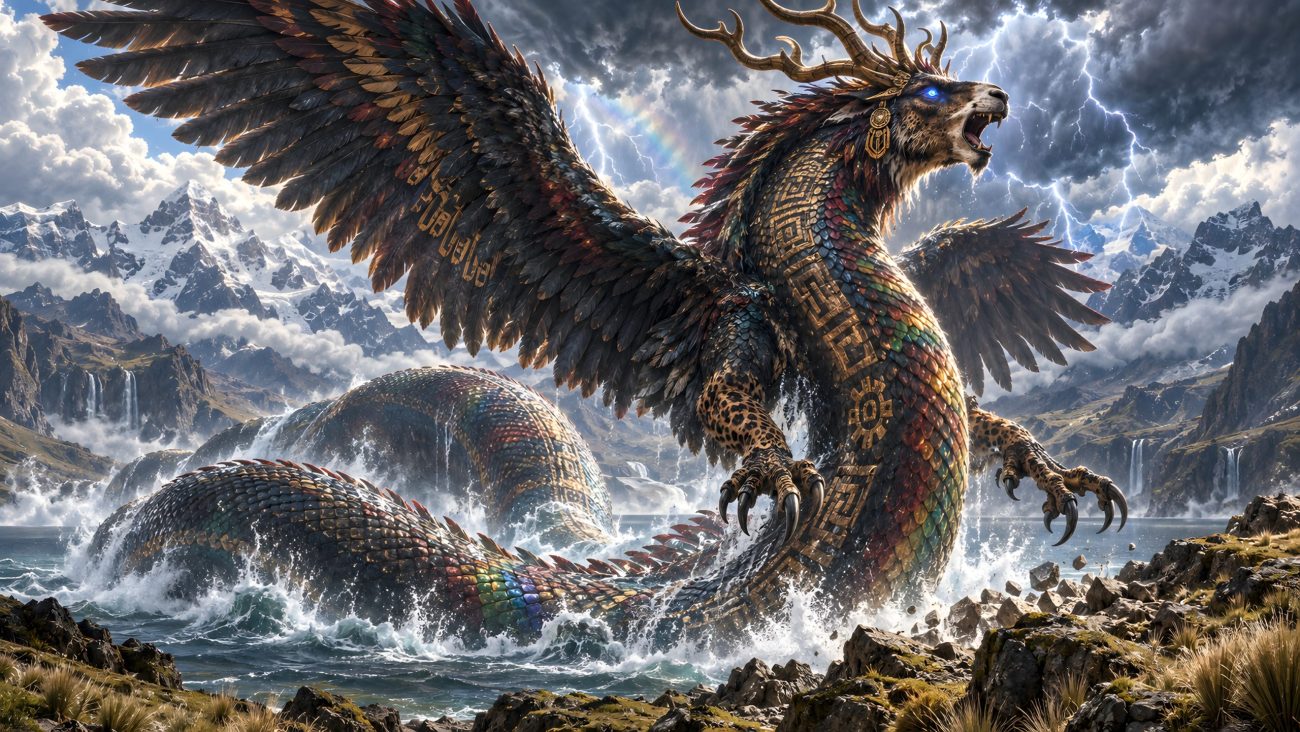
One legend tells that Supay caused the great flood that created Lake Titicaca. Long ago, the land around the lake was a fertile valley where people lived peacefully under the protection of the mountain gods, the Apus. The gods forbade them from climbing the mountains where the Sacred Fire burned. Unable to tolerate their happiness, Supay sowed discord among the people and tempted them to disobey. When they climbed the mountains, the Apus sent thousands of pumas to devour them. The terrified people begged Supay for help, but he refused to save them. Seeing their destruction, Inti, the Sun God, wept so bitterly that his tears flooded the valley for forty days. Only one man and one woman survived in a reed boat. When the waters receded, they found themselves surrounded by an immense lake, with the drowned pumas transformed into stone.
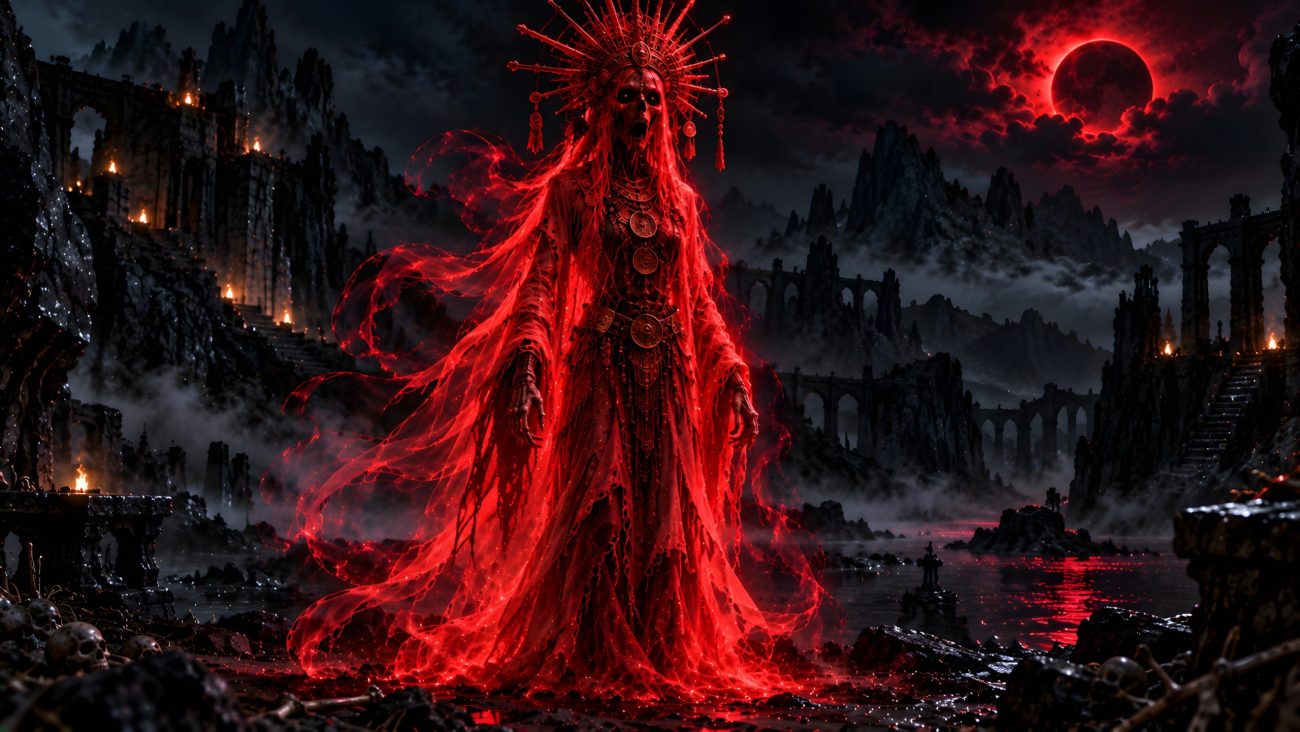
Supay is also connected to the journey of the dead through the underworld. According to Andean tradition, the souls of the deceased must cross a river of blood called Yawar Mayu to reach Upay Marca, the land of shadows. A black dog often guides the soul on this journey. Known as Tawa Ñawi, meaning “Four Eyes,” the dog appears to have four eyes because of the distinctive markings above its own eyes. In some traditions, the hair saved during a child’s first haircut was believed to form a bridge that helped the deceased cross the river and continue into the realm of the dead.
Supay represents the darker counterpart to Kawsay, the force of life. In Andean thought, life and death, light and darkness, and other opposing forces are not simply enemies that must destroy one another. Their interaction maintains cosmic balance and allows existence to continue through recurring cycles of destruction and renewal.
Sources
“Supay.” Wikipedia: The Free Encyclopedia. Wikimedia Foundation. Accessed October 15, 2026. https://en.wikipedia.org/wiki/Supay