Rhox

Tradition / Region: Greek Mythology, Roman Mythology, Italian Mythology
Alternative names: Rhogalida / Grape-Spider
Category: Spider


The Myth

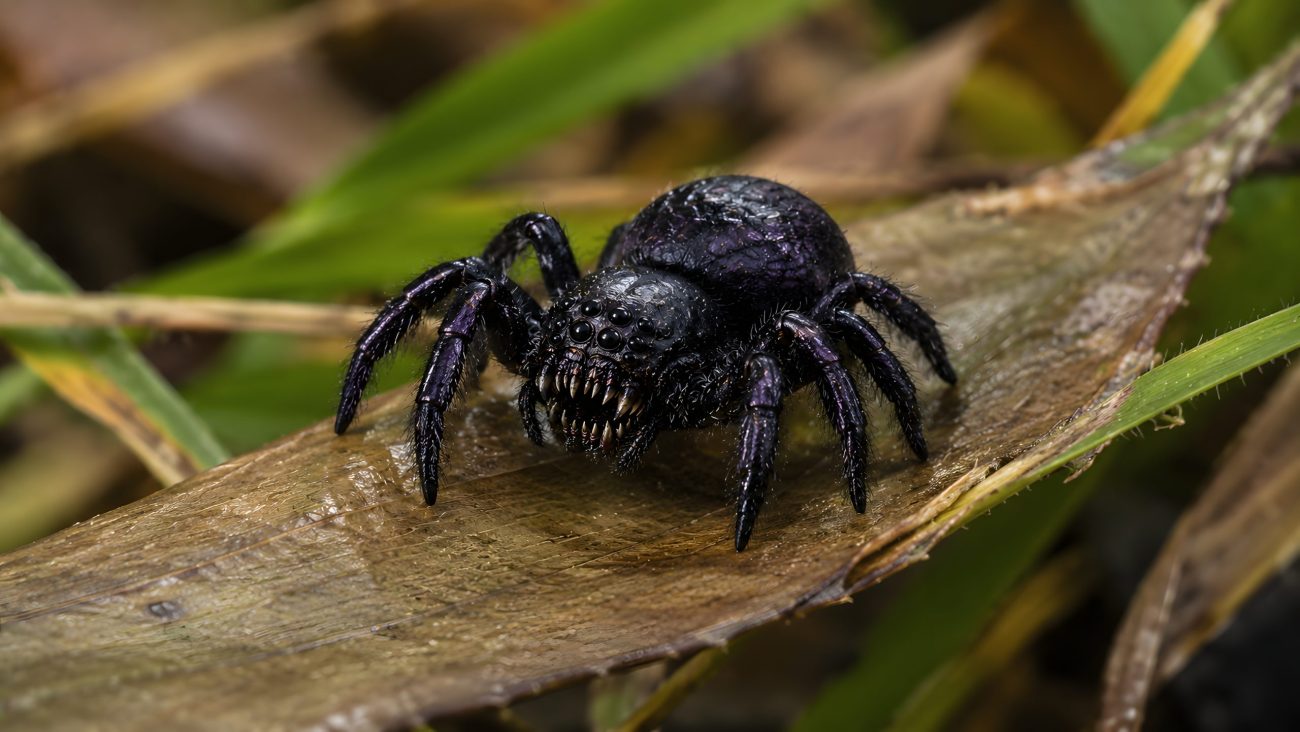
The Rhox was a terrifying venomous creature described in ancient Greek and Roman writings. It was usually identified as a spider or phalangion, though its exact nature remains uncertain. Ancient authors associated it with Libya, while similar creatures were also known around the Mediterranean, especially on the island of Crete.

The creature was dark smoky-black or pitch black in color. It possessed a strange mouth lined with teeth in the middle of its body and had short, stubby legs that moved one after another. Although ancient writers called it a spider, these unusual features have led some to believe it may have resembled a centipede or another venomous arthropod instead.

The Rhox was feared for its extraordinarily deadly venom. Ancient physicians claimed that its bite could kill almost immediately, and one of its most unusual symptoms was the appearance of thread-like strands resembling spider webs in the victim’s urine.

Because of its appearance and the lethal effects of its poison, some modern scholars believe the Rhox may have been inspired by the Mediterranean black widow, whose venom was well known throughout antiquity.

Whether it was a true spider or another poisonous creature, the Rhox remained one of the most feared venomous beasts recorded by the natural historians of the ancient Mediterranean.


Sources

A Book of Creatures. (2020, July 6). Rhox. Retrieved June 28, 2026, from https://abookofcreatures.com/2020/07/06/rhox/


Bonacon

Tradition / Region: Roman mythology, Italian Mythology
Alternate Names: Bonnacon
Category: Cow


The Myth

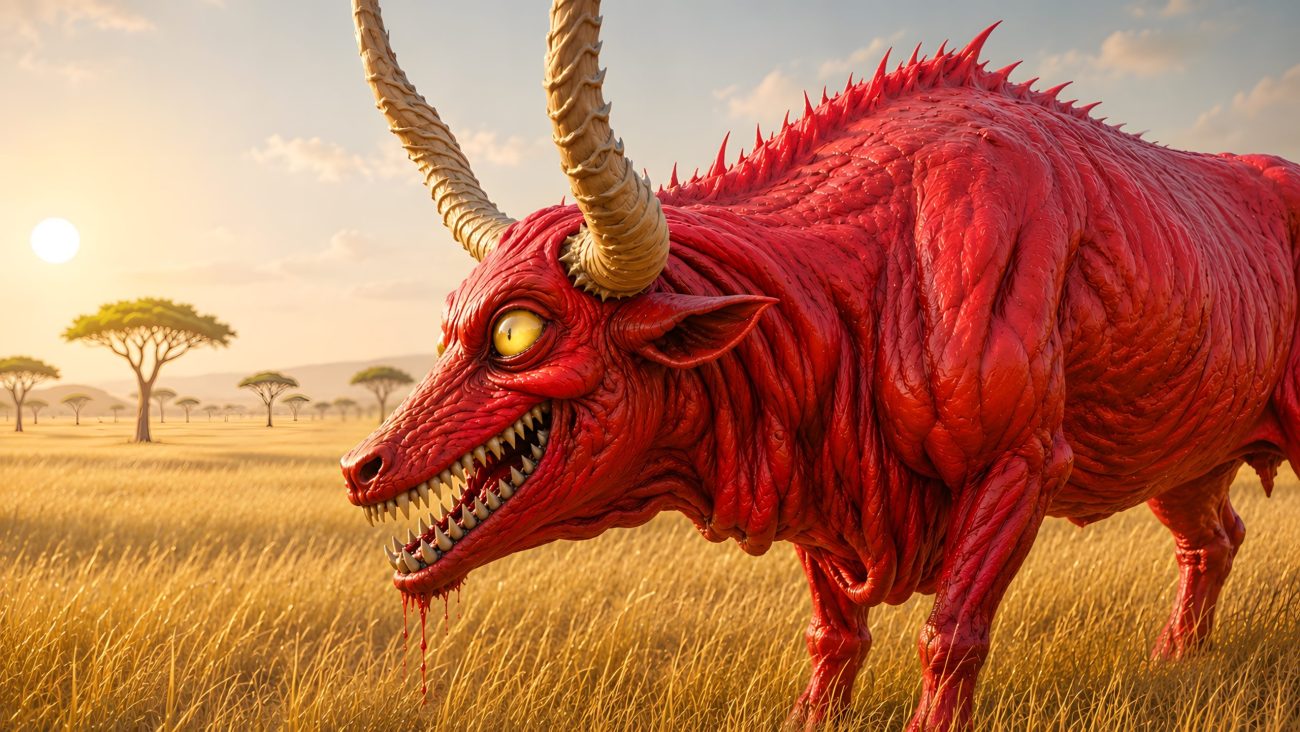
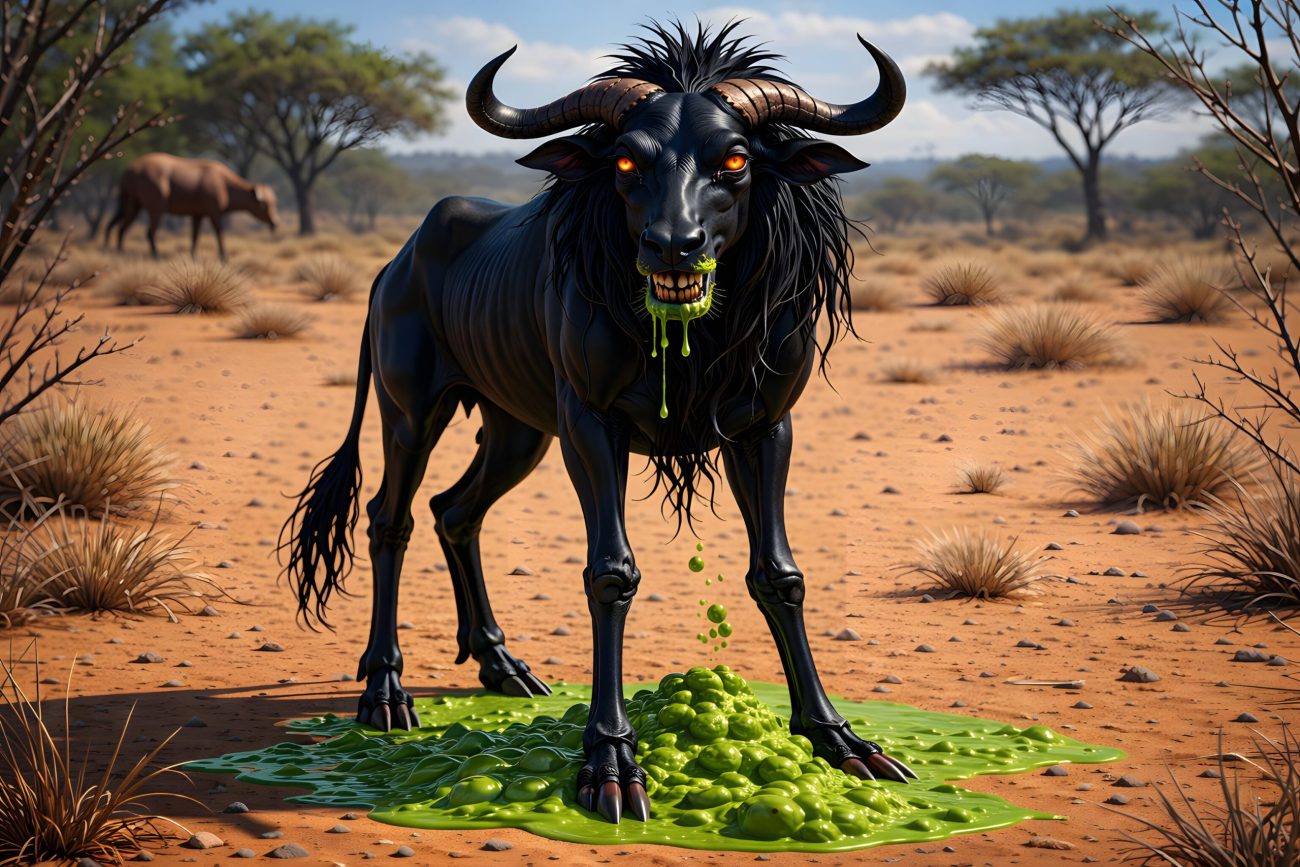
The Bonacon is a strange and powerful beast, shaped like a great bull with a broad chest, thick hide, and heavy limbs. Around its neck hangs a mane like that of a horse, and its head is unmistakably bovine. Yet its horns, though impressive in size, are twisted inward and curl back upon themselves, useless for combat.

When threatened, the Bonacon does not charge or fight. Instead, it flees.

As it runs, the creature unleashes its true defense. From its body pours a vast stream of burning filth, hurled far behind it with astonishing force. The discharge scorches the earth like fire, filling the air with unbearable heat and stench. Anything it touches is seared, and hunters who pursue the beast are driven back in pain and terror, unable to continue the chase.

Thus the Bonacon escapes without ever turning to face its enemies, leaving them burned and humiliated while it vanishes into the distance. Its survival lies not in strength or weapons, but in a defense so foul and overwhelming that no pursuer dares follow for long.


Sources

Pliny the Elder. (n.d.). Naturalis Historia, Book 8, Chapter 16.

Wikipedia contributors. (n.d.). Bonnacon. In Wikipedia, The Free Encyclopedia, from https://en.wikipedia.org/wiki/Bonnacon


Trebius Niger

Tradition / Region: Roman Mythology, Medieval European Mythology
Category: Fish, Swordfish


The Myth

The Trebius Niger, or Black Trebius, is a strange and powerful fish known for defying the natural order of the sea. Though small—only about a foot long—it possesses abilities far beyond its size.

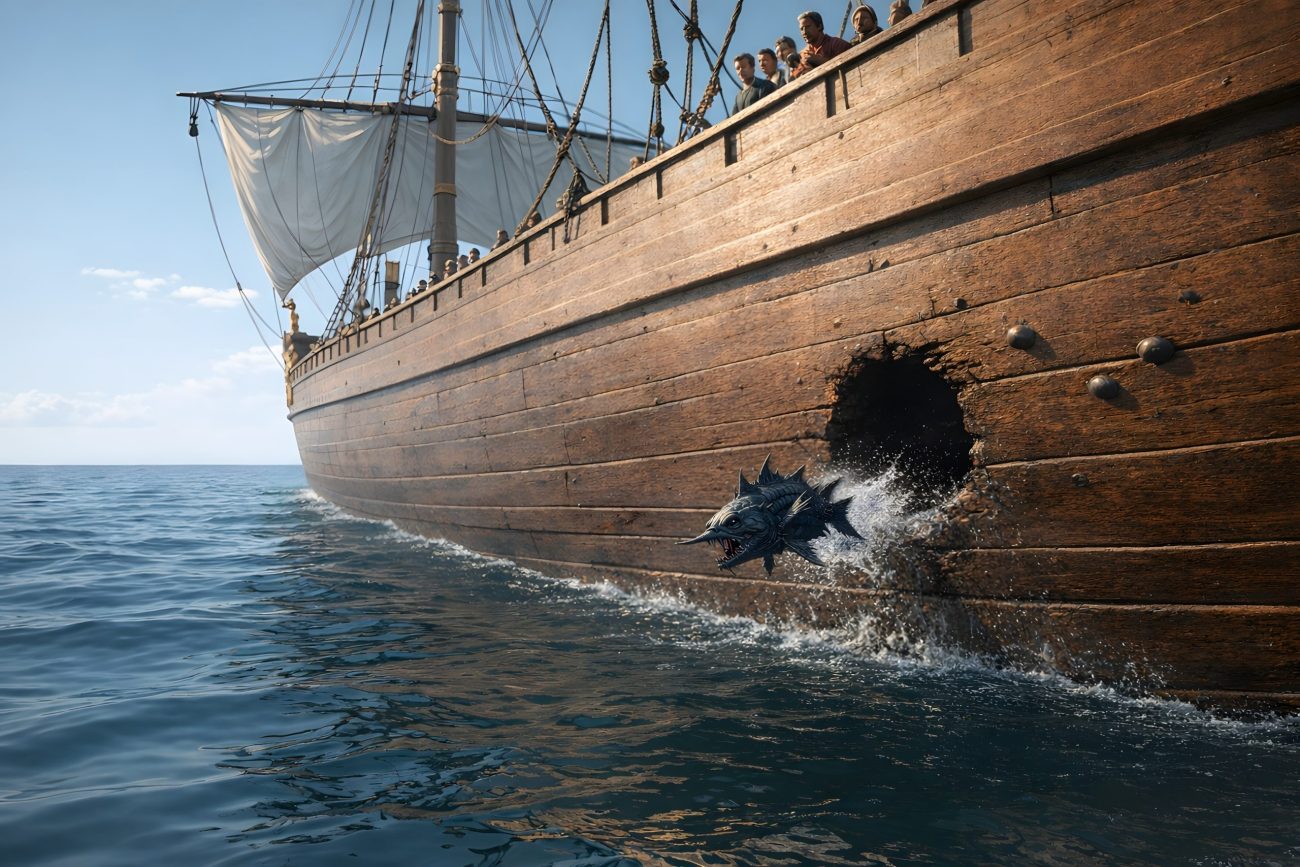
The Trebius can halt ships upon the water, clinging to their hulls and robbing them of all movement. Even the strongest vessel, once touched by it, becomes helpless, as if the sea itself has turned solid beneath it. Sailors fear its presence, for no oar or sail can overcome its grip.

The fish is said to change color with the seasons, turning black in summer and white in winter, marking the passage of time as clearly as the sky or the tides.

Most wondrous of all is its power over gold. If a Trebius is preserved in salt, even a small piece of it can be lowered into a deep well and will draw lost gold upward, as though the metal itself longs to return to the surface. For this reason, the fish is both coveted and dangerous, tempting the greedy while punishing the careless.

Unlike other fish, the Trebius does not scatter its eggs in water. Instead, it builds a nest, carefully constructing it before laying its eggs within. Some tales say it gathers seaweed for this purpose; others describe nests found in impossible places, even above the water, defying all expectation.

Later legends add that the Trebius is armed, bearing a sharp beak or pointed snout with which it can pierce ships, sinking them outright despite its small size. In some depictions it appears almost monstrous, with clawed feet, a bearded face, and a strange intelligence in its eyes.

Thus the Trebius Niger is remembered as a creature born of the sea but not bound by its rules:
a fish that stops ships, commands gold, builds nests like a bird, and carries ruin far greater than its form suggests.


Gallery


Sources

A Book of Creatures contributors. (n.d.). Trebius. In A Book of Creatures, from https://abookofcreatures.com/2020/05/15/trebius/


Interpretive Lenses

Religious Readings
  • Christian Ascetic Deep Dive
Philosophical Readings
  • Nietzschean Deep Dive
Psychological Readings
  • Jungian Deep Dive
Esoteric Deep Dive
  • Hermetic Deep Dive
Political / Social Readings
  • Marxist Deep Dive
Other
  • How to Invite The Trebius Niger