Unicorn

Tradition / Region: Greek Mythology
Alternate Names: Monokeros
Category: Horse


The Myth

In ancient Greek accounts, the unicorn was spoken of as a rare and formidable creature dwelling in distant forests and mountains beyond the familiar world. It resembled a powerful horse or goat-like beast, marked by a single long horn rising from the center of its forehead. Swift, strong, and fiercely independent, it could not be overtaken by hunters nor subdued by force.

The unicorn was said to possess extraordinary strength. When pursued, it could leap from great heights, landing upon its horn without injury, and vanish into rough terrain where no human could follow. Its body was lean and fast, its senses sharp, and its temperament untamable. No net or trap could hold it, and weapons were useless against its speed.

Only one method was said to succeed in capturing a unicorn. If a maiden of pure character was left alone in the forest, the creature would approach her without fear. Trusting her presence, it would rest its head in her lap, allowing hunters to seize it. Without such purity, the unicorn would never come near, fleeing at the first hint of deceit or threat.

The unicorn’s horn was believed to hold powerful properties. It could cleanse poisoned water, neutralize venom, and protect against corruption. Because of this, kings and physicians prized the horn above all treasures, though few ever possessed one. Its power was tied to the creature itself, and the horn was never obtained without consequence.

Though later traditions layered the unicorn with symbolism, in the older Greek imagination it remained a wild and dangerous being. It was neither gentle nor benevolent, but bound to strict conditions of approach. To encounter the unicorn was to face a creature that tested restraint, intention, and respect, existing beyond human command and beyond the reach of ordinary ambition.


Sources

Wikipedia contributors. (n.d.). Unicorn. In Wikipedia. Retrieved June 29, 2026, from https://en.wikipedia.org/wiki/Unicorn


Katakana

Tradition / Region: Greek Mythology
Alternate Names:
Category: Bat, Vampire


The Myth

On the Greek islands of Crete and Rhodes, people tell of a vampire known as the katakana. It is believed that certain dead do not remain at rest. In older times, Cretans feared that if a person were buried in loose, unconstrained earth, the dead might rise again as a katakana. Because of this danger, holy soil was brought from sacred places, including the Holy Sepulcher, and sprinkled over cemeteries to prevent the dead from returning.

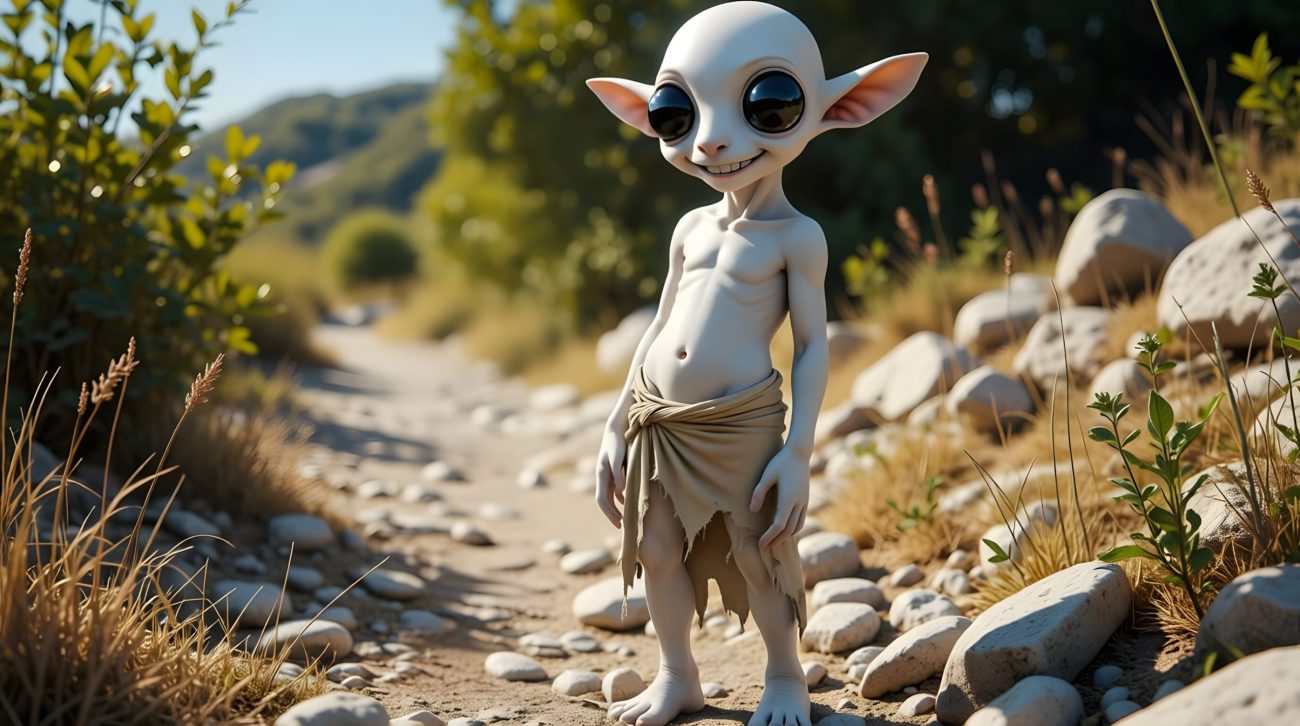
The katakana was said to arise from the bodies of suicides, evil people, or those who had been excommunicated from the church. After death, such individuals could transform into vampires, retaining a distorted likeness of their former selves. The katakana was described as constantly smiling, its teeth always visible, giving it a chilling and unnatural expression.

Unlike some other undead beings, the katakana did not rely solely on biting to create others of its kind. Instead, it was said to spit a burning, bloody discharge at people. If this sticky substance struck its target, the victim would in time become a katakana as well, transformed into a vampire like the one that cursed them.

People believed the katakana could be driven away temporarily by gunshots, but destroying it required strict measures. To kill it permanently, the vampire had to be decapitated, or at least struck in the head with a sharp-edged weapon. Its severed head was then boiled in vinegar, and its nails were burned. Another method involved trapping the katakana in a container filled with salt water, which could immobilize it.

These actions had to be carried out within the first forty days after the vampire’s rise. If this time passed, the katakana was believed to become indestructible, immune to all attempts to destroy it. Because of this, vigilance and speed were considered essential when signs of a katakana appeared.

Beliefs about the katakana were understood as a local island form of broader Greek vampire traditions, yet its distinctive grin, burning spit, and specific methods of destruction set it apart as one of the most feared undead beings of the Aegean islands.


Keledones

Tradition / Region: Greek Mythology
Alternate Names: Celedones, Khryseiai Keledones (“Golden Charmers”)
Category: Object, Bird


The Myth

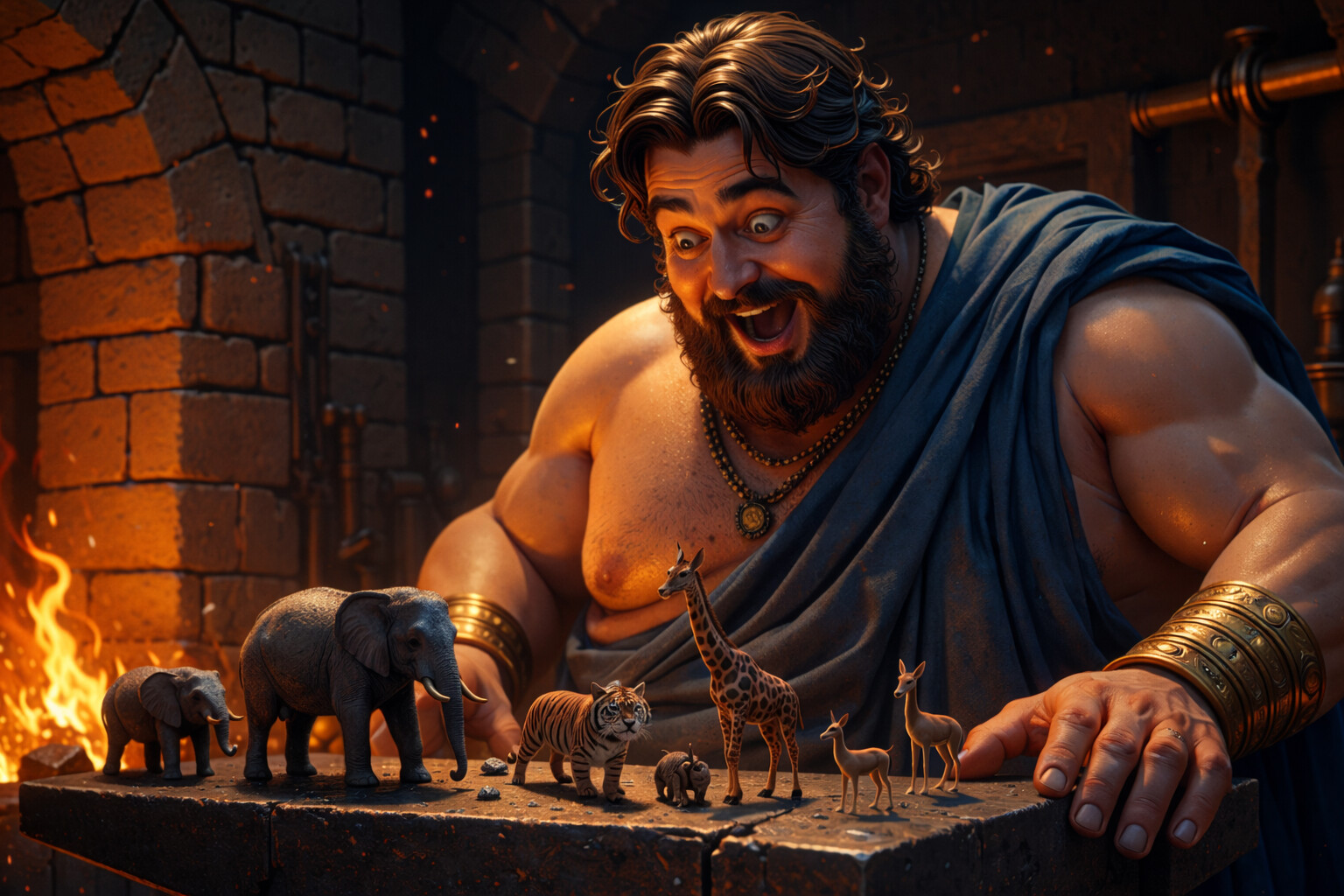
In the age when gods still shaped wonders with their own hands, the divine smith Hephaistos forged a set of miraculous beings for the temple of Apollon at Delphi. These were the Keledones, golden singers crafted not of flesh, but of shining metal, alive with sound and enchantment.

The Keledones were made entirely of gold and were said to sing with voices of supernatural power. Some described them as beautiful maidens, others as wryneck birds, and still others as strange bird-women, reminiscent of the Sirens. However they appeared, their song possessed a soothing and bewitching force, capable of charming all who heard it.

They were placed high upon the temple, above the pediment, where their voices rang out continuously. There, the Golden Charmers sang in honor of Apollon, their music filling the sacred space with an otherworldly harmony. Ancient poets spoke of them as wonders beyond human craft, comparing their song to that of the Sirens, though fashioned not to destroy but to enthrall.

Some later writers questioned whether such beings truly existed or whether they were poetic embellishments inspired by earlier myths. Yet the tradition endured: that once, at Delphi, golden singers adorned the god’s temple, their voices echoing across stone and air, forged by divine hands and animated by sacred song.

Thus the Keledones remained in memory as marvels of divine artifice — not born, but made; not living, yet singing — eternal symbols of beauty, craft, and the dangerous power of enchanted sound.