Alcyone

Tradition / Region: Greek Mythology
Alternate Names: Halcyone
Category: Bird


The Myth

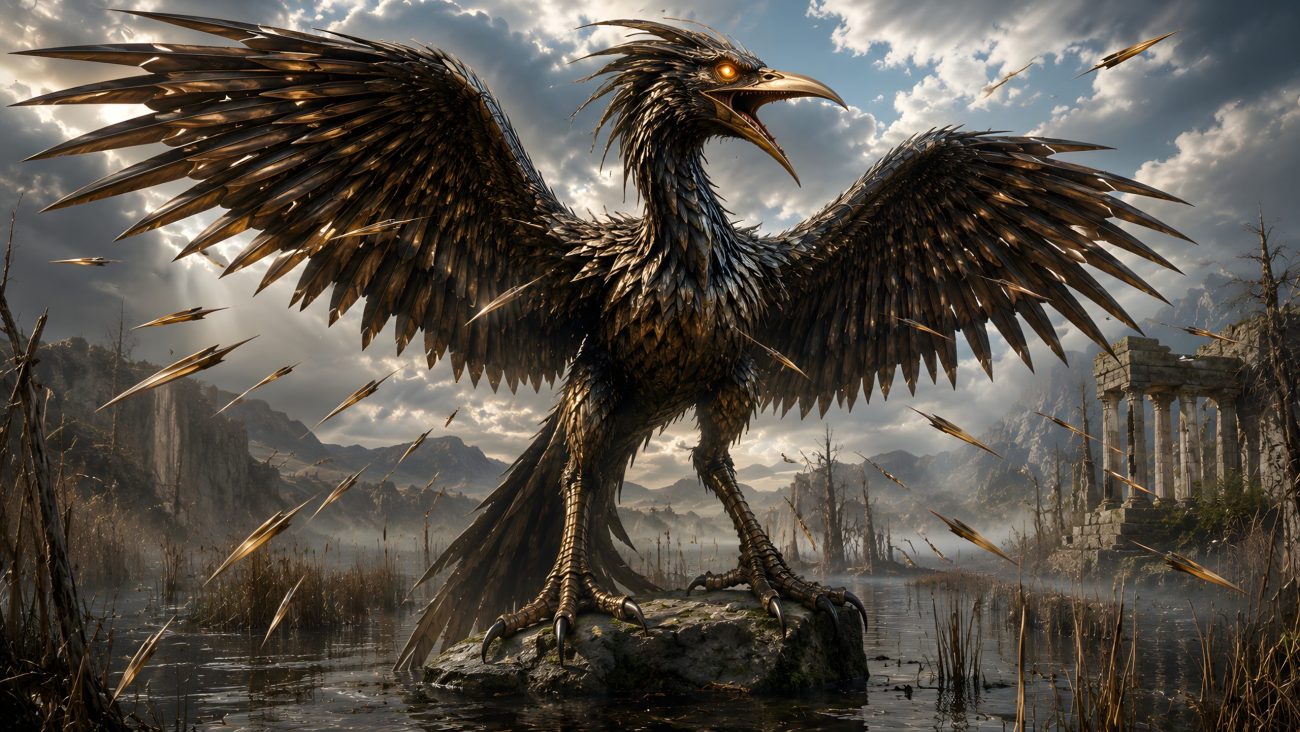
Alcyone is remembered as a woman whose grief reshaped the sea itself. When her husband was lost to a violent storm, she threw herself into the waves in despair. Moved by her devotion and sorrow, the gods transformed her into a seabird—most often identified as the kingfisher—so that she might remain forever bound to the waters that had taken him.

In her new form, Alcyone lays her eggs upon the open sea. During this sacred time, the winds are stilled and the waves grow calm, allowing her fragile nest to float safely upon the surface. These days of quiet waters became known as the halcyon days, a brief and precious interval when the sea abandons its fury and rests in perfect balance.

The myth tells that Alcyone does not command the sea through strength or authority. Instead, her constancy and patience bring harmony where chaos once ruled. The calm she creates is temporary, but absolute—a pause in the natural order granted by devotion rather than force.

Thus Alcyone endures as a symbol of steadfast love and cosmic balance. Her story affirms that even the wildest forces of the world may be softened, if only for a time, by loyalty, endurance, and grief transformed into quiet renewal.


Source


Keledones

Tradition / Region: Greek Mythology
Alternate Names: Celedones, Khryseiai Keledones (“Golden Charmers”)
Category: Object


The Myth

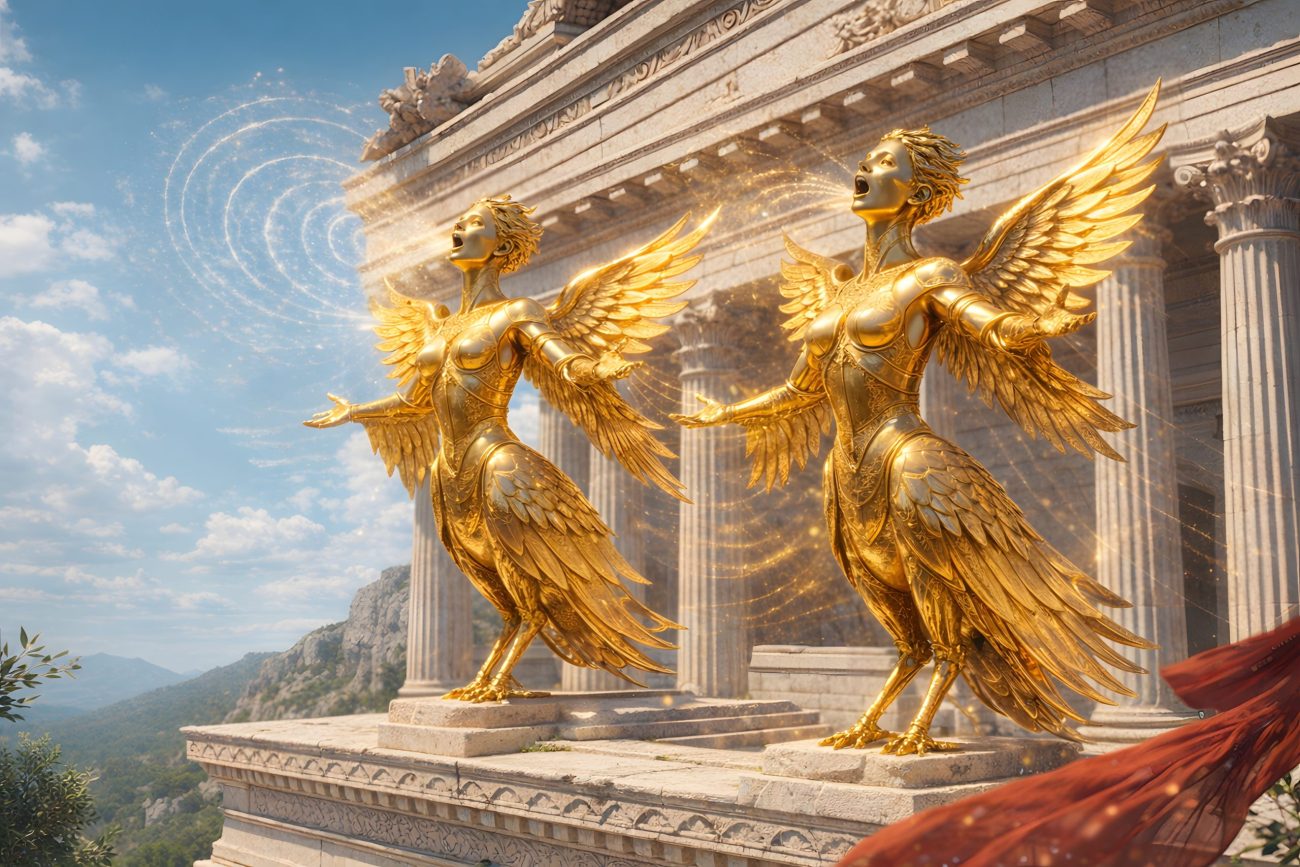
In the age when gods still shaped wonders with their own hands, the divine smith Hephaistos forged a set of miraculous beings for the temple of Apollon at Delphi. These were the Keledones, golden singers crafted not of flesh, but of shining metal, alive with sound and enchantment.

The Keledones were made entirely of gold and were said to sing with voices of supernatural power. Some described them as beautiful maidens, others as wryneck birds, and still others as strange bird-women, reminiscent of the Sirens. However they appeared, their song possessed a soothing and bewitching force, capable of charming all who heard it.

They were placed high upon the temple, above the pediment, where their voices rang out continuously. There, the Golden Charmers sang in honor of Apollon, their music filling the sacred space with an otherworldly harmony. Ancient poets spoke of them as wonders beyond human craft, comparing their song to that of the Sirens, though fashioned not to destroy but to enthrall.

Some later writers questioned whether such beings truly existed or whether they were poetic embellishments inspired by earlier myths. Yet the tradition endured: that once, at Delphi, golden singers adorned the god’s temple, their voices echoing across stone and air, forged by divine hands and animated by sacred song.

Thus the Keledones remained in memory as marvels of divine artifice — not born, but made; not living, yet singing — eternal symbols of beauty, craft, and the dangerous power of enchanted sound.