Jeekim

Tradition / Region: Estonian Mythology
Alternative Name: –
Category: Spirit


The Myth

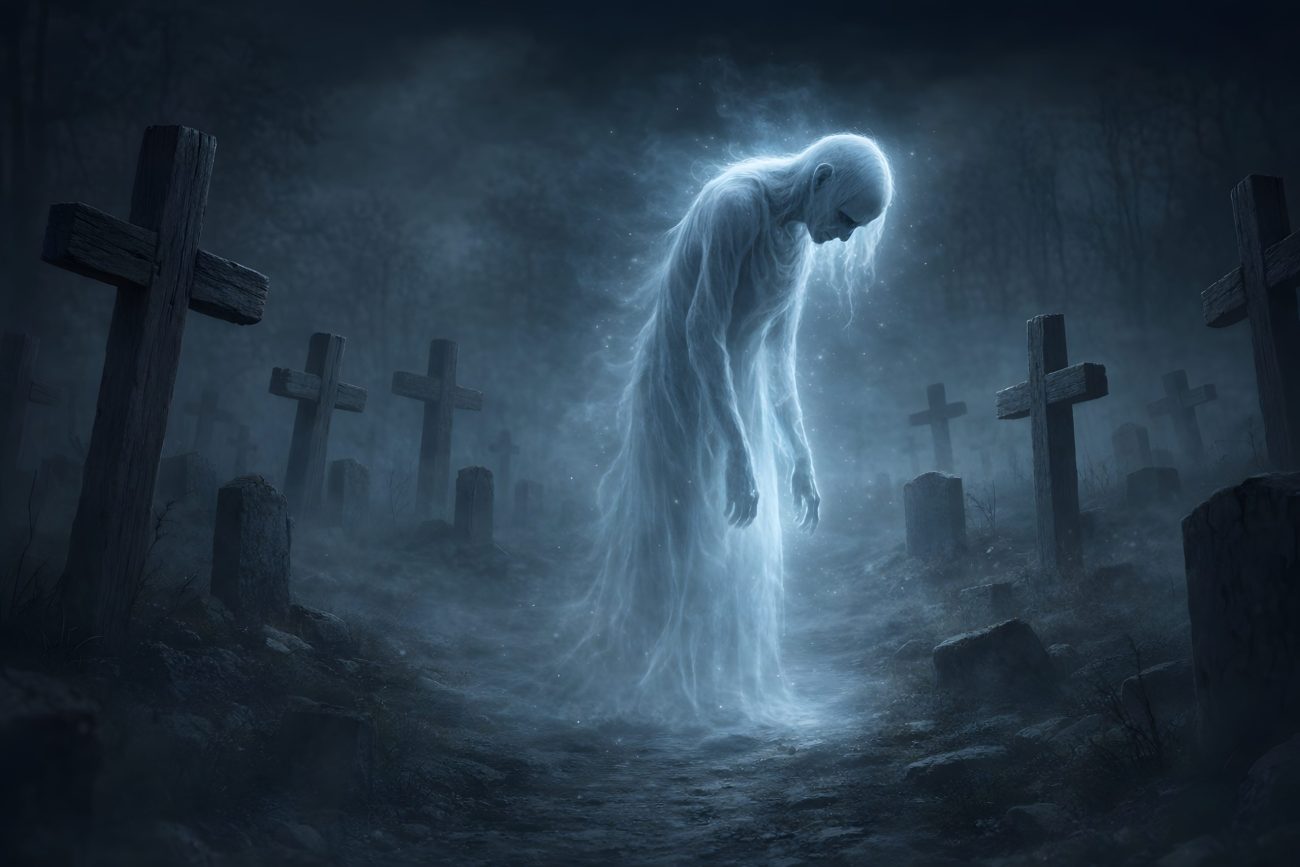
Jeekim is a penitent cemetery spirit found in Estonian legends and myths. The name Jeekim refers to a spirit bound to burial grounds, associated with repentance and unrest rather than active malevolence.

In traditional belief, Jeekim dwells among graves as a presence marked by penitence, suggesting a soul unable to leave the cemetery due to unresolved guilt or unfinished atonement. No detailed deeds or encounters are preserved, and the spirit is known primarily through its association with the place of the dead.

Jeekim belongs to a group of Estonian cemetery spirits whose existence is attested in folklore sources but whose myths survive only in fragmentary form, emphasizing presence and state rather than narrative action.


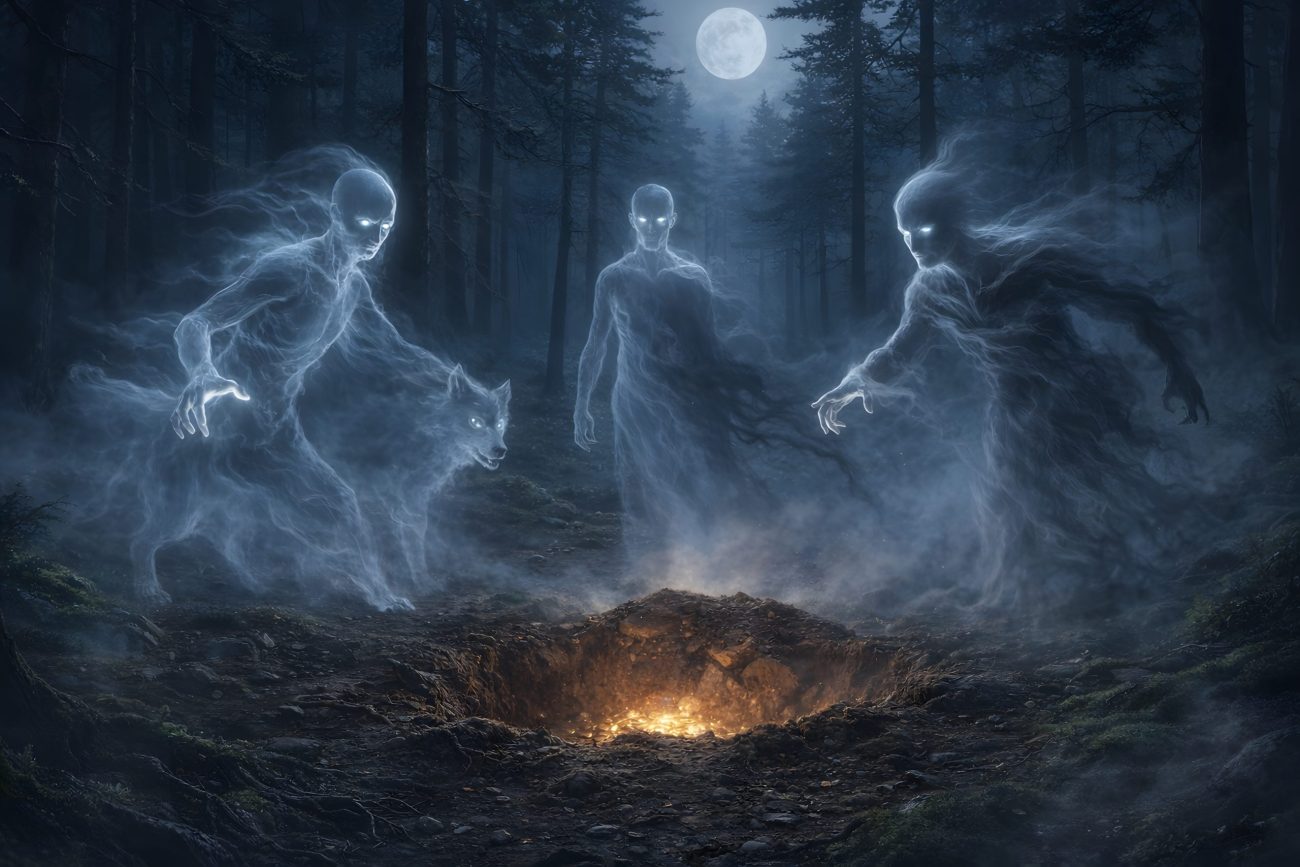
Veehaldjas

Tradition / Region: Estonian Mythology
Alternate Names: Vetevaim; Näkk (in some regions); Vesihaldijas; Merehaldjas; Vee-ema; Vesineits; Mereneid; Merineitsi
Category: Spirit


The Myth

In Estonian folk belief, a Veehaldjas is the guardian spirit of a body of water. Every sea, river, lake, spring, or well was believed to have its own water spirit who ruled and protected it. The vetevaim also appears as a character in the national epic Kalevipoeg.

Closely related to the veehaldjas are beings such as mereemad (sea mothers), meretaadid (sea fathers), järvevanad (lake elders), vete-emad, and their daughters. These figures, especially known in southern Estonia and on the islands, were usually benevolent. They granted abundance and calm waters but could punish those who polluted or disrespected their domain.

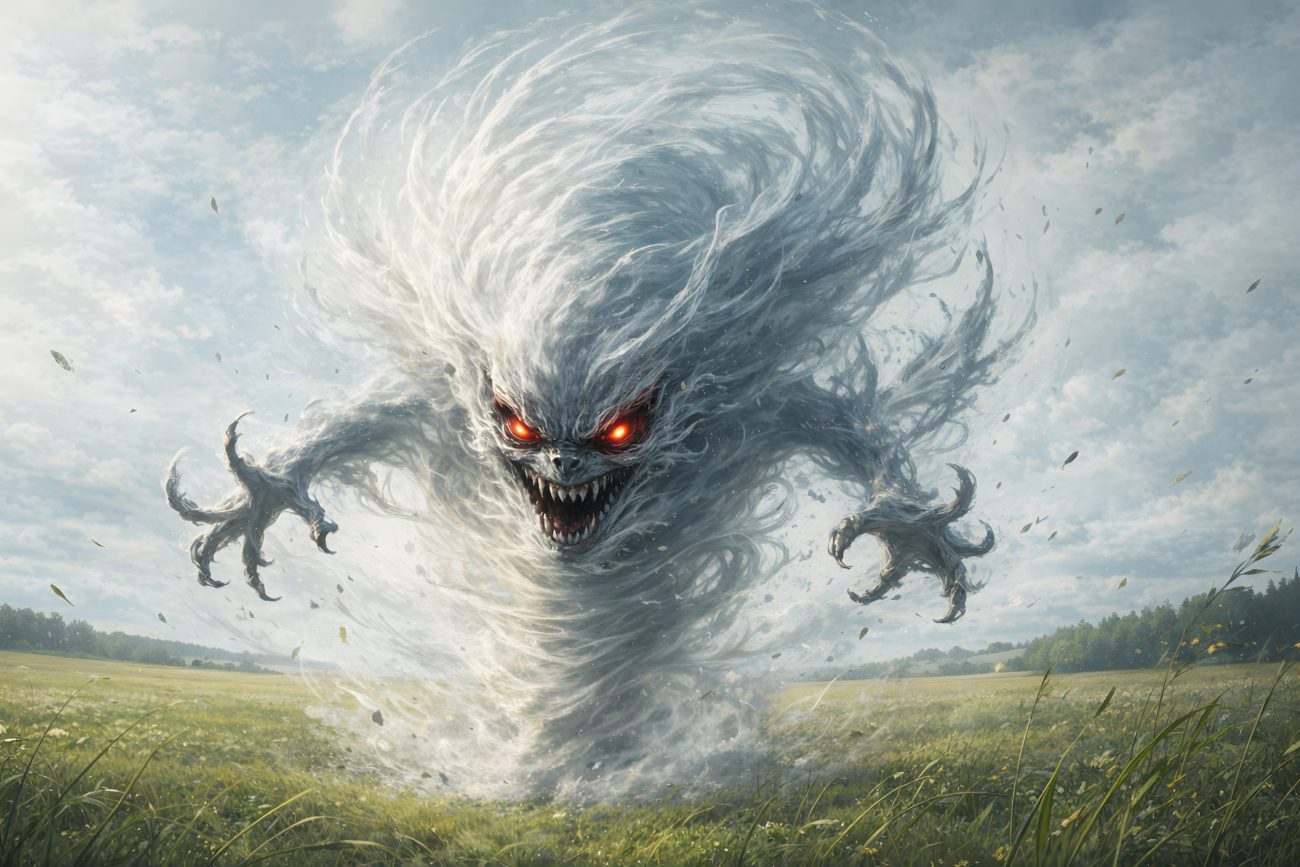
In some areas, the veehaldjas was associated with the soul of a drowned person, a ghost, a goblin-like being, or—especially in southern Estonia—with the devil. In this form, the water spirit was dangerous and malicious, dragging people beneath the surface to drown them. The näkk is the most well-known of these hostile water spirits, and parents often frightened children with stories of the näkk to keep them away from water.

The veehaldjas could appear in many forms: most often as a human—usually a woman—but also as a bird, animal, or even an object. Coastal fishermen offered food and drink to water spirits in exchange for good fishing luck.

According to folklorist Matthias Johann Eisen, the name vesihaldijas was most commonly used in Viru, Harju, and Järva counties, while in Läänemaa and other regions the näkk was more often considered the ruler of the waters. Both the vesihaldijas and the näkk were sometimes described as equally fierce, though the merehaldjas was occasionally said to warn humans or refrain from harming them.

To protect themselves from dangerous water spirits, people placed small human-shaped figures near the water’s edge. These effigies were believed to frighten the veehaldjas away, preventing it from harming passersby.

Many female water beings—called vesineitsid, mereneitsid, mereneiud, and the daughters of sea or water spirits—were considered gentle and helpful. Some legends say these beings could appear with sea cows grazing on land. If a human herded them together with ordinary cattle, the sea cows would remain on land, give birth, and produce a strong and valuable breed of dairy animals.

Through these many forms, the veehaldjas embodies both the generosity and the danger of water, guarding life-giving resources while punishing disrespect and carelessness.


Tuuslar

Tradition / Region: Estonian Mythology, Finnish Mythology
Alternate Names:
Category: Sorcerer


The Myth

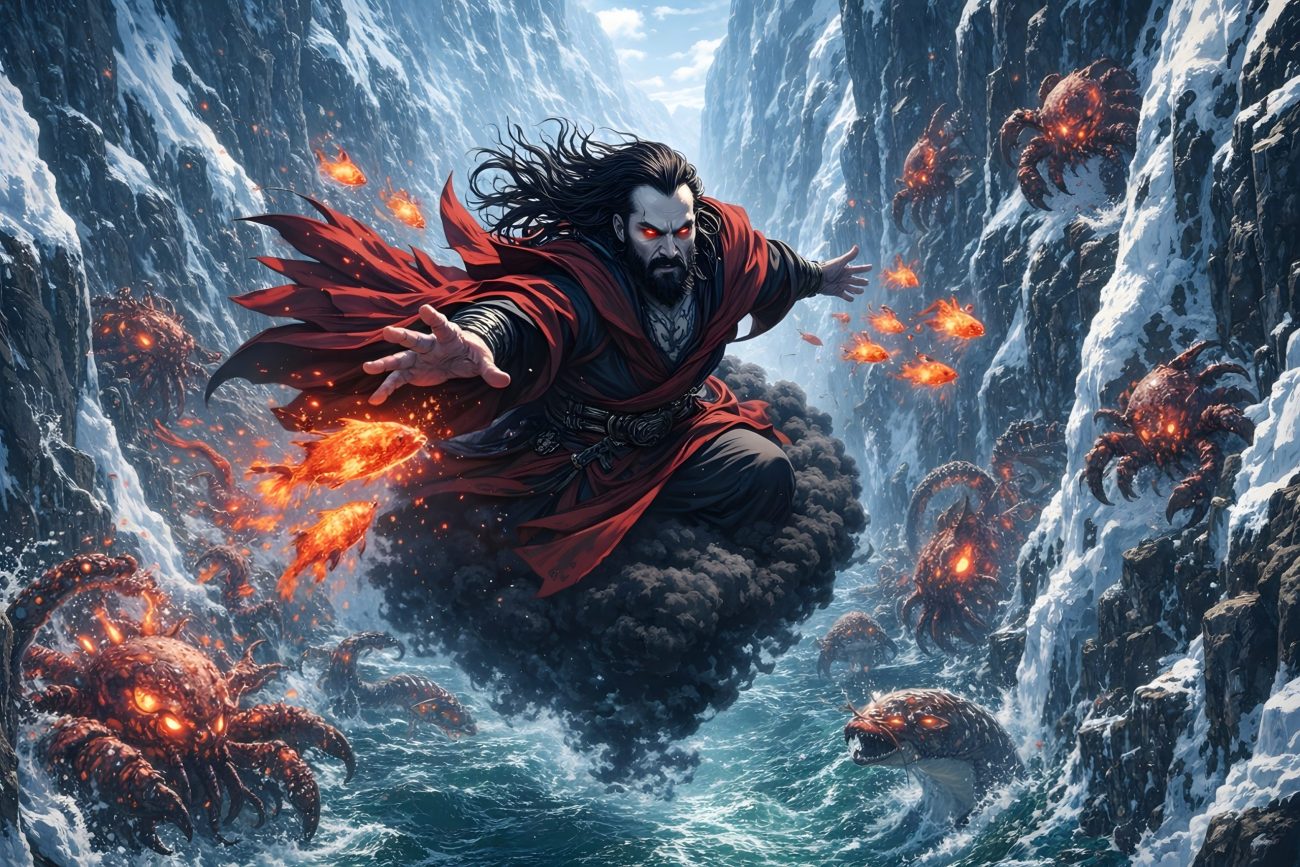
A Finnish Tuuslar once fled across the sea to the island of Lavassaare, pursued by enemies who sought to destroy him. As he fled, he used his magic to defend himself. He transformed fish in the surrounding waters into terrifying sea monsters, hoping to frighten his pursuers away. Even so, they continued after him and reached the small island.

When the enemies landed, the Tuuslar took a handful of feathers from his beak and blew them into the air. At once, warriors fell from the sky like hail, filling the island and driving the attackers into panic. Terrified, they fled, leaving the Tuuslar alone on Lavassaare.

The Tuuslar remained on the island for many years. From there, he played tricks on the people living along the Viru coast, using his witchcraft to deceive and trouble them. At last, he departed, flying away on the back of a great northern eagle, and was never seen again.

After his departure, the island of Lavassaare stood empty for a long time. People feared to land there, believing the Tuuslar’s magic still lingered. Eventually, peaceful Finns arrived and settled the island. These settlers were said to have lost their witchcraft spells, and their descendants are believed to live on the island to this day.

According to the legend, children are sometimes seen playing and throwing feathers into the air, saying, “Let’s try—can we get shepherds?” remembering the Tuuslar’s magic.

Another tale tells that a Finnish Tuuslar once threw a stone at the sleeping Kalevipoeg, but missed. The stone was said to remain near the Suigu farm in Viru-Jaagupi, marking the place where the spell failed.


Põhja konn

Tradition / Region: Estonian Mythology
Alternate Names: The Dragon of the North, The Northern Frog, The Frog of the North
Category: Frog, Dragon


The Myth

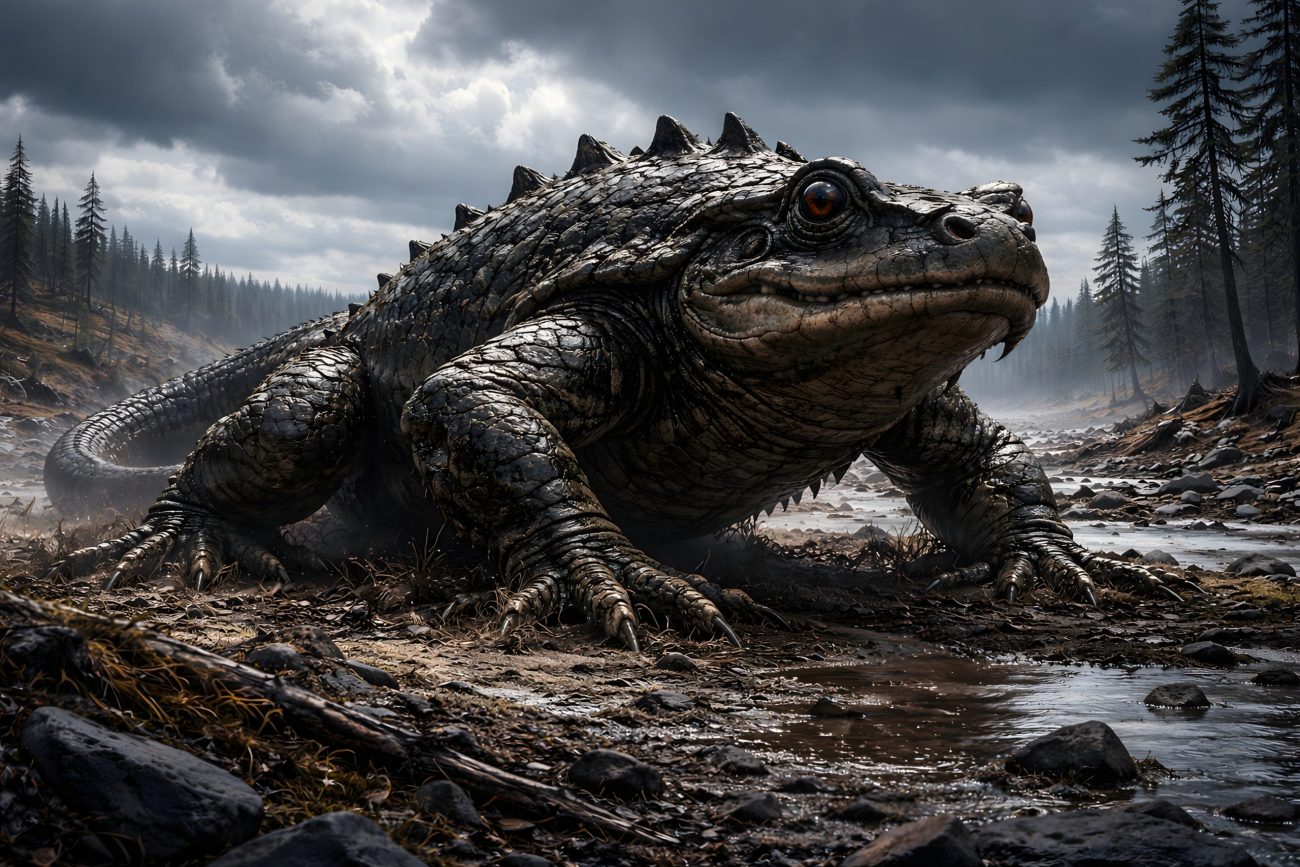
Põhja konn is a monstrous being said to come from the far north. It is described as a vast and terrible creature that devastates the land wherever it travels. In some tellings, its body is said to be as large as an enormous ox, with the legs of a frog and a long, snake-like tail stretching the length of a chain. Its body is covered in scales said to be stronger than stone or iron. It moves across the land in enormous leaps, devouring people and animals alike and leaving desolation behind it.

According to the tale collected by Friedrich Reinhold Kreutzwald, the monster’s destruction seemed unstoppable. It was said that Põhja konn might have devoured every living creature in the world had it not been opposed. The people believed that only someone in possession of King Solomon’s ring could defeat the creature.

A brave young man set out to find a way to stop Põhja konn. His journey led him to a powerful magician from the East, who told him that the birds might aid him. The magician gave the youth a magical brew that allowed him to understand the language of birds and promised that if the youth returned with King Solomon’s ring, he would explain the writing engraved upon it.

Listening to the birds, the youth learned that only a witch-maiden could help him and that she could be found at a certain spring on the night of the full moon. He went there and met her. Though she was angered by his approach, she forgave him and took him to her home. While there, the youth heard a mysterious voice warning him not to give her any blood.

The witch-maiden asked the youth to marry her. When he hesitated, she offered him King Solomon’s ring in exchange for three drops of his blood and explained the powers the ring possessed. The youth pretended to doubt her words, and she demonstrated the ring’s magic, allowing him to try it himself. Using its power of invisibility, the youth escaped and flew away with the ring.

He returned to the magician, who read the inscription on the ring and gave him precise instructions on how to kill Põhja konn. The youth then traveled to a kingdom where a king had promised his daughter and half his realm to anyone who could slay the monster. Following the magician’s directions, the king provided the youth with an iron horse and an iron spear. Using these and the powers of the ring, changing it from finger to finger as instructed, the youth confronted Põhja konn and killed it.

After the monster’s defeat, the youth married the princess. However, the witch-maiden soon sought revenge. She transformed into an eagle, attacked the youth, reclaimed King Solomon’s ring, and chained him inside a cave, intending to leave him there to die. Many years passed before the magician came to the king and revealed that the youth could still be found. Guided once again by birds, they located the cave and freed him. Though he was weak and emaciated, the magician nursed him back to health. The youth returned to his wife and lived in prosperity, but he never saw the ring again.

In other tellings, Põhja konn does not perish completely. After being defeated, it retreats deep underground, where it lies hidden. It is said to promise its service to the brave hero who overcame it, should the land ever face danger again. To awaken Põhja konn, however, one must know the ancient languages of birds or snakes. In later times, when enemies threatened the land and these languages were nearly forgotten, only a few people remembered the old words and were able to call the creature forth, driving the invaders away.

Across its many versions, Põhja konn remains a vast frog-dragon of the north, a being of immense power whose presence brings ruin, whose defeat reshapes kingdoms, and whose fate lies somewhere between destruction, sleep, and return.