Kratt

Tradition / Region: Estonian Mythology, Finnish Mythology
Alternative names: Pisuhänd, Puuk, Tulihänd, Vedaja
Category: Spirit, Object


The Myth

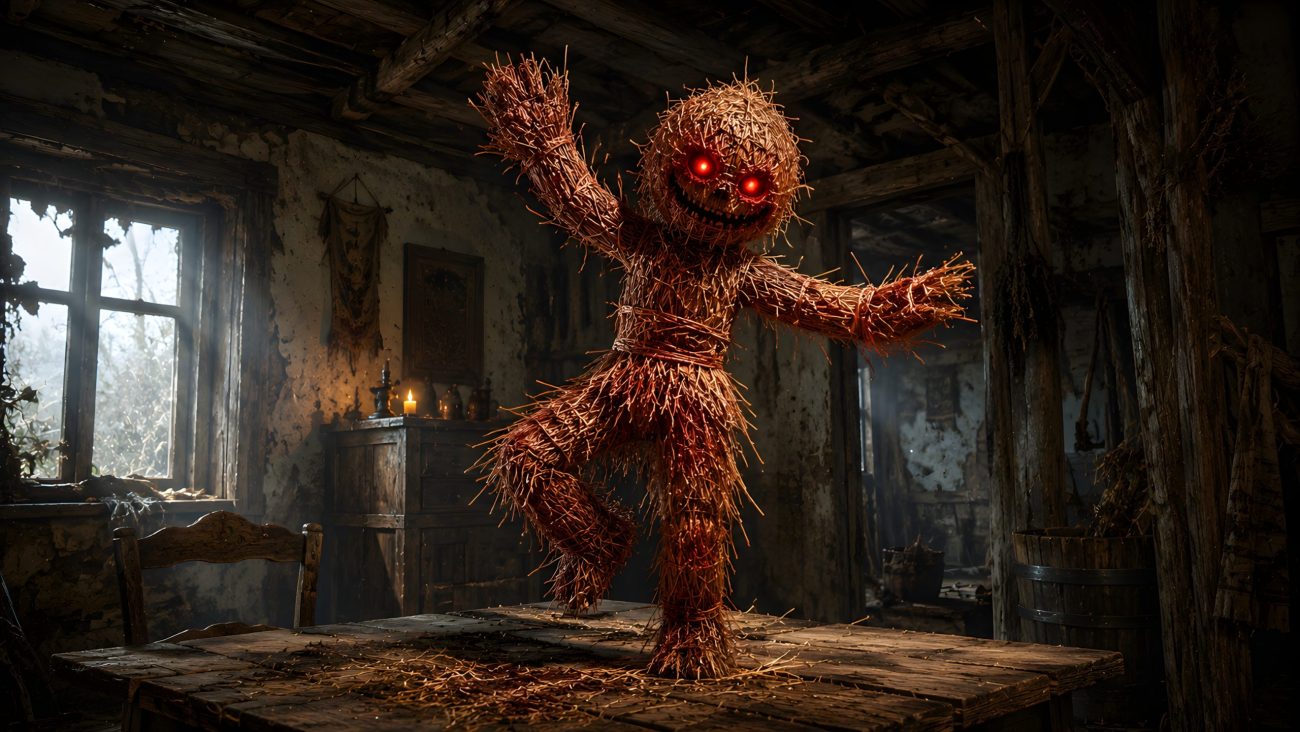
The Kratt is one of Estonia’s most famous magical beings—a supernatural servant created by humans to steal wealth and carry out endless work. It was usually built from hay, old tools, sticks, household objects, or other scraps, then brought to life after its creator made a pact with the Devil by giving three drops of blood.

Once animated, the Kratt obeyed every command of its master. Its favorite task was stealing grain, livestock, butter, money, and valuables from neighboring farms and secretly delivering them to its owner. It could travel through the night sky, often appearing as a blazing streak of fire as it flew between farms carrying stolen treasure.

The Kratt could never be left without work. If it had nothing to do, it became dangerous and could turn against its own master. To destroy an unwanted Kratt, people assigned it an impossible task—such as weaving a rope from sand or building a ladder out of bread. Unable to complete the impossible command, the hay-built creature would labor endlessly until it finally burst into flames and burned itself to ashes.

People also believed that blazing fireballs or bright meteors crossing the night sky were Kratts attempting to complete impossible tasks before burning away.

A closely related belief existed in Finland. There, Kratti or Aarni was the supernatural guardian of buried treasure. Hidden riches were protected by a spirit that revealed their location only to those who made the proper offerings. On Midsummer Night, mysterious flames known as Aarni Fire were said to burn above hidden treasure pits, marking where great wealth lay beneath the earth. Those who approached correctly could claim the treasure, while the greedy or disrespectful would see it disappear again.

Whether as a tireless servant stealing wealth for its master or as the guardian of hidden riches beneath the earth, the Kratt became one of the most enduring magical beings of Estonian and Finnish folklore.


Sources

Wikipedia contributors. (n.d.). Kratt. In Wikipedia. Retrieved June 29, 2026, from https://en.wikipedia.org/wiki/Kratt
Haltija

Tradition / Region: Finnish Mythology
Alternate Names: Haltia
Category: Spirit


The Myth

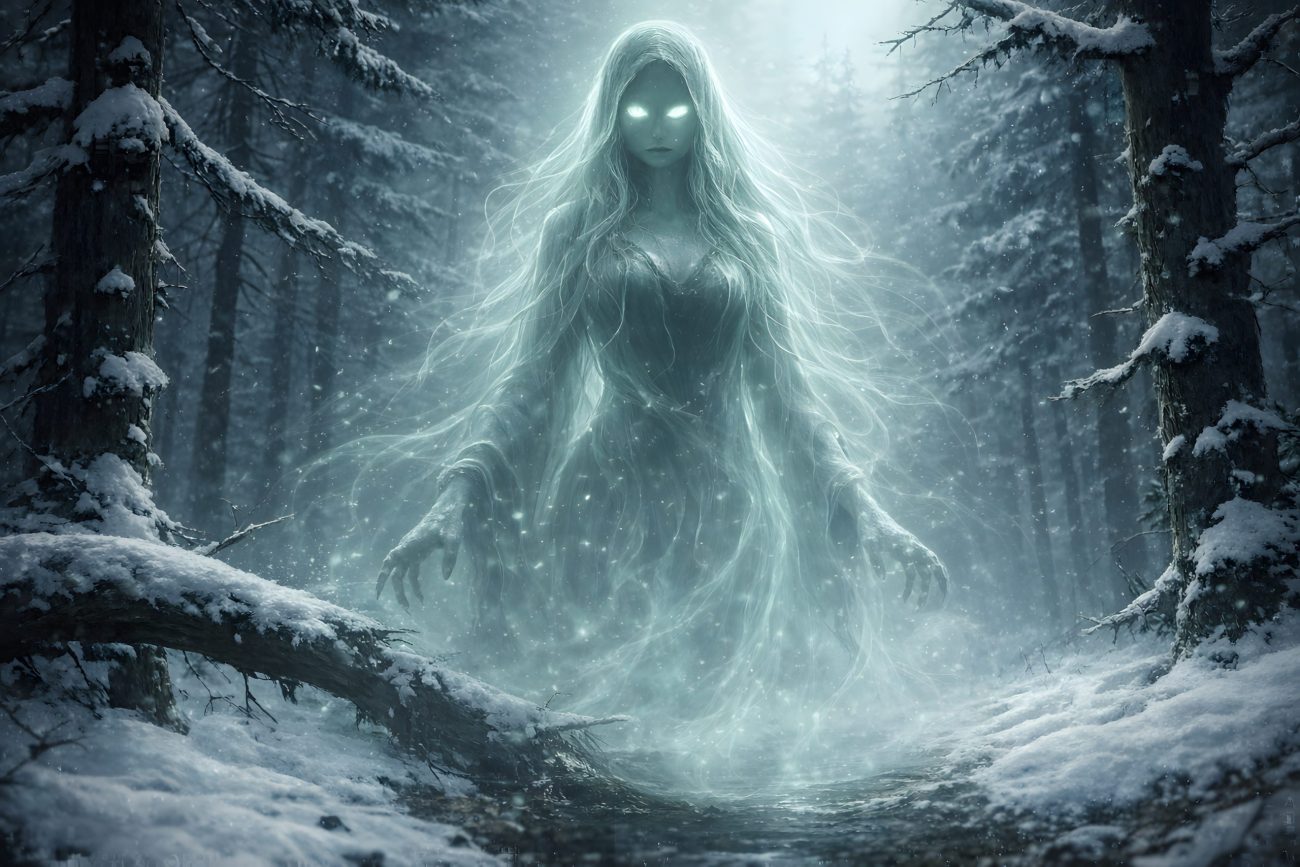
A haltija is a supernatural being tied to a specific place, creature, or domain. It exists as the unseen inhabitant and protector of that domain, maintaining its order, balance, and wellbeing.

Each haltija is bound to a particular location or function. Some guard forests, waters, homes, or farms, while others are connected to animal species or even individual people. A haltija may also arise from the dead, especially if a person is buried in their home, becoming a protective presence linked to that place.

Haltijas act as guardians of nature and life. A forest haltija protects the forest and may help or punish humans depending on how they behave within it. A water haltija dwells in lakes or rivers and governs those waters. A haltija tied to animals ensures their continuation by returning them to the earth after death.

Within human spaces, haltijas protect daily life. The home haltija watches over the household, the sauna haltija guards the sauna, and the mill haltija oversees the mill. These spirits require respect, and improper behavior in their domain may bring misfortune.

Offerings were made to haltijas when settling new land or using resources, acknowledging their authority over that place.

A haltija differs from a god in scope. Rather than ruling over vast forces, it governs a specific area or function, acting as a localized power.

It represents a fundamental belief:
every place, being, and domain has its own unseen guardian that must be respected.


Sources

Wikipedia contributors. (n.d.). Haltija. In Wikipedia, from https://en.wikipedia.org/wiki/Haltija


Menninkäinen

Tradition / Region: Finnish Mythology
Alternate Names: —
Category: Spirit, Goblin


The Myth

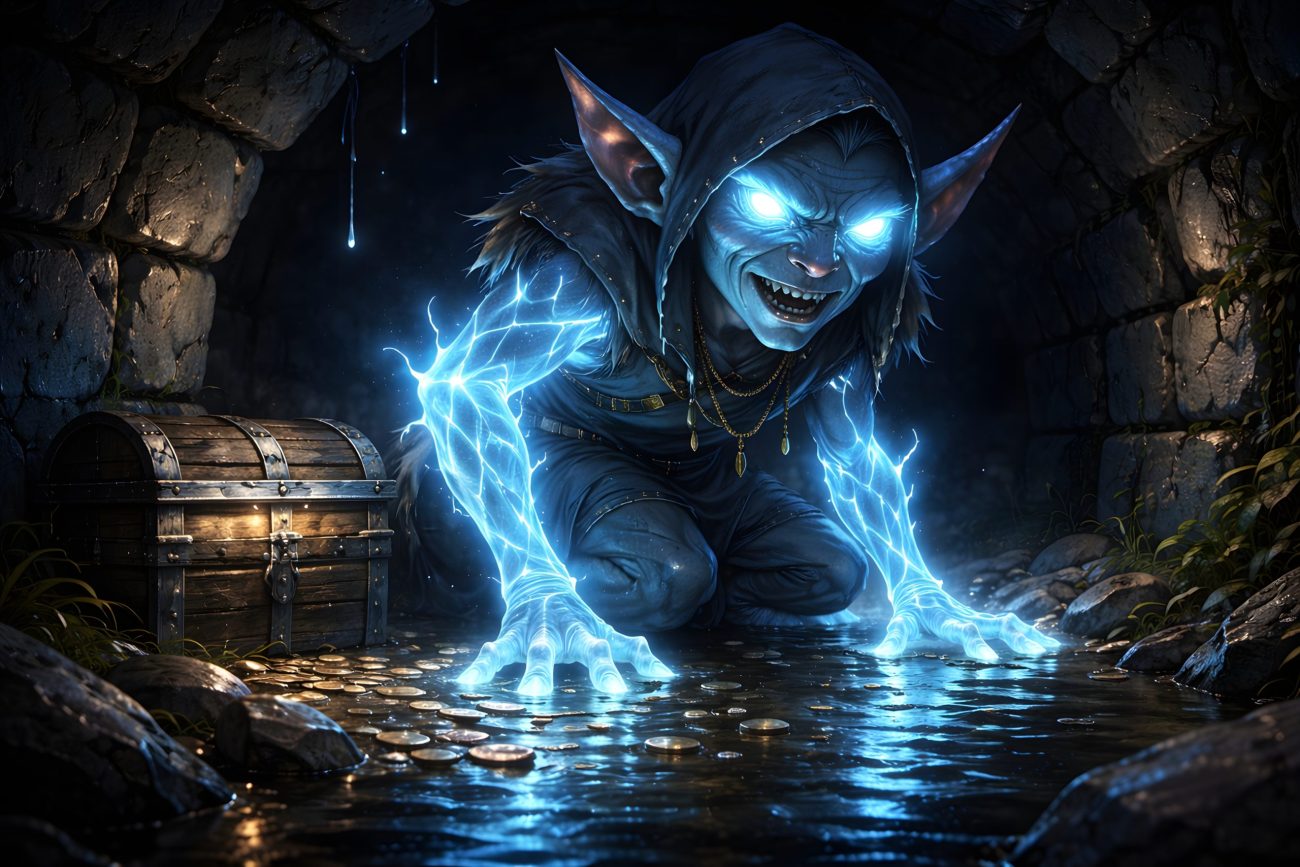
Menninkäinen are small spirit beings that dwell in isolated or hidden places. They were originally regarded as generally friendly toward humans and associated with quiet, remote environments.

Over time, their image changed, and they came to be described as goblin-like creatures. They are often linked with hidden treasures and are said to guard them, enjoying riddles, tricks, and contests of wit or dominance.

Their dwelling places vary in different traditions. Some accounts place them deep in forests and natural landscapes, while others describe them as inhabiting more unexpected locations, including human-made environments.

Despite these variations, they remain beings connected to secrecy and hidden spaces, interacting with humans through challenges, games, or encounters tied to what they guard.


Sources

Kielitoimiston sanakirja contributors. (n.d.). menninkäinen. In Kielitoimiston sanakirja, from https://www.kielitoimistonsanakirja.fi/#/mennink%C3%A4inen?searchMode=all

Wikipedia contributors. (n.d.). Menninkäinen. In Wikipedia, from https://en.wikipedia.org/wiki/Mennink%C3%A4inen


Näkki

Tradition / Region: Finnish Mythology
Alternate Names: Näkk, related to Nix, Vetehinen
Category: Spirit


The Myth

Näkki is a dangerous water spirit that inhabits lakes, ponds, wells, and deep or murky waters. It represents the hostile and deadly side of water, especially in places where the depth or current is hidden.

It waits in ambush for swimmers, pulling them beneath the surface and drowning them. It is often said to dwell in the deepest parts of water, under bridges, near docks, or in whirlpools. Because of its nature, people used protective sayings before entering or leaving the water, acknowledging its presence.

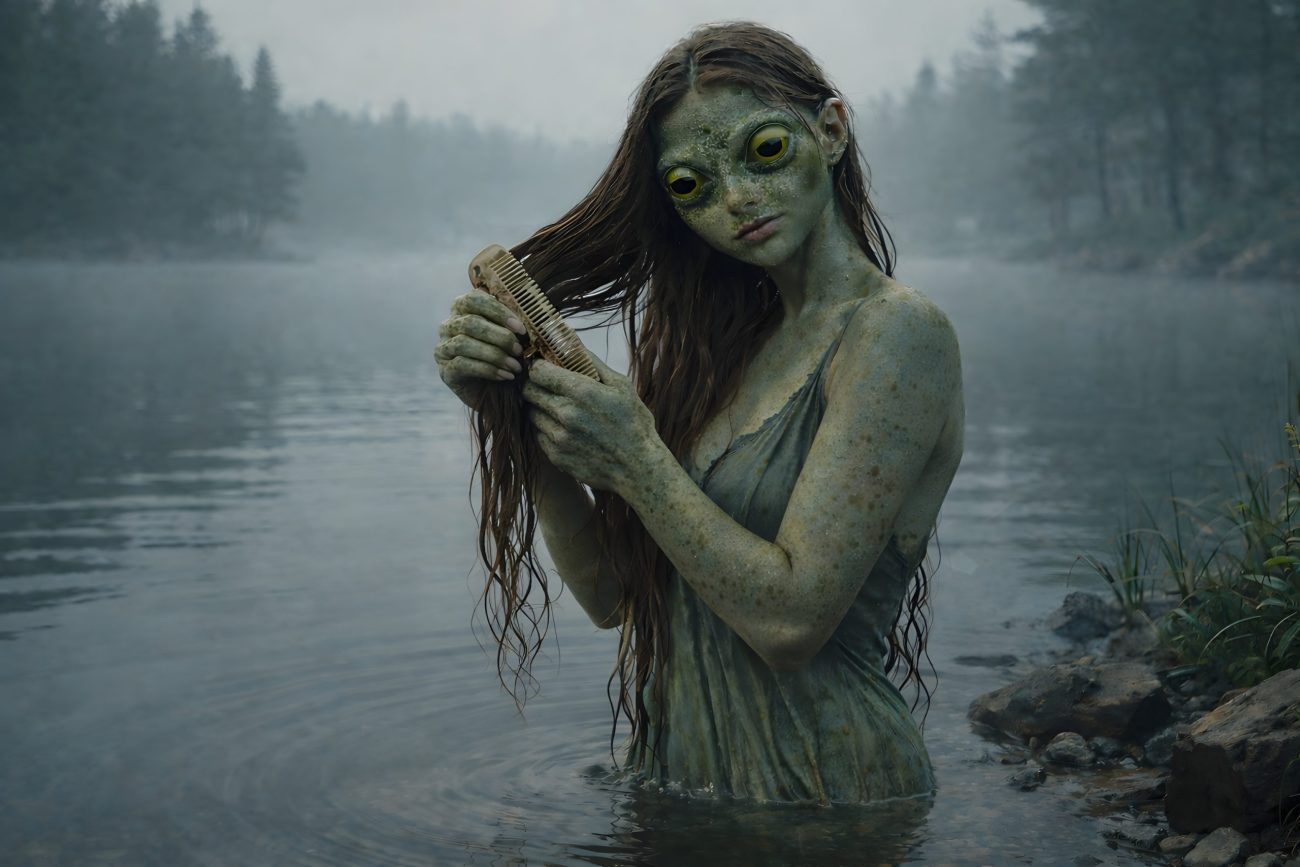
In some traditions, Näkki appears at first in a harmless or even inviting form, sometimes seen sitting on rocks and combing long hair. This appearance hides its true nature, which is revealed only when it attacks. Its real form is described as monstrous, sometimes frog-like, scaly, or made entirely of seaweed, making it impossible to overcome in water.

Regional beliefs distinguish it from other water beings. In some areas, Näkki is the one that physically seizes swimmers, while another spirit brings illness. In others, it is simply another name for older water spirits, including a maternal figure of the waters.

Näkki also appears in ritual and song, where diseases are cast into the water for it to take, placing it among forces that receive and contain harm.

It represents the danger of unseen depths:
a spirit that lures, seizes, and drags the living into the water below.


Sources

Mythus Fandom contributors. (n.d.). Näkki. In Mythus Fandom, from https://mythus.fandom.com/wiki/N%C3%A4kki

Wikipedia contributors. (n.d.). Nixie (folklore). In Wikipedia, from https://en.wikipedia.org/wiki/Nixie_(folklore)