Kolju-taat

Tradition / Region: Estonian Mythology
Alternative names: Skull Grandfather
Category: Cow, Demon


The Myth

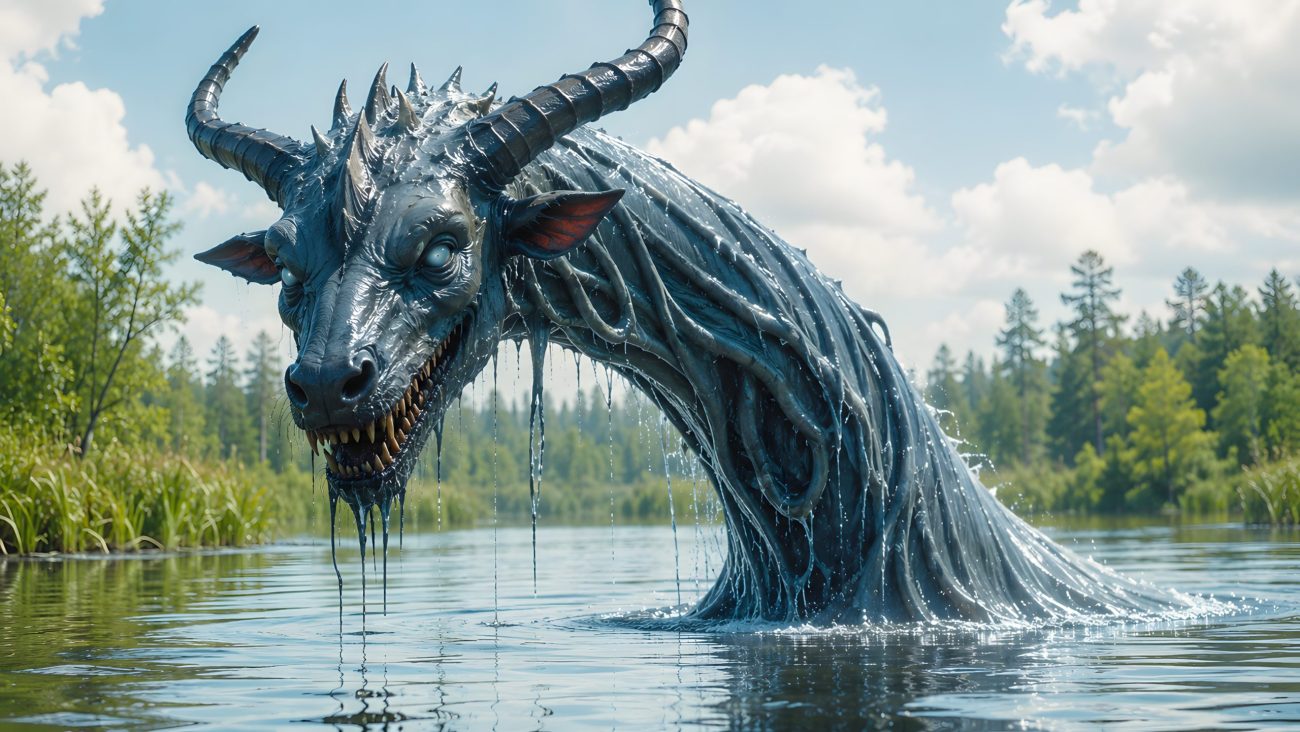
Kolju-taat is a guardian spirit of the sea from the coast of northern Estonia. He is especially associated with the waters near Keila-Joa and appears either as a huge bull rising from the sea or as a tall old man with a strangely shaped skull, traveling in a silver-white boat.

Although generally feared, Kolju-taat was not always hostile. He could both harm and help fishermen. It was believed that anyone who failed to offer him a sacrifice would be punished. Fish, alcohol, salt, and bread were commonly offered, often by throwing them directly into the sea. After returning home, fishermen also shared part of their catch with the poor, believing this would ensure a rich catch in the future.


Sources

Bestiary.us. (n.d.). Kolyu-taat. In New Bestiary: Encyclopedia of Imaginary Beings. Retrieved June 29, 2026, from https://www.bestiary.us/kolyu-taat
Hännamees

Tradition / Region: Estonian Mythology
Alternative names:
Category: Demon


The Myth

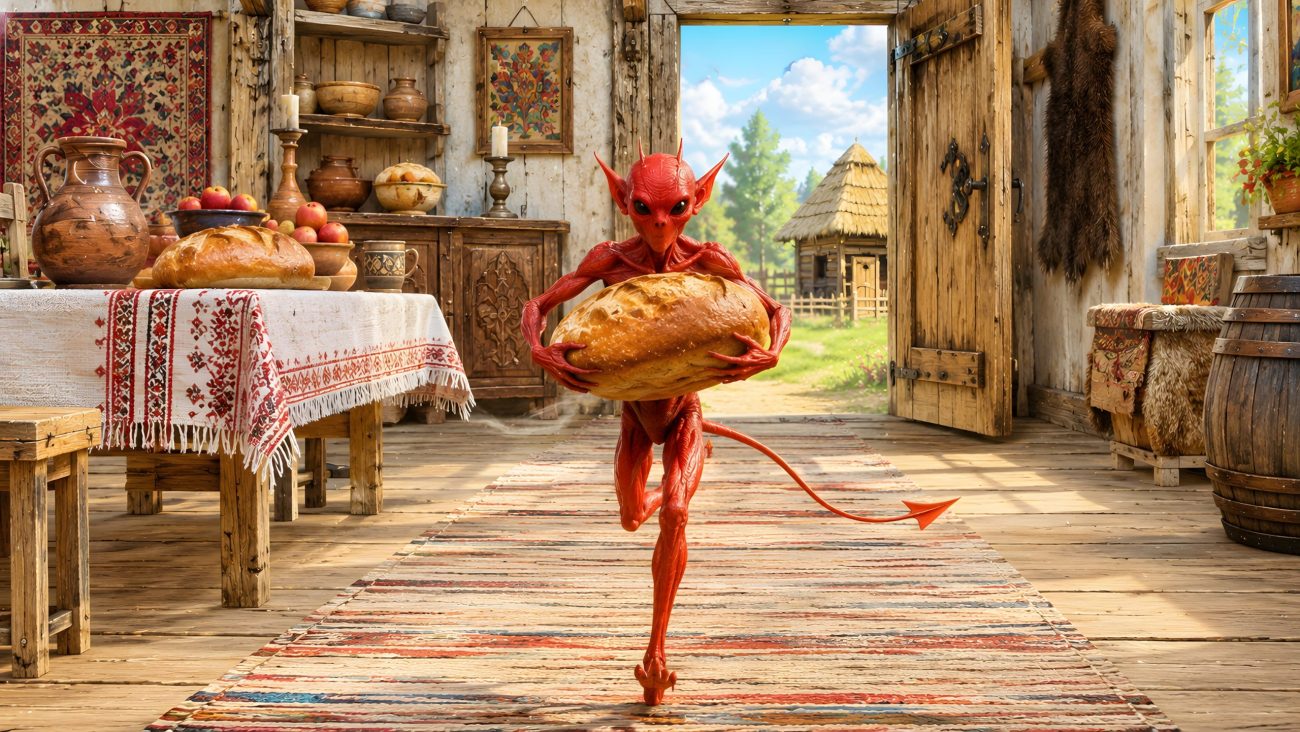
The Hännamees is a supernatural demon that steals food, money, and other valuables for its master. It secretly enters other people’s homes, takes whatever it has been ordered to steal, and delivers the stolen goods back to its owner.

The creature serves whoever controls it, tirelessly carrying out commands to enrich its master through theft. Its purpose is not to gather wealth for itself, but to bring prosperity to the person who commands it.


Sources

Wikipedia contributors. (n.d.). Estonian mythology. In Wikipedia. Retrieved June 29, 2026, from https://en.wikipedia.org/wiki/Estonian_mythology


Ebajalg

Tradition / Region: Estonian mythology
Category: Spirit, Demon


The Myth

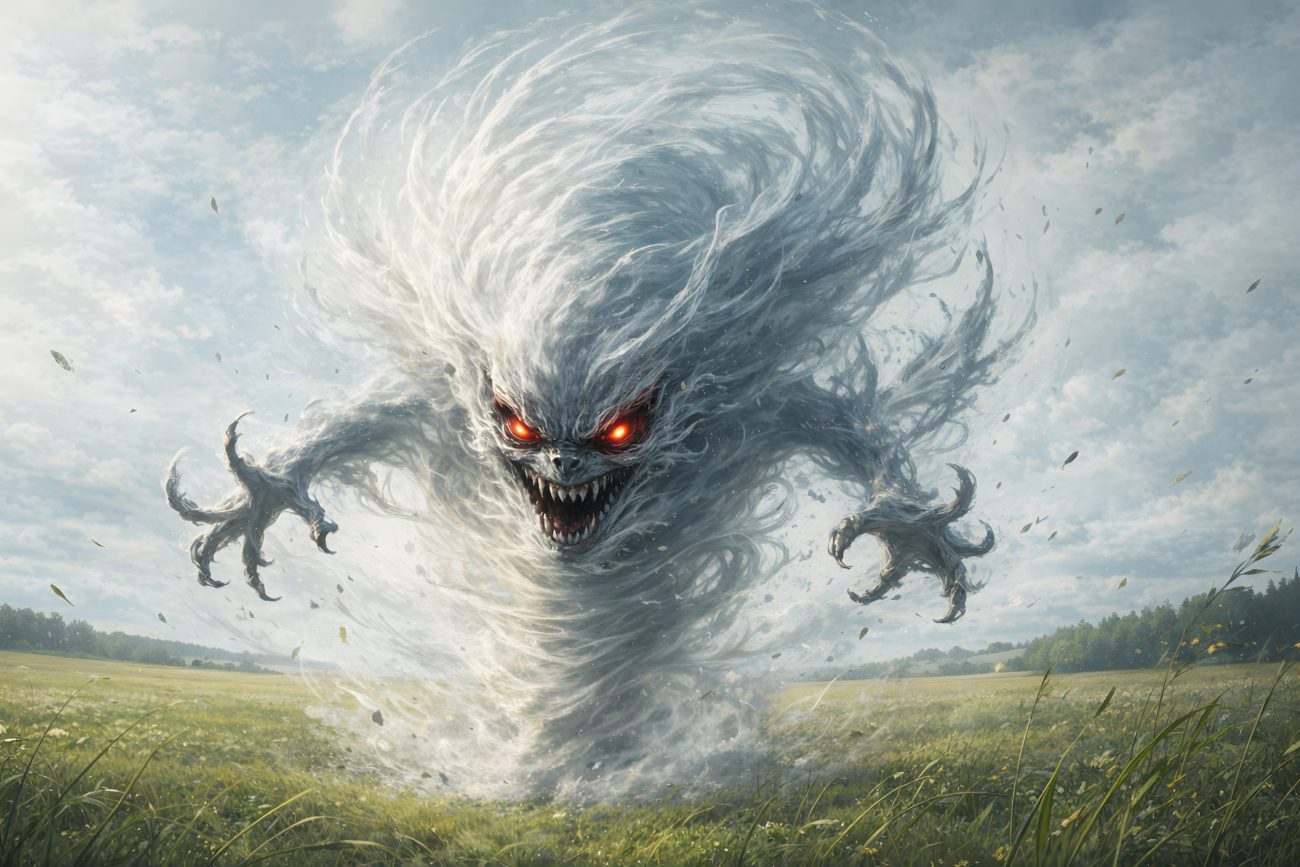
Ebajalg is a being of Estonian folklore that manifests as a violent whirlwind. Rather than a natural phenomenon alone, it is believed to be a malicious spirit or demon moving through the landscape in the form of spinning wind.

Ebajalg is associated with sudden destruction and overwhelming force. When it appears, it may tear through fields, damage buildings, or scatter objects, its strength far beyond that of ordinary wind. Encounters with Ebajalg are not personal or communicative; its presence is felt through impact and chaos rather than speech or form.

In Estonian belief, Ebajalg represents the dangerous animation of nature itself—an unseen will acting through the air, embodying the fear that destruction may arise suddenly, without warning, and without human cause.