Tradition / Region: Estonian Mythology
Alternative names: Sea Cattle, Lake Cattle, River Cattle, Mermaid Cows (Näkilehmad)
Category: Cow
The Myth
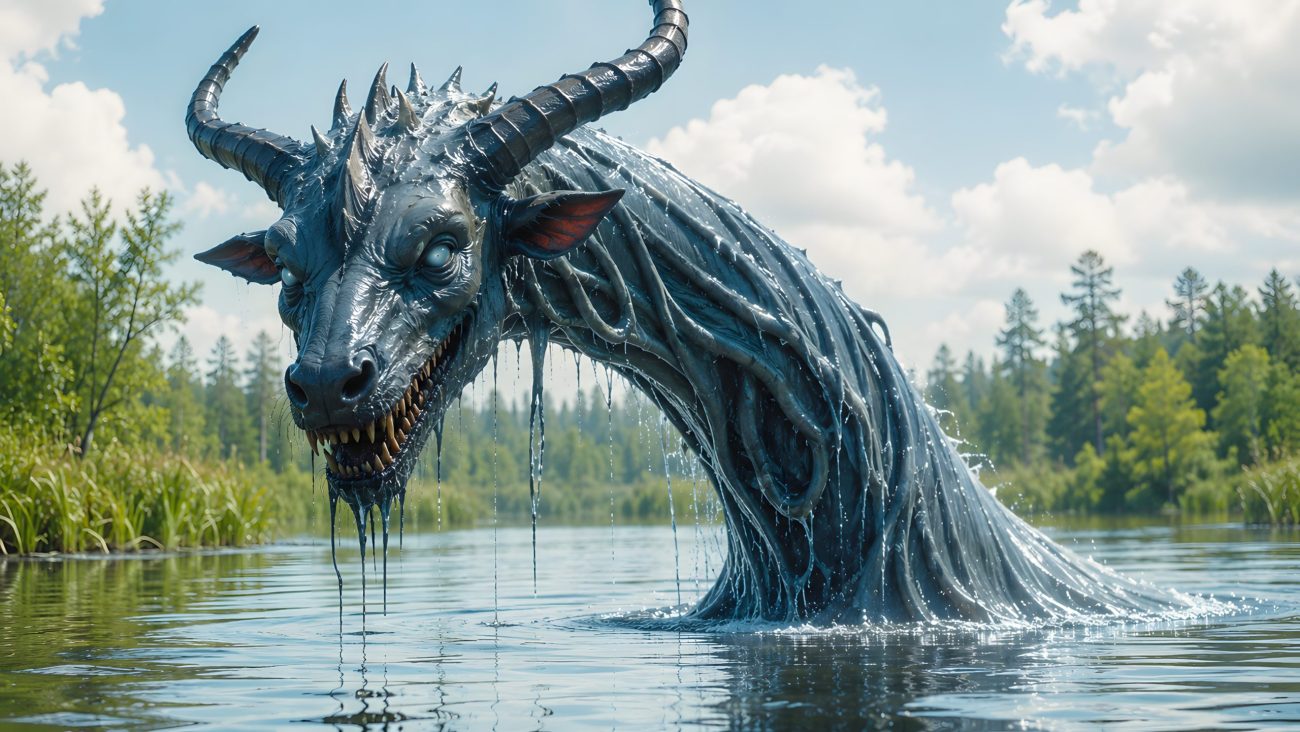
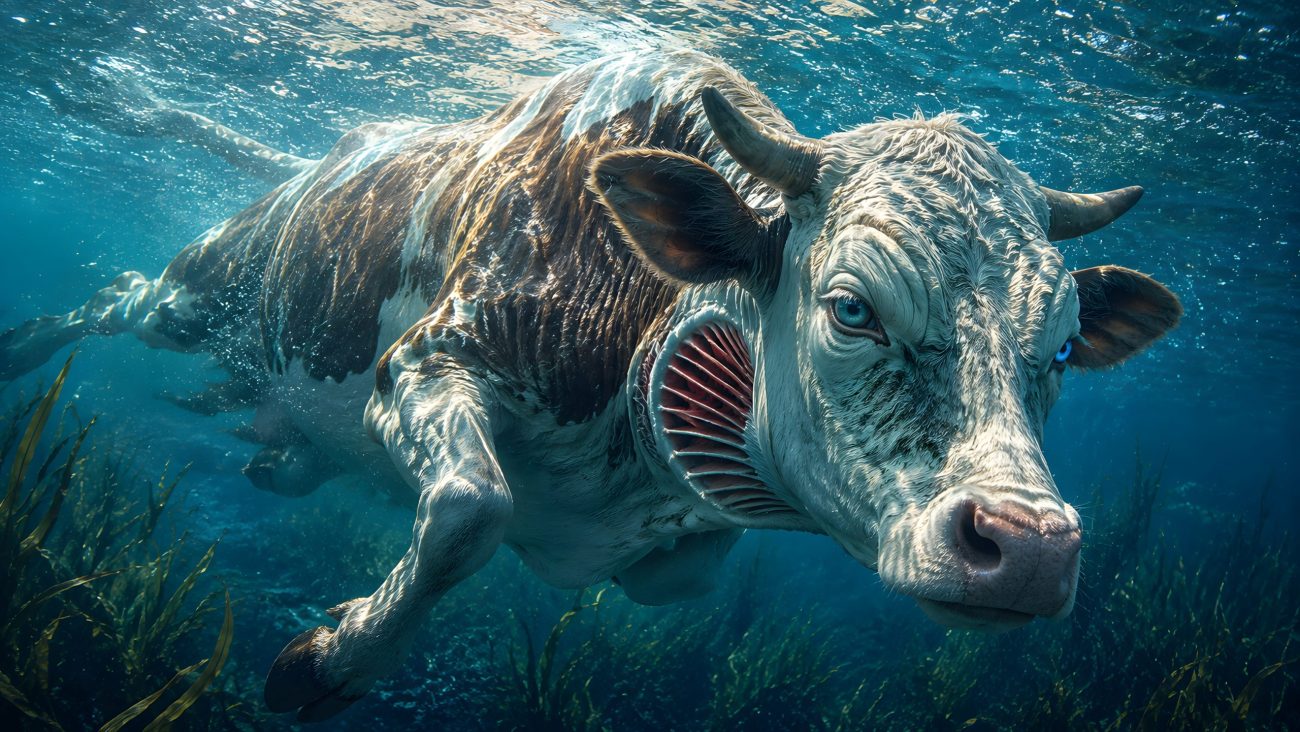
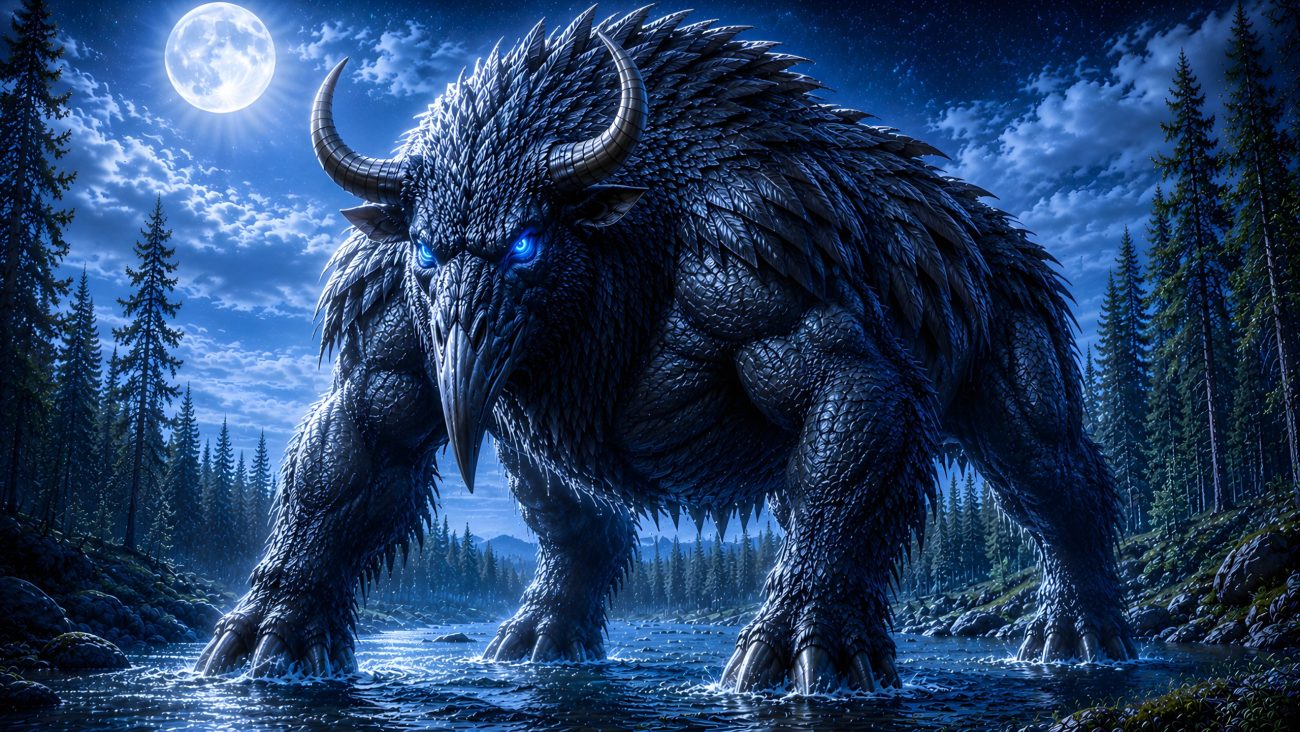
According to Estonian folklore, herds of sea, lake, and river cattle live beneath the waters. These animals look exactly like ordinary cows, bulls, and horses rather than fish-like creatures. At certain times they emerge from the water to graze in meadows near the shore, but vanish beneath the surface as soon as anyone approaches.
These supernatural cattle were famed for producing extraordinary amounts of milk and butter. Some people attempted to capture them. One tale tells of a poor fisherman who hid beside a lake with a rope. When the herd emerged, led by a magnificent bull, he lassoed a beautiful cow before the others fled back into the water. The captured cow never returned to the lake, gave abundant milk, and made the man wealthy.
The herds are often accompanied by mysterious cowherds, sometimes a young woman, sometimes a young man, or several herders together. These beings may remain among humans for years, marry, raise children, or help fishermen before eventually returning to their true underwater home. Even after returning to the sea, some continue to visit their human families.
Many legends tell of a magical water cow that lives with a family for seven years, producing calves and endless milk. When the appointed time arrives, a supernatural call comes from the lake, and the cow returns to the water, often taking all of her offspring with her, leaving the family suddenly without its miraculous source of prosperity.
Sea cattle were regarded as peaceful and beneficial creatures that brought wealth and good fortune. Unlike many other supernatural beings, they possess no demonic nature, existing instead as the underwater counterparts of ordinary livestock in a hidden world beneath the waters.
Sources
Kõiva, M. (2023). Sea, Lake and River Cattle. In Estonian Mythological Folklore: Spirits, Fairies, and Mythical Creatures (pp. 585–603). Estonian Literary Museum. Retrieved June 29, 2026, from https://www.folklore.ee/rl/folkte/myte3/vh18.pdf