Penilased

Tradition / Region: Estonian Mythology
Alternative names:
Category: Dog


The Myth

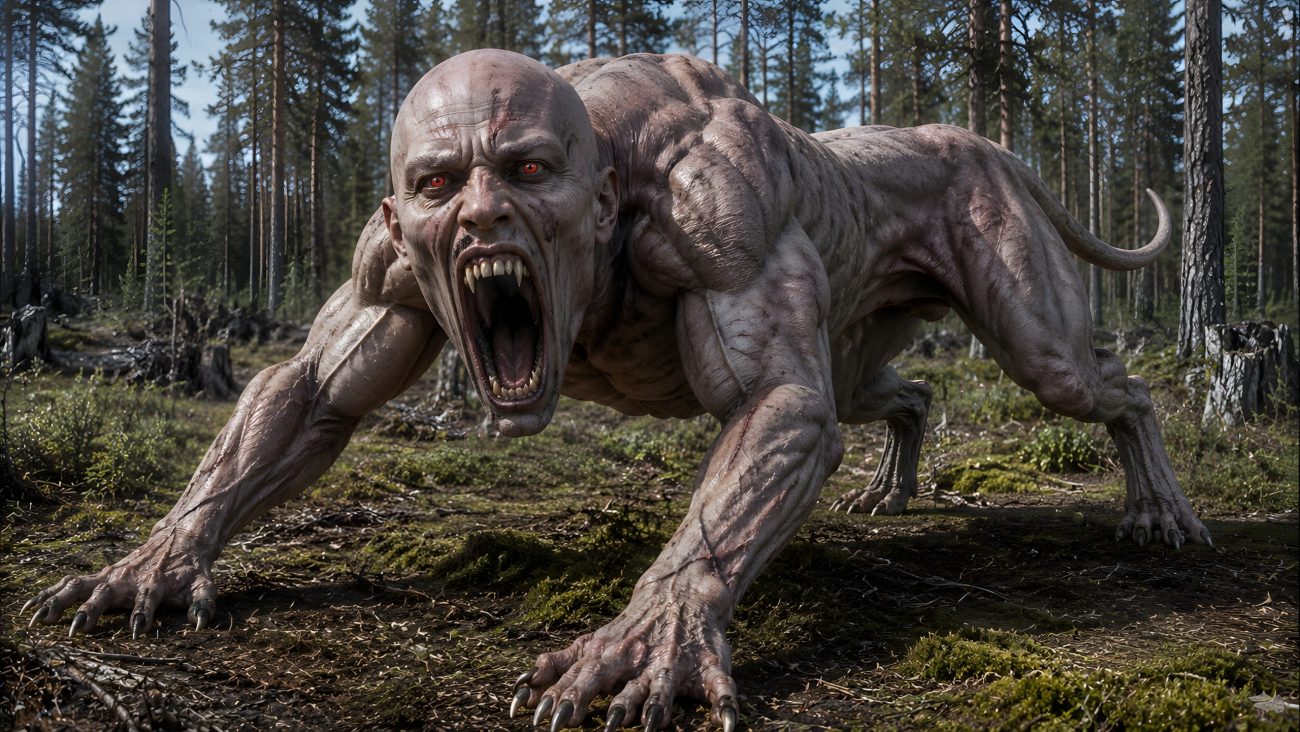
The Penilased are a strange race mentioned in the Estonian national epic Kalevipoeg. They are described as beings with the bodies of dogs and the heads of humans, each with a long dog’s tail.

When Kalevipoeg and his companions sailed north aboard the Airplane, they reached the land of the Penilased. The inhabitants refused to let the travelers come ashore, provoking Kalevipoeg into battle. He attacked the Penilased and slew them in great numbers.

During the fighting, Kalevipoeg’s horse stumbled and died. Enraged, he seized a great oak club and began tearing up the surrounding fields and pastures. A local wise man stopped him, reproached him for destroying the land, and showed him the proper path home. He also warned Kalevipoeg of a hidden gate that led not to the end of the world, but to hell. Following the sage’s guidance, Kalevipoeg continued his voyage back toward Lindanisa Bay.


Sources

Wikipedia contributors. (n.d.). Penilased. In Vikipeedia. Retrieved June 29, 2026, from https://et.wikipedia.org/wiki/Penilased

Koerakoonlased

Tradition / Region: Estonian Mythology
Alternate Names: Pendolls
Category: Dog


The Myth

The Koerakoonlased were originally remembered from stories connected to the feared warriors of Ivan IV. These soldiers were said to carry symbols of a dog’s head, representing their duty to track down enemies as a hound tracks its prey.

In later storytelling, this image passed from history into legend. The dog-headed symbol became something more than a sign, and people began to speak of beings who truly had such forms.

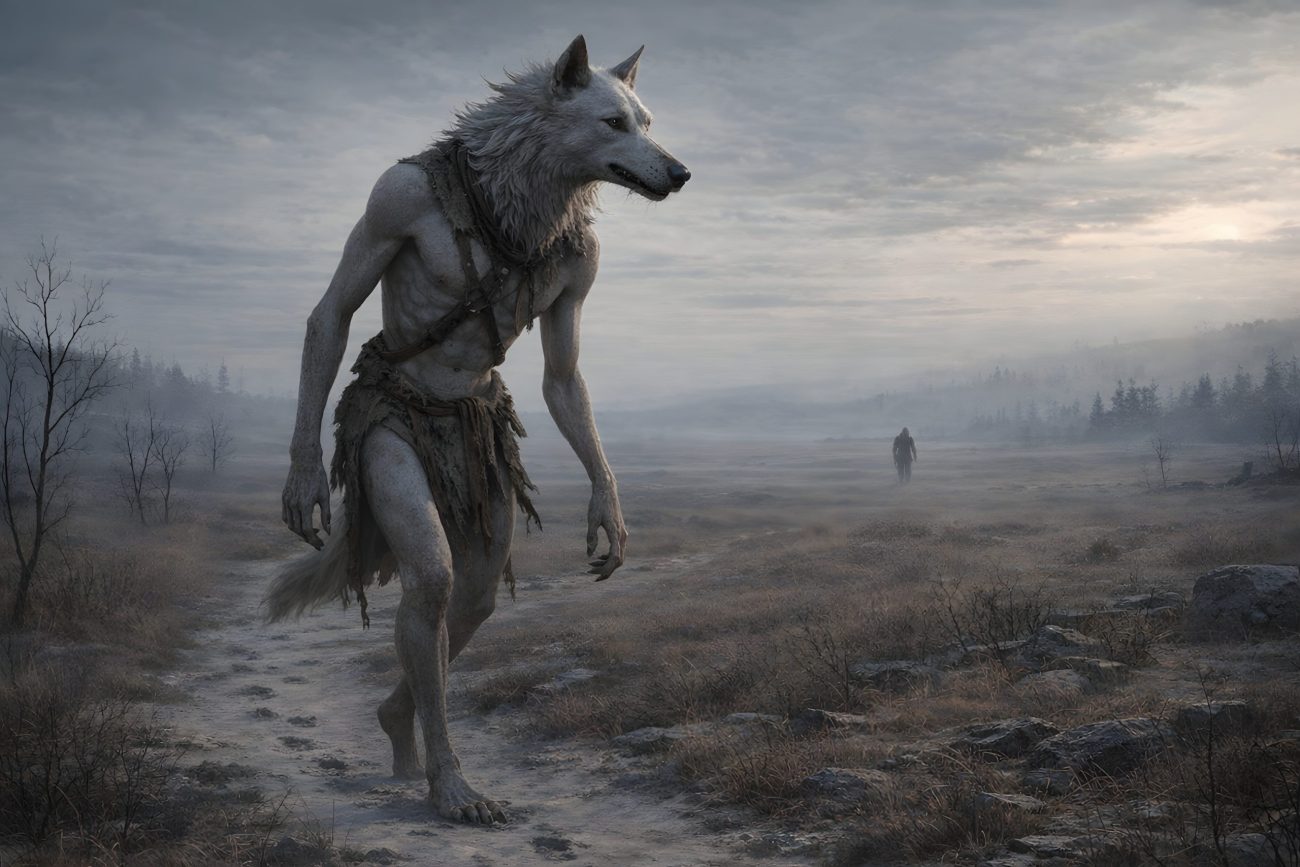
In these tales, the Koerakoonlased were imagined as creatures with the bodies of humans but the heads of dogs. They belonged to the realm of monsters and distant lands, sometimes placed beyond the known world. They were spoken of as strange and unsettling beings, neither human nor animal, living outside ordinary society.

Stories linked them with similar creatures known in other traditions, suggesting that the idea of dog-headed beings belonged to a wider world of myth. Over time, the Koerakoonlased remained in memory not as soldiers but as monstrous figures, part of folklore rather than history.

Thus they were remembered as dog-headed beings born from a symbol of power and fear, transformed by storytelling into creatures of legend.


Sources

Wikipedia contributors. (n.d.). Koerakõonlased. In Wikipedia, from https://et.wikipedia.org/wiki/Koerakoonlased