Tradition / Region: Estonian Mythology
Alternative names: Mother Twilight, Twilight Mother
Category: Spirit, Fairy
The Myth
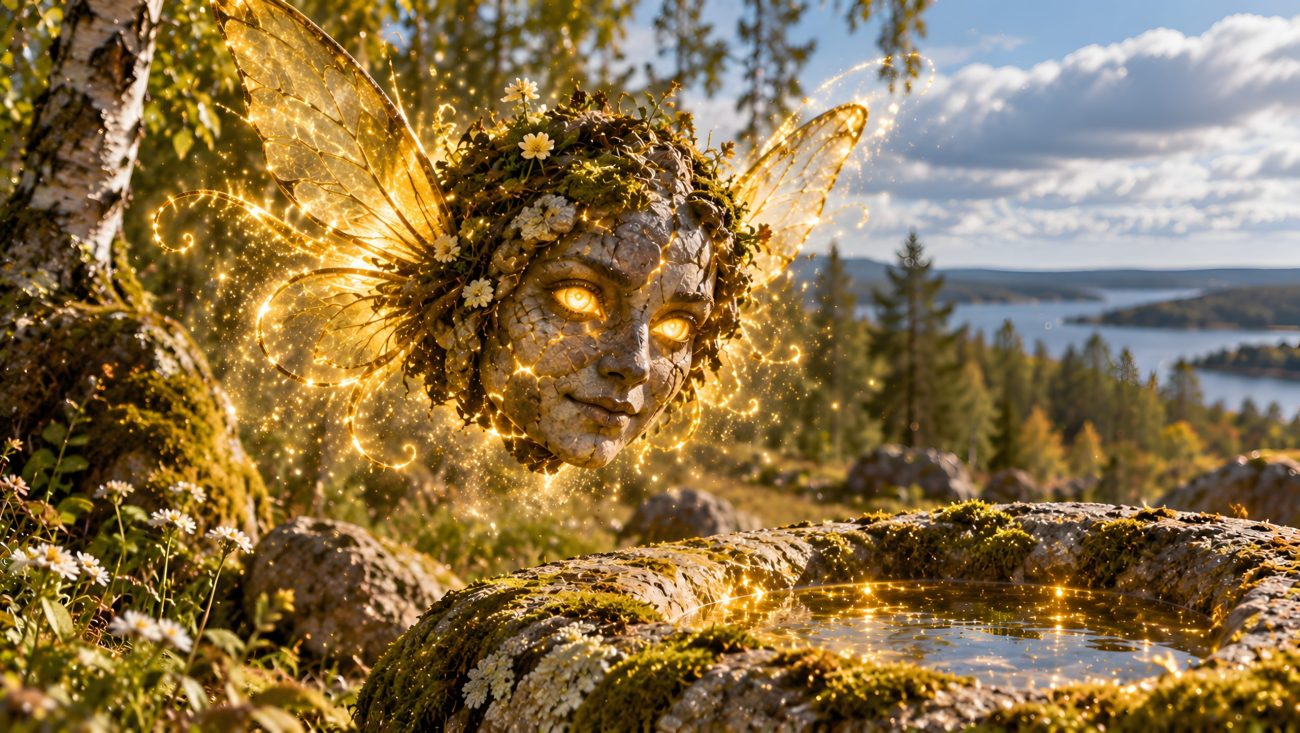
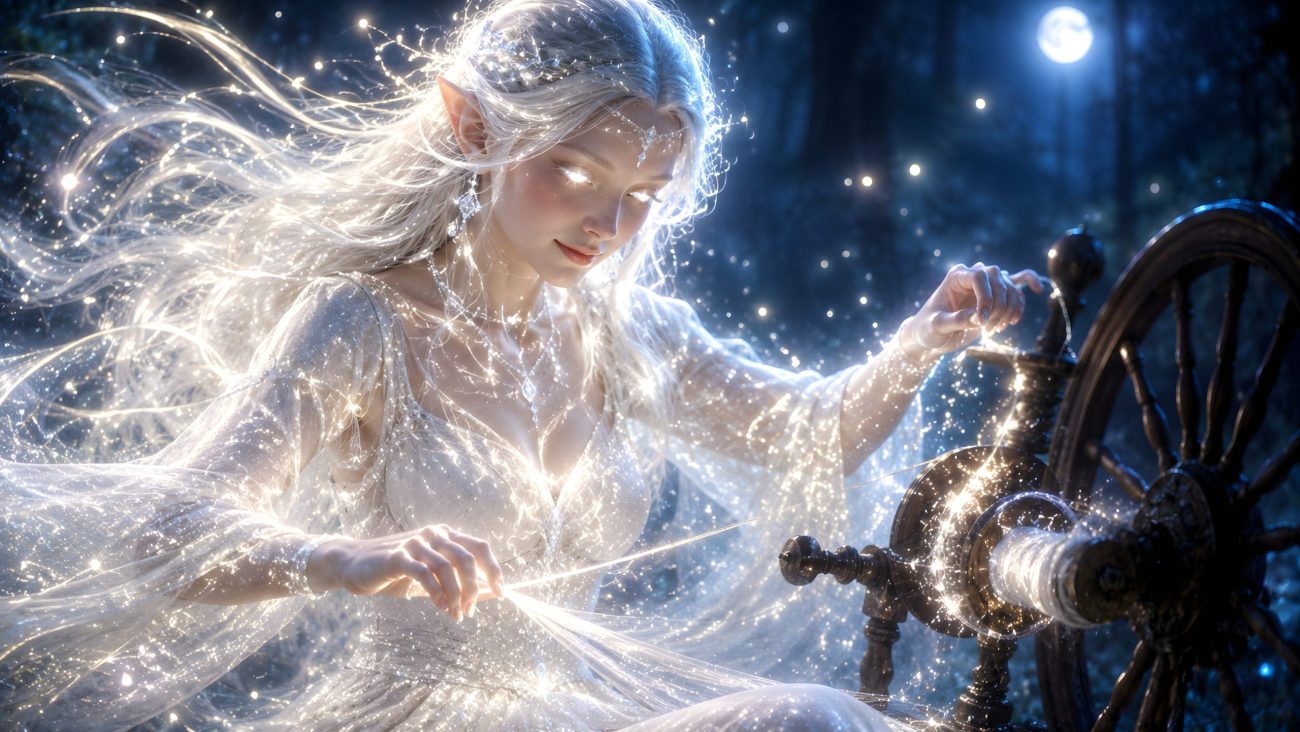
Ehaema, or Mother Twilight, is a mysterious spirit associated with evening twilight and the coming of night. She appears as a female elf or supernatural woman who visits homes after sunset, especially where spinning has been left unfinished.
Her most famous trait is spinning. If thread, flax, or a spinning wheel is left prepared overnight, Ehaema may enter the house and begin spinning through the night. People claimed to hear the spinning wheel turning on its own while everyone slept. Because of this, families carefully removed thread from the wheel before going to bed to prevent attracting her.
Although feared, Ehaema was not always hostile. Some traditions believed that anyone who managed to catch or witness her while she spun would gain exceptional skill and strength in spinning. She was therefore both a warning against laziness and a mysterious helper connected to household work.
In other traditions, Ehaema belonged to a group of nocturnal beings that included the Midnight Mother and the Midnight People. These spirits were believed to wander during the dangerous hours of twilight and midnight, making children cry, causing illness, or disturbing sleepers. Like many Estonian household spirits, Ehaema gradually became associated with ghosts and elves that silently visited homes during the night.
She remains one of Estonia’s most distinctive domestic spirits—a twilight woman who emerges with the fading light, quietly spinning abandoned flax while the household sleeps.
Sources
Valk, Ü. (2004). Night Wailer and Night Mother in Estonian and Finno-Ugric Folk Tradition. Sator, 5. Retrieved June 29, 2026, from https://www.folklore.ee/rl/pubte/ee/sator/sator5/night.pdf