Emobali

Tradition / Region: Papua New Guinea Mythology
Alternate Names:
Category: Crocodile, Fish, Shapeshifter


The Myth

Emobali was once a Djibu boy. One day, while hunting, he shot a woman without knowing who she was. When he discovered that he had killed his own mother, grief and terror seized him. Unable to live with what he had done, Emobali went to the Binatui River at Mude and threw himself into the water.

At the place where he entered the river, a deep hollow was formed close to the bank. This deep spot is said to exist because of Emobali’s leap, and it remains as a sign of his death.

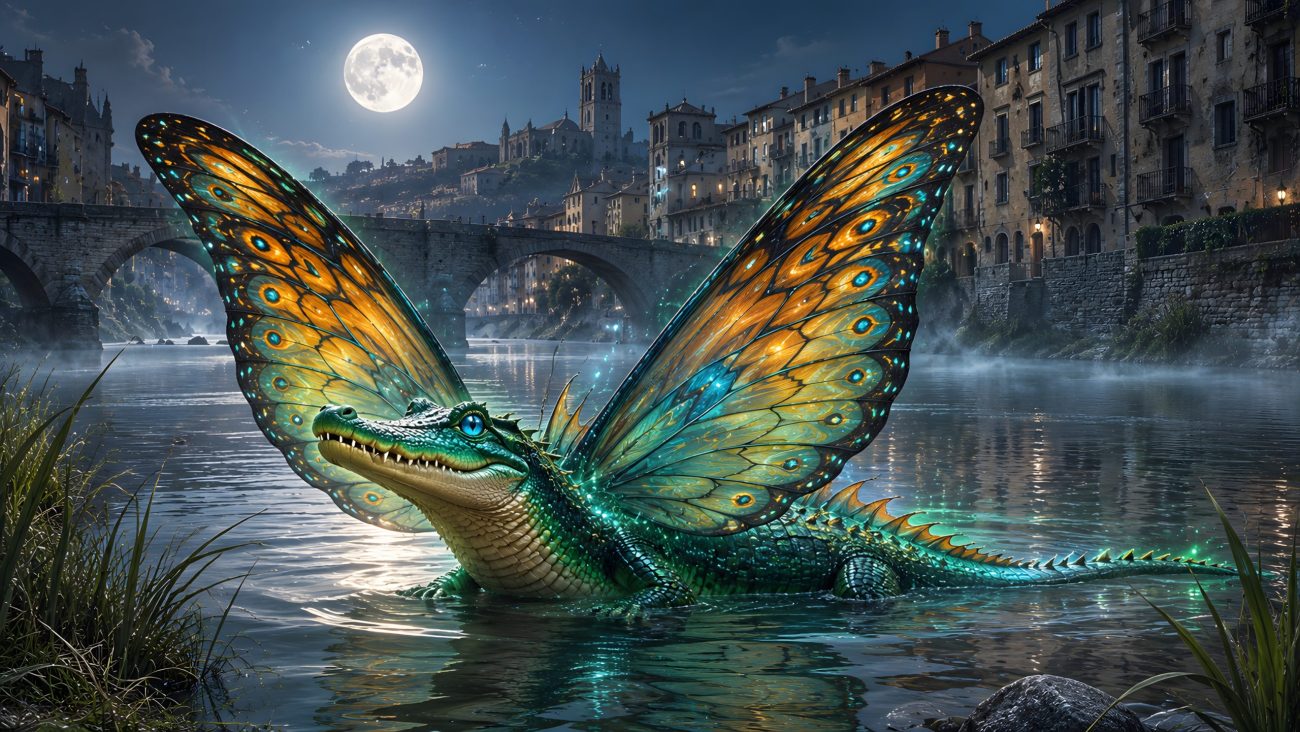
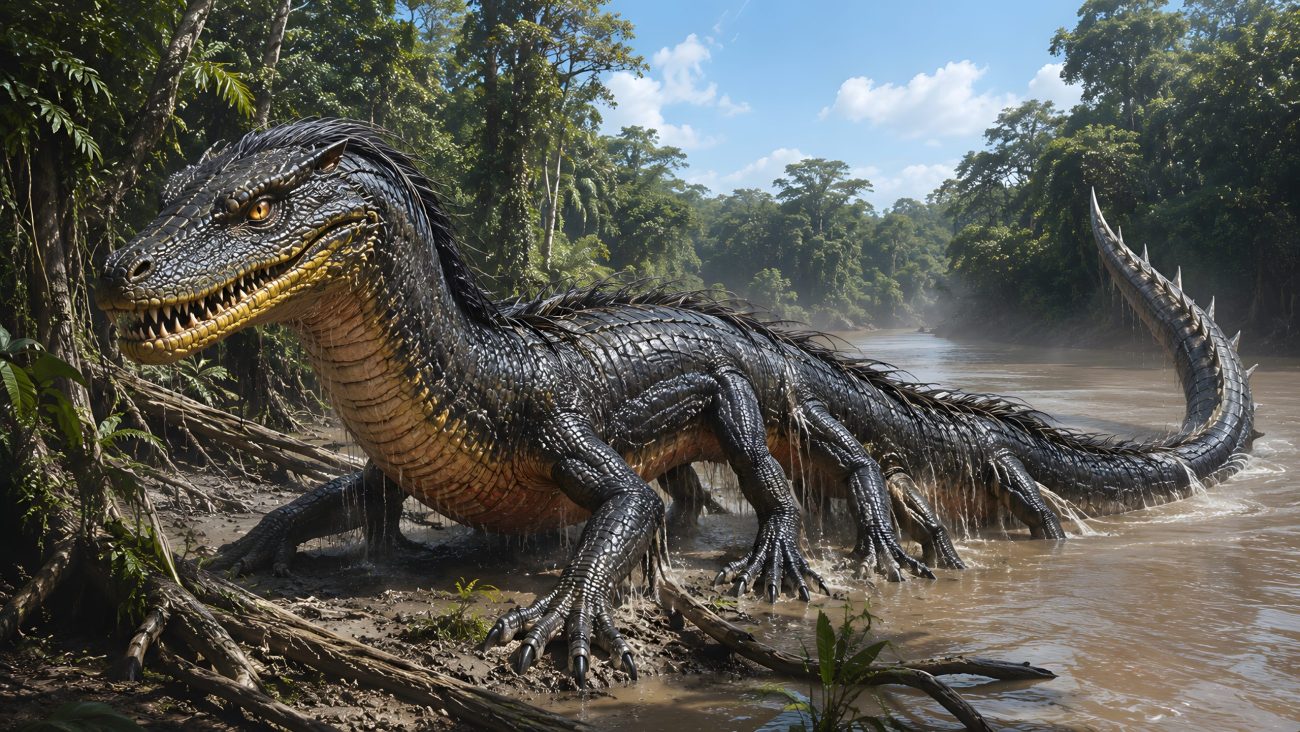
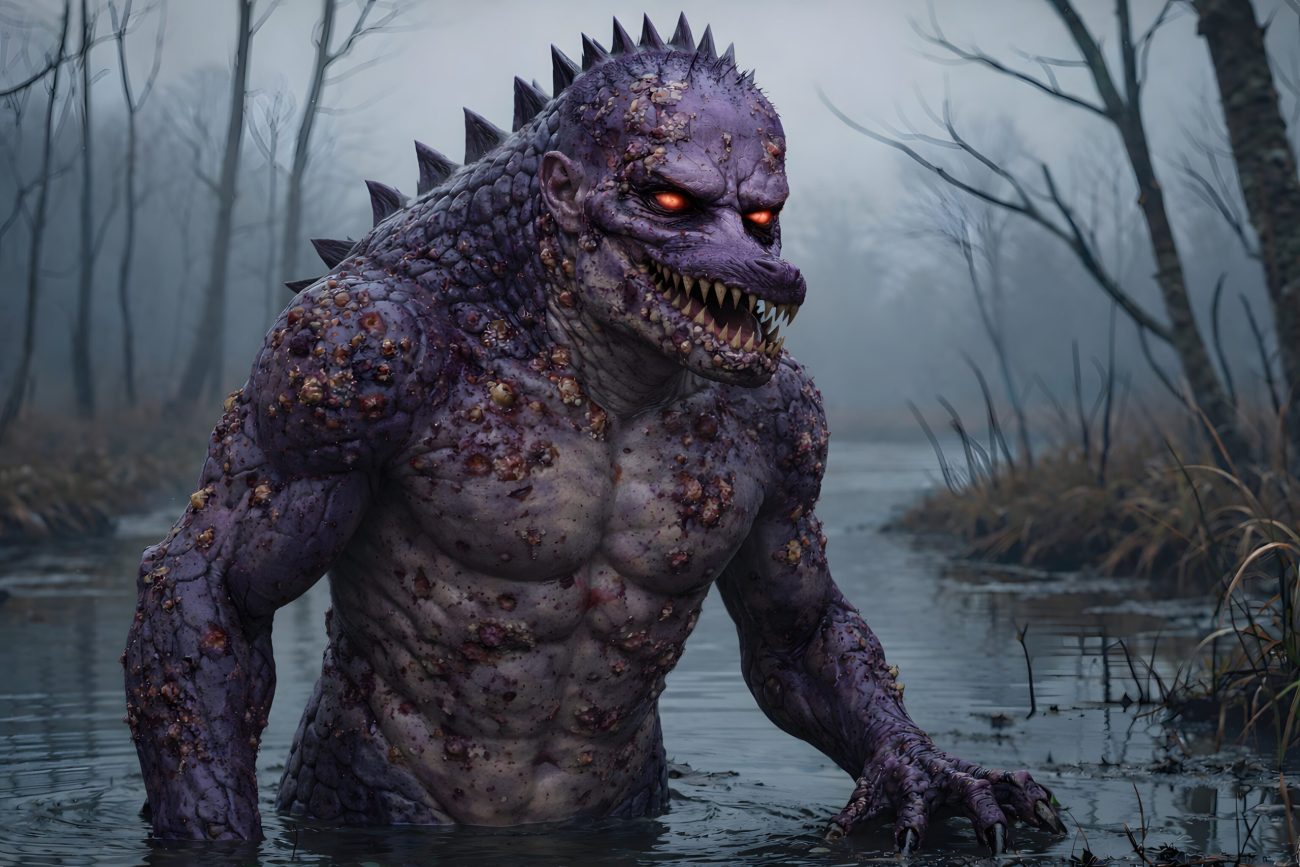
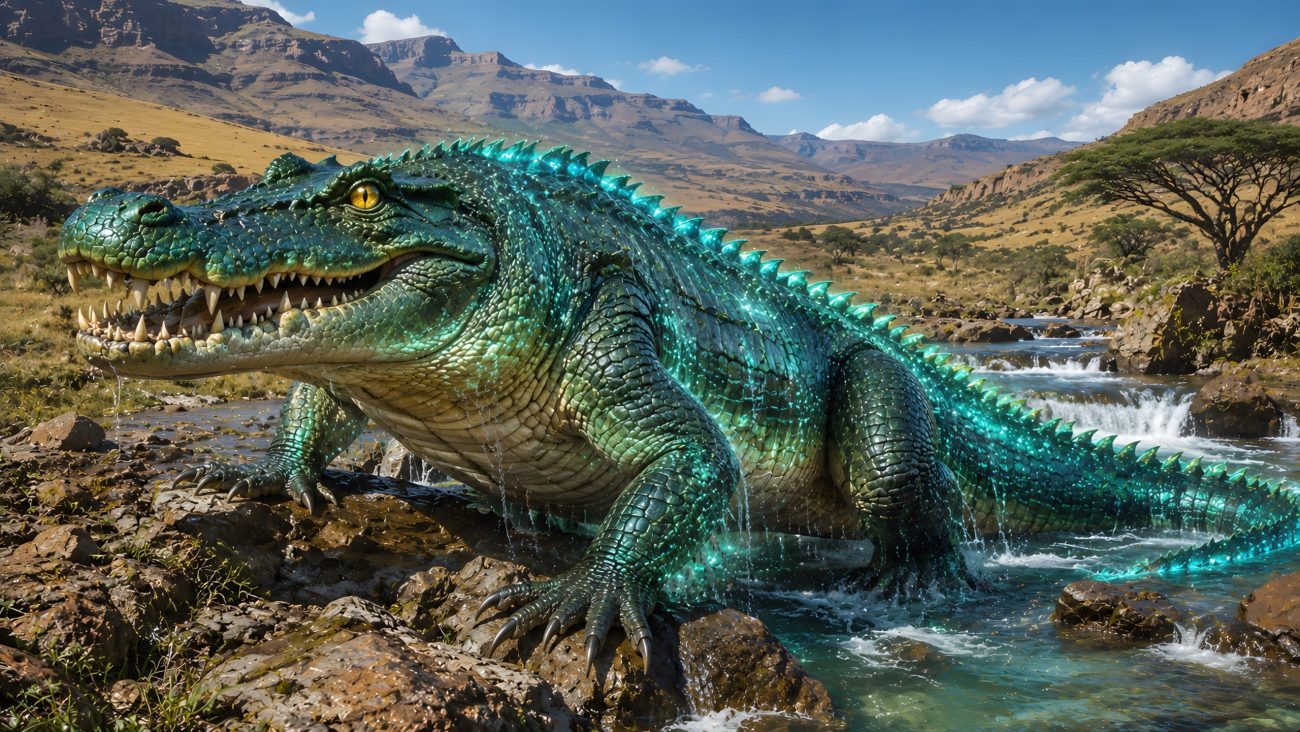
Afterward, Emobali became a spirit of the river. In the water, he appears in the form of a crocodile or a fish, moving silently beneath the surface. Yet Emobali does not only haunt the river. He also comes to people in dreams. When Djibu people sleep naked, Emobali may appear to them and instruct them, teaching medicines and giving knowledge useful for hunting and gardening.

In these dreams, he does not appear as an animal, but in his human form, as the boy he once was.

Thus Emobali lives on as a crocodile–fish spirit of the river, born from an act of tragic ignorance, dwelling in water and dreams alike, feared and respected as both a reminder of guilt and a giver of hidden knowledge.


Sources

Landtman, G. (1970). The Kiwai Papuans of British New Guinea; a nature-born instance of Rousseau’s ideal community. New York: Johnson Reprint Corp., p. 302.


Kutys

Tradition / Region: Russian Mythology, Udmurt Mythology, Besermyan Mythology
Alternate Names: Vu Kutys (“Water Kutys”), Kutesi (Besermyan)
Category: Swamp Dweller, Spirit, Disease


The Myth

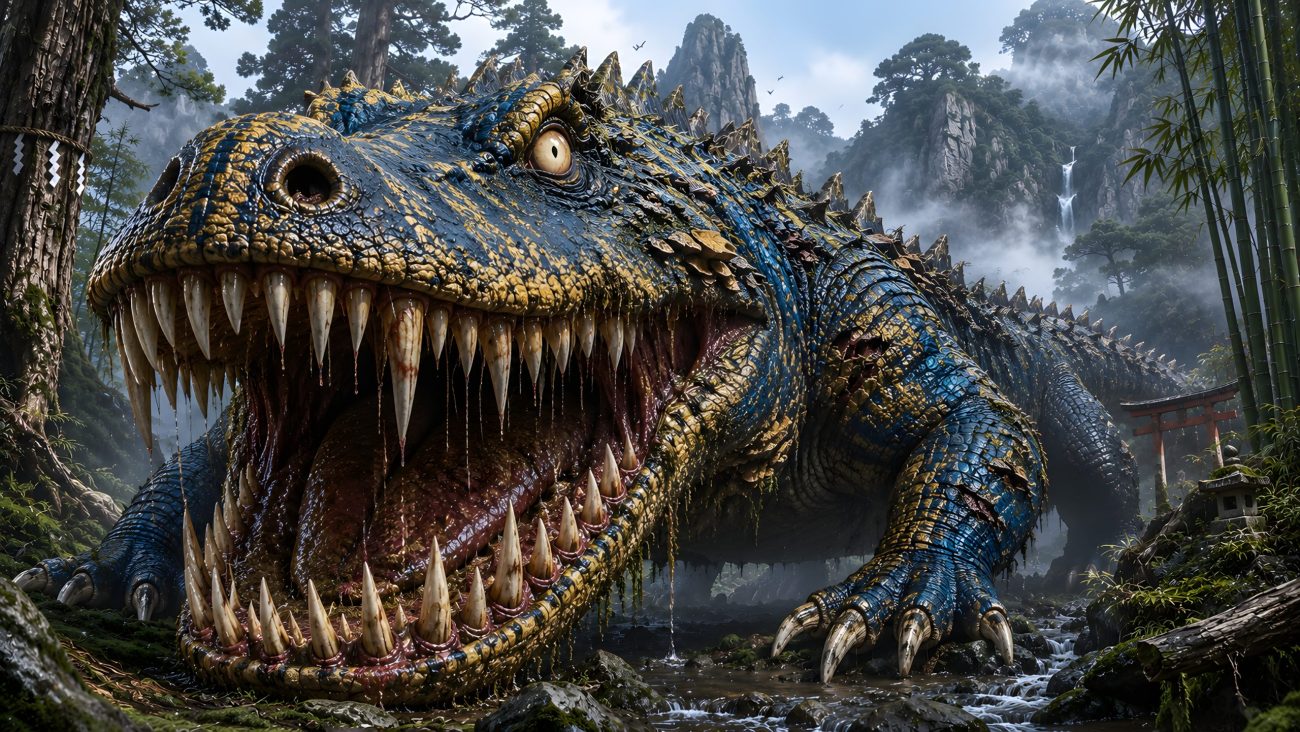
Kutys is a spirit that dwells near water, feared by people and animals alike. His name means “the one who seizes,” and when he acts, it is said that he truly grabs hold of his victims.

Kutys lives at springs, at the sources of rivers and streams, and in ravines where water once flowed. Even when a ravine dries in summer, Kutys may still remain there, unseen. Wherever he lives, sickness and terror follow. When he becomes angry, he punishes people and livestock first with sudden, unexplainable fear, and then with illness. Boils, scabs, erysipelas, abscesses, and wasting pains appear without warning. Sometimes Kutys inspires fear by wild, inhuman cries, and sometimes by appearing in dreadful forms, neither fully man nor beast.

Near the village of Omutnitsy, far from the town of Glazov, there is a spring where Kutys is said to live even now. Above the spring lies a marshy ravine covered with tangled growth. Kutys guards a hidden treasure there. On hot summer days, people or horses who approach the upper part of the ravine may be seized. Breath becomes difficult, strength drains away, the stomach tightens inward, fever and trembling begin, and soon the whole body falls into sickness. This suffering can last for days and may end in death unless Kutys is appeased with sacrifice.

Once, men building a bridge over the stream called Yazinets slept beside their work. At midnight they were awakened by a terrible roar. At the head of the stream they saw a gigantic figure advancing toward them, something neither clearly human nor animal. In panic, they fled to the village, leaving their clothes and belongings behind.

To protect themselves, people make offerings to Kutys. Small loaves of bread, egg-filled pies, pancakes, grains of barley tied in cloth, copper coins, or even a live chicken with bound legs are given at springs and streams. Some throw grain mixed with salt, bits of cloth, or small dolls into the water or onto the ground where Kutys dwells. This act of offering is meant to calm him and release those he has seized.

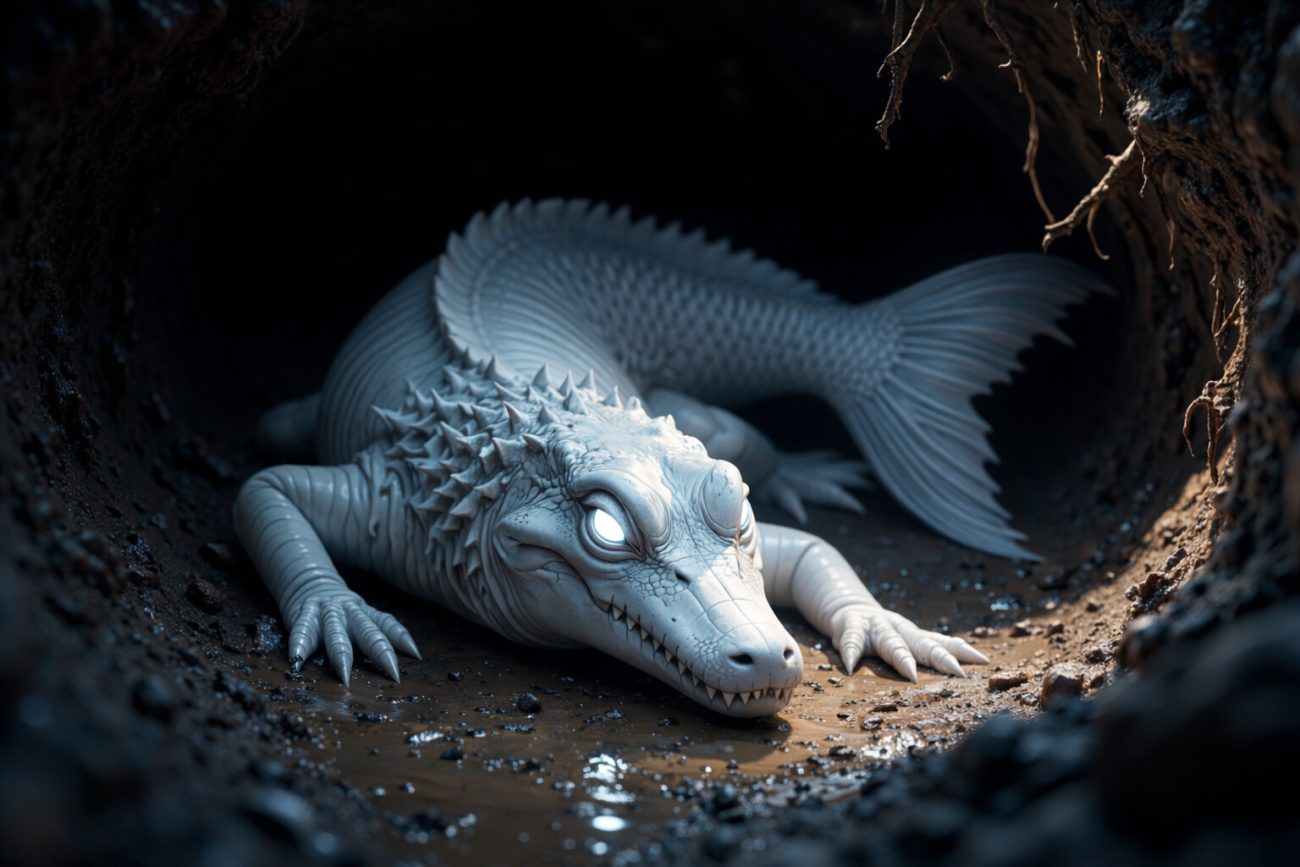
Kutys is closely bound to water itself. Those who curse into water, spit, blow their nose, or behave disrespectfully near springs risk being taken by him. Among the Besermyans, Kutys is believed to be the spirit of those who died unnatural deaths, or of infants who died without being named. Such spirits linger near their burial places and seize anyone who steps upon them.

Thus Kutys remains a presence of sudden fear and sudden illness, a reminder that water is not only life-giving but dangerous, and that unseen hands may still reach up from springs and ravines to seize the careless.


Sources

Bestiary.us contributors. (n.d.). Kutys. In Bestiary.us — Mythical Creatures of the World, from https://www.bestiary.us/kutys#