Schwarze Kuh

Tradition: Austrian Mythology
Alternative names: The Black Cow
Category: Cow


The Myth

One evening, a shepherd from Montavon arrived late at the Latonz Alp to retrieve a black cow that had been left behind when the herd descended from the mountain. He put the cow in the stable and spent the night sleeping on a bunk in the alpine hut.

Around midnight, the alpine spirits, known as Bütze, entered the hut. They began cooking, boiling, and roasting in the room with an incredible din. The shepherd awoke and stared at them in confusion.

Suddenly, one of the spirits called to him to come down from his bunk. He was forced to leave his sleeping place and join them.

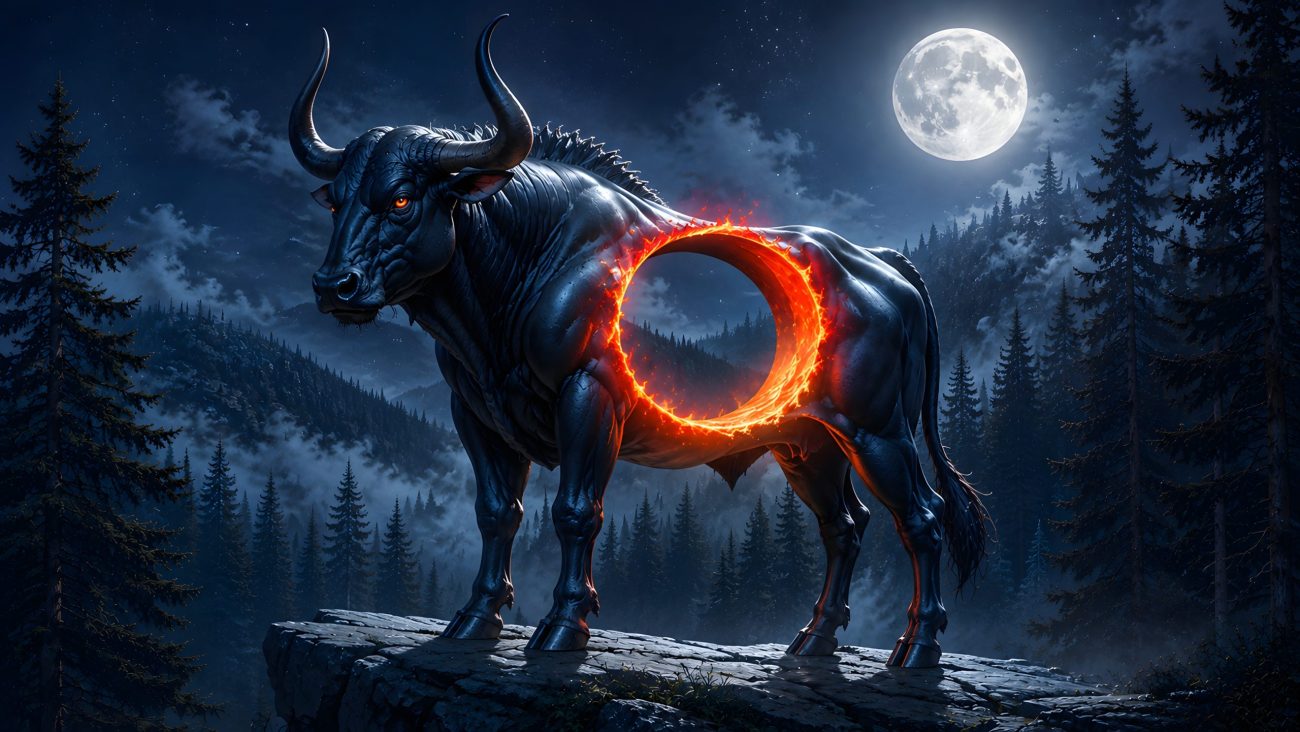
Then he noticed something horrifying. His black cow, standing outside in the stable, appeared to have an enormous hole in its body. The shepherd thought that the spirits had cut the flesh out of his cow and feared that they would have eaten the entire animal before dawn.

After their meal, the Bütze began playing music and dancing so violently that the alpine hut seemed almost to come apart. At the first light of dawn, the strange visitors departed.

The shepherd watched them leave and noticed a hide stretched across the doorway of the alpine hut. He believed that it was the hide of his black cow.

But when daylight had fully arrived, the hide had mysteriously disappeared. Outside, the black cow stood in the stable completely unharmed.

The terrifying events of the night had apparently been an illusion—or something supernatural that had left no lasting mark on the cow.


Sources

Vonbun, Franz Josef. “Die schwarze Kuh.” In Die Sagen Vorarlbergs. Mit Beiträgen aus Liechtenstein, no. 183, p. 141. Reproduced by SAGEN.at. Accessed August 29, 2026. https://www.sagen.at/texte/sagen/oesterreich/vorarlberg/montavon/schwarzekuh.html
Stiertratte

Tradition: Austrian Mythology
Alternative names: –
Category: Cow


The Myth

In the Glödnitz Valley, near the place known as the “Bauer im Ort,” there is a location called the Stiertratte.

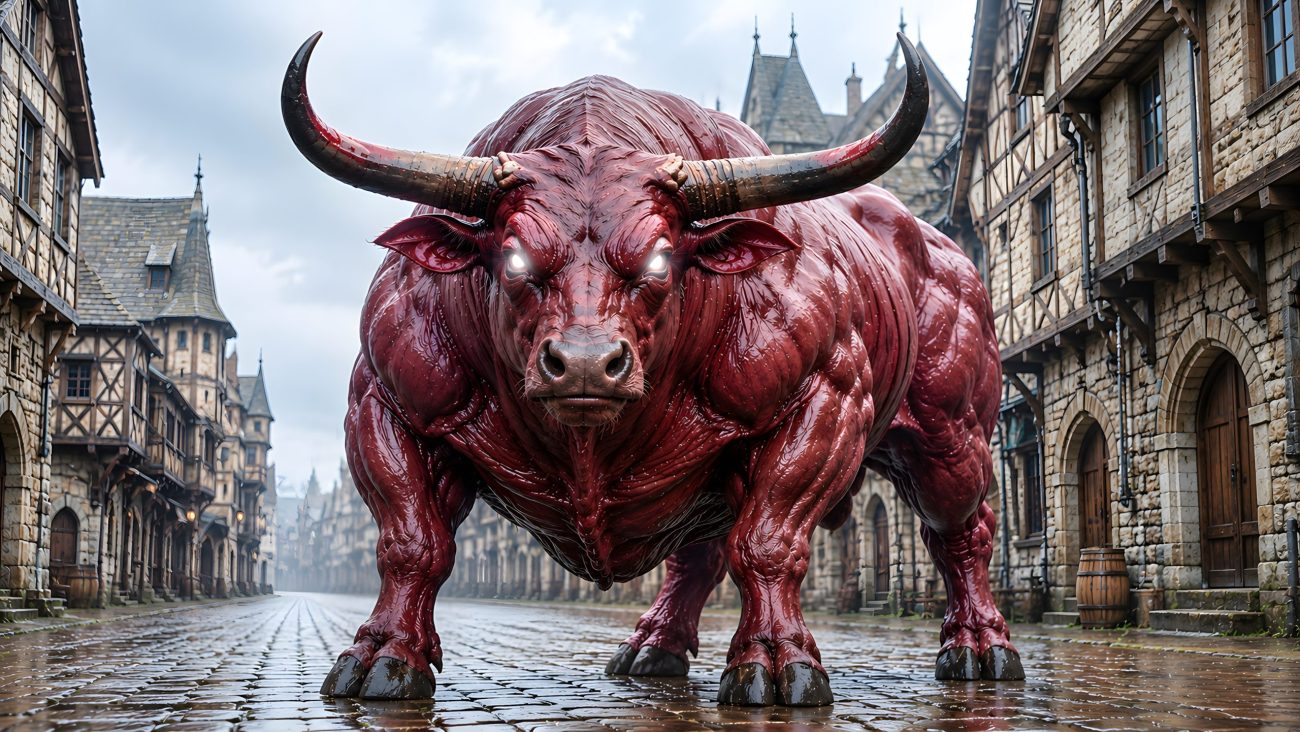
According to the legend, a group of arrogant miners once committed a cruel act against a living bull. They skinned the animal alive and drove it to Weitensfeld for people to see. They then spread the bull’s hide out at the location of the Stiertratte and played dice upon it.

As an eternal disgrace and punishment for their arrogance and cruelty, not a single blade of grass has grown at the place ever since.

The story therefore explains the existence of the barren patch of land known as the Stiertratte as a supernatural punishment for the miners’ mistreatment of the bull.


Sources

Rappold, J. “Die Stiertratte.” In Sagen aus Kärnten. Augsburg and Leipzig, 1887, no. 17, p. 23. Reproduced by SAGEN.at. Accessed August 29, 2026. https://www.sagen.at/texte/sagen/oesterreich/kaernten/allgemein/stiertratte.html


Kuhwampen

Tradition: Austrian Mythology
Alternative names: Kuhwampen
Category: Cow


The Myth

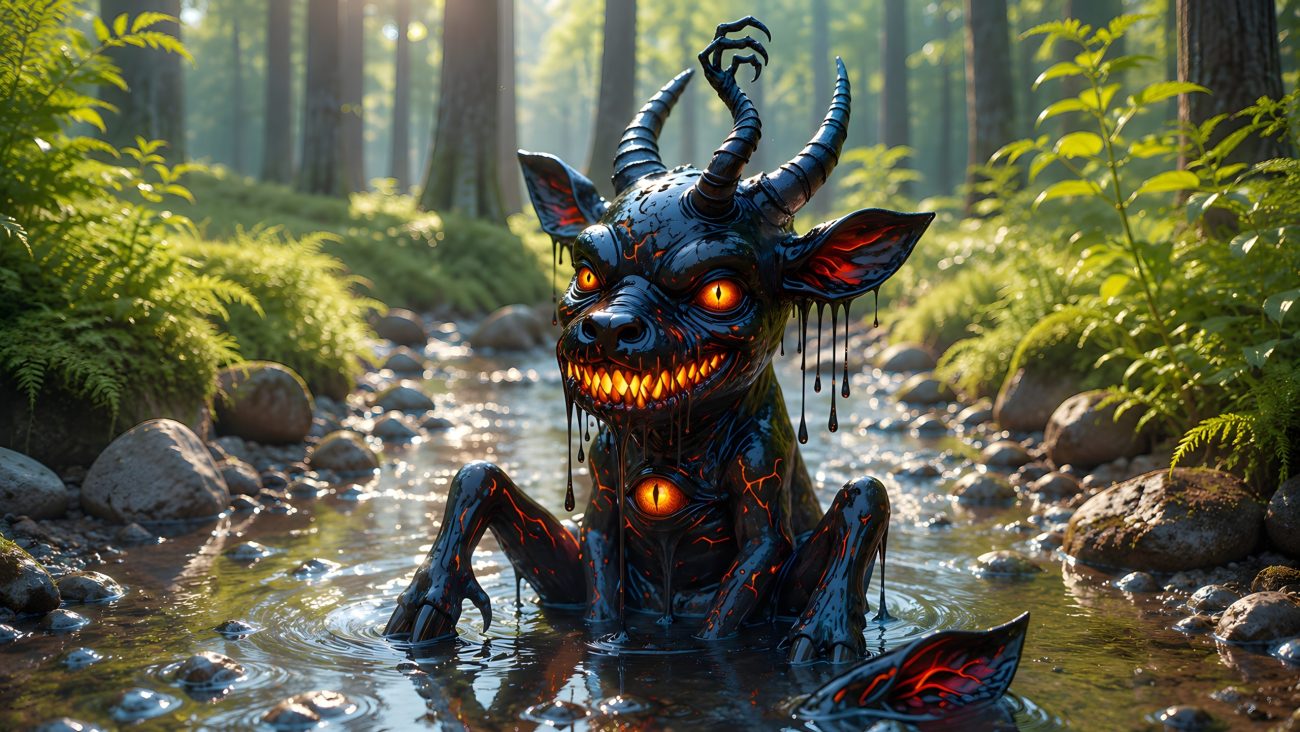
The Kuhwampen is described in the folklore of Rauris as a misshapen, ghostly creature. One day, while a shoemaker was working in a farmhouse, a Kuhwampen rolled through the doorway.

Annoyed by its intrusion, the shoemaker stabbed at the creature with his awl. The following morning, the farmer’s wife was found with a stab wound in her eye. The shoemaker had not known that she was a Trud—a supernatural being associated with causing harm in dreams—and the wound he inflicted upon the Kuhwampen had manifested upon her.


Sources

“Die Kuhwampen.” SAGEN.at – Traditionelle Sagen aus Österreich, Salzburg, Pinzgau. Accessed August 21, 2026. https://www.sagen.at/texte/sagen/oesterreich/salzburg/pinzgau/kuhwampen.html


Night Raven

Tradition / Region: German Mythology, Austrian Mythology
Alternative names: Nightraven; Nachtkrapp; Nachtrabe; Nattravn; Nattramn; Nattkorp
Category: Bird


The Myth

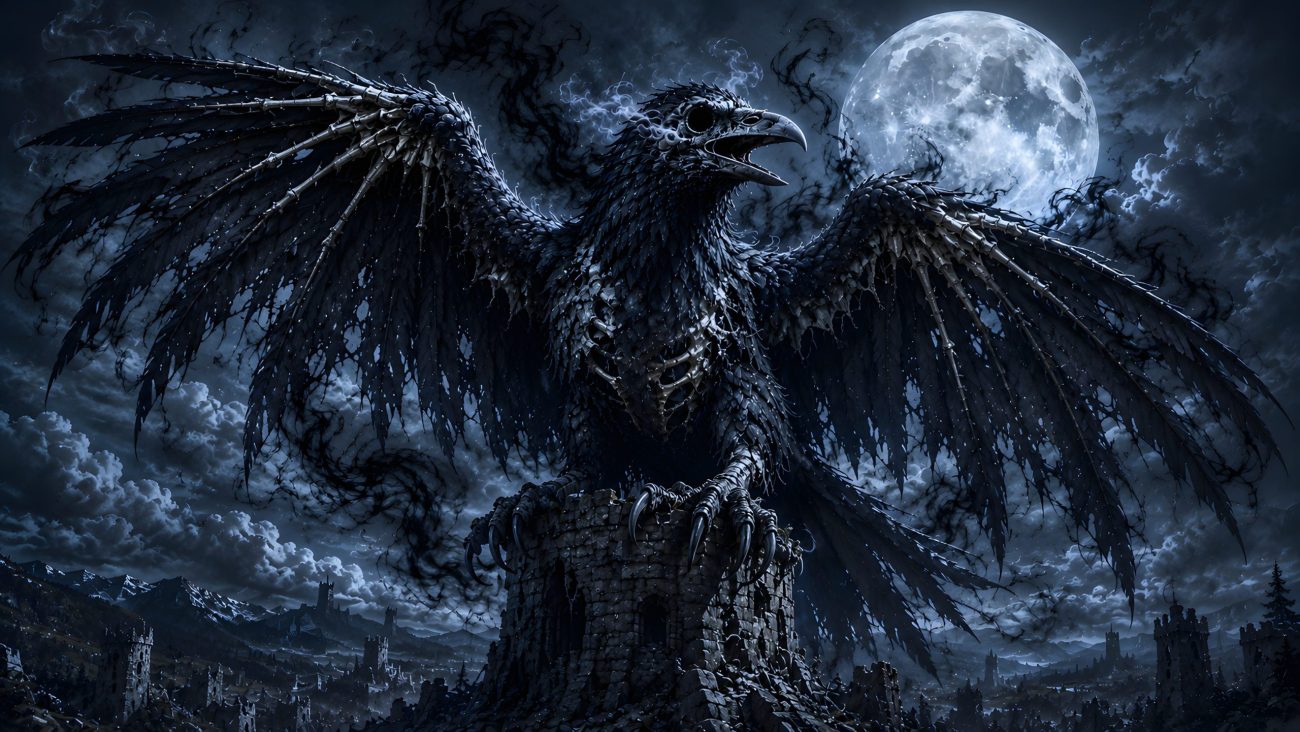
The Night Raven is a fearsome supernatural bird said to appear only after dark. Across much of Europe it is described as a giant raven-like creature that haunts forests, crossroads, and lonely places, often serving as a harbinger of death and misfortune. In many traditions, Night Ravens are not ordinary birds at all, but the spirits of the dead transformed into raven form.

In German folklore, the Night Raven leaves its hiding place after sunset to hunt. It is especially feared by children, whom it is said to snatch from the night and carry away to its nest. Some stories claim it tears its victims apart before devouring them, while others say it simply stuffs disobedient children into a sack and disappears into the darkness. Northern German legends also speak of an Iron Bird, whose iron wings beat offenders to death.

Scandinavian traditions often portray Night Ravens as the restless ghosts of suicides, murderers, unbaptized children, or those buried in unconsecrated ground. They fly through the night in the form of ravens or even skeletal birds, filling the darkness with eerie creaks and shrill cries. Some tales warn that gazing into the empty eye sockets of these ghostly birds brings death, while holes in their wings spread sickness and disease.

Though their forms vary from region to region, Night Ravens are almost always seen as omens of suffering, restless spirits, and the dangers that lurk in the darkness. Their cries and shadowy flights served for centuries as warnings to keep travelers from wandering at night and children safely indoors.


Sources

Wikipedia contributors. (n.d.). Night raven. In Wikipedia. Retrieved June 29, 2026, from https://en.wikipedia.org/wiki/Night_raven


Blutschink

Tradition / Region: Austrian Mythology
Alternative names: Bluatschink, Bluetschinke, Plutschinke
Category: Bear


The Myth

The Blutschink is a fearsome demonic water spirit from the folklore of Tyrol and South Tyrol. Its name is often interpreted as “Blood Foot,” although some traditions suggest it ultimately derives from an older Slavic water demon. It is known as a dangerous creature that dwells near rivers, lakes, and other bodies of water, where it preys upon unsuspecting humans.

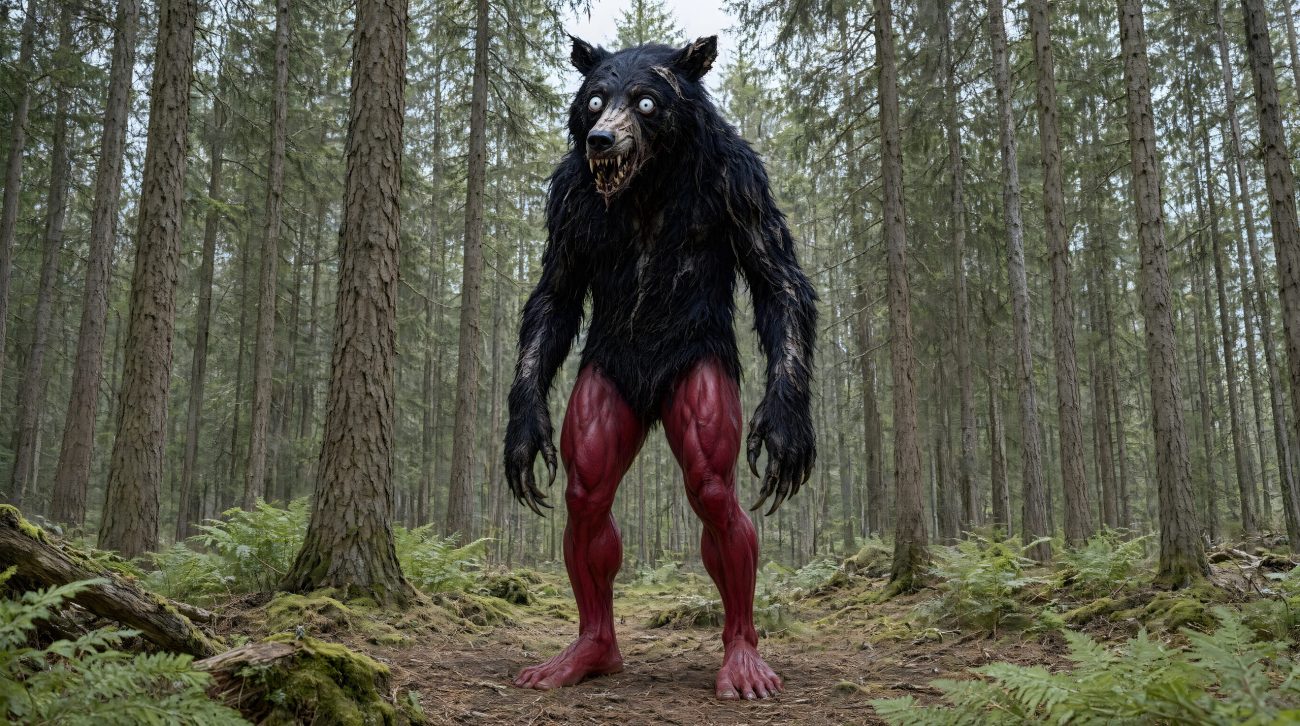
The Blutschink has the upper body of a shaggy, coal-black bear, while its lower body consists of powerful human legs. Its bare legs are stained blood-red and are said to drip constantly with blood, giving the creature its terrifying appearance.

According to tradition, the Blutschink attacks people by first draining the blood from its victims before devouring them. Because of this gruesome habit, it was greatly feared by those living near rivers and streams.

In South Tyrol, the legend expanded beyond waterways. There, the Blutschink was also believed to lurk among bean fields and poppy fields, waiting to seize and eat children who wandered too far from home. As a result, stories of the Blutschink were often told as warnings to keep children away from dangerous places where the monster was thought to hide.


Sources

Wikipedia-Autoren. (o. D.). Blutschink. In Wikipedia. Abgerufen am 29. Juni 2026, von https://de.wikipedia.org/wiki/Blutschink


Orco

Tradition / Region: Austrian Mythology
Alternative names: Orco
Category: Ghost


The Myth

The Orco is a gigantic and ancient mountain ghost feared throughout the Dolomite Alps, especially in the mountains between Enneberg Abbey and Buchenstein. Said to dwell in deep caves, chasms, and rocky cliffs, the Orco is a malicious supernatural being that never grows old and exists only to spread fear, destruction, and misfortune among humankind.

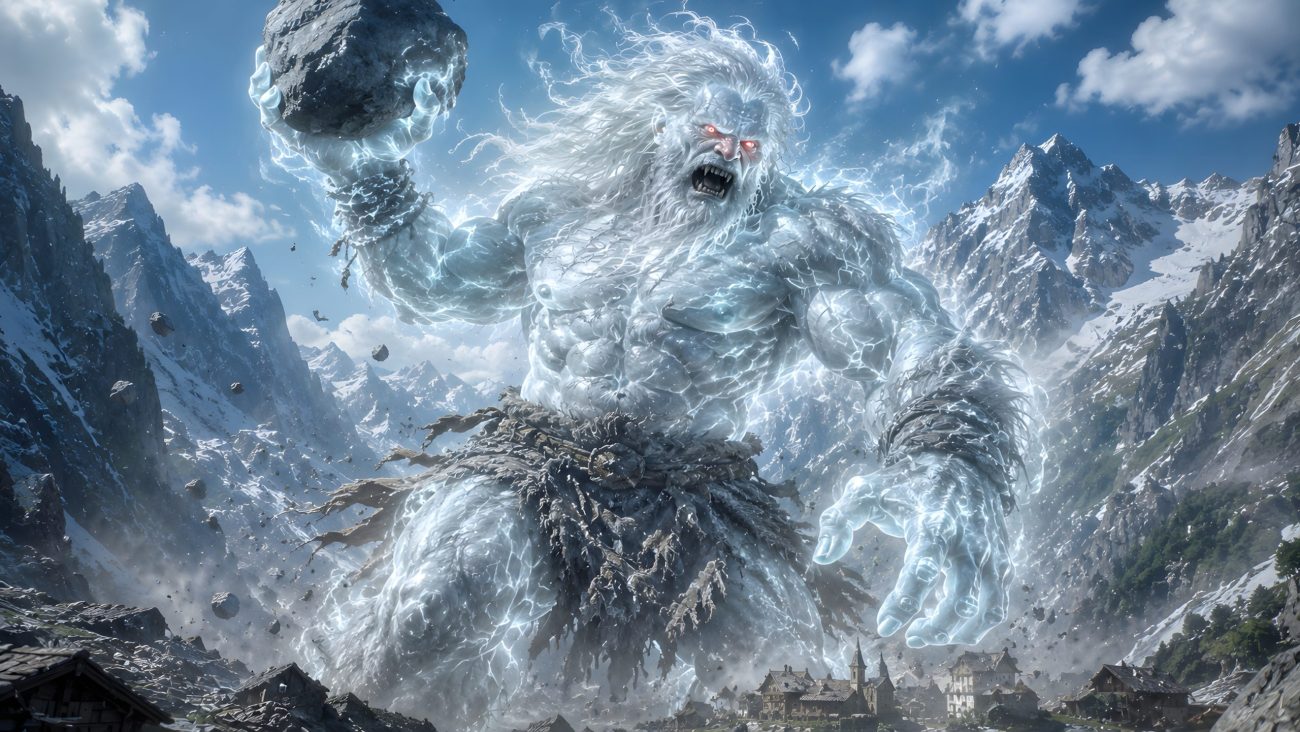
The Orco is a powerful shapeshifter, appearing in many terrifying forms. It most commonly manifests as a gigantic black dog with blazing eyes, a wild horse whose hooves burn with fire, a raging bull, or even as a massive rolling boulder that chases terrified travelers across the mountains. On the rare occasions it takes human form, it appears as an enormous giant with a cruel expression, either naked beneath a coat of thick bear-like hair or dressed like one of the legendary mountain giants.

Many Tyrolean legends recount encounters with the Orco. One skeptical innkeeper who mocked stories about the creature was confronted by a monstrous black dog that circled his wagon until he finally made the sign of the cross, causing it to vanish instantly. Another tale tells of a fiery horse that attempted to scatter a family’s cattle before disappearing the moment it approached a roadside crucifix.

The Orco often pursued lonely travelers for miles. One young man was chased home by a gigantic black dog whose tongue dripped blue flames and whose breath smelled of burning sulfur. Although he escaped unharmed, the terror and exhaustion permanently damaged his health, leading to his death only months later.

In another legend, two young men returning home at night were stalked first by a wild bull and then by an enormous rolling sphere that crashed over rocks in pursuit of them. They escaped only by throwing themselves at the foot of a large crucifix. Unable to cross the holy ground, the Orco appeared in human form beyond the fence, striking it with such supernatural force that the marks of its blows remained visible for years.

The Orco could also imitate human voices to lure victims. A shepherd boy once answered what he believed were distant woodcutters calling through the forest, only to realize too late that he had mimicked the Orco itself. The monster seized him and carried him across mountains and deep ravines before abandoning him bruised and unconscious many miles away. From that day onward, locals warned never to imitate mysterious voices heard in lonely forests, for doing so could summon the Orco with lightning speed.

Throughout Tyrolean folklore, the Orco embodies the dangers of the wild mountains—an ancient, shape-shifting force of terror that preys upon travelers, but whose power is consistently overcome by Christian symbols such as the sign of the cross and roadside crucifixes.


Sources

von Günther, A. (1874). Tales and legends of the Tyrol. Chapman and Hall.


Alber

Tradition / Region: Austrian Mythology
Alternate Names: —
Category: Dragon


The Myth

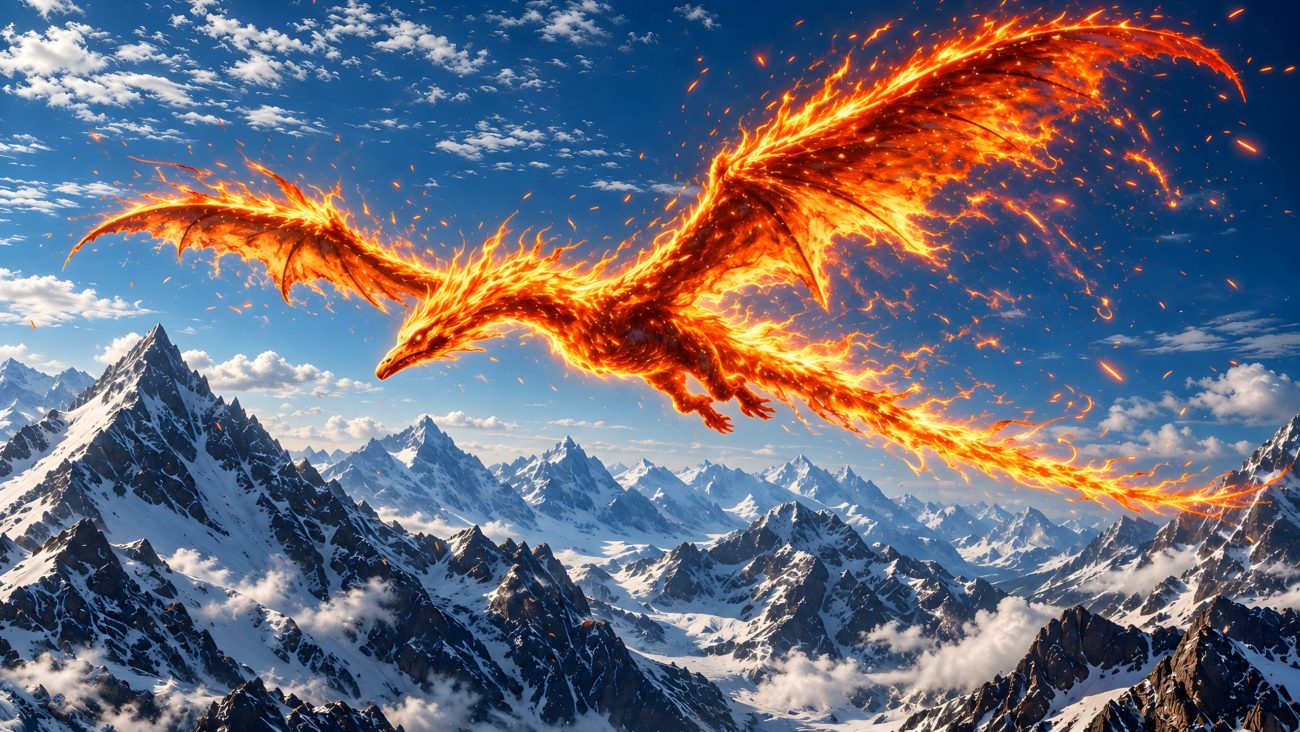
The Alber is a demonic being said to appear as a great fiery dragon descending from the mountain known as the “Devil’s Corner.” It glows with an intense, unnatural light and flies through the mountains toward the valley, bringing with it signs of disaster such as plague, war, and famine.

It is not merely a creature, but a manifestation of destructive forces, associated directly with the devil and appearing during ominous or cursed moments.

In one account, two men climbed a cherry tree near a sacred cross during a pitch-black night. One of them, a dishonest and reckless man, had made a bet to steal cherries, while the other was an honest villager who had been persuaded to join him.

As they were in the tree, the Alber suddenly passed by, lighting the darkness with its fiery glow. The dishonest man was overcome with fear, nearly falling from the tree, while the honest man remained calm and even addressed the creature without fear.

Because of his integrity and lack of wrongdoing, the Alber had no power over him and departed immediately.

The Alber represents a demonic force that is drawn to corruption and wrongdoing, yet powerless against those who remain morally upright and unafraid.


Sources

A Book of Creatures contributors. (2021, May 3). Alber. In A Book of Creatures, from https://abookofcreatures.com/2021/05/03/alber/


Trud

Tradition / Region: Austrian Mythology
Alternate Names: —
Category: Bat


The Myth

The Trud is a malevolent spirit or witch-like being that can enter homes through the smallest openings, even slipping through a keyhole, which is why people traditionally block keyholes during births or illness. It is believed that protective measures such as blessed objects, crosses marked on the floor, or sacred items placed near the bed can keep it away.

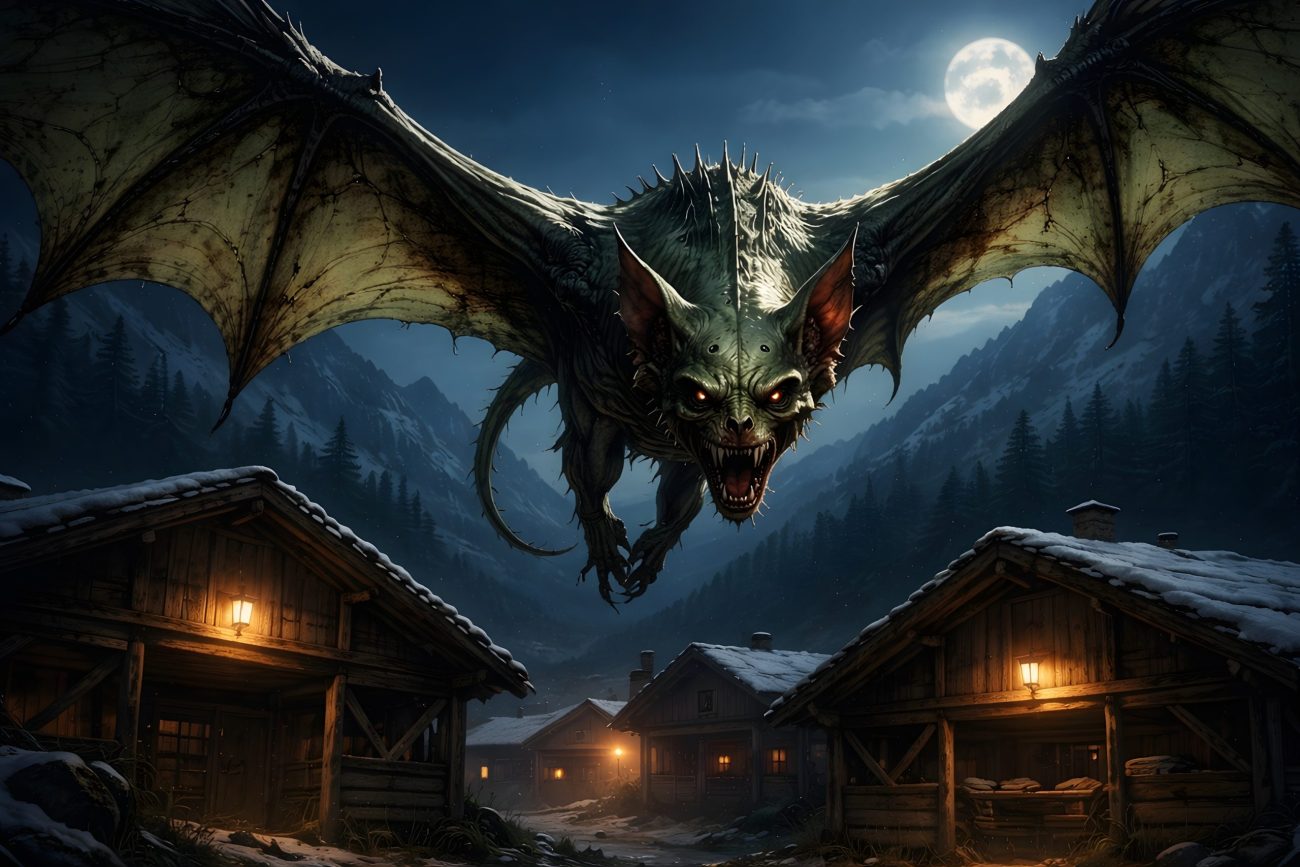
In southern Burgenland, the Trud is said to appear during moonlit nights at the ghostly hour, taking the form of a large, bat-like creature with wide wings and clawed limbs. It is described as extremely ugly and unnatural in appearance. The Trud flies through the night and enters stables, where it sits on animals and “bewitches” them, causing cows to stop giving milk or preventing them from calving.

It is also feared as a danger to mothers and newborn children. During the days following childbirth, both are carefully protected because the Trud is believed to strangle infants or harm them through supernatural means. Various rituals and religious protections are used to guard against it, including holy water, prayer books, and symbolic objects.

The Trud can also change form. In one account, it transformed into a straw that was about to be burned, but when the fire was lit, it turned back into a woman who begged for mercy and claimed to be released from its condition.

The Trud represents a nocturnal, intrusive force associated with vulnerability, especially in moments of weakness such as illness or childbirth, and is repelled by strong symbolic and religious protections.


Sources

sagen.at contributors. (n.d.). Von der Trud. In sagen.at, from https://www.sagen.at/texte/sagen/oesterreich/burgenland/petzoldt/von_der_trud.html


Wörthersee Sprite

Tradition / Region: Austrian Mythology
Alternate Names: Wassermann
Category: Spirit


The Myth

The Wörthersee Sprite is a male water spirit said to inhabit Lake Wörthersee and is known for dragging young women into its depths. One evening, a servant girl went alone to bathe in the lake at sunset. After some time in the water, the surface suddenly grew restless and waves began to rise, and from the middle of the lake she saw something approaching her. She recognized the figure by its pale green face and the wreath of reeds in its hair — it was the Wassermann.

Overcome with fear, she ran out of the water and fled back to the house, managing to lock the door just in time. Moments later, the Wassermann reached the house and could be heard outside, but it was unable to enter. The doorway bore the protective sign “C + M + B”, which prevented the spirit from crossing the threshold.

The Wassermann, which was said to claim victims from the lake each year, was forced to leave empty-handed. The girl survived, but from that day on, she never entered the lake after sunset again.


Sources

sagen.at contributors. (n.d.). Die Wichtelcher zu Useldingen. In sagen.at, from https://www.sagen.at/texte/sagen/luxemburg/Wichtlein_Useldingen.html


Ghostly Cat

Tradition / Region: Austrian Mythology
Alternate Names: White Cat Spirit
Category: Cat, Ghost


The Myth

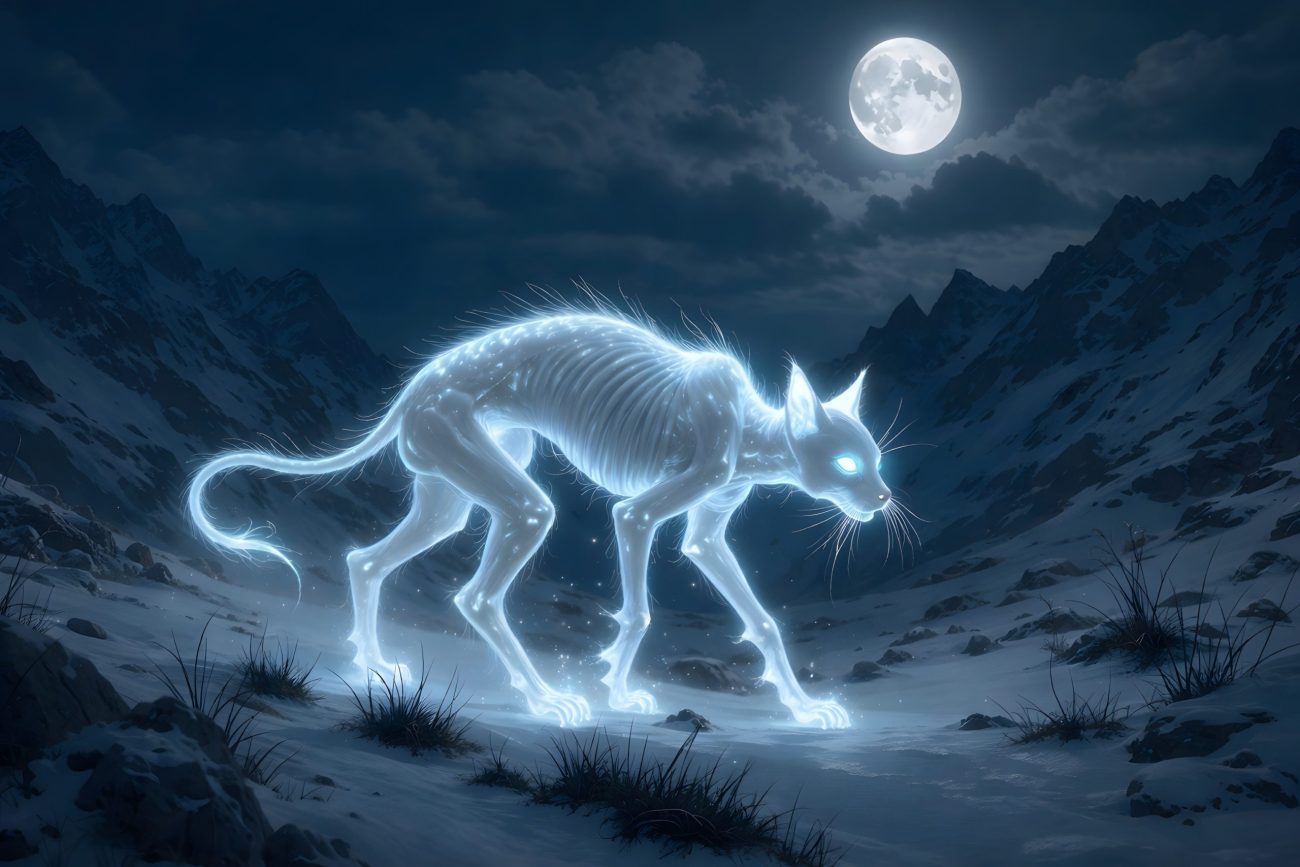
The Ghostly Cat is the spirit of a woman condemned to wander in the form of a large white cat, appearing at night on the rooftops of an old house.

The legend tells of a man who lived a corrupt and immoral life, while his wife endured everything in silence. Eventually, he fell under the influence of another wicked woman, and together they plotted to murder his wife using poisoned food.

However, through a twist of fate, the poison was consumed by the very woman who had prepared it. The effects were unnatural and disturbing. Instead of dying immediately, she began to lose her humanity and believed herself to be a cat.

She crawled on all fours, ran wildly through the house, climbed across the roof, and screamed like an animal. Her madness intensified with time, growing worse by the hour, until finally she fell from the highest point of the roof and broke her neck.

After her death, she did not find rest.

She became a restless spirit, condemned to return as a ghostly white cat, roaming the rooftops at night. Those who come too close to her path risk being attacked, as she lashes out with sharp claws at anyone who dares approach.

The Ghostly Cat represents a punishment tied to guilt, corruption, and unnatural transformation — a human reduced to an animal in life, and bound to that form even after death.


Sources

sagen.at contributors. (n.d.). Die gespenstische Katze. In sagen.at, from https://www.sagen.at/texte/sagen/oesterreich/wien/sagen_legenden_gugitz/katze.html