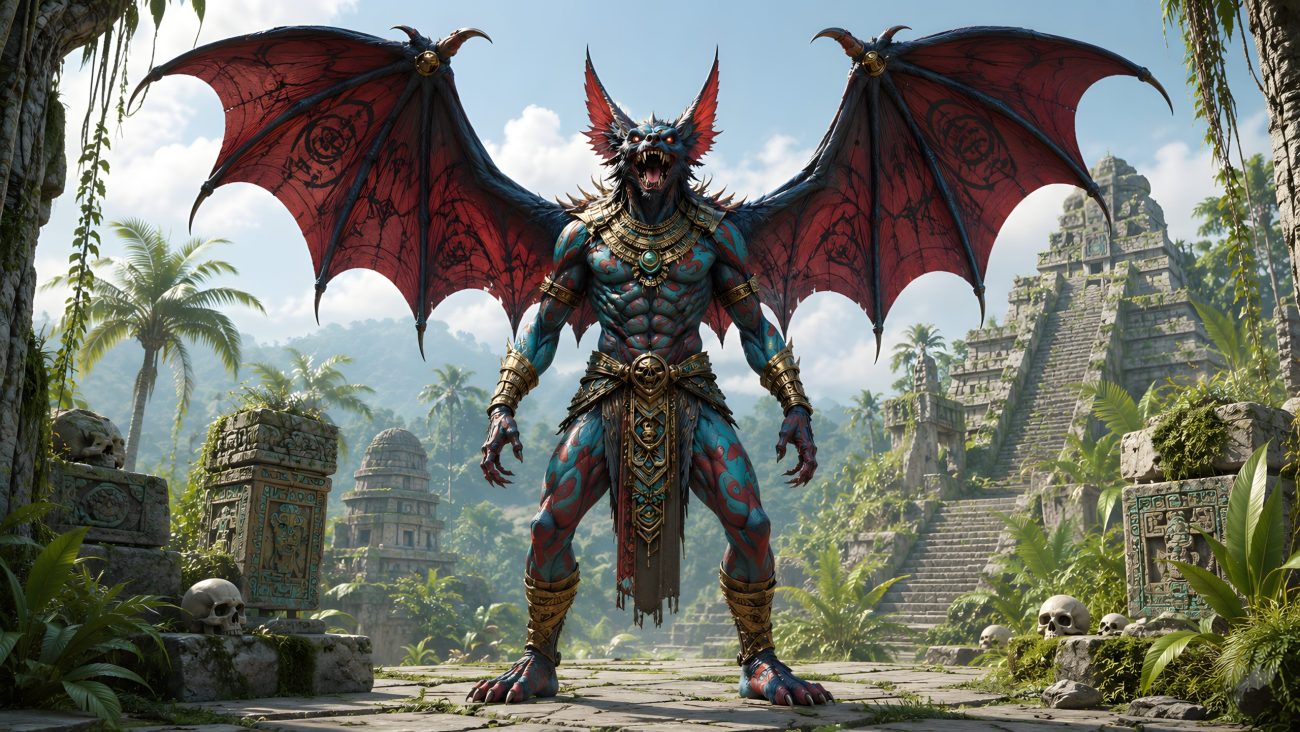
Giant Bat

Tradition / Region: Latvian Mythology
Alternate Names:
Category: Bat


The Myth

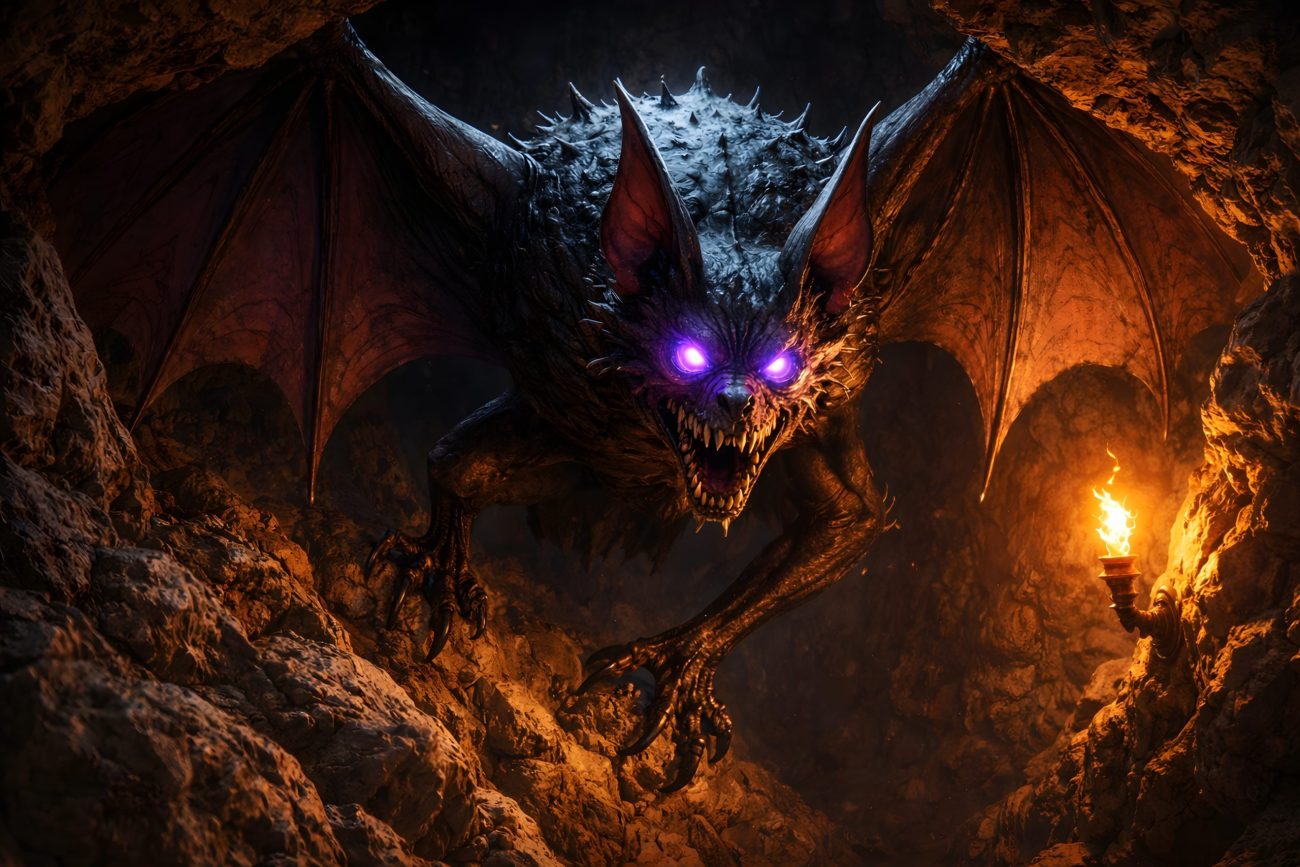
The Giant Bat appears in the underworld setting of the Devil’s Pit, where unnatural creatures inhabit a dark subterranean space entered by Lāčplēsis while following witches.

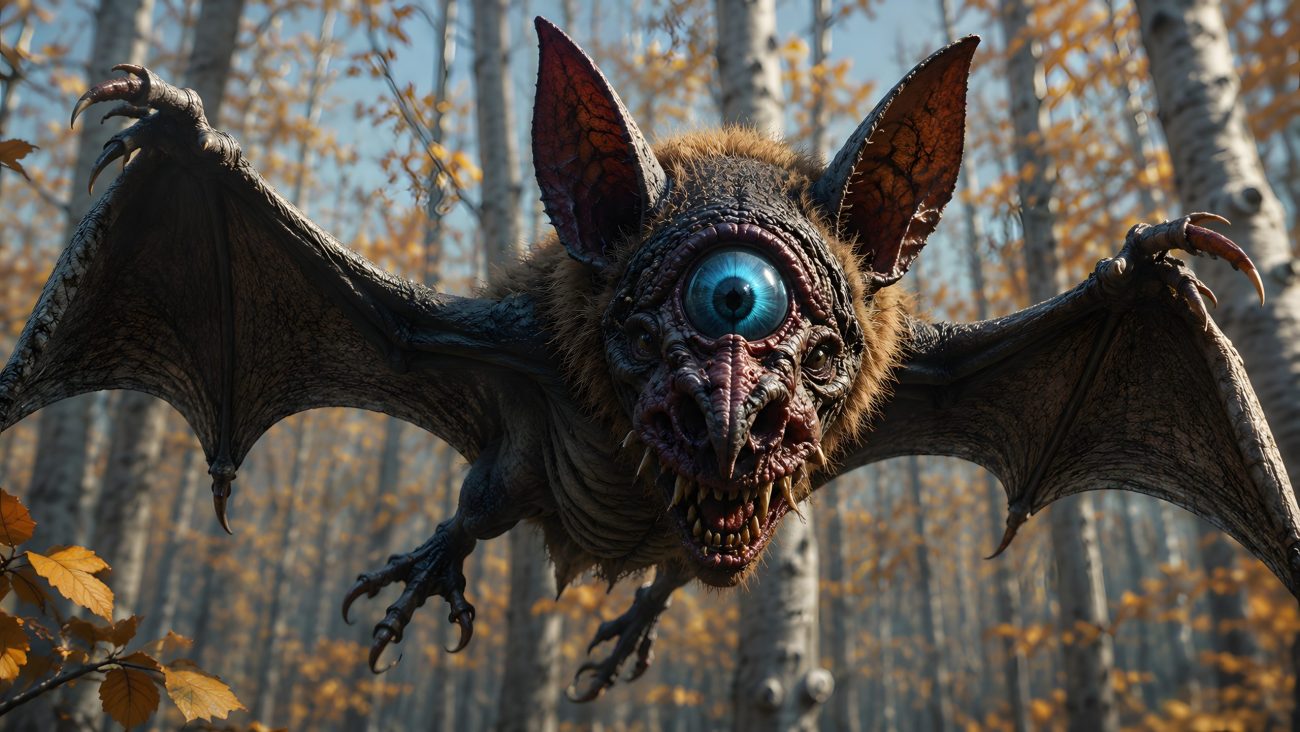
As Lāčplēsis descends into the pit, deep darkness surrounds him and large bats fly around his head. They move through the air within the underground space together with other creatures such as snakes, owls, and toads. The bats remain present in the smoky, dimly lit environment as he continues deeper into the place where the witches gather.


Sources

AILAB contributors. (n.d.). Pumpurs – Lāčplēsis (2. daļa). In AILAB, from https://web.archive.org/web/20060131100630/http://www.ailab.lv/Teksti/Senie/Pumpurs/2.dala.html

Pumpurs, A. (1888). Lāčplēsis (Bearslayer), II Song: The Bear-World’s First Heroic Deed. In Latvian national epic poetry.


Trud

Tradition / Region: Austrian Mythology
Alternate Names: —
Category: Bat


The Myth

The Trud is a malevolent spirit or witch-like being that can enter homes through the smallest openings, even slipping through a keyhole, which is why people traditionally block keyholes during births or illness. It is believed that protective measures such as blessed objects, crosses marked on the floor, or sacred items placed near the bed can keep it away.

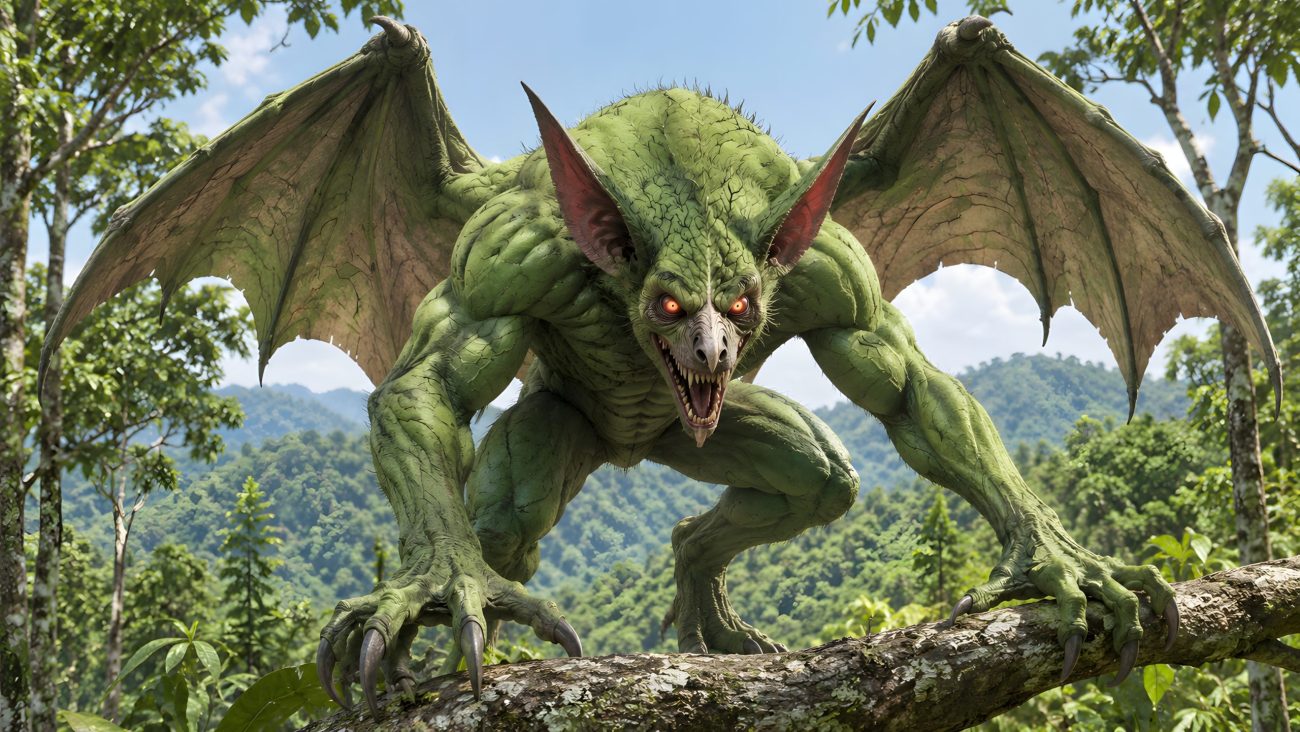
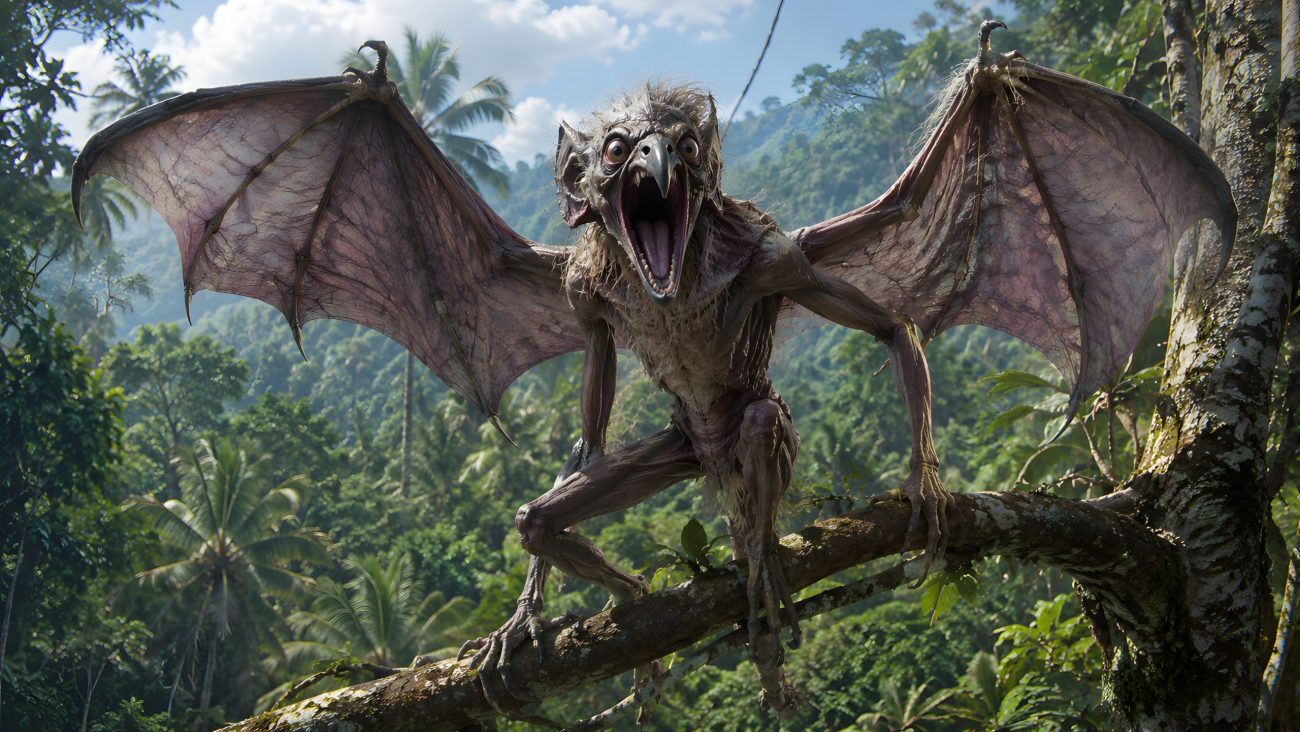
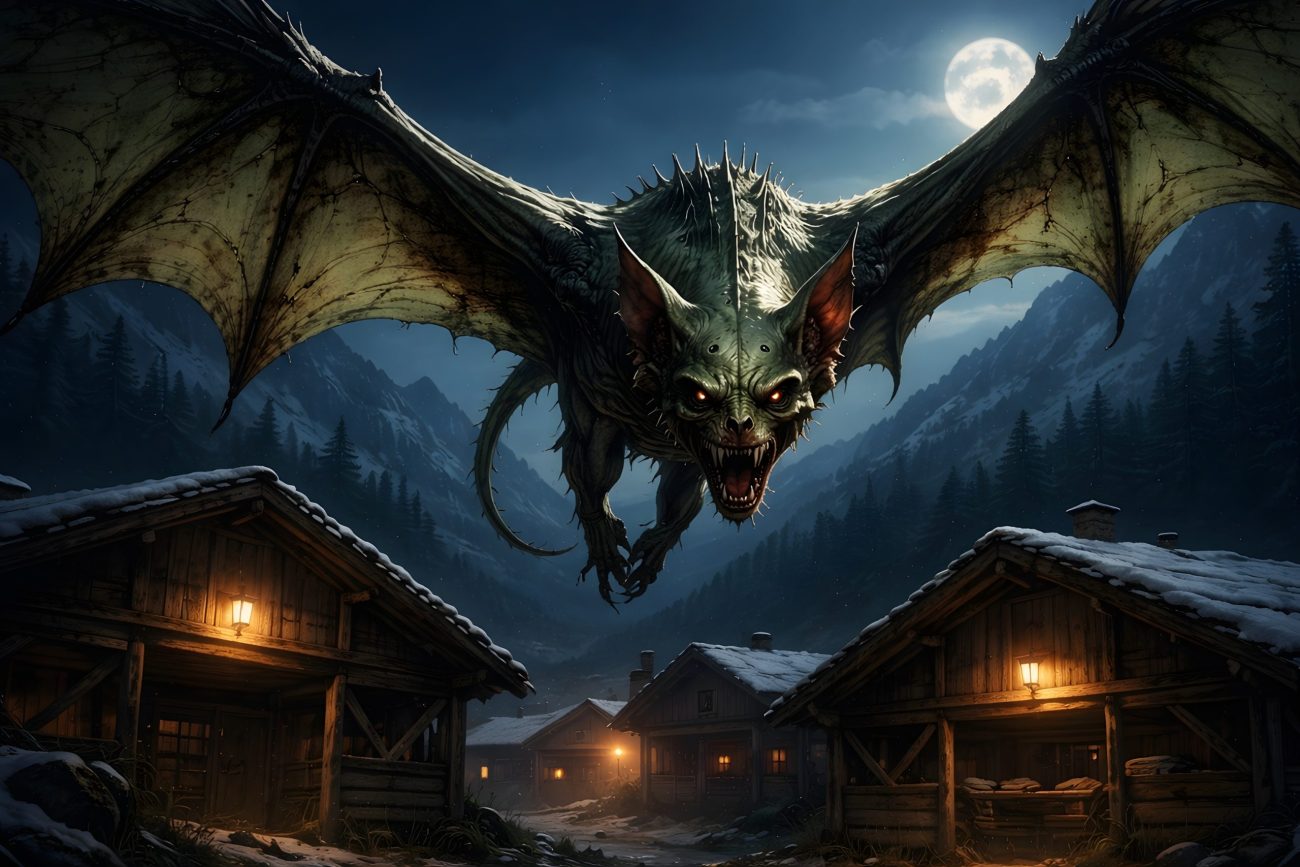
In southern Burgenland, the Trud is said to appear during moonlit nights at the ghostly hour, taking the form of a large, bat-like creature with wide wings and clawed limbs. It is described as extremely ugly and unnatural in appearance. The Trud flies through the night and enters stables, where it sits on animals and “bewitches” them, causing cows to stop giving milk or preventing them from calving.

It is also feared as a danger to mothers and newborn children. During the days following childbirth, both are carefully protected because the Trud is believed to strangle infants or harm them through supernatural means. Various rituals and religious protections are used to guard against it, including holy water, prayer books, and symbolic objects.

The Trud can also change form. In one account, it transformed into a straw that was about to be burned, but when the fire was lit, it turned back into a woman who begged for mercy and claimed to be released from its condition.

The Trud represents a nocturnal, intrusive force associated with vulnerability, especially in moments of weakness such as illness or childbirth, and is repelled by strong symbolic and religious protections.


Sources

sagen.at contributors. (n.d.). Von der Trud. In sagen.at, from https://www.sagen.at/texte/sagen/oesterreich/burgenland/petzoldt/von_der_trud.html


Taoulupo’os Bat

Tradition / Region: Tongan Mythology and Samoan mythology
Alternate Names:
Category: Bat


The Myth

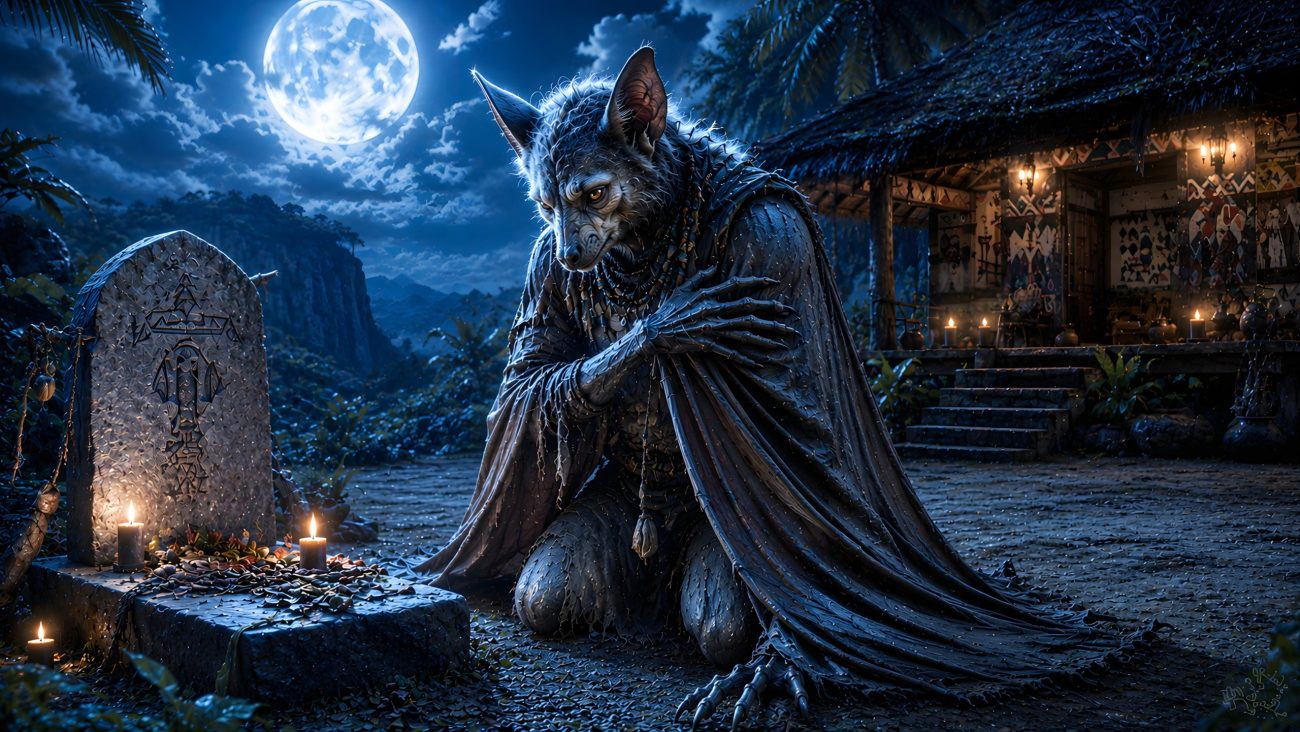
In the lands of Tonga and Samoa, there is a tale told of Leutogi, whose life was once placed in grave danger through jealousy and human judgment. When she was condemned to die by fire, her brother Taoulupo’o called upon the spirits of the dead for aid. Hearing his plea, they sent forth a white bat, a creature unlike any other.

As the flames rose around Leutogi, the white bat descended and extinguished the fire, saving her from death. Through this act, the spirits made clear that her fate was not to end there. Leutogi was then cast away to a barren island, alone and cut off from human aid. Yet she was not abandoned. Each day, white bats came to her, bringing her food and watching over her, ensuring her survival.

In time, Leutogi gave birth to a son. He was named Fa’asega, and he was given the title Tonumaipe‘a, meaning “the decision from the bat,” for it was the bat’s intervention that had preserved his mother’s life and made his birth possible.

Thus the white bat became known as a sign of ancestral protection and spiritual authority, acting when human judgment failed. Through Taoulupo’o’s invocation and the bat’s actions, the spirits showed that the unseen world watches closely, and that life and death are not governed by humans alone, but by forces older and wiser than any living voice.


Gallery


Sources

A Book of Creatures contributors. (2015). Alicanto. In ABookOfCreatures.com, from https://abookofcreatures.com/2015/06/24/alicanto/


Interpretive Lenses

Religious Readings
  • Christian Ascetic Deep Dive
Philosophical Readings
  • Nietzschean Deep Dive
Psychological Readings
  • Jungian Deep Dive
Esoteric Deep Dive
  • Hermetic Deep Dive
Political / Social Readings
  • Marxist Deep Dive
Other
  • How to Invite The Taoulupo’os Bat

Katakana

Tradition / Region: Greek Mythology
Alternate Names:
Category: Bat, Vampire


The Myth

On the Greek islands of Crete and Rhodes, people tell of a vampire known as the katakana. It is believed that certain dead do not remain at rest. In older times, Cretans feared that if a person were buried in loose, unconstrained earth, the dead might rise again as a katakana. Because of this danger, holy soil was brought from sacred places, including the Holy Sepulcher, and sprinkled over cemeteries to prevent the dead from returning.

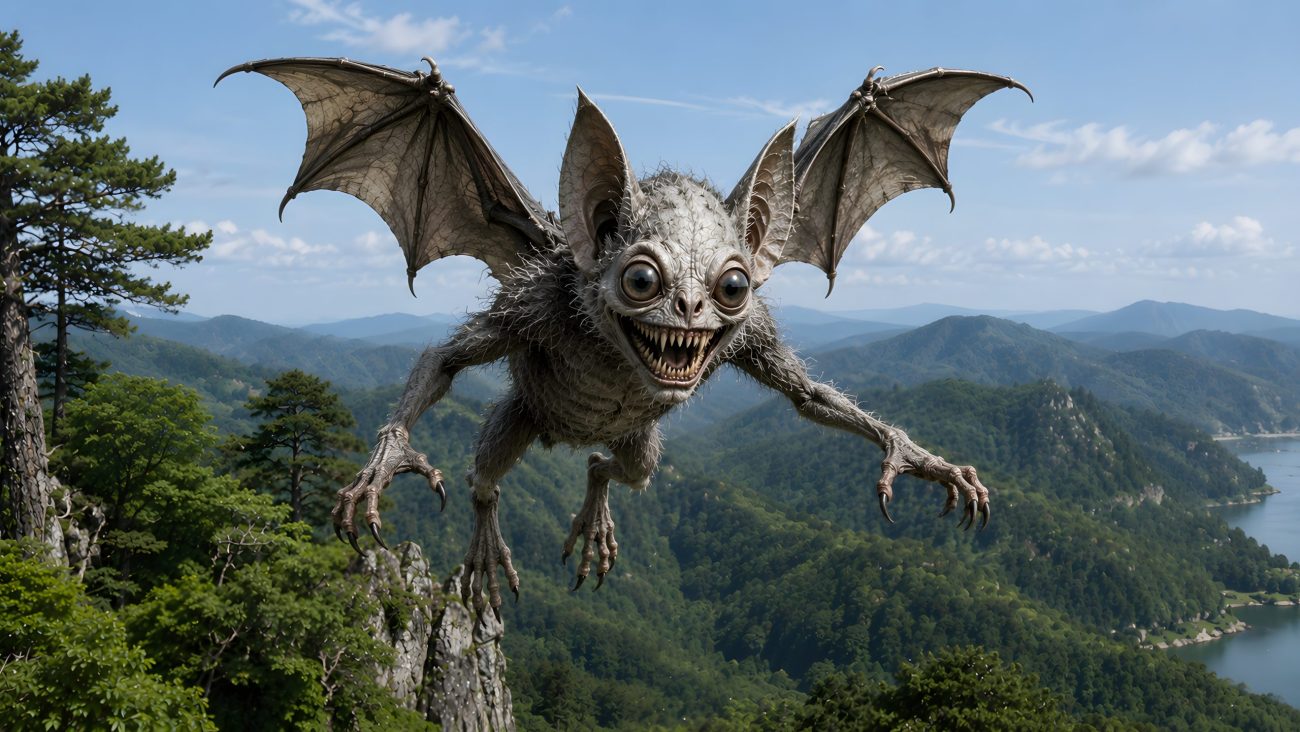
The katakana was said to arise from the bodies of suicides, evil people, or those who had been excommunicated from the church. After death, such individuals could transform into vampires, retaining a distorted likeness of their former selves. The katakana was described as constantly smiling, its teeth always visible, giving it a chilling and unnatural expression.

Unlike some other undead beings, the katakana did not rely solely on biting to create others of its kind. Instead, it was said to spit a burning, bloody discharge at people. If this sticky substance struck its target, the victim would in time become a katakana as well, transformed into a vampire like the one that cursed them.

People believed the katakana could be driven away temporarily by gunshots, but destroying it required strict measures. To kill it permanently, the vampire had to be decapitated, or at least struck in the head with a sharp-edged weapon. Its severed head was then boiled in vinegar, and its nails were burned. Another method involved trapping the katakana in a container filled with salt water, which could immobilize it.

These actions had to be carried out within the first forty days after the vampire’s rise. If this time passed, the katakana was believed to become indestructible, immune to all attempts to destroy it. Because of this, vigilance and speed were considered essential when signs of a katakana appeared.

Beliefs about the katakana were understood as a local island form of broader Greek vampire traditions, yet its distinctive grin, burning spit, and specific methods of destruction set it apart as one of the most feared undead beings of the Aegean islands.