Onmoraki

Tradition / Region: Japanese Mythology
Alternative names: —
Category: Bird


The Myth

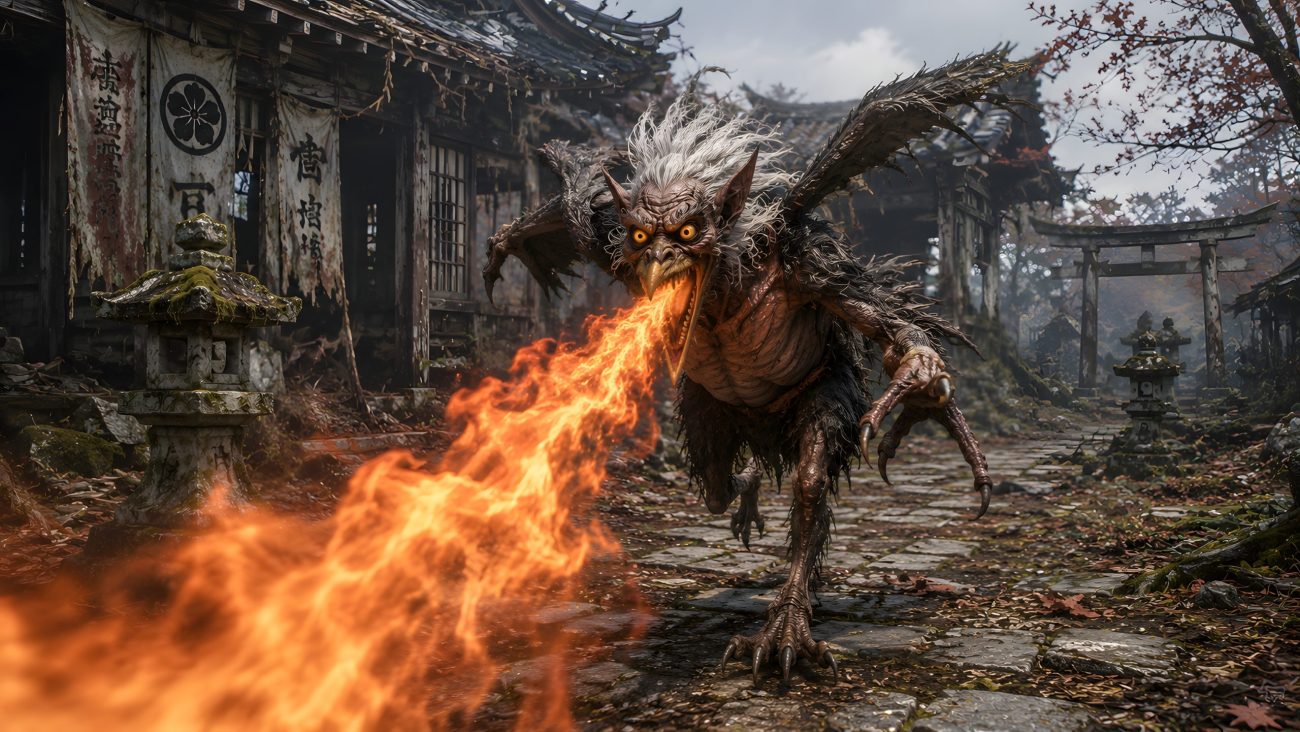
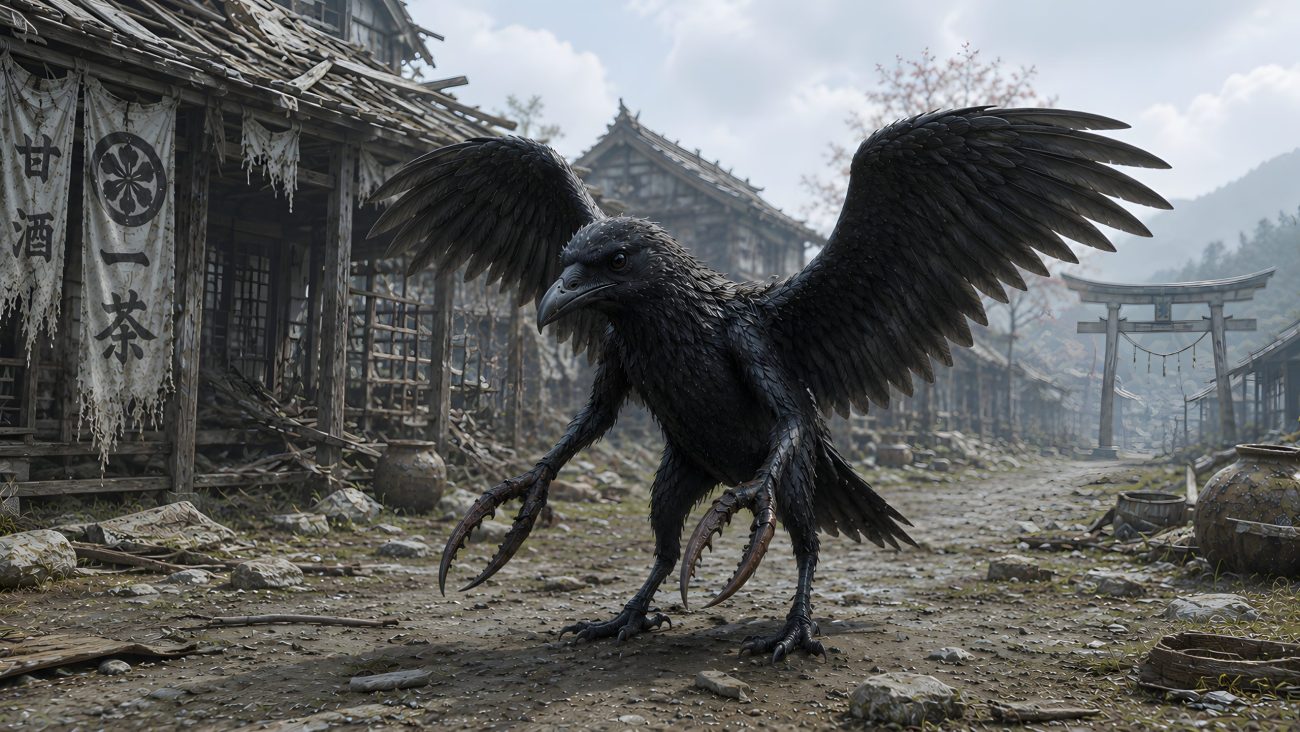
The Onmoraki is a grotesque bird-like yōkai born from the bodies of the recently deceased when they are not given sufficient memorial prayers. Unable to find peace, the lingering life force transforms into this demonic creature.

It appears as a large black bird covered in dark feathers, with a ghastly human face and brilliant eyes that glow like lanterns. It is also an excellent mimic, capable of perfectly imitating human voices while letting out shrill, terrifying cries.

Onmoraki haunt temples, especially those where priests have neglected their religious duties. They creep up to sleeping priests and, using the priest’s own voice, scold them for their failures. When the startled priest awakens and flees in terror, the Onmoraki disappears into the darkness, leaving only its eerie cries behind.

The creature serves as a supernatural reminder that the dead must be properly honored, for neglected memorial rites can give rise to demons instead of allowing the departed soul to find peace.


Sources

Meyer, M. (n.d.). Onmoraki. Yokai.com: The Illustrated Database of Japanese Folklore. Retrieved June 29, 2026, from https://yokai.com/onmoraki/.
Kryzhatik

Tradition / Region: Belarusian Mythology
Alternative names: Kryzhatsik
Category: Bird


The Myth

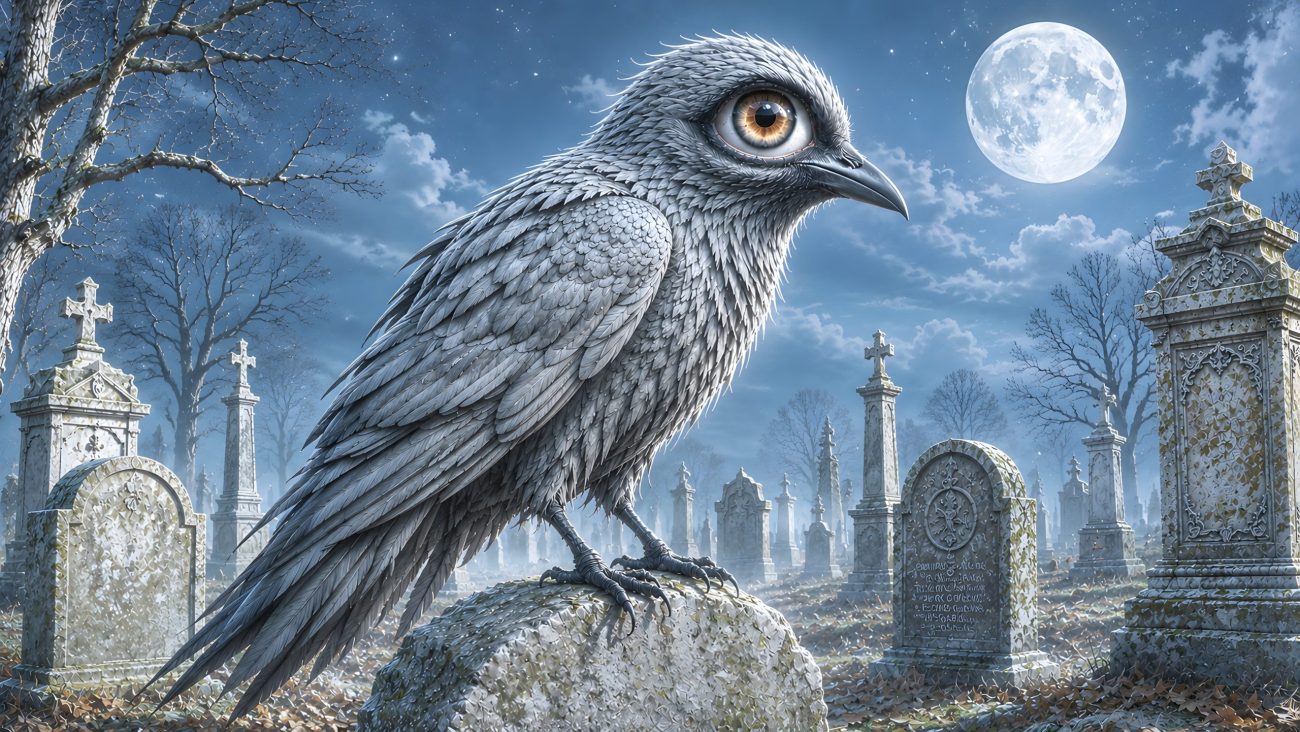
The Kryzhatik is a restless spirit that dwells within the boundaries of a cemetery. It is believed to be the soul of a deceased person whose grave, or more often whose grave cross, has been damaged before the proper period of remembrance has passed.

It usually appears as a gray raven with human eyes, although in some traditions it may also take the form of an old raven with faded feathers, a white beak, and a human gaze. It moves among the cemetery crosses, watching over the graves.

Unlike many cemetery spirits, the Kryzhatik is generally not hostile. It is said to attack only those who show disrespect for the dead, such as vandals who damage crosses or people who behave irreverently within the cemetery. It is also believed to drive away evil forces, including demons and drunken troublemakers who enter the graveyard.

According to Belarusian belief, the Kryzhatik is not afraid of holy places or the sign of the cross, since the cemetery itself is sacred ground. During the nights before Radunitsa, when many people visit the graves of their ancestors, its power is believed to become especially strong as it silently guards the cemetery and ensures that no harm comes to the resting place of the dead.


Sources

Bestiary.us. (n.d.). Kryzhatik. In New Bestiary: Encyclopedia of Imaginary Beings. Retrieved June 29, 2026, from https://www.bestiary.us/Kryzhatik


Kamikiri

Tradition / Region: Japanese Mythology
Alternative names: Hair-Cutting
Category: Bird


The Myth

The Kamikiri is a mysterious yōkai blamed for the unexplained cutting of a person’s hair without them noticing. Victims would suddenly discover that part of their hair had been neatly cut away, even though no one had been seen approaching them.

Different traditions attributed these incidents to invisible hair-cutting insects, foxes, badgers, or the Kamikiri itself. In yōkai picture scrolls such as the Hyakkai Zukan, the Kamikiri is depicted as a tengu-like creature with enormous scissors in place of its hands, using them to silently snip the hair of unsuspecting people.

The Kamikiri later inspired the related yōkai known as the Amikiri (“Net-Cutter”), which first appeared in later illustrated collections of Japanese monsters.


Sources

TYZ. (n.d.). 神木 (Kamiki). In 新版TYZ 妖怪図鑑. Retrieved June 29, 2026, from https://tyz-yokai.blog.jp/archives/1010653484.html


Aosagibi

Tradition / Region: Japanese Mythology
Alternative names: Goi no Hikari (“Night Heron Light”)
Category: Bird


The Myth

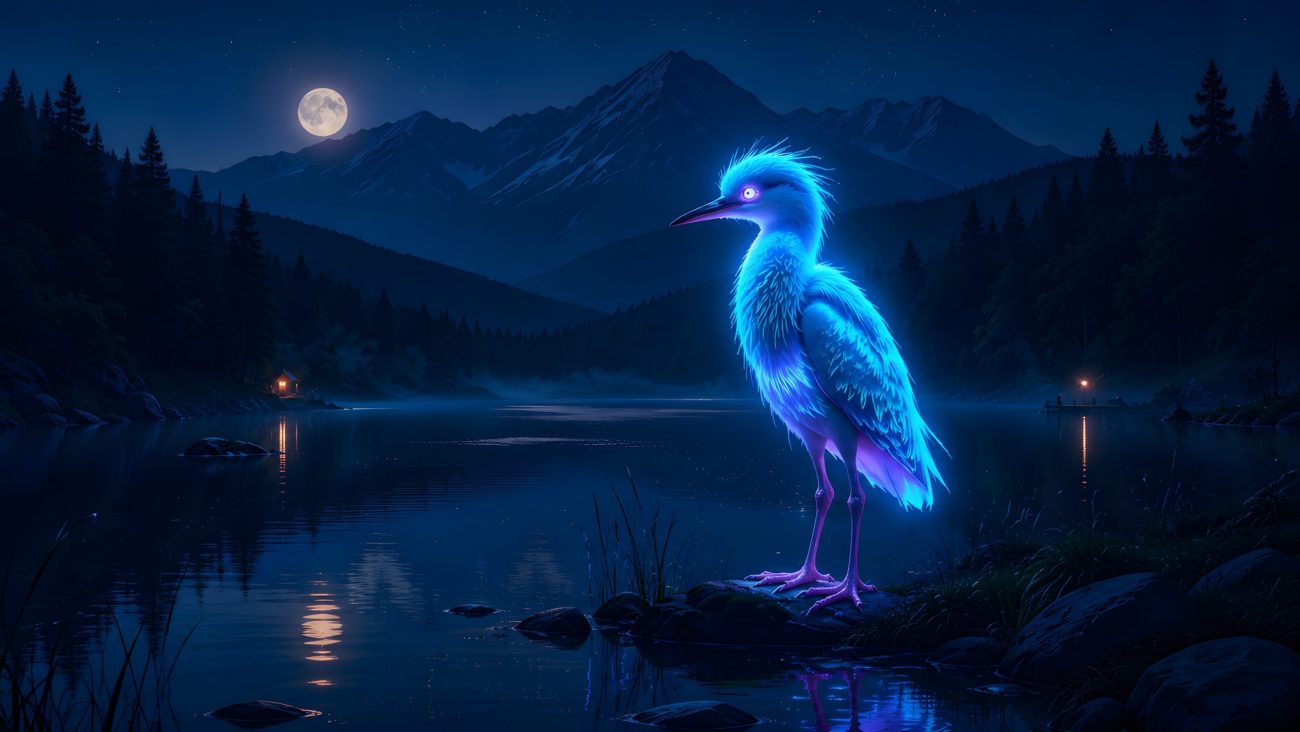
The Aosagibi is a mysterious yōkai created when an old heron—most commonly a black-crowned night heron—lives long enough to gain supernatural powers. These transformed birds appear around rivers, marshes, and reed-filled wetlands, especially on cool autumn nights.

As the heron ages, shining scales form upon its breast. With every breath, it exhales a fine yellow powder that drifts through the air. At night, its body glows with a bluish-white radiance, and the powder bursts into floating blue fireballs that drift over rivers, through the trees, or across the night sky.

Although these ghostly flames appear supernatural, they produce no heat and burn nothing they touch. Eventually, they fade away into the wind.

Despite their eerie appearance, Aosagibi are harmless. Like ordinary herons, they remain shy and avoid people, silently disappearing into the darkness when disturbed. Their glowing blue flames are often mistaken for other supernatural lights, but they are simply the strange manifestation of an ancient magical bird.


Sources

Yokai.com. (n.d.). Aosagibi. In Yokai.com: The Illustrated Database of Japanese Folklore. Retrieved June 29, 2026, from https://yokai.com/aosagibi/


Aiy-toyon

Tradition / Region: Yakut Mythology, Russian Mythology
Alternative names: Ayy-toyon
Category: Bird


The Myth

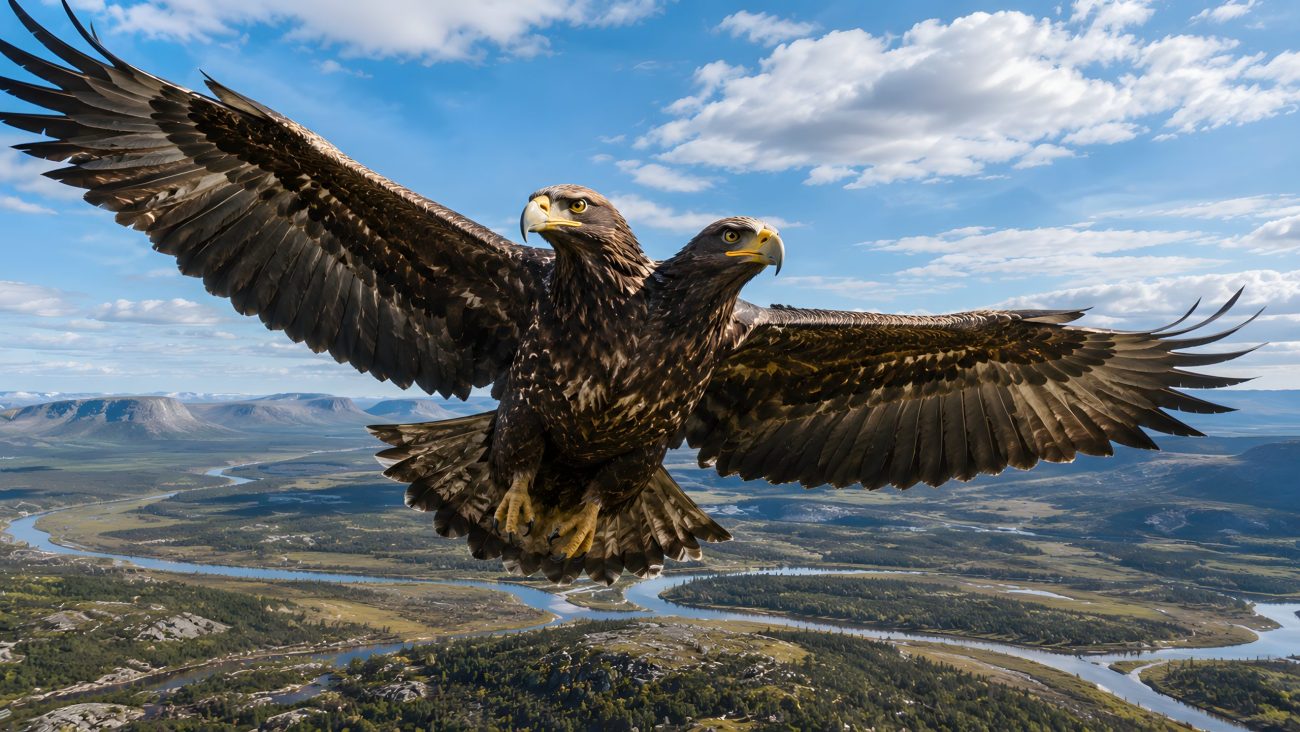
Aiy-toyon is a mighty two-headed eagle that dwells in the ninth heaven according to Yakut belief. Revered as a sacred celestial being, it is regarded as the teacher of shamanism, having bestowed shamanic knowledge upon humanity.

Because of this divine role, the image of Aiy-toyon was traditionally displayed on the garments and drums of shamans, symbolizing its protection, wisdom, and connection between the human world and the highest heavens.

When asked why Aiy-toyon possessed two heads, the Yakuts simply replied that “he is too clever.”


Sources

Bestiary.us. (n.d.). Aiy-toion. In New Bestiary: Encyclopedia of Imaginary Beings. Retrieved June 29, 2026, from https://www.bestiary.us/aiy-toion


Tulorialik

Tradition / Region: Inuit Mythology, Canadian Mythology
Alternative names: Nanoq Tulorialik (“The Bear with the Fangs”)
Category: Bear


The Myth

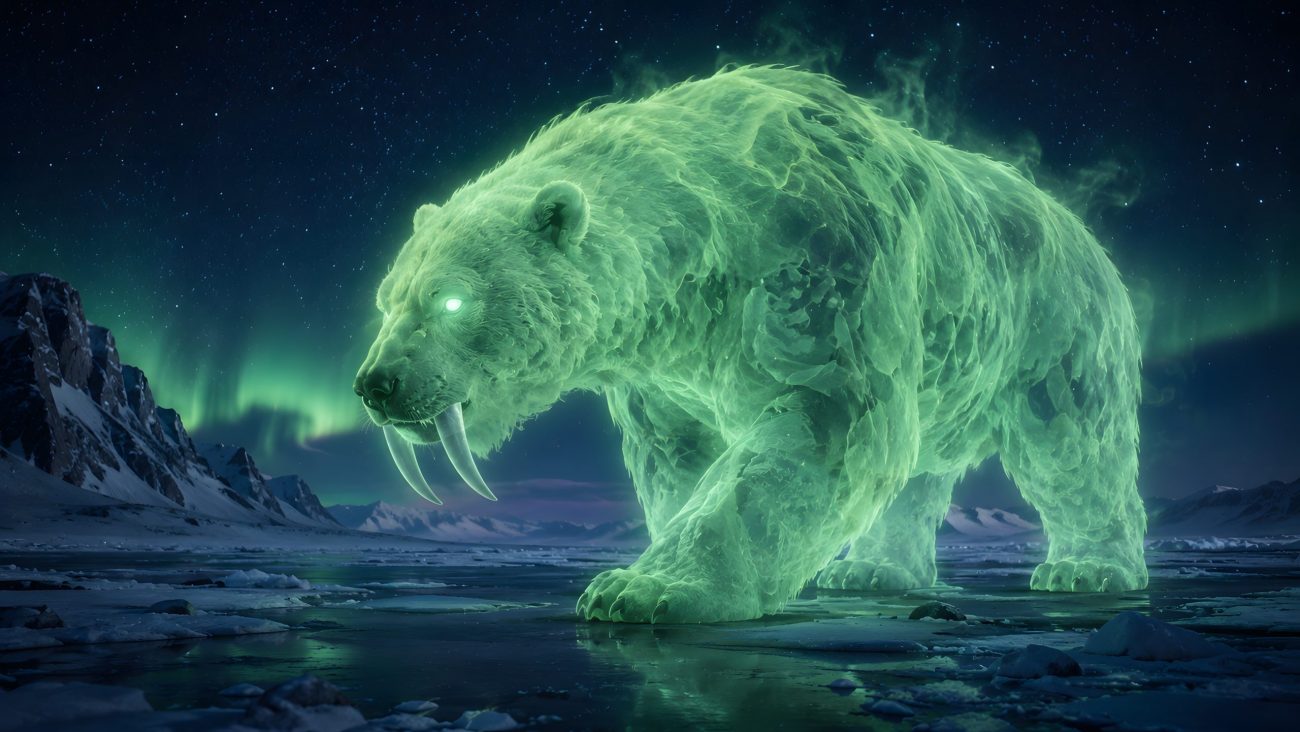
Tulorialik, the Bear with the Fangs, is a giant bear spirit and the most powerful helping spirit of the Inuit shaman Unaleq. Among his ten spirit helpers, Tulorialik was regarded as the strongest and most influential, answering whenever the shaman called upon him.

During a shamanic séance, Unaleq invoked Tulorialik in complete darkness. Hidden beneath a table covered with skins, he called the great bear spirit to enter his body. As Tulorialik arrived, those present heard the scraping of enormous claws, deep growls, the sounds of wind and rushing water, and the snorting of walruses. Through the power of the spirit, Unaleq claimed he could transform into a bear or a walrus.

On one occasion, Tulorialik was summoned to ensure the safety of a long sled journey. The bear spirit was said to travel ahead along the route, removing dangers and protecting the travelers from sickness, accidents, and death. After the séance, the shaman declared that Tulorialik had cleared the path and that the entire expedition would return safely.

Tulorialik was believed to possess immense supernatural power, and Unaleq regarded him not merely as a spirit, but as a faithful helper who came whenever he was called.


Sources

Rasmussen, K. (1930). Intellectual culture of the Hudson Bay Eskimos (Vols. 1–3). Gyldendal.


Mizuguma

Tradition / Region: Japanese Mythology
Alternative names: Water Beast of Mizushima
Category: Bear


The Myth

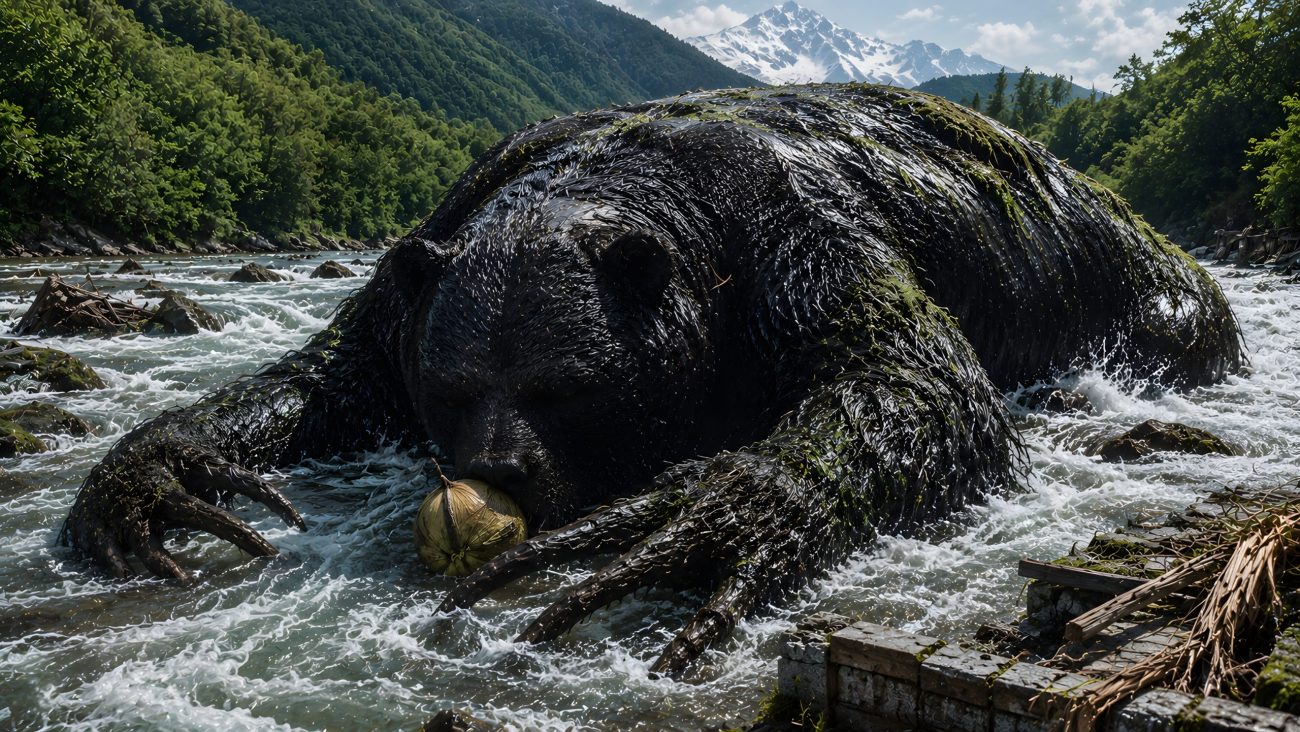
The Mizuguma, or Water Bear, is a mysterious black beast said to have lived in the depths beneath Mount Hakusan. It was believed to be responsible for the devastating floods that repeatedly struck the Tedori River during the 18th century.

During one of these floods, people noticed a huge black object protruding from the river. It resembled neither stone, wood, nor the body of a dead animal. Covered in black, leather-like skin, it had no visible eyes, nose, or head, only several branch-like limbs. Hoes and bamboo poles could not pierce its hide.

When a coconut floated downstream, the creature suddenly extended one of its limbs, seized the fruit, pressed it against its mouthless body, and drained the oil from within before letting the empty shell drift away. Realizing it was alive, the villagers tried to burn it with flaming straw. The fire finally split its hide, drawing black blood.

The wounded beast responded with a tremendous roar. Towering waves crashed onto the riverbanks, embankments burst apart, and floodwaters surged across the countryside. Wherever the creature rolled, deep pools formed, and the flooding continued to devastate the surrounding villages.

Unable to defeat it, the people prayed daily by reciting the Kannon Sutra for one hundred days. One night, a faint light appeared, and the black creature was seen swimming upstream toward the mountains. After its departure, the floodwaters receded, the river returned to normal, and the Water Bear was never seen again. It was thereafter believed to dwell once more in the deep abyss beneath Mount Hakusan.


Sources

TYZ. (n.d.). 水熊 (Mizuguma). In 新版TYZ 妖怪図鑑. Retrieved June 29, 2026, from https://tyz-yokai.blog.jp/archives/1071303462.html


Ungnyeo

Tradition / Region: Korean Mythology
Alternative names: Bear Woman
Category: Bear


The Myth

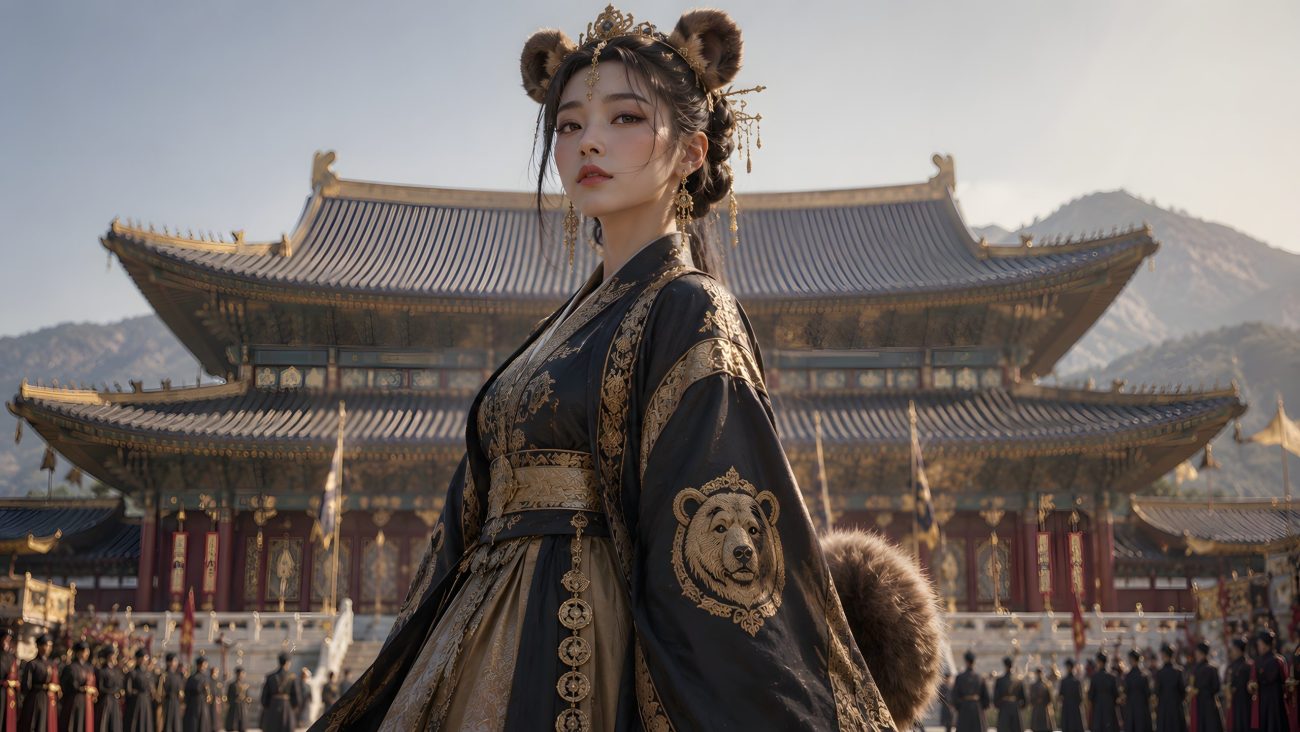
Ungnyeo was originally a bear who lived in a cave alongside a tiger. Both prayed to Hwanung, the divine ruler, asking to become human. He gave them twenty cloves of garlic and a bundle of mugwort, commanding them to remain inside the cave for one hundred days and eat nothing else.

The tiger abandoned the trial after about twenty days, unable to endure the hardship. The bear remained in the cave, and after twenty-one days was transformed into a woman.

Grateful for her new life, Ungnyeo made offerings to Hwanung. However, she had no husband and prayed beneath a sacred tree for a child. Moved by her devotion, Hwanung took Ungnyeo as his wife.

Their son was Dangun, the legendary founder of the Korean nation.


Sources

Wikipedia contributors. (n.d.). Ungnyeo. In Wikipedia. Retrieved June 29, 2026, from https://en.wikipedia.org/wiki/Ungnyeo


Gandlora Cave Bear

Tradition / Region: Maltese Mythology
Alternative names: Ors tal-Gandlora
Category: Bear


The Myth

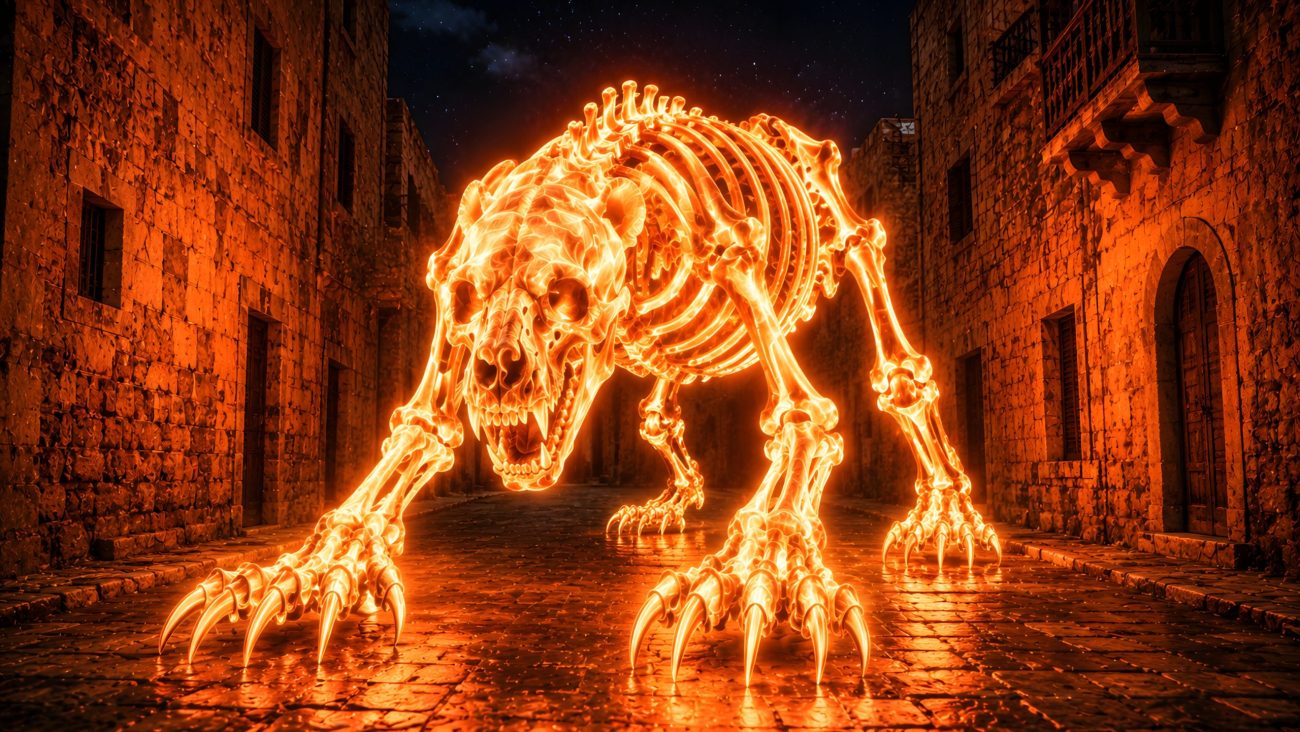
The Gandlora Cave Bear is a gigantic cave bear said to roam the underworld beyond the great cities, guarding the steep rocky valleys that lead to the land of Buġibda.

One enormous bear is said to climb through a hidden tunnel that emerges from a cave on the side of Gelmus Hill. Because of its thick fur, it comes to the surface only during the coldest nights of midwinter, usually around Candlemas in early February.

It prowls the countryside in search of prey, wandering along lonely roads, silent village streets, and deserted alleys in the middle of the night. Children are warned to keep their doors and windows tightly shut during Candlemas, for the beast is said to reach into homes with its long hooked claws and snatch away unsuspecting children.


Sources

Mifsud, S. D. (2014). The Maltese bestiary: An illustrated guide to the mythical flora and fauna of the Maltese Islands.


Nandi Bear

Tradition / Region: Kenyan Mythology
Alternative names: Chemosit, Kerit, Koddoelo, Ngoloko, Duba
Category: Bear


The Myth

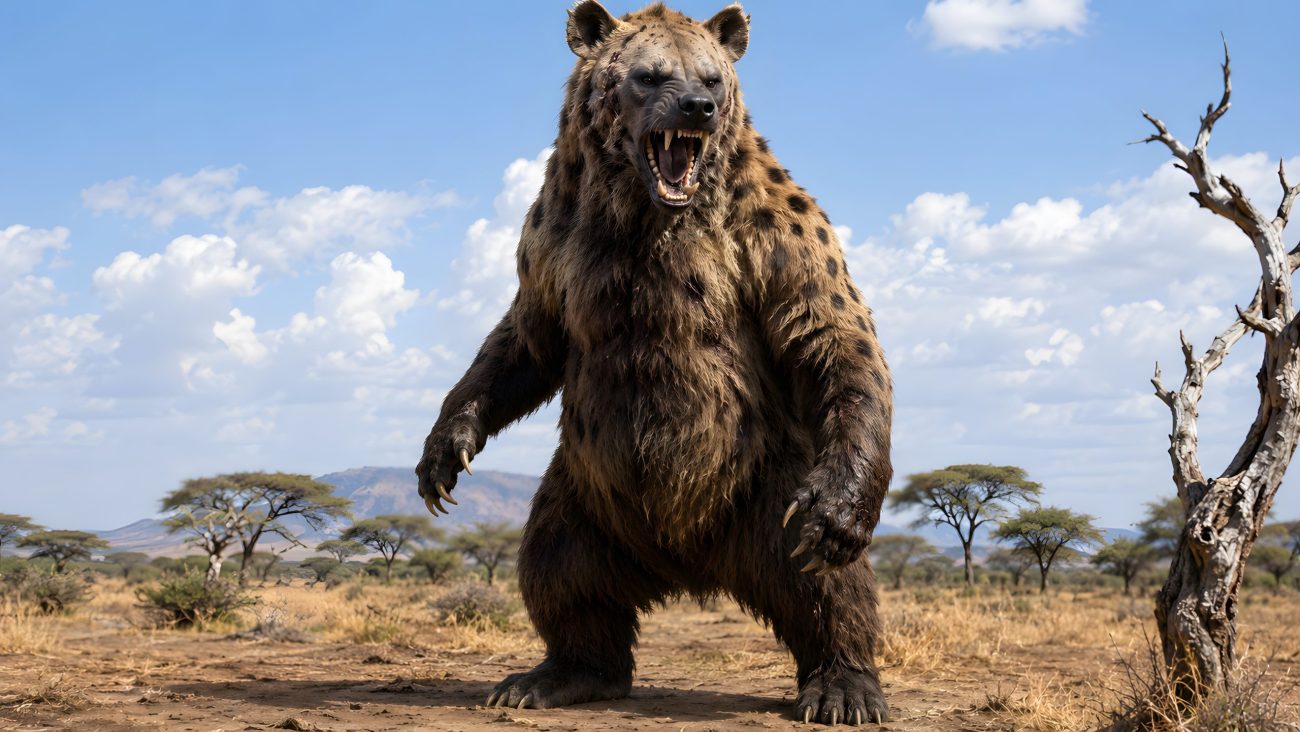
The Nandi Bear is a fearsome beast said to roam the forests and plains of East Africa, particularly the lands of the Nandi people in western Kenya. It is described as a massive, powerfully built carnivore with high front shoulders, a sloping back, and reddish hair. Some traditions claim it can stand on its hind legs and is active only at night.

The creature is regarded as extremely fierce and capable of killing both livestock and wild animals. Among the Nandi, it is known as Kerit, and legends say it has unusually long feet and is feared for scalping its human victims.

For generations, people reported encounters with the Nandi Bear throughout Kenya, but no specimen was ever captured or identified. Over time, sightings became increasingly rare, and the creature remains one of East Africa’s most enduring legendary beasts.


Sources

Wikipedia contributors. (n.d.). Nandi bear. In Wikipedia. Retrieved June 29, 2026, from https://en.wikipedia.org/wiki/Nandi_bear