Tulorialik

Tradition / Region: Inuit Mythology, Canadian Mythology
Alternative names: Nanoq Tulorialik (“The Bear with the Fangs”)
Category: Bear


The Myth

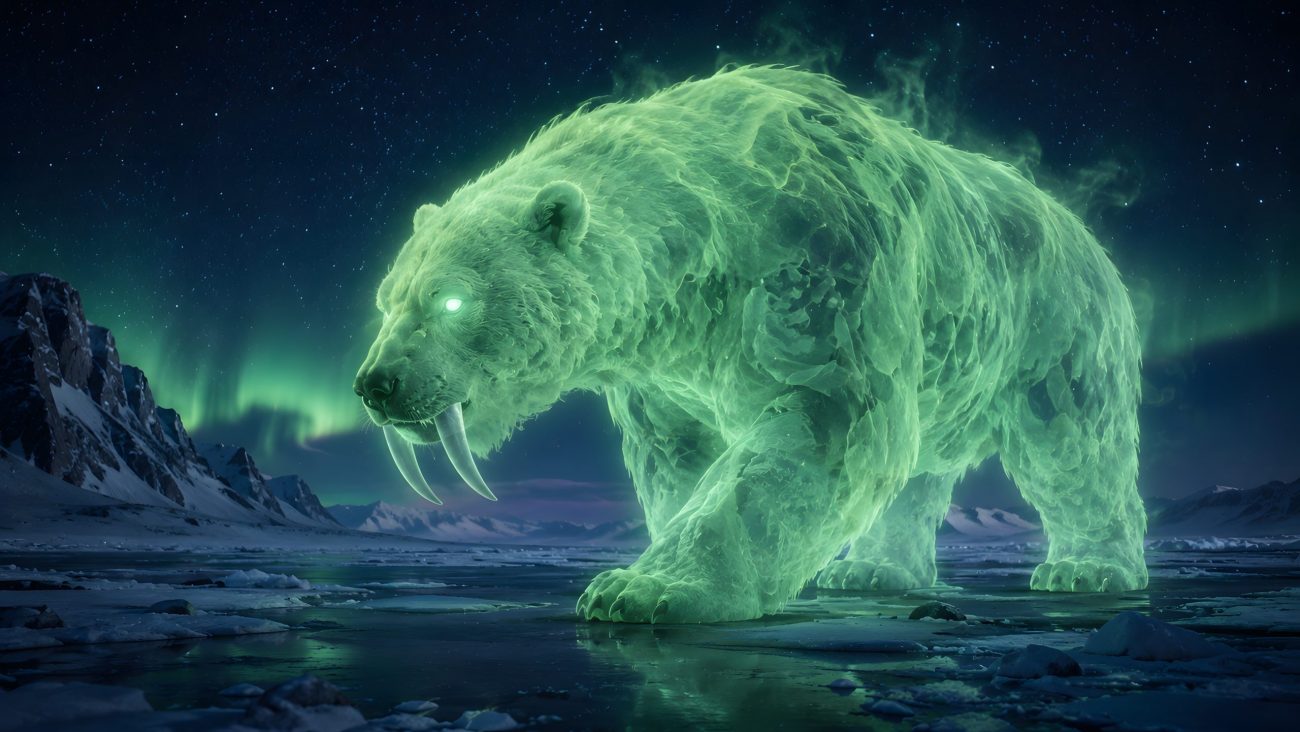
Tulorialik, the Bear with the Fangs, is a giant bear spirit and the most powerful helping spirit of the Inuit shaman Unaleq. Among his ten spirit helpers, Tulorialik was regarded as the strongest and most influential, answering whenever the shaman called upon him.

During a shamanic séance, Unaleq invoked Tulorialik in complete darkness. Hidden beneath a table covered with skins, he called the great bear spirit to enter his body. As Tulorialik arrived, those present heard the scraping of enormous claws, deep growls, the sounds of wind and rushing water, and the snorting of walruses. Through the power of the spirit, Unaleq claimed he could transform into a bear or a walrus.

On one occasion, Tulorialik was summoned to ensure the safety of a long sled journey. The bear spirit was said to travel ahead along the route, removing dangers and protecting the travelers from sickness, accidents, and death. After the séance, the shaman declared that Tulorialik had cleared the path and that the entire expedition would return safely.

Tulorialik was believed to possess immense supernatural power, and Unaleq regarded him not merely as a spirit, but as a faithful helper who came whenever he was called.


Sources

Rasmussen, K. (1930). Intellectual culture of the Hudson Bay Eskimos (Vols. 1–3). Gyldendal.

Ya-o-gah

Tradition / Region: Haudenosaunee Mythology, American Mythology, Canadian Mythology
Alternative names: Ya-oh-gah, Ya-o-gah
Category: Bear


The Myth

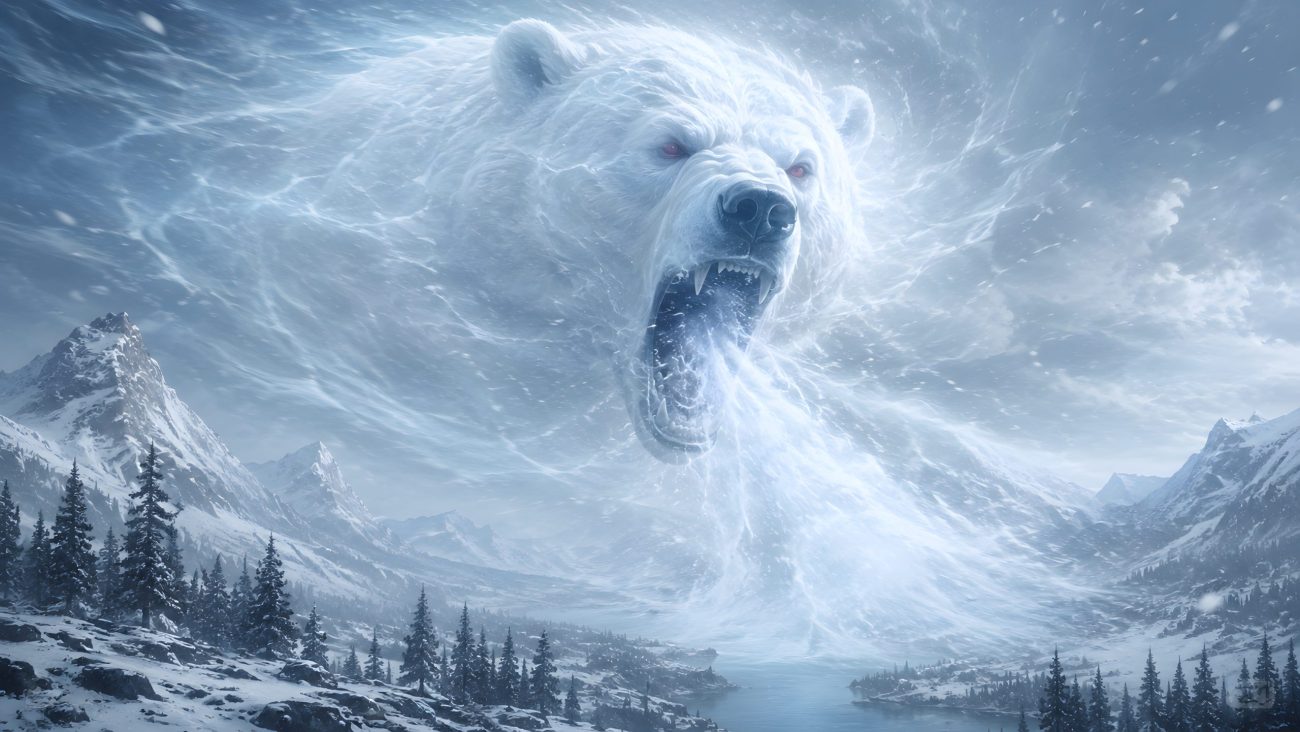
Ya-o-gah is the great bear spirit who personifies the North Wind in Haudenosaunee mythology. He serves as one of the four mighty wind spirits governed by Gǎ-oh, the giant master of the winds and the being through whom the Great Spirit moves the elements across the world.

Among the four winds, Ya-o-gah is the most destructive. His breath brings bitter cold and possesses the power to freeze and destroy the world. Despite this terrifying strength, he does not act freely, for Gǎ-oh keeps him under control and commands when the North Wind may blow.

The other winds balance Ya-o-gah’s fierce nature. The South Wind, Ne-o-ga, is gentle and warm like the rays of the sun. The West Wind, Da-jo-ji, takes the form of a panther capable of climbing mountains, tearing down forests, carrying whirlwinds upon his back, and stirring the seas into violent storms. The East Wind, O-yan-do-ne, appears as a moose whose breath chills the young clouds drifting across the sky.

Together, these four spirits maintain the natural order of the world under the guidance of Gǎ-oh, with Ya-o-gah embodying the harsh, relentless power of winter and the frozen north.


Sources

Rasmussen, K. (1930). Intellectual culture of the Hudson Bay Eskimos (Vols. 1–3). Gyldendal.

ImiEru’jap Inua

Tradition / Region: Inuit Mythology, Greenland Mythology, Canadian Mythology
Alternative names: Spirit of the Meteor
Category: Bear


The Myth

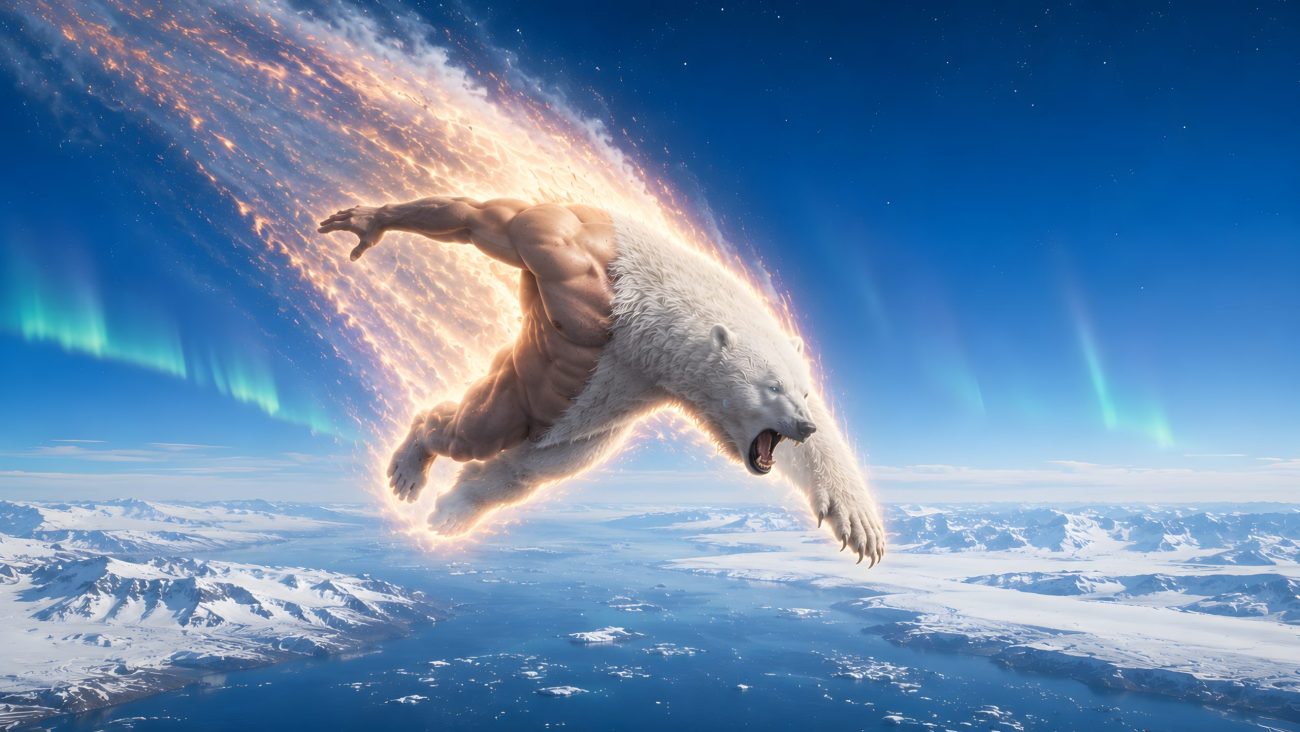
ImiEru’jap Inua is the spirit of a meteor that appears in Inuit tradition. It is described as a supernatural being with a body divided between human and bear. One side of its glowing form is that of a bear, while the other is human, and its head is human in shape but bears the tusks of a bear.

The spirit is most closely associated with the shaman Uvavnuk. One winter night, as she stepped outside her home, she saw a brilliant ball of fire descend from the sky. Before she could escape, the meteor struck her and entered her body. She immediately perceived an inner light before losing consciousness. At that moment, the spirit of the meteor entered her, transforming her into a powerful shaman.

When Uvavnuk regained consciousness, she returned to her home singing without understanding why. Filled with supernatural knowledge, she began revealing the hidden wrongdoings of everyone present. Those who confessed their misdeeds cast them away with symbolic gestures, believing themselves cleansed of evil. Whenever the spirit possessed her, she could see, hear, and know things beyond ordinary human perception.

Outside these moments of possession, Uvavnuk was an ordinary woman with no special abilities. Only when the spirit of the meteor illuminated her from within did her extraordinary powers return.

Before her death, Uvavnuk held one final ceremony and declared that humanity should never suffer from hunger. Through her connection with the spirits, she brought forth an abundance of game from beneath the earth. After her passing, her people experienced an exceptionally prosperous year, with plentiful whales, walruses, seals, and caribou, fulfilling her final blessing.


Sources

Rasmussen, K. (1930). Intellectual culture of the Hudson Bay Eskimos (Vols. 1–3). Gyldendal.