Kogarasu

Tradition / Region: Japanese Mythology
Alternative names: Old Crow
Category: Bird


The Myth

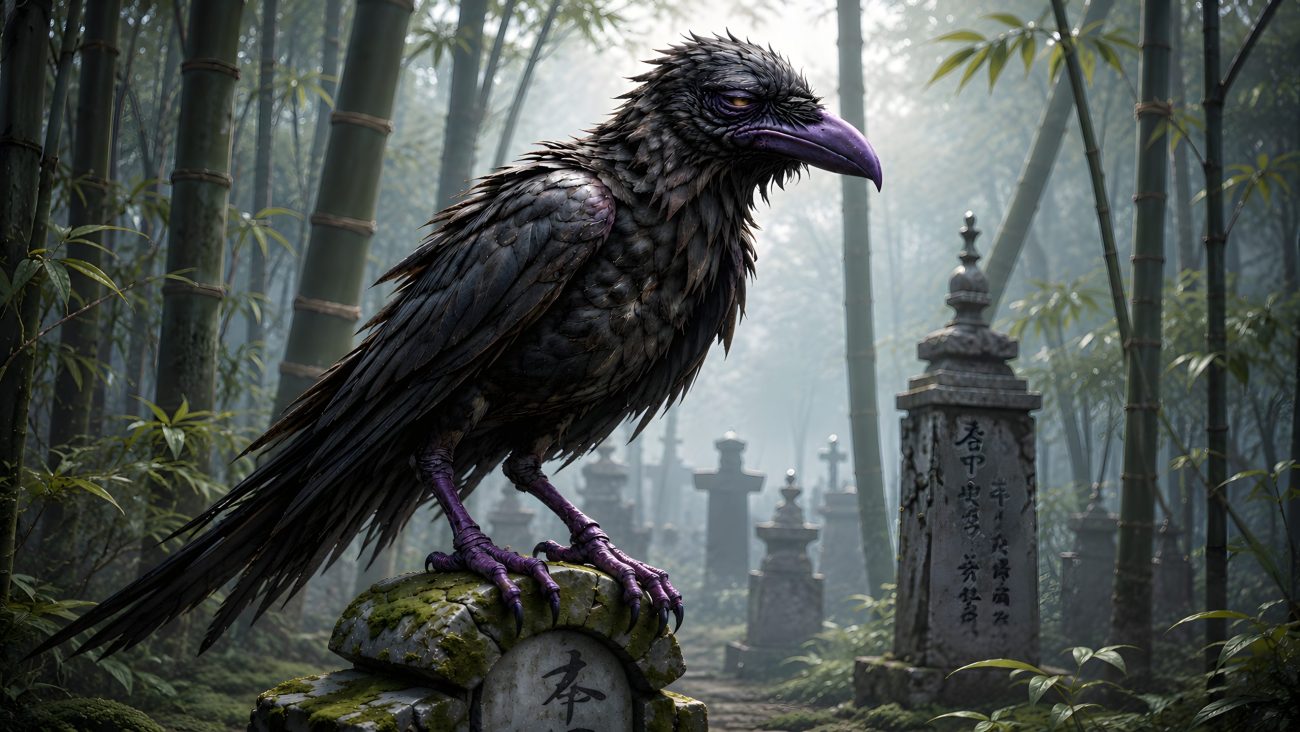
The Kogarasu (“Old Crow”) is a crow yokai from the Tosa Obake Zōshi (Tosa Ghost Scroll). According to the legend, it is an ordinary crow that has lived for a thousand years before transforming into a fearsome supernatural creature.

Unlike common crows, the Kogarasu remembers those who mistreated it during its lifetime. After gaining its yokai form, it takes revenge upon its former tormentors by digging up their graves after death and feeding upon their corpses. In this way, the creature punishes cruelty long after its victims have passed away.

The Kogarasu is portrayed as a grim embodiment of vengeance, demonstrating that even the smallest acts of malice toward living creatures may one day return to haunt those responsible. It remains one of the many strange yokai recorded in the Tosa Obake Zōshi, where ordinary animals become supernatural beings after surviving for an extraordinary length of time.


Sources

TYZ. (2009, July 26). 古烏 (Kogarasu). In 新版TYZ 妖怪図鑑. Retrieved June 29, 2026, from https://tyz-yokai.blog.jp/archives/1010652618.html
Kryzhatik

Tradition / Region: Belarusian Mythology
Alternative names: Kryzhatsik
Category: Bird


The Myth

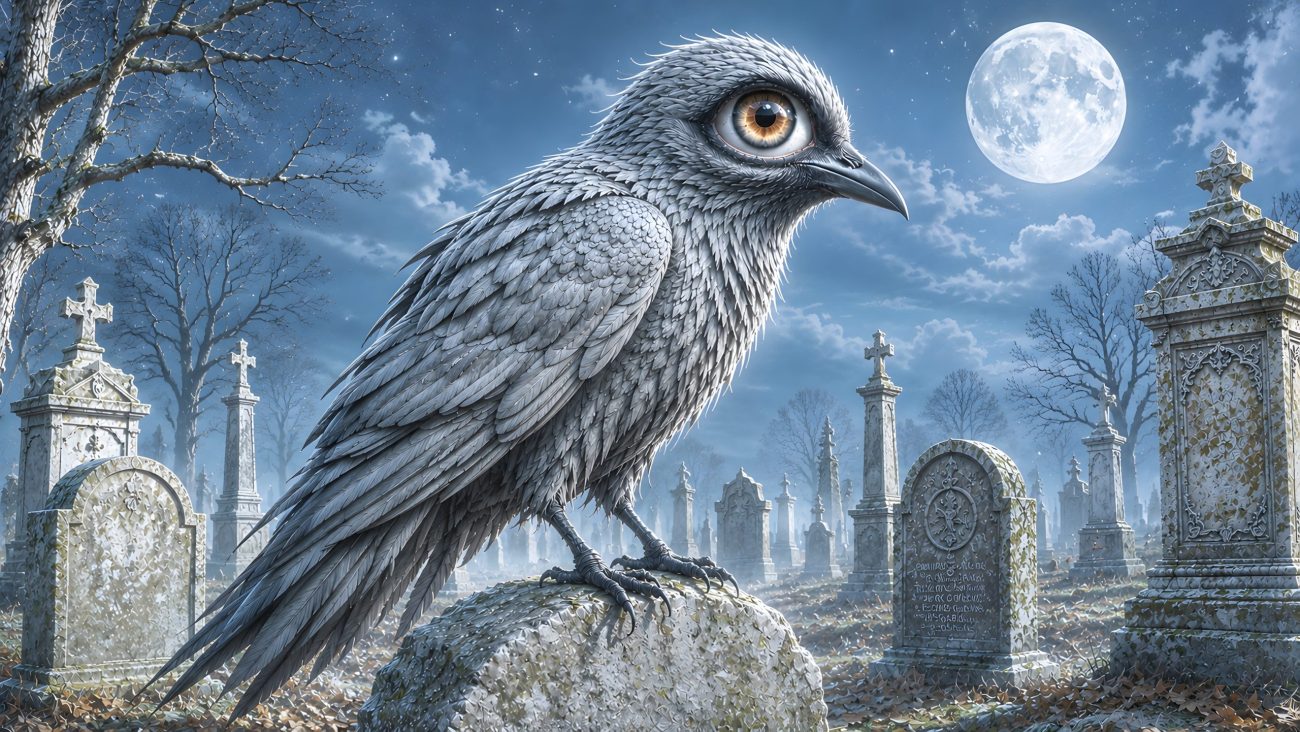
The Kryzhatik is a restless spirit that dwells within the boundaries of a cemetery. It is believed to be the soul of a deceased person whose grave, or more often whose grave cross, has been damaged before the proper period of remembrance has passed.

It usually appears as a gray raven with human eyes, although in some traditions it may also take the form of an old raven with faded feathers, a white beak, and a human gaze. It moves among the cemetery crosses, watching over the graves.

Unlike many cemetery spirits, the Kryzhatik is generally not hostile. It is said to attack only those who show disrespect for the dead, such as vandals who damage crosses or people who behave irreverently within the cemetery. It is also believed to drive away evil forces, including demons and drunken troublemakers who enter the graveyard.

According to Belarusian belief, the Kryzhatik is not afraid of holy places or the sign of the cross, since the cemetery itself is sacred ground. During the nights before Radunitsa, when many people visit the graves of their ancestors, its power is believed to become especially strong as it silently guards the cemetery and ensures that no harm comes to the resting place of the dead.


Sources

Bestiary.us. (n.d.). Kryzhatik. In New Bestiary: Encyclopedia of Imaginary Beings. Retrieved June 29, 2026, from https://www.bestiary.us/Kryzhatik


Kamikiri

Tradition / Region: Japanese Mythology
Alternative names: Hair-Cutting
Category: Bird


The Myth

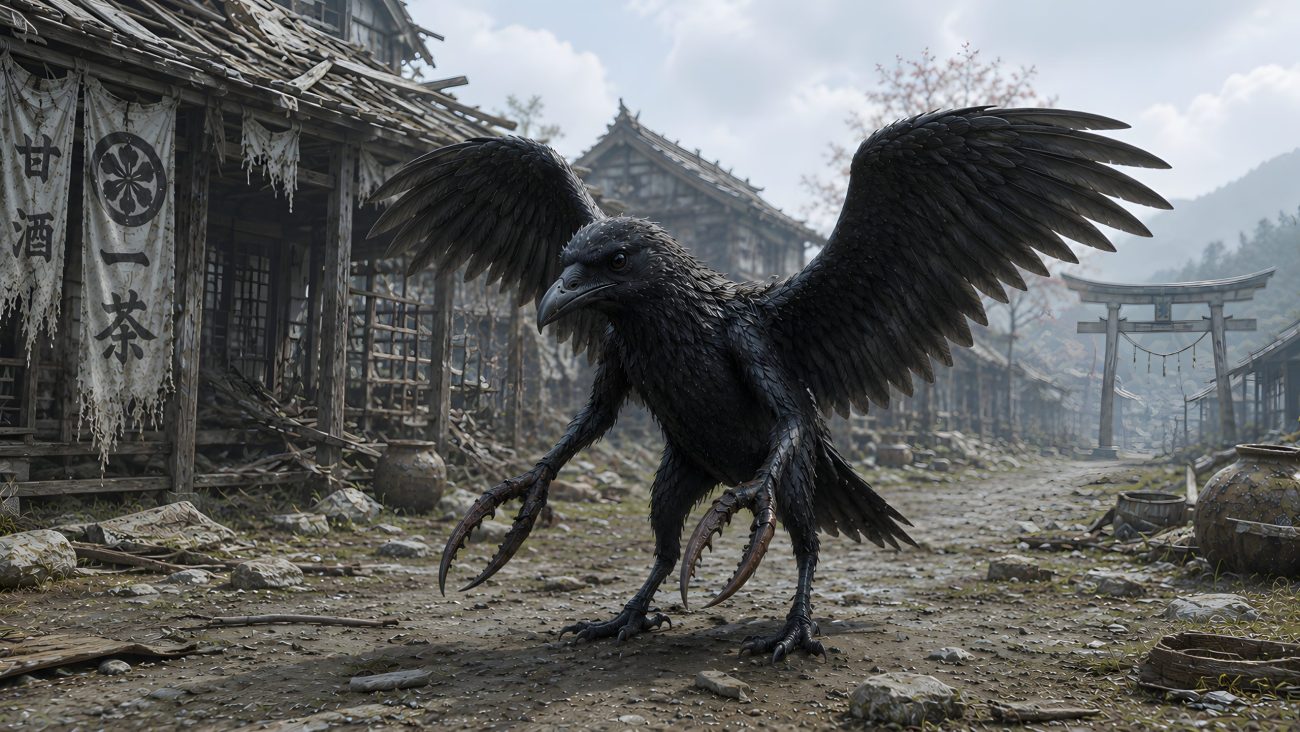
The Kamikiri is a mysterious yōkai blamed for the unexplained cutting of a person’s hair without them noticing. Victims would suddenly discover that part of their hair had been neatly cut away, even though no one had been seen approaching them.

Different traditions attributed these incidents to invisible hair-cutting insects, foxes, badgers, or the Kamikiri itself. In yōkai picture scrolls such as the Hyakkai Zukan, the Kamikiri is depicted as a tengu-like creature with enormous scissors in place of its hands, using them to silently snip the hair of unsuspecting people.

The Kamikiri later inspired the related yōkai known as the Amikiri (“Net-Cutter”), which first appeared in later illustrated collections of Japanese monsters.


Sources

TYZ. (n.d.). 神木 (Kamiki). In 新版TYZ 妖怪図鑑. Retrieved June 29, 2026, from https://tyz-yokai.blog.jp/archives/1010653484.html