Nunda

Tradition / Region: Tanzania MythologyKenya Mythology, Mozambique Mythology
Alternative names: Mla Watu (Eater of People)
Category: Cat


The Myth

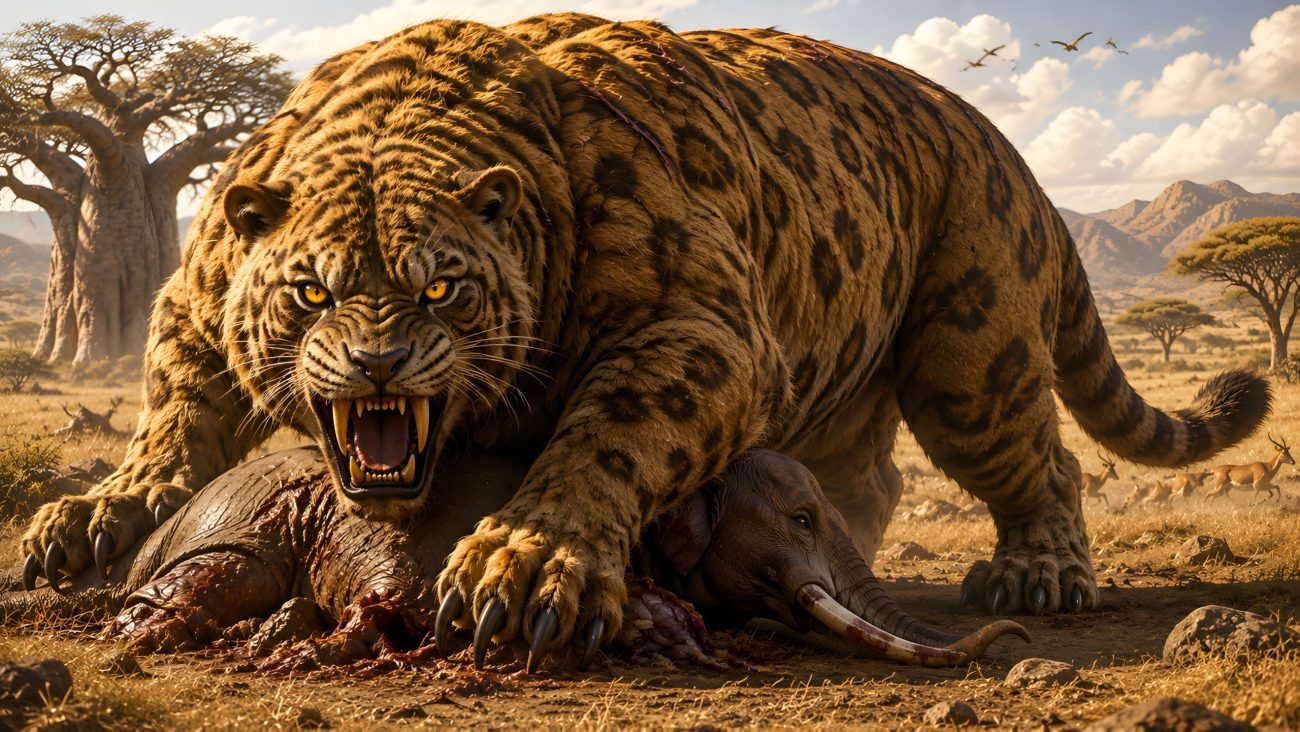
The Nunda began as the unusually fierce cat of Sultan Majnún. As it fed on increasingly larger prey, it grew into a gigantic monster described as being larger than an elephant, with small ears, a broad body, two civet-like markings, and a thick tail.

The cat first killed a calf, but the Sultan dismissed the incident, insisting that both the cat and the calf belonged to him. As it continued killing and eating a goat, a cow, a donkey, a horse, a camel, a child, and finally a man, the Sultan still refused to punish it. Growing ever larger on its diet of flesh, the cat eventually left the city and hid in the surrounding wilderness, ambushing travelers and sneaking into the roads at night to carry away anyone it found. The population gradually dwindled while the Sultan ignored every warning.

Only after the monster attacked the Sultan himself and killed three of his sons did he realize the creature was no longer an ordinary cat. He sent his soldiers to destroy it, but the Nunda killed many of them and scattered the rest.

The Sultan’s youngest son then swore to avenge his brothers. Carrying only a spear and knife, he set out alone to hunt the beast. Mistaking many large animals for the monster, he successively killed a dog, civets, a zebra, a giraffe, a rhinoceros, an elephant, and several other creatures, proudly bringing each one home. Each time his mother told him it was not the Nunda and described the true monster’s appearance.

Eventually the prince and his companions found the Nunda asleep beneath a grove of trees. Recognizing it from his mother’s description, they fired their guns into the beast before retreating for the night. Returning the next morning, they found the gigantic monster dead. Its carcass was dragged back to the city in triumph, buried beneath the ground, and a house was built over its grave with a guard stationed there.

Other versions of the legend describe the Nunda as an insatiable monster capable of swallowing an entire population. In those tales, a lone hero kills the beast, cuts open its belly, and frees all of its victims alive.


Sources

Countess Sica. “Nunda.” A Book of Creatures. September 2, 2015. Accessed July 28, 2026. https://abookofcreatures.com/2015/09/02/nunda/
Nandi Bear

Tradition / Region: Kenyan Mythology
Alternative names: Chemosit, Kerit, Koddoelo, Ngoloko, Duba
Category: Bear


The Myth

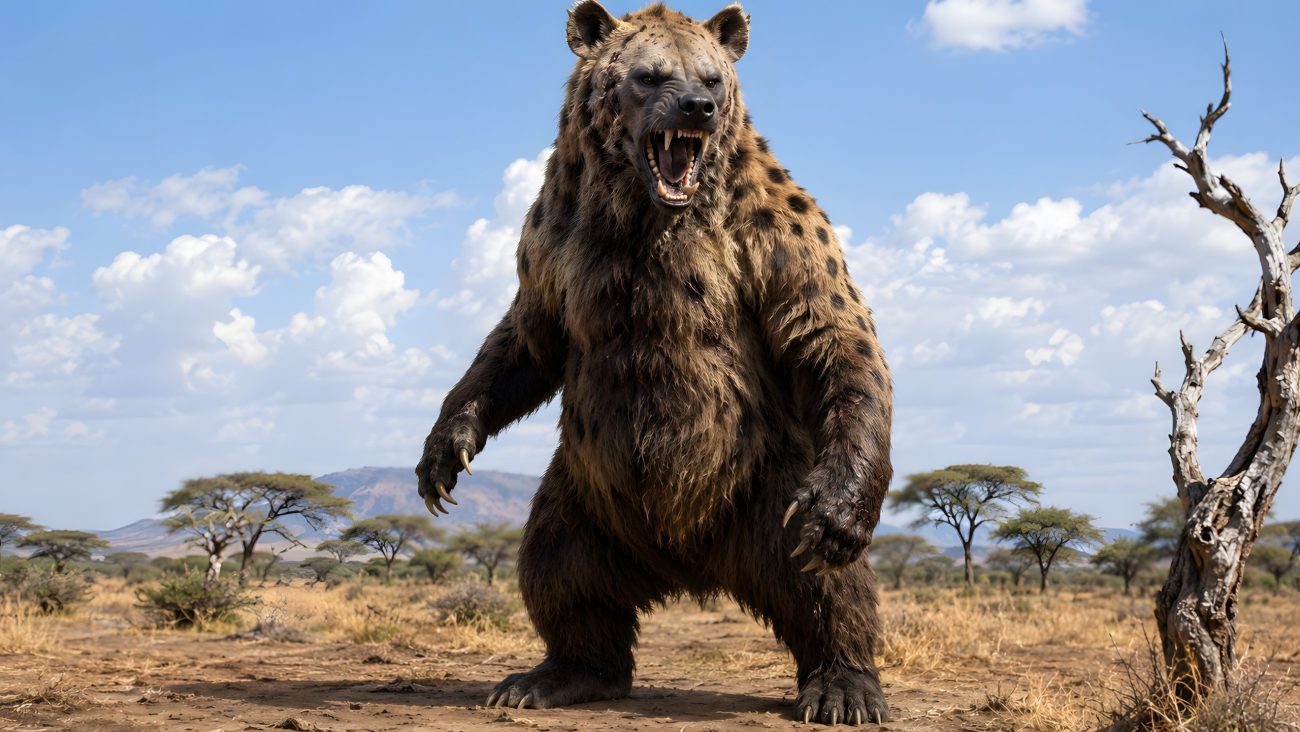
The Nandi Bear is a fearsome beast said to roam the forests and plains of East Africa, particularly the lands of the Nandi people in western Kenya. It is described as a massive, powerfully built carnivore with high front shoulders, a sloping back, and reddish hair. Some traditions claim it can stand on its hind legs and is active only at night.

The creature is regarded as extremely fierce and capable of killing both livestock and wild animals. Among the Nandi, it is known as Kerit, and legends say it has unusually long feet and is feared for scalping its human victims.

For generations, people reported encounters with the Nandi Bear throughout Kenya, but no specimen was ever captured or identified. Over time, sightings became increasingly rare, and the creature remains one of East Africa’s most enduring legendary beasts.


Sources

Wikipedia contributors. (n.d.). Nandi bear. In Wikipedia. Retrieved June 29, 2026, from https://en.wikipedia.org/wiki/Nandi_bear


Crowing Crested Cobra

Tradition / Region: Botswana Mythology, Malawi Mythology, South African Mythology, Kenyan Mythology, Mozambique Mythology
Also Known As: Njoka Tambala, Bubu, Hongo, Indlondlo, Inkhomi, Kovoko, Limba, Nguluka, Ngoshe, Noga-putsane, Songo, Songwe
Category: Snake


The Myth

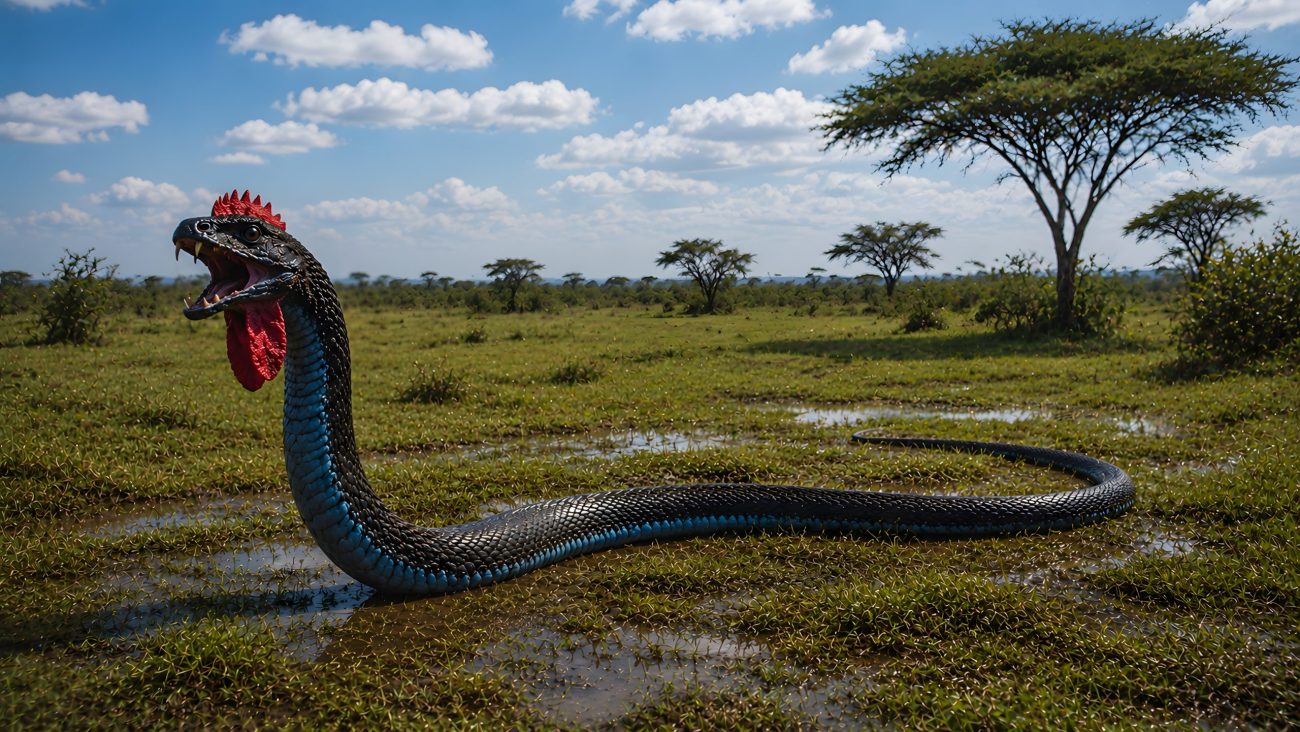
The Crowing Crested Cobra is a legendary serpent found throughout East African folklore. It is usually described as a huge venomous snake resembling a cobra but distinguished by a fleshy crest on its head, sometimes accompanied by rooster-like wattles. Unlike ordinary snakes, it is said to make strange animal sounds, especially crowing like a rooster, though some traditions describe bell-like cries, clucking noises, or even goat-like bleating.

Stories portray the creature as extremely dangerous. It hides in trees, near paths, or in tall grass, striking travelers without warning. Some legends describe it attacking several people in succession before retreating into holes or dense vegetation. The serpent is often said to move with unnatural speed and to climb trees with ease.

In parts of Mozambique, the creature was known as the Bubu, a massive dark snake marked with red growths resembling a rooster’s comb. Other traditions describe male snakes crowing loudly while females cluck softly. Some accounts claim the creature kills indiscriminately and is associated with sorcery, witchcraft, and powerful magical medicines.

Across East Africa, related serpent legends appear under many names. Some versions possess feather-like crests, others have birdlike traits, and certain stories even describe snake creatures whose cries lure victims toward them at night.

The creature became one of the most widespread serpent legends in African folklore, blending features of deadly snakes, birds, and supernatural omens into a single feared being.


Sources

A Book of Creatures. (2021, June 25). Crowing crested cobra. Retrieved May 10, 2026, from https://abookofcreatures.com/2021/06/25/crowing-crested-cobra/