Srei Ap

Tradition / Region: Cambodian Mythology
Alternative Name: –
Category: Spirit


The Myth

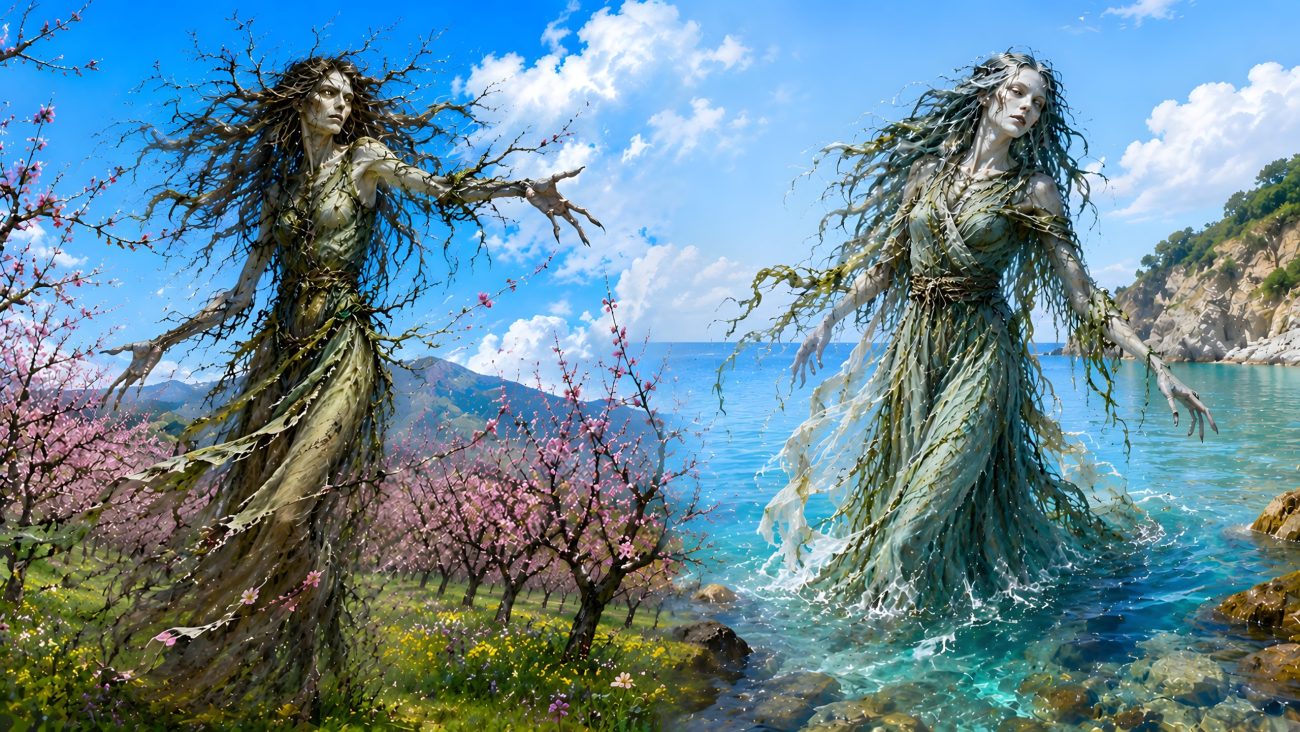
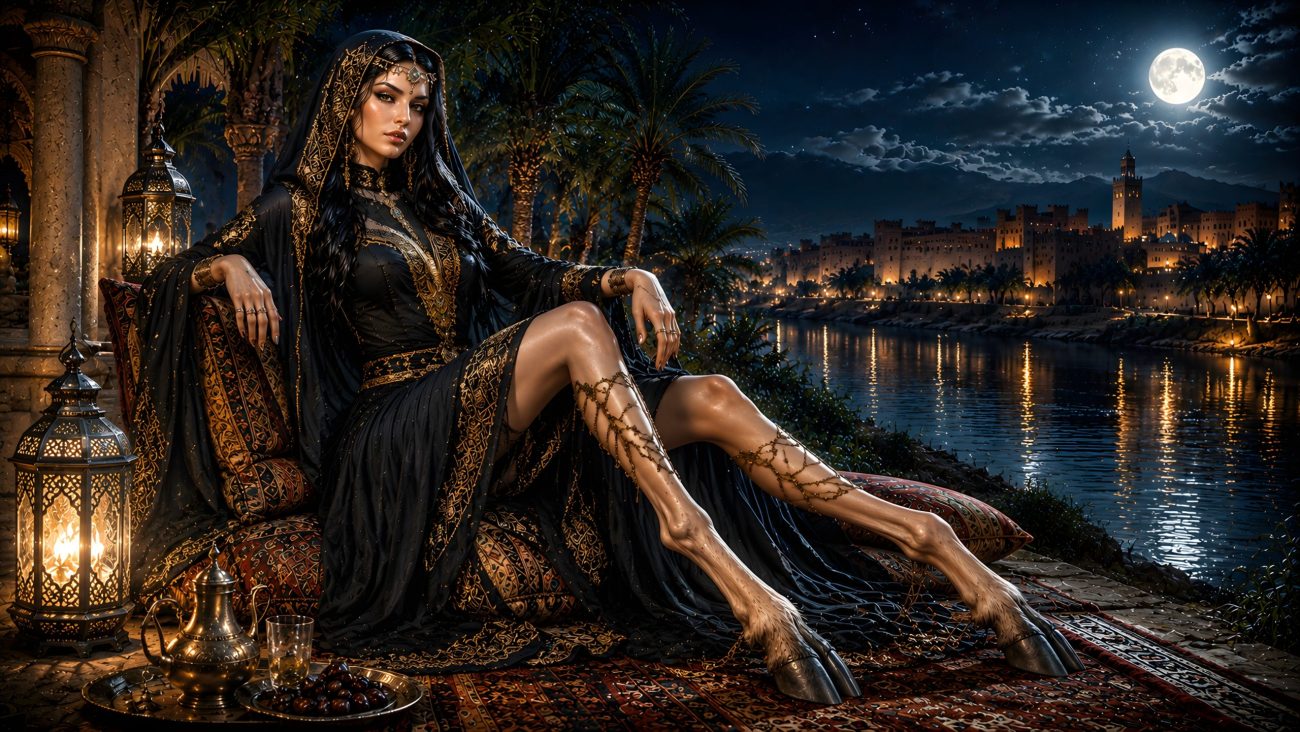
Srei Ap is a malicious spirit in Cambodian folklore believed to bring death to humans. The demon is said to hover around dying people and devour their flesh after death.

In traditional belief, Srei Ap is associated with death and human suffering. The spirit is feared as a dangerous being that appears near the weak, the sick, and the dying.


Sources

Rose, C. (n.d.). Spirits, Fairies, Leprechauns, Goblins: An Encyclopedia.


Neak Ta

Tradition / Region: Cambodian Mythology
Alternative name: –
Category: Spirit


The Myth

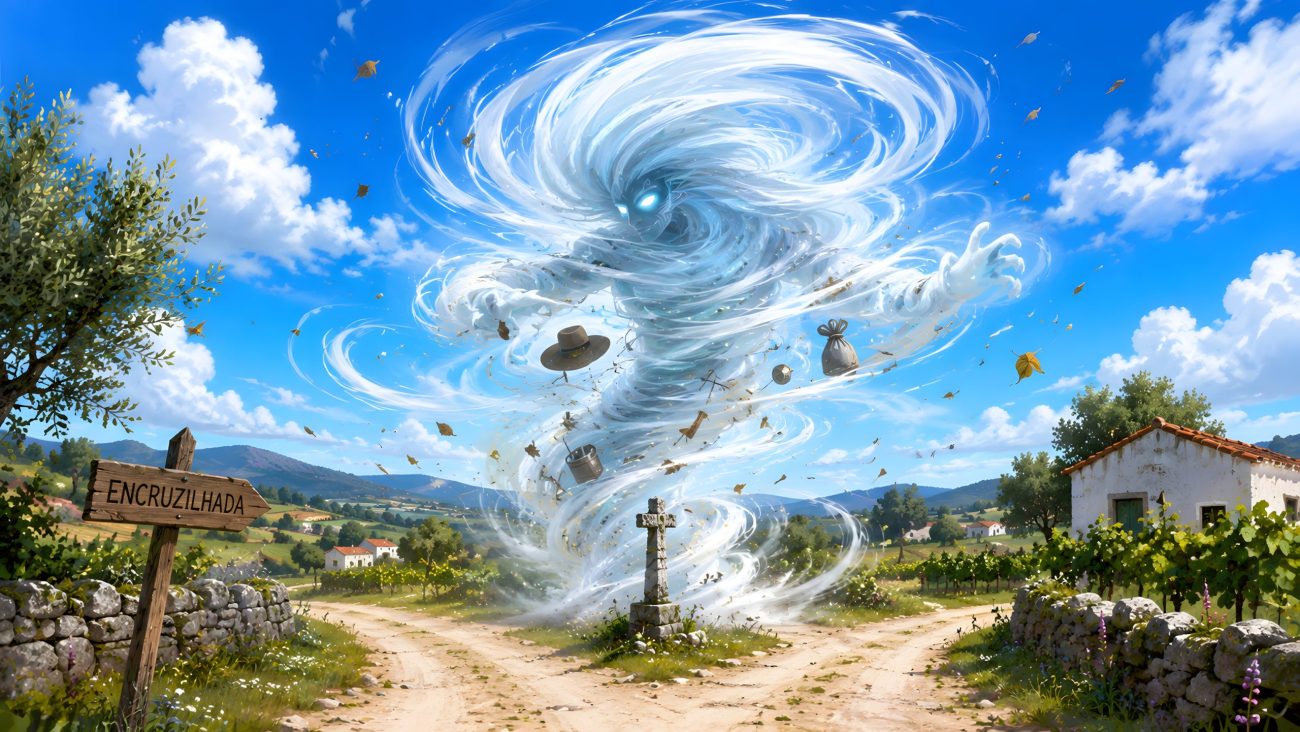
Neak Ta are powerful guardian spirits in Cambodian folklore believed to protect villages, forests, rivers, mountains, roads, temples, and sacred places. They are usually connected to ancestors or ancient spirits of the land and are believed to watch over the people living within their territory.

According to Khmer belief, every village once had its own Neak Ta spirit. These spirits lived in sacred trees, stones, shrines, ruins, or natural places and protected the local community from disease, disasters, evil spirits, and misfortune. In return, villagers showed respect through offerings and ceremonies.

People built small spirit houses beneath large trees or beside roads where incense, candles, flowers, food, alcohol, and symbolic offerings were left for the spirits. Farmers prayed to the Neak Ta for rain and healthy crops, while travelers stopped at roadside shrines asking for protection during journeys.

Neak Ta were believed to reward respect but punish disrespect. Those who damaged sacred places, ignored rituals, lied under oath, or insulted the spirits could suffer sickness, accidents, madness, or bad luck.

Some Neak Ta were thought to be ancient heroes, rulers, or powerful ancestors who became guardian spirits after death. Others were tied directly to forests, rivers, mountains, or ancient Khmer temples. Certain Neak Ta became famous throughout Cambodia and were honored with large annual ceremonies involving music, offerings, spirit mediums, and ritual performances.

Spirit mediums and shamans were believed to communicate directly with the Neak Ta during ceremonies. Through possession and ritual chanting, the spirits could give warnings, blessings, advice, or healing to the local people.

Even today, belief in Neak Ta remains widespread in Cambodia, and many people continue to leave offerings at spirit houses and sacred sites to seek protection from the ancient guardians of the land.


Sources

Wikipedia contributors. (n.d.). Neak ta. In Wikipedia, from https://en.wikipedia.org/wiki/Neak_ta


Mrenh Kongveal

Tradition / Region: Cambodian Mythology
Alternative name: –
Category: Spirit


The Myth

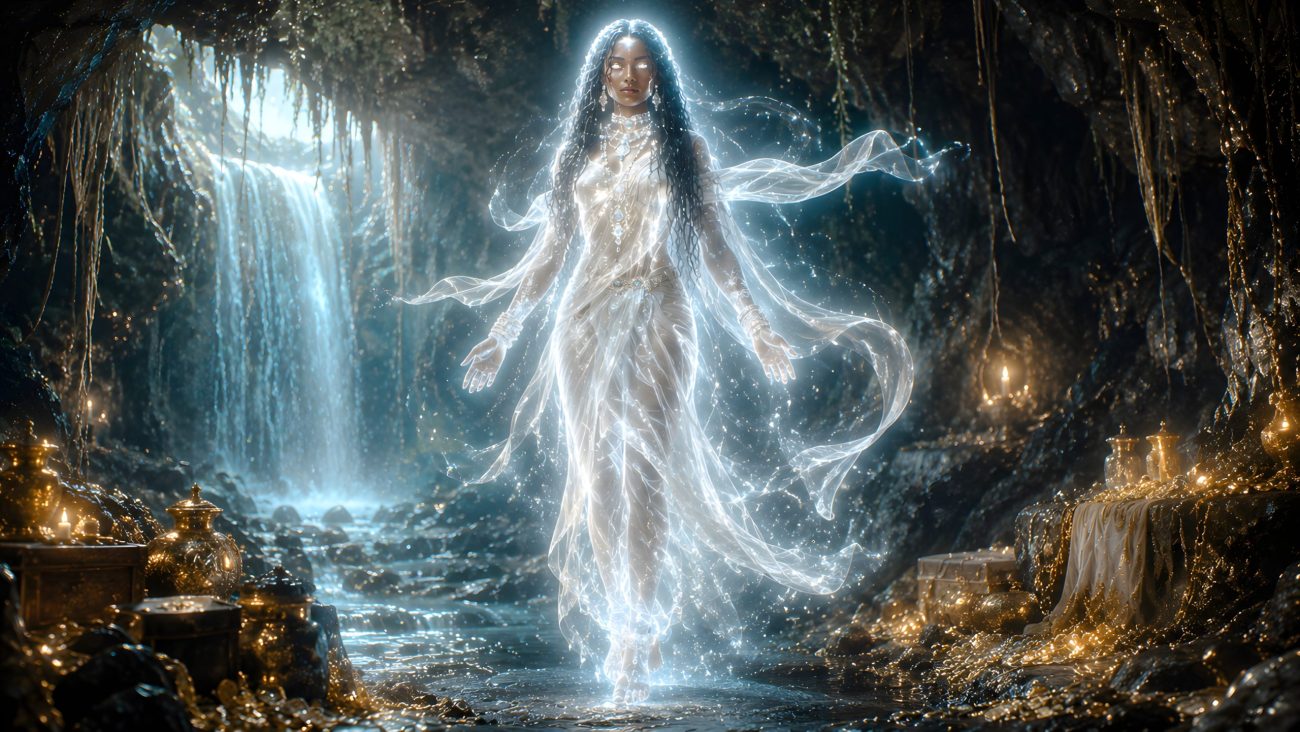
Mrenh Kongveal are supernatural beings from Cambodian folklore that resemble small child-sized spirits or elves. They are traditionally known as guardians of animals and protectors of the wilderness, especially herds of wild elephants and buffalo.

According to Khmer belief, the Mrenh Kongveal originally lived deep within the forests and jungles, where they acted as invisible herdsmen watching over wild creatures. Hunters, farmers, and elephant trappers would leave baskets filled with offerings to gain their favor. People believed the spirits could bring success in hunting, help capture young elephants, or keep dangerous animals away from crops and villages.

The spirits are usually described as small beings with bodies similar in size to young children. Despite their protective role, they are also known for being playful and mischievous.

Over time, belief in the Mrenh Kongveal changed from forest guardians into more personal supernatural protectors. Many Cambodians came to believe these spirits could attach themselves to certain people, homes, temples, or institutions and quietly guide or protect them.

Rather than appearing openly, the Mrenh Kongveal were believed to communicate through whispers, dreams, or telepathic messages. Adults were generally thought unable to see them, but children between the ages of six and fourteen who were considered pure of heart were said to occasionally witness them.

Stories about the Mrenh Kongveal remain part of Cambodian spiritual folklore and are closely connected to traditional beliefs about nature, protection, and unseen guardian spirits.


Sources

Wikipedia contributors. (n.d.). Mrenh kongveal. In Wikipedia, from https://en.wikipedia.org/wiki/Mrenh_kongveal


Maidyn Massalyk Ulesi

Tradition / Region: Kazakhstan Mythology
Alternate Names: Maidyn massalyk ulesi
Category: Spirit, Dwarf


The Myth

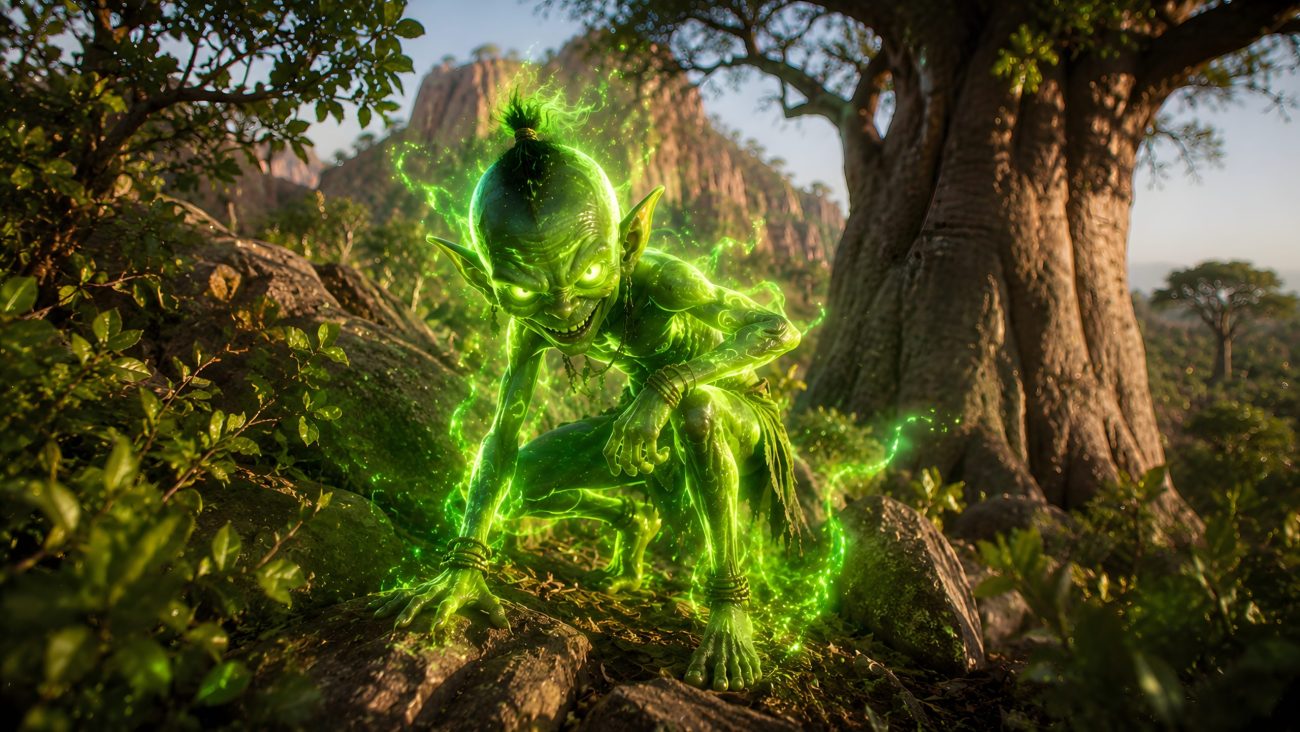
Maidyn Massalyk Ulesi is a spirit from Kazakh folklore associated with a mystical forest. The being is described as a patron spirit connected with happiness, fate, and guidance.

According to one belief, an unmarried woman who has not found love by the age of forty-five may travel alone into the steppe carrying kumiss and dried curd cakes. The first stranger she meets and shares food with is believed either to become her husband or reveal the man destined to become the father of her future children. Some women wandered for months without meeting anyone, while others eventually encountered a red-faced man who shared food and drink with them before disappearing. Later, the woman would meet a man with the same name and appearance and eventually form a family with him.

Another tradition says that people searching for lost horses, camels, or sheep may enter a fog-covered forest crossed by rivers of milk and ask Maidyn Massalyk Ulesi for help in recovering the missing animals. Berries and kumiss are offered to the spirit during this search. According to the legend, if the spirit accepts the offering, the lost animals will eventually be recovered, although the person who made the offering may later experience some form of loss themselves.


Sources

Bestiary contributors. (n.d.). Майдын массалык улеси (Majdyn Massalyk Ylesi). In Bestiary, from https://www.bestiary.us/majdyn-massalyk-ylesi


Mechho Bhoot

Tradition / Region:  Bengali Mythology
Alternate Names: Mecho Bhoot
Category: Spirit, Ghost


The Myth

The Mechho Bhoot is a spirit from Bengali folklore associated with fish, rivers, ponds, and lakes. Its name comes from the Bengali word machh, meaning “fish,” reflecting the ghost’s well-known obsession with them. According to folklore, people who drown while fishing or die in the water may return as Mechho Bhoots, unable to leave behind their attachment to fish and the waterways where they died.

These spirits are believed to haunt village ponds, riverbanks, marshes, and fishing areas, especially after dark. They are known for stealing fish from fishermen, kitchens, or marketplaces, and many old stories describe fish mysteriously disappearing during the night as the work of a Mechho Bhoot. Because fishing has always been central to life in Bengal and Bangladesh, stories about these spirits became common in riverside villages.

The Mechho Bhoot is usually described as a ghostly human figure connected to water and darkness. Though sometimes portrayed as mischievous rather than openly violent, it is still feared because of its association with drowning and isolated waters at night. Villagers often warned children and fishermen to stay cautious around ponds and rivers after sunset, when spirits like the Mechho Bhoot were believed to wander.

Unlike many malevolent ghosts in Bengali folklore, the Mechho Bhoot is remembered mainly for its endless craving for fish and its lingering attachment to the waters where it died.


Sources

Wikipedia contributors. (n.d.). Ghosts in Bengali culture. In Wikipedia, from https://en.wikipedia.org/wiki/Ghosts_in_Bengali_culture


Boba

Tradition / Region: Bengali Mythology, Indian Mythology
Alternate Names: Boba Jinn, Bobay Dhora
Category: Demon, Spirit


The Myth

Boba is a terrifying nocturnal spirit from Bengali folklore, feared for attacking people while they sleep. The name Boba means “mute” or “speechless,” referring to the helpless condition its victims experience during an encounter. In many traditions, the entity is described as a type of jinn or malevolent spirit that preys upon sleeping humans, especially those lying flat on their backs during the night.

According to the legend, Boba attacks silently in the deepest hours of darkness. Victims suddenly awaken but find themselves completely unable to move, speak, or cry for help. They remain conscious while an invisible force pins them down. Many report feeling immense pressure on their chest, as though something heavy is crushing them, making breathing extremely difficult. The experience is accompanied by overwhelming terror and the sensation of being strangled.

Although the spirit is not always fully visible, witnesses often describe seeing a shadowy figure sitting on their chest or crouching nearby in the darkness. Some accounts portray Boba as a dark humanoid being with glowing eyes, while others describe it only as a suffocating presence lurking in the room. The victim may hear whispers, breathing, footsteps, or strange sounds while remaining unable to move even a finger. In some stories the spirit leans close to the victim’s face, watching silently while choking them.

The attack usually ends suddenly. After several moments — or what feels like an eternity — the pressure disappears and the victim regains the ability to move and speak. Many people are left shaken for hours afterward, convinced they narrowly escaped death. Because the experience feels completely real, belief in Boba became deeply rooted in Bengali culture, particularly in rural areas where stories of nighttime attacks were passed down for generations.

The phenomenon is commonly called Bobay Dhora, meaning “being seized by Boba.” Traditional beliefs warn people against sleeping alone, sleeping on their back, or falling asleep in spiritually unclean places. Some families recite prayers, verses, or protective rituals before bed to ward the spirit away. In certain stories, repeated attacks by Boba are believed to weaken a person physically and spiritually over time.

Unlike many monsters that haunt forests or rivers, Boba invades the safety of the home itself. It attacks in silence, during the most vulnerable moment of human weakness — sleep — turning the darkness of the bedroom into something terrifying and inescapable.


Sources

Wikipedia contributors. (n.d.). Ghosts in Bengali culture. In Wikipedia, from https://en.wikipedia.org/wiki/Ghosts_in_Bengali_culture


Nishi Daak

Tradition / Region: Bengali Mythology, Indian Mythology
Alternate Names: Nishir Daak, Nishi
Category: Ghost, Spirit


The Myth

The Nishi Daak is a feared nocturnal spirit from the folklore of eastern India, especially Bengal, Bihar, and Jharkhand. Its name means “Call of the Night,” and it is known for luring people away in darkness by mimicking the voice of someone they trust. The Nishi is rarely seen clearly. Most descriptions portray it as a distant, shadow-like figure that remains just beyond sight, hidden by fog, darkness, or trees. Sometimes it appears in the form of a familiar person, while other stories describe glowing red eyes and a twisted, unnatural face revealed only at the final moment before death.

The spirit hunts primarily at night, especially during moonless evenings or in heavy mist. It calls out softly to its victim using the voice of a loved one — often a parent, spouse, friend, or even a dead relative. The voice sounds completely real, which makes the spirit especially dangerous. Once the victim answers or begins following the voice, they gradually fall into a trance-like state. People under the Nishi’s influence become detached from reality and continue following the spirit no matter how far it leads them. Legends say victims can suddenly gain unnatural strength, forcing their way through obstacles or resisting anyone who tries to stop them.

The Nishi usually leads people into isolated places such as forests, abandoned roads, swamps, riverbanks, or mist-covered fields. Many stories claim the victim simply disappears forever without leaving behind a body or trace. In other tales, victims are later discovered dead, unconscious, or mentally broken after encountering the spirit. Some survivors are said to remain permanently traumatized after seeing the Nishi’s true appearance. Witnesses describe its eyes as burning like red embers and its presence as deeply unnatural and terrifying.

According to local beliefs, Nishis are often the restless souls of people who died violently, were abandoned without proper funeral rites, or failed to attain peace after death. In some traditions, entire families are cursed by such spirits, with the Nishi returning repeatedly over months or years to lure relatives to their deaths one by one. It is also believed that people killed by a Nishi may themselves become wandering night spirits if the proper rituals are not performed for them afterward.

Because of these stories, many villages developed strict warnings about answering voices after dark. People are told never to respond if someone calls their name from outside at night unless they can clearly see the caller. A familiar voice heard near lonely roads, forests, or fields is considered especially dangerous, since it may not belong to a living person at all.


Sources

Wikipedia contributors. (n.d.). Ghosts in Bengali culture. In Wikipedia, from https://en.wikipedia.org/wiki/Ghosts_in_Bengali_culture


Viesulis

Tradition / Region: Latvian Mythology
Alternate Names: Whirlwind Spirit
Category: Spirit


The Myth

Viesulis is a destructive whirlwind entity from Latvian epic tradition, most notably appearing in the works of Andrejs Pumpurs. It is not merely natural wind, but a supernatural force associated with chaos, divine conflict, and demonic influence.

Viesulis manifests as a violent, living storm — a spiraling whirlwind capable of reshaping the land. In the myth, it is sent by dark forces (the devil or opposing powers) as a weapon, descending from the sky with destructive intent. It is not random: it acts with purpose, targeting specific places.

When it appears, it brings catastrophic consequences. In one account, a whirlwind descends upon the Burtnieki lands, and through human interference and misjudgment, it causes a lake to collapse into the earth, burying a castle beneath it. This shows that Viesulis is not only destructive by nature, but also amplifies the consequences of human actions.

Unlike witches or sorcerers, Viesulis does not speak, scheme, or deceive. Its power lies in raw force — wind, pressure, and motion — acting as an instrument of higher supernatural will rather than an independent thinker.

Viesulis exists between natural and supernatural realms, embodying the idea that storms are not just weather, but manifestations of unseen powers. It represents sudden disaster, divine punishment, or chaos unleashed upon the world.


Sources

AILAB contributors. (n.d.). Pumpurs – Lāčplēsis (3. daļa). In AILAB, from https://web.archive.org/web/20060131100844/http://www.ailab.lv/Teksti/Senie/Pumpurs/3.dala.html

Pumpurs, A. (1888). Lāčplēsis (Bearslayer), III Song: Kangar and Dieterich – The War with the Estonians – The Sunken Castle of the Witches. In Latvian national epic poetry.


T’q’ashmapa

Tradition / Region: Georgian Mythology
Alternate Names: Tkashi-Mapa
Category: Spirit


The Myth

T’q’ashmapa is a powerful and dangerous forest being from Mingrelian folklore, associated with wilderness and encounters between humans and supernatural forces.

She appears as a pale woman with very long white hair, dressed entirely in white. Despite her beauty, she is not benevolent. She possesses great physical strength and becomes violent when displeased.

She seeks out men in the forest, especially young and inexperienced ones, and attempts to take them as lovers. Those who accept her are drawn into her domain, while those who resist face severe consequences. She is known to attack, beat, and physically harm men who refuse her advances.

T’q’ashmapa exists within the wild, beyond human control, where encounters with her are sudden and dangerous. She embodies both attraction and threat, luring individuals into situations they cannot easily escape.

She represents
a force of the forest that seduces and punishes — a being whose beauty conceals violence and whose desire brings danger to those who encounter her.


Sources

Tsanava, A. (1992). ქართული მითოლოგია [Georgian Mythology]. In Tbilisi: Merani.

Wikipedia contributors. (n.d.). Georgian mythology – Spirits, creatures, and other beings. In Wikipedia, from https://en.wikipedia.org/wiki/Georgian_mythology#Spirits,_creatures,_and_other_beings


Kaji

Tradition / Region: Georgian Mythology
Alternate Names:
Category: Spirit


The Myth

Kaji are supernatural beings in Georgian mythology who inhabit a separate, distant realm known as Kajeti. They are a distinct race of magical entities, existing apart from humans and associated with natural forces.

They are active both day and night and are believed to control the winds. They can move across both land and sea, and possess the ability to change their appearance at will.

Kaji are divided into different types depending on their domain. Land kaji dwell in forests and remote cliffs, where they attack humans, harming them or driving them mad. Water kaji live in rivers and lakes, where they are less dangerous and may even protect fishermen.

There is also a distinction between male and female kaji. Male kaji are often frightening in appearance, while female kaji are known for their beauty. Female kaji may form relationships with humans, sometimes helping or rescuing them, and in certain cases marrying them.

The Kaji represent
a hidden race of powerful beings tied to nature — capable of both harm and aid, depending on their kind and their encounter with humans.


Sources

Bestiary contributors. (n.d.). Каджи (Kadzhi). In Bestiary, from https://www.bestiary.us/kadzhi