Anggitay

Tradition / Region: Philippines Mythology
Alternative names: –
Category: Horse


The Myth

The Anggitay is a mythical creature with the upper body of a woman and the lower body of a horse, making it the Philippine counterpart of the female centaur. Some depictions also give the Anggitay a single horn in the center of its forehead, resembling a unicorn.

According to tradition, the Anggitay is the female counterpart of the Tibalang. It is especially attracted to precious gemstones and jewelry.

The Anggitay is also believed to appear when rain falls while the sky remains clear, a phenomenon sometimes associated with its presence.


Sources

Bestiary.us. (n.d.). Anggitay. In New Bestiary: Encyclopedia of Imaginary Beings. Retrieved June 29, 2026, from https://www.bestiary.us/anggitai/en


Sigbin

Tradition / Region: Philippine Mythology
Alternative names: Sigben, Sigbinan’s Sigbin
Category: Sheep


The Myth

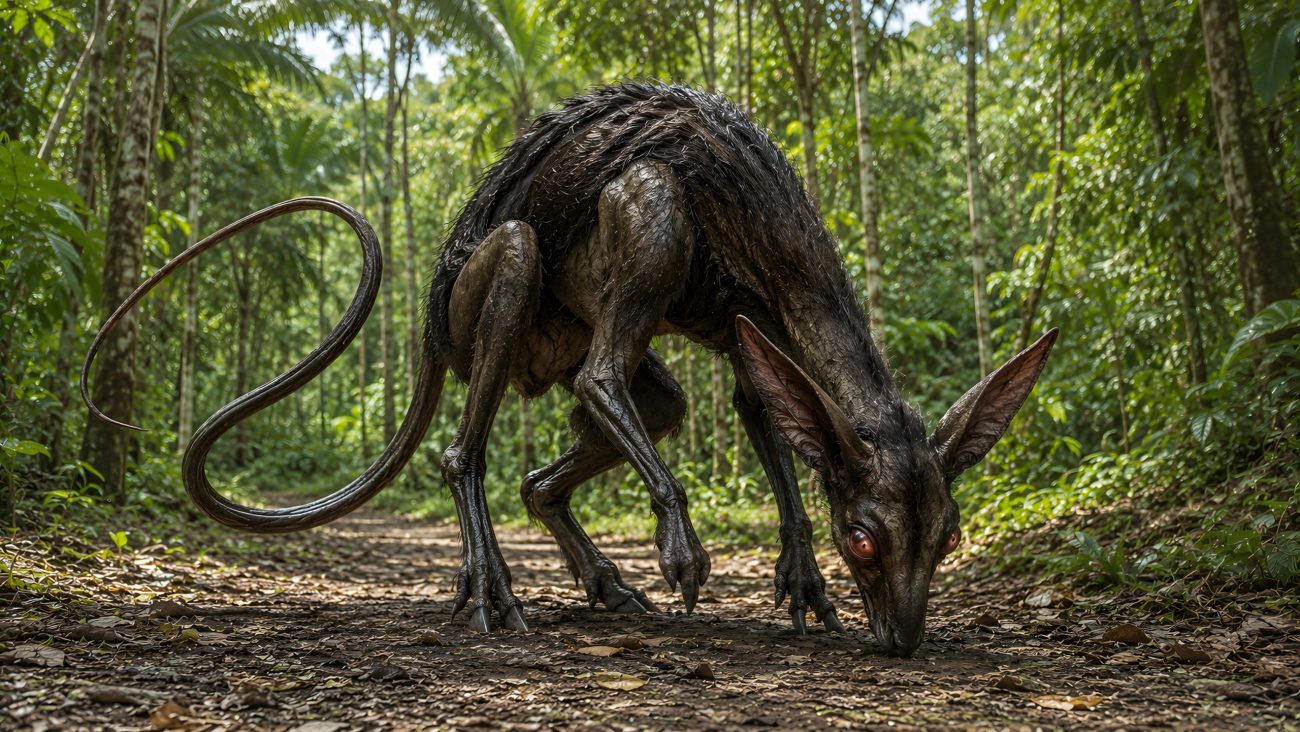
The Sigbin is one of the most feared supernatural creatures in Philippine folklore. It is described as a bizarre, goat-like demon with no horns, enormous bat-like ears, and a long whip-like tail. Rather than walking normally, the Sigbin moves backwards, with its head hanging between its hind legs. Folklore claims that this unnatural posture allows it to become invisible to ordinary humans.

The creature is believed to emerge primarily during Holy Week, especially on Easter, when the boundary between the human and supernatural worlds is thought to weaken. During these nights, the Sigbin leaves its hiding place to hunt, targeting children and unsuspecting travelers. According to legend, it tears out the hearts of its victims, using them to create powerful magical amulets. It is also said to feed on human blood, which it mysteriously draws from a person’s shadow rather than directly from the body.

Unlike many mythical beasts that roam freely, the Sigbin is often portrayed as a creature that can be owned and controlled. Certain families, known as sigbinan, are believed to inherit the ability to command Sigbins through secret magical knowledge. These demons are said to live hidden inside large clay jars during the day and are released only at night. They are also commonly associated with aswang witches, who supposedly keep Sigbins as supernatural servants, guardians, or hunting companions.

Although the Sigbin is deeply rooted in Philippine folklore, some researchers have suggested that its strange appearance may have originated from descriptions of unfamiliar animals, particularly kangaroos, whose upright posture, powerful hind legs, and long tails resemble aspects of the legendary creature. Over time, these observations blended with local supernatural beliefs, transforming the mysterious animal into one of the Philippines’ most enduring demonic legends.

Today, the Sigbin remains one of the best-known creatures in Philippine folklore, remembered as a terrifying nocturnal predator, a servant of witches, and a symbol of hidden supernatural dangers lurking beyond the edge of human sight.


Sources

Bestiary.us. (n.d.). Sigbin. In New Bestiary: Encyclopedia of Imaginary Beings. Retrieved June 28, 2026, from https://www.bestiary.us/sigbin


Headless Priest

Tradition / Region: Costa Rica Mythology, El Salvador Mythology, Guatemala Mythology, Philippine Mythology
Alternative names: El Padre sin Cabeza, El Cura sin Cabeza, Paring Pugot
Category: Ghost


The Myth

The Headless Priest is the spirit of a Catholic priest who died by decapitation. Condemned to wander after death, he appears as a dark figure dressed in clerical robes, carrying no head upon his shoulders. In some tales, his severed head is missing forever; in others, he carries it beneath his arm or searches endlessly for it.

The ghost is most often encountered at night near churches, abandoned chapels, cemeteries, and lonely roads. Travelers and sinners are said to hear the rustling of his robes or the sound of approaching footsteps before seeing the terrible headless figure emerge from the darkness.

Different lands preserve different stories about his fate. In Costa Rica, one tradition tells of a priest who won a fortune in gold and was beheaded while traveling. His spirit now guards the hidden treasure, appearing to anyone who seeks to steal it. Another says he lurks near churches and attacks drunkards and sinners to frighten them into repentance.

In El Salvador, the Headless Priest is believed to enter churches every Friday night in search of his missing head. Some say he died before making his final confession, while others claim he perished during a peasant revolt.

Guatemalan traditions place him among ruined churches and deserted roads, where muleteers and travelers occasionally glimpse the ghost wandering after dark. In Nicaragua, his restless spirit was blamed for earthquakes and floods that struck the old city of León Viejo.

Philippine folklore also remembers the Headless Priest, known as Paring Pugot, as a wandering spectre that appears on lonely roads and near churches, terrifying those who encounter him.

Forever separated from his head and denied peace, the Headless Priest remains one of the most widespread and haunting spirits of Latin American and Philippine folklore, wandering through the night in silent search of what was lost.


Sources

Wikipedia contributors. (n.d.). Headless priest. In Wikipedia. Retrieved June 20, 2026, from https://en.wikipedia.org/wiki/Headless_priest


Mantahungal

Tradition / Region: Philippines Mythology
Alternative Name: –
Category: Cow


The Myth

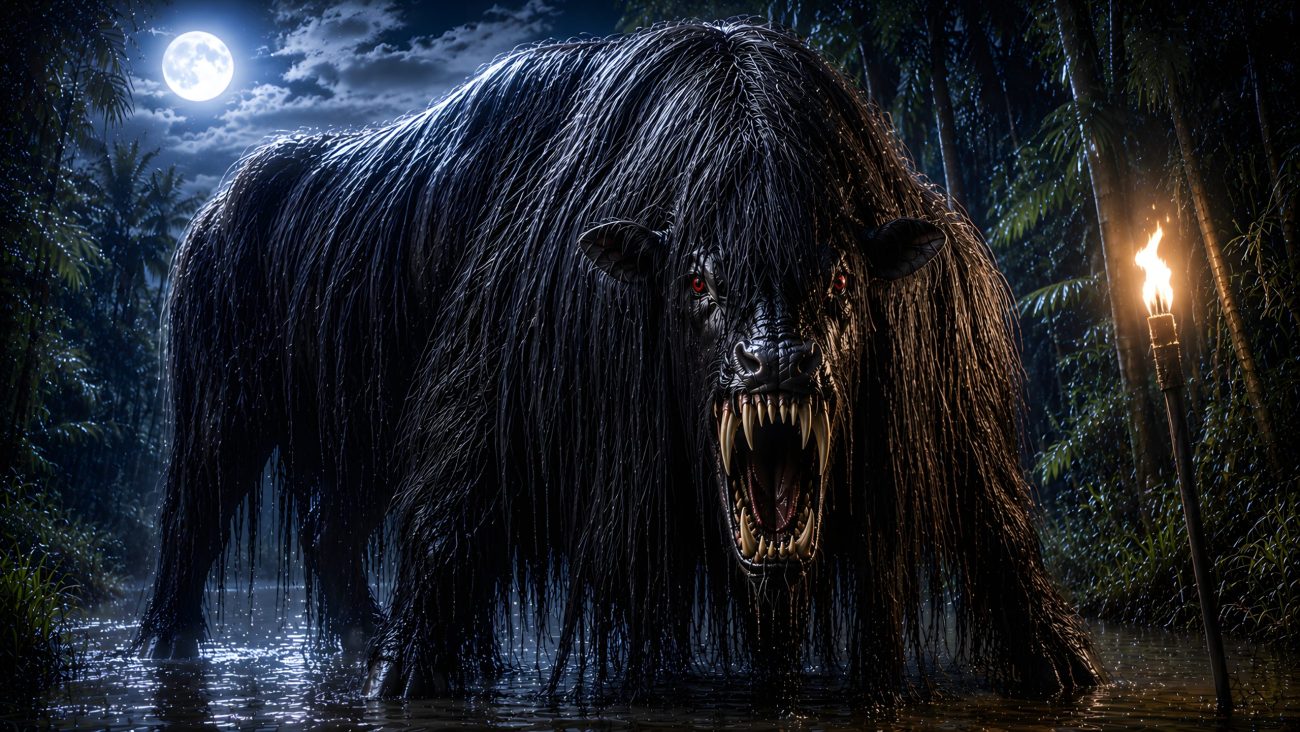
The Mantahungal is a terrifying creature from the folklore of the Tagbanua people of Palawan in the Philippines. It is said to dwell deep within remote mountain forests at high altitudes, far from human settlements.

The creature is usually described as resembling a gigantic hornless cow covered in long shaggy hair that hangs almost to the ground. Despite its cattle-like appearance, the mantahungal possesses a monstrous mouth filled with huge fangs and tusk-like teeth, including massive upper and lower tusks used to tear apart its prey.

According to legend, the mantahungal is a violent predator that hunts humans and animals in the mountain wilderness. It chases down victims through the forest before ripping them apart with its enormous teeth.

Stories describe it as a hidden and feared creature of the highlands, rarely seen but associated with danger, disappearance, and death in isolated forest regions.


Sources

Cryptid Archives. (n.d.). Mantahungal. Retrieved May 10, 2026, from https://cryptidarchives.fandom.com/wiki/Mantahungal

Bestiary.us. (n.d.). Mantakhungal. Retrieved May 10, 2026, from https://www.bestiary.us/mantakhungal/en/


Karango

Tradition / Region: Philippines Mythology
Alternate Names: Carango
Category: Spirit, Forest dweller


The Myth

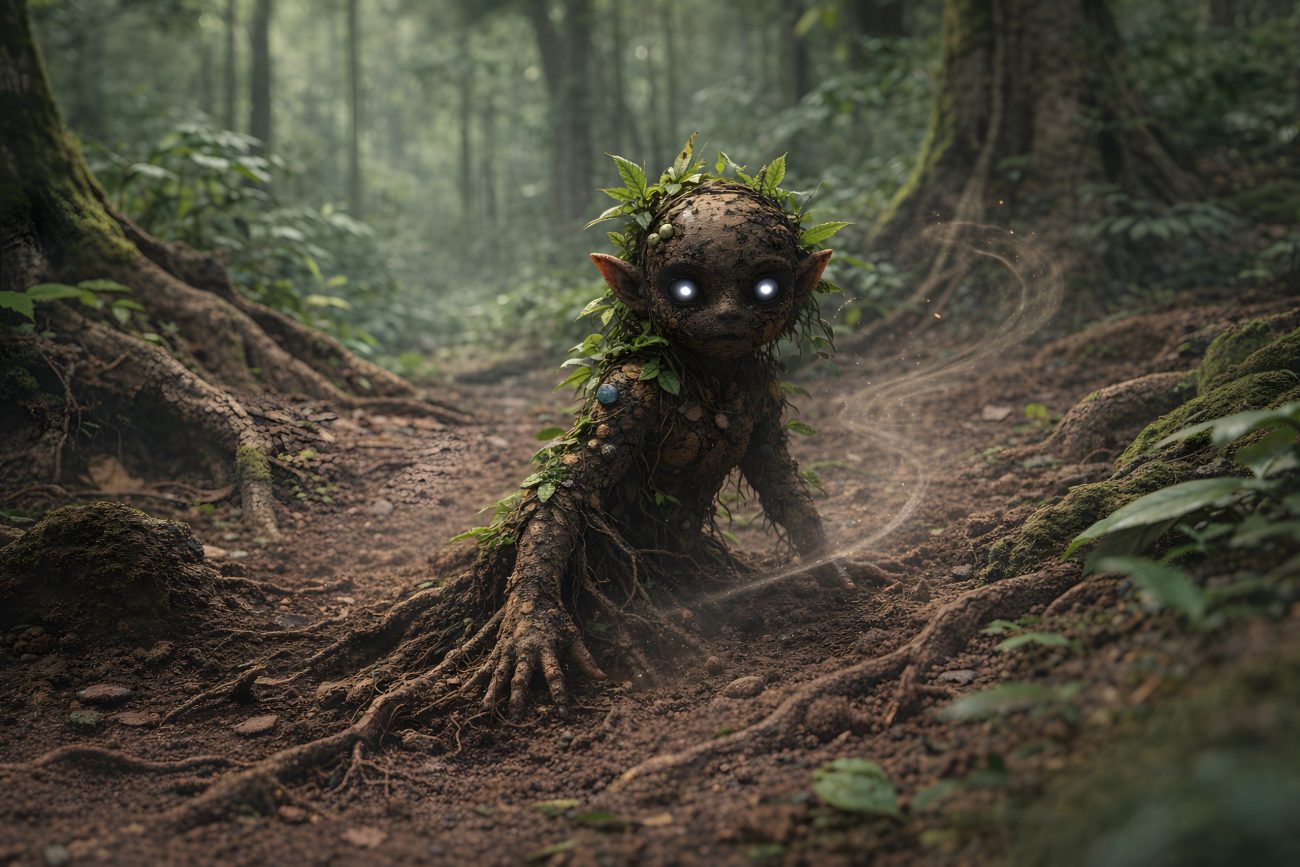
In the folklore of the Ibanag people of northern Luzon, karangos are small nature spirits who dwell throughout the landscape. They inhabit the earth itself, as well as hills, forests, and cultivated fields. These beings are not tied to villages or human structures, but to the land in its natural state.

Karangos are regarded as the true owners of the land. Humans may live, farm, and travel across these places, but the spirits are believed to possess them in a deeper and older sense. Because of this, respect toward the land is essential, and careless or disruptive behavior is considered dangerous.

When summoned by a shaman, karangos are said to answer with a whistling sound, signaling their presence. This sound serves as their form of response rather than speech, marking a boundary between the human and spirit worlds.

Although small, karangos are not harmless. They are known to cause harm to those who disturb their dwellings, whether by damaging the land or failing to observe proper conduct. Their punishment is not described in detail, but their role as guardians of the land makes them figures to be feared as well as respected.

The name Carango appears as a Latinized spelling, but it refers to the same beings known among the Ibanag as karangos—spirits bound to the soil, unseen but ever-present, enforcing the unseen laws of the land they claim as their own.


Gallery


Sources

Bestiary.us contributors. (n.d.). Karango. In Bestiary.us, from https://www.bestiary.us/Karango


Interpretive Lenses

Religious Readings
  • Christian Ascetic Deep Dive
Philosophical Readings
  • Nietzschean Deep Dive
Psychological Readings
  • Jungian Deep Dive
Esoteric Deep Dive
  • Hermetic Deep Dive
Political / Social Readings
  • Marxist Deep Dive
Other
  • How to Invite The Karango

Alan

Tradition / Region: Philippines Mythology
Alternate Names: Alans
Category: Forest dweller, Bird


The Myth

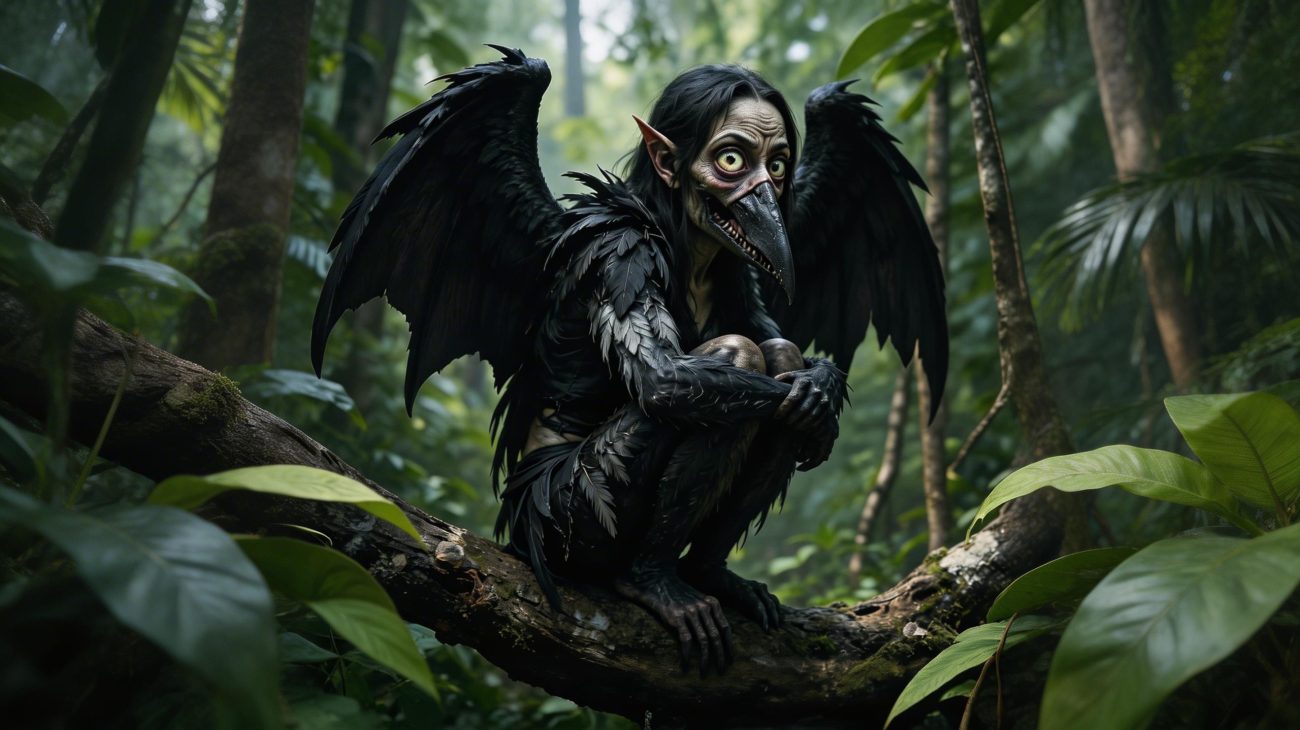
Among the Tingyan people of northwestern Luzon, the Alans are known as wild, winged female spirits who belong to a lower order of supernatural beings. They dwell deep within forests, and at times near rivers, in places seldom visited by humans.

In appearance, the Alans resemble women, but their features are disturbing. Their faces are said to be rough and deeply wrinkled, resembling the hide of a carabao buffalo. They possess wings and are able to fly. Their fingers are inverted, and their toes point backward, emerging from their heels rather than their feet, making them frightening to behold.

The Alans are believed to live in houses much like those of humans, though far more splendid and richly furnished. These dwellings are hidden within the dark forest. At night or when unseen, the Alans are said to hang upside down from tree branches, like bats.

Despite their terrifying appearance, the Alans are credited with a nurturing role. It is believed that when they find drops of menstrual blood, a placenta, or the remains of a miscarriage, they are able to raise a child from it. These children are raised secretly, without the knowledge of their human parents. Once grown, the Alans assist the children throughout their lives, offering help and protection.

Thus, the Alans are remembered not only as fearsome forest spirits, but also as mysterious foster mothers, moving between danger and care, concealment and guardianship.


Sources

Bestiary.us contributors. (n.d.). Eterari. In Bestiary.us, from https://www.bestiary.us/eterari/


Angako-di-Ngato

Tradition / Region: Philippines Mythology
Alternate Names: Angako-De-Ngato
Category: Spirit


The Myth

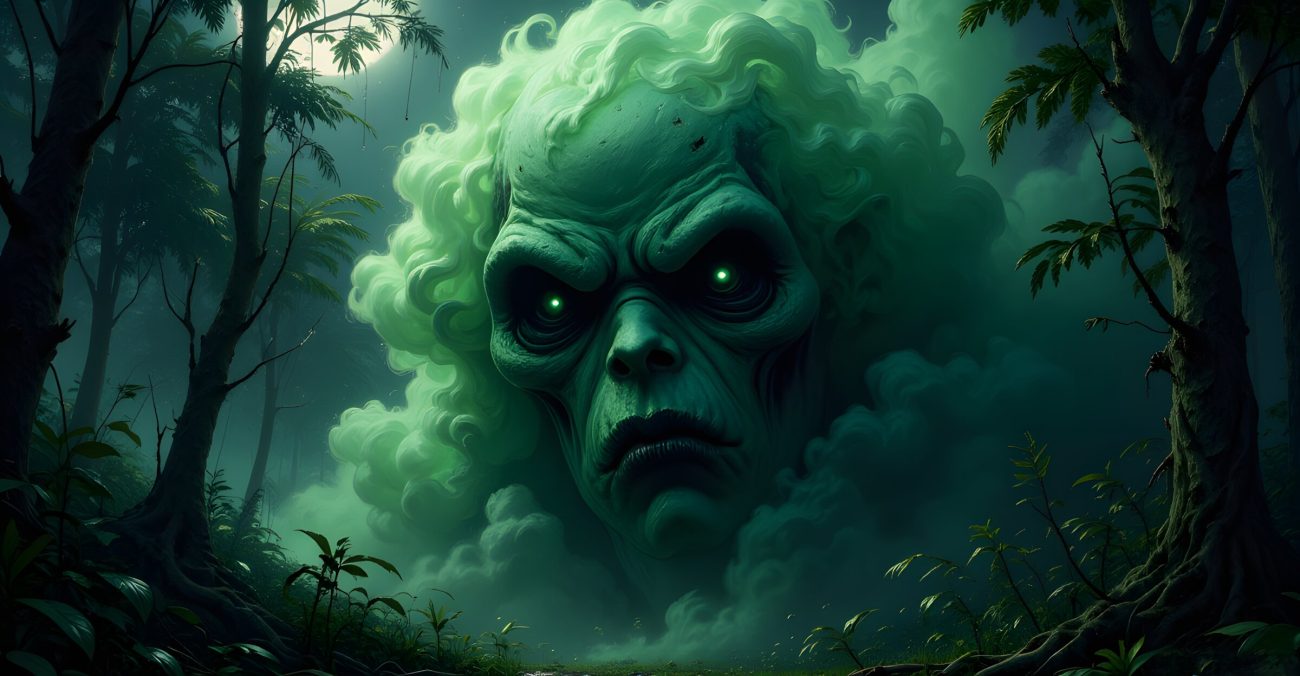
Angako-di-Ngato are spirits feared in the folklore of the Kalinga people of northern Luzon. They are believed to be the cause of illness, afflicting humans with sickness when they draw near or are offended.

When disease strikes without an obvious cause, it is said that Angako-di-Ngato are responsible. These spirits act invisibly, entering the human body or lingering around people, weakening them and bringing suffering.

In Kalinga belief, illness is not merely physical but the result of contact with these malevolent spirits, whose presence disrupts the balance between humans and the unseen world.


Source

Bestiary.us contributors. (n.d.). Angako di Ngato. In Bestiary.us — Mythical Creatures of the World, from https://www.bestiary.us/angako-di-ngato/en