Black Guardian

Tradition / Region: Czech Mythology
Alternate Names:
Category: Dog


The Myth

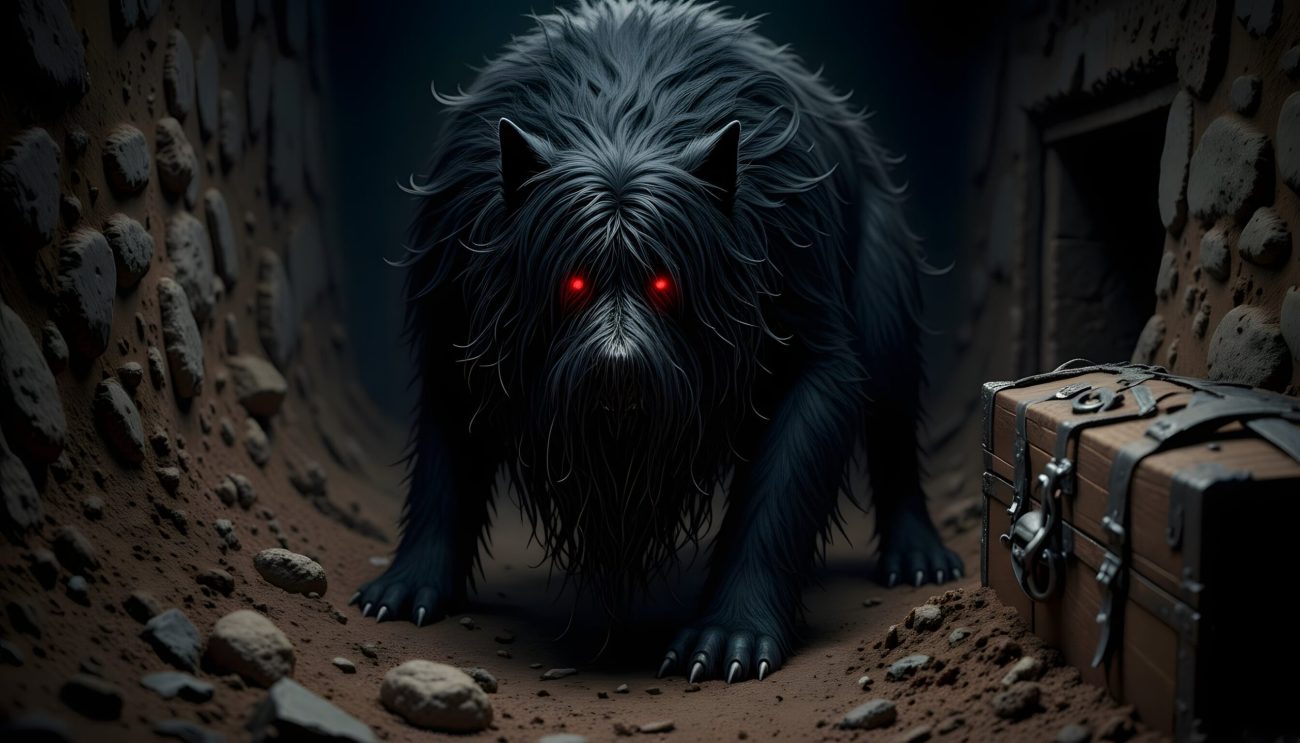
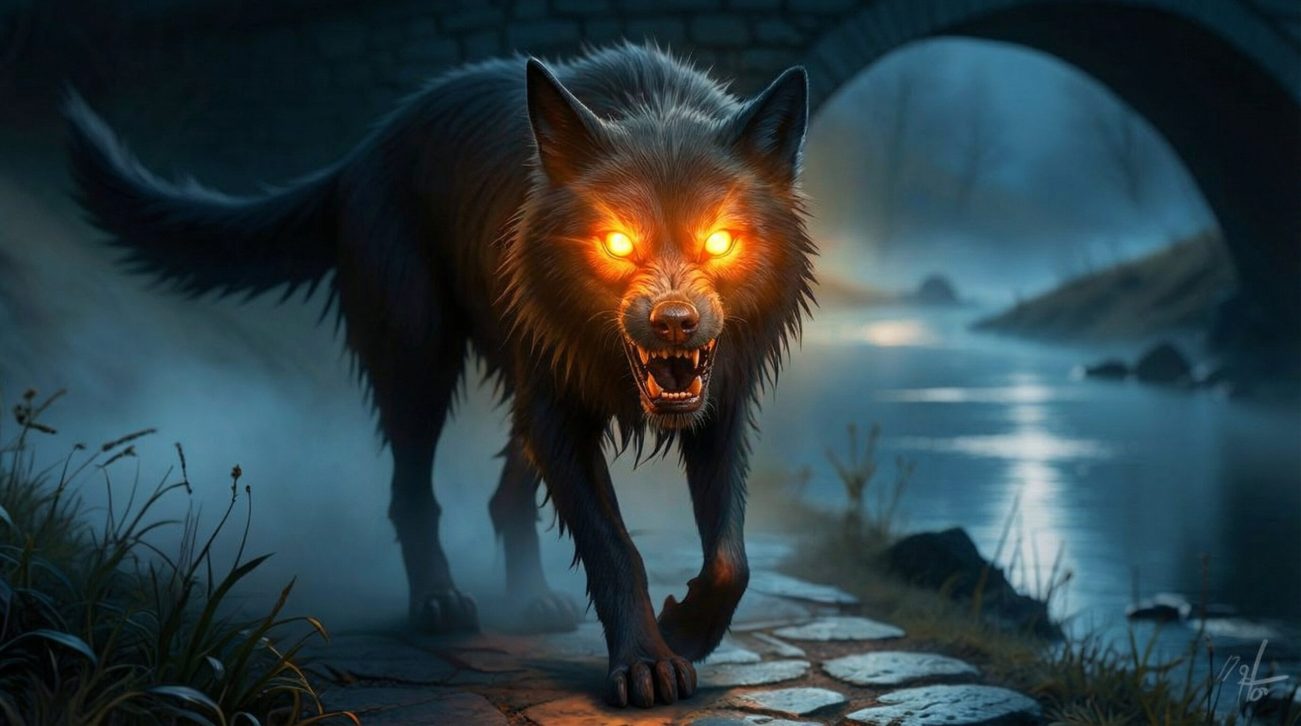
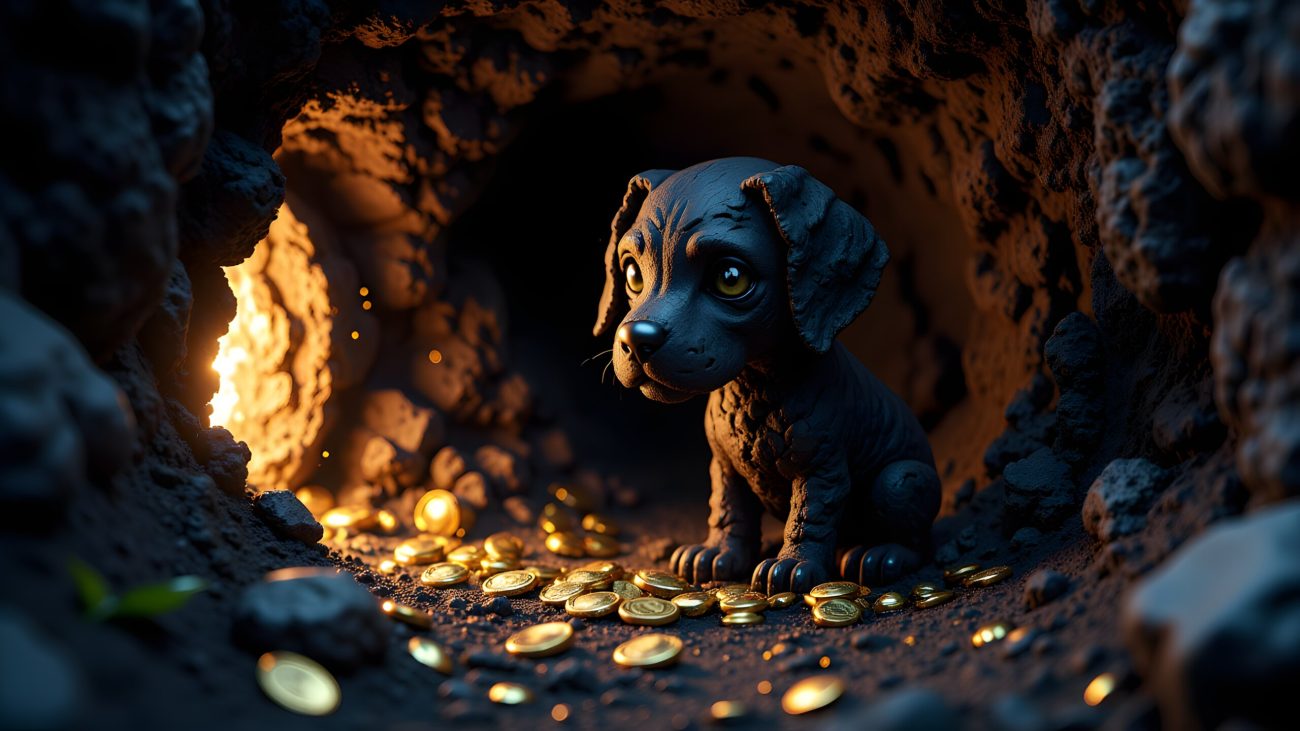
The Black Guardian appears in Czech folklore as a small black dog connected to hidden treasure. It is not merely an animal, but often understood as a suffering or enchanted soul bound to guard riches beneath the beneath the earth.

In one tale, a herdsman driving his cattle on Palm Sunday saw a tiny flame burning near a roadside cross. Digging at the spot, he uncovered a pot filled with ancient coins. Beneath it lay a small black dog, which leapt out joyfully, wagging its tail and affectionately looking at him.

The herdsman, however, cared only for the treasure. He pushed the dog away and cursed it. Instantly, the dog vanished as if swallowed by the earth, and the treasure sank back into the ground. It is said that had he shown kindness—such as kissing the dog—he would have freed a tormented soul and gained the treasure.

In another account, a traveler noticed a blue flame by the roadside and used it to light his pipe. Later, when he emptied the pipe, an old coin fell out, suggesting a link between ghostly fire and hidden wealth.

The Black Guardian thus represents both a protector of treasure and a test of human character: greed leads to loss, while compassion could bring both riches and redemption.


Gallery


Sources

SAGEN.at. (n.d.). Brennende Schätze. Retrieved March 1, 2026, from https://www.sagen.at/texte/sagen/tschechien/watzlik/brennendeschaetze.html.


Interpretive Lenses

Religious Readings
  • Christian Ascetic Deep Dive
Philosophical Readings
  • Nietzschean Deep Dive
Psychological Readings
  • Jungian Deep Dive
Esoteric Deep Dive
  • Hermetic Deep Dive
Political / Social Readings
  • Marxist Deep Dive

Kaukas

Tradition / Region: Lithuanian mythology
Alternate Names: Kaukutis; Kukas; Pūkis; Tranas; Vyrukas; Kūdikis; Aniuolikas
Category: Gnome, House dweller


The Myth

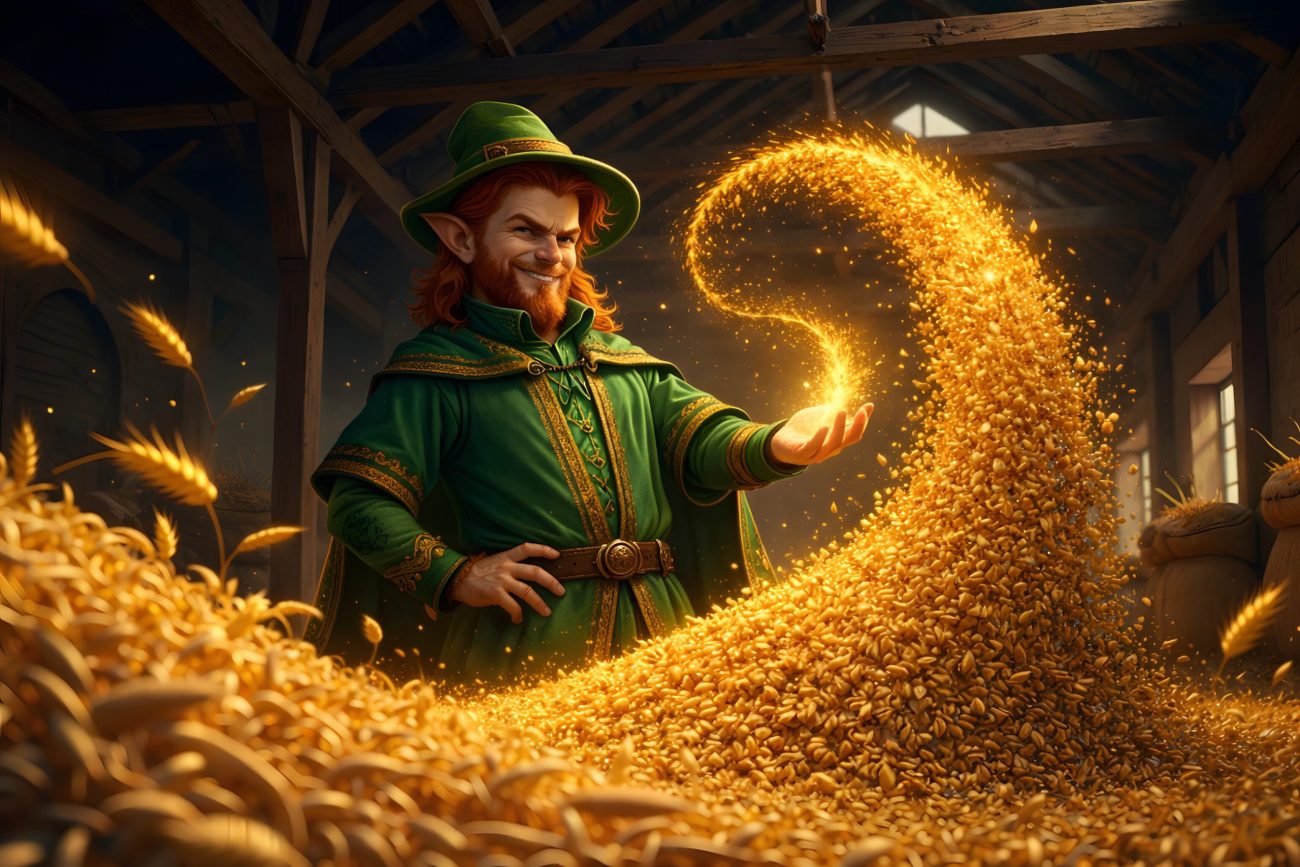
The Kaukas is a small mythological being in Lithuanian mythology, regarded as a spirit of fertility, harvest, and wealth. It appears as a small human-like figure, sometimes described wearing green, blue, or red clothing, and is associated with homesteads.

Kaukai may be male or female, though they are чаще described as male. They live in or visit farm buildings such as barns, granaries, or storage rooms, and increase the household’s goods. They are seen at night in moonlight or during misty days.

They may be invited or arrive on their own. When first appearing, they bring small, seemingly worthless items such as chips, hay, or splinters. If the хозяин accepts these, the kaukai begin to appear regularly.

Kaukai are mortal and can be destroyed by fire or struck by Perkūnas. They are fed with agricultural products such as bread, milk, and ritual beer, and in return they bring goods. They do not bring money, but objects and resources found in unused places or gathered from fields, as well as riches from beneath the earth.

They are connected to spring festivals later known as Užgavėnės, where masked rituals were performed. Kaukai are also associated with other similar beings such as barstukai and bezdukai, and are sometimes described as underground or dwelling beneath water, emerging to help good people.


Gallery


Sources

Wikipedia contributors. (n.d.). Kaukas. In Wikipedia. Retrieved March 1, 2026, from https://lt.wikipedia.org/wiki/Kaukas.


Interpretive Lenses

Religious Readings
  • Christian Ascetic Deep Dive
Philosophical Readings
  • Nietzschean Deep Dive
Psychological Readings
  • Jungian Deep Dive
Esoteric Deep Dive
  • Hermetic Deep Dive
Political / Social Readings
  • Marxist Deep Dive

Menehune

Tradition / Region: Hawaiian Mythology, American Mythology
Alternate Names:
Category: Dwarf, Gnome


The Myth

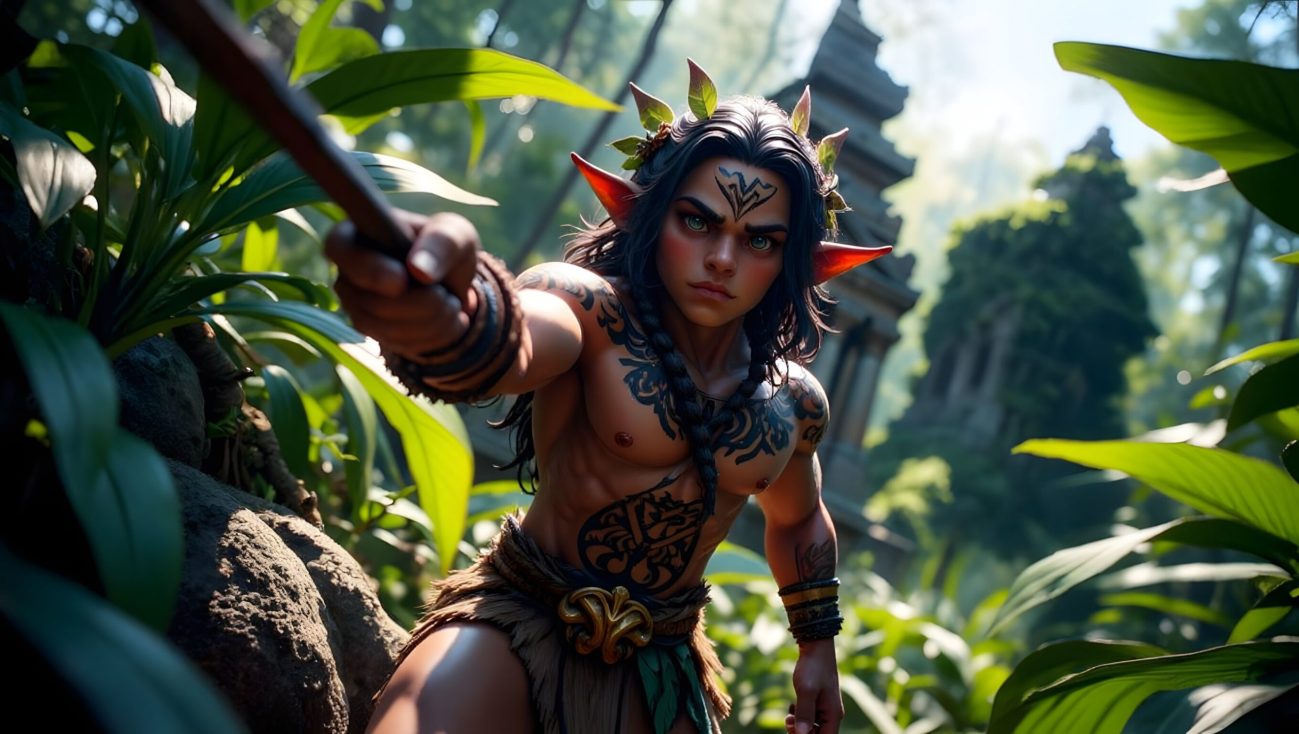
The Menehune are described as a race of small, dwarf-like people living in the deep forests and hidden valleys of the Hawaiian Islands. They are known as skilled builders and craftsmen who work at night and remain unseen by most humans.

The Menehune are said to have lived in Hawaiʻi before settlers from Polynesia arrived. They dwell far from human settlements, in forests and caves, and sustain themselves on forest plants, bananas, and fish. They are described as being about two feet tall.

They are known for their craftsmanship, building temples, fishponds, roads, canoes, and houses. These works are said to be constructed during the night, and if the work is not completed before dawn, it is left unfinished. They appear only at night, and only their children or humans connected to them are able to see them.


Gallery


Sources

Wikipedia contributors. (n.d.). Menehune. In Wikipedia. Retrieved March 1, 2026, from https://en.wikipedia.org/wiki/Menehune.


Interpretive Lenses

Religious Readings
  • Christian Ascetic Deep Dive
Philosophical Readings
  • Nietzschean Deep Dive
Psychological Readings
  • Jungian Deep Dive
Esoteric Deep Dive
  • Hermetic Deep Dive
Political / Social Readings
  • Marxist Deep Dive

Klabautermann

Tradition / Region: Frisian, German, and Dutch Mythology
Alternate Names: Kalfater; Klabautermännchen; Kaboutermanneken
Category: Gnome


The Myth

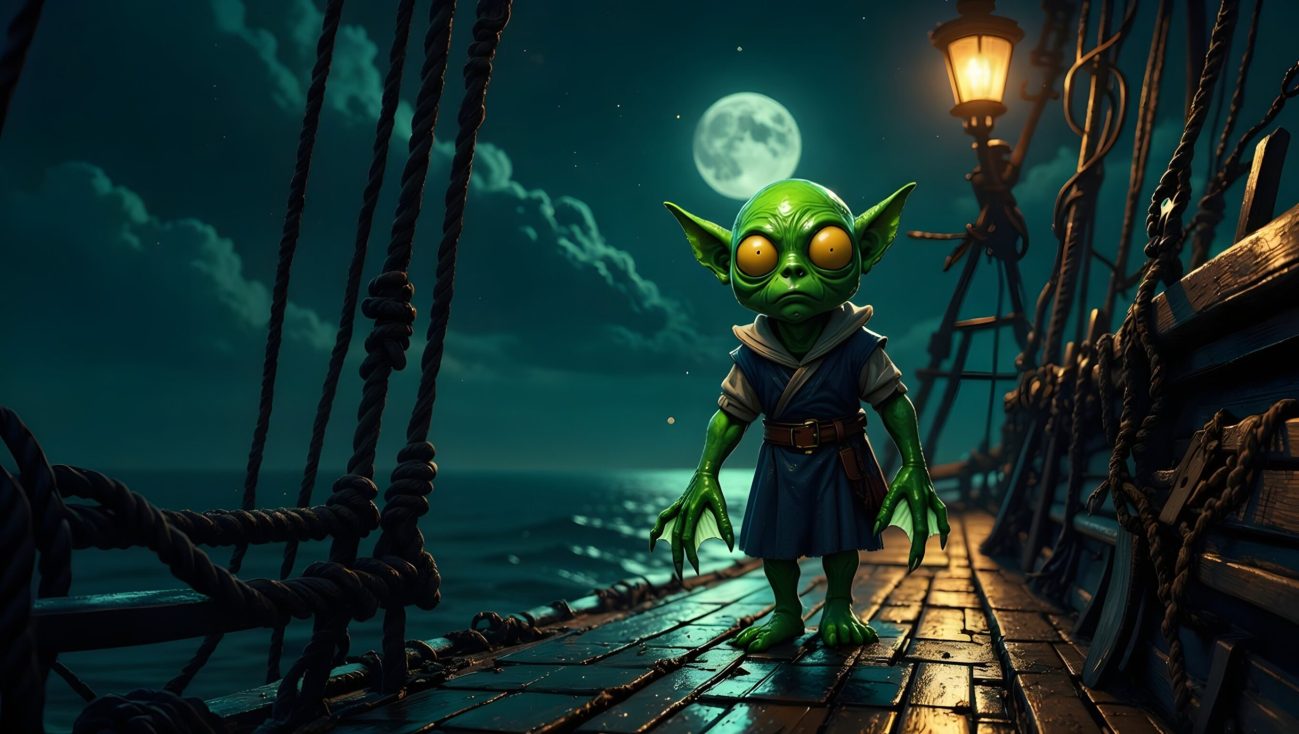
The Klabautermann is a water kobold associated with ships, appearing as a small humanlike figure or sometimes as a ship’s carpenter. It is linked to the wood of the vessel and is rarely seen, as its appearance is considered an ill omen.

The Klabautermann lives within the wood of a ship and assists sailors and fishermen with their duties. It may pump water from the hold, arrange cargo, repair damage, and work at night to fix broken objects. It is often said to sit beneath the capstan. Its presence protects the ship from danger such as illness, fire, or attack, and ensures the vessel remains seaworthy.

It appears only rarely to humans, and seeing it is considered bad luck. It may be seen as a small figure with a pipe, wearing a sailor’s cap and a red or grey jacket, though descriptions vary. It can also appear in the form of the ship’s carpenter.

The spirit reacts to the behavior of the crew. If treated with respect, it continues its helpful work. If angered, it creates disturbances, tangles ropes, makes noise, and damages objects. When the ship is beyond saving, the Klabautermann becomes restless, making loud sounds, running through the ship, or leaving it. Its departure signals that the vessel is doomed to sink.


Gallery


Sources

Wikipedia contributors. (n.d.). Klabautermann. In Wikipedia. Retrieved March 1, 2026, from https://en.wikipedia.org/wiki/Klabautermann.


Interpretive Lenses

Religious Readings
  • Christian Ascetic Deep Dive
Philosophical Readings
  • Nietzschean Deep Dive
Psychological Readings
  • Jungian Deep Dive
Esoteric Deep Dive
  • Hermetic Deep Dive
Political / Social Readings
  • Marxist Deep Dive

St. Mamerten Hound

Tradition / Region: Liechtenstein Mythology
Alternate Names:
Category: Dog


The Myth

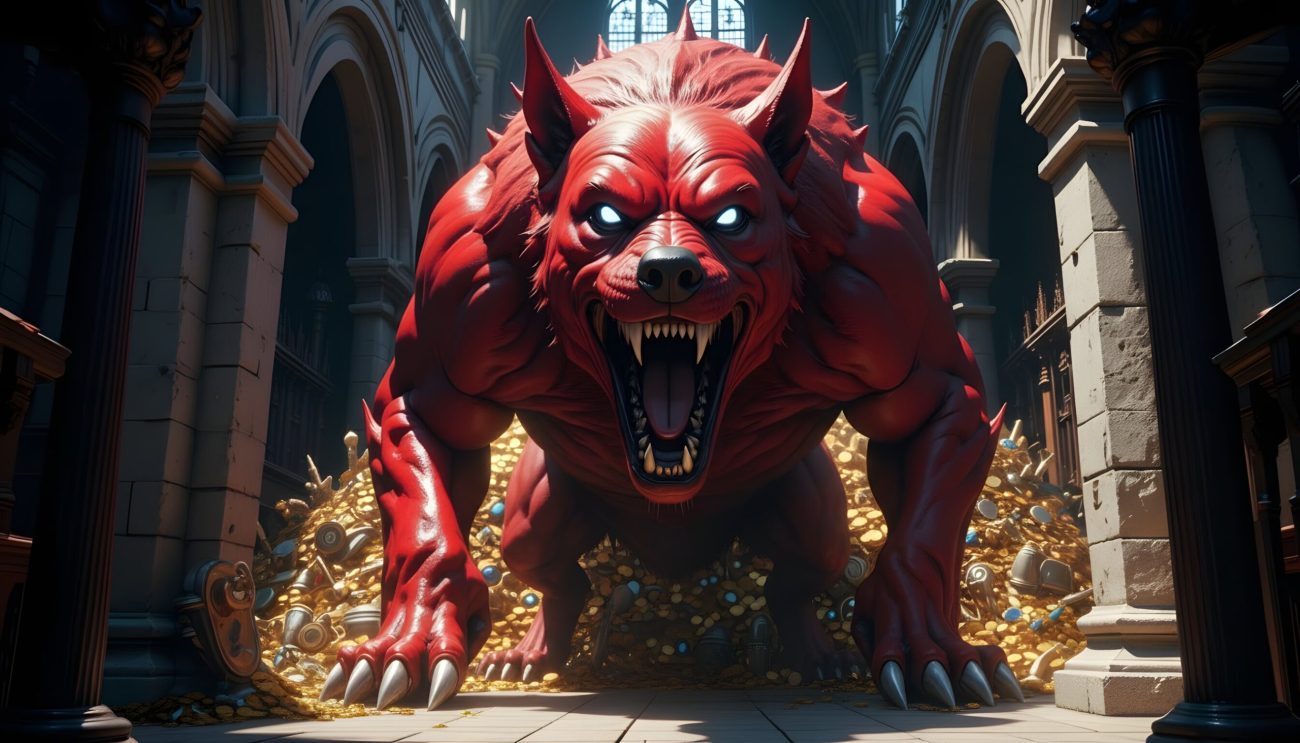
The St. Mamerten Hound appears as a dog with fiery eyes that sits upon a chest of gold inside the church of St. Mamerten, preventing it from being taken.

One evening, a young man from Triesen went into the church of St. Mamerten to pray. Suddenly, a spirit appeared to him and said that if he wanted to become rich, he should return at midnight with two other young men. He would see a chest full of gold, and on it would sit a dog. If they threw the dog down, all the gold would belong to them.

The next evening, the young man returned with two friends, and they knelt one behind the other in the pews. When the church bell struck midnight, the chest with the dog appeared. The young man in the front pew stood up and tried to throw the animal down, but it leaped up, stared at him with fiery eyes, barked and howled, and jumped from one side of the chest to the other. He called for help, and the second came, but he also failed. They then called the third, but he said in a trembling voice that he was afraid.

At that moment, they heard a piercing scream, and the dog and the chest disappeared. The spirit that had first appeared returned, wept, and cried out that he must now wait another hundred years before he could ask someone for help again.

It became completely dark in the church, and the friends could not move and had to remain inside until the sexton came to ring the morning bell.


Gallery


Sources

Tyz-Yokai Blog. (n.d.). Beaked Dog. Retrieved March 1, 2026, from https://tyz-yokai.blog.jp/archives/1069207156.html


Interpretive Lenses

Religious Readings
  • Christian Ascetic Deep Dive
Philosophical Readings
  • Nietzschean Deep Dive
Psychological Readings
  • Jungian Deep Dive
Esoteric Deep Dive
  • Hermetic Deep Dive
Political / Social Readings
  • Marxist Deep Dive

Maraunberg Black Dog

Tradition / Region: Austrian Mythology
Alternate Names:
Category: Dog


The Myth

The Maraunberg Black Dog is described in connection with buried treasure on the Maraunberg near St. Veit. It appears as a black dog with fiery eyes that manifests when the treasure is uncovered.

Precious treasures are said to be buried in the Maraunberg near St. Veit; no one has yet succeeded in lifting them, although many have tried their luck.

At the right hour, three men once went into the forest with spades and shovels and, after reciting the incantation, began to dig. At last they came upon a large iron box; they cleared away the rubble and were about to lift the treasure when a black dog suddenly sat before them, staring at them with fiery eyes. Frightened, they threw their tools aside and fled; from afar they still heard sighing and weeping. Then the treasure sank back into the depths.


Gallery


Sources

Tyz-Yokai Blog. (n.d.). Beaked Dog. Retrieved March 1, 2026, from https://tyz-yokai.blog.jp/archives/1069207156.html


Interpretive Lenses

Religious Readings
  • Christian Ascetic Deep Dive
Philosophical Readings
  • Nietzschean Deep Dive
Psychological Readings
  • Jungian Deep Dive
Esoteric Deep Dive
  • Hermetic Deep Dive
Political / Social Readings
  • Marxist Deep Dive

Umi-inu

Tradition / Region: Japanese Mythology (Tosa, Wakayama, coastal regions)
Alternate Names: Sea Dog
Category: Dog


The Myth

Umi-inu, the “sea dog,” is a mysterious creature said to dwell in coastal waters and harbors. It is rarely seen, but its presence is known through the damage it leaves behind.

One tale tells of a port official who went fishing one night. While he was out at sea, the water suddenly grew rough and waves rose violently. From the bow of his boat he heard a strange sound, as if something had clung to the wood and was gnawing at it. Fearing for his life, he rowed back to shore as quickly as he could.

The next morning, he examined the boat and found deep bite marks on the bow, each several inches wide. No one could explain them, but an old man declared that they must have been made by a sea dog.

Another story tells of a fisherman whose boat was seized in the night by something beneath the water. The vessel would not move no matter how he struggled. Only after he prayed repeatedly did the grip loosen and allow him to return home. When the rudder was inspected the next day, it bore several deep tooth marks, and two broken teeth were found embedded in the wood. The teeth were unusually white, one small and one large, and no one could identify what creature they belonged to.

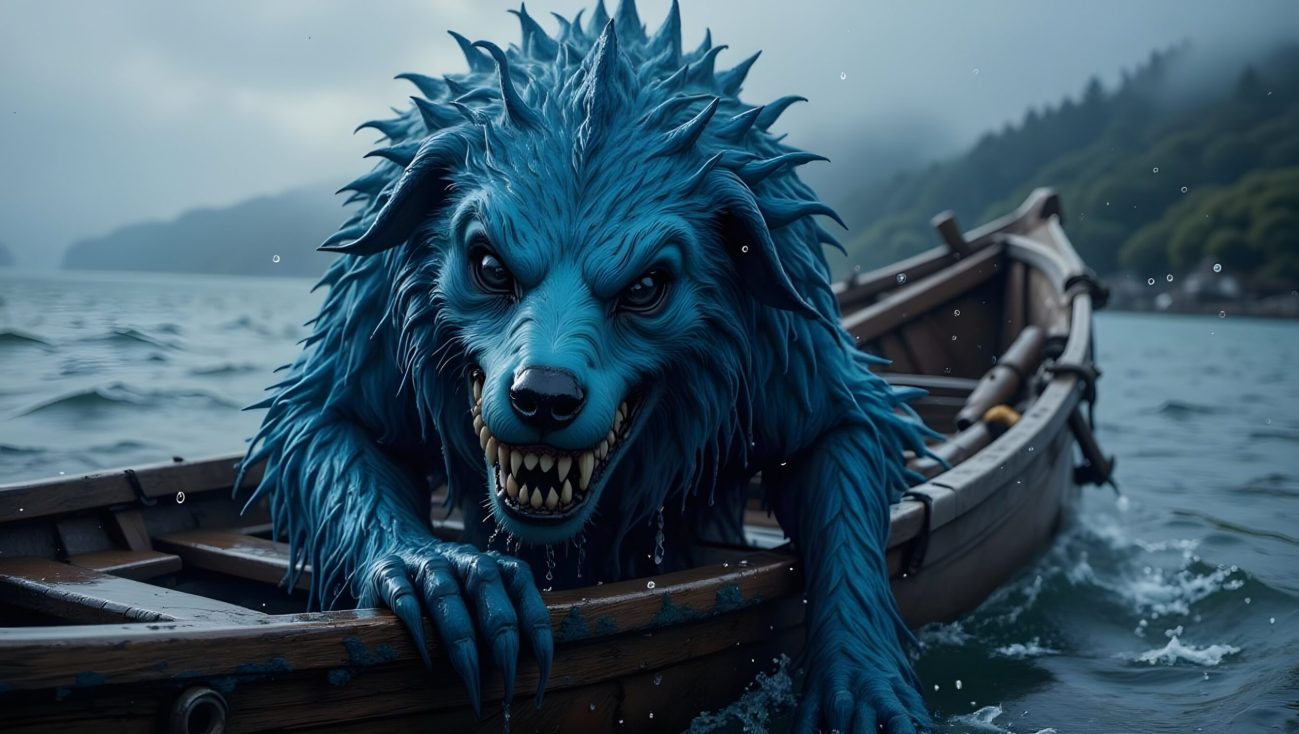
In the Kumano region, a related belief speaks of a blue sea dog, said to be the spirit of a drowned child that wanders the ocean. It moves unseen beneath the waves and may approach boats in silence.

Because of these tales, fishermen feared the unseen creature of the water, believing that when something struck a boat from below, it might be the work of the Umi-inu.


Gallery


Sources

Tyz-Yokai Blog. (n.d.). Umi-inu. Retrieved March 1, 2026, from https://tyz-yokai.blog.jp/archives/1069165897.html


Interpretive Lenses

Religious Readings
  • Christian Ascetic Deep Dive
Philosophical Readings
  • Nietzschean Deep Dive
Psychological Readings
  • Jungian Deep Dive
Esoteric Deep Dive
  • Hermetic Deep Dive
Political / Social Readings
  • Marxist Deep Dive

Luison

Tradition / Region: Paraguay Mythology
Alternate Names: Luisõ, Luisón, Lobizón
Category: Dog


The Myth

Luison is one of the seven monstrous sons born to Tau, a spirit of evil, and Kerana, a mortal woman. Of their seven children, Luison is the seventh and most accursed. He is feared throughout Guaraní tradition and in parts of Paraguay, Argentina, and neighboring regions.

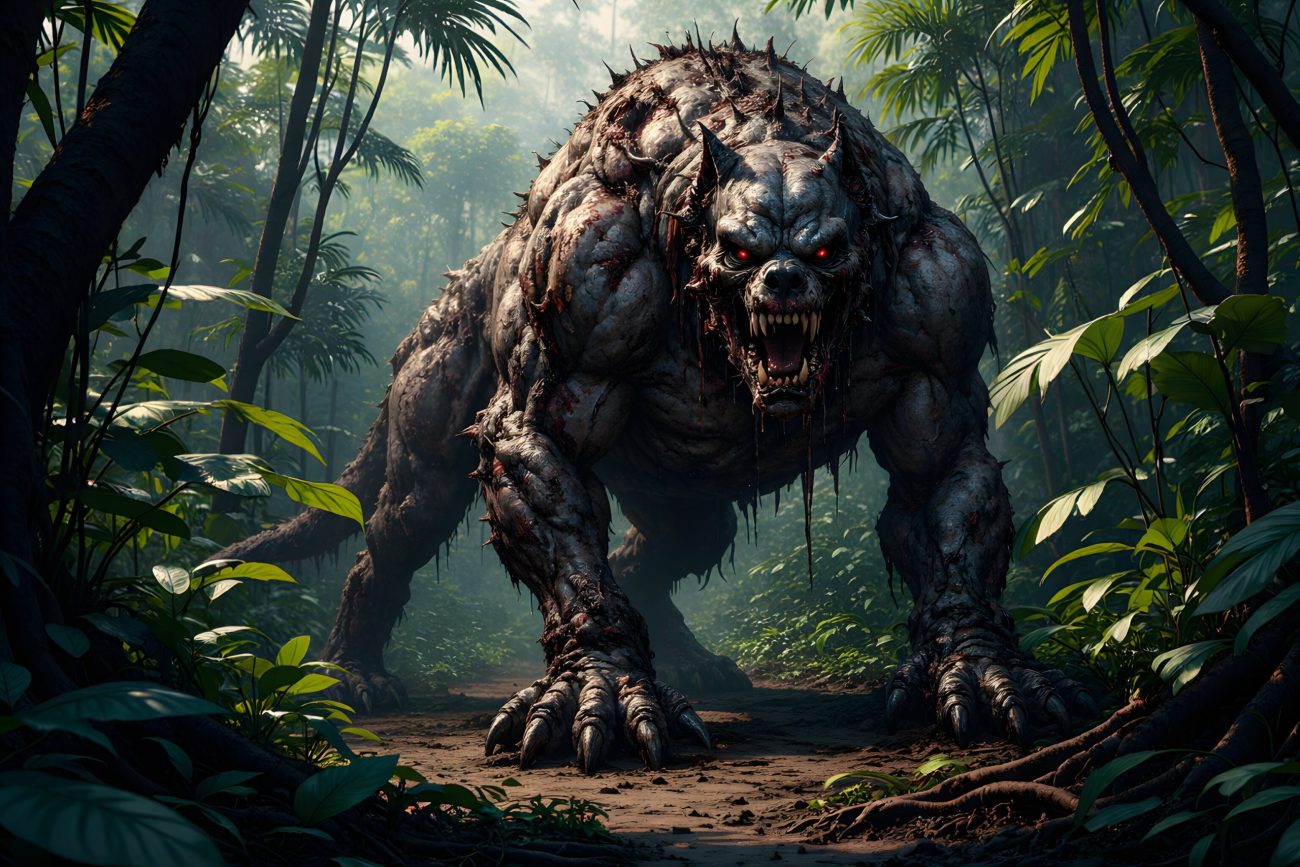
Luison appears as a hideous, giant dog-like creature, grotesque in form and repulsive to behold. He prowls at night, haunting graveyards and lonely places, feeding on carrion and the corruption of the dead.

According to the legend, the curse did not remain only with the original beast. It spread into the human world. Families believed that if a household had seven sons in succession, the youngest would be destined to become Luison. On his thirteenth birthday, the transformation would begin. The boy would change into a monstrous dog-creature and wander the night, driven by hunger and doom.

Because of this belief, traditions arose to prevent the curse. In some regions, the seventh son would be given special protection, baptized with powerful rituals, or even adopted by a godfather of high status so the curse could be broken.

Though feared as a devourer of the dead, Luison is also remembered as a tragic figure — a being born not by choice, but by fate, condemned to roam between the worlds of the living and the dead.


Gallery


Sources

Wikipedia contributors. (n.d.). Luison. In Wikipedia, from https://en.wikipedia.org/wiki/Luison


Interpretive Lenses

Religious Readings
  • Christian Ascetic Deep Dive
Philosophical Readings
  • Nietzschean Deep Dive
Psychological Readings
  • Jungian Deep Dive
Esoteric Deep Dive
  • Hermetic Deep Dive
Political / Social Readings
  • Marxist Deep Dive

Dip

Tradition / Region: Catalan Mythology, Spanish Mythology
Alternate Names:
Category: Dog, Vampire


The Myth

In the traditions of Catalonia there was said to be a dreadful creature known as Dip.

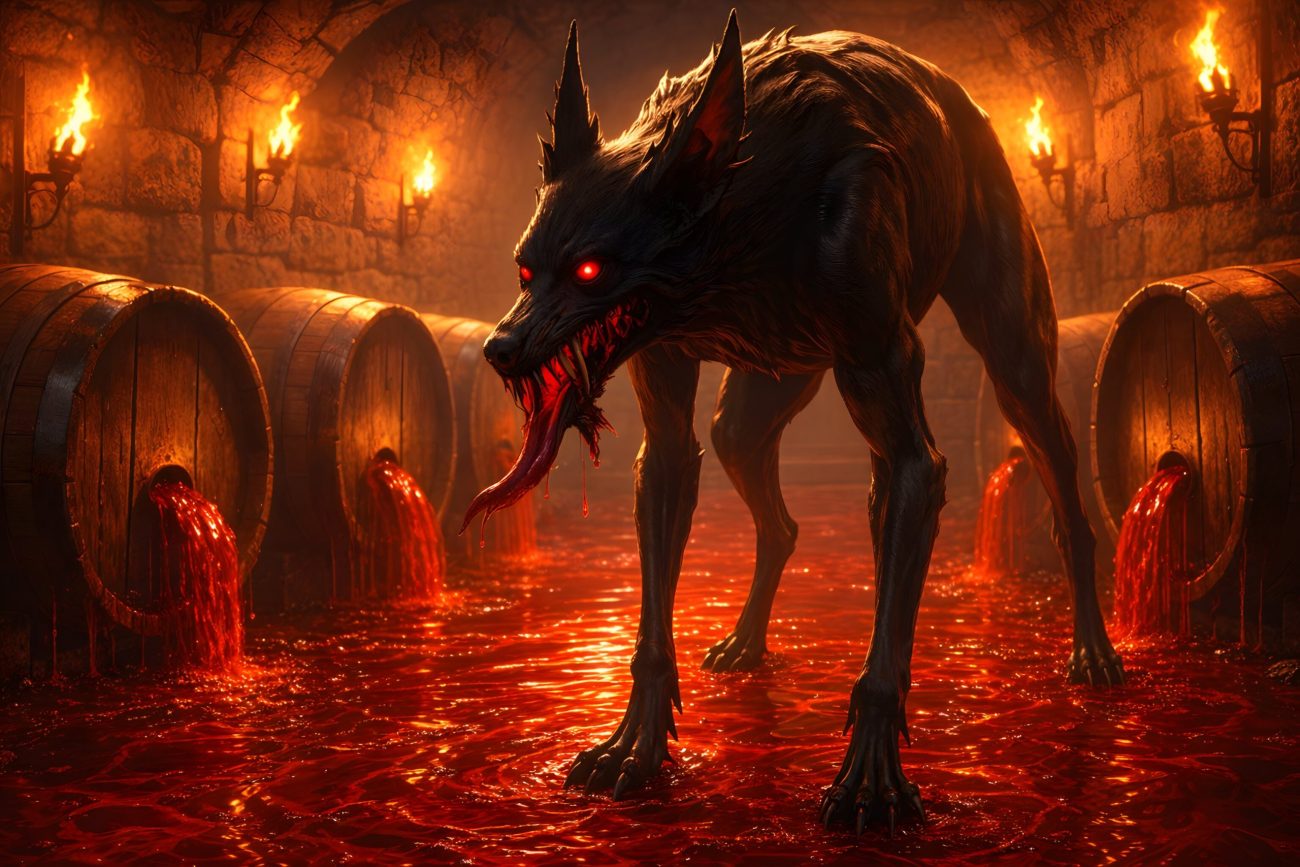
Dip was imagined as a black hellhound, a servant of the Devil who prowled the night in search of blood. He was not a perfect beast, for he was said to limp, lame in one leg, a mark that set him apart from ordinary dogs and revealed his infernal nature.

He was believed to haunt the lands around the village of Pratdip. When night fell, people spoke of glowing eyes watching from the darkness. The creature was said to attack cattle, sucking their blood, and to prey upon unlucky travelers. Some tales warned that drunken men returning from taverns were especially at risk, for the hellhound favored those wandering alone through the night.

Images of these terrible dogs appeared in religious artworks centuries ago, showing that the legend was already old by the early modern period. Over time the story became closely tied to the village itself, and people said its very name came from the presence of these creatures.

Though the fear of Dip faded and the sightings ceased, the memory of the blood-drinking hound remained. He was remembered as a shadow of the night, a limping black dog whose glowing eyes warned of danger and whose hunger for blood made him one of the most feared beasts of Catalan lore.


Gallery


Sources

Wikipedia contributors. (n.d.). Dip (Catalan myth). In Wikipedia, from https://en.wikipedia.org/wiki/Dip_(Catalan_myth)


Interpretive Lenses

Religious Readings
  • Christian Ascetic Deep Dive
Philosophical Readings
  • Nietzschean Deep Dive
Psychological Readings
  • Jungian Deep Dive
Esoteric Deep Dive
  • Hermetic Deep Dive
Political / Social Readings
  • Marxist Deep Dive
Other
  • How to Invite The Kuygorozh

Augenbrand

Tradition / Region: Swiss Mythology
Alternate Names:
Category: Dog


The Myth

In the legends of the Jura region of Switzerland, people once spoke of a black dog known as Augenbrand.

He was said to haunt the area near the old bridge at Soyhières over the river Birs. The bridge has long since vanished, but the stories of the creature that wandered there remained. Augenbrand was described as a large black dog with burning, fiery eyes whose glow could be seen in the dark from far away. It was from these blazing eyes that he took his name.

The spirit was believed to be bound to the fate of his master, Count Rodolphe de Sogren, lord of the nearby castle. The count had been murdered in the year 1233, and after his death the dog was said to roam the countryside, searching endlessly for him.

Travelers passing the bridge or nearby roads at night sometimes claimed to see the glowing-eyed hound moving through the darkness. Others felt they were being followed, hearing movement behind them on the path. Those who strayed too far or wandered uncertainly were said to be pursued by the creature as it searched the land for the master it had lost.

Stories from the region tell that strange sounds were often heard near the castle grounds in summer nights — and among these tales was the recurring sight of the fiery-eyed dog wandering restlessly below the ruins.

Thus Augenbrand was remembered as a ghostly hound of Jura, forever roaming the place of his lord’s death, his burning eyes searching the night for the master he would never find again.


Gallery


Sources

Wikipedia contributors. (n.d.). Augenbrand. In Wikipedia, from https://en.wikipedia.org/wiki/Augenbrand


Interpretive Lenses

Religious Readings
  • Christian Ascetic Deep Dive
Philosophical Readings
  • Nietzschean Deep Dive
Psychological Readings
  • Jungian Deep Dive
Esoteric Deep Dive
  • Hermetic Deep Dive
Political / Social Readings
  • Marxist Deep Dive