Teakettler

Tradition: American Mythology
Alternative Names: None known
Category: Forest Dweller


The Myth

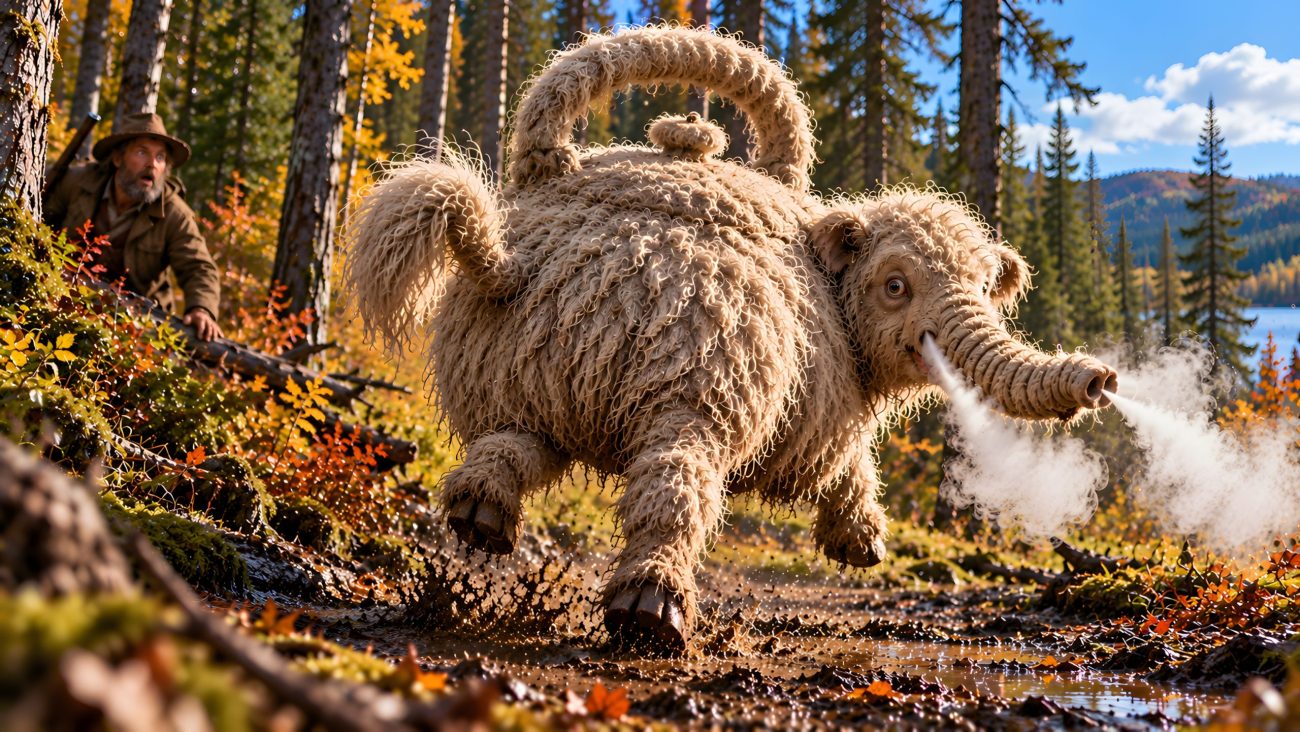
The Teakettler is a small, elusive woodland creature named after the peculiar sound it makes, which resembles the whistling hiss of a boiling teakettle. Clouds of steam pour from its nostrils as it moves through the forest, giving it an unusual appearance and making its presence known even when the animal itself remains hidden.

Unlike ordinary animals, the Teakettler prefers to walk backward rather than forward. It is rarely seen, and only a handful of woodsmen have ever claimed to encounter one. Its strange call, steaming nostrils, and backward gait make it one of the more unusual creatures said to inhabit the North American wilderness.


Sources

Schwartz, Alvin, and Glen Rounds. Kickle Snifters and Other Fearsome Critters. New York: Bantam Books, 1978. Originally published in 1976. https://archive.org/details/kicklesniftersot00schw


Nasalik

Tradition: Inuit Mythology, Canadian Mythology, Greenlandic Mythology
Alternative Names: None known
Category: Forest Dweller


The Myth

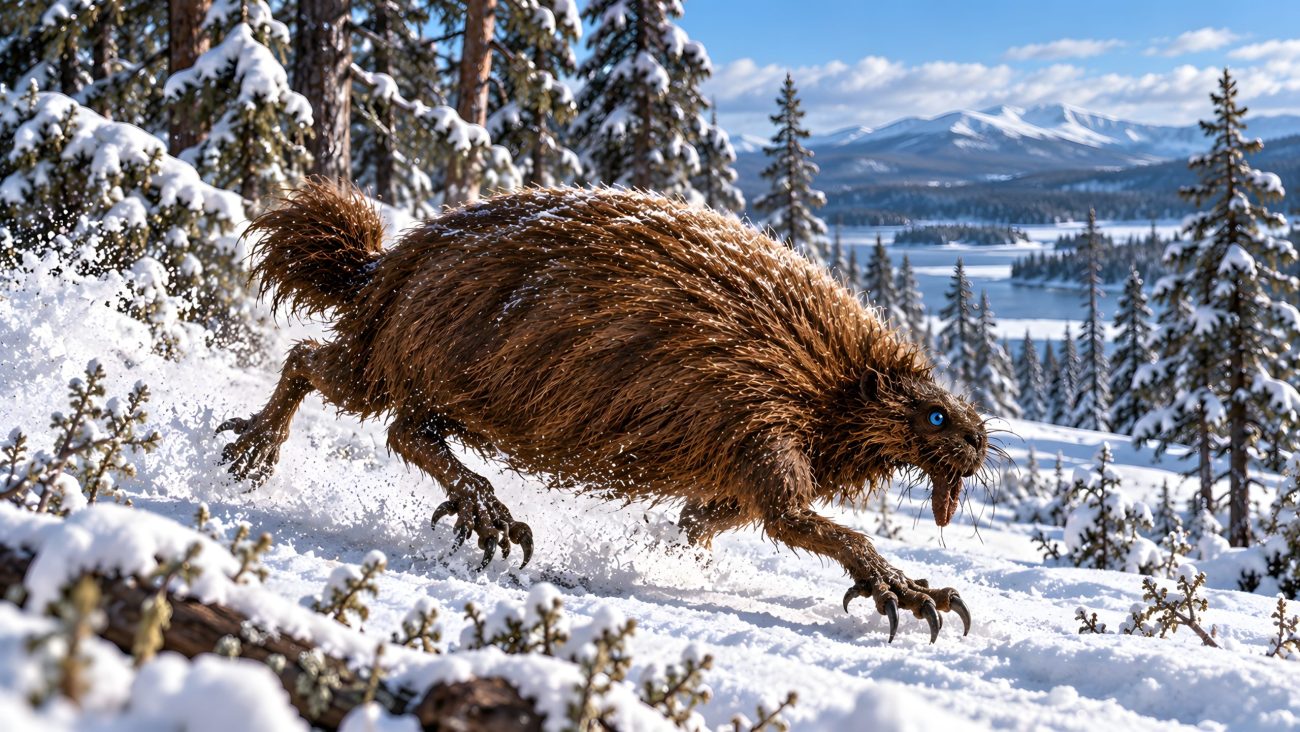
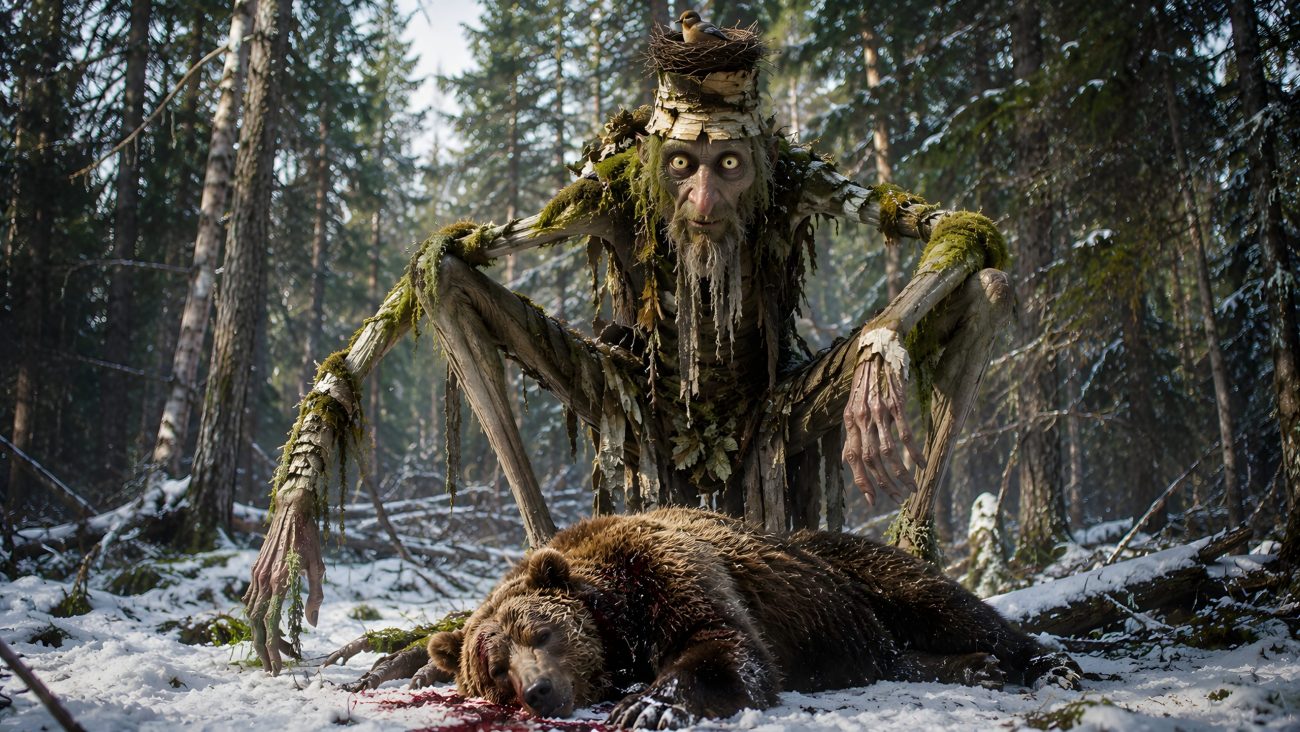
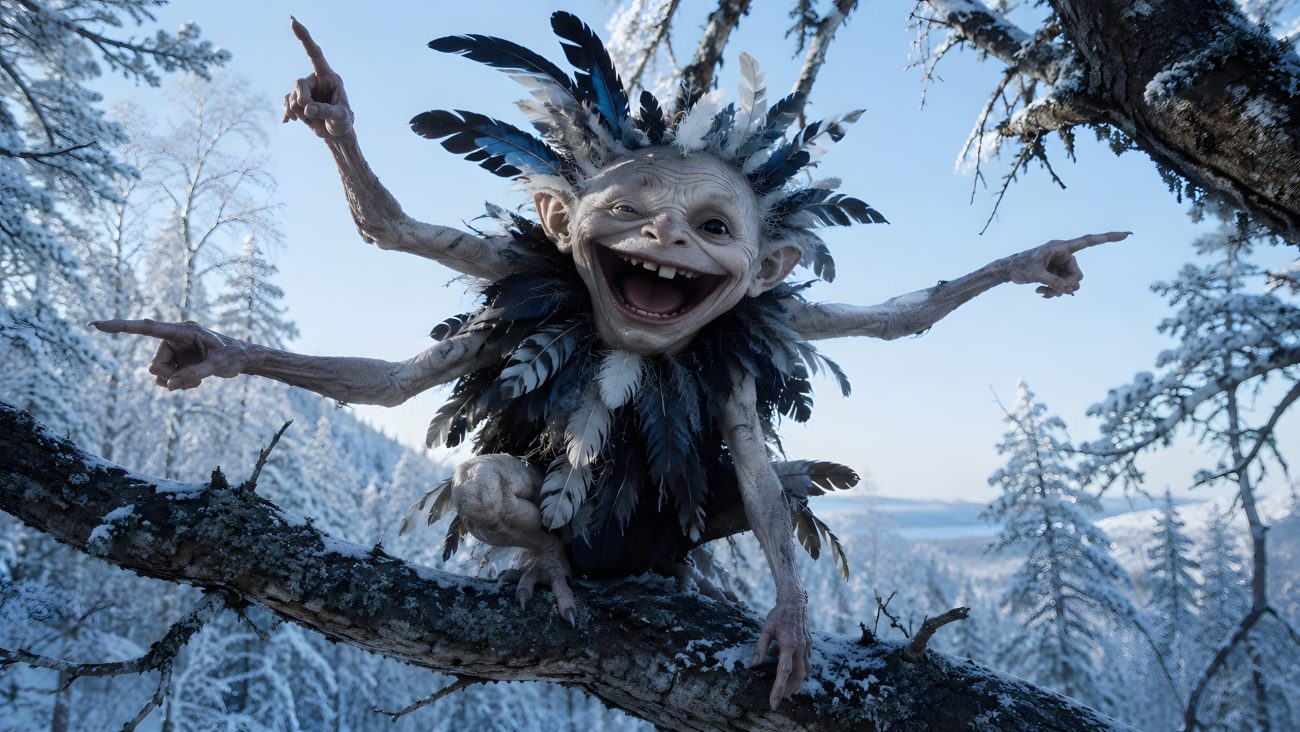
The Nasalik is a strange creature from Inuit folklore, resembling a small, hunched animal with a large, rounded body and thin, awkward legs. Its body is covered in wood-like material, and a cap sits on top of its head. Tufts of black hair grow from the wooden covering, while its eyes are level with the corners of its mouth. It has long, thin tongues extending between its legs, and its hind legs are so loose and wobbly that it struggles to walk steadily.

The Nasalik’s peculiar wooden body and unsteady gait make it an unusual sight. Its appearance combines the shape of a small animal with the strange features of a living piece of wood, giving it a distinctive place among the curious supernatural creatures of Inuit tradition.


Sources

Rasmussen, Knud. Intellectual Culture of the Hudson Bay Eskimos. Copenhagen: Gyldendal, 1930. https://archive.org/details/intellectualcult00rasm


Leprocaun

Tradition: Canadian Mythology
Alternative Names: Simiidiabolus Hibernicus Horribilis
Category: Forest Dweller


The Myth

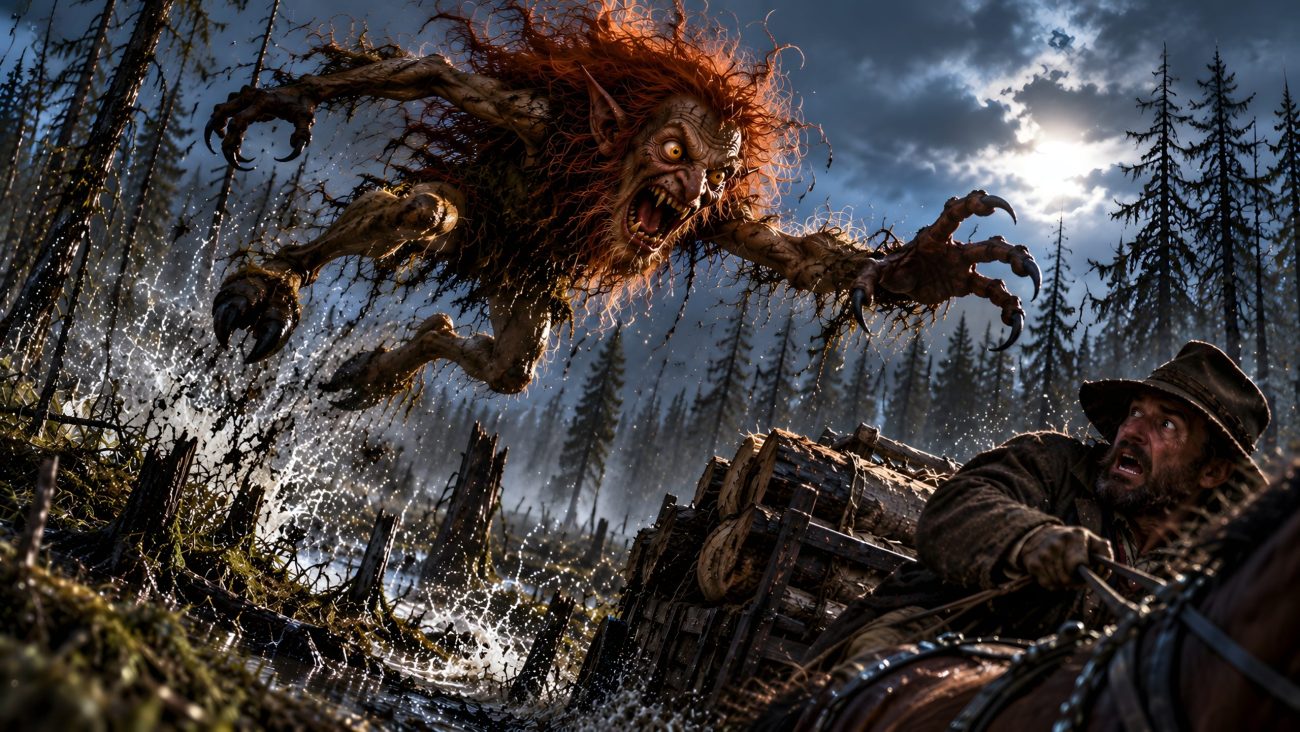
The Leprocaun is a strange, agile creature originally native to the bogs of Ireland. Once a harmless animal known for its playful antics, it was celebrated for hopping across marshes, performing somersaults, and leaping over hillocks with astonishing speed. One of its favourite tricks was to burrow into piles of drying peat before springing out suddenly, hurling clods of earth into the air until the disturbance resembled a small whirlwind. The creature was considered amusing in its native habitat, where its mischievous behaviour caused little harm.

The Leprocaun’s nature changed dramatically after several young specimens were brought to a logging camp on Canada’s Madawaska River during the early days of Upper Canada. The animals escaped into the surrounding tamarack swamps, where they multiplied and spread through the wetlands. Over time, they were occasionally spotted along the upper Ottawa River and even in northern Michigan. In these unfamiliar surroundings, the once-playful creatures became dangerous predators, prowling through tamarack and cedar forests and leaping across muskegs in search of food.

The Canadian Leprocaun became especially feared by teamsters transporting supplies along swamp roads. It would suddenly bound over their loaded wagons, snapping its teeth at the driver and reaching for him with its vicious claws. The terrified teamsters were forced to abandon their horses and loads and flee into the thick timber. Although the creature was powerful and frightening in open marshland, it struggled to pursue a fleeing person through tangled tamarack, allowing frightened travellers a chance to escape.


Sources

Cox, William T. Fearsome Creatures of the Lumberwoods, with a Few Desert and Mountain Beasts. St. Paul, MN: Press of Judd & Detweiler, Inc., 1910. https://archive.org/details/fearsomecreature00coxw


Bomka

Tradition: Russian Mythology
Alternative Names: Bomb, Bogeyman
Category: Forest Dweller


The Myth

Bomka is a frightening figure from Slavic folklore used by adults to scare naughty children into behaving. Its appearance is unknown, and no definite description of its body or features survives. This uncertainty makes Bombka an ominous presence, feared not for any particular shape but for the threat associated with its name.

Parents warn misbehaving children that Bombka will come to get them, sometimes threatening to put them into a sack or eat them. In one traditional warning, children are told that if they do not behave, Bombka will come and devour them. The creature serves as a bogeyman lurking in the imagination, embodying the frightening consequences adults threaten when children refuse to listen.


Sources

“Bomka.” New Bestiary (Bestiary.us). Accessed October 11, 2026. https://www.bestiary.us/bomka


Bobo

Tradition: Mordvin Mythology, Russian Mythology
Alternative Names: None known
Category: Forest Dweller


The Myth

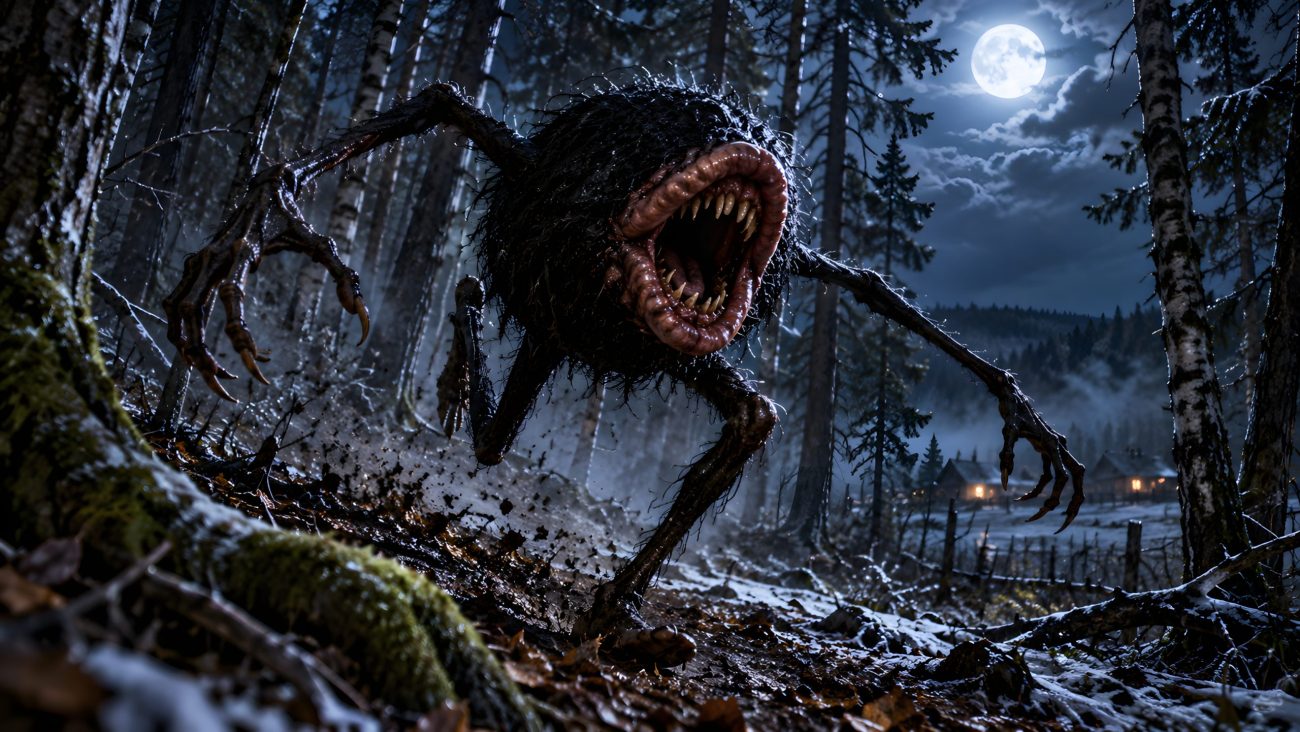
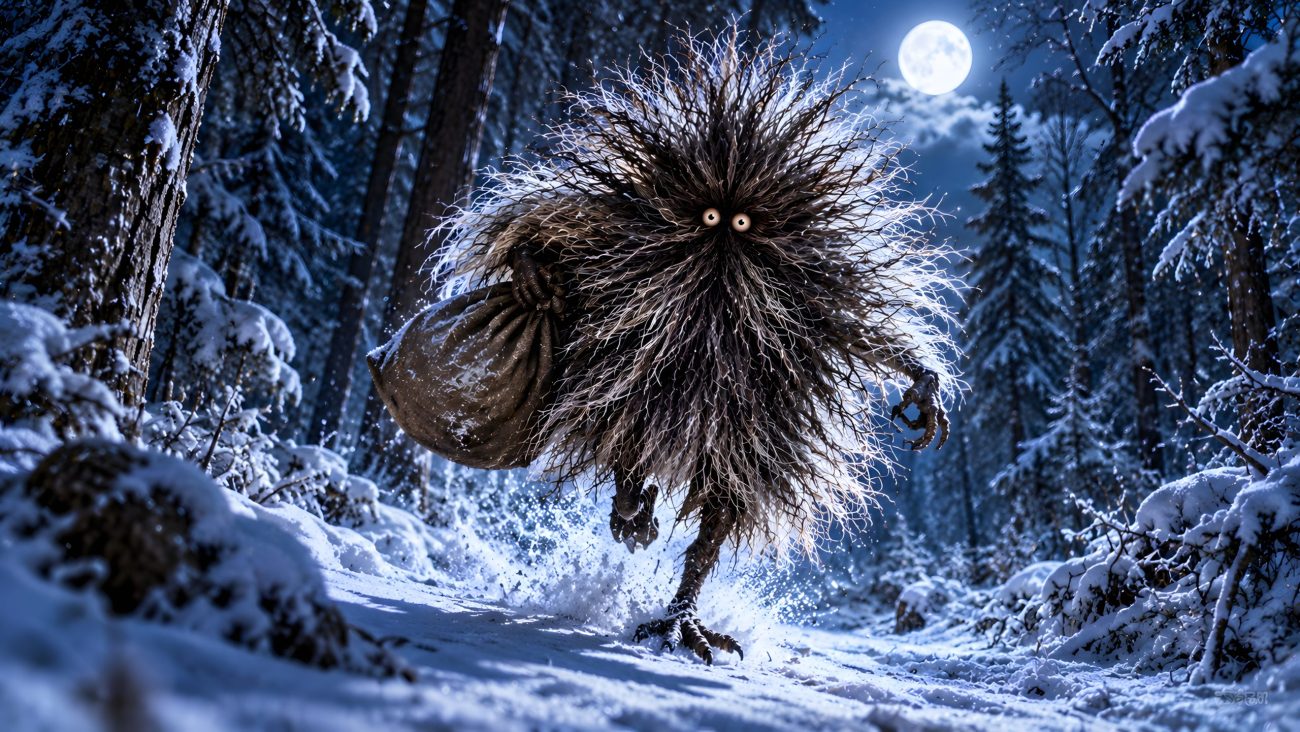
Bobo is a short, furry creature from Mordvin folklore, covered in thick black fur and carrying a large sack. It has a bird-like leg and a long, bushy tail, and its strange appearance makes it a frightening figure for mischievous children. Bobo lives in vegetable gardens or in the forest, hiding until evening before emerging to frighten children who refuse to behave.

When children are naughty or misbehave, their mothers or grandmothers warn them that Bobo is coming from the forest. The creature is said to put those who are not ready for bed into its sack and carry them away. Although children imagine Bobo as a terrifying monster, it is not especially dangerous in reality. It mainly serves as a frightening figure used by adults to encourage children to behave and go to sleep.

Bobo emerges late in the evening and peers into the windows of houses, searching for mischievous children. It makes noises by banging its furry paws and muttering, “Bo-bo-bo!” However, it only scares children who are still awake and refuses to stay when everyone has settled down and gone to sleep. Once the house becomes quiet, Bobo chooses the warmest place to sleep itself, curling up comfortably like a furry creature seeking shelter.


Sources

sagen.at contributors. (n.d.). Das Bichelgretchen an der Syr. In sagen.at, from https://www.sagen.at/texte/sagen/luxemburg/Bichelgretchen.html


Didki

Tradition / Region: Polish Mythology
Alternative names: Didko, Forest Didki
Category: Forest Dweller, Cave dweller


The Myth

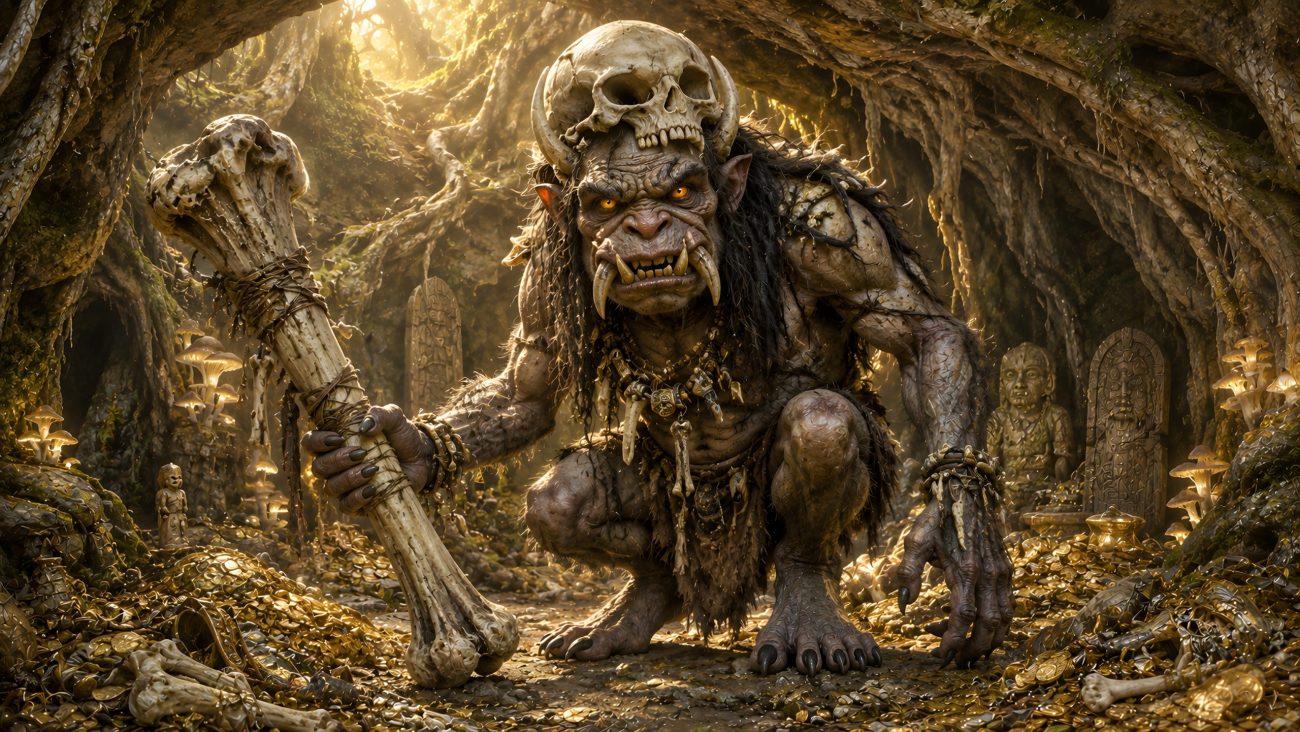
The Didki are small supernatural beings with enormous heads that dwell beneath ancient forests. They build hidden villages among the roots of colossal trees, where they keep great stores of gold, silver, and other treasures. Although they usually remain hidden underground, they are also said to appear as red dogs or red cats.

According to the legend, the Didki inhabited the forests from the earliest times. The ancient Slavs brought them offerings, and in return the spirits allowed people to clear woodland, cultivate fields, and graze their livestock without interference.

As the old customs faded and people stopped honoring them, the Didki grew hostile toward humankind. They began bringing misfortune to those who entered their forests and reserved their kindness only for murderers, thieves, and other criminals, whom they regarded as their allies.

From time to time, the Didki emerged from their underground homes and wandered among human settlements in the form of red cats or red dogs. Their appearance was believed to foretell disaster and death, while those who encountered them were often driven toward violence or other evil deeds.

With the coming of Christianity, the Didki came to be regarded as infernal beings. As the ancient forests were cleared, their hidden villages disappeared along with the great trees beneath which they had once lived.


Sources

Zych, Paweł, and Witold Vargas. Bestiariusz słowiański. Część pierwsza i druga. Warsaw: Bosz, 2017.


Metsavana

Tradition / Region: Estonian Mythology
Alternative names: Metsataat, Metsaisa
Category: Forest dweller


The Myth

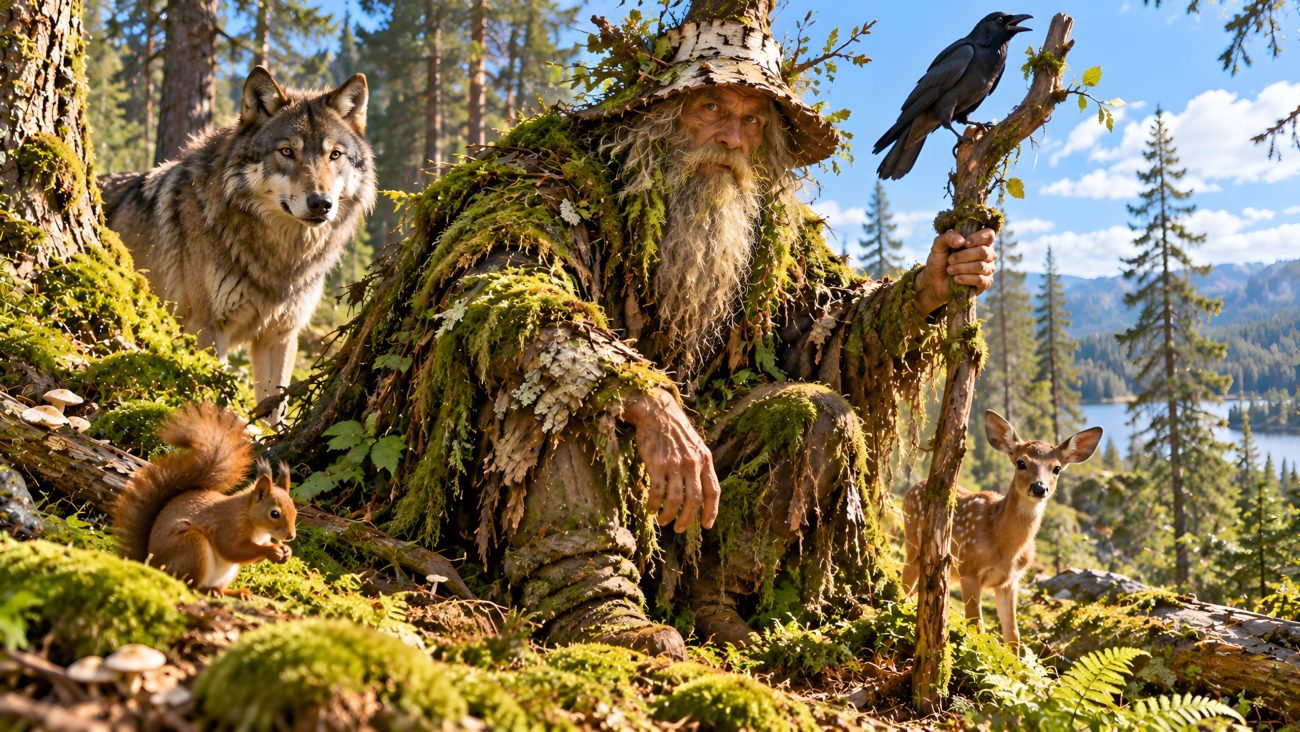
Metsavana, the Old Man of the Forest, is the ruler of a single forest, with every forest believed to have its own guardian. He appears as a tall, elderly man with an unkempt beard covered in moss, dressed in birch bark clothing with a large birch hat and boots.

He governs the forest and decides whether hunters will have a successful hunt. He can speak with the birds and animals of the woodland and is regarded as the protector of wild creatures, especially bears, wolves, snakes, and foxes.

Although generally benevolent, Metsavana is also a trickster. He may mislead or trouble people who wander into the forest or fail to show it proper respect.


Sources

Wikipedia contributors. (n.d.). Metsavana. In Wikipedia. Retrieved June 29, 2026, from https://en.wikipedia.org/wiki/Metsavana


Metsahaldjas

Tradition / Region: Estonian Mythology
Alternative names: Forest Father, Forest Spirit, Forest Guardian
Category: Forest dweller


The Myth

The Metsahaldjas is the guardian spirit of the forest. It can appear as an old man, a wild animal, or a bird, and is not always visible. People sometimes heard it walking, whistling, or laughing among the trees without ever seeing it.

When appearing in human form, the Metsahaldjas is usually described as an old man wearing a birch-bark hat, with a beard of moss and a cloak covered in moss. It is said to have a family, including sons and daughters, and forest spirits were believed to live together in their own communities.

The Metsahaldjas punishes those who disrespect the forest. It can lead travelers astray by confusing their sight so completely that they fail to recognize even their own home. According to tradition, the lost person could only find the right path again by following the bark of a dog or the crow of a rooster.

The forest spirit was also believed to court human women. If an honest girl refused its proposal, it could punish her by distorting her eyes or forcing her into marriage. Children born from such unions were said to possess extraordinary strength and intelligence and could hear sounds from great distances.

Hunters and travelers followed many customs to avoid angering the Metsahaldjas. Offerings were made by tying bands of straw, branches, flowers, grain, or other objects to trees. Berries, feathers, and the bones of hunted animals were also left on sacred stones, anthills, or grassy mounds within the forest.

The Metsahaldjas could also show kindness. It sometimes welcomed lost travelers into its home, fed them, and later guided them back to the correct path. Those who accepted its hospitality often believed they had been away for only a few hours, only to discover that years had passed in the outside world.


Sources

Wikipedia contributors. (n.d.). Metsahaldjas. In Vikipeedia. Retrieved June 29, 2026, from https://et.wikipedia.org/wiki/Metsahaldjas


Eksitaja

Tradition / Region: Estonian Mythology
Alternative names: —
Category: Forest dweller


The Myth

The Eksitaja is an evil forest spirit that causes people to lose their way. It leads travelers astray, confusing their sense of direction and preventing them from finding the correct path.

Those who encounter the Eksitaja may wander through the forest for hours, unable to escape its influence until the spirit releases them or they find their way out.


Sources

Wikipedia contributors. (n.d.). Estonian mythology. In Wikipedia. Retrieved June 29, 2026, from https://en.wikipedia.org/wiki/Estonian_mythology


Evus

Tradition / Region: Gabon Mythology
Alternative names: Evu
Category: Forest Dweller


The Myth

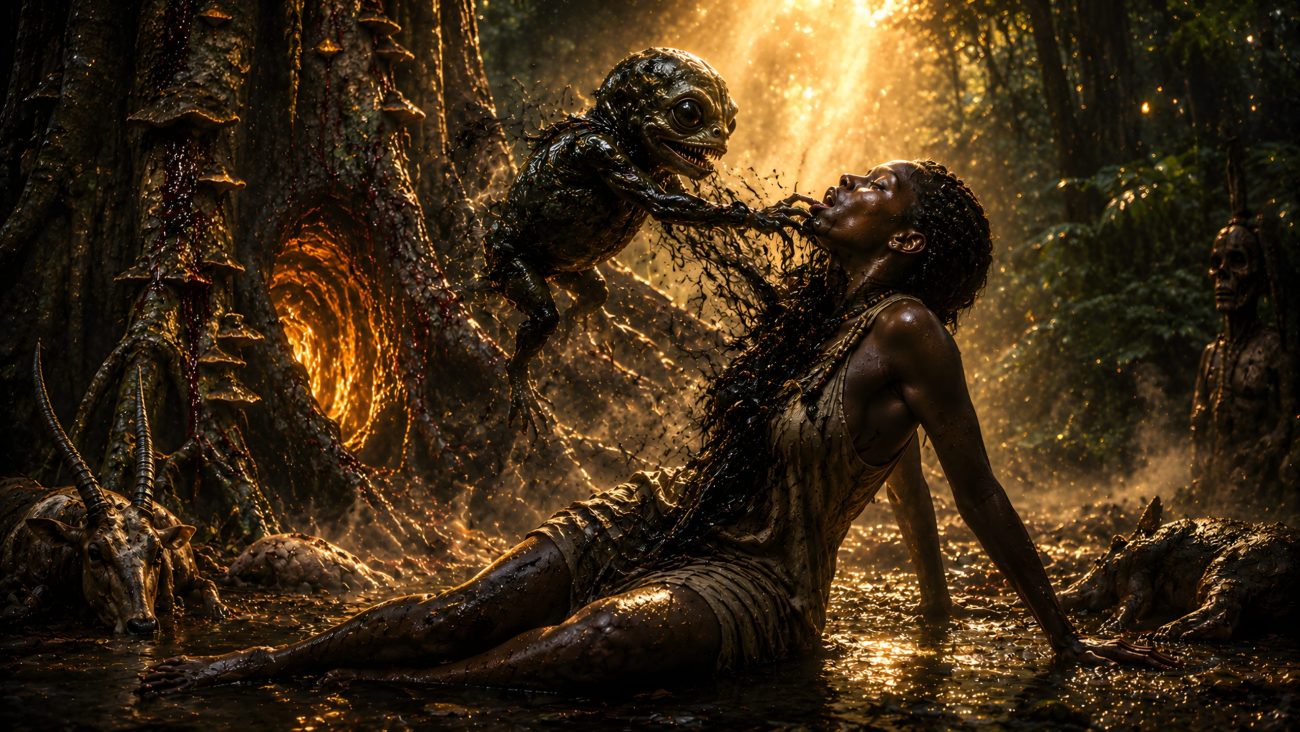
Evus was a feared being in Fang mythology, associated with witchcraft, death, hunger, corruption, and destructive desire. Stories described him as a strange creature living deep inside swamps and forests, sometimes appearing as a giant toad, a frog-like beast, or a mysterious child hidden inside hollow trees. He fed on raw meat and lived far from human villages in dark wilderness untouched by civilization.

Long ago, during the first age of humanity, the creator Zamba lived among humans and protected them. At that time people did not know true death, sickness, or suffering. Zamba warned his wife never to enter a forbidden part of the forest where Evus lived hidden among the swamps.

But curiosity overcame her.

After Zamba left on a journey, the woman secretly entered the forbidden forest. There she found piles of freshly killed animals and heard a voice calling from the swamp. Soon Evus revealed himself — an ugly, unnatural creature who promised endless meat and prosperity if she brought him back to the village.

Because Evus could not openly travel among humans, he instructed the woman to squat down. The creature then entered her body through her vagina and lodged himself inside her stomach.

From that moment onward, disaster entered the world.

Once inside the village, Evus constantly demanded food. First he devoured goats and sheep. Then chickens. Soon all the domestic animals were gone, but his hunger never stopped growing.

Finally, Evus demanded human flesh.

The woman’s daughter became his first human victim, and through this act death entered human existence forever. Bodies began to decay, suffering appeared among mankind, and the peaceful world created by Zamba collapsed.

When Zamba returned and saw what had happened, he became furious. Seeing that Evus now lived inside humanity itself, he abandoned mankind and left humans alone with death, evil, and suffering.

From then onward, the Fang believed Evus remained hidden within certain people, feeding dark desires such as greed, jealousy, violence, sorcery, and destruction. He became a symbol of the dangerous force hidden inside the human heart — a hunger that can never truly be satisfied.


Sources

Mvé Ondo, B. (2011). Wisdom and initiation in Gabon: A philosophical analysis of Fang tales, myths, and legends (J. F. Barnes, Trans.). Lanham, MD: Lexington Books.