Metsavana

Tradition / Region: Estonian Mythology
Alternative names: Metsataat, Metsaisa
Category: Forest dweller


The Myth

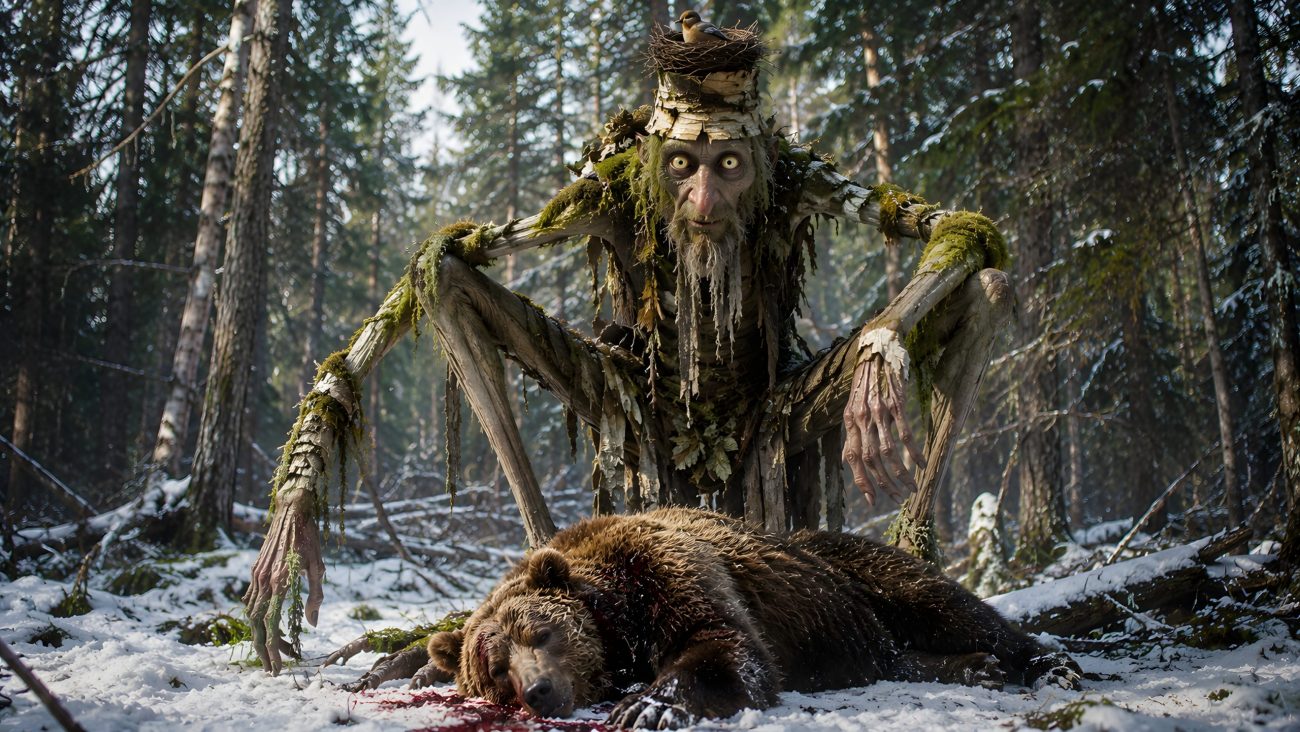
Metsavana, the Old Man of the Forest, is the ruler of a single forest, with every forest believed to have its own guardian. He appears as a tall, elderly man with an unkempt beard covered in moss, dressed in birch bark clothing with a large birch hat and boots.

He governs the forest and decides whether hunters will have a successful hunt. He can speak with the birds and animals of the woodland and is regarded as the protector of wild creatures, especially bears, wolves, snakes, and foxes.

Although generally benevolent, Metsavana is also a trickster. He may mislead or trouble people who wander into the forest or fail to show it proper respect.


Sources

Wikipedia contributors. (n.d.). Metsavana. In Wikipedia. Retrieved June 29, 2026, from https://en.wikipedia.org/wiki/Metsavana


Metsaema

Tradition / Region: Estonian Mythology
Alternative names: Forest Mother
Category: Forest dweller


The Myth

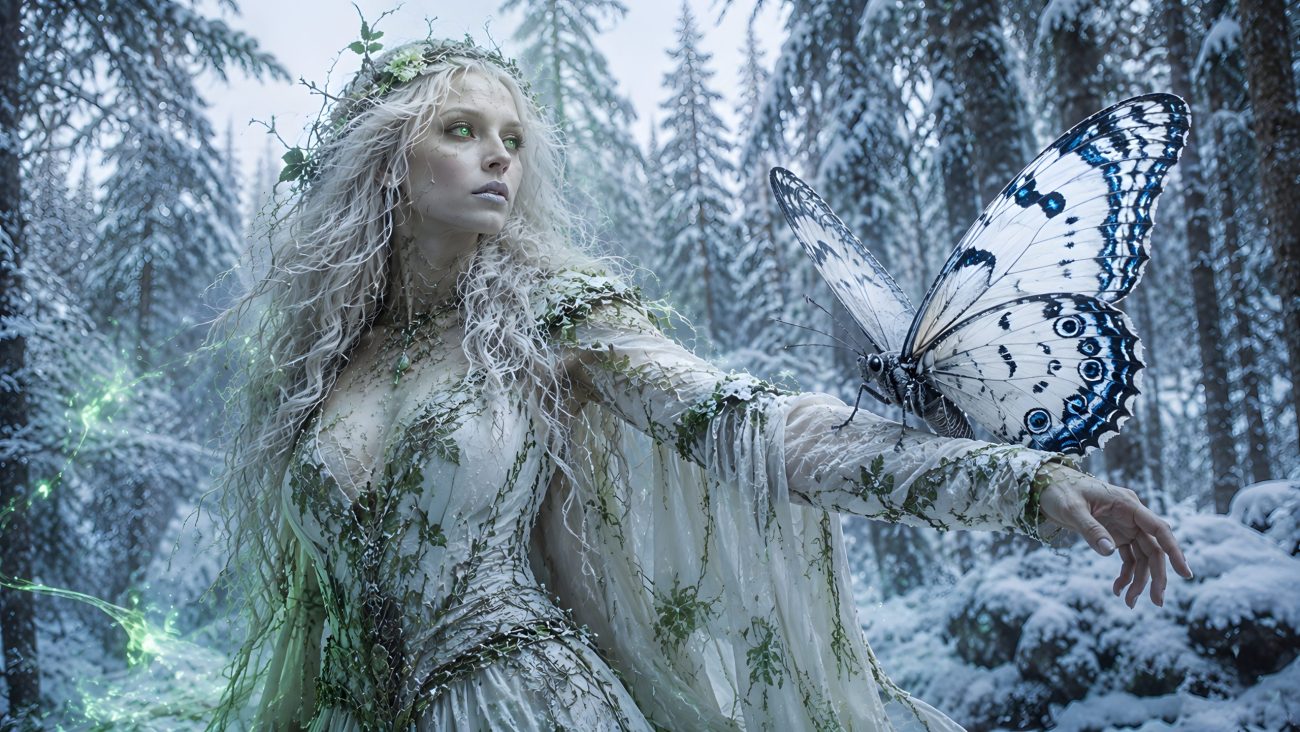
Metsaema, the Forest Mother, is the ruling spirit and guardian of the forest. She watches over the woodland and governs its animals, birds, trees, and berries.

In some traditions, she is also connected with fertility and serves as a midwife.

Wild animals such as bears, wolves, and snakes are closely associated with her. Unlike many neighboring traditions, where the guardian of the forest is male, Estonian mythology most often portrays the spirits of the forest as female, though both male and female forest spirits exist.


Sources

Wikipedia contributors. (n.d.). Metsaema. In Wikipedia. Retrieved June 29, 2026, from https://en.wikipedia.org/wiki/Metsaema


Metsahaldjas

Tradition / Region: Estonian Mythology
Alternative names: Forest Father, Forest Spirit, Forest Guardian
Category: Forest dweller


The Myth

The Metsahaldjas is the guardian spirit of the forest. It can appear as an old man, a wild animal, or a bird, and is not always visible. People sometimes heard it walking, whistling, or laughing among the trees without ever seeing it.

When appearing in human form, the Metsahaldjas is usually described as an old man wearing a birch-bark hat, with a beard of moss and a cloak covered in moss. It is said to have a family, including sons and daughters, and forest spirits were believed to live together in their own communities.

The Metsahaldjas punishes those who disrespect the forest. It can lead travelers astray by confusing their sight so completely that they fail to recognize even their own home. According to tradition, the lost person could only find the right path again by following the bark of a dog or the crow of a rooster.

The forest spirit was also believed to court human women. If an honest girl refused its proposal, it could punish her by distorting her eyes or forcing her into marriage. Children born from such unions were said to possess extraordinary strength and intelligence and could hear sounds from great distances.

Hunters and travelers followed many customs to avoid angering the Metsahaldjas. Offerings were made by tying bands of straw, branches, flowers, grain, or other objects to trees. Berries, feathers, and the bones of hunted animals were also left on sacred stones, anthills, or grassy mounds within the forest.

The Metsahaldjas could also show kindness. It sometimes welcomed lost travelers into its home, fed them, and later guided them back to the correct path. Those who accepted its hospitality often believed they had been away for only a few hours, only to discover that years had passed in the outside world.


Sources

Wikipedia contributors. (n.d.). Metsahaldjas. In Vikipeedia. Retrieved June 29, 2026, from https://et.wikipedia.org/wiki/Metsahaldjas
Eksitaja

Tradition / Region: Estonian Mythology
Alternative names:
Category: Forest dweller


The Myth

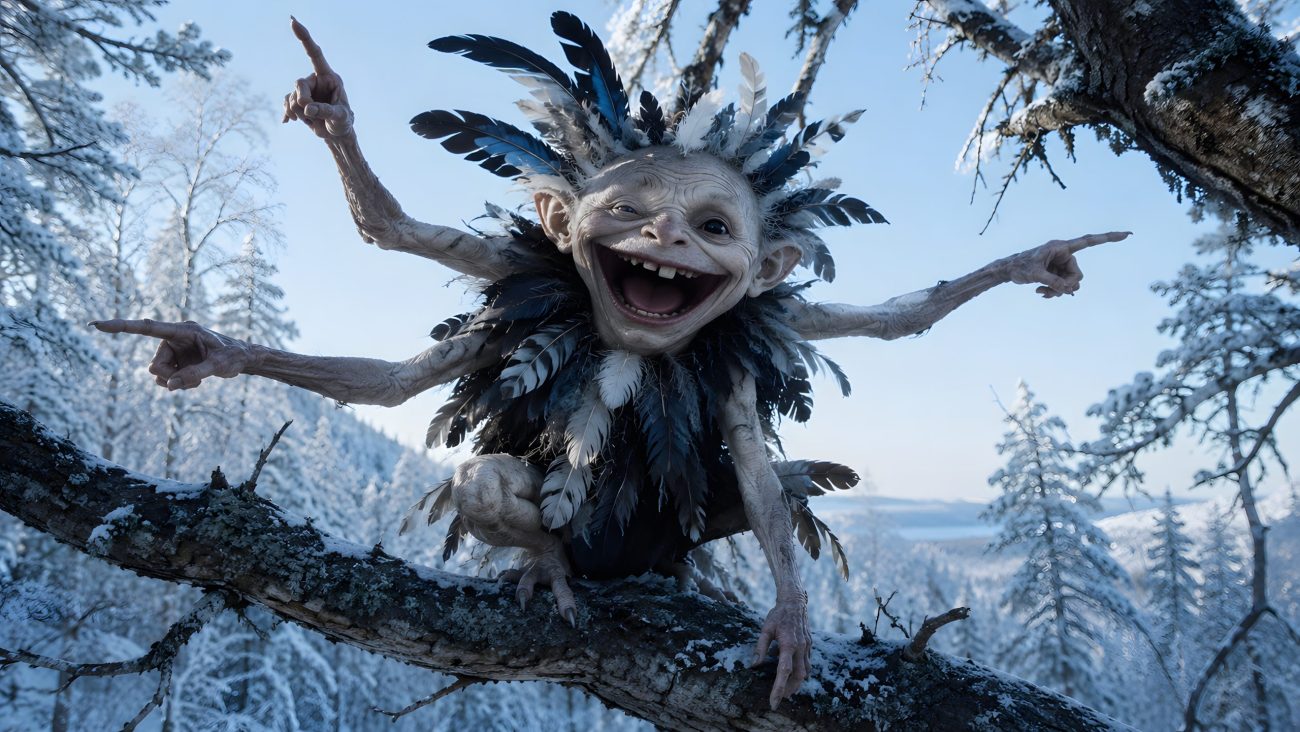
The Eksitaja is an evil forest spirit that causes people to lose their way. It leads travelers astray, confusing their sense of direction and preventing them from finding the correct path.

Those who encounter the Eksitaja may wander through the forest for hours, unable to escape its influence until the spirit releases them or they find their way out.


Sources

Wikipedia contributors. (n.d.). Estonian mythology. In Wikipedia. Retrieved June 29, 2026, from https://en.wikipedia.org/wiki/Estonian_mythology