Aitvaras

Tradition / Region: Lithuanian Mythology
Alternative names: Aitvar, Ajtwaros, Aitvaros
Category: Dragon


The Myth

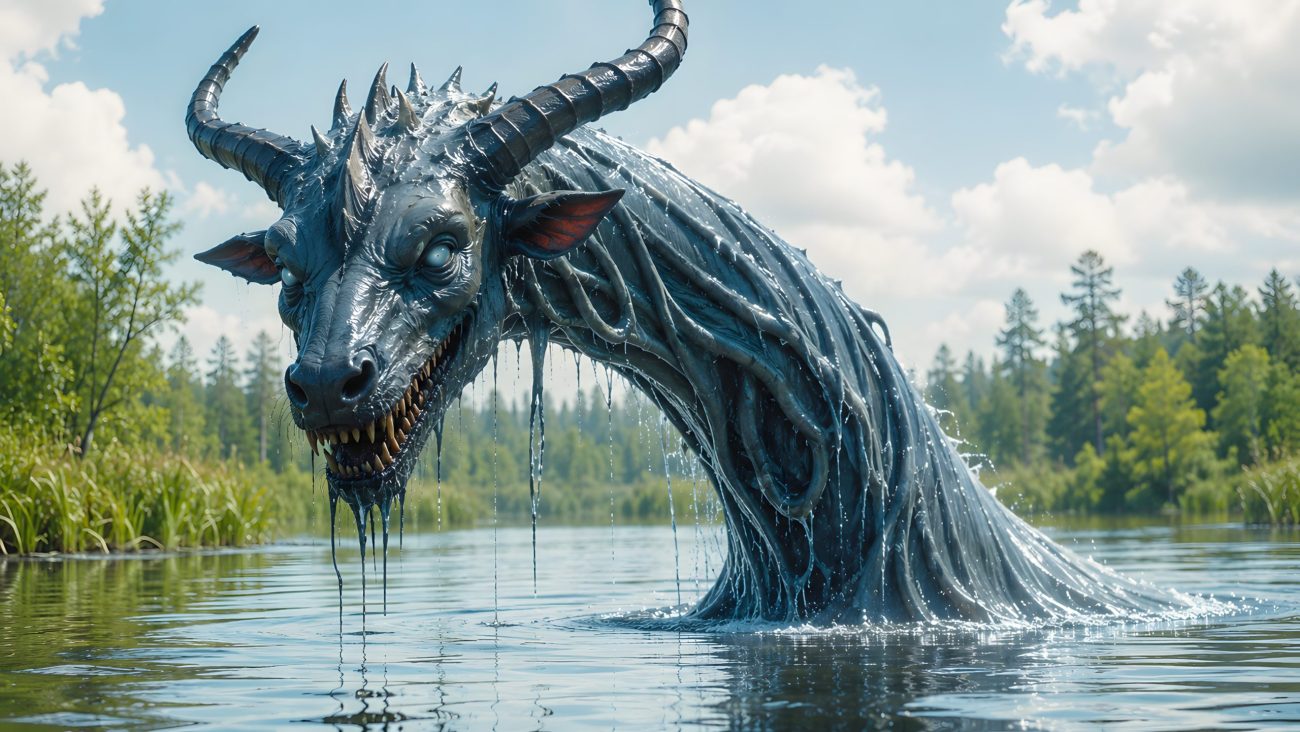
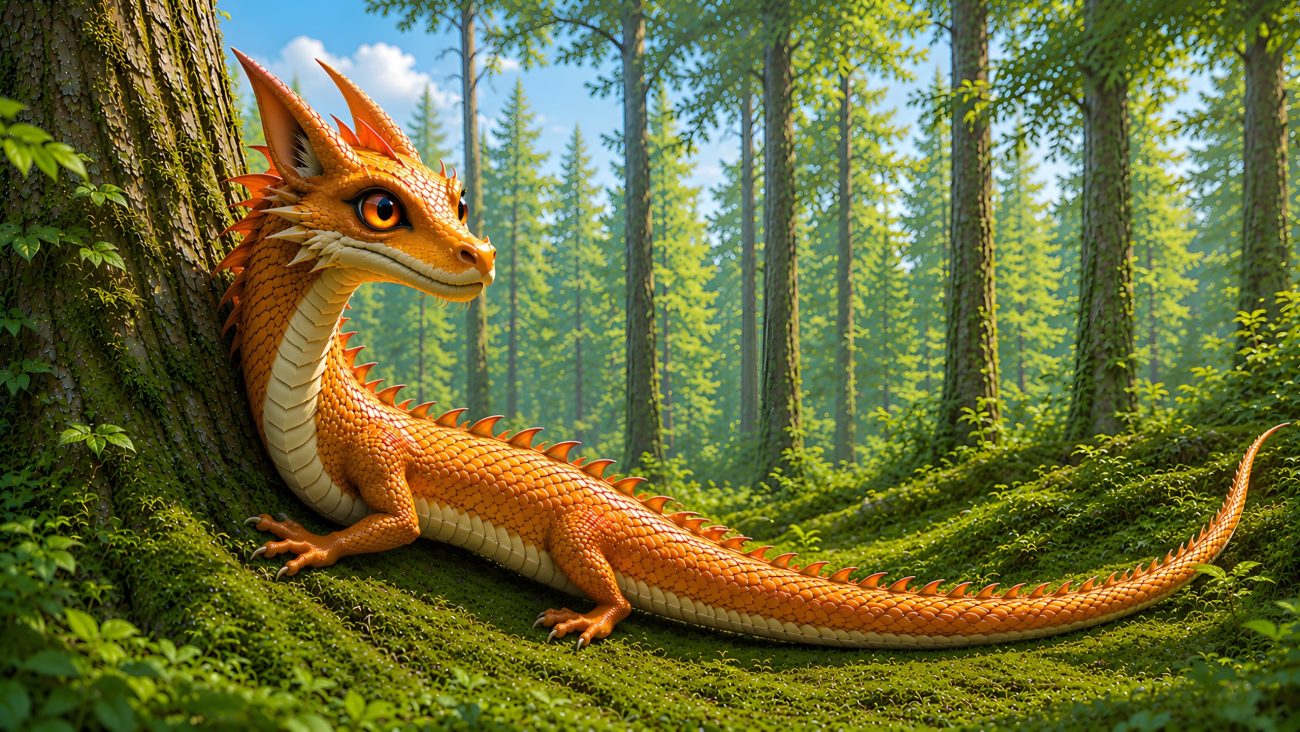
The Aitvaras is a supernatural flying spirit that most often appears as a fiery serpent or dragon, though it may also take the form of a black rooster, crow, heron, cat, or a streak of fire crossing the night sky. It is believed to bring wealth to its master by stealing grain, money, milk, honey, butter, sausages, and other goods from neighboring households.

According to older traditions, the Aitvaras was also viewed as an incubus-like spirit that visited women at night. It was said to press upon sleeping people, seduce young women, and could even enter locked houses through the keyhole. Medieval Prussian chronicles describe these spirits as punishments sent by the old gods after the Christianization of Prussia. Appearing in human form, they tempted people into sin, drove some to madness, and lured others to drown themselves or commit terrible crimes until frightened villagers returned to the pagan priests for protection.

The Aitvaras delighted in braiding horses’ manes and sending nightmares. At night it appeared as a blazing fireball racing across the sky. One legend tells of villagers who trapped one by sticking a knife into the ground between their feet. The fiery creature landed on an alder tree, causing even its highest leaves to tremble, but the terrified men quickly released it.

Many stories tell how people deliberately obtained an Aitvaras to gain riches. One common method was to keep a black rooster for seven years. In the eighth year the rooster laid an egg, from which the Aitvaras hatched. Others claimed one could buy an Aitvaras at the market in Riga, or receive one from the Devil in exchange for a human soul.

Once acquired, the spirit secretly filled its master’s home with stolen goods. In one tale, glowing embers mysteriously appeared inside a poor couple’s house. Had the woman picked them up, they would have turned into money, but she threw them away, and the miracles ceased. In another story, a man unknowingly carried an Aitvaras home hidden inside a pin. From that day his horses flourished, his cattle multiplied, and prosperity came to his farm. When another person accidentally removed the enchanted pin, the wealth vanished overnight.

Although the Aitvaras could make its owner enormously wealthy, it remained a dangerous and unpredictable being. Folklore warns that getting rid of one was extremely difficult, for simply driving it away or killing it could cause a destructive fire.


Sources

Bestiary.us. (n.d.). Ajtvaras. In New Bestiary: Encyclopedia of Imaginary Beings. Retrieved June 29, 2026, from https://www.bestiary.us/ajtvaras
Vilkatis

Tradition / Region: Lithuanian Mythology, Latvian Mythology
Alternative names: —
Category: Wolf

The Myth

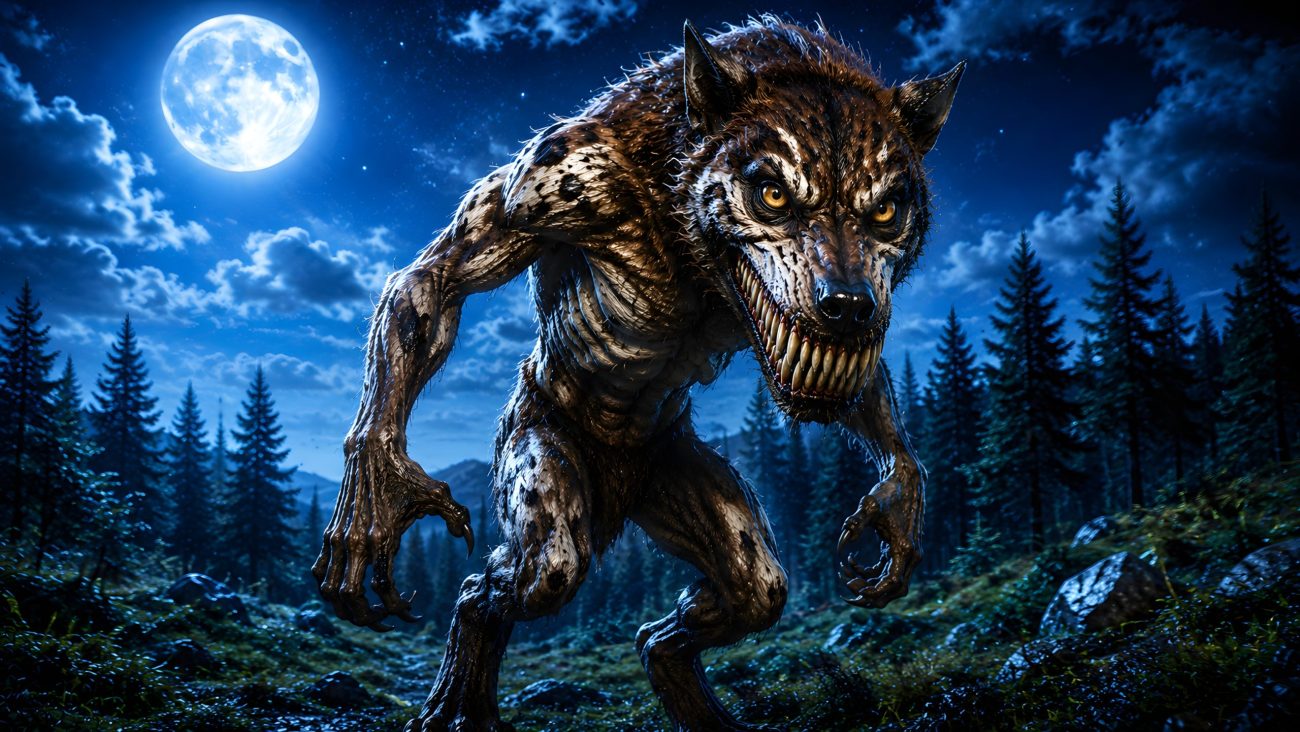
The Vilkatis is the werewolf of Lithuanian and Latvian mythology. It is a human capable of transforming into a wolf.


Sources

Baigutov, K. (2023). Kazachų ir lietuvių mitologijos lyginamoji analizė mene [Comparative Analysis of Kazakh and Lithuanian Mythology in Art]. Logos, 2023(15). https://doi.org/10.24101/logos.2023.15


Marcopoli

Tradition / Region: Lithuanian Mythology
Alternative names: Markopols, Marcopets
Category: Gnome


The Myth

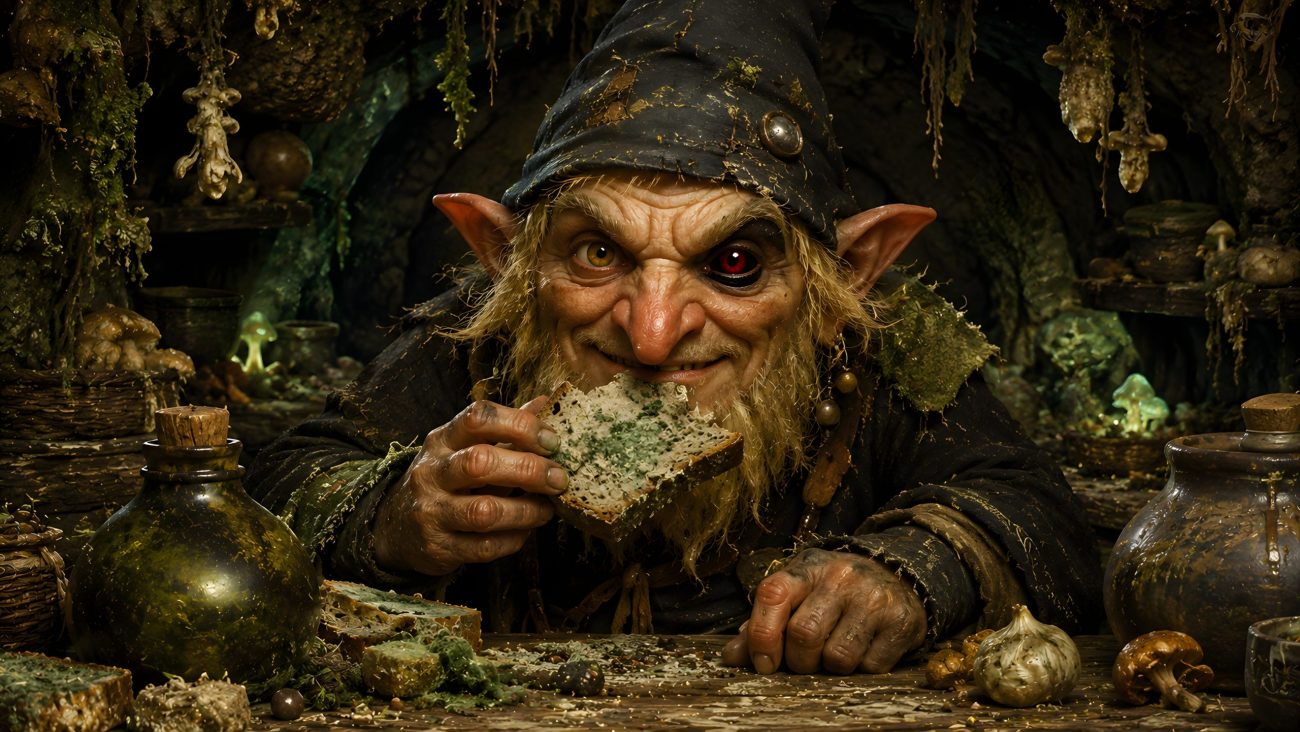
The Marcopoli are subterranean earth spirits in Prussian and Lithuanian mythology. They belong to a higher class of underground gnomes and serve Puškaitis, the god of the earth. Living beneath trees and inside the earth, they receive offerings of bread, beer, cheese, butter, and grain, which help them protect the harvest and ensure abundance.

According to one Prussian legend, the Marcopoli dwell in burrows beneath cliffs. They are described as squealing humanoid creatures with snouts like pigs or monkeys, and are said to possess a single evil eye. People were warned never to catch or steal one of their eyes.

Another legend tells that people cursed by the gods became different underground beings. Those whose inner fire was taken away became the wild, hairy Marcopoli, wandering forests and hiding in the earth, while others shrank into the smaller Barzduki, living beneath stones and underground.


Sources

Bestiary.us. (n.d.). Markopoli. In New Bestiary: Encyclopedia of Imaginary Beings. Retrieved June 29, 2026, from https://www.bestiary.us/markopoli


Barzduki

Tradition / Region: Lithuanian Mythology
Alternative names: Barzdukai
Category: Gnome


The Myth

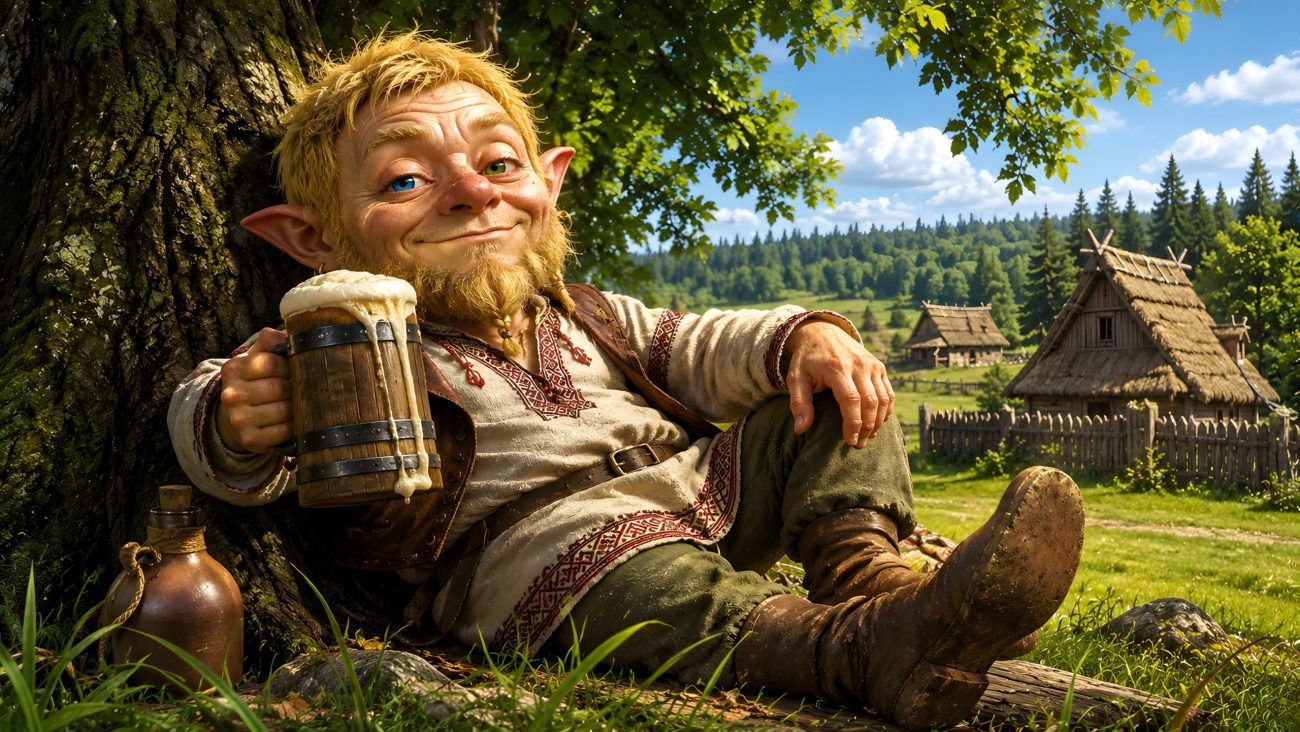
The Barzduki are small, gnome-like beings who dwell beneath the earth. Their hidden homes lie beneath the roots of trees, where they keep stores of bread and beer in underground chambers.

These mysterious little earth spirits live unseen below the surface, guarding their underground provisions and remaining closely connected to the hidden world beneath the forests.


Sources

Baigutov, K. (2023). Kazachų ir lietuvių mitologijos lyginamoji analizė mene [Comparative Analysis of Kazakh and Lithuanian Mythology in Art]. Logos, 2023(15). https://doi.org/10.24101/logos.2023.15


Šungalvis

Tradition / Region: Lithuanian Mythology
Alternative names: Šungalviai (plural), Dog-Headed One
Category: Dog


The Myth

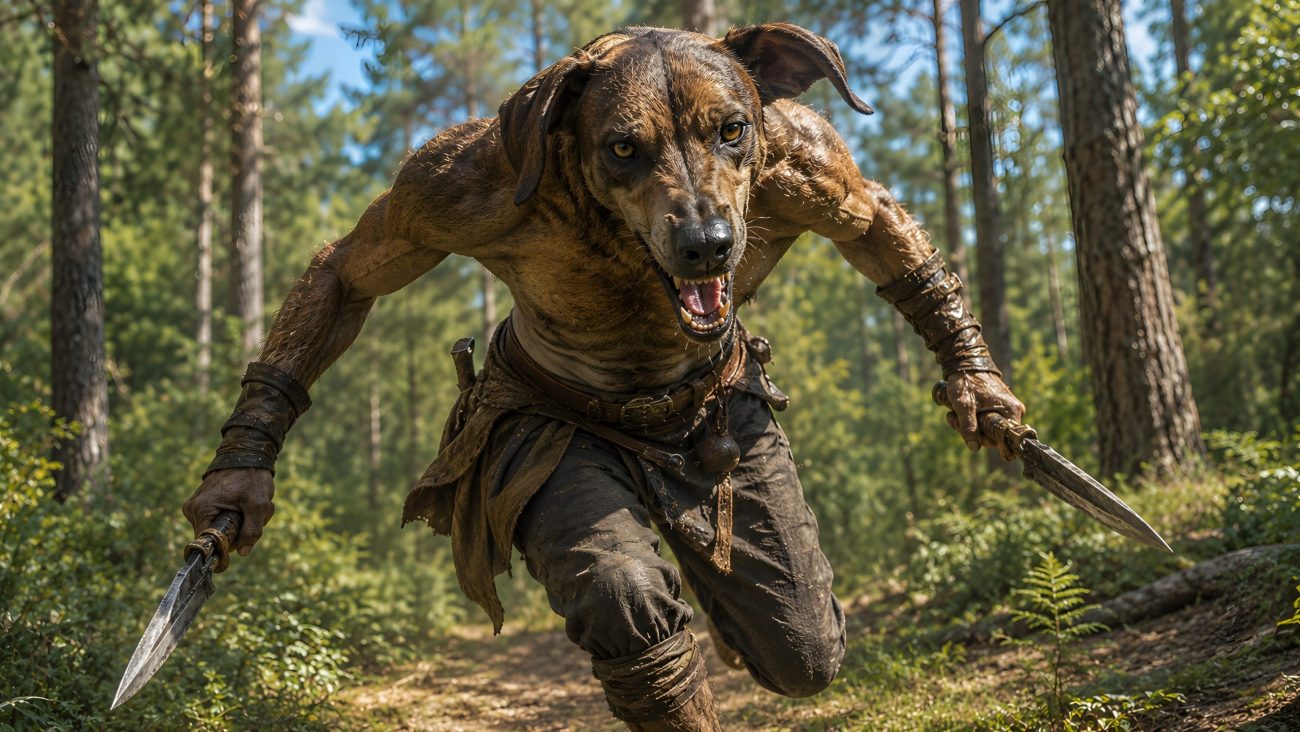
The Šungalvis is a fearsome dog-headed creature of Lithuanian folklore, half man and half dog. In ancient times, before Death existed, these monsters were said to serve as living weapons, hunting and devouring people.

The Šungalvis possesses an extraordinary sense of smell. It can track any person by scent, but there is one way to escape: quickly put your shoes on backwards. The creature follows footprints, and reversed shoes confuse its tracking, causing it to lose its prey.

One folktale tells of a Šungalvis that entered a house and sat in the doorway, trapping a woman inside. Unable to escape, she tipped a cauldron of boiling water over the creature’s head. The scalding water burst its eyes, killing the monster.


Sources

Bestiary.us. (n.d.). Shungalvis. In New Bestiary: Encyclopedia of Imaginary Beings. Retrieved June 29, 2026, from https://www.bestiary.us/shungalvis


Ahjualune

Tradition / Region: Estonian Mythology
Alternative names: Hearth Gnome, Under-the-Stove Spirit
Category: Household dweller, Gnome


The Myth

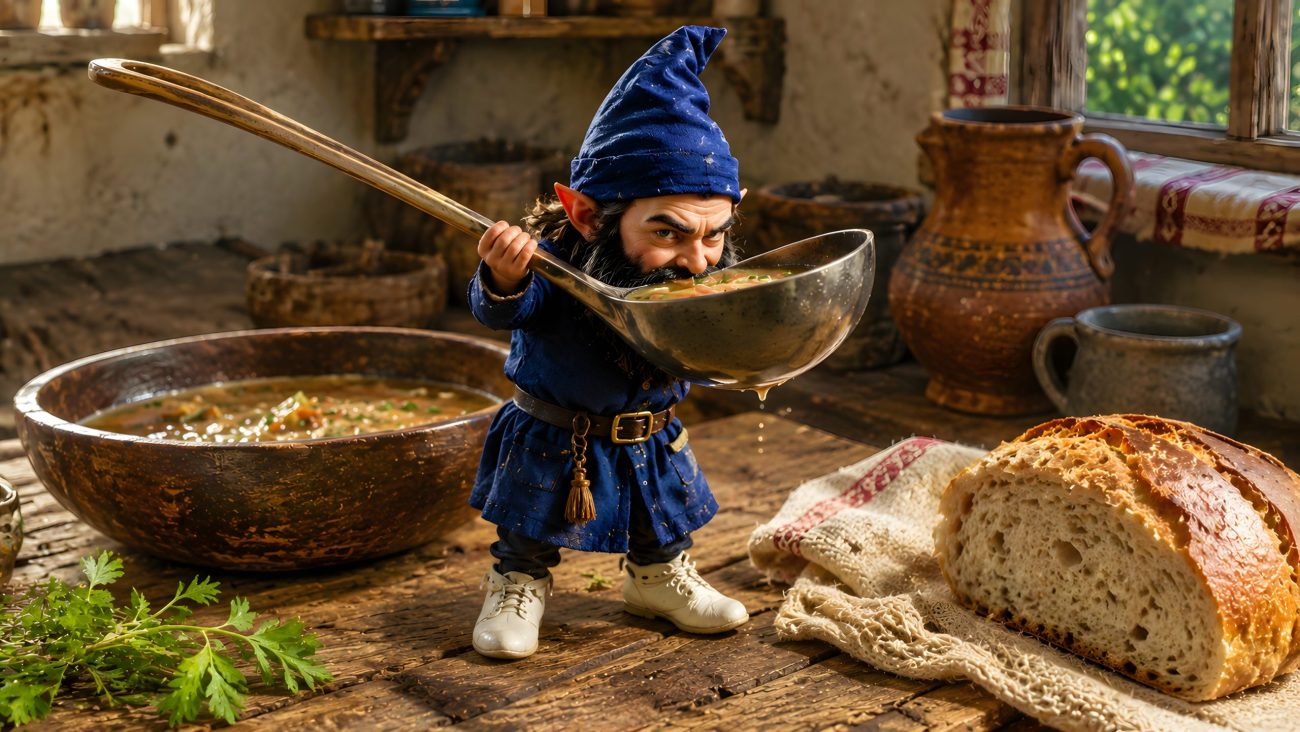
The Ahjualune is a household spirit that lives beneath the hearth or stove. It appears as a small man with an unusually large head.

According to folklore, the Ahjualune emerges when food is being prepared and asks for a small taste. If it is welcomed and given a share, it remains content. If ignored or refused, it can leap upon the meal and, with a single motion, swallow an entire pot of food, leaving the household hungry before vanishing beneath the stove once more.


Sources

Bestiary.us. (n.d.). Akhyualune. In New Bestiary: Encyclopedia of Imaginary Beings. Retrieved June 29, 2026, from https://www.bestiary.us/akhyualune


Kolju-taat

Tradition / Region: Estonian Mythology
Alternative names: Skull Grandfather
Category: Cow, Demon


The Myth

Kolju-taat is a guardian spirit of the sea from the coast of northern Estonia. He is especially associated with the waters near Keila-Joa and appears either as a huge bull rising from the sea or as a tall old man with a strangely shaped skull, traveling in a silver-white boat.

Although generally feared, Kolju-taat was not always hostile. He could both harm and help fishermen. It was believed that anyone who failed to offer him a sacrifice would be punished. Fish, alcohol, salt, and bread were commonly offered, often by throwing them directly into the sea. After returning home, fishermen also shared part of their catch with the poor, believing this would ensure a rich catch in the future.


Sources

Bestiary.us. (n.d.). Kolyu-taat. In New Bestiary: Encyclopedia of Imaginary Beings. Retrieved June 29, 2026, from https://www.bestiary.us/kolyu-taat


Mermaid Cow

Tradition / Region: Estonian Mythology
Alternative names: Sea Cattle, Lake Cattle, River Cattle, Mermaid Cows (Näkilehmad)
Category: Cow


The Myth

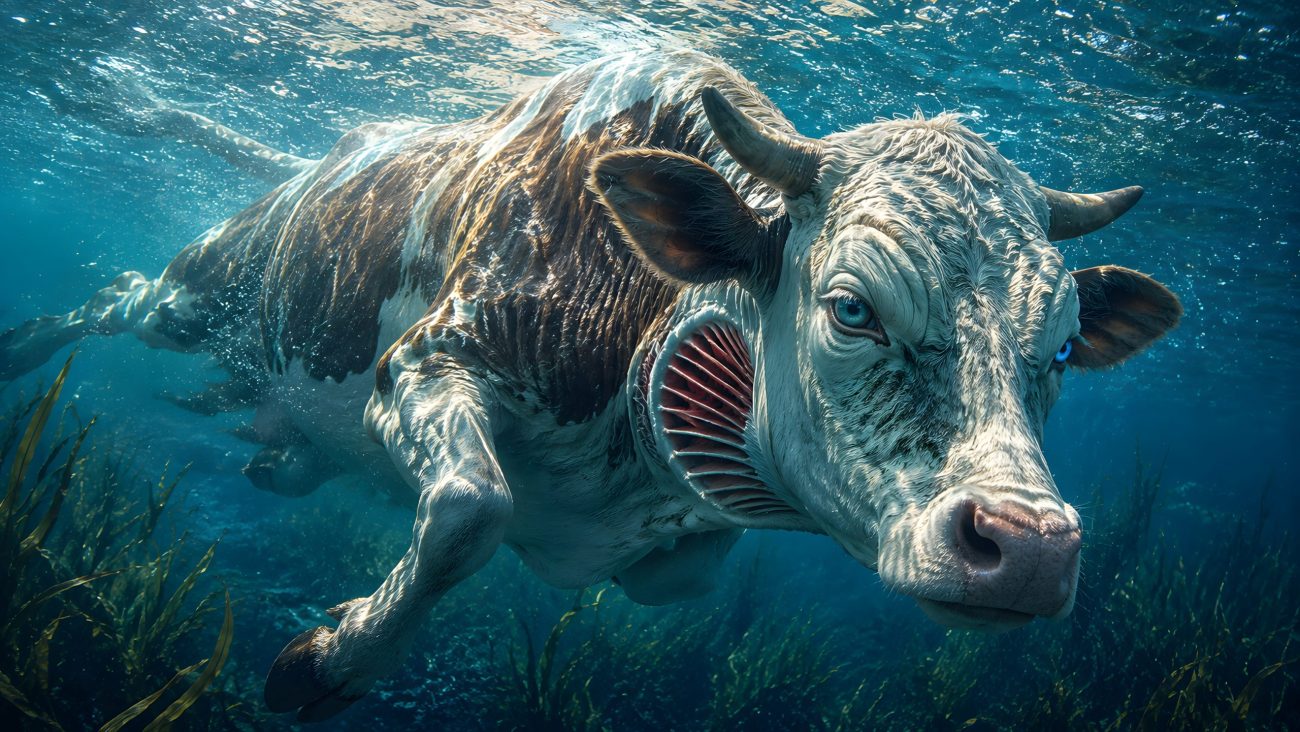
According to Estonian folklore, herds of sea, lake, and river cattle live beneath the waters. These animals look exactly like ordinary cows, bulls, and horses rather than fish-like creatures. At certain times they emerge from the water to graze in meadows near the shore, but vanish beneath the surface as soon as anyone approaches.

These supernatural cattle were famed for producing extraordinary amounts of milk and butter. Some people attempted to capture them. One tale tells of a poor fisherman who hid beside a lake with a rope. When the herd emerged, led by a magnificent bull, he lassoed a beautiful cow before the others fled back into the water. The captured cow never returned to the lake, gave abundant milk, and made the man wealthy.

The herds are often accompanied by mysterious cowherds, sometimes a young woman, sometimes a young man, or several herders together. These beings may remain among humans for years, marry, raise children, or help fishermen before eventually returning to their true underwater home. Even after returning to the sea, some continue to visit their human families.

Many legends tell of a magical water cow that lives with a family for seven years, producing calves and endless milk. When the appointed time arrives, a supernatural call comes from the lake, and the cow returns to the water, often taking all of her offspring with her, leaving the family suddenly without its miraculous source of prosperity.

Sea cattle were regarded as peaceful and beneficial creatures that brought wealth and good fortune. Unlike many other supernatural beings, they possess no demonic nature, existing instead as the underwater counterparts of ordinary livestock in a hidden world beneath the waters.


Sources

Kõiva, M. (2023). Sea, Lake and River Cattle. In Estonian Mythological Folklore: Spirits, Fairies, and Mythical Creatures (pp. 585–603). Estonian Literary Museum. Retrieved June 29, 2026, from https://www.folklore.ee/rl/folkte/myte3/vh18.pdf


Suur Kärg

Tradition / Region: Estonian Mythology
Alternative names: —
Category: Cow


The Myth

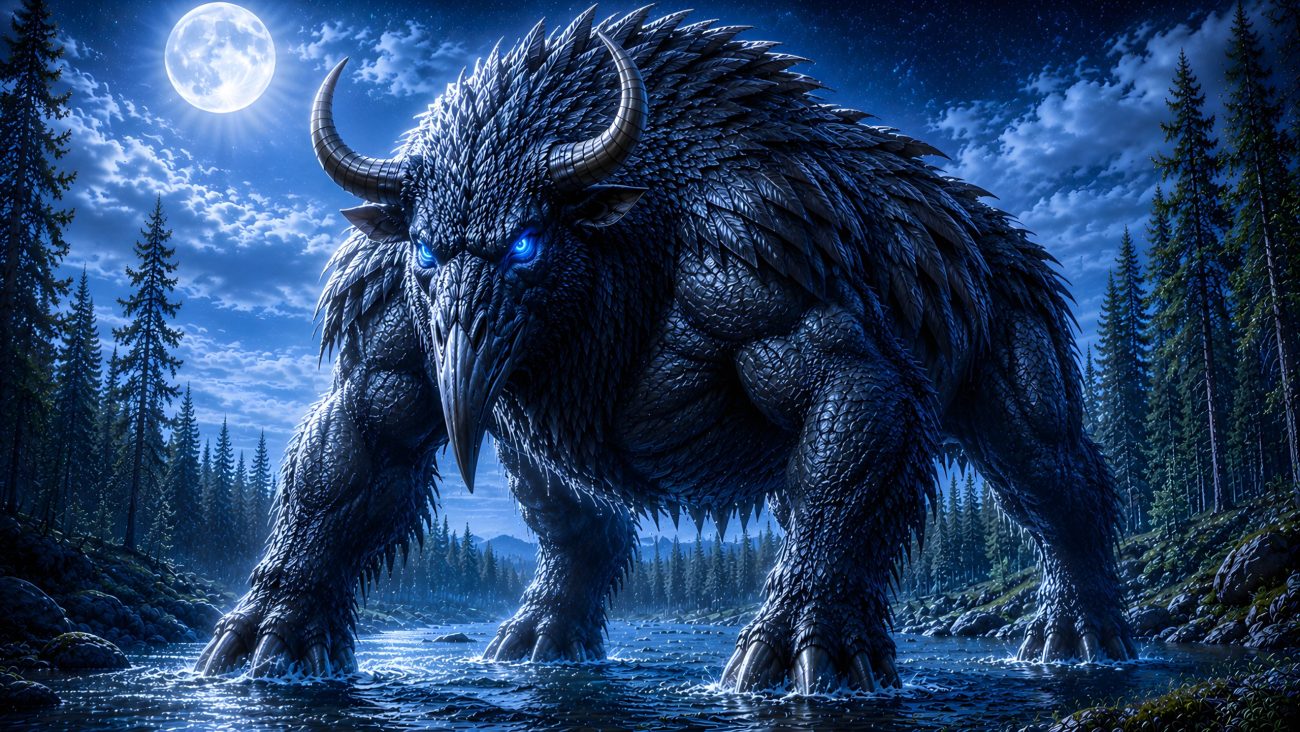
Suur Kärg is a gigantic supernatural ox of Estonian folklore. By night, it appears in its true form as an enormous beast of immense strength. During the day, however, it transforms into a swallow and flies through the sky like an ordinary bird.

The creature was considered almost impossible to kill. It was said that five hundred brave men were needed to bring it down, while a thousand strong men were required to skin it and cut its flesh into pieces.

Anyone who succeeded in killing Suur Kärg and tasted its flesh was believed to gain supernatural powers.


Sources

Bestiary.us. (n.d.). Suur Kärg. In New Bestiary: Encyclopedia of Imaginary Beings. Retrieved June 29, 2026, from https://www.bestiary.us/suur-kyarg.


Luupainaja

Tradition / Region: Estonian Mythology
Alternative names: Painaja, Painak, Panijas, Paanjas, Painakane, Luupaanija, Luupaine, Luupatak, Tallaja
Category: Spirit


The Myth

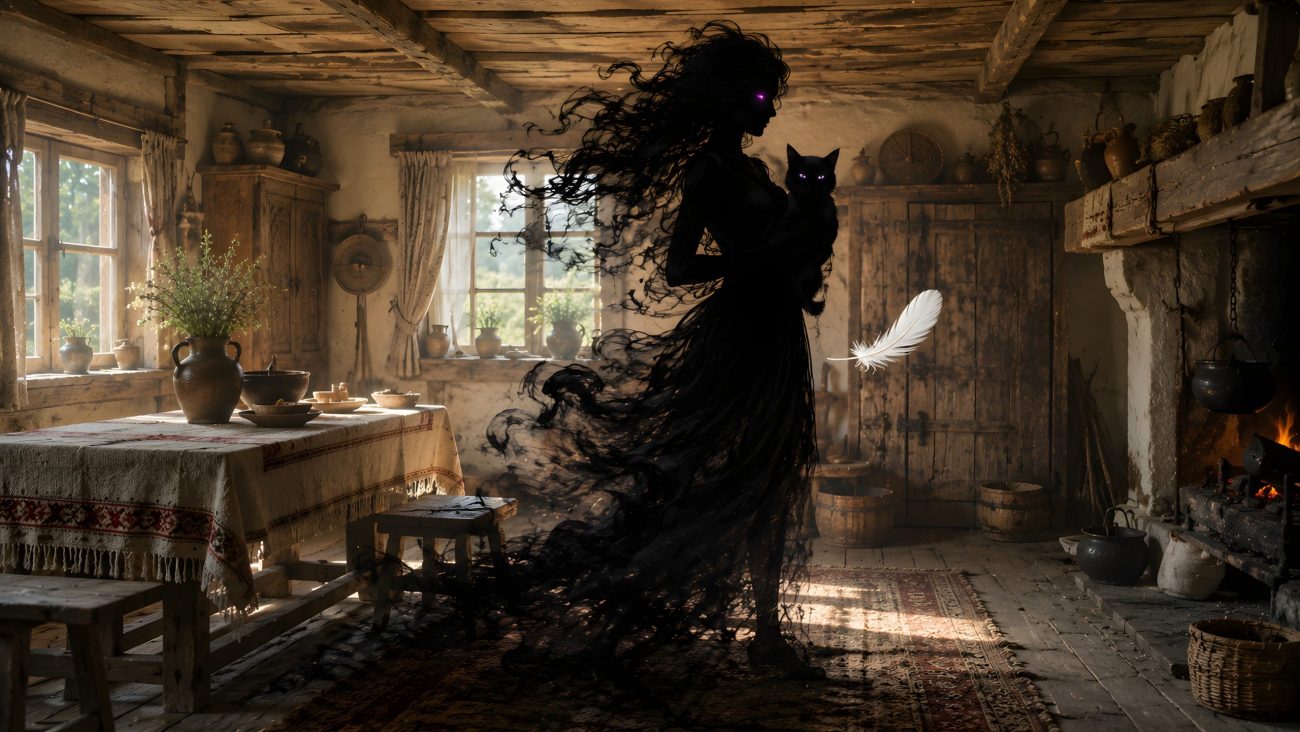
The Luupainaja is a spirit that torments sleeping people and animals during the night. It presses down upon its victim’s body, leaving them unable to move while causing intense fear, sweating, trembling, and a pounding heart. According to tradition, prolonged attacks could even lead to death. It was also believed to weaken working animals by riding and exhausting them during the night.

The Luupainaja appears in many forms. It is most often seen as a young woman, though it may also appear as an old woman or old man. It can also take the form of animals, especially a black cat, horse, or dog, and is sometimes described as appearing as a goose feather.

Several methods were believed to drive away the Luupainaja. Moving the big toe would force it to flee, while lighting a fire would scare it away because it feared light. Sleeping on the left side was also thought to protect a person from its attacks.

One folktale tells of a farmer whose work animal was repeatedly attacked by a Luupainaja. Following the advice of a wise man, he hid outside the stable and watched. When the animal suddenly began screaming and stamping, the farmer looked inside and saw a black cat riding its back. He beat the cat with a whip until it disappeared, and from that night onward the Luupainaja never returned.


Sources

Wikipedia contributors. (n.d.). Luupainaja. In Vikipeedia. Retrieved June 29, 2026, from https://et.wikipedia.org/wiki/Luupainaja