Viljaneitsi

Tradition / Region: Estonian Mythology
Alternative names: Maiden of the Cornfield
Category: Nymph


The Myth

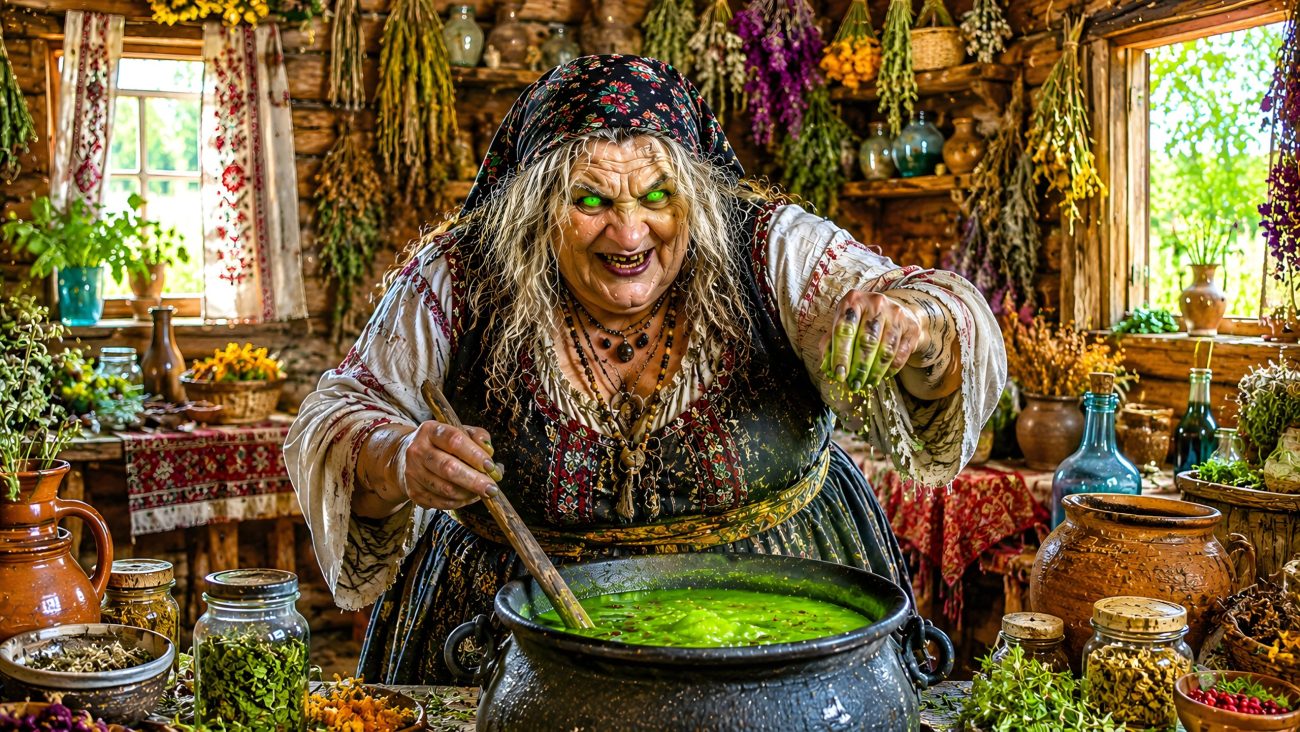
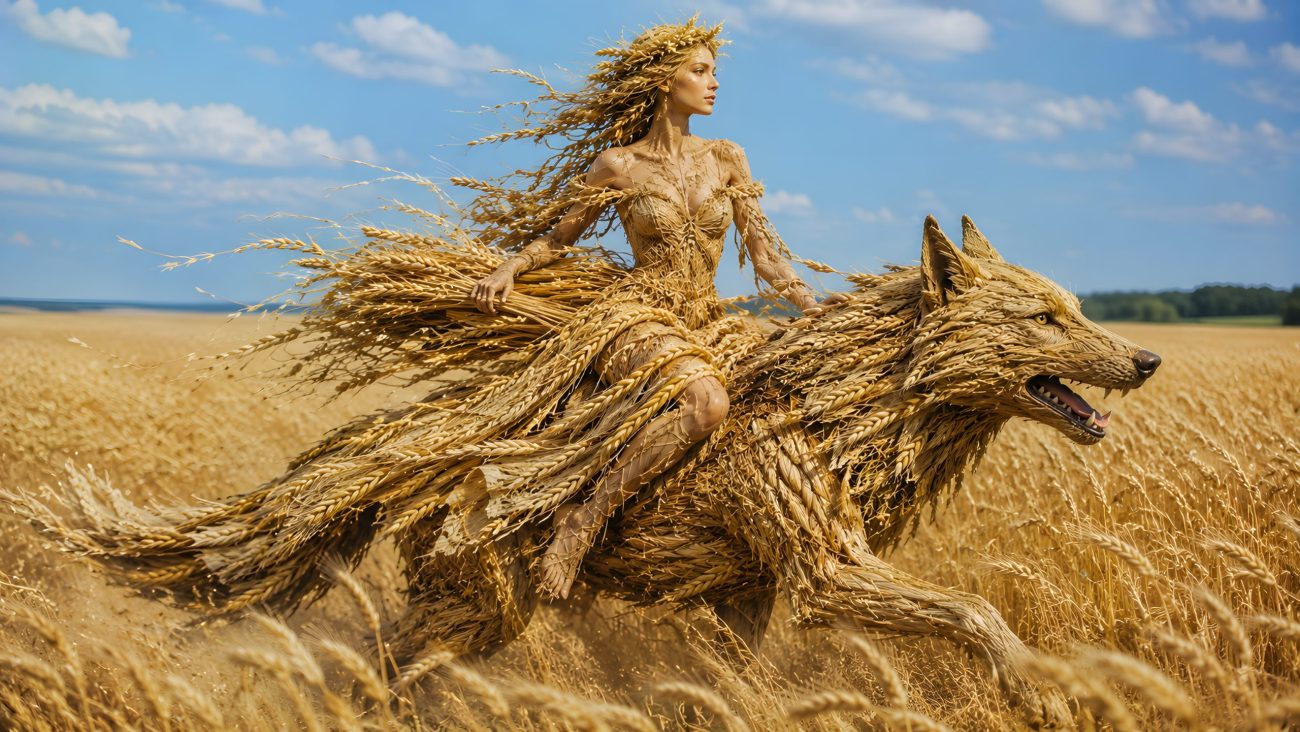
The Viljaneitsi is one of the maidens of the cornfield in Estonian folklore. She is a fertility spirit associated with cultivated grain fields and the growing harvest.


Sources

Gray, K. (n.d.). Viljaneitsi. In Encyclopedia Mythica. Retrieved June 29, 2026, from https://pantheon.org/articles/v/viljaneitsi.html.

Leach, M., & Fried, J. (Eds.). (1972). Funk & Wagnalls standard dictionary of folklore, mythology, and legend (p. 351). Funk & Wagnalls.


Paharet

Tradition / Region: Estonian Mythology
Alternative names: —
Category: Swamp dweller


The Myth

The Paharet is an evil spirit whose children appear in the Estonian national epic Kalevipoeg. The sons of Paharet left their old lake after outgrowing it and searched for a new home, eventually choosing the Great Kikerpära Swamp.

Unable to agree on who should own the swamp, they quarreled among themselves. When Kalevipoeg arrived, they asked him to settle the dispute. Instead of siding with any of them, Kalevipoeg scolded the quarrelsome spirits and ordered Alevipoeg to divide the swamp equally among the sons of Paharet by measuring it with a rope.


Sources

Wikipedia contributors. (n.d.). Paharet. In Vikipeedia. Retrieved June 29, 2026, from https://et.wikipedia.org/wiki/Paharet


Tulehaldjad

Tradition / Region: Estonian Mythology
Alternative names: Fire Spirits
Category: Spirit, Flame


The Myth

The Tulehaldjad are the living spirits of fire. Fire was believed to possess a soul and a will of its own, capable of rewarding those who respected it and punishing those who neglected or insulted it. For this reason, families carefully kept the household fire alive, burying glowing embers beneath ashes overnight so the sacred flame would never die.

One legend tells of a woman whose hearth fire had gone out. After bringing home a new flame from a neighbor, she heard the two fires speaking. The visiting fire praised its careful mistress for always tending it, while the neglected hearth fire complained that its own mistress often left it to starve. It swore revenge, and soon afterward the farmhouse burned down.

Fire was regarded as sacred. People were forbidden to spit into it or kick burning logs, as such acts dishonored the spirit dwelling within the flames. Lightning, as heavenly fire, was also revered. Fires started by lightning were believed to be extinguishable only with milk, not water.

Offerings of bread and milk were made to the fire spirits during Midsummer. The sacred fire was believed to purify people, drive away evil spirits, and protect livestock. Ancient fire charms also invoke both a Fire Lord and a Fire Lady, asking them to come and calm the flames.


Sources

Wikipedia contributors. (n.d.). Tulehaldjad. In Vikipeedia. Retrieved June 29, 2026, from https://et.wikipedia.org/wiki/Tulehaldjad


Rõugutaja

Tradition / Region: Estonian Mythology
Alternative names: Rõõgutaja, Reegutaja, Rüngutaja, Rongotus
Category: Witch


The Myth

Rõugutaja is a supernatural protector of childbirth, mothers, and newborn children. She was believed to guard women during labor and determine how long a child would live.

Women offered gifts to Rõugutaja before and after childbirth to secure healthy children and avoid misfortune. After a baby was born, the midwife lifted the child three times while calling upon Rõugutaja to bless it.

In the Estonian national epic Kalevipoeg, when Linda suffers greatly during childbirth, she prays to both Uku and Rõugutaja for help. The two spirits answer her prayers, enter the chamber, and aid her through the birth.

In Estonian folktales, Rõugutaja’s wife also appears as a witch who restores her drowned daughter to life and transforms her stepdaughter into a werewolf.


Sources

Wikipedia contributors. (n.d.). Rõugutaja. In Vikipeedia. Retrieved June 29, 2026, from https://et.wikipedia.org/wiki/R%C3%B5ugutaja


Hännamees

Tradition / Region: Estonian Mythology
Alternative names: —
Category: Demon


The Myth

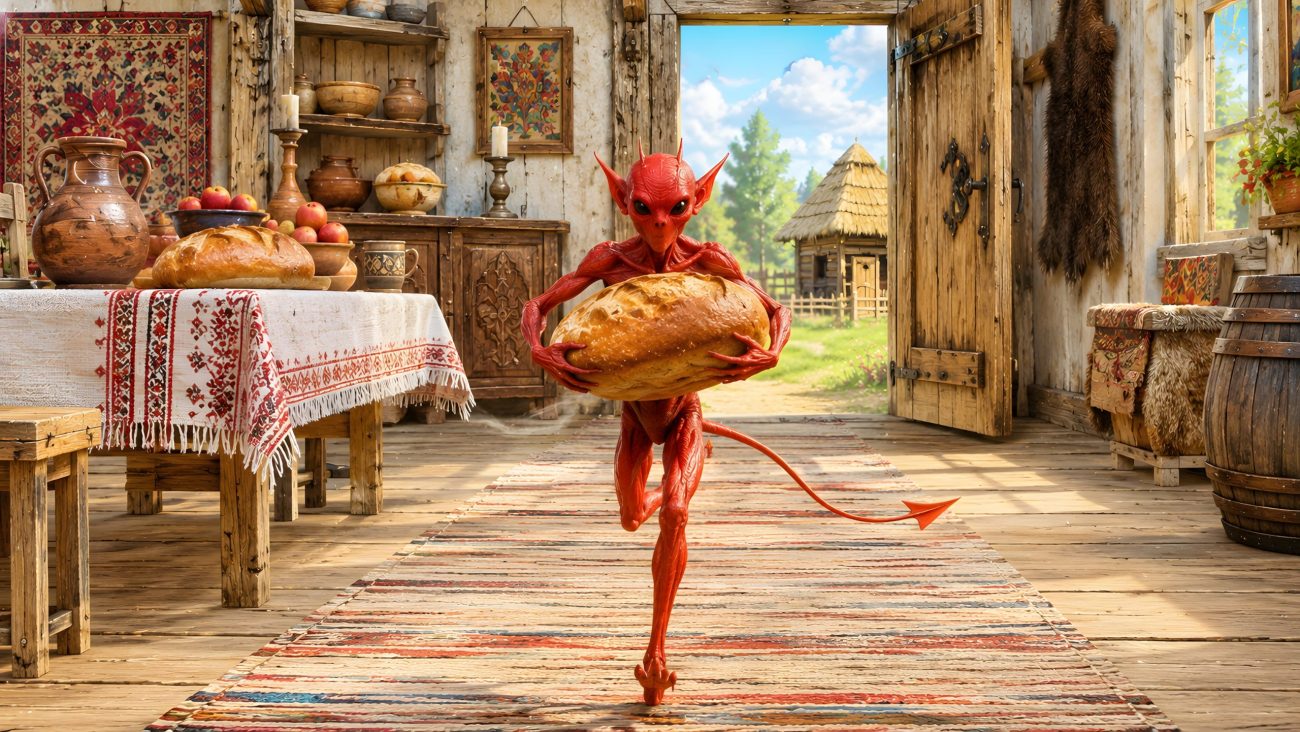
The Hännamees is a supernatural demon that steals food, money, and other valuables for its master. It secretly enters other people’s homes, takes whatever it has been ordered to steal, and delivers the stolen goods back to its owner.

The creature serves whoever controls it, tirelessly carrying out commands to enrich its master through theft. Its purpose is not to gather wealth for itself, but to bring prosperity to the person who commands it.


Sources

Wikipedia contributors. (n.d.). Estonian mythology. In Wikipedia. Retrieved June 29, 2026, from https://en.wikipedia.org/wiki/Estonian_mythology


Metsavana

Tradition / Region: Estonian Mythology
Alternative names: Metsataat, Metsaisa
Category: Forest dweller


The Myth

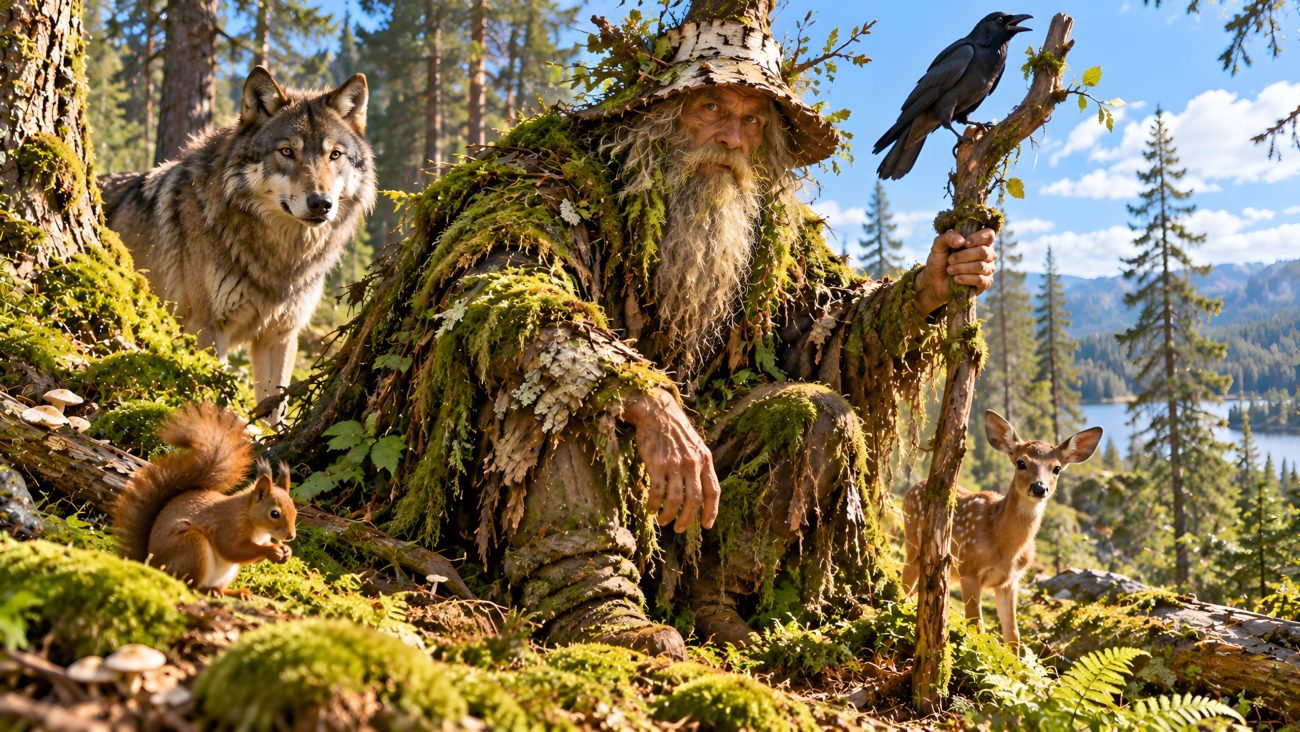
Metsavana, the Old Man of the Forest, is the ruler of a single forest, with every forest believed to have its own guardian. He appears as a tall, elderly man with an unkempt beard covered in moss, dressed in birch bark clothing with a large birch hat and boots.

He governs the forest and decides whether hunters will have a successful hunt. He can speak with the birds and animals of the woodland and is regarded as the protector of wild creatures, especially bears, wolves, snakes, and foxes.

Although generally benevolent, Metsavana is also a trickster. He may mislead or trouble people who wander into the forest or fail to show it proper respect.


Sources

Wikipedia contributors. (n.d.). Metsavana. In Wikipedia. Retrieved June 29, 2026, from https://en.wikipedia.org/wiki/Metsavana


Metsahaldjas

Tradition / Region: Estonian Mythology
Alternative names: Forest Father, Forest Spirit, Forest Guardian
Category: Forest dweller


The Myth

The Metsahaldjas is the guardian spirit of the forest. It can appear as an old man, a wild animal, or a bird, and is not always visible. People sometimes heard it walking, whistling, or laughing among the trees without ever seeing it.

When appearing in human form, the Metsahaldjas is usually described as an old man wearing a birch-bark hat, with a beard of moss and a cloak covered in moss. It is said to have a family, including sons and daughters, and forest spirits were believed to live together in their own communities.

The Metsahaldjas punishes those who disrespect the forest. It can lead travelers astray by confusing their sight so completely that they fail to recognize even their own home. According to tradition, the lost person could only find the right path again by following the bark of a dog or the crow of a rooster.

The forest spirit was also believed to court human women. If an honest girl refused its proposal, it could punish her by distorting her eyes or forcing her into marriage. Children born from such unions were said to possess extraordinary strength and intelligence and could hear sounds from great distances.

Hunters and travelers followed many customs to avoid angering the Metsahaldjas. Offerings were made by tying bands of straw, branches, flowers, grain, or other objects to trees. Berries, feathers, and the bones of hunted animals were also left on sacred stones, anthills, or grassy mounds within the forest.

The Metsahaldjas could also show kindness. It sometimes welcomed lost travelers into its home, fed them, and later guided them back to the correct path. Those who accepted its hospitality often believed they had been away for only a few hours, only to discover that years had passed in the outside world.


Sources

Wikipedia contributors. (n.d.). Metsahaldjas. In Vikipeedia. Retrieved June 29, 2026, from https://et.wikipedia.org/wiki/Metsahaldjas


Eksitaja

Tradition / Region: Estonian Mythology
Alternative names: —
Category: Forest dweller


The Myth

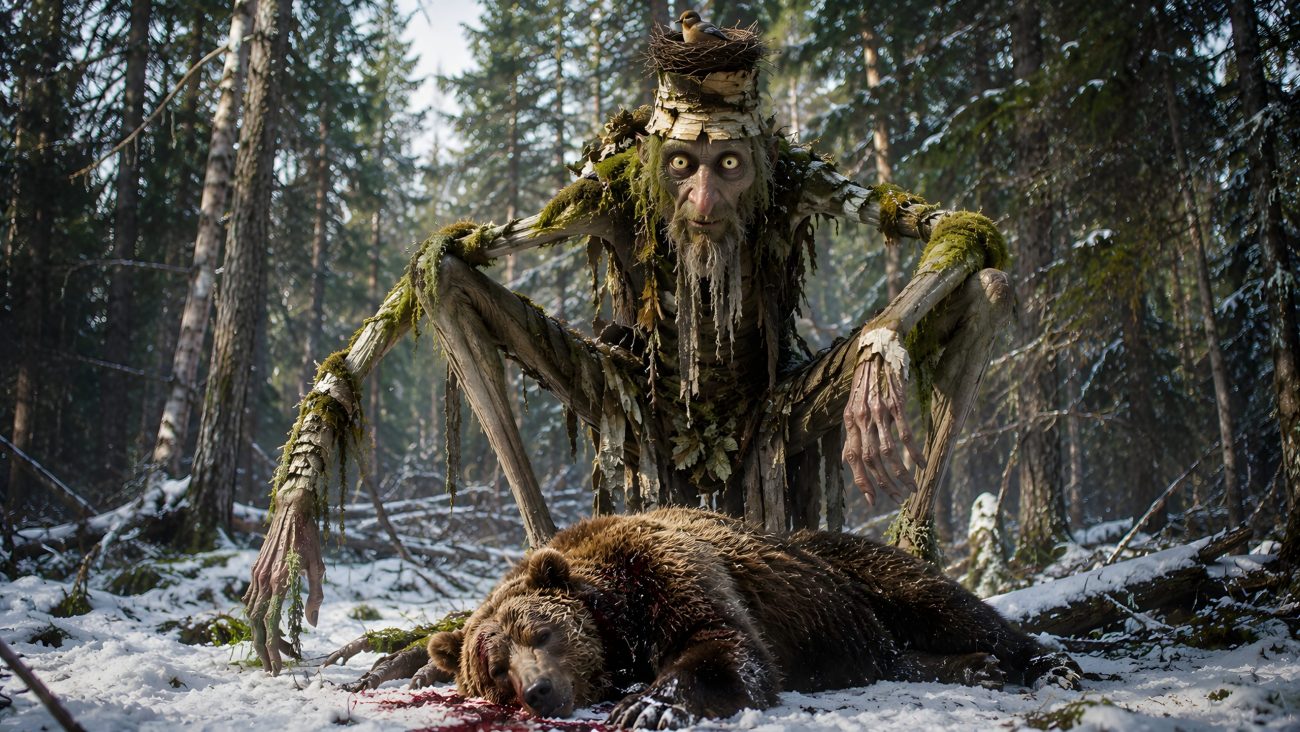
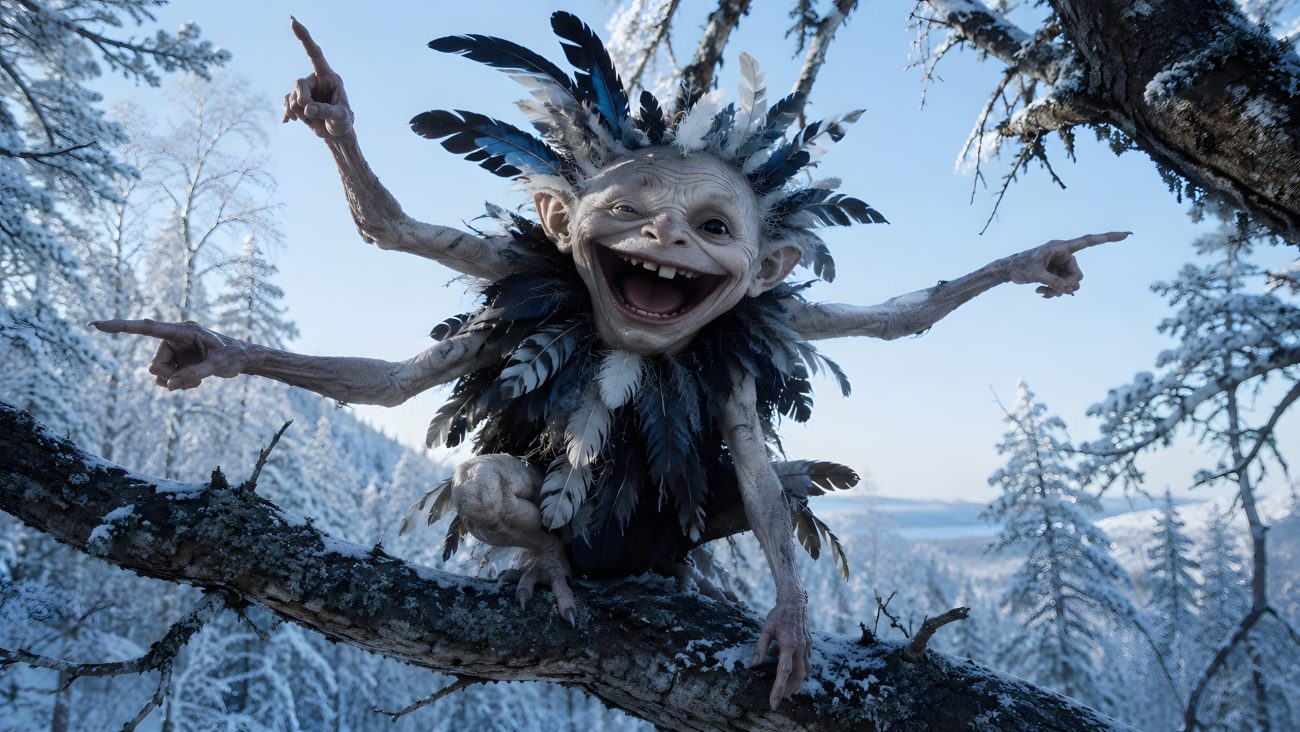
The Eksitaja is an evil forest spirit that causes people to lose their way. It leads travelers astray, confusing their sense of direction and preventing them from finding the correct path.

Those who encounter the Eksitaja may wander through the forest for hours, unable to escape its influence until the spirit releases them or they find their way out.


Sources

Wikipedia contributors. (n.d.). Estonian mythology. In Wikipedia. Retrieved June 29, 2026, from https://en.wikipedia.org/wiki/Estonian_mythology


Penilased

Tradition / Region: Estonian Mythology
Alternative names: —
Category: Dog


The Myth

The Penilased are a strange race mentioned in the Estonian national epic Kalevipoeg. They are described as beings with the bodies of dogs and the heads of humans, each with a long dog’s tail.

When Kalevipoeg and his companions sailed north aboard the Airplane, they reached the land of the Penilased. The inhabitants refused to let the travelers come ashore, provoking Kalevipoeg into battle. He attacked the Penilased and slew them in great numbers.

During the fighting, Kalevipoeg’s horse stumbled and died. Enraged, he seized a great oak club and began tearing up the surrounding fields and pastures. A local wise man stopped him, reproached him for destroying the land, and showed him the proper path home. He also warned Kalevipoeg of a hidden gate that led not to the end of the world, but to hell. Following the sage’s guidance, Kalevipoeg continued his voyage back toward Lindanisa Bay.


Sources

Wikipedia contributors. (n.d.). Penilased. In Vikipeedia. Retrieved June 29, 2026, from https://et.wikipedia.org/wiki/Penilased


Hiieneitsid

Tradition / Region: Estonian Mythology
Alternative names: Sacred Grove Maidens
Category: Zombie


The Myth

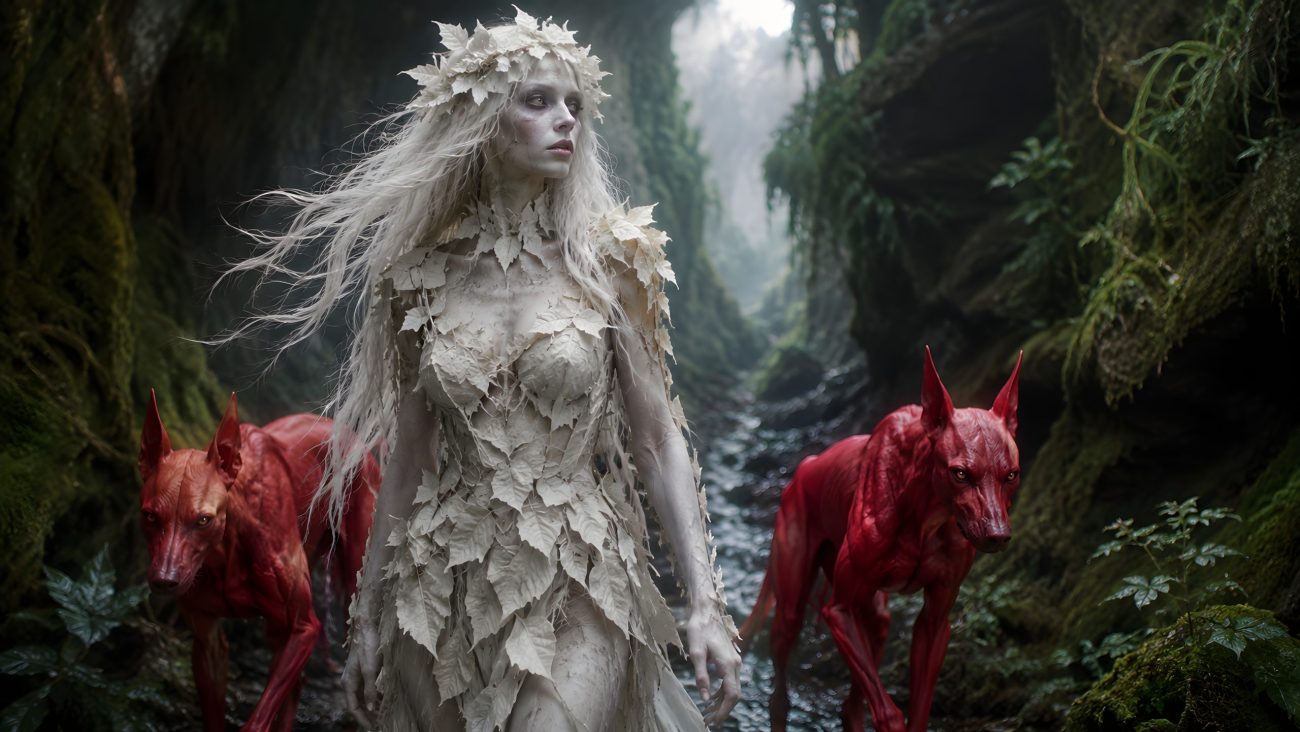
The Hiieneitsid are mysterious white maidens who dwell within sacred groves. They are described as pale, naked women who guard these ancient holy places together with their red dogs.

According to a legend from Kassari Island, a vast sacred oak forest once covered the center of the island, separating two villages that did not know of each other’s existence. After a wandering pig discovered a path through the forest, the villagers began traveling between the settlements.

At first, people passed through the sacred grove without trouble. Later, however, the Hiieneitsid appeared with their red dogs and stopped everyone on the path, asking: “Do you know the song of the Hiieneitsi?” Those who could recite the sacred song were allowed to continue, but anyone who did not know it was chased away by the dogs.

The Hiieneitsid themselves taught this song to a few people by repeating it to them. Others composed their own verses in hopes of passing through unseen, beginning with the words:

“The Hiieneitsid did not see me,
Nor did the dogs of the Hiieneitsid…”

The maidens also forbade people from entering the sacred grove to perform sacrifices or hold religious ceremonies.

The great sacred grove was eventually cut down, leaving only memories, local traditions, and place names behind. One later explanation claimed that the Hiieneitsid had actually been Catholic priests disguised in strange garments to frighten people away from the old sacred grove, though the older tradition remembered them as supernatural guardians of the sacred forest.


Sources

Matthias Johann Eisen. (2002). Hiieneitsid (No. 117). In Esivanemate varandus II: Kodused jutud. Eesti Kirjandusmuuseum