Avrag Mogoy

Tradition: Mongolian mythology
Alternative Names: Avraga Mogoi, Avraga-Mogoi, Abragha Mogoy, Aburhu Mogoy
Category: Dragon


The Myth

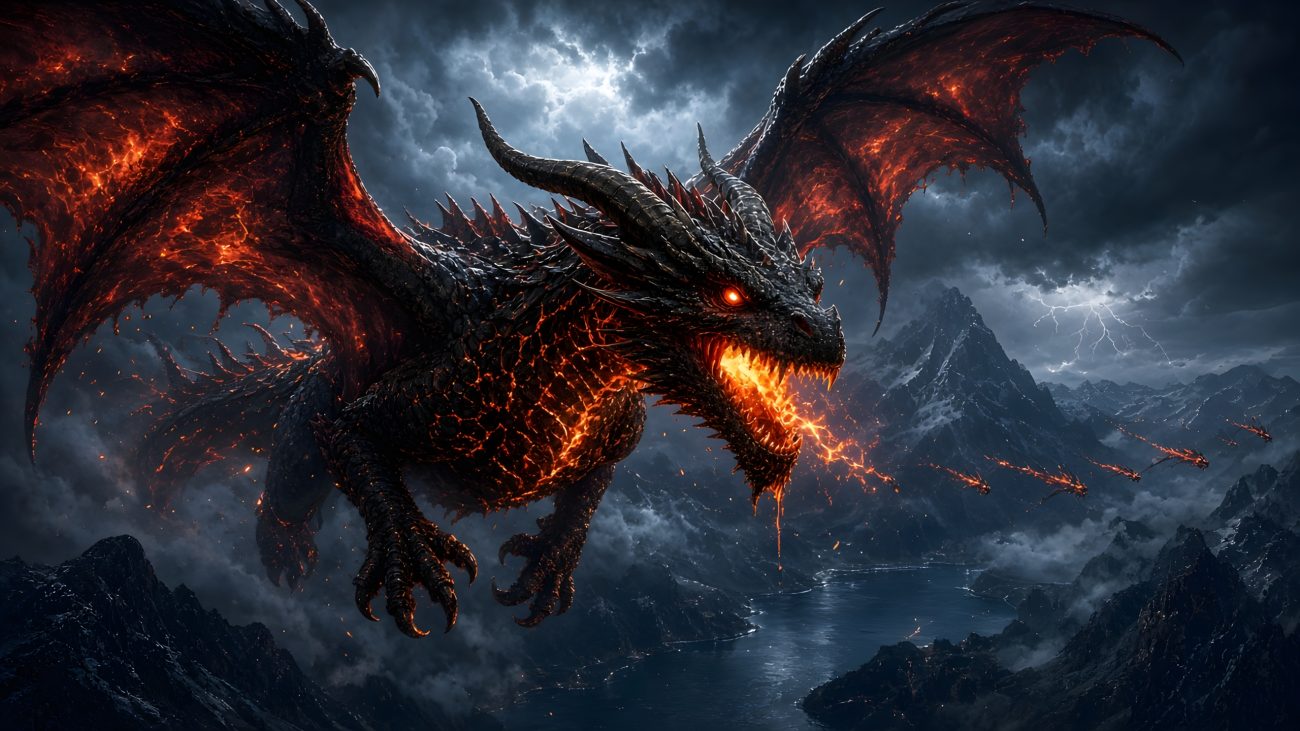
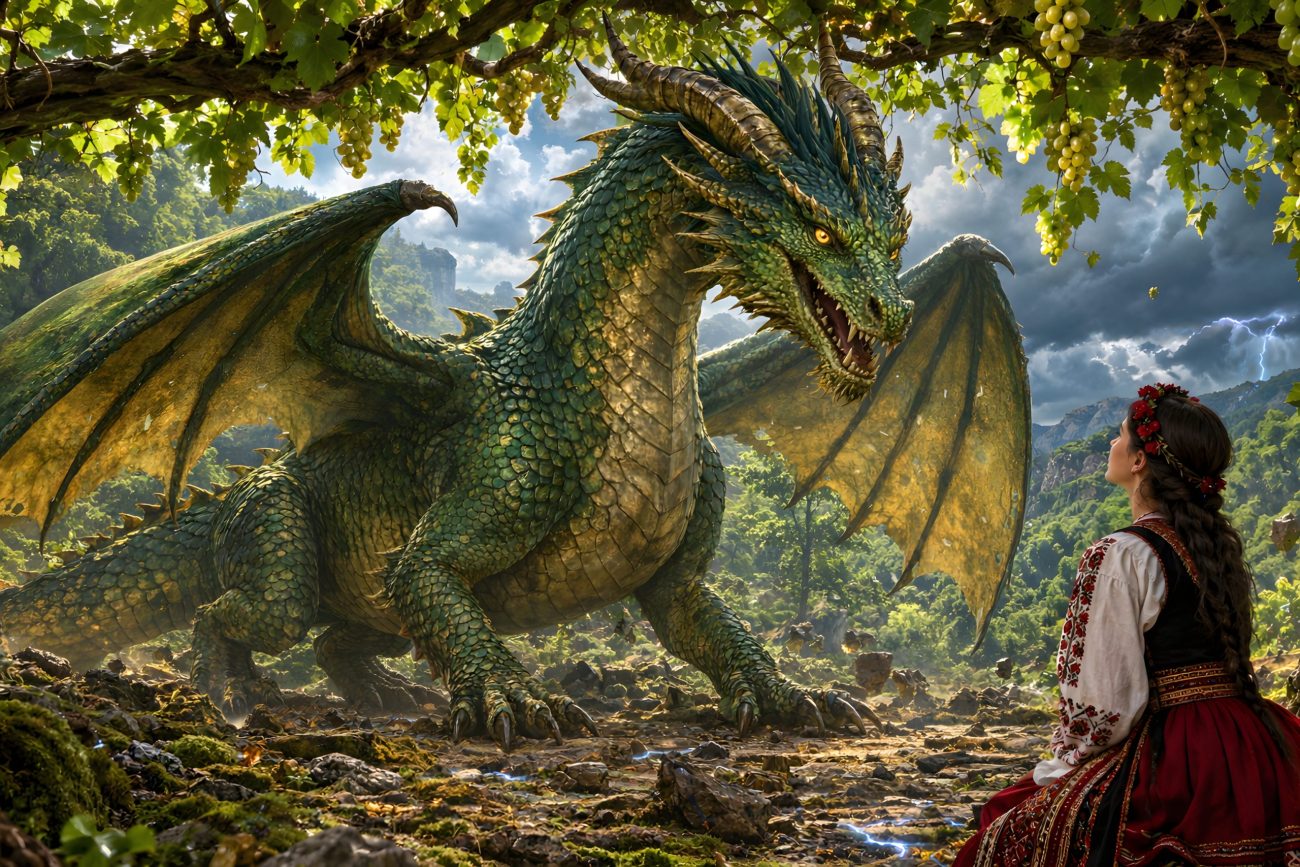
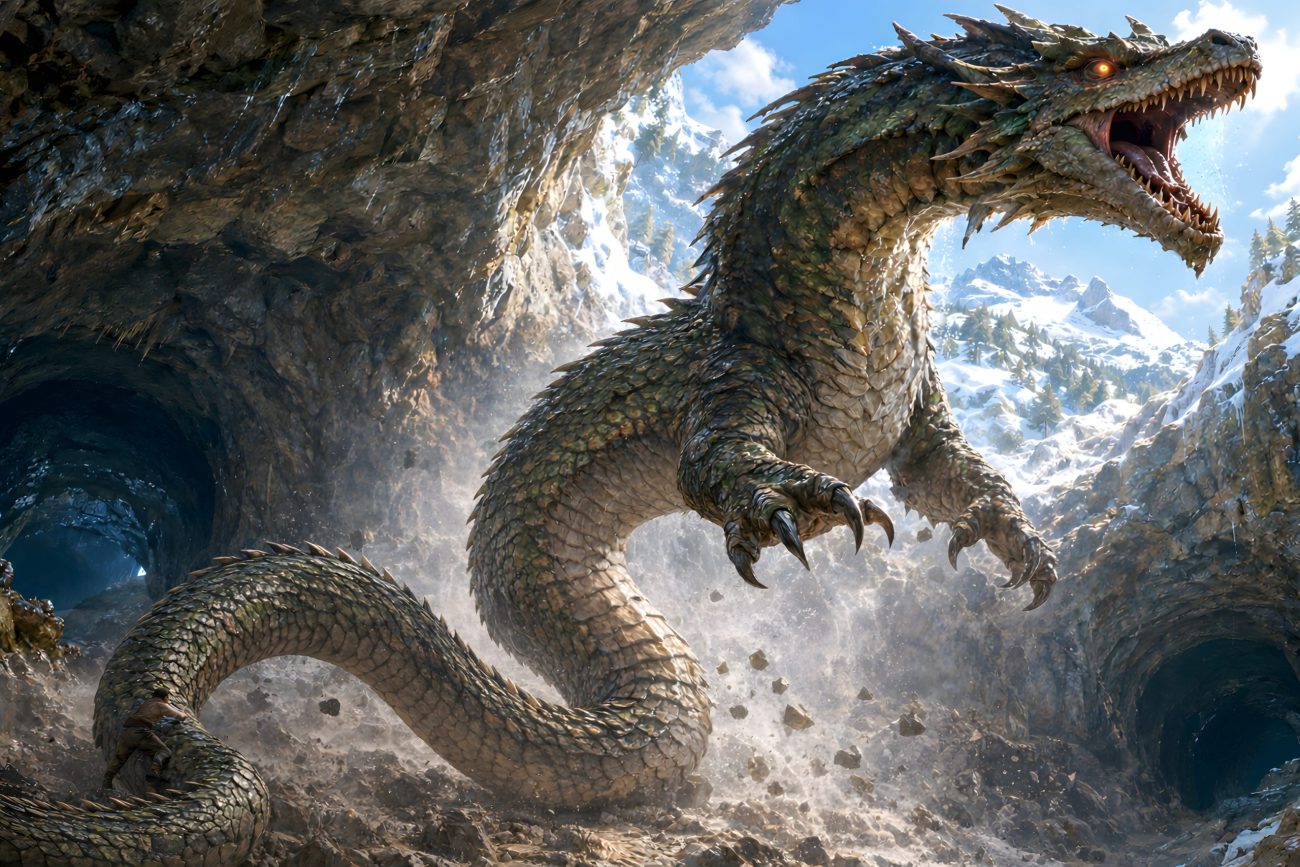
Avrag Mogoy is a gigantic dragon-snake with twenty-seven heads and thirty-three tails. In Mongolian legend, the monstrous serpent is imprisoned within an underground fortress, where it remains a terrifying and powerful creature.

Deep beneath the earth, Avrag Mogoy furiously battles the garuda, the great mythological bird. The struggle between the enormous serpent and the bird is fierce, with the garuda seeking to destroy Avrag Mogoy and the dragon-snake fighting to survive.

The conflict is driven by the garuda’s desire to kill Avrag Mogoy’s chicks. The gigantic serpent therefore becomes locked in a desperate struggle with the great bird beneath the earth, its many heads and countless tails making it an enormous and formidable opponent.


Sources

“Аврага могой (Avraga Mogoj).” New Bestiary (Bestiary.us). Accessed October 3, 2026.
https://www.bestiary.us/avraga-mogoj/ru


Andumbulu

Tradition: Dogon mythology, Mali Mythology
Alternative Names: Andumbulu
Category: Dwarf


The Myth

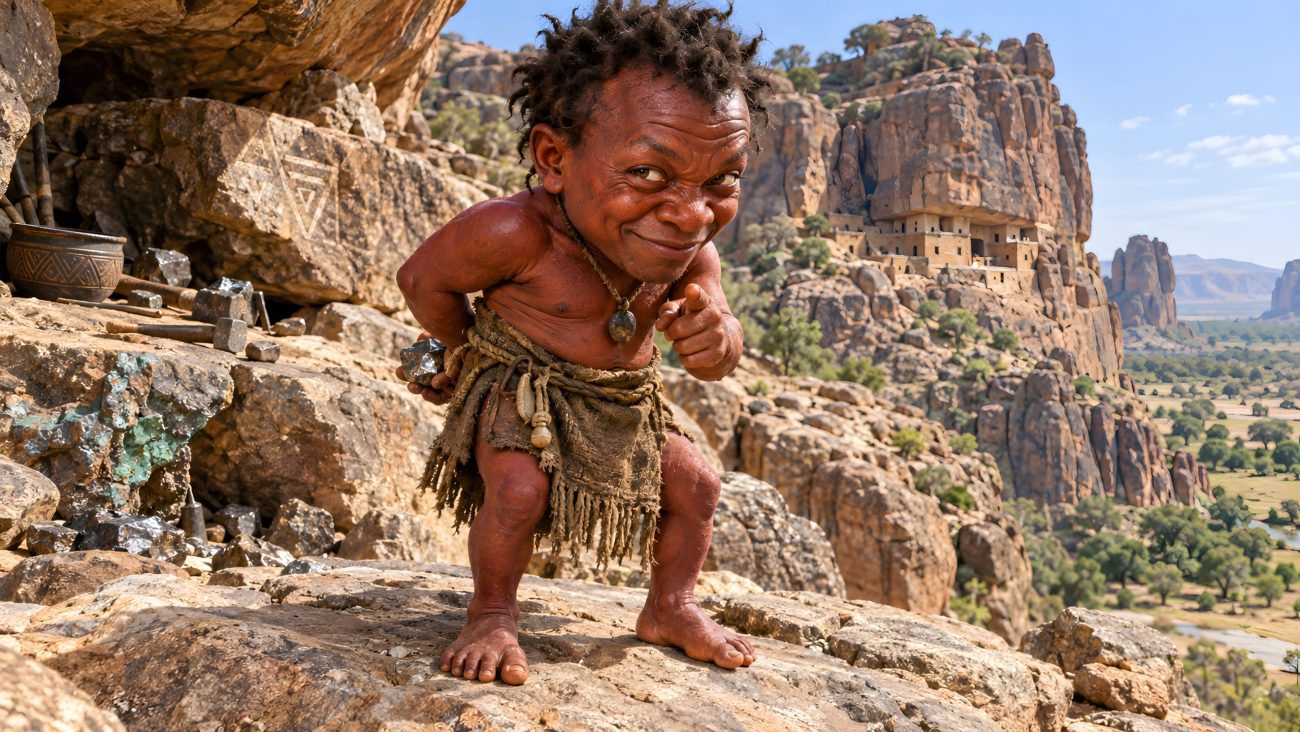
The Andumbulu are a mysterious people of small stature who are said to dwell among the rocks of southeastern Mali and the borderlands of Burkina Faso. They are described as little red-skinned people who live in hidden places among the rocks, remaining apart from ordinary human communities.

The Andumbulu are regarded as ancient beings who possess knowledge of the gods, cultural customs, and sacred rituals. According to Dogon tradition, they passed much of this knowledge on to the people who encountered them, giving them gifts and teachings that helped shape their way of life.

They were also credited with teaching practical skills. The Andumbulu showed people how to make bricks and construct dwellings, including houses built within hollow trees. They taught them how to prepare food, light and use cooking fires, grind flour and spices, and recognize and prepare medicinal herbs.

Dogon tradition places the Andumbulu in the landscape as a people who were already there before the ancestors of the present inhabitants arrived. They are associated particularly with the region around Sang, where they were believed to have lived before later peoples settled there. Their small size and hidden existence have sometimes led them to be compared with other traditions of mysterious small peoples found elsewhere in West Africa.


Sources

“Andumbulu.” New Bestiary (Bestiary.us). Accessed October 4, 2026.
https://www.bestiary.us/andumbulu


Abura Sumashi

Tradition: Japanese Mythology
Alternative Names: 油すまし (Abura Sumashi)
Category: Yōkai, Dwarf


The Myth

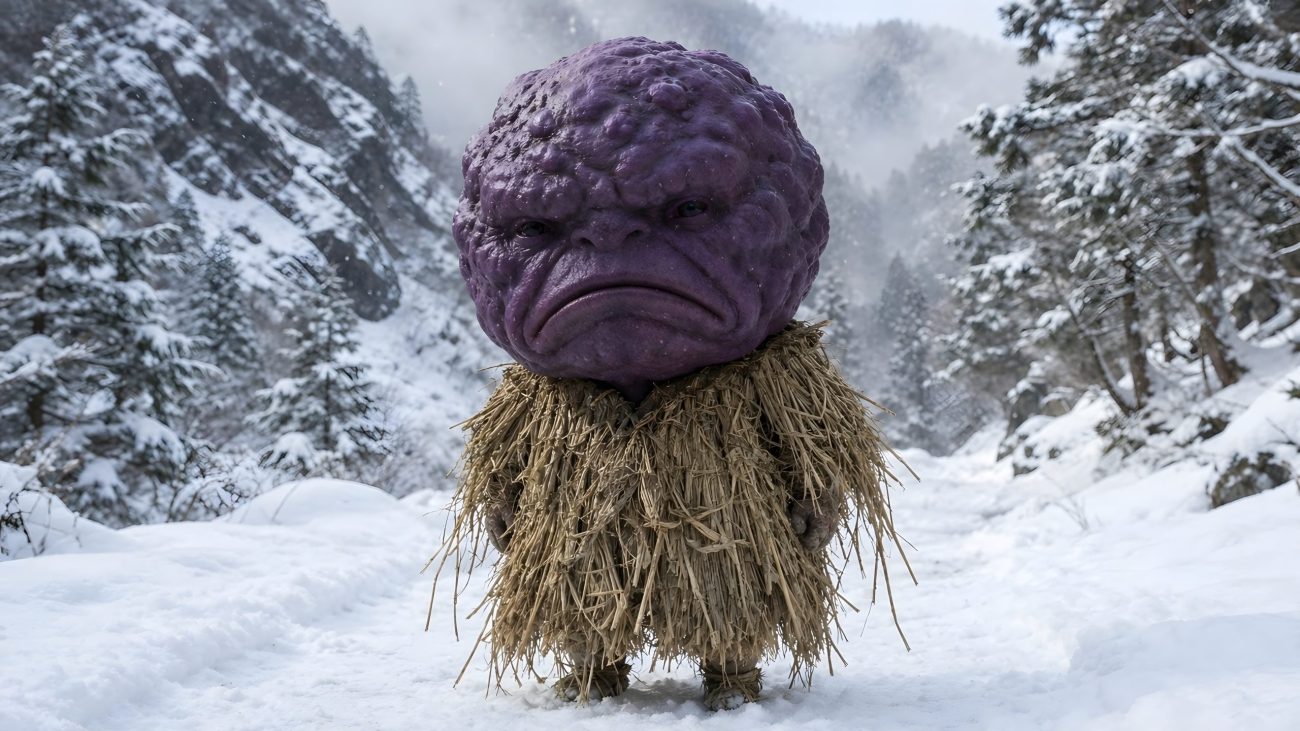
The Abura Sumashi is a strange, squat figure said to haunt the remote mountain paths of Kumamoto. Its most striking feature is its enormous head, rough and misshapen like a stone or a large potato. Beneath it is a short humanoid body dressed in a coat woven from straw, giving the creature the appearance of a bizarre mountain traveler.

It is rarely seen. The Abura Sumashi is said to remain deep in the mountains, particularly around the secluded passes of southern Japan where wild tea grows. Travelers may sometimes encounter one without warning, appearing seemingly from nowhere before disappearing back into the wilderness.

The most famous Abura Sumashi is associated with the Kusazumigoe Pass. The creature has a peculiar habit of making its presence known without necessarily revealing itself. An elderly woman might walk along the pass with her grandchildren and mention that an Abura Sumashi once lived there. A voice from the mountains can then suddenly answer that it still lives there. Only on rare occasions does the creature actually step out before those who have heard it.

The name Abura Sumashi means “oil presser,” connecting the yōkai to the traditional production of oil from tea seeds. Producing the oil was difficult and time-consuming, making it a valuable commodity. According to the legend surrounding the creature, thieves who stole oil and escaped into the mountains could avoid punishment during their lifetime, but they could not escape it forever. Their spirits were believed to return as Abura Sumashi, condemned to haunt the mountains as punishment for their crimes.


Sources

“Aburasumashi.” Yokai.com: The Japanese Yokai Encyclopedia. Accessed October 4, 2026.
https://yokai.com/aburasumashi/


Li Long

Tradition: Chinese mythology
Alternative Names: Lilyu, Liryo, Black Dragon
Category: Dragon


The Myth

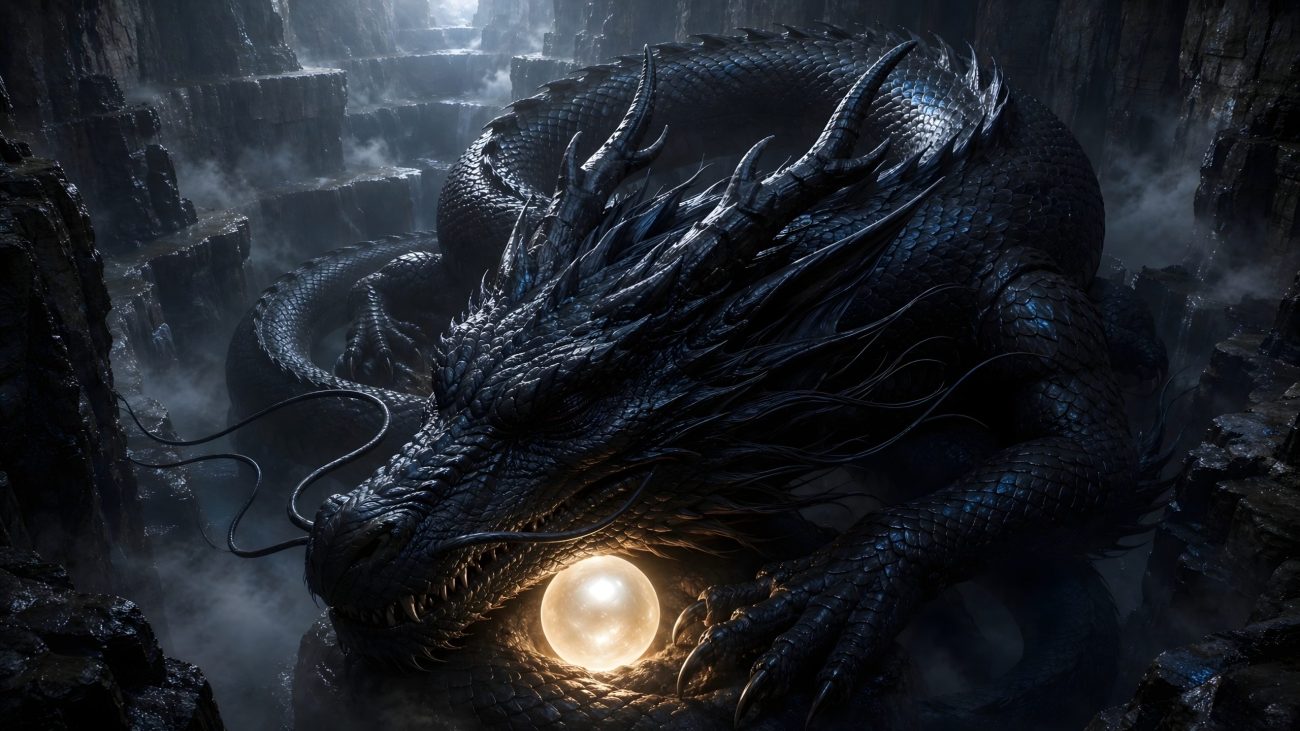
Li Long is a black dragon said to dwell in a nine-layered abyss. It guards precious treasures hidden deep beneath the water, making the dragon’s domain a place of immense danger for anyone seeking its riches.

One famous tale tells of a poor family who made their living weaving grass and catching fish along a river. One day, the family’s son dived into a deep pool and discovered a jewel worth a thousand pieces of gold. When he returned with the treasure, his father was horrified rather than pleased. He told his son to smash the jewel with a stone, explaining that such a priceless jewel must have been lying beneath the jaws of a Li Long in the nine-fold abyss.

The young man had survived only because the dragon happened to be asleep. Had it awakened, the dragon would have devoured him completely. The father used the story as a warning: treasures of extraordinary value can demand extraordinary risks.

The image of the jewel beneath the dragon’s jaw became a famous symbol of something precious that can only be obtained by risking one’s life. To seek such a treasure was compared to taking the pearl from the dragon’s jaws. The dragon’s pearl could therefore represent an almost impossible prize, hidden behind terrible danger.

The dragon was also associated with another dangerous treasure: the precious jewel believed to be contained within the brain of a dragon king. Buddhist traditions likewise spoke of dragon pearls as treasures of extraordinary rarity. Stories and religious performances developed around the image of dragons guarding such jewels, including a medieval Japanese temple performance in which male and female dragons were said to protect the sacred jewel while songs, dances, and music were performed to summon the dragon god and bring prosperity and happiness.

Li Long thus became more than a terrifying guardian of an abyss. Its jaws came to represent the boundary between enormous danger and extraordinary treasure: the greater the prize, the closer one must come to the dragon.


Sources

Takahashi, Toshihiro. “驪龍 [りりゅう] (Riryū).” 新版TYZ 妖怪図鑑 (New TYZ Yokai Encyclopedia). January 6, 2024. https://tyz-yokai.blog.jp/archives/1082940932.html


Dragon of Burgdorf

Tradition: Swiss Mythology
Alternative Names: Dragon of the Drachenloch
Category: Dragon


The Myth

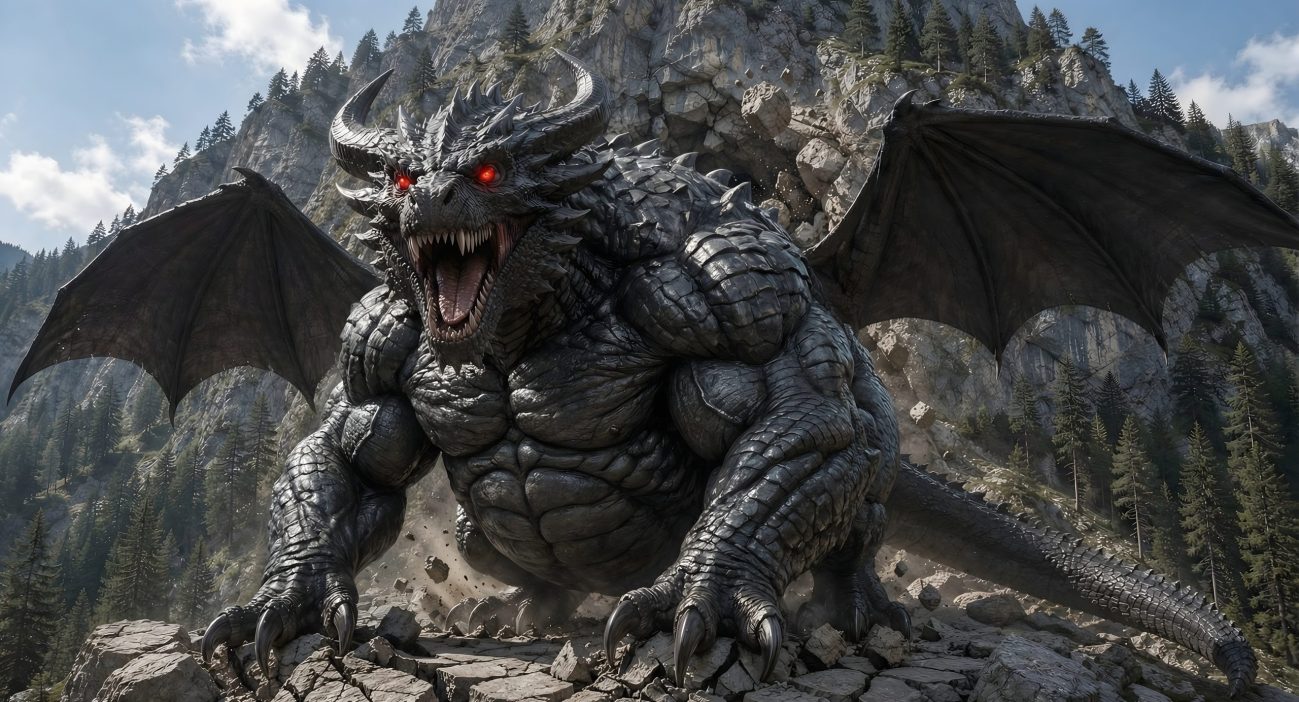
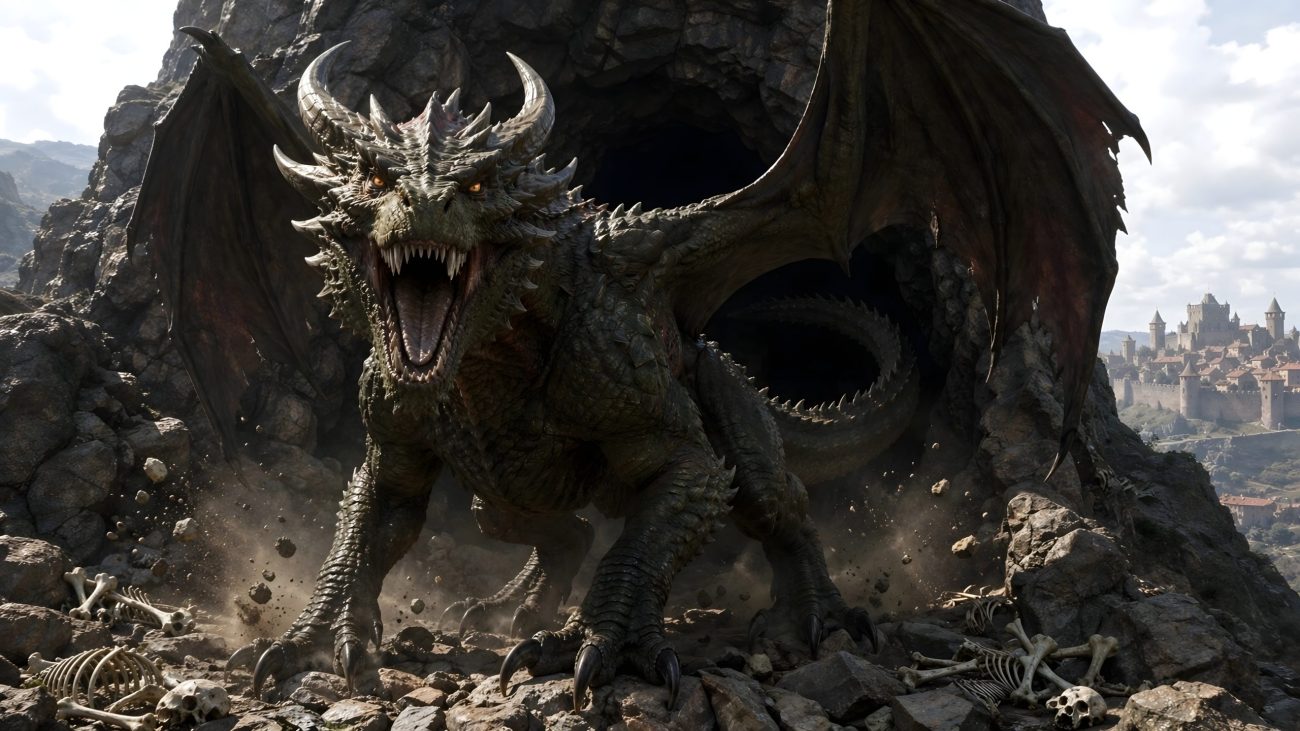
The Dragon of Burgdorf was an enormous dragon that lived inside a hollow mountain near Burgdorf in Bern. The cavern became known as the Drachenloch, or Dragon’s Cave, and the creature was said to have laid waste to the surrounding countryside.

In the year 712, the brothers Sintram and Beltram, dukes of Lenzburg, went hunting together. Deep in a wild and desolate forest they came upon a hollow mountain and discovered the dragon within. As soon as the beast saw the two men, it sprang violently toward them.

Before Beltram could escape, the dragon seized him and swallowed him alive. Sintram fought back with great courage and engaged the monster in a fierce struggle. Eventually he managed to overcome and kill the dragon.

But when Sintram cut open the dragon’s split body, he discovered something astonishing: his younger brother was still alive inside the monster. Beltram had survived being swallowed and was rescued from the dragon’s body.

To commemorate the terrible encounter and Beltram’s miraculous survival, the two princes had a chapel dedicated to Saint Margaret built at the very place where the dragon had been defeated. The story was also painted there, where it could still be seen.


Sources

“Das Drachenloch.” SAGEN.at – Traditionelle Sagen aus der Schweiz (Bern). Reproduced by SAGEN.at.
https://www.sagen.at/texte/sagen/schweiz/bern/dasdrachenloch.html


Dragon of the Giant and the Tailor

Tradition: Swiss Mythology
Alternative Names: The Dragon of the King’s City
Category: Dragon


The Myth

The dragon was a terrible monster that lived in a cave near a great city. It had a horned head and was so fearsome that the people were unable to defeat it. Every day the inhabitants were forced to give the dragon a human being to devour. If they failed to provide a victim, the monster would leave its cave and rage through the country, so violently that the people considered the daily sacrifice the lesser evil.

Eventually the king’s own beautiful daughter was chosen to become the dragon’s next victim. The king had promised that whoever could kill the monster would receive his daughter and the kingdom, but no one had yet been able to accomplish the deed.

A giant and a small tailor arrived in the city and offered to kill the dragon. The giant possessed enormous strength, while the clever tailor relied on his cunning. They took a gigantic hammer and a heavy pair of tongs and travelled toward the dragon’s cave.

They decided that the giant would enter the cave and drive the dragon out with his hammer, while the tailor waited outside with the tongs and would seize the creature when it emerged. But when the giant entered the cave and attacked the monster, the dragon suddenly burst out and snapped up the tailor like a fly, swallowing him whole.

The giant immediately pursued the dragon and brought his enormous hammer down upon its horned head. The blow crushed the monster’s skull, and the dragon fell dead. The giant then cut open its body and discovered the tailor still alive inside the dragon’s belly.

The tailor, however, feared that the giant would claim the king’s daughter and kingdom for himself. He therefore told the giant that he had deliberately allowed himself to be swallowed because he intended to turn the dragon inside out from within, like a glove. The foolish giant believed him.

The two men returned to the king with the dead dragon, each claiming the reward. After the king’s advisers failed to decide who deserved the princess and kingdom, the tailor proposed that the winner should be whoever could eat the most rice porridge.

The giant eagerly accepted, since rice porridge was his favourite food. A gigantic mountain of porridge was placed before them, and the two began eating. The giant devoured enormous quantities until he could eat no more, while the tailor continued eating without stopping. Finally the giant admitted defeat.

The tailor married the king’s daughter and received the kingdom. The giant remained behind, determined to discover how the little tailor had managed to eat so much. The tailor told him that during the meal he had cut open his own stomach so that he could continue eating indefinitely.

The foolish giant believed him. One day, while eating rice porridge, he cut open his own stomach and immediately fell dead. Thus the dragon’s death brought an end to the monster that had terrorized the kingdom, while the tailor’s cunning ultimately freed the kingdom from the giant as well.


Sources

“Der Riese Schneiderlein.” SAGEN.at – Traditionelle Sagen aus der Schweiz. Reproduced by SAGEN.at.
https://www.sagen.at/texte/sagen/schweiz/allgemein/riese_schneiderlein.html
Giao Long

Tradition: Vietnamese mythology
Alternative Names: Giao Long
Category: Dragon


The Myth

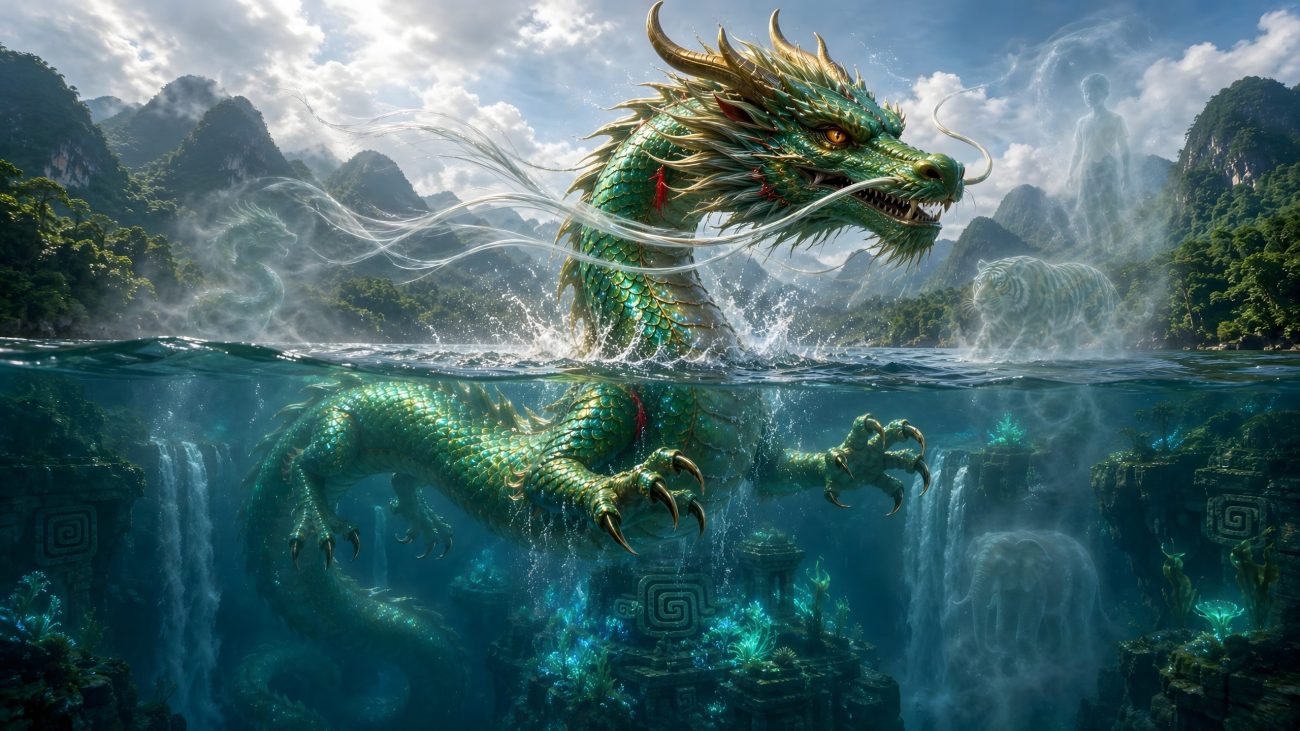
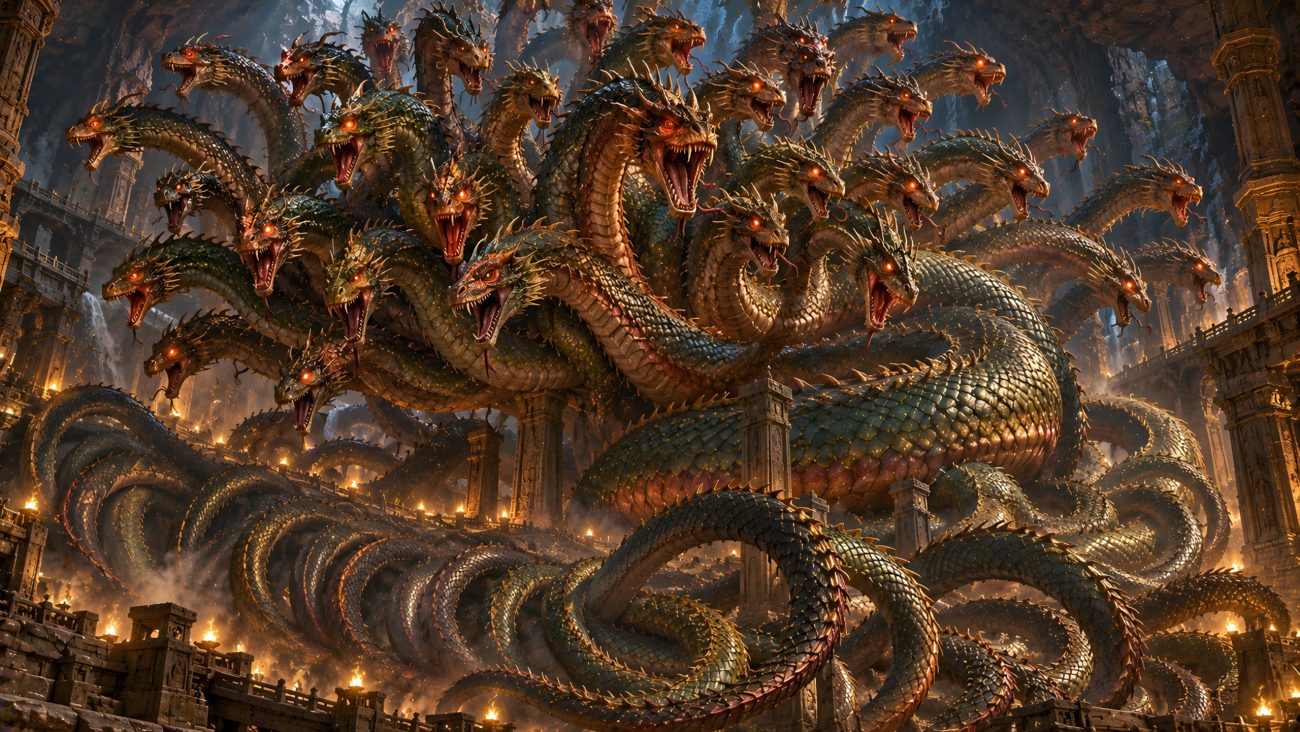
The Giao Long was a dangerous dragon-like creature that lived in the waters of ancient Vietnam. It was feared by people who lived along the forests and rivers, particularly when they entered the water, where the creatures could attack and cause great harm.

During the early age of the Hùng kings, the people complained to their ruler that they were being attacked by the Giao Long whenever they went down into the water. The king explained that the people of the mountains and the creatures of the waters belonged to different kinds, and that the two were therefore constantly trespassing upon one another’s domains.

To protect his people, the king ordered them to mark their bodies with tattoos resembling the creatures of the water. From then onward, the Giao Long no longer attacked them, recognizing the tattooed people as belonging to the same watery world.

The tradition therefore explained the origin of tattooing among the ancient Bách Việt people. The marks on their bodies served not merely as decoration, but as protection against the terrifying dragon creatures that inhabited the waters.


Sources

Nguyễn Hữu Vinh and Trần Đình Hoành. Lĩnh Nam Chích Quái Bình Giải. 2010.
https://trandinhhoanh.wordpress.com/2010/03/21/linh-nam-chich-quai-d%E1%BA%ABn-nh%E1%BA%ADp/


Dragons of Pilatus

Tradition: Swiss Mythology
Alternative Names: Dragons of Pilatus
Category: Dragon


The Myth

The dragons of Mount Pilatus were fiery supernatural creatures that appeared around the dark, cloud-covered mountain above Lucerne. They were said to fly through the night sky in great numbers, glowing like fire as they crossed over Lake Lucerne toward the Rigi and Bürgenstock. At times there were so many of them that their fiery bodies seemed to form burning bridges between the mountains. The Bürgenstock was said to be especially full of dragons, nesting within the split mountain that was believed to be held together by a golden chain.

The dragons belonged to the strange and supernatural world surrounding Mount Pilatus, where the spirit of Pontius Pilate was believed to dwell in a small mountain lake. Pilatus had been thrown into the lake after his corpse had caused storms and sickness wherever it was buried. A wandering scholar from the underground school of Salamanca eventually bound his restless spirit there until Judgment Day.

Even after Pilatus had been imprisoned, the mountain remained a place of dreadful weather and supernatural activity. His spirit could disturb the waters of the lake, send storms across the mountains, and appear in frightening forms. Around the mountain, strange creatures were sometimes seen by shepherds, including a wild horse, a huge dog, or a ghostly calf.

The fiery dragons were among the most spectacular signs of the mountain’s supernatural nature. When night fell over Lucerne, people could look toward Pilatus and see the creatures emerging from its clouds and flying across the lake. Their burning forms illuminated the darkness as they travelled toward the neighbouring mountains, making the entire sky appear crossed by fiery paths.

The people of Lucerne also watched the clouds around Pilatus to predict the weather. When the mountain wore a cap of cloud, storms were expected, while other shapes were taken as signs of rain or fair weather. Thus the mysterious mountain, its dragons, and its dark waters became part of the everyday lore of the people living beneath Pilatus.


Sources

Lienert, Meinrad. “Die Pilatussage.” In Schweizer Sagen und Heldengeschichten. Stuttgart, 1915. Reproduced by SAGEN.at. https://www.sagen.at/texte/sagen/schweiz/allgemein/pilatussage.html


Marko the Dragon

Tradition: Macedonian Mythology, Bulgarian Mythology
Alternative Names: Zmey Marko, Marko Zmey
Category: Dragon


The Myth

Marko is a zmey, a supernatural dragon-like being who appears in a folk song from Prosenik in the Serres region. He is associated with thunder and the mysterious power of storms.

The song tells of Todora, a beautiful young woman who goes into the green forest and sits beneath a great vine. There she encounters Marko, the zmey. He often insults her, yet he also brings her a flower, and Todora approaches him with a request.

She asks Marko whether he knows a spell that can make her brother, her sister-in-law, and the old Jovanitsa tremble. Marko tells her exactly how to bring about the terrible trembling. When thunder strikes, she must remember to turn back, take dust from the earth, and scatter it over the three people.

Todora remembers his instructions. When the thunder crashes and the earth trembles, however, she turns back and takes the earth-dust as Marko commanded. But instead of sprinkling it over her brother, her sister-in-law, and old Jovanitsa, she sprinkles it over Marko himself.

The song ends with Todora turning Marko’s own supernatural power against him, leaving the zmey as the victim of the spell he had taught her.


Sources

Verkovich, Stefan. “Chapter 5.” In Narodni pesni na makedonskite Balgari (Folk Songs of the Macedonian Bulgarians). Liternet.bg. https://liternet.bg/folklor/sbornici/verkovich/5.htm


Dragon of Lucerne

Tradition: Swiss Mythology
Alternative Names: The Dragons of the Faßbinder
Category: Dragon


The Myth

The dragons were two enormous and hideous creatures that lived deep beneath the mountains of Lucerne, inside great caves hidden at the bottom of a deep, muddy pit. They were among the dragons and worms believed to have inhabited the Swiss mountains in ancient times, creatures that could sometimes descend violently into the valleys and bring destruction with them.

In the year 1420, according to the church records, a cooper from Lucerne went into the wilderness searching for wood with which to make his barrels. He became lost in the lonely mountains after nightfall and suddenly fell into a deep pit, sinking down as though into a muddy well. At the bottom he discovered entrances leading into two enormous caves.

When he went closer to investigate, two dreadful dragons emerged from the caves. Terrified, the man prayed fervently, but the dragons did not attack him. Instead, they repeatedly wrapped their enormous bodies around him without harming him.

The unfortunate cooper remained trapped with the dragons from November 6 until April 10. He survived by feeding upon the same salty moisture that sustained the dragons, which seeped from the walls of the caves.

When winter finally ended, the dragons sensed that spring had arrived and prepared to leave their underground dwelling. One of them suddenly flew out with a tremendous rushing sound. As the second dragon prepared to follow, the cooper seized its tail and held on tightly. The dragon carried him up and out of the deep pit.

Once they reached the surface, the man released his grip and escaped. He returned safely to Lucerne, having survived months underground in the company of the two dragons.

To preserve the strange event, he had the entire story embroidered onto a priestly vestment. The embroidered account was said to remain visible in the Church of Saint Leodegar in Lucerne.


Sources

“Der Drache fährt aus.” SAGEN.at – Traditionelle Sagen aus Deutschland. Reproduced by SAGEN.at.
https://www.sagen.at/texte/sagen/grimm/derdrachefaehrtaus.html