Valciero

Tradition: Taiwanese Mythology
Alternative Names: Valcierro, Executioner of Flies
Category: Lizard


The Myth

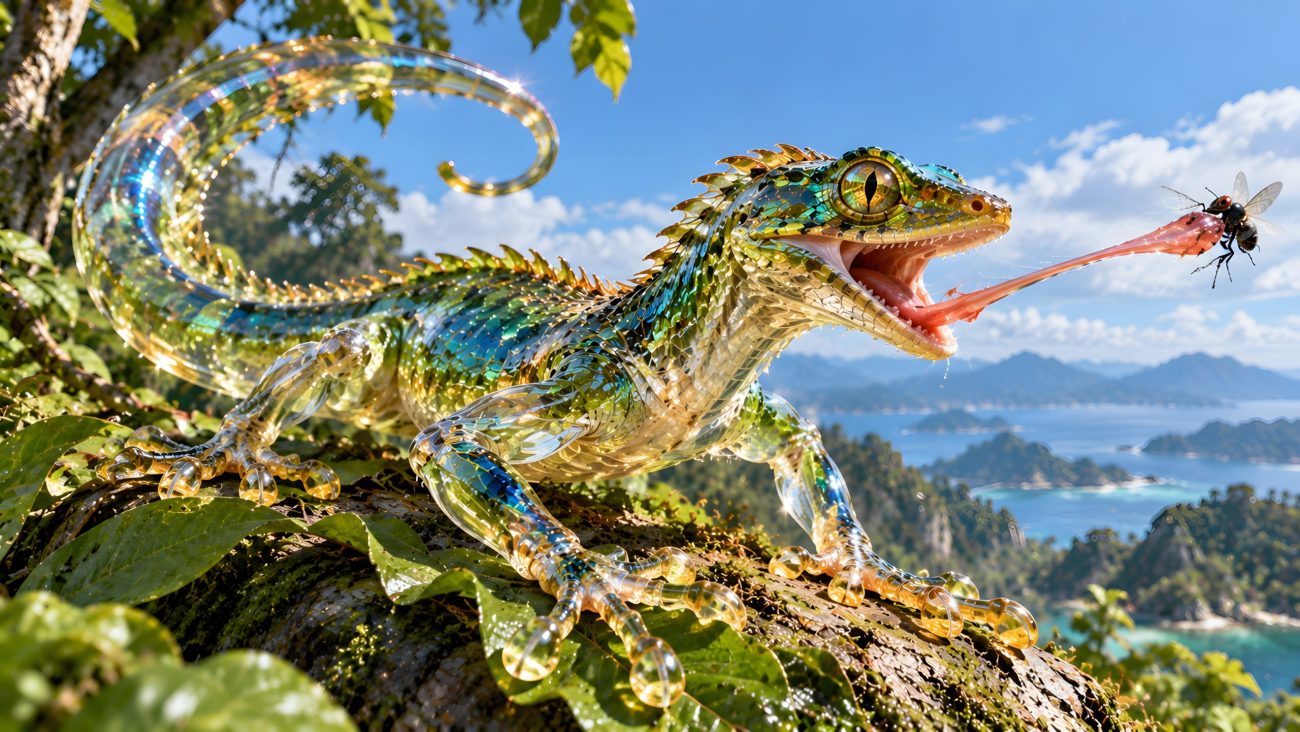
The Valciero is a lizard-like creature described as an animal native to Formosa, the historical European name for Taiwan. Its skin is said to be as smooth and beautiful as glass, and it can change colour depending on the situation. The creature is particularly known for its relentless pursuit of flies, earning it the name “Executioner of Flies.”

Whenever flies approach a table, a piece of meat, or a drink, the Valciero eagerly chases them and invariably catches them. Its behaviour makes it a natural enemy of flies, protecting food and drink from these troublesome insects. According to the account, creatures of this kind are found only in Formosa, Japan, and America, and are unknown in England.

The Valciero appears in a description of Formosan animals attributed to Georges Psalmanazar, an eighteenth-century impostor who fabricated accounts of Taiwan and its inhabitants. His writings presented an imagined Formosa with its own customs, animals, and history, making the Valciero part of a fictional portrayal of the island rather than a reliably documented Taiwanese animal.


Sources

“Valchiero.” 新版TYZ 妖怪図鑑 (New TYZ Yokai Encyclopedia). https://tyz-yokai.blog.jp/archives/1084131596.html
Momi

Tradition: Japanese Mythology
Alternative Names: Fimi, Great Gecko
Category: Lizard


The Myth

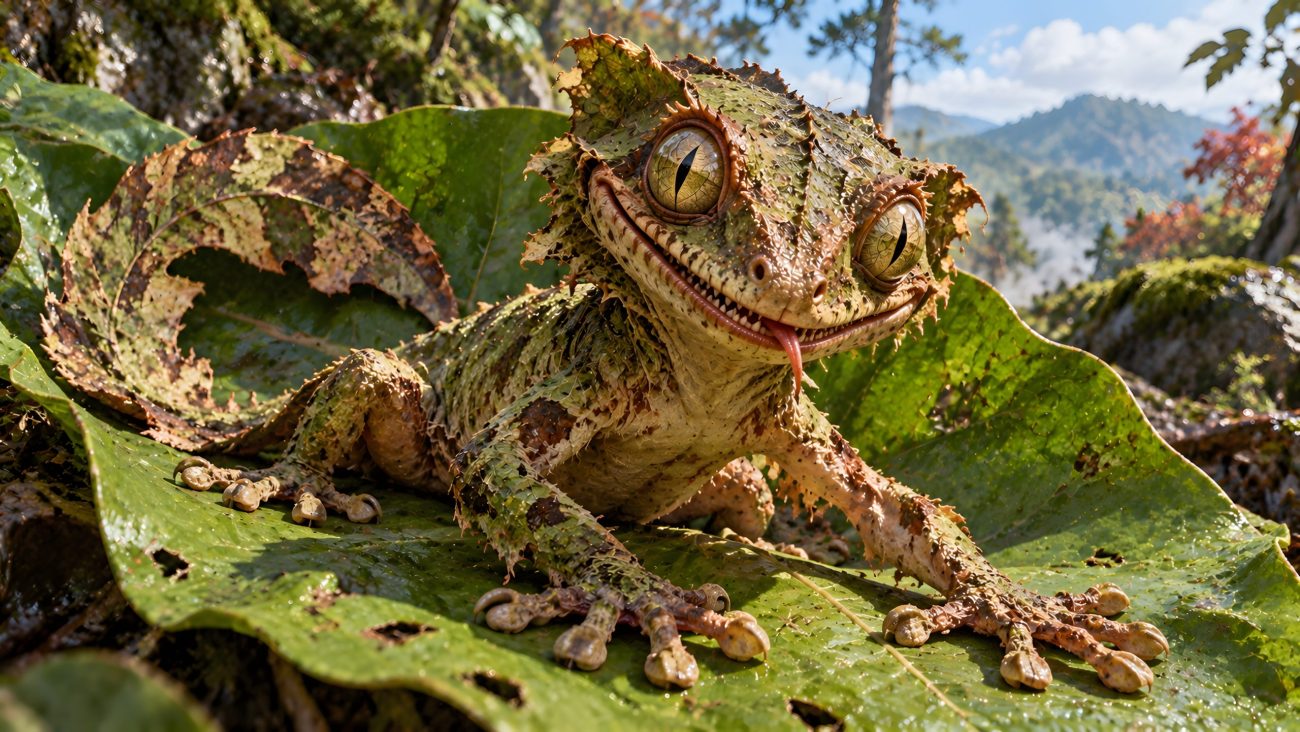
Momi is a strange gecko said to inhabit the grassy mountain slopes of Mount Ani in Japan. According to the account, it is attracted to human sexual fluids and may attach itself to the genitals of anyone who falls asleep in the mountains, regardless of gender. Its four legs stimulate the victim, causing intense pleasure until the person releases sexual fluids, which the creature quickly absorbs as nourishment. Those affected are said to suffer from fujō, a state of physical and mental weakness attributed to excessive sexual activity. To protect themselves, travellers entering the mountains would tightly secure their loincloths and other clothing around their groins.

Similar creatures were reportedly known in the Kiso Mountains, where a related type of large gecko was associated with traditional medicinal practices. It was described as a substance used to nourish and strengthen the body. Another tale tells of a medicine seller who collected dozens of these geckos and brought them home, mixing them with an aromatic substance known for its aphrodisiac effects. When someone playfully used the mixture as a theatrical prop in Sakai-chō, its scent supposedly captivated nearby women, changing their expressions and complexions. The effect was compared to that of an exotic incense imported through the Nanban trade.


Sources

“Momi.” 新版TYZ 妖怪図鑑 (New TYZ Yokai Encyclopedia). https://tyz-yokai.blog.jp/archives/1066524415.html


Imori

Tradition: Japanese Mythology
Alternative Names: 守宮, Yamori
Category: Lizard


The Myth

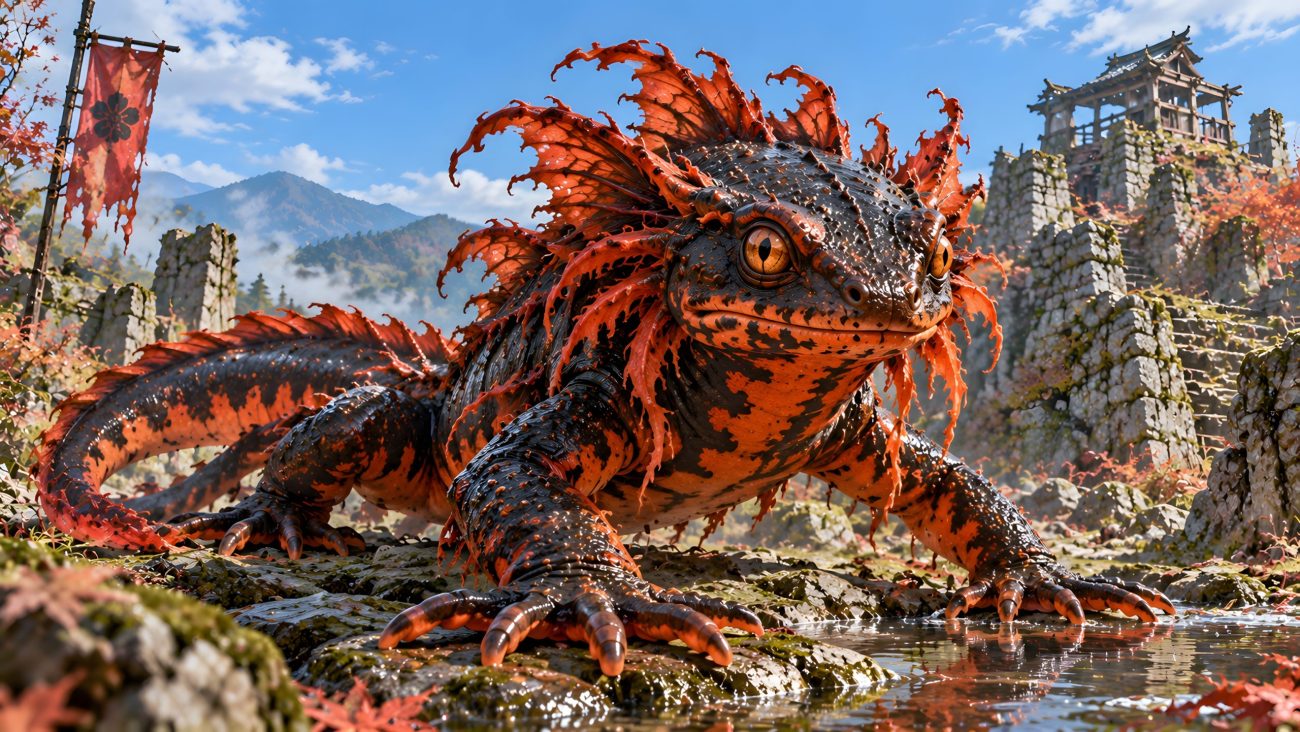
Imori are supernatural newts believed to be the transformed spirits of warriors who died in battle. They haunt abandoned castle ruins and ancient battlegrounds where they lost their lives, attacking and harassing those who trespass upon their forgotten territory. Although they appear as small amphibians, they retain the hostility of the dead warriors and their former lords.

One legend tells of Jingai Shuso, a monk who lived as a hermit in the mountains of Echizen Province. While reading near the ruins of Yu no O Castle, he encountered a tiny man dressed in black who became furious when the monk ignored him. After Jingai brushed the little figure away with his fan, the stranger threatened revenge. Soon, thousands of tiny warriors armed with canes swarmed around the monk, beating him and threatening to cut off his limbs. Their generals eventually allowed Jingai to escape after he apologized for his rudeness.

The following day, Jingai investigated the castle ruins and discovered a deep hole filled with more than twenty thousand newts. At the bottom was an enormous specimen, about twelve inches long, which he recognized as the warriors’ general. Local elders explained that the castle had been destroyed in battle long ago and that the souls of its fallen warriors and their lord haunted the remains of an old well, causing mischief throughout the area. Jingai chanted Buddhist sutras until the newts died, then gathered their bodies with the villagers, cremated them, and buried their remains beneath a proper grave. The burial finally gave the forgotten warriors a resting place.


Sources

“Imori.” Yokai.com. https://yokai.com/imori/


Snow Lion

Tradition: Tibetan Mythology, Chinese Mythology
Alternative Names: Sengge, Gangs Seng Ge, Snow Lioness
Category: Lion


The Myth

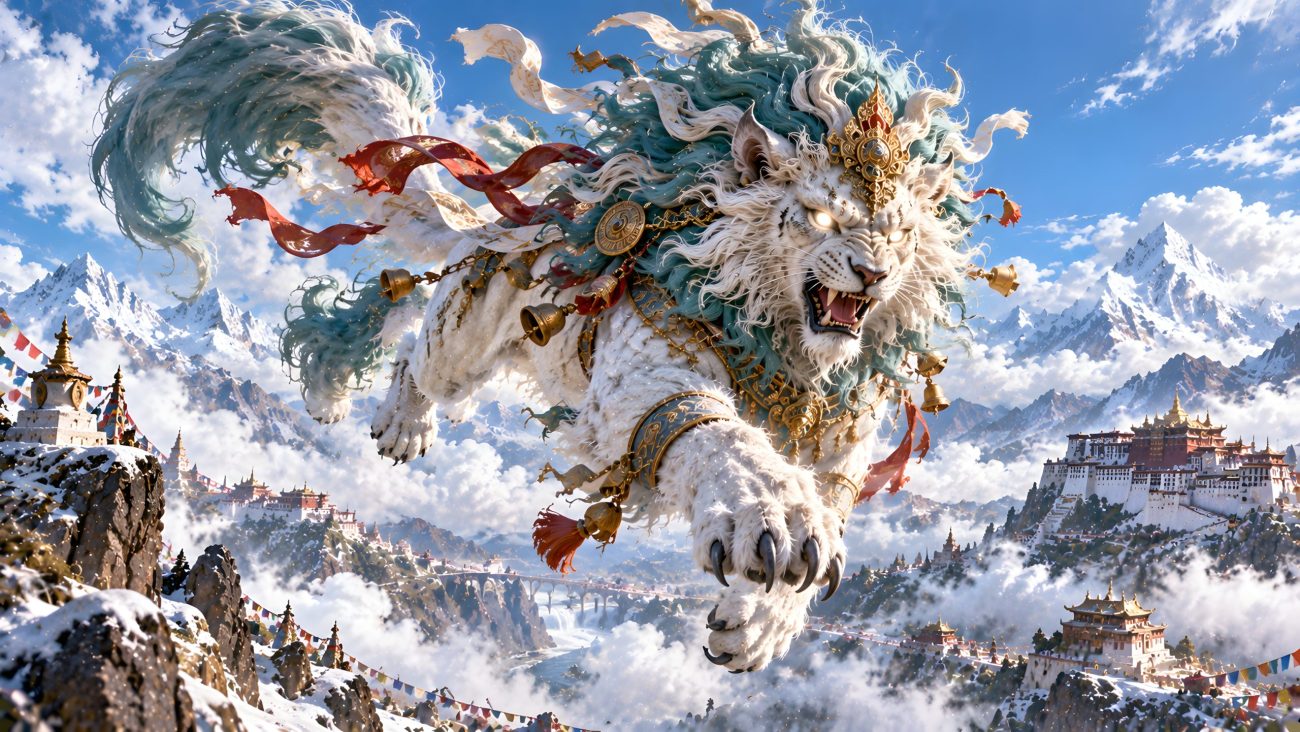
The Snow Lion is a celestial beast of Tibetan mythology, commonly depicted with a white body and a flowing turquoise mane. It inhabits the highest mountains and snowy glaciers of Tibet, where it reigns as the king of beasts. Its appearance symbolizes the power and majesty of the mountains, while its strength represents fearlessness, joy, and spiritual vitality. The Snow Lion is one of the Four Dignities and is associated with the east and the element of earth. Although it leaps playfully from mountain peak to mountain peak, its feet never touch the ground, reflecting its supernatural nature.

The Snow Lion appears in Tibetan legends, songs, and proverbs, and is sometimes associated with hermits and yogis who live in remote mountain regions. Tibetan culture heroes such as Gesar and Milarepa were said to have been raised by a Snow Lioness. Her milk was believed to possess extraordinary healing properties, restoring the body to harmony and serving as a symbol of spiritual purity. In Buddhist teachings, the milk represents the Dharma, the sacred teachings of Buddhism, which cannot be obtained through wealth alone. According to legend, the Snow Lioness produces milk from her paws and may pour it into hollow balls with which she plays.

The Snow Lion’s roar is a symbol of courage, truth, and the emptiness central to Buddhist philosophy. Its powerful voice represents the fearless proclamation of the Buddha’s teachings and the call to spiritual awakening. According to legend, a single roar could cause seven dragons to fall from the sky. The Snow Lion also appears in Tibetan art and ceremonial dances, where performers embody its joyful, energetic movements. Through these traditions, it represents both the untamed power of the natural world and the spiritual freedom celebrated in Tibetan Buddhism.


Sources

“Snow Lion.” Wikipedia: The Free Encyclopedia. Wikimedia Foundation. Accessed October 21, 2026. https://en.wikipedia.org/wiki/Snow_Lion


Menhet

Tradition: Egyptian Mythology
Alternative Names: Menhit, Menchit, Menkhet
Category: Lion


The Myth

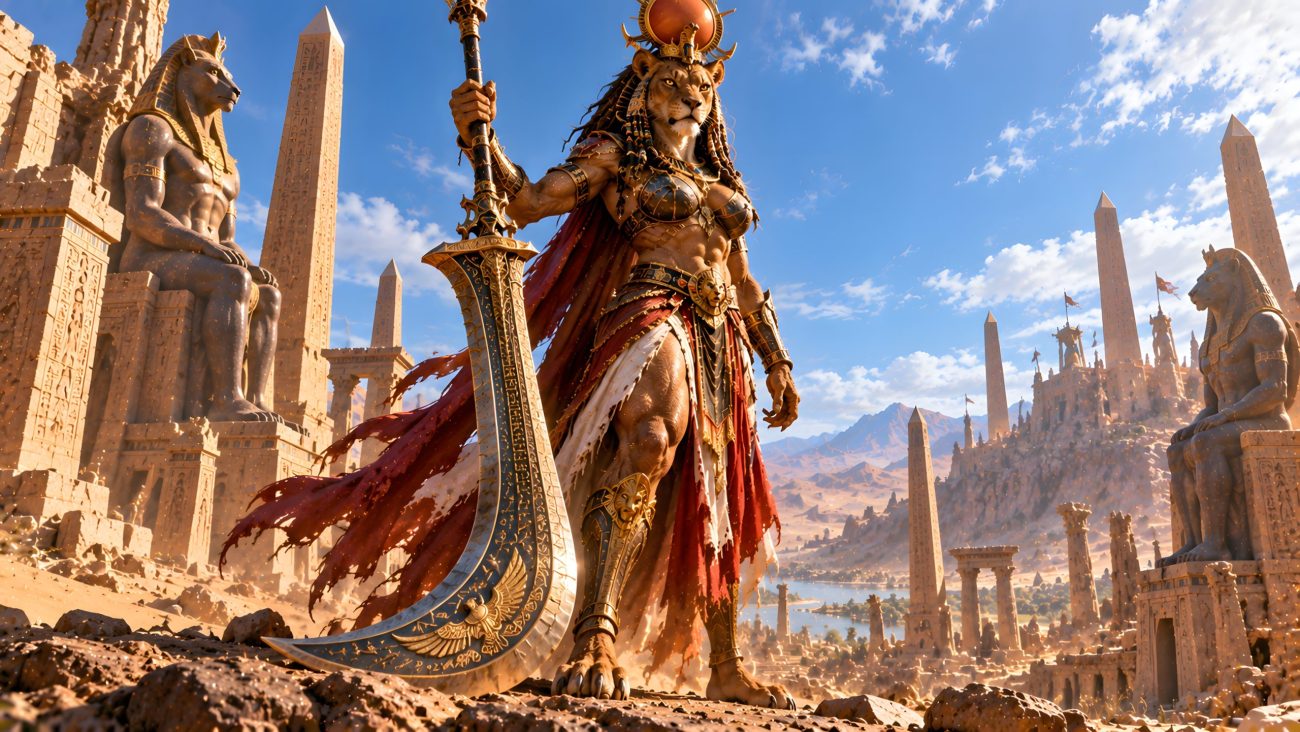
Menhet was a lion goddess of Nubian origin whose name means “the one who sacrifices.” She was also known as “the slaughterer,” reflecting her fierce nature as a goddess of war. She was believed to lead the pharaoh’s troops into battle, bringing her destructive power against Egypt’s enemies. Menhet was depicted as a woman with the head of a lion, wearing a solar disc crowned with the royal uraeus, the sacred cobra associated with kingship and divine protection. Despite her fearsome appearance, she also possessed calmer aspects, being associated with the Nebty, the “Two Ladies” who represented the pharaoh’s rule over Upper and Lower Egypt, and with the north wind.

Menhet was closely connected with several other Egyptian goddesses, including Neith, an ancient goddess of war, with whom she was associated at Esna. She was also linked to the “Eye of Ra,” a powerful manifestation of the sun god’s divine authority, and was compared with Tefnut, Sekhmet, and Hathor. These associations connected Menhet with both the destructive force of divine anger and the protection of the established cosmic and royal order.

Her family relationships varied according to the place where she was worshipped. In Upper Egypt, Menhet was regarded as the wife of Khnum and the mother of Heka, while at Thinis she was the consort of Anhur, also known as Onuris. In Heliopolis she was identified with Isis, and at Leontopolis she was considered an aspect of Tefnut. The myth of the distant goddess who fled to Nubia and was brought back by Shu and Thoth may originally have concerned Menhet and Anhur, whose name means “he who brings back the distant one.” Through these different traditions, Menhet embodied the fierce, protective power of the lioness and the divine forces that upheld the pharaoh’s rule.


Sources

“Menhit.” Ancient Egypt Online. https://ancientegyptonline.co.uk/menhet/


Maahes

Tradition: Egyptian Mythology
Alternative Names: Maches, Michos, Miysis, Mios, Maeches
Category: Lion, Deity


The Myth

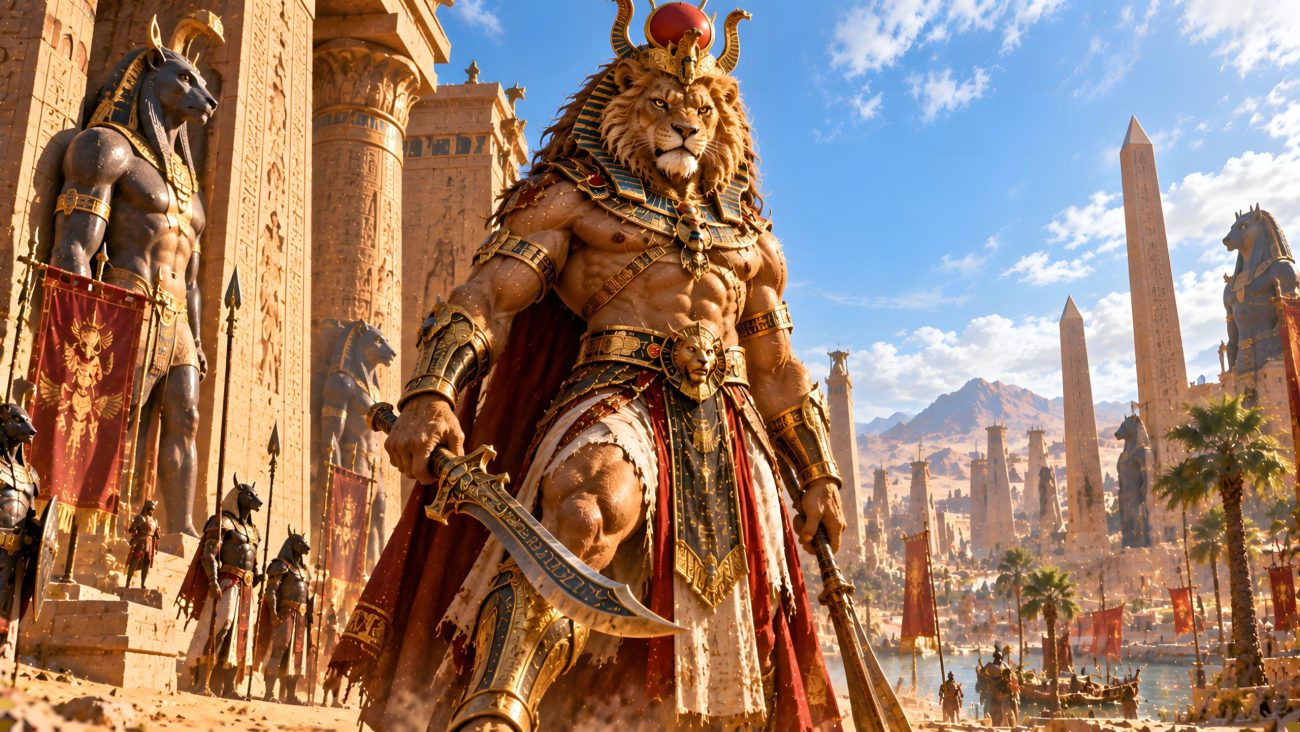
Maahes was an ancient Egyptian lion-headed god associated with war, protection, and the weather. He was usually depicted as a man with the head of a male lion, sometimes wearing a crown decorated with two uraei and carrying knives. In other representations, he held a bouquet of lotus flowers, reflecting his connection with Nefertem, a deity symbolized by the lotus. His name has been interpreted as meaning “he who is true beside her.” As a powerful feline deity, Maahes embodied the strength and ferocity of the lion, an animal associated with royal power and authority in ancient Egypt.

Maahes was regarded as the son of the creator god Ptah and either Bastet, worshipped especially in Lower Egypt, or Sekhmet, associated with Upper Egypt. Both goddesses were lion-like or feline deities whose fierce qualities Maahes shared. His principal cult centres were Taremu and Per-Bast, important religious centres associated with Sekhmet and Bastet. He was also sometimes connected with Nefertem, another son of Sekhmet, and his attributes included knives, lotuses, and the devouring of captured enemies.

As a god of war and protection, Maahes played a role in defending the divine order against its enemies. During the nightly journey of Ra through the underworld, he was said to fight Apep, the great serpent who threatened the sun god. Through his association with battle, royal power, and divine protection, Maahes represented the destructive force of the lion turned against the enemies of the gods and Egypt.


Sources

“Maahes.” Wikipedia: The Free Encyclopedia. Wikimedia Foundation. Accessed October 21, 2026. https://en.wikipedia.org/wiki/Maahes


Nemean Lion

Tradition: Greek Mythology
Alternative Names: Lion of Nemea, Leo Nemeaeus
Category: Lion


The Myth

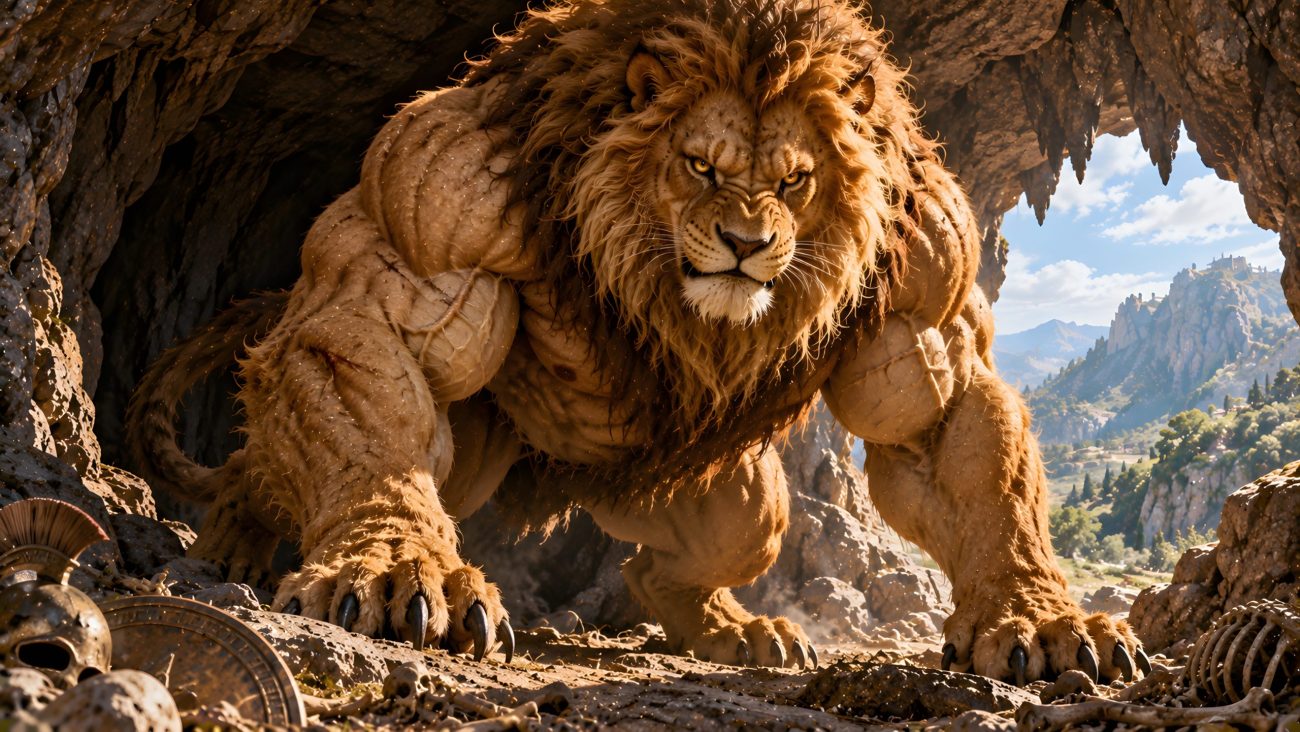
The Nemean Lion was a monstrous lion that terrorized the hills around Nemea in Greece. Its golden fur was impervious to weapons, making it impossible to kill with ordinary arrows or blades, while its claws were sharper than mortal swords and could pierce even the strongest armour. Its origins vary between traditions: some accounts describe it as the offspring of Orthus and a monstrous female, while others name Typhon as its father. Another tradition claims that the lion was born from the Moon, when the goddess Selene cast it down at Hera’s request. Hera allowed the beast to roam her lands, knowing that it would become a formidable challenge for Heracles.

The Nemean Lion became the target of the first of Heracles’ twelve labours, imposed upon him by King Eurystheus. When Heracles first attacked the creature with his bow, his arrows bounced harmlessly off its golden hide. Realizing that ordinary weapons could not harm the beast, the hero drove it into its cave and blocked one of its two entrances. He then entered through the other opening and stunned the lion with his club. Finally, Heracles strangled the monster with his bare hands.

After killing the lion, Heracles discovered that he could not cut through its hide with his knife. According to tradition, the goddess Athena advised him to use one of the lion’s own claws to remove its skin. Heracles thereafter wore the impenetrable pelt as armour and its head as a helmet, making the lion’s hide a lasting symbol of his extraordinary strength. When he returned with the carcass, Eurystheus was so terrified that he ordered Heracles to present the results of his future labours outside the city gates. The king even had a large bronze jar made in which he could hide whenever the hero returned.


Sources

“Nemean Lion.” Wikipedia: The Free Encyclopedia. Wikimedia Foundation. Accessed October 21, 2026. https://en.wikipedia.org/wiki/Nemean_lion


Kenreijishi

Tradition: Japanese Mythology
Alternative Names: Kenrei Jishi, 建礼獅子
Category: Lion


The Myth

The Kenreijishi is a sacred mythical beast depicted on ceremonial hangings used during great imperial ceremonies in Japan, including the enthronement of an emperor. These decorations, known as kemono-gata bokaku, were displayed beneath the eaves at important palace buildings, including the Daigokuden and the Shishinden. Their imagery showed supernatural creatures proceeding through a heavenly scene beneath a central sun, surrounded by flowing auspicious clouds.

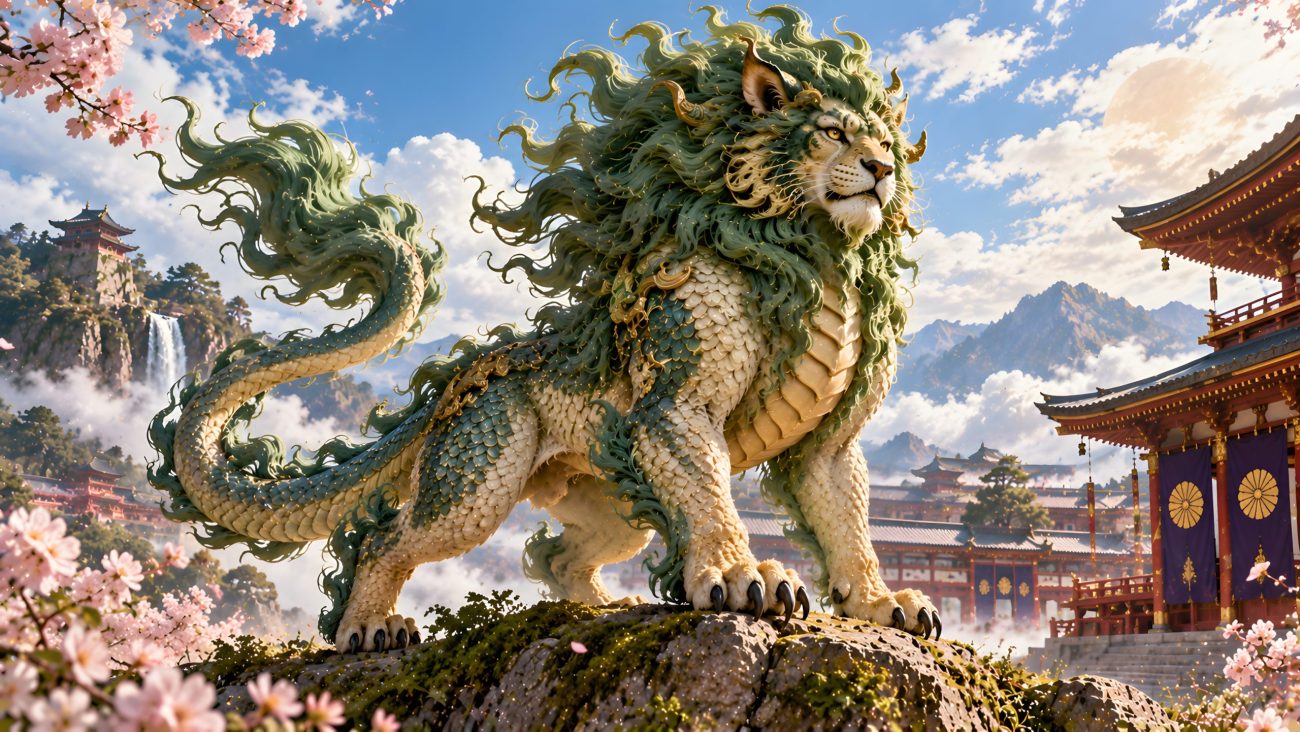
Following the dragons and phoenixes in this procession appears the Kenreijishi, a fantastic lion-like creature with a green or bluish mane. Although its overall appearance resembles a lion, its body is covered in scales, and its belly features the segmented appearance of a serpent. Its tail stretches out long behind it, resembling the tail of a dragon or snake. This unusual combination of leonine and serpentine characteristics distinguishes the Kenreijishi from an ordinary lion.

The Kenreijishi belongs to the procession of auspicious supernatural beasts associated with imperial ceremonial imagery. Its depiction on historical designs of the ceremonial hangings reflects the elaborate menagerie of mythical creatures used to adorn and dignify Japan’s most important court rituals.


Sources

“Kenrei-jishi.” 新版TYZ 妖怪図鑑 (New TYZ Yokai Encyclopedia). https://tyz-yokai.blog.jp/archives/1074485004.html


Yaoshou

Tradition: Chinese Mythology
Alternative Names: Medicine Beast, Yao Shou (药兽)
Category: Lion


The Myth

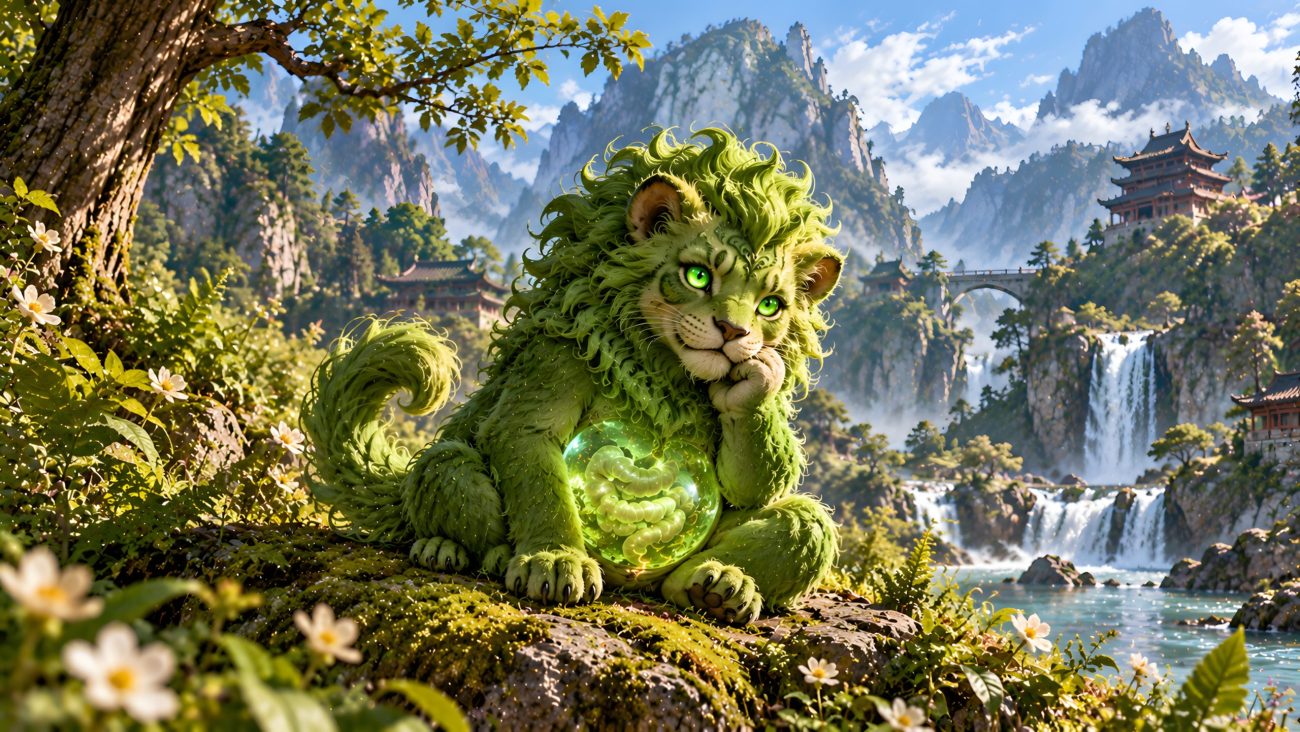
The Yaoshou is a legendary medicinal beast in Chinese mythology, described as resembling a small lion with a transparent, glowing belly. Its translucent abdomen reveals its intestines clearly, allowing observers to see whether the plants and insects it consumes are poisonous. Unlike ordinary lions, the Yaoshou is associated with healing and the discovery of medicinal remedies.

According to legend, the Yaoshou lived during the time of Shennong, the legendary divine ruler associated with agriculture and medicine. When someone became ill, they could approach the beast, explain the cause of their sickness, and speak to it in a mysterious language. After listening, the Yaoshou would run into the wilderness and return carrying a blade of grass in its mouth. The plant could then be crushed to extract its juice, which the sick person would drink to recover.

The tradition further relates that the Yellow Emperor instructed Fenghou to record which plants cured particular illnesses. Over time, these observations supposedly produced a reliable record of medicinal remedies. According to this account, the Yellow Emperor learned medicine from the Yaoshou rather than discovering medicinal plants solely by tasting them himself.


Sources

“Yao Beast” (药兽). Chinese Wikipedia. Wikimedia Foundation. Accessed October 21, 2026. https://zh.wikipedia.org/wiki/%E8%8D%AF%E5%85%BD


Anzû

Tradition: Mesopotamian Mythology, Iraqi Mythology
Alternative Names: Imdugud, Anzu, Zû, Anzud
Category: Lion


The Myth

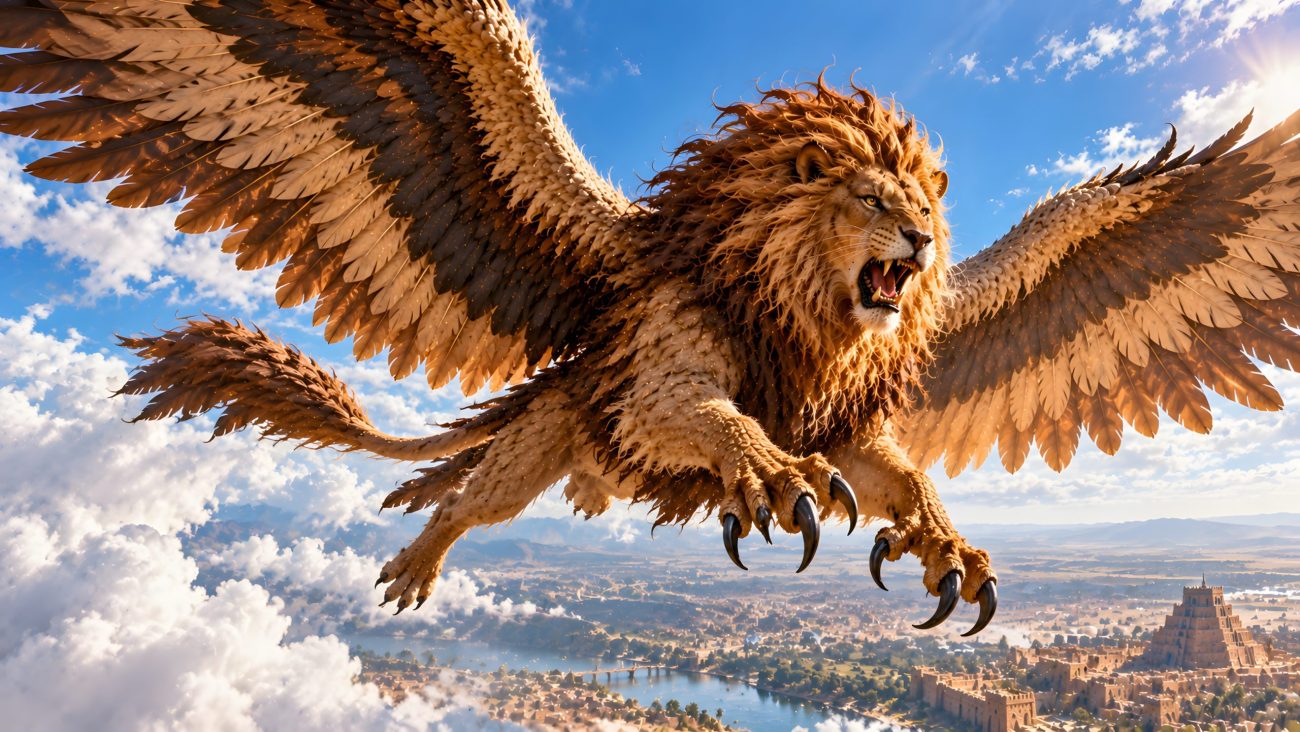
Anzû was a monstrous divine storm-bird in Mesopotamian mythology, depicted as an enormous bird or as an eagle with the head of a lion. Some traditions portrayed him as a half-human, half-bird creature capable of breathing both fire and water. He was associated with the southern wind and thunderclouds and was regarded as a powerful supernatural being. His origins vary between traditions: he was described as the offspring of the cosmic freshwater ocean Abzu and Mother Earth Mami, while other accounts named Siris as his parent.

Anzû is best known for stealing the Tablet of Destinies from Enlil, the god who held authority over the divine order. By taking the tablet, Anzû challenged Enlil’s power and threatened the organization of the gods and the world they governed. The other gods feared the formidable storm-bird, and Anu ordered them to recover the stolen object. Anzû concealed the tablet on a mountaintop, making its retrieval a dangerous undertaking.

Different versions of the myth describe Anzû’s defeat in different ways. In one account, the god Marduk killed the monstrous bird, while another tells how Ninurta pursued and slew him with arrows. His story reflects the struggle to preserve divine authority against a powerful creature capable of challenging the established cosmic order. Anzû also appears in the Sumerian tale of Lugalbanda and the Anzud Bird, as well as in the story of Inanna and the Huluppu Tree.


Sources

“Anzû.” Wikipedia: The Free Encyclopedia. Wikimedia Foundation. Accessed October 21, 2026. https://en.wikipedia.org/wiki/Anz%C3%BB