Kalenik

Tradition / Region: Komi mythology (Zyryan Komi)
Alternate Names: Kalenik-lebach
Category: Forest spirit


The Myth

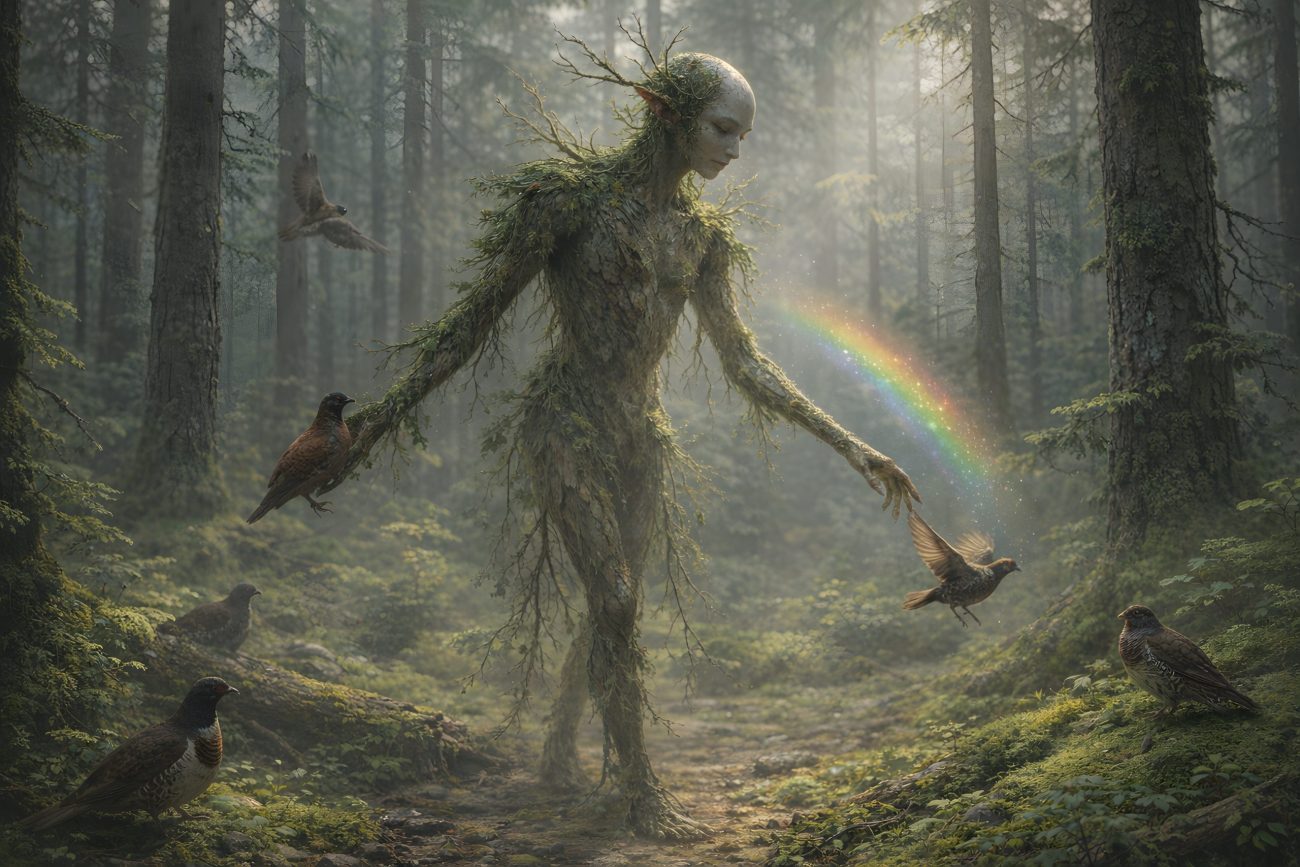
In Komi mythology, Kalenik is a forest spirit whose role is closely tied to the life of forest game birds. His sole function is to separate the young birds of the forest so that they may later pair off and breed. This act of separation is understood as a necessary step in maintaining the natural order of reproduction within the forest.

The name Kalenik comes from the Komi word kalkӧtny, meaning “to separate” or “to breed,” reflecting his specific task in the cycle of animal life. Kalenik does not hunt, punish, or mislead humans; instead, he quietly ensures that the rhythms of nature proceed correctly among the birds of the forest.

Among the Zyryan Komi, a related figure or expression is Kalenik-lebach, meaning “Kalenik-bird,” which was used as a name for the rainbow. In this form, Kalenik is associated with good fortune, and the appearance of the rainbow was considered a favorable sign.

Through these beliefs, Kalenik is remembered as a spirit connected not to danger or fear, but to fertility, balance, and the orderly continuation of life in the forest.


Interpretive Lenses

Religious Readings
Philosophical Readings
Psychological Readings
Esoteric Deep Dive
  • Hermetic Deep Dive
Political / Social Readings
Other

Ichchi

Tradition / Region: Russian Mythology
Category: Spirit masters / animistic spirits


The Myth

In traditional Yakut belief, ichchi are spirit masters that inhabit objects, places, and natural phenomena. According to this worldview, nature is alive in all its parts, and every thing—large or small—possesses its own indwelling spirit. Mountains, trees, rivers, lakes, fire, tools, dwellings, and even the most ordinary household objects were believed to have an ichchi.

Ichchi could dwell in prominent features of the landscape, such as forests or bodies of water, acting as guardians or owners of those places. At the same time, they could also inhabit humble or easily overlooked things, such as the firebox used in the hearth or tools used in daily work. Because of this, people were expected to treat both nature and objects with care and respect.

When approached properly, an ichchi could become a patron spirit to a person or household, offering protection, good fortune, and harmony. Disrespect, neglect, or improper behavior toward the object or place inhabited by an ichchi could provoke misfortune, illness, or bad luck.

Communication with ichchi took the form of prayers called algys, which were spoken to honor or appease the spirits. Offerings were an essential part of this relationship. These could include horsehair ornaments, scraps of cloth known as salama, non-animal foods, kumiss (fermented mare’s milk), or money. The offerings acknowledged the spirit’s presence and authority.

Ichchi are distinct from other spiritual beings in Yakut cosmology. They are not the high benevolent deities known as Aiyy, nor are they the malevolent spirits such as Abaahy or Uor. Instead, ichchi occupy a middle position as ever-present spirit owners of the world itself.

Similar beliefs in spirit masters exist among neighboring peoples. Other Turkic-speaking groups refer to such spirits as eye or ezi, the Buryats call them ezhins, and the Mongols know them as edzens, reflecting a shared animistic understanding across Inner Asia.


Igrets

Tradition / Region: Russian Mythology
Alternative Name: –
Category: Spirit


The Myth

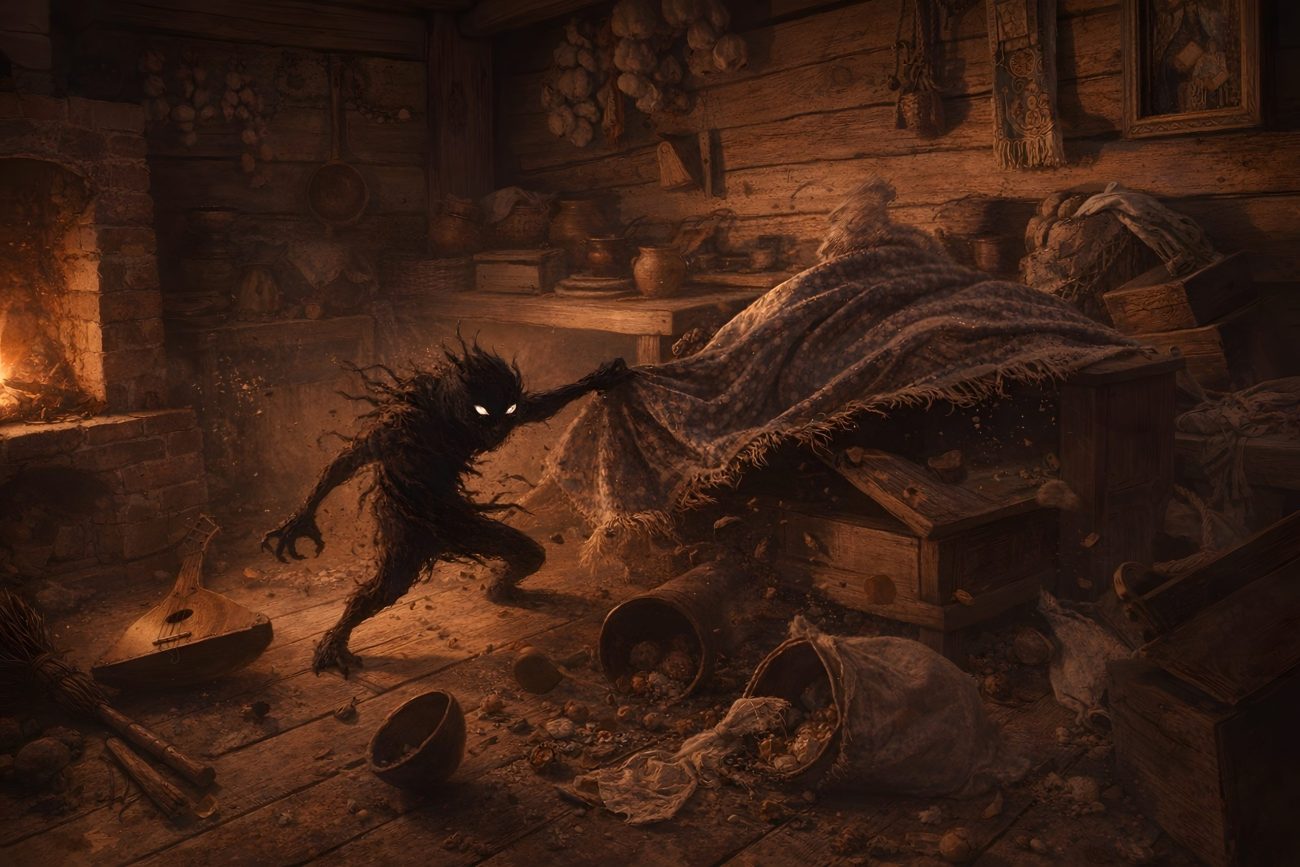
Igrets is a figure from Russian folk belief understood as a malicious type of domovoi, the household spirit. Unlike the more ambivalent or protective domovoi, the igrets is known specifically for cruel and troublesome behavior. It hides objects, causes disorder in the house, torments livestock, and interferes with daily life through spiteful tricks rather than playful mischief.

In popular belief, the igrets is sometimes identified directly with the house spirit itself, and in other cases confused with the devil or a demonic presence dwelling within the household. Its actions are described as aggressive and harmful: breaking things, frightening people, and provoking physical or emotional distress. Because of this, its “jokes” were considered dangerous rather than humorous.

Belief in the igrets was widespread in central and southern regions of Russia, including the Ryazan, Tambov, Kursk, Tula, Voronezh, Penza, and Oryol provinces, as well as the Don region. From at least the 19th century, everyday speech in these areas included expressions such as “Igrets take you,” “Igrets knows him,” or “Igrets is with you,” used to explain misfortune, sudden anger, or destructive behavior.

In some regions, the word igrets was also used to describe physical or psychological disturbances. In Kursk province, it could refer to a violent fit or hysterical episode accompanied by screaming. In Tambov and the Don region, it could mean paralysis or sudden loss of control over one’s limbs. These meanings suggest that the igrets was associated not only with household disorder, but also with unexplained illness or loss of bodily control.

Overall, the igrets represents the darker side of domestic spirits in Russian folklore: a presence within the home that causes chaos, suffering, and fear, and serves as an explanation for sudden misfortune, destructive impulses, or frightening physical episodes.


Igosha

Tradition / Region: Russian Mythology
Category: Ghost


The Myth

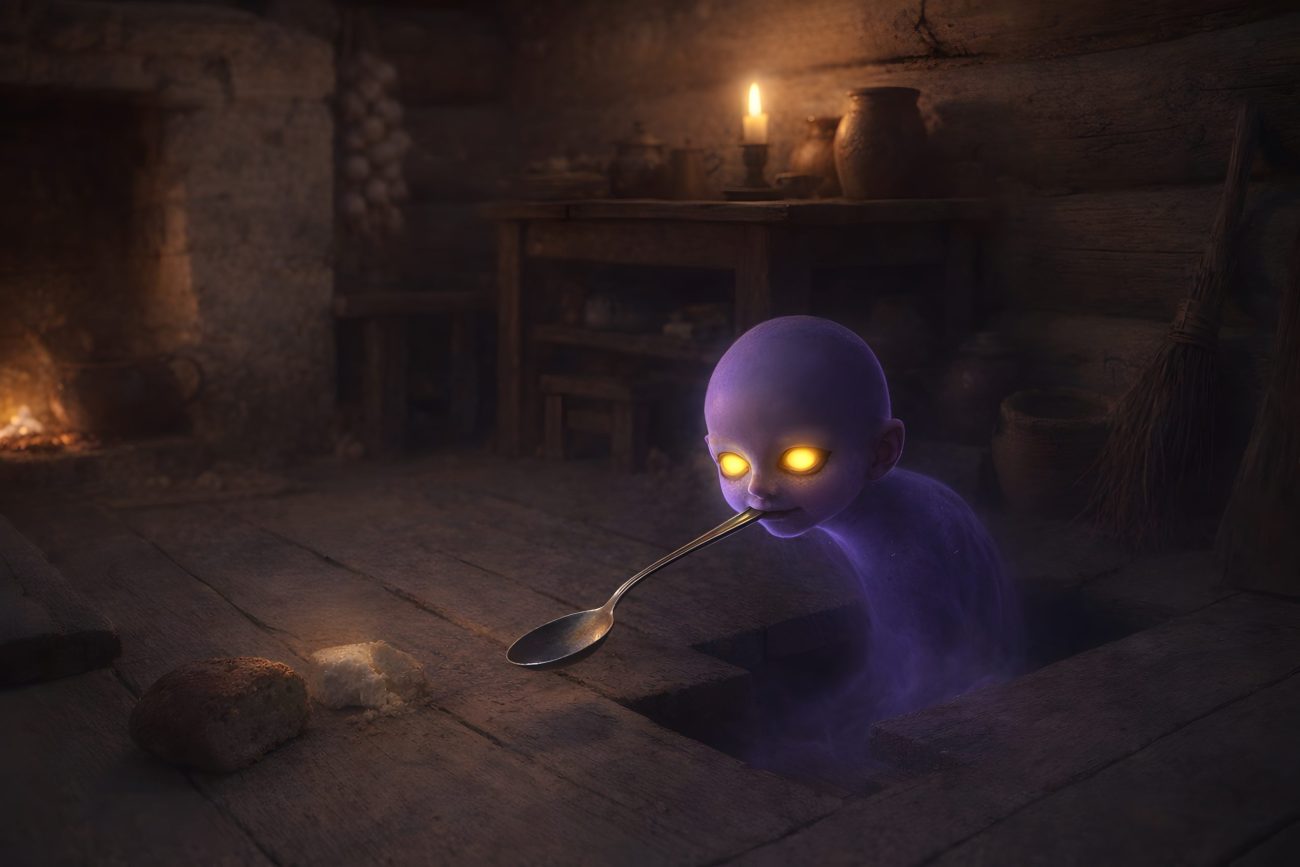
Igosha is a spirit found in Russian folk belief, understood as the soul of a stillborn baby or a child who died before baptism. It is described as an armless and legless creature, sometimes invisible, sometimes imagined as a small, malformed being. Because it died without baptism, the igosha is believed to be unable to find rest.

According to belief, stillborn or unbaptized children often remained close to the place where they were buried—frequently under the floor of the house, near the hut, or within the household space itself. Over time, such spirits could become domestic beings, lingering inside the home and wandering through it at night.

The igosha behaves much like other house spirits such as the brownie or kikimora. It plays pranks, causes disturbances, and brings mischief, especially if it is ignored or disrespected. People believed that if the household failed to acknowledge the igosha—by not leaving a spoon, a piece of bread, or other small offerings—it would become more troublesome. In some traditions, people would throw a mitten or hat out the window as a gesture of recognition, treating the igosha as a house spirit rather than denying its presence.

One belief says that the kikimora feeds the igosha wolfberries, which the spirit can eat without choking, reinforcing its non-human nature. The igosha is often described as incomplete or unfinished, reflecting the idea that it barely entered the world before dying. Its lack of arms and legs is sometimes interpreted as a sign of this incompleteness or as a hint of a snake-like nature.

Information about igosha is rare, and the belief appears only sporadically in folklore records. The figure later inspired the literary fairy tale “Igosha” by V. F. Odoevsky, published in 1833, which drew directly on these traditional ideas of an unbaptized, restless child-spirit haunting the domestic space.


Angako-di-Ngato

Tradition / Region: Philippines Mythology
Alternate Names: Angako-De-Ngato
Category: Spirit


The Myth

Angako-di-Ngato are spirits feared in the folklore of the Kalinga people of northern Luzon. They are believed to be the cause of illness, afflicting humans with sickness when they draw near or are offended.

When disease strikes without an obvious cause, it is said that Angako-di-Ngato are responsible. These spirits act invisibly, entering the human body or lingering around people, weakening them and bringing suffering.

In Kalinga belief, illness is not merely physical but the result of contact with these malevolent spirits, whose presence disrupts the balance between humans and the unseen world.


Source

Bestiary.us contributors. (n.d.). Angako di Ngato. In Bestiary.us — Mythical Creatures of the World, from https://www.bestiary.us/angako-di-ngato/en


Badnjak

Tradition / Region: Bosnian Mythology, Croatian Mythology, Montenegrin Mythology, Serbian Mythology
Alternate Names: Badњak
Category: Flame


The Myth

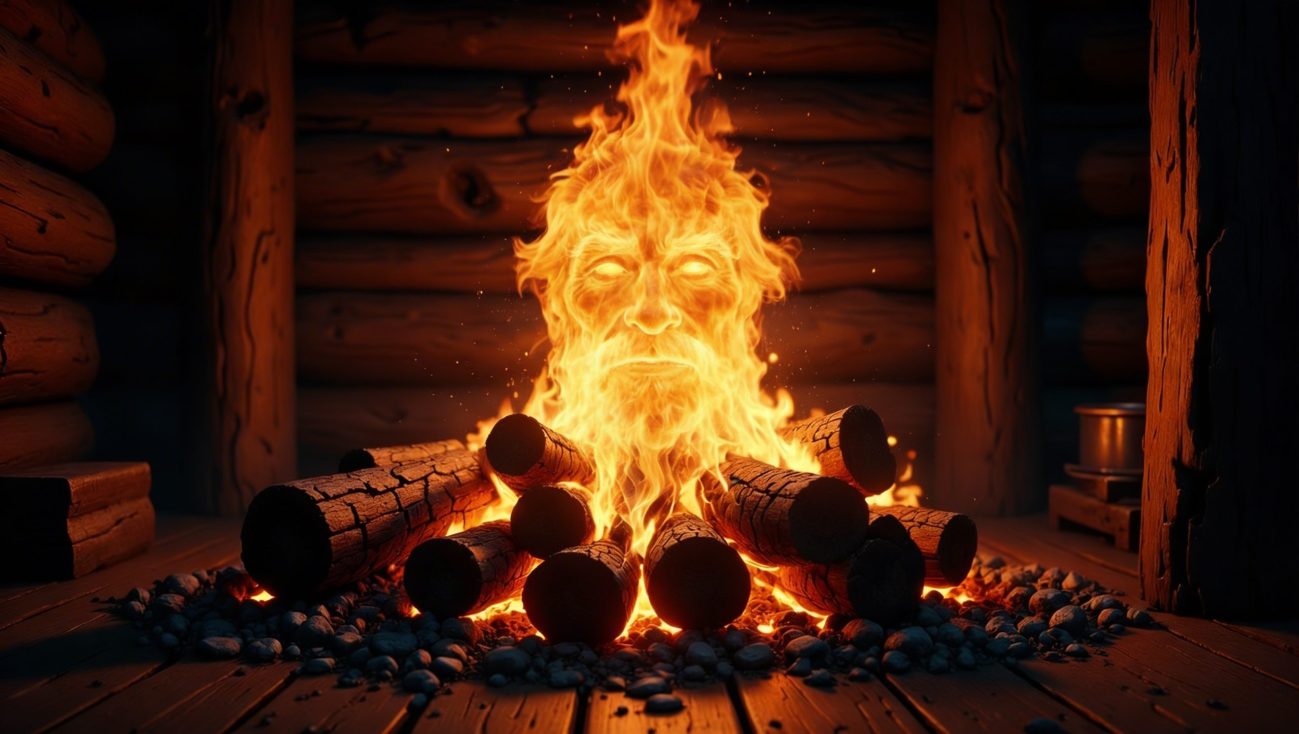
Badnjak is a spirit known among the Southern Slavs, closely associated with Christmas Eve. It is believed to appear either in the form of a bearded old man or embodied within a log prepared for ritual burning.

On Christmas Eve, a special log—also called the badnjak—is brought into the home and placed on the fire. This log is not considered ordinary wood, but the dwelling place or manifestation of the Badnjak spirit itself. As the log burns, it is believed to bring warmth, protection, fertility, and prosperity to the household for the coming year.

In some traditions, the Badnjak is imagined as an elderly, bearded figure who visits the home symbolically through the fire. The crackling, sparks, and glow of the burning log are taken as signs of the spirit’s presence and favor.

Through this ritual, Badnjak remains a liminal being—both spirit and object—bridging the human household and the sacred time of midwinter, appearing each year with the lighting of the Christmas Eve fire.


Alvina

Tradition / Region: Belgian Mythology
Alternate Names: —
Category: Spirit


The Myth

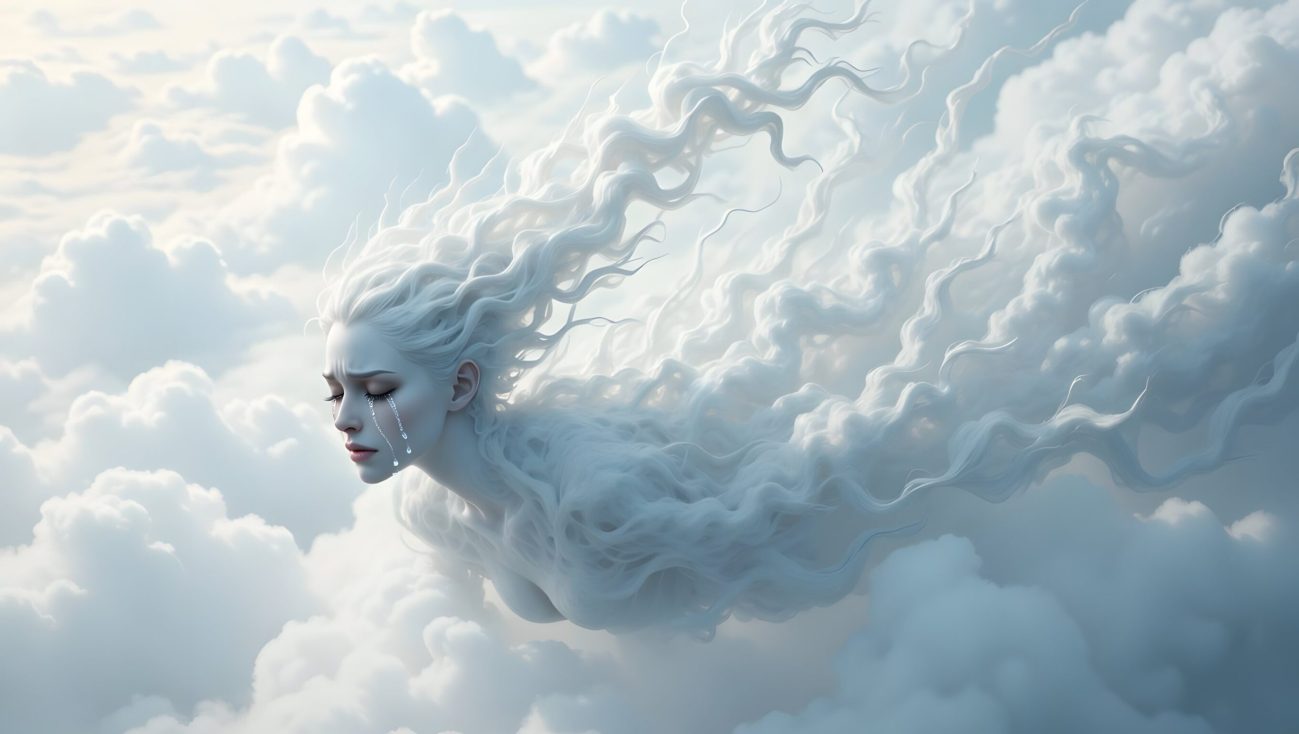
Alvina is a spirit of the air, known to wander endlessly through the sky. When the wind howls and roars, people say, “Listen! Alvina is crying.” Her presence is heard rather than seen, carried on storms and restless gusts that sweep across the land.

According to the legend, Alvina was once a king’s daughter. Against her parents’ wishes, she married the wrong man. For this act, her parents cursed her to wander forever, stripped of rest or peace. From that moment on, she was bound to the winds, condemned to eternal roaming.

Her name has led some to believe that she was the daughter of an elven king, linking her to an otherworldly royal lineage rather than a purely human one. Whether princess or elf-child, Alvina’s fate remained the same: to drift endlessly through the air, her sorrow echoing whenever the wind rises.

Thus, Alvina is remembered as a mournful air spirit, her lament still heard whenever the wind cries across West Flanders.


Source

Abe de Verteller. (2014). Van aardmannetje tot zwarte juffer: Een lijst van Nederlandse en Vlaamse elfen en geesten. In AbeDeVerteller.nl, from https://abedeverteller.nl/van-aardmannetje-tot-zwarte-juffer-een-lijst-van-nederlandse-en-vlaamse-elfen-en-geesten/


Utixo’s Rabbit

Tradition / Region: Khoi mythology (Southwestern Africa)
Alternate Names: Tiqua
Category: Rabbit / divine messenger


The Myth

Utixo is a benevolent sky god of the Khoi people, dwelling above the world and speaking through thunder. He sends rain to nourish the land and watches over human life. In one well-known story, Utixo decided to send a message to humanity concerning death.

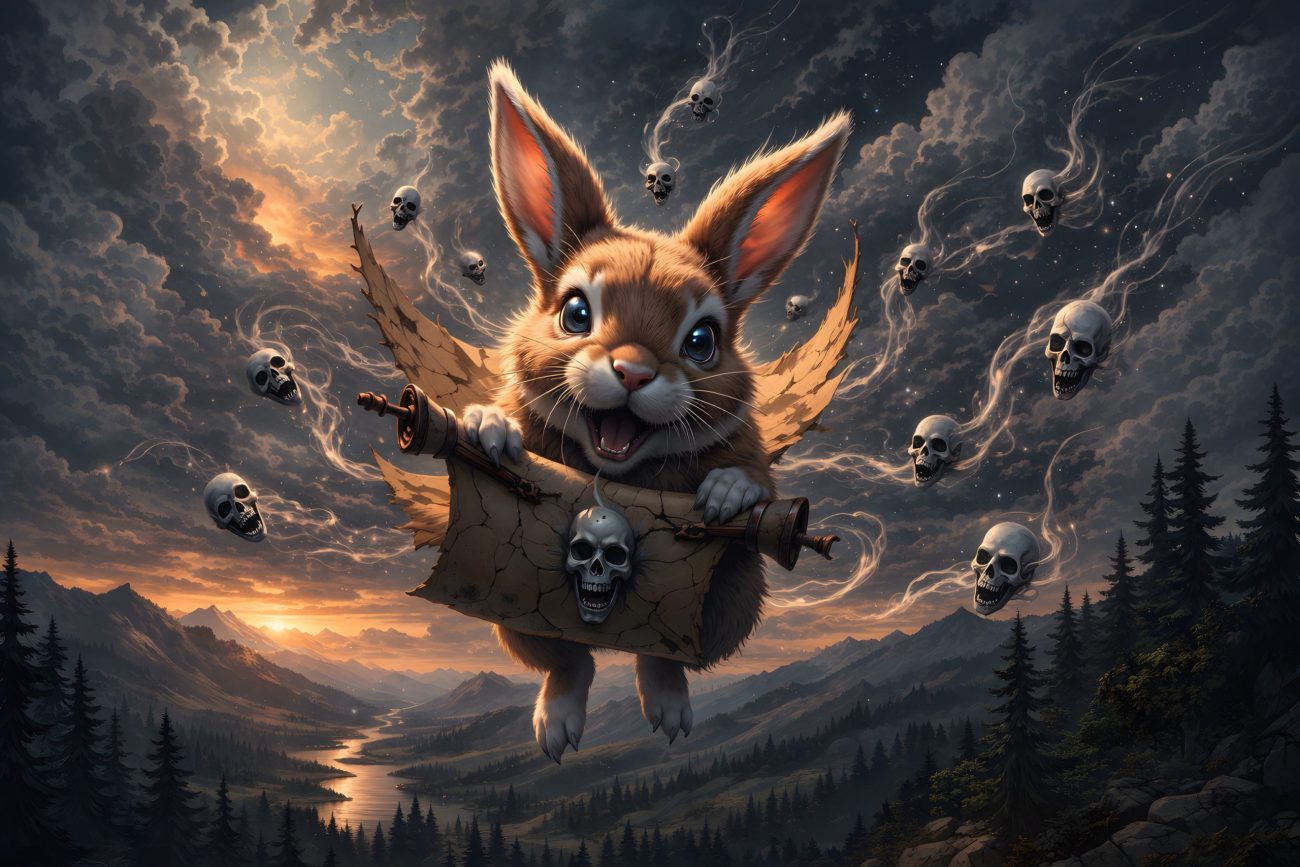
Utixo declared that death would not be eternal and that humans would one day rise again. To deliver this message, he chose a rabbit as his messenger and sent it down from the sky to the people.

As the rabbit traveled, it became confused and forgot the message it had been entrusted with. When it finally reached humanity, the rabbit spoke the opposite of Utixo’s words, telling people that death was final and that they would not rise again.

Because of the rabbit’s mistake, death became permanent in the world. From that time onward, humans were said to die forever, and the rabbit was remembered as the bearer of the wrong message, whose error changed the fate of humankind.

In Khoi tradition, this story explains why death is irreversible and why the rabbit holds a special place in myth as a divine messenger whose failure shaped the human condition.


Interpretive Lenses

Religious Readings
Philosophical Readings
Psychological Readings
Esoteric Deep Dive
Political / Social Readings
Other

Bardha

Tradition / Region: Albanian Mythology
Alternate Names: E Bardha (“The White One”)
Category: Nymph


The Myth

Bardha, whose name means “the White One,” is a mythological figure in Albanian folklore. She appears either as a zana, a nymph-like being of nature, or as an ora, a fate spirit connected with human destiny and fortune. Bardha is associated with goodwill and good luck, and is believed to favor humans rather than harm them.

In the beliefs of the people of the Dukagjini Mountains, there are three types of Ora. Bardha is the one who brings good fortune and wishes people well. Alongside her are e Verdha (“the Yellow One”), who brings misfortune and casts harmful spells, and e Zeza (“the Black One”), who determines death. Among these three, Bardha is the most benevolent.

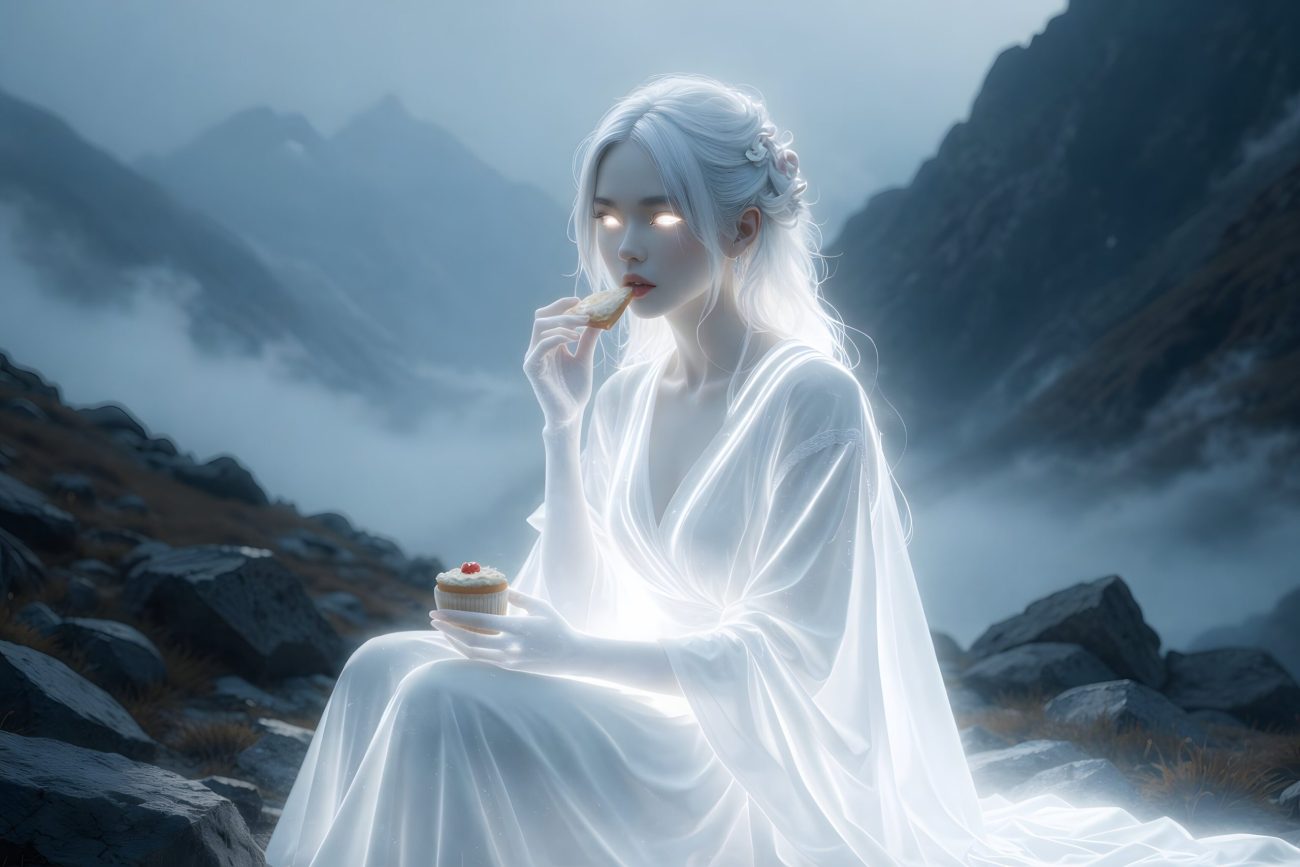
In older folklore that treats her as a nymph-like being, Bardha is said to resemble the zana e malit, the mountain nymph. She is described as pale and nebulous in form, sometimes appearing indistinct or ghostlike. In some traditions, she is believed to dwell beneath the earth rather than openly in forests or mountains.

To gain Bardha’s favor or avoid offending her, people would leave offerings such as sugar or small cakes on the ground. These gifts were meant to appease her and invite her goodwill, ensuring luck and protection rather than misfortune.

Through these traditions, Bardha is remembered as a gentle and auspicious spirit, moving quietly between the worlds of fate and nature, and watching over human lives with benevolent intent.


Sources

Wikipedia contributors. (n.d.). Bardha. In Wikipedia, from https://en.wikipedia.org/wiki/Bardha


Saratan

Tradition / Region: Arabic folklore and medieval Islamic literature
Alternate Names: Zaratan
Category: Crab / sea monster


The Myth

The Saratan is a colossal sea creature described in Arabic literature as a monstrous crab of unimaginable size. Sailors believed it lived far out at sea, where it remained so still and vast that it was often mistaken for an island. Its back was said to be covered with soil, plants, and even trees, giving the illusion of solid land rising from the ocean.

According to accounts repeated by sailors, ships sometimes anchored beside what appeared to be an island, and crews went ashore to rest. They lit fires, gathered wood, and explored valleys and fissures, unaware that the land beneath them was alive. When the heat of the fire reached the Saratan’s shell, the creature stirred and began to move, sliding back into the sea with everything on its back. Only those who realized the danger in time and fled were said to survive.

The ninth-century scholar Al-Jahiz, writing in Kitāb al-Ḥayawān (The Book of Animals), reported these stories but noted that he had never met anyone who could truthfully claim to have seen the Saratan with their own eyes. He placed it among other legendary sea monsters such as the sea-dragon and the great whale, repeating sailors’ tales while acknowledging their fantastical nature.

The Saratan also appears in The Wonders of Creation by al-Qazwini, where it is listed among the marvels of the seas. In the tales of One Thousand and One Nights, the creature is echoed in the first voyage of Sinbad the Sailor, where sailors land on what they believe to be an island, only to discover it is a living monster that dives beneath the waves.

Across these stories, the Saratan is remembered as a deceptive giant of the sea—silent, immobile, and deadly—whose vast shell lured the unwary and whose awakening meant sudden destruction.