Tradition: Turkic Mythology, Russian Mythology
Alternative Names: Kormoz, Körmöz, Körmös, Alban, Chahik, Ozor
Category: Ghost
The Myth
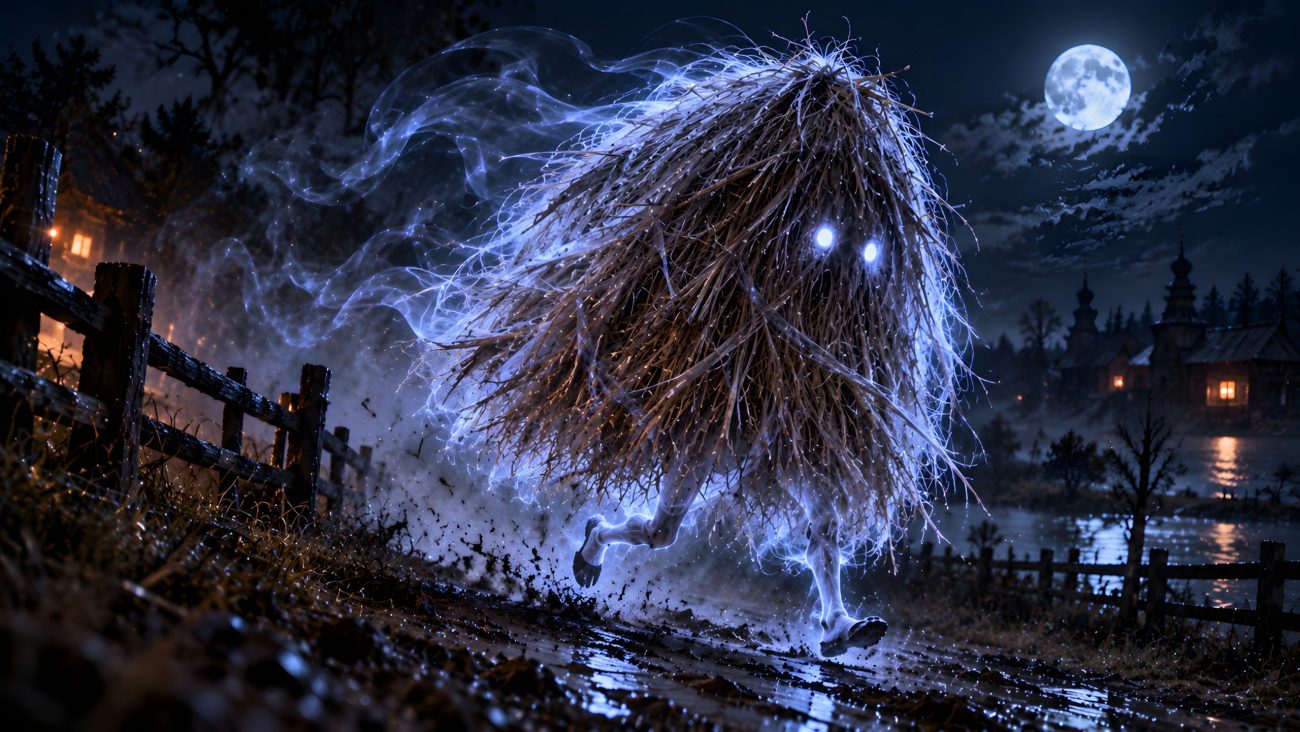
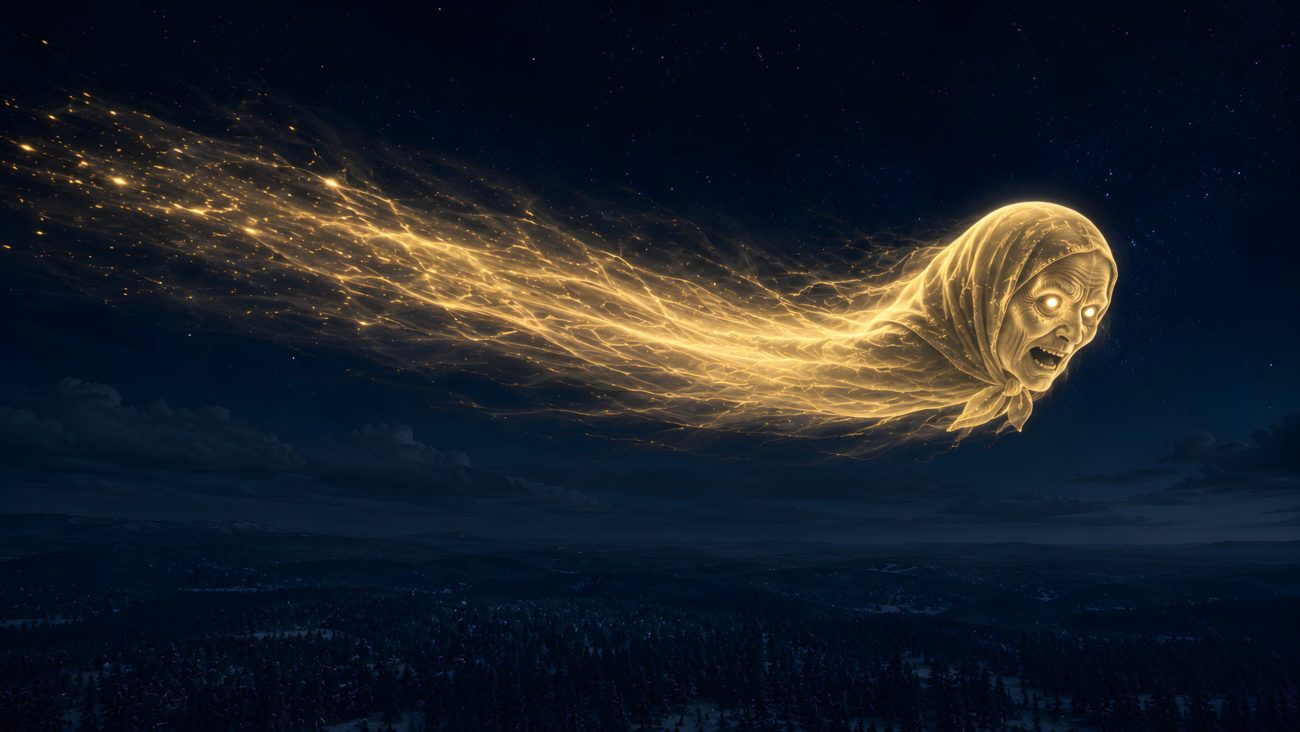
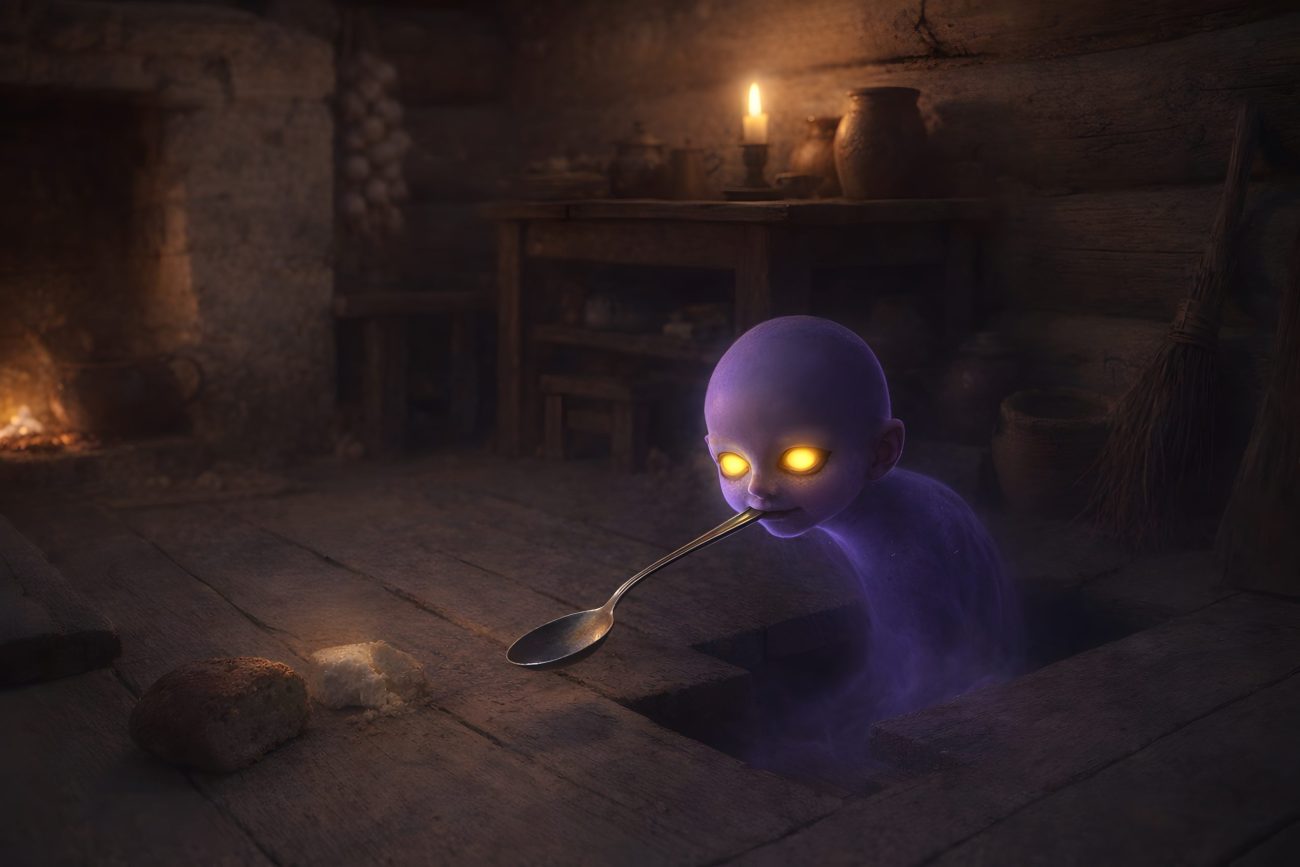
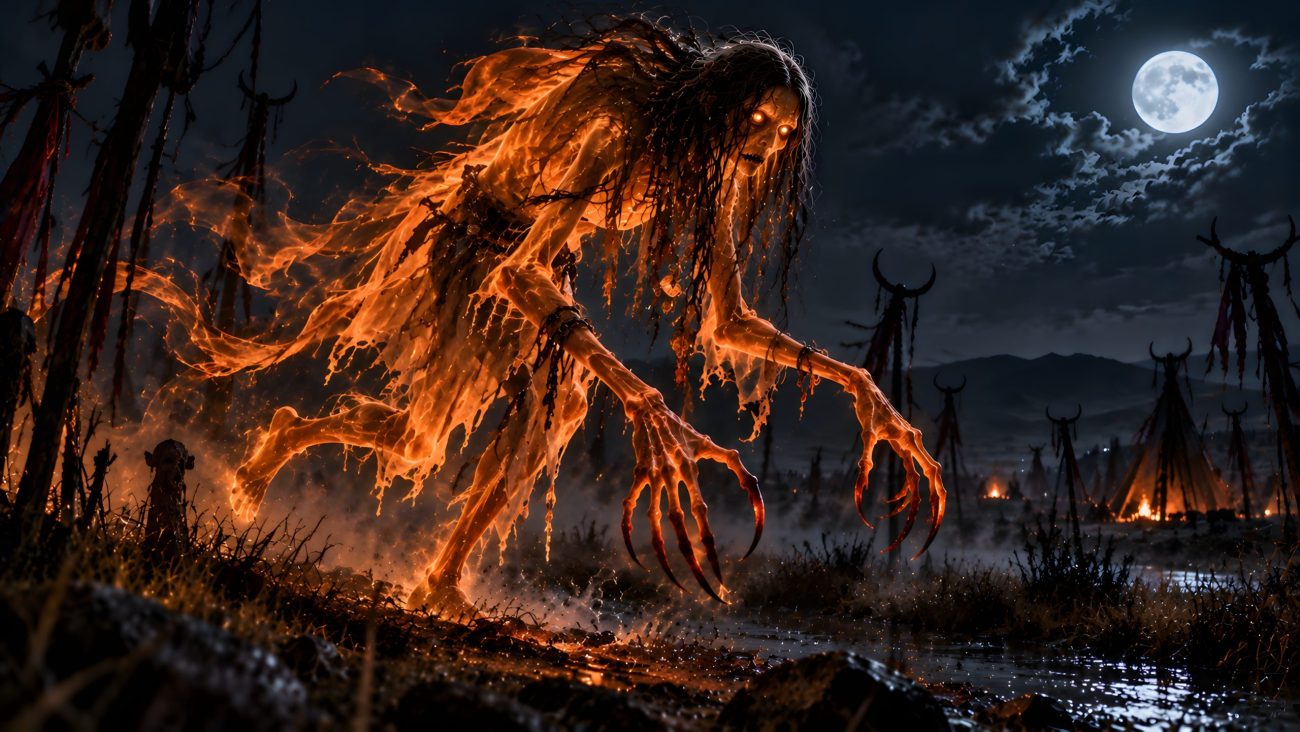
Kormos are supernatural spirits associated with the dead and the underworld in Turkic mythology. They may appear in a humanlike form, but some have disturbing features, including extremely long hair, elongated claws, and inverted eyes and feet. The souls of people who committed suicide are known as Alban, while other Kormos are associated with those who died through accidents or with the spirits of ancestors. After death, a person’s soul may become a Kormos and continue to exist as a spirit.
Kormos are divided according to their nature and the realm in which they dwell. Some are benevolent spirits who help and protect humanity under the command of Ülgen, while others are demonic beings controlled by Erlik, the ruler associated with the underworld of Tamag. These hostile spirits may harm the living or attempt to capture their souls. Other Kormos are neither entirely good nor evil and wander the earth in a miserable, restless state. Their chief is known as Körmös Khan or Kürmez Han.
The spirits are associated with three realms: the earth, the underground world of Tamag, and the heavenly realm of Uçmag. Even a demonic Kormos may have the possibility of escaping its torment and ascending to Uçmag if the good within its soul outweighs its evil. Kormos are especially associated with sunrise and sunset, times believed to be dangerous because the spirits may capture human souls. People are therefore warned against remaining awake during these periods. Through their different forms and destinies, Kormos represent the uncertain fate of the dead, whose souls may become protectors, malevolent demons, or restless wanderers.
Sources
“Kormos.” Wikipedia: The Free Encyclopedia. Wikimedia Foundation. Accessed October 15, 2026. https://en.wikipedia.org/wiki/Kormos