Tokantongotra

Tradition / Region: Madagascar Mythology
Alternate Names:
Category: Forest dweller


The Myth

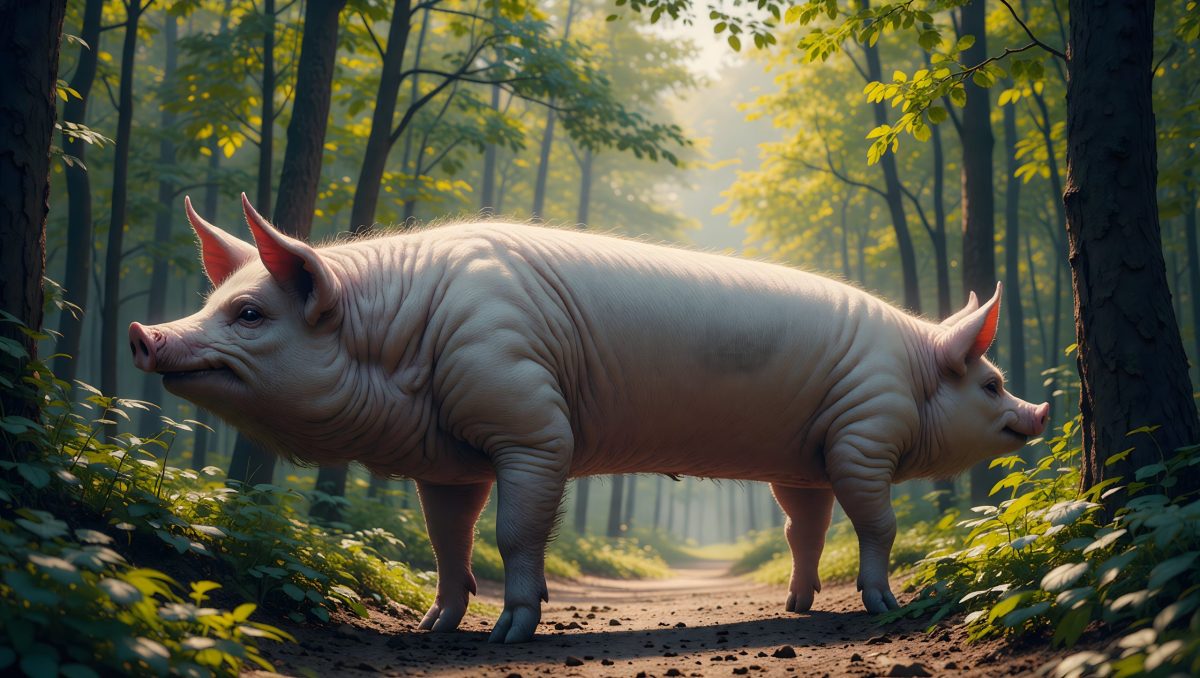
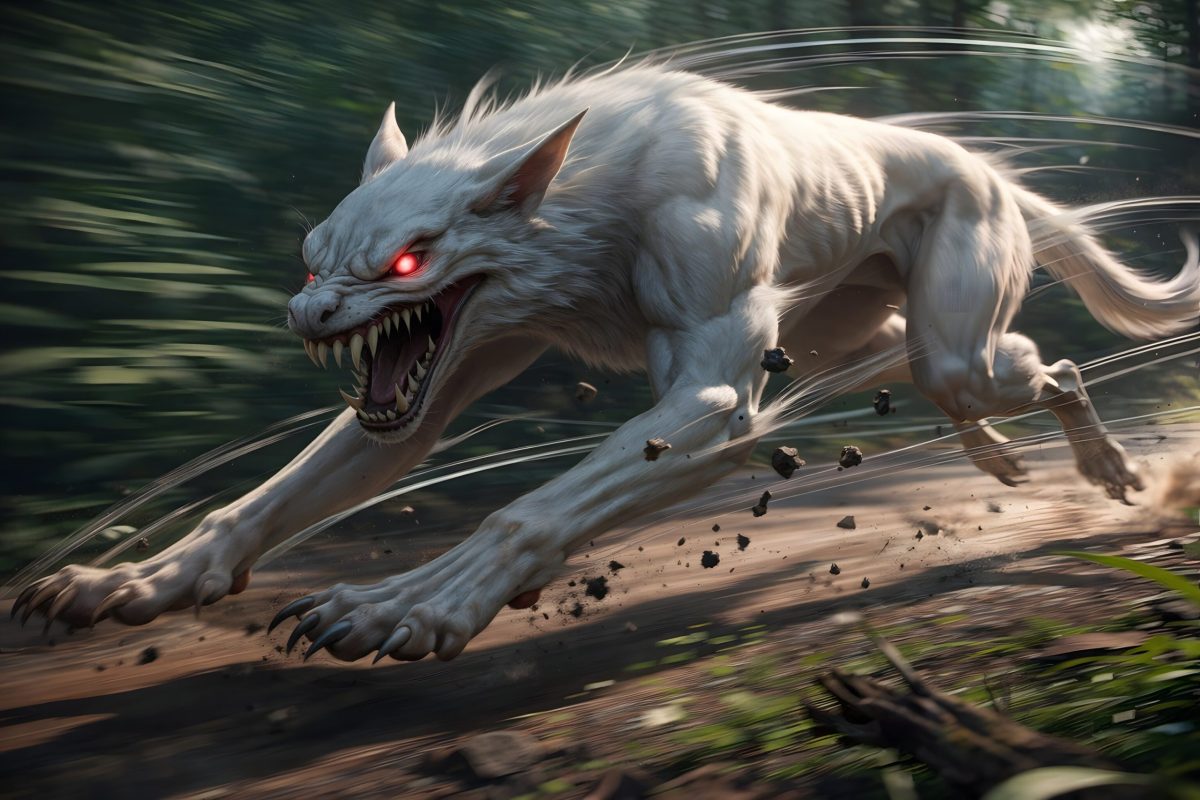
The Tokantongotra is described as a large white animal found in Madagascar. Despite its name meaning “single-foot” or “single-step,” it is not said to have only one leg in front and one behind, as some outsiders believed. It is known instead for its speed, being so fast that nothing can outrun it. It is said to hunt people and to wander at night.

Some claim to have seen it, though such reports are fewer than those concerning the Songomby.


Sources

Sibree, J. (1896). Madagascar before the conquest: The island, the country, and the people, with chapters on travel and topography, folk-lore, strange customs and superstitions, the animal life of the island, and mission work and progress among the inhabitants. New York: Macmillan; London: T. F. Unwin.

Tretretretre

Tradition / Region: Madagascar Mythology
Alternate Names: Tratratratra
Category: Forest dweller, Monkey


The Myth

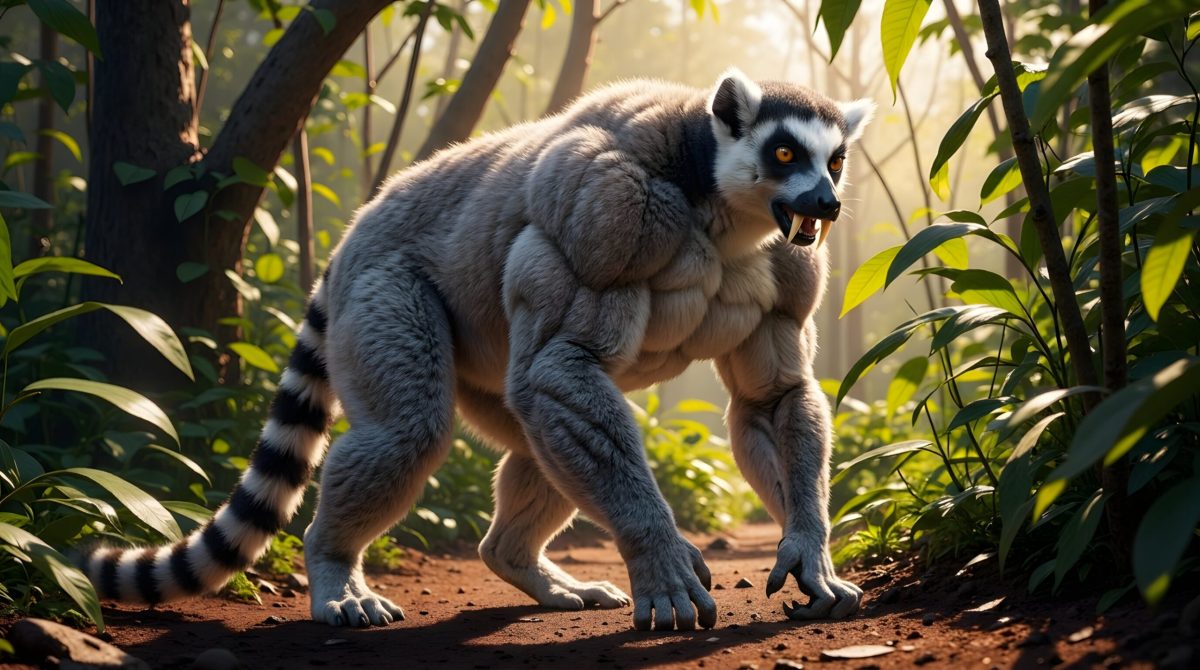
Tretretretre is a shaggy forest creature from Madagascar said to be about the size of a calf. It has monkey-like forelimbs and hind limbs, a short tail, curly hair, and a round, human-like head and face.

It was described as living in forested regions and being agile, able to climb trees easily. Local people were said to fear it, though it was also said to fear humans in return.

Some accounts suggest that stories of Tretretretre may be linked to large extinct lemurs that once inhabited Madagascar. These included massive, slow-moving tree-dwelling animals that lived until several centuries ago. Their extinction has been attributed to environmental change and human activity.


Sources

Bestiary. (n.d.). Tretretretre. From https://www.bestiary.us/tretretretre


Lintao Giant

Tradition / Region: Chinese mythology
Alternate Names:
Category: Giant


The Myth

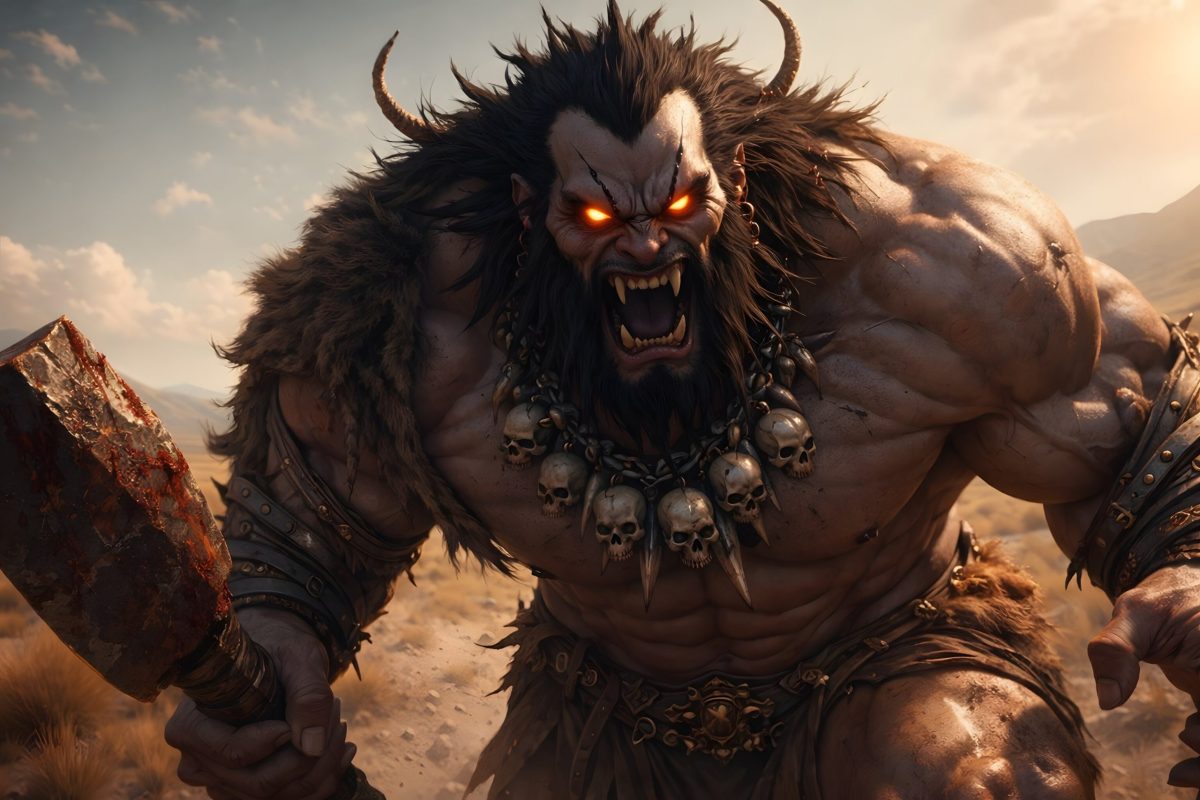
The Lintao Giant is a giant recorded in Chinese legend. It is said that in the twenty-sixth year of Qin Shi Huang’s reign, giants appeared at Lintao. They were extremely tall, about 8 meters in height, with feet about 1.4 meters long, and wore foreign clothing. Some accounts say there were twelve of them.

It is said that after these giants appeared, twelve bronze statues were made to resemble them.


Gallery


Sources

Wikipedia contributors. (n.d.). 临沮巨人. In Wikipedia, from https://zh.wikipedia.org/wiki/%E4%B8%B4%E6%B4%AE%E5%B7%A8%E4%BA%BA


Interpretive Lenses

Religious Readings
  • Christian Ascetic Deep Dive
Philosophical Readings
  • Nietzschean Deep Dive
Psychological Readings
  • Jungian Deep Dive
Esoteric Deep Dive
  • Hermetic Deep Dive
Political / Social Readings
  • Marxist Deep Dive

Bingfeng

Tradition / Region: Chinese mythology
Alternate Names: Ping Feng, Ping Peng
Category: Pig


The Myth

Bingfeng is a strange creature in Chinese legend that lives to the east of the Wuxian Kingdom. It is shaped like a pig but has a head at both the front and the back, and its body is black. It is described as having a demonic aura. Those who touch it may be injured. It cannot move forward normally and instead moves in a tilted manner.

It is recorded in the Classic of Mountains and Seas, including the Overseas Western Classic, and is also referred to in the Great Wilderness West Classic, where it is called Ping Feng or Ping Peng and regarded as the same being. Notes connected to these texts describe it as a beast form and compare it with other creatures having two heads, such as snakes or birds, saying they share the same type of form. Another note describes it as resembling a totem-like dried body of two pigs.

A two-headed pig resembling this creature was also depicted in later printed illustrations.


Gallery


Sources

Wikipedia contributors. (n.d.). 并封. In Wikipedia, from https://zh.wikipedia.org/wiki/%E5%B9%B6%E5%B0%81


Interpretive Lenses

Religious Readings
  • Christian Ascetic Deep Dive
Philosophical Readings
  • Nietzschean Deep Dive
Psychological Readings
  • Jungian Deep Dive
Esoteric Deep Dive
  • Hermetic Deep Dive
Political / Social Readings
  • Marxist Deep Dive

Zobutsu Daijoou

Tradition / Region: Japanese Mythology
Alternate Names: Kuriekisu, Great Queen of Creation
Category: Demon


The Myth

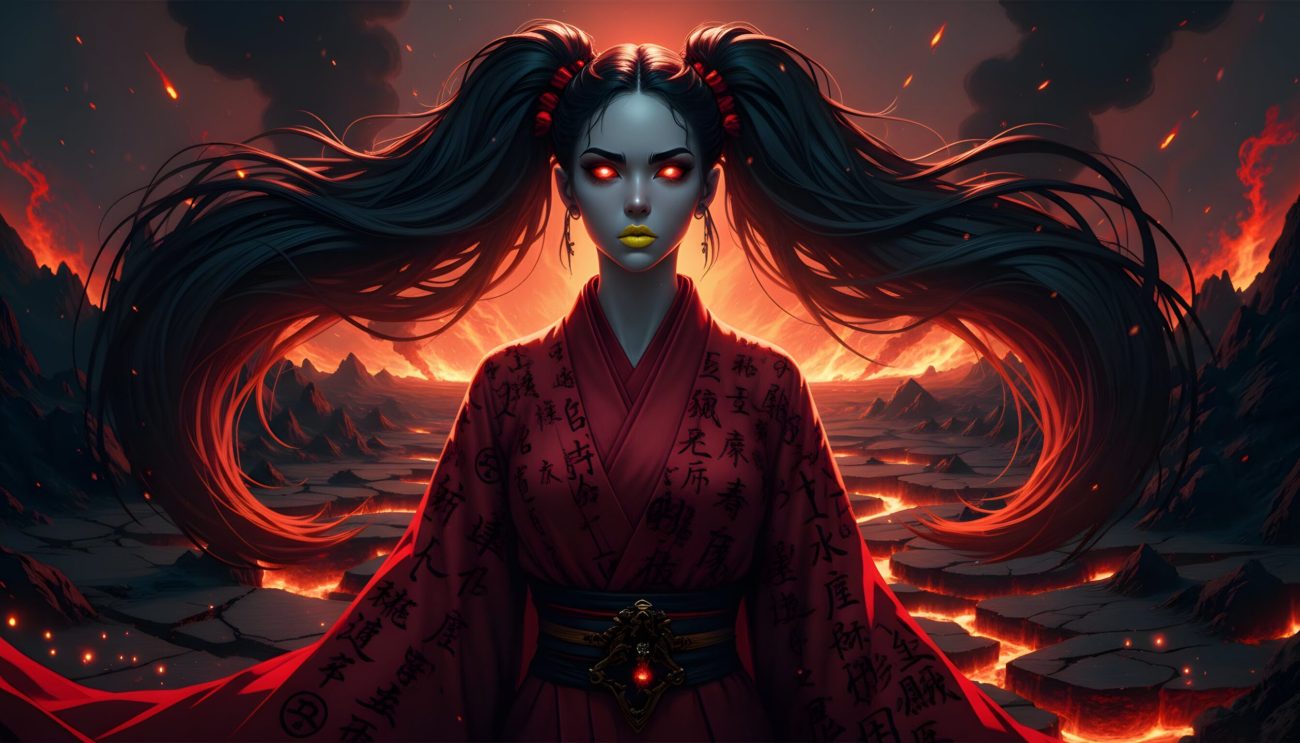
Zobutsu Daijoou is the highest-ranking of the twelve great demon kings described in a religious account of the demon realm. She is said to possess power one hundred times greater than that of an average god and is considered so terrifying that even powerful spiritual masters warned against approaching her. She has a white face, thin black eyebrows, yellow lips, and stands about three feet tall. Her hair rises two feet upward, bends backward, and divides into three sections that fall to her waist. She was said to have come into being when the accumulated shadows at the creation of the world condensed into evil energy.

Among the hundreds of demon leaders said to inhabit the demon realm, twelve hold the highest rank, and Zobutsu Daijoou stands above them all. Each of these demon kings rules a separate domain with their own followers and may bring disaster upon the human world. Alongside her in special distinction is the Queen of the Bottomless Sea, and together they are set apart from the rest.

On the night of July 19, 1880, a procession of these demon kings was said to pass across the sky. Their names were identified as they appeared, with Zobutsu Daijoou recognized as the foremost among them.


Sources

TYZ Yokai Blog. (2018). 祖仏大王 (Zobutsu Daijōō). From https://tyz-yokai.blog.jp/archives/1034642738.html


Kasha

Tradition / Region: Japanese Mythology
Alternate Names:
Category: Cat


The Myth

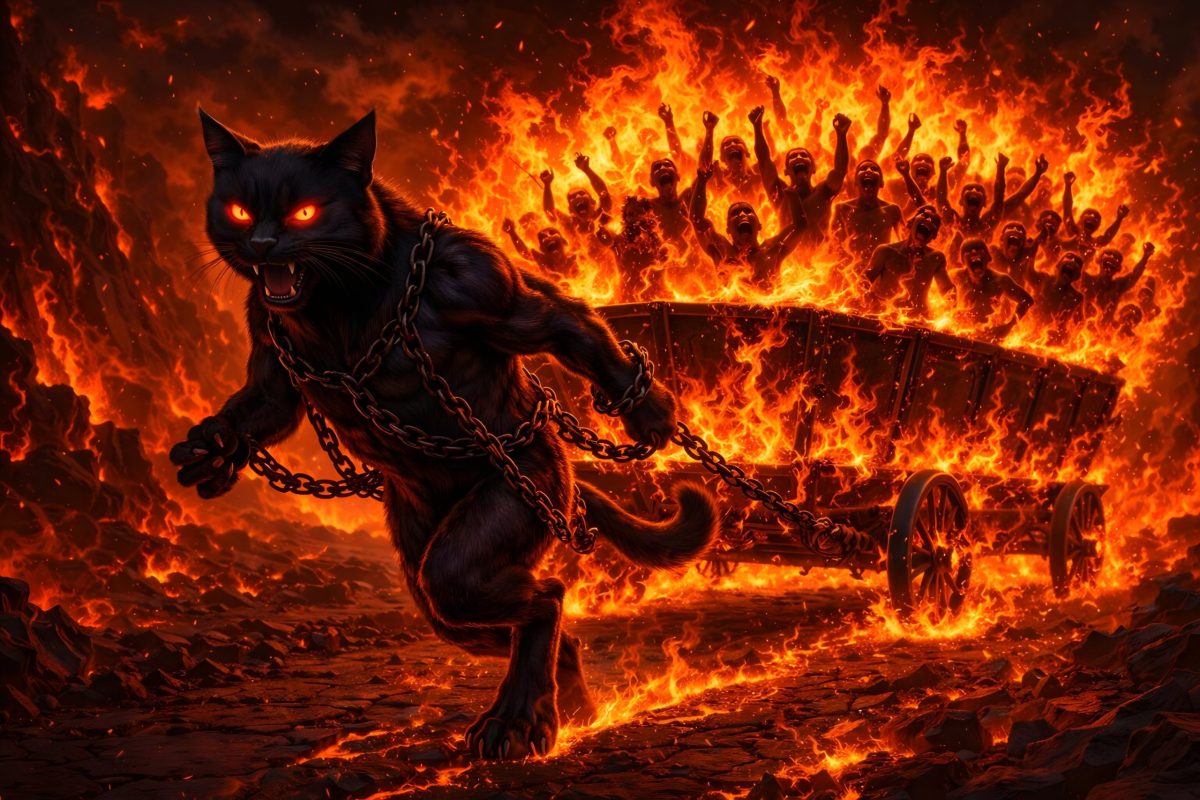
The Kasha is a cat-like yokai associated with death and the punishment of wrongdoers. It is said to carry away the corpses of those who committed crimes, and is often depicted grasping a body while connected to a flaming chariot or fire.

The Kasha appears when a person who has committed wrongdoing dies. It takes the corpse and carries it away, acting as an agent of karmic consequence rather than human judgment. It is portrayed as a cat-like being that may stand upright and seize the body, sometimes shown with a chariot of fire. Images of the Kasha appear in works such as death scrolls and mandalas, where it is shown taking the dead away. Its form varies by region, sometimes more monstrous and sometimes more cat-like, but it is consistently associated with the removal of sinful corpses and the inevitability of moral consequence.


Sources

TYZ Yokai Blog. (2014). 火車 (Kasha). From https://tyz-yokai.blog.jp/archives/1010655129.html


Yama-Otoroshi

Tradition / Region: Japanse Mythology
Alternate Names: Otoroshi
Category: Mountain dweller, Ogre


The Myth

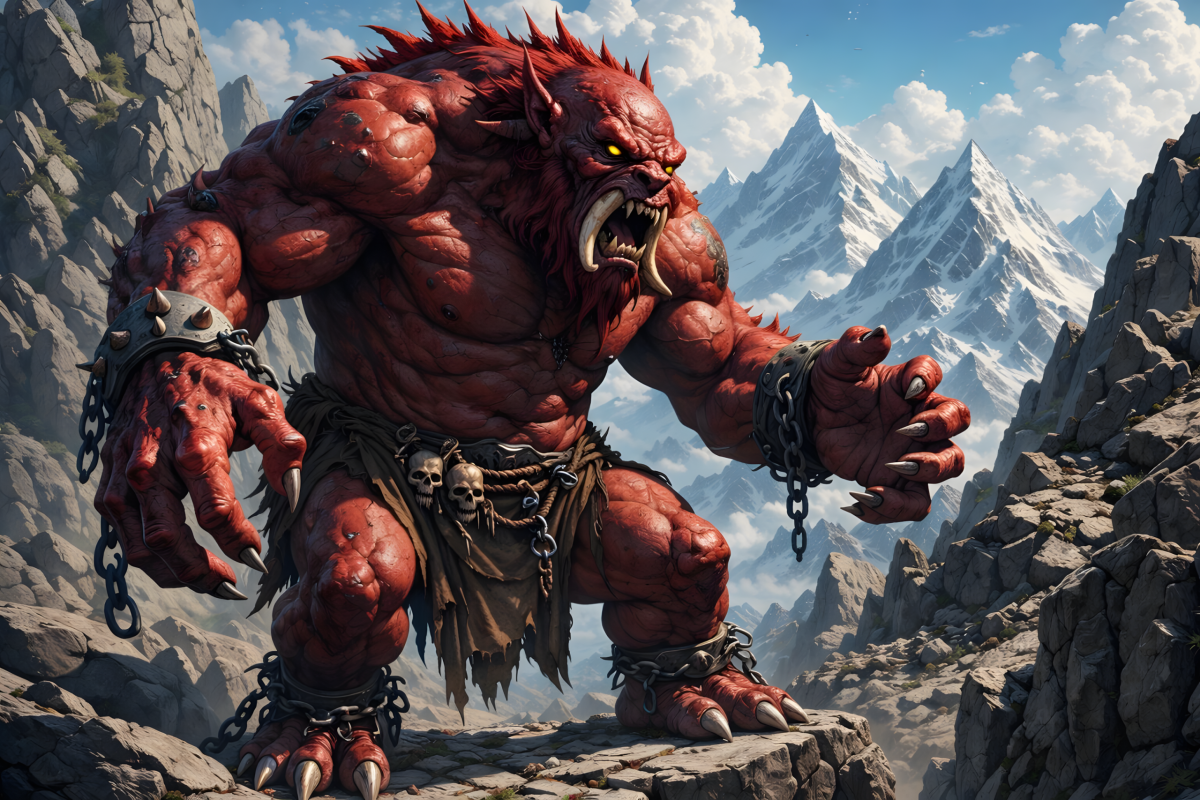
Yama-Otoroshi is a yokai said to inhabit Mount Tsurugi in the Tateyama mountain range. It is described as resembling an ogre with a red face and body and lacking iron bars. It was believed to wait on rocky outcrops and attack climbers.

It was said that before 1907, climbers failed to reach the summit of Mount Tsurugi because the Yama-Otoroshi waited on the rocks, seized them by the collar, and threw them to their deaths. After the Meiji period, the being was said to descend from the mountain and take up residence at temple gates such as Zenkoji Temple. There it grabbed non-believers by the collar and stopped them from passing through. In this form, it was also called simply Otoroshi. An illustration shows the red-faced, two-horned ogre throwing away a climber.


Sources

TYZ Yokai Blog. (2016). 山おとろし (Yama-Otoroshi). From https://tyz-yokai.blog.jp/archives/1058924391.html


Torakoishi

Tradition / Region: Japanse Mythology
Alternate Names: Toramishi, Tiger Stone
Category: Tiger, Stone


The Myth

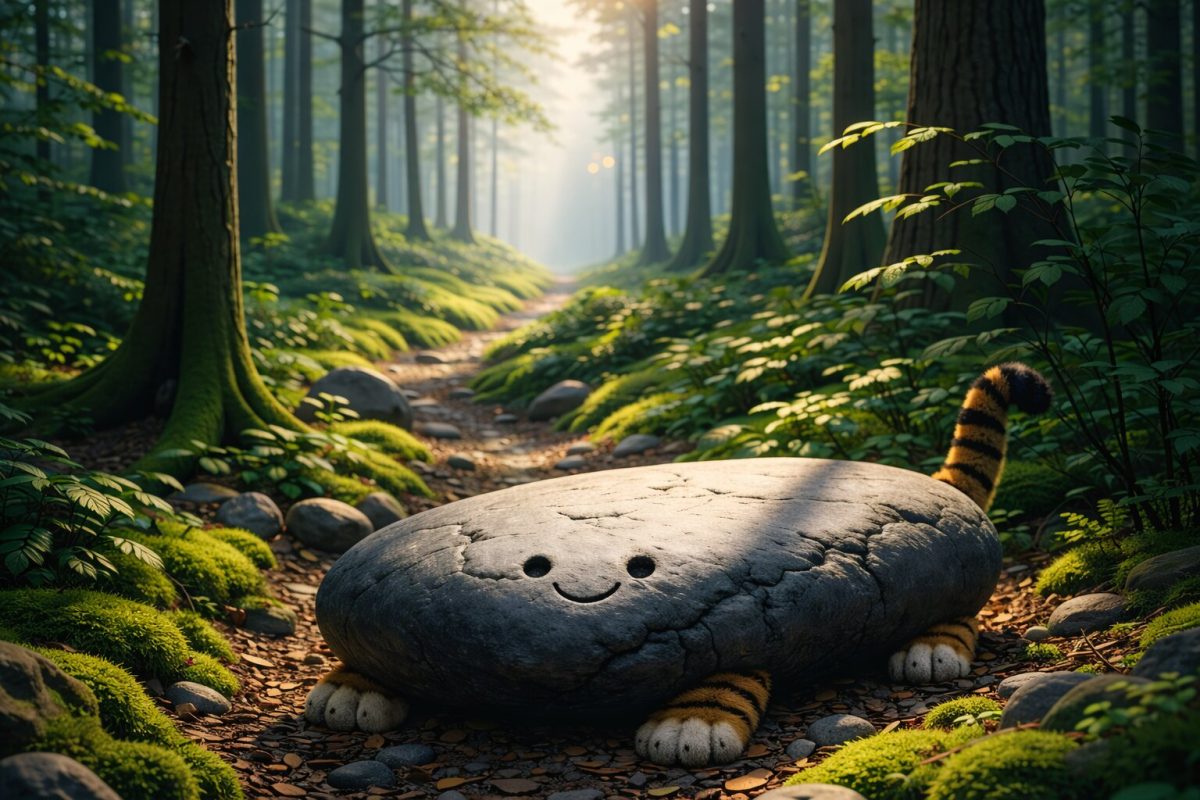
Torakoishi is a legendary stone associated with Tiger Gozen, a courtesan of Oiso-juku known from Soga Monogatari as the lover of Soga Juro Sukenari. A stone kept at Entaiji Temple in Oiso is said to have been given through the power of Benzaiten, and is believed to possess protective and miraculous qualities. It became known as a local curiosity and was publicly shown at certain times.

According to tradition, the stone was connected to a girl born on the Day of the Tiger who grew as she aged through Benzaiten’s power. When assassins sent by Kudo Suketsune attacked, the stone took the form of Soga Juro, blocking the arrows and saving them. The stone at Entaiji Temple is said to ward off evil, grant children, and fulfill wishes when touched, and it was displayed to the public each May. During the Edo period it was known as a roadside attraction and was said that only handsome men could lift it. An 1859 print by Utagawa Yoshikazu depicts the stone with tiger legs and a tail startling passersby, in the style of local monster caricatures.


Gallery


Sources

TYZ Yokai Blog. (2022). 虎子石 (Torakoishi). From https://tyz-yokai.blog.jp/archives/1080024030.html


Interpretive Lenses

Religious Readings
  • Christian Ascetic Deep Dive
Philosophical Readings
  • Nietzschean Deep Dive
Psychological Readings
  • Jungian Deep Dive
Esoteric Deep Dive
  • Hermetic Deep Dive
Political / Social Readings
  • Marxist Deep Dive

Kubiore Neushi

Tradition / Region: Japanese Mythology
Alternate Names: Sleeping Cow with a Broken Neck
Category: Cow, Statue


The Myth

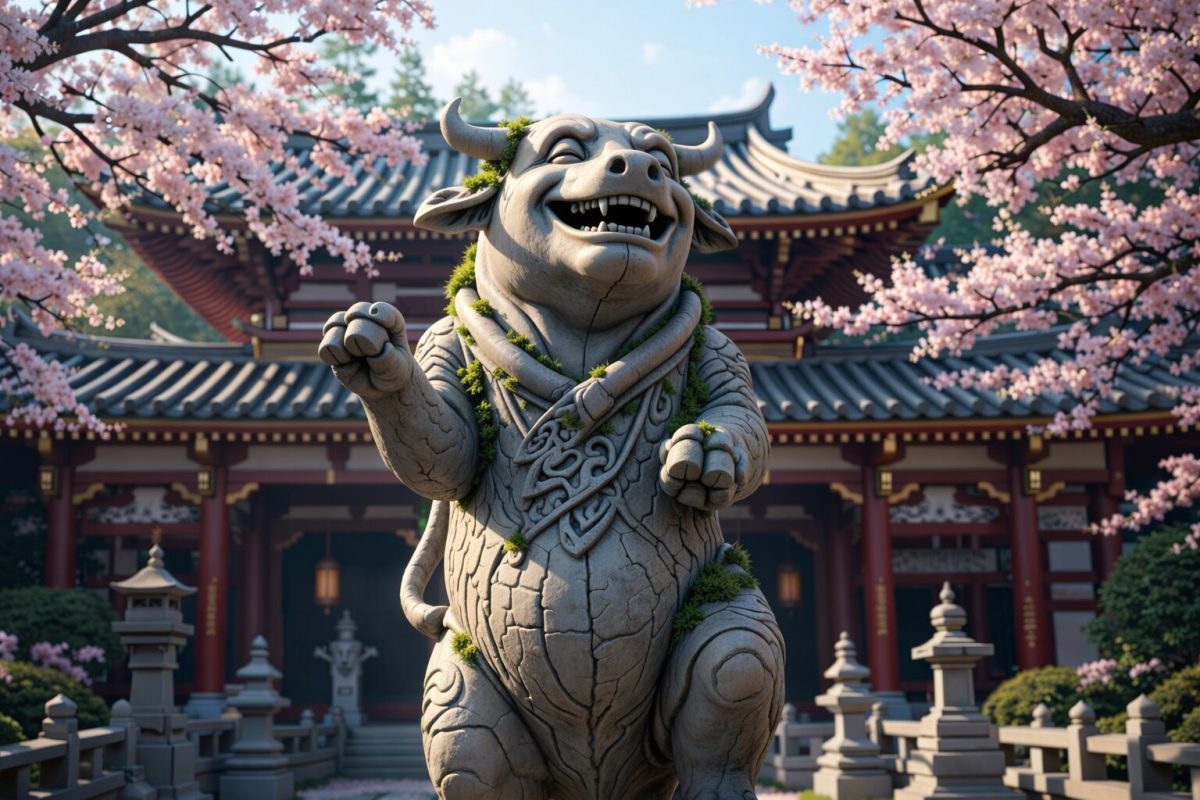
Kubiore Neushi is remembered as a stone cow statue connected to Takimiya Hachiman Shrine in Sanuki.

In the year 888, the land of Sanuki suffered a terrible drought. Rivers dried up, rice fields withered, and the villagers feared famine. Sugawara no Michizane, then governor of the province, fasted, purified himself, and climbed Mount Shiroyama to pray for rain.

At first, the heavens sent firestones and then pebbles, which frightened the people, but Michizane continued his devotions. On the final night of his ritual, the god of Mount Shiroyama appeared to him in a dream and told him that if he offered even a single drop of water to the heavens, a heavy rain would come.

Michizane threw his ink-soaked brush into the sky. At once, black clouds gathered, thunder rolled, and rain poured over the land. The dying crops revived and the villagers rejoiced. They gathered at Takimiya Hachiman Shrine and danced in celebration.

It is said that the joy of that day was so great that the stone cow statue before the shrine joined the dance. In its enthusiasm, the cow broke its neck and became known as the Sleeping Cow with a Broken Neck. The villagers preserved their celebration as the Takimiya Nembutsu Dance in memory of the rain and the event.


Sources

TYZ Yokai Blog. (2021). 首折れ寝牛 (Kubiore Neushi). From https://tyz-yokai.blog.jp/archives/1078437894.html


Angalapona

Tradition / Region: Madagascar Mythology
Alternate Names:
Category: Dwarf, River dweller


The Myth

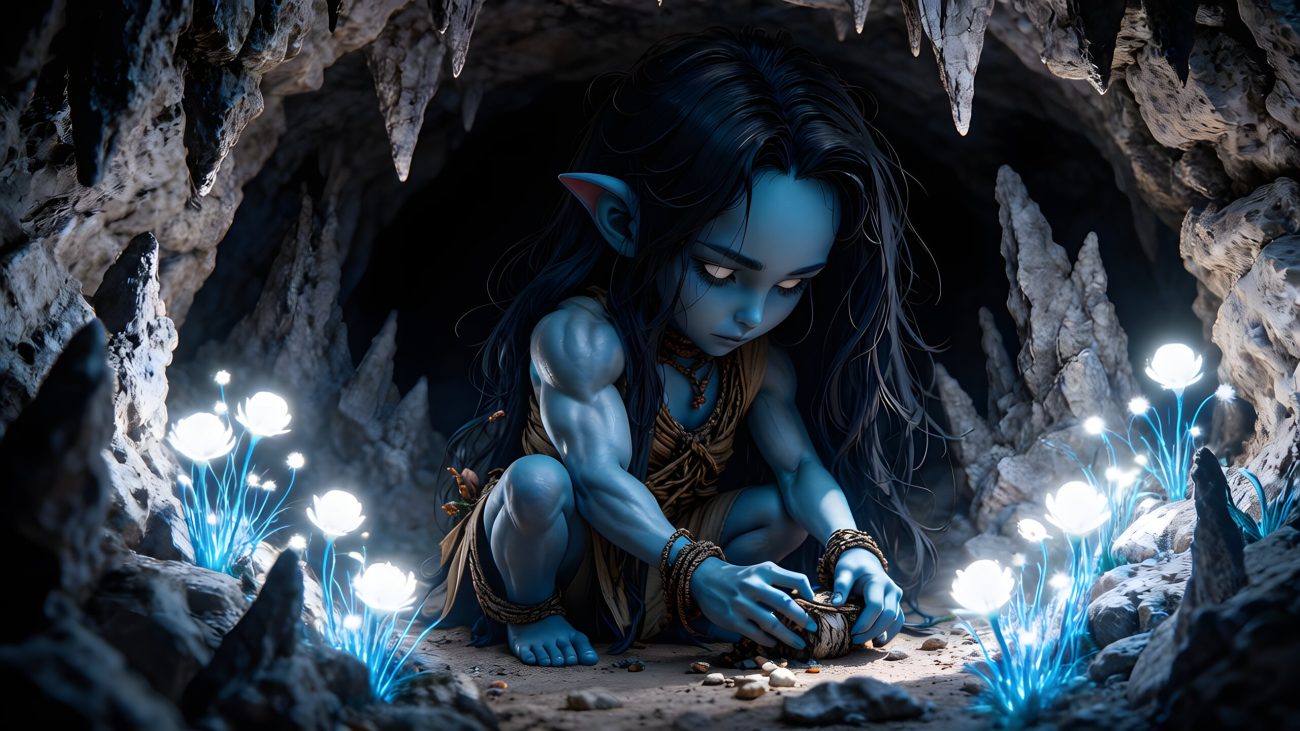
The Angalapona is a human-like being smaller than a grown person, only slightly larger than a child. It lives in water but is never wet, dwelling in a cave beneath the water into which no water enters. It moves through the water by a turning door and passes back and forth without becoming soaked. Its hair is very long, nearly reaching the ground when it stands. It is regarded as a director of divination and the foretelling of fortunate days, and diviners call upon it when working oracles.

A woman named Renisoarahanoro was once in an uninhabited place when the Angalapona called to her by a name pleasing to it. It led her toward its dwelling, and they passed through the water without becoming wet. When they reached the cave, she refused to go farther and stayed at the entrance. She would not eat its food, such as raw eels and crayfish, and because she remained by the doorway her clothes became covered in water-plants. The Angalapona and his wife decided to send her home, but first they granted her the power of divination. After that, people consulted her for this purpose.

Another person, Rainitsimanahy, said that while he was in an uninhabited place, an Angalapona came to him at night and wished him to be its husband. When he refused, it followed him continually.

Many people say they have seen this being, especially those afflicted with a disease called jila.


Sources

Sibree, J. (1896). Madagascar before the conquest: The island, the country, and the people, with chapters on travel and topography, folk-lore, strange customs and superstitions, the animal life of the island, and mission work and progress among the inhabitants. New York: Macmillan; London: T. F. Unwin.