Ushi-Fufu

Tradition: Japanese mythology
Alternative Names: –
Category: Cow


The Myth

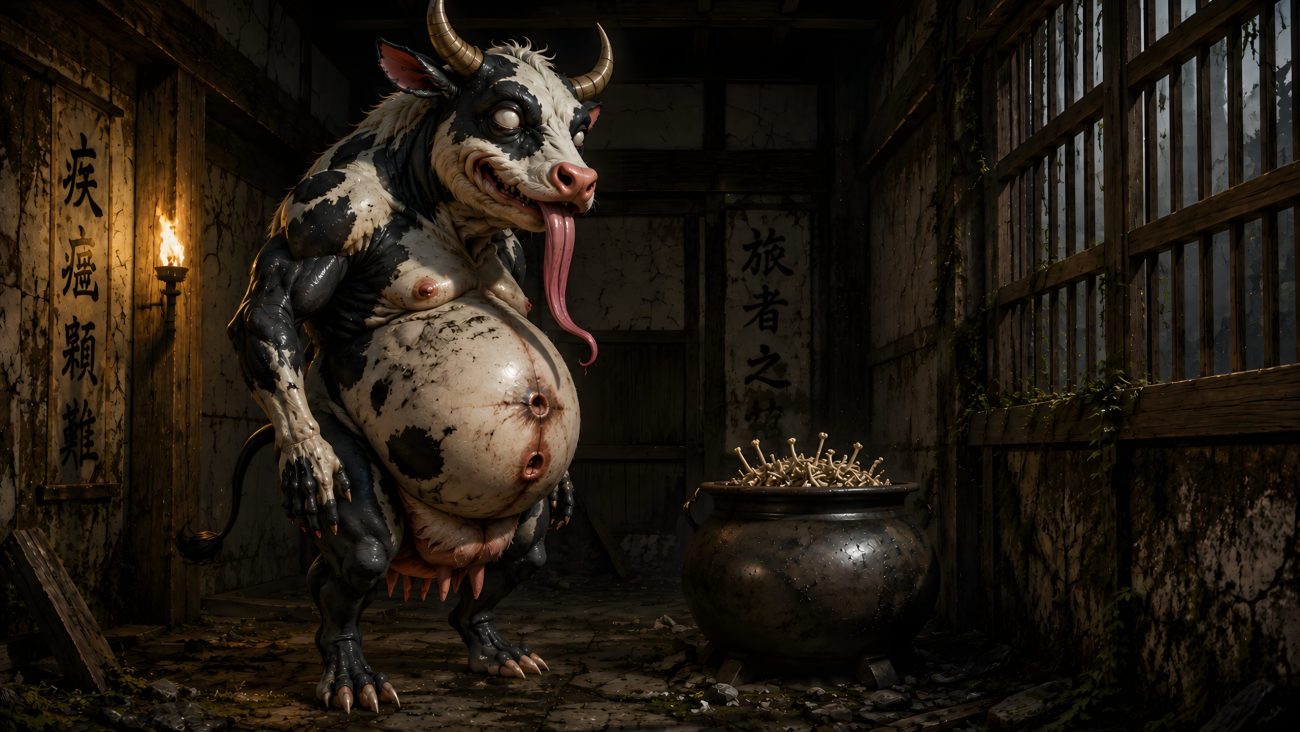
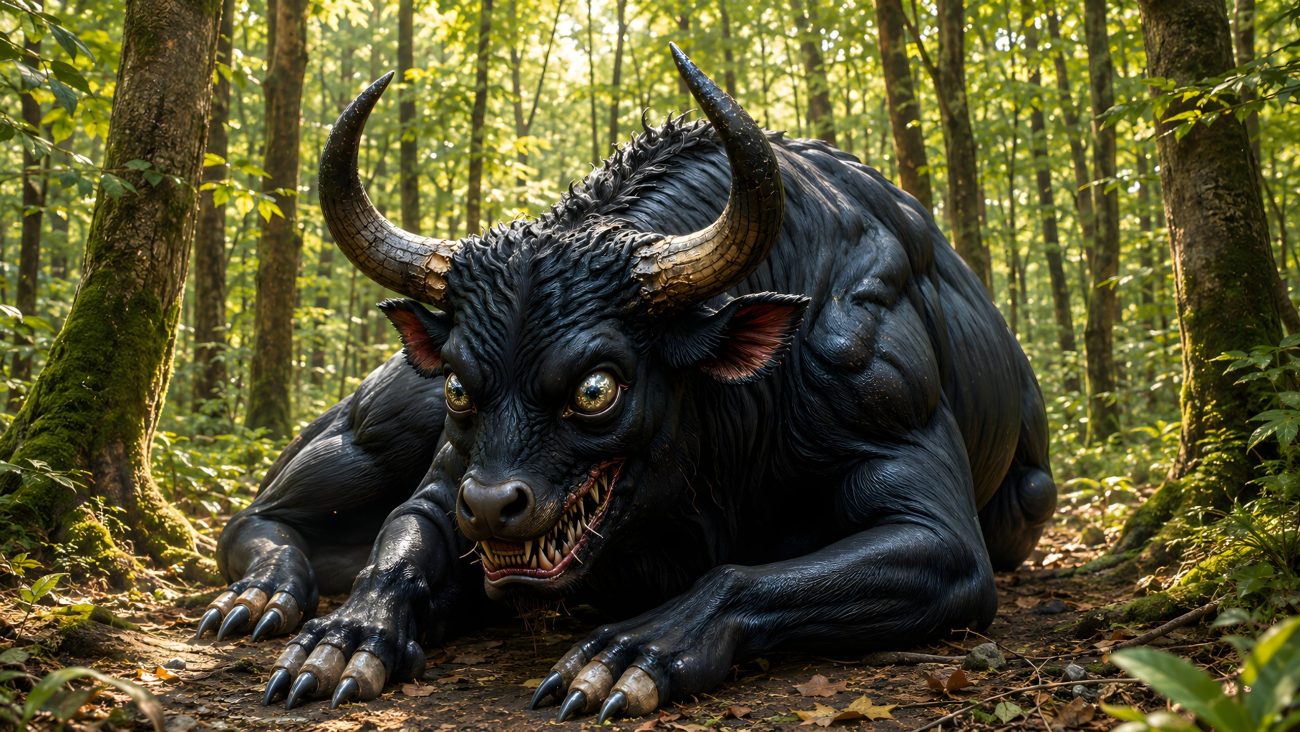
Ushi-Fufu is a pair of supernatural beings with human heads and cow-like bodies. Both figures have two horns growing from their heads and hooves split into two parts.

The male has a black body with a white abdomen, while the female has a red body. The male is also depicted with exposed genitals.

The source provided does not give any further story or legend concerning Ushi-Fufu beyond their depiction as a pair of cow-like beings associated with Hell.


Sources

“獣;ケモノ,夫婦;フウフ,畜生道;チクショウドウ (Kemono; Fūfu; Chikushōdō).” Kaii/Yōkai Image Database, International Research Center for Japanese Studies. 2006. https://www.nichibun.ac.jp/cgi-bin/YoukaiGazou/card.cgi?identifier=U426_nichibunken_0058_0007_0000


Uri Bull

Tradition: Swiss Mythology
Alternative Names: The Snow-White Bull, The Bull of Sürenen
Category: Cow


The Myth

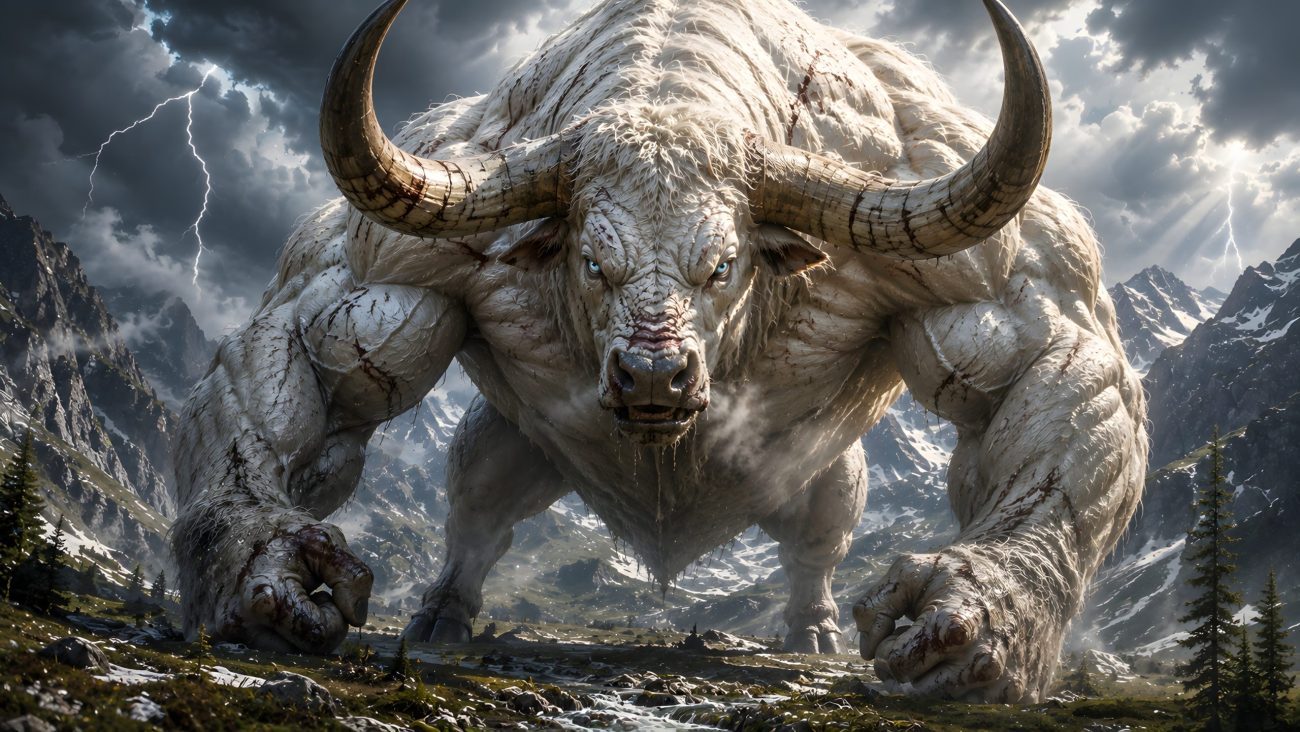
The Uri Bull is a legendary snow-white bull associated with the Sürenenalp above Engelberg in the Swiss Alps. According to the legend, it was created and raised for the purpose of confronting a monstrous creature that had brought a curse upon the mountain.

High in the Alps above Engelberg lay the Sürenenalp, once regarded as the richest pasture in the region. A shepherd living there committed a grave act of sacrilege. Out of misguided love, he baptized a silvery-white sheep using stolen holy water. The act transformed the sheep into a raging and apparently invulnerable monster that drove both people and cattle from the mountain.

No weapon could wound the creature, while prayers and exorcisms were unable to drive it away. The Sürenenalp consequently became cursed and dangerous ground.

Desperate to end the threat, the people of Uri sought the assistance of a wandering scholar who was versed in forbidden arts. He devised a strange remedy: a bull would be raised specifically to confront and destroy the monster.

A snow-white bull was chosen and raised with great ritual care. During its first year it was given the milk of one cow. In its second year it drank the milk of two cows, and this continued each year until its ninth year, when it consumed the milk produced by nine cows. Through this extraordinary nourishment, the bull grew to enormous size and acquired tremendous strength.

When the bull was finally ready, a virgin dressed entirely in bridal white led it up to the Sürenenalp. She held the bull by a ring attached to its nose. When the monstrous sheep charged, the maiden released it.

The white bull lowered its horns and thundered toward the creature. The two monsters met in a terrible battle. The struggle was so violent that the mountain shook and the sky darkened. Storm clouds gathered around the combat until the fighting disappeared from sight. Lightning split the heavens while thunder rolled through the valleys.

When the storm finally cleared, the cursed sheep had been destroyed. Nothing remained of the monster except a torn and bloody mound. The maiden who had led the bull to the mountain had vanished without a trace.

The bull, however, had also died. It was discovered near the icy source of the Aa River, where it had apparently drunk too deeply from the freezing water after the exhausting battle.

With the destruction of the monster, the pastures of the Sürenenalp were finally freed from the curse. In remembrance of the white bull that had sacrificed itself to save the mountain, the people of Uri named the stream where it died the Bull’s Brook and adopted the head of the bull as their enduring emblem.

The Uri Bull therefore became both the monster-slayer of the Sürenenalp and a sacred symbol of the canton of Uri.


Sources

Guerber, H. A. (1899). Legends of Switzerland. p. 224.

Ushi-Bakemono

Tradition: Japanese mythology
Alternative Names: Ushi-Bakemono
Category: Cow


The Myth

Ushi-Bakemono is a yokai with elements of social satire, introduced in Hyakki Hirugyo, from Keigetsu Omachi’s Eiri Kunwa, an illustrated collection of moral tales published in 1916. It is listed as the 35th of the 41 yokai in the work.

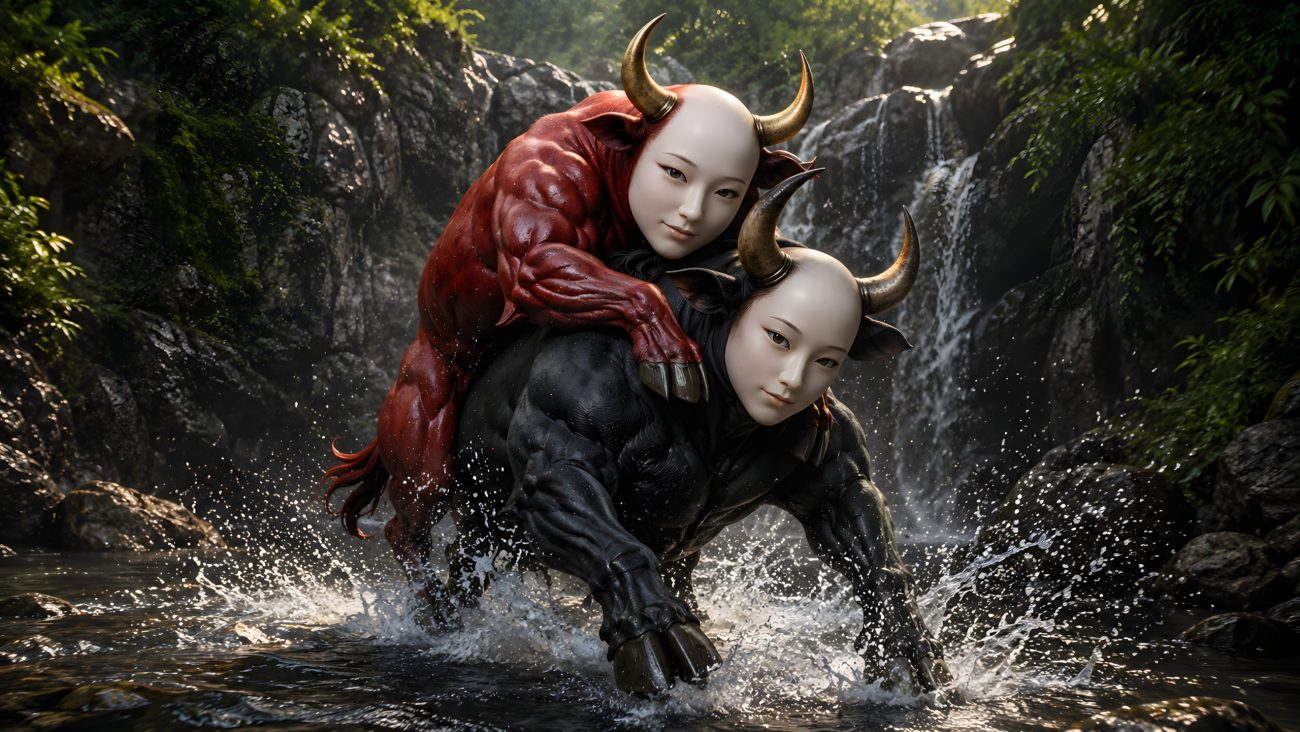
Ushi-Bakemono is depicted with a human body and the head of a large black ox. At first glance, its appearance resembles Shennong, the ancient Chinese deity, but unlike Shennong, the creature is an ox monster that provides no benefit to humanity.

The ox monster is said to doubt everything around it, including gods, morality, the state, and life itself. It wanders aimlessly through a fog, questioning these aspects of existence.

The horns on its head represent jealousy and insidious cunning. The creature is said to attempt to push down anyone and everyone in order to advance itself.

Although such a being may call itself a modern person, the tale presents it as something less than human: an ox monster wandering through the world, driven by doubt, jealousy, and cunning.


Sources

Takahashi, Toshihiro. “牛の化物 [うし‐ばけもの] (Ushi-bakemono).” 新版TYZ 妖怪図鑑 (New TYZ Yokai Encyclopedia). July 25, 2021. https://tyz-yokai.blog.jp/archives/1078437905.html


Unmushi

Tradition: Japanese mythology
Alternative Names: Sea Cow
Category: Cow


The Myth

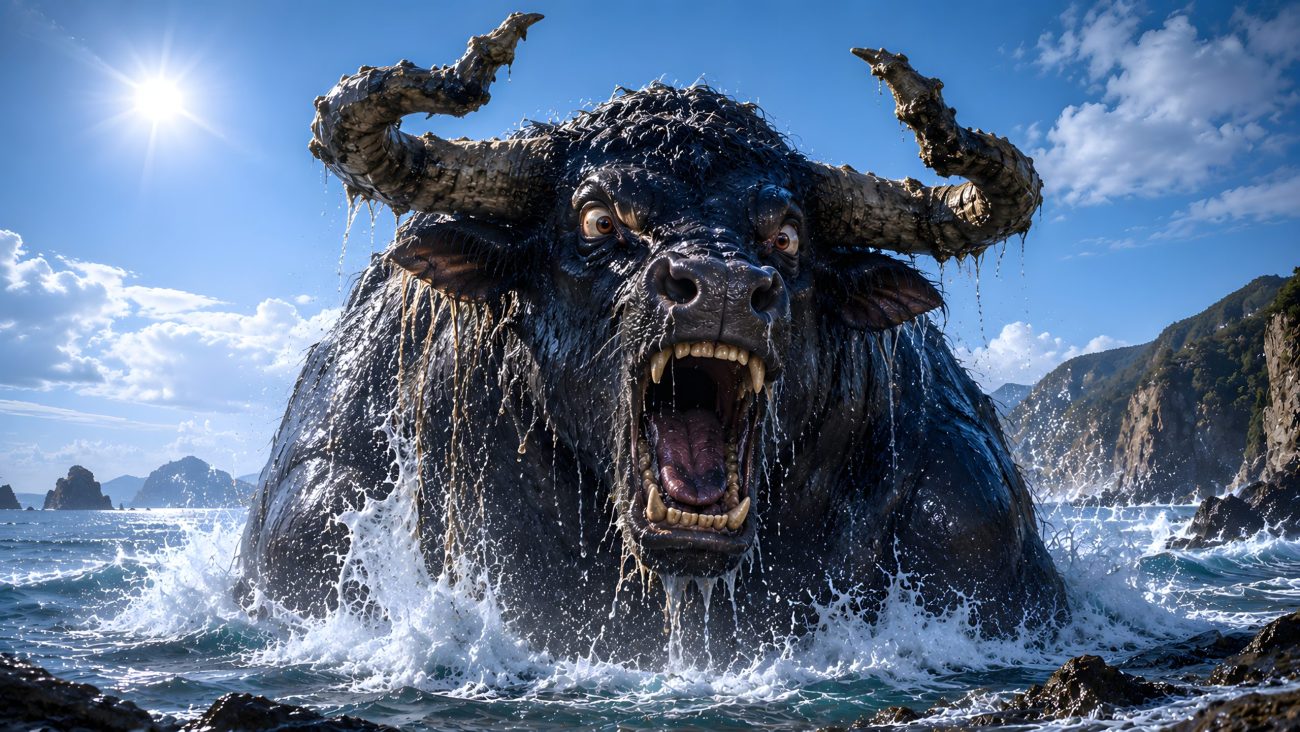
Unmushi is a yokai from the area around Kagoshima Bay in Tarumizu City, Kagoshima Prefecture. It takes the form of a black cow with horns and is said to emerge from the sea with a terrifying roar.

The Unmushi appears only on the 27th day after Obon. Because of the creature’s appearance on that day, people traditionally avoided going out to sea.


Sources

Takahashi, Toshihiro. “海牛 [うんむし] (Unmushi).” 新版TYZ 妖怪図鑑 (New TYZ Yokai Encyclopedia). July 9, 2011. https://tyz-yokai.blog.jp/archives/1010654024.html


Umingmånguaq

Tradition: Inuit mythology, Canadian mythology
Alternative Names: Umingmånguaq
Category: Cow


The Myth

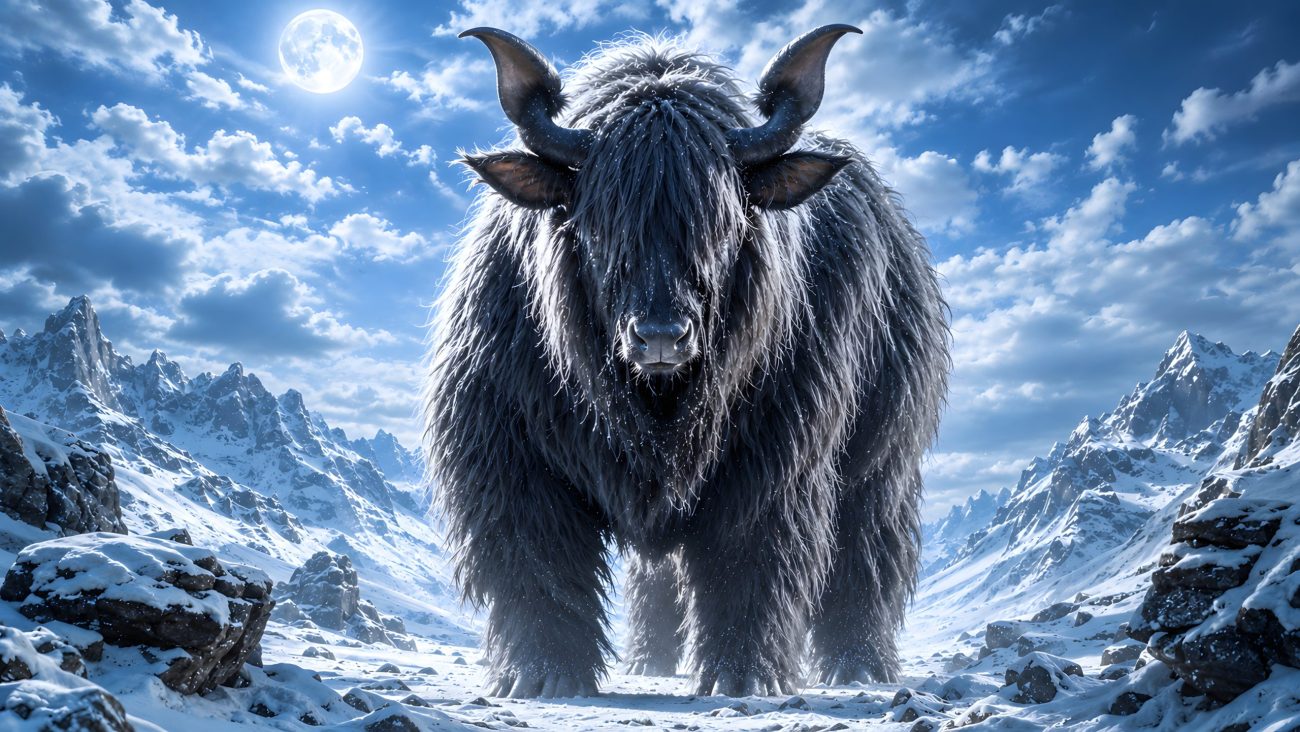
Umingmånguaq is the spirit of the musk-ox. It has no eyes and perceives everything through its ears, which grow from stems and resemble horns.

A hunter first encountered Umingmånguaq while hunting caribou. The spirit spoke to him like a human being and explained that it was simply searching for a shaman whom it could serve.

From then on, Umingmånguaq would follow the hunter wherever he went. He did not need to turn around to see whether it was there, because whenever he turned to look for it, the spirit would disappear.

Umingmånguaq was regarded as having healing powers and was said to be able to cure all ailments.


Sources

Rasmussen, Knud. Intellectual Culture of the Hudson Bay Eskimos. Copenhagen: Gyldendal, 1930. 3 vols. Vol. 1, Intellectual Culture of the Iglulik Eskimos (1929); Vol. 2, Observations on the Intellectual Culture of the Caribou Eskimos (1930); Vol. 3, Iglulik and Caribou Eskimo Tests (1930). Internet Archive


Uaiput

Tradition: Egyptian mythology
Alternative Names: Uaiput
Category: Deity, Cow


The Myth

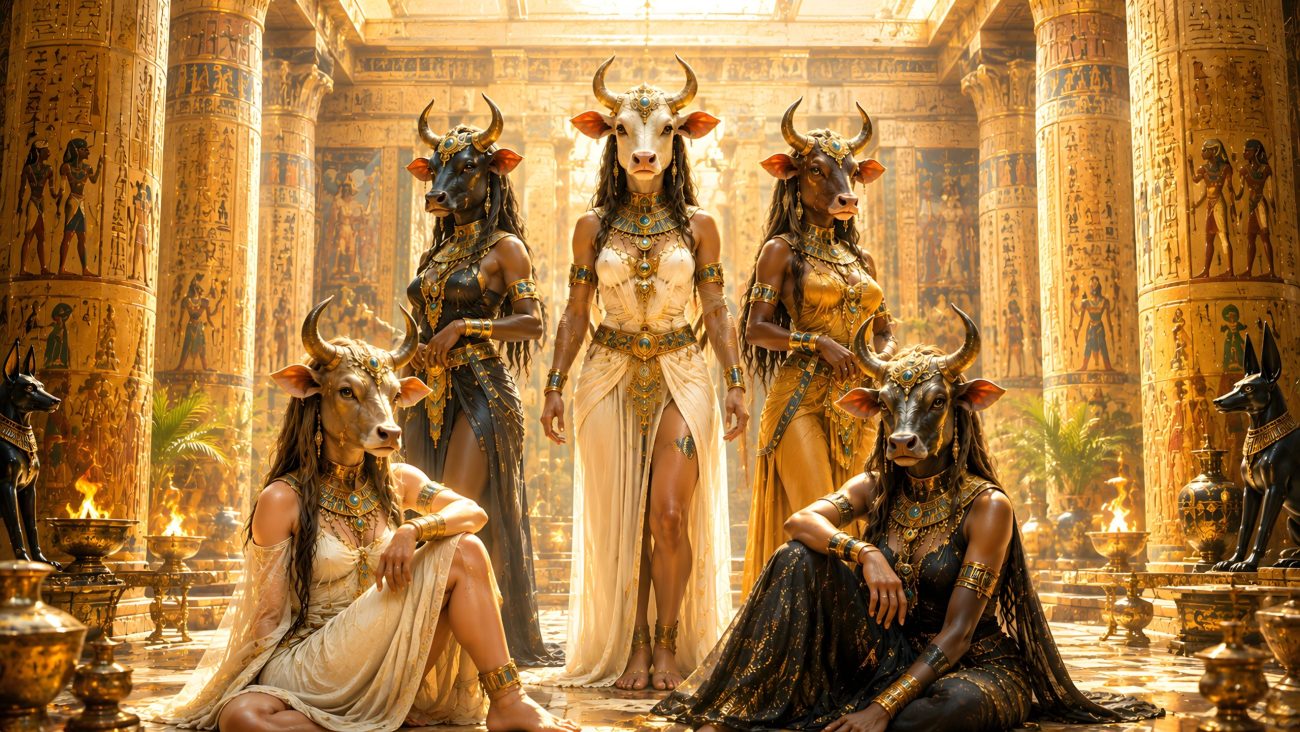
Uaiput is the name given to a group of four cow-goddesses. The group is depicted together as four bovine female deities.


Sources

Budge, E. A. W. (1920). An Egyptian hieroglyphic dictionary : with an index of English words, king list and geological list with indexes, list of hieroglyphic characters, coptic and semitic alphabets, etc. (p. 146) J. Murray.


Twelve-Horned Calf

Tradition: Japanese mythology
Alternative Names: Twelve-Horned Calf
Category: Cow


The Myth

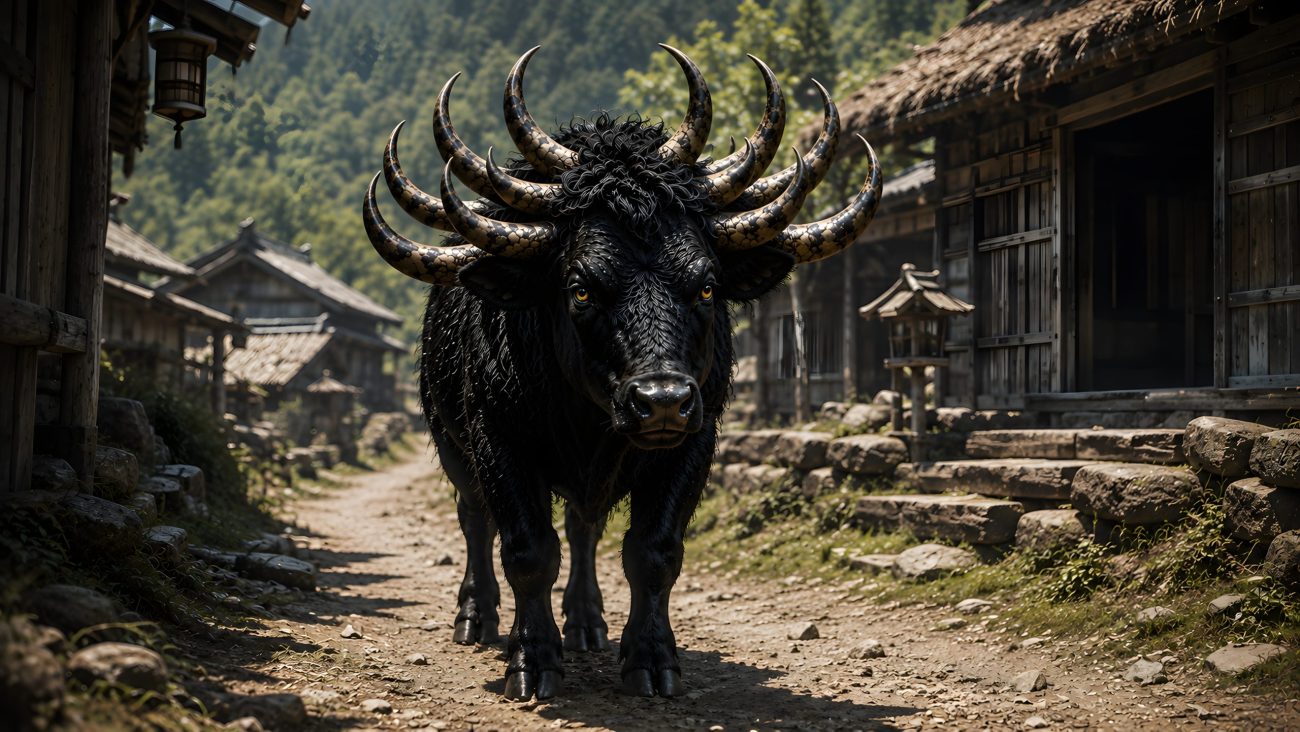
A calf with twelve horns was said to have been born in Tamba Province, Japan. The calf was black and had six horns growing from each side of its head.


Sources

Akisato, Okina, and Nishimura Chūwa. “牛;ウシ,動物;ドウブツ,角;ツノ (Ushi; Animal; Horns).” Kaii/Yōkai Image Database, International Research Center for Japanese Studies. Accessed August 30, 2026. https://www.nichibun.ac.jp/cgi-bin/YoukaiGazou/card.cgi?identifier=U426_nichibunken_0446_0013_0000


Tsi-aumbi-aumbi

Tradition: Madagascar Mythology
Alternative names: Tsy-aomby-aomby, Tsy-aomby-aomby
Category: Cow


The Myth

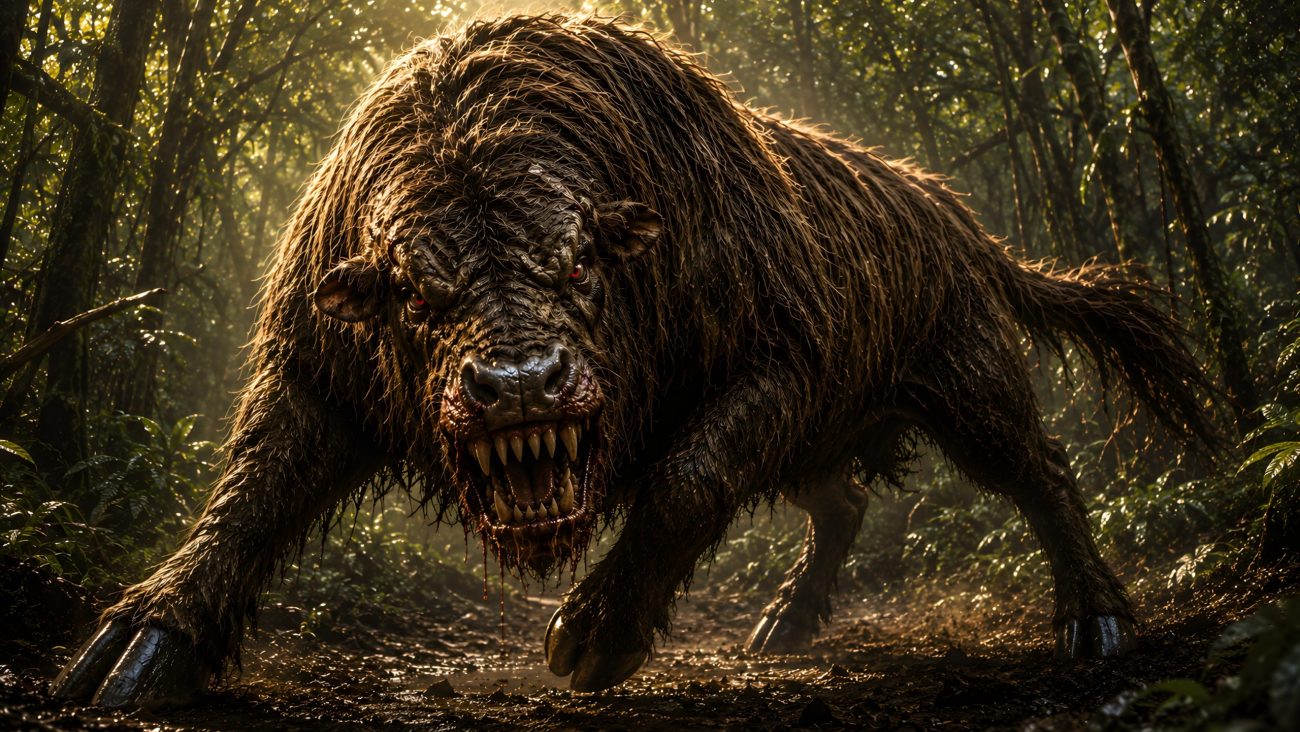
Tsi-aumbi-aumbi is a bloodthirsty, man-eating bull from the folklore of Madagascar. Despite its bull-like body, it has no horns and possesses unusual speed and cunning, using tricks to hunt and overpower people.

The Tsi-aumbi-aumbi has a body like a bull, but its head is hornless and its hooves resemble those of a horse rather than a cloven-hoofed animal. It inhabits the forests and surroundings of Mahavelona. It is herbivorous, insectivorous, and anthropophagous, eating grass, insects, and people.

The creature is exceptionally fast. When a person sees it and believes the animal is far enough away, the Tsi-aumbi-aumbi can suddenly reach them almost immediately.

When attacking a person, it initially pursues them until they become exhausted. If its victim attempts to escape by climbing a tree, the Tsi-aumbi-aumbi uses various tricks to force them back down. If these fail, it tears through the surrounding undergrowth with a powerful stream of urine.

People attempting to escape by holding onto the branches and letting go when the creature approaches are also deceived. The Tsi-aumbi-aumbi waits for them to lose their balance and fall, allowing it to catch and devour them.


Sources

“Tsi-Aumbi-Aumbi.” New Bestiary (Bestiary.us). Accessed August 30, 2026. https://www.bestiary.us/tsi-aumbi-aumbi


Tongsitun

Tradition: Chinese Mythology
Alternative Names: Tongsitun
Category: Fox, Cow


The Myth

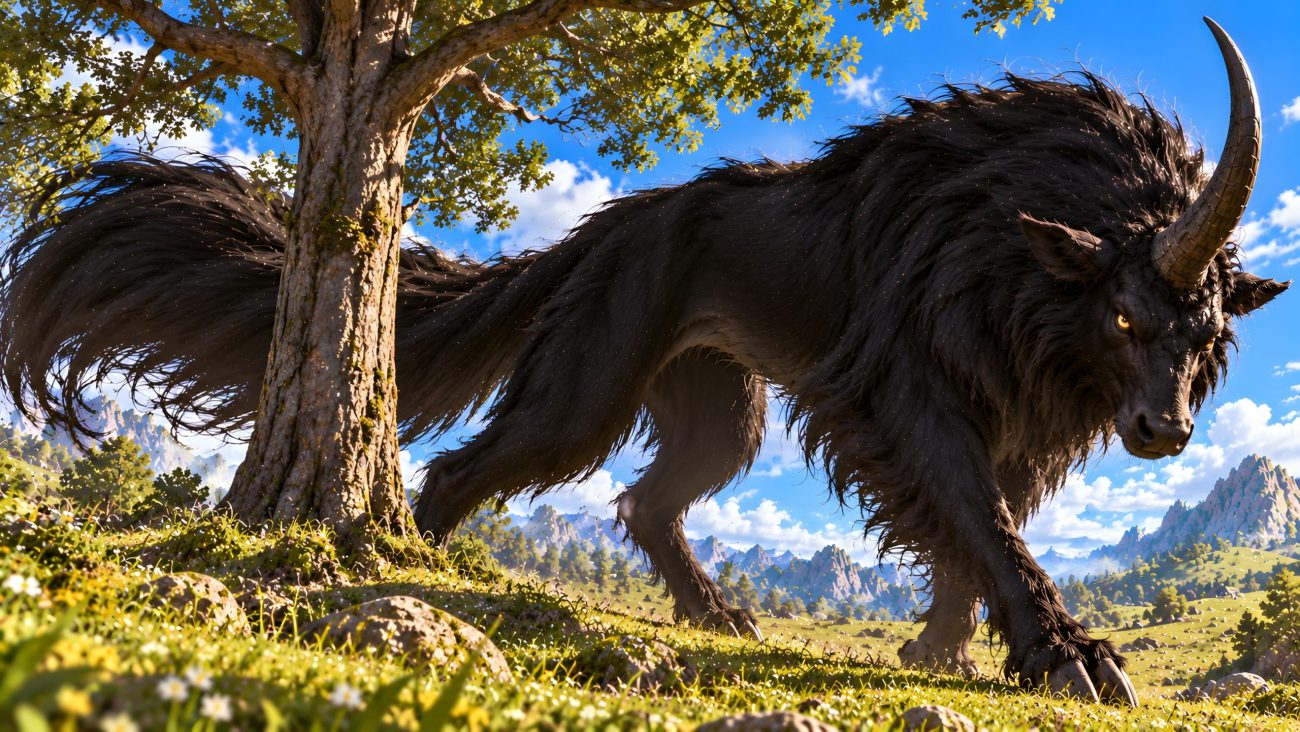
The Tongsitun is a black, one-horned beast from Manchu folklore. It resembles a fox, is about seven feet long, and has the head of a bull.

The Tongsitun is said to devour tigers and dragons. It also eats iron and copper.

As the Tongsitun grows older, it develops fish scales. With age, it therefore becomes a strange combination of a fox, a bull, and a fish.


Sources

“Tunsitun.” New Bestiary (Bestiary.us). Accessed August 30, 2026. https://www.bestiary.us/tunsitun


Turosik

Tradition: Polish Mythology
Alternative Names: –
Category: Cow


The Myth

Turosik is an ancient forest demon born from the primeval wilderness. It takes the form of a colossal aurochs and is regarded as the king of the woods, ruling over the deepest parts of the forest where there are no paths and where fear itself becomes a weapon.

Turosik appears as an enormous, powerful wild bull resembling an aurochs. Its immense size and thunderous movements make it a terrifying presence within the forest.

When travelers stray into Turosik’s territory, the demon suddenly charges from between the trees. The sound and force of its approach sends them fleeing in blind panic, causing them to run deeper into the forest rather than back toward safety. Those who flee from it rarely manage to find the road again.

Hunters encounter a more deceptive form of the demon. Turosik appears to them as a grievously wounded animal, staggering through the forest and apparently too weak to escape. The hunters believe they have been presented with an easy and glorious kill and pursue the wounded beast farther and farther into the wilderness.

The deception is driven by their pride and greed. Once Turosik has lured the hunters beyond any possibility of finding their way home, it abandons its appearance of weakness and leaves them lost in the forest.

None of those deceived by Turosik ever find their way back. Long afterward, their bones are discovered scattered among the undergrowth, stripped clean by ants, serving as silent evidence of the demon’s dominion over the forest.


Sources

Zych, P., & Vargas, W. (2021). Bestiariusz słowiański: Rzecz o biziach, kadukach i samojadkach, p. 392.