Simonside Dwarf

Tradition: English Mythology
Alternative Names: Brownmen, Bogles, Duergar
Category: Dwarf


The Myth

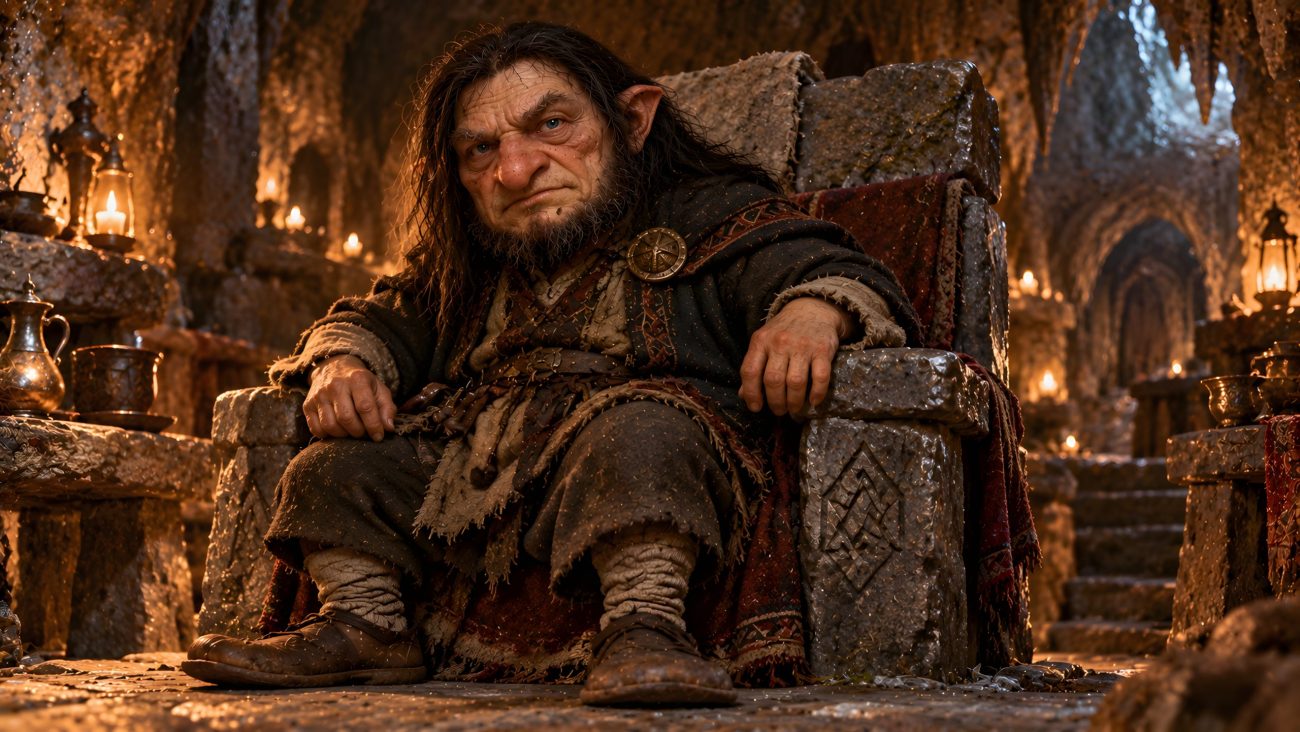
The Simonside Dwarfs are a race of dwarfs said to inhabit the Simonside Hills of Northumberland in northern England. They are also known as the Brownmen, Bogles, and Duergar, and are associated particularly with the remote hills and wild country of the region.

The dwarfs are said to have a leader known as Heslop, who stands as the chief of the mysterious little people of Simonside.


Sources

“Simonside Dwarfs.” Wikipedia: The Free Encyclopedia. Wikimedia Foundation. Accessed October 4, 2026. https://en.wikipedia.org/wiki/Simonside_Dwarfs


Barstuk

Tradition: Polish Mythology
Alternative Names: Barstuk
Category: Dwarf


The Myth

The Barstuk is a small dwarf-like creature from the folk traditions of Warmia and Masuria. It is said to inhabit the forests, living away from human settlements and remaining mostly hidden from view.

Despite its secluded nature, the Barstuk is considered a helpful being. It secretly visits people’s houses and assists the inhabitants without revealing itself. Its quiet presence makes it a benevolent little spirit of the forest, helping those whose homes it chooses to visit.


Sources

“Barstuk.” Wikipedia: The Free Encyclopedia. Wikimedia Foundation. Accessed October 4, 2026. https://en.wikipedia.org/wiki/Barstuk


Korrigan

Tradition: French Mythology
Alternative Names: Korrigan, Korrig, Korrik, Korr, Poulpikan, Ozigan, Nozigan, Torrigan, Viltans
Category: Dwarf


The Myth

The Korrigans are small supernatural beings of Brittany, usually described as dwarfs or fairies. They are said to be beautiful yet dangerous creatures, with golden or shining hair and an enchanting appearance. Their homes are found around streams, springs, fountains, caves, and other wild places. Some are also said to live beneath the earth, guarding hidden treasures.

Korrigans are particularly active at night. Their golden hair is said to shine in the darkness, and when the moon is full they gather together to sing, dance, and play music. Their voices and songs are beautiful enough to enchant anyone who hears them. They dance in circles around their fountains and springs, sometimes inviting humans to join them. A person who approaches them, however, may find it difficult to escape their enchantment.

The Korrigans are not always hostile. They can be helpful toward people who treat them with respect, and they are known for possessing great knowledge of treasures, magic, and the hidden workings of the world. They may help humans who show them kindness, repair damaged tools, or reward someone who performs a service for them. But they are easily offended, and their anger can be dangerous.

They are especially protective of their homes and possessions. Korrigans are said to hide and guard treasures beneath the earth, and anyone who attempts to steal from them may suffer terrible consequences. Their mischievous nature also leads them to interfere with human households, causing disorder, playing tricks, and sometimes tangling people’s hair while they sleep.

Their beauty can conceal an even darker side. Korrigan women are said to lure men toward their fountains and springs, where the enchanted gatherings take place. Some men who encounter them fall desperately in love with them. The Korrigans may also appear in the form of beautiful women with long golden hair, making them particularly dangerous to travelers who encounter them at night.

The creatures are closely associated with music and dancing. At night, their singing and instruments can be heard in lonely places, while their dances continue beneath the moon. They may invite humans into their circles, but accepting the invitation can mean entering a supernatural world from which there is no easy return.

Korrigans are also said to possess the power to foresee the future. Their knowledge of hidden treasures and magical things makes them mysterious even among other supernatural beings. They belong to the wild places of Brittany, appearing around springs, streams, caves, and ancient underground places where the boundary between the human world and the world of the fairies seems thin.


Sources

“Korrigan.” New Bestiary (Bestiary.us). Accessed October 4, 2026. https://www.bestiary.us/korrigan


Abatwa

Tradition: Zulu Mythology, South-African Mythology
Alternative Names: Abatwa; Umtuwa
Category: Dwarf


The Myth

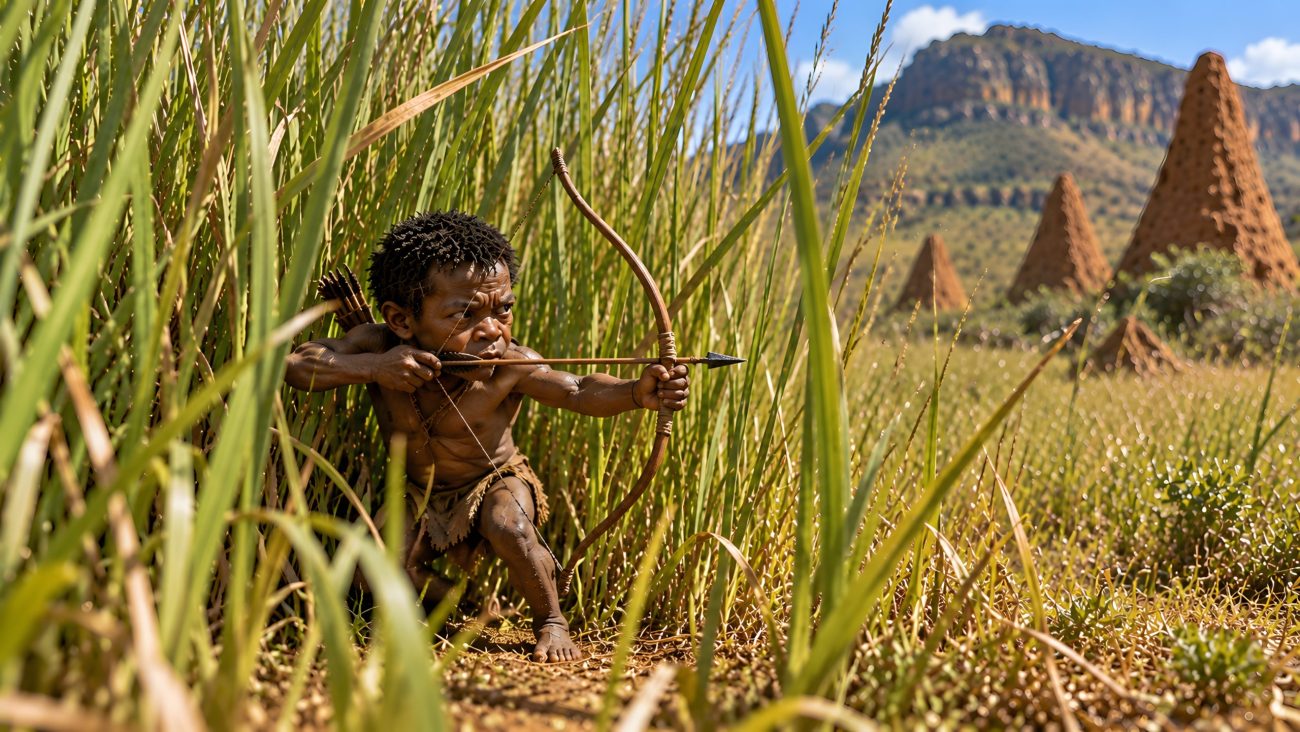
The Abatwa are a mysterious people of dwarfs who wander through the tall grass and sleep inside anthills. They live in the wilderness, far from villages, and are said to move together as a tiny wandering community. Because they are so small, they can hide among the grass and travel without being noticed.

The Abatwa are hunters and gatherers who live from whatever they can find. They hunt game, eat plants, and are known to consume almost anything available to them. When food becomes scarce, they continue wandering until they find another place where they can survive.

A person who unexpectedly encounters an Abatwa must be careful. The little people are said to be extremely sensitive about their size. If someone meets an Abatwa and asks, “Where did you see me?”, the creature may become suspicious and demand to know whether the person is making fun of him. Even a seemingly harmless question can therefore turn dangerous.

One story tells of a man who encountered an Abatwa while traveling. The tiny being asked whether the man had seen him. The man replied that he had, explaining that he had seen him while standing on a mountain. The Abatwa was delighted that the man had not mocked his small stature and became his friend. When the man encountered him again, he greeted him warmly and said that he had seen him on a mountain while he himself was far away. The Abatwa rejoiced, declaring that he had finally met someone who could see him from such a distance.

The Abatwa can also become dangerous when they are hunting. According to another tradition, when game becomes scarce, the little people may attack a horse, mounting it one behind another and riding away on its back. If they cannot find any animals to hunt, they may eat the horse instead.

Their greatest strength is not physical size but their ability to remain hidden. The Abatwa are said to be almost invisible while moving through the tall grass. A person may walk toward one without realizing that a tiny hunter is standing nearby. Suddenly, the Abatwa can appear and shoot a poisoned arrow. Their arrows are so deadly that even a small wound can prove fatal.

Because of this, encountering an Abatwa is considered extremely dangerous despite their tiny stature. Their small size allows them to disappear into the grass, approach unnoticed, and strike before their victim realizes that anyone is there.

The Abatwa are also associated with other traditions of small forest-dwelling peoples in southern Africa. They are described as living in groups, wandering through the wilderness, and sometimes settling among ordinary people. Those who leave the forest and become farmers are still regarded with suspicion, since their supernatural reputation remains attached to them.


Sources

“Abatva.” New Bestiary (Bestiary.us). Accessed October 4, 2026. https://www.bestiary.us/abatva


Wild Man of the Forest

Tradition: Swedish Mythology
Alternative Names: Wild Man
Category: Dwarf


The Myth

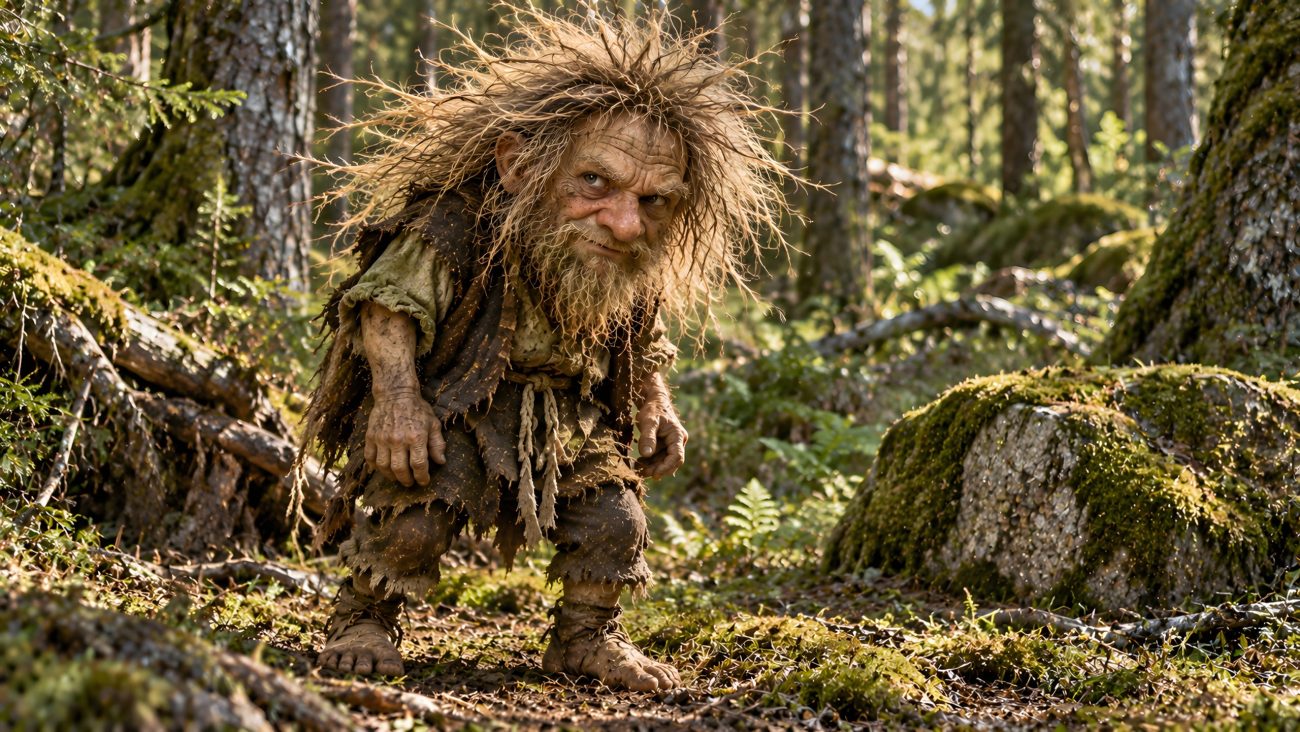
The Wild Man is a small, ugly creature with the appearance of a troll. His body is dwarfish, while his hair is stiff and coarse like straw. He lives in a cave deep beneath the earth and possesses remarkable treasures, including magical suits of armor and magnificent horses.

A Swedish king once encountered the Wild Man while hunting. After an unsuccessful day in the forest, the king saw the strange little creature running through the trees. He chased him down and captured him. The Wild Man would not speak a single word, no matter what the king demanded of him, so the king had a strong wooden cage built beside his castle and kept him imprisoned there. People came from far and wide to stare at the mysterious creature, but he remained completely silent.

When the king went away to war, he entrusted the Wild Man’s cage to the queen. Their young son often wandered around the castle grounds and eventually began playing with the captive. One day the prince’s golden apple fell through the bars of the cage. The Wild Man threw it back, and the two played this game for some time until the Wild Man finally kept the apple for himself.

The prince begged for it back. The Wild Man agreed, but only if the boy would set him free. He instructed the prince to ask his mother to comb his hair and secretly take the key from her girdle. The boy followed his instructions, unlocked the cage, and freed the Wild Man. In return, the creature gave him his golden apple and promised that if the prince ever needed his help, he would repay the favor.

The king eventually returned and discovered that his prisoner had escaped. Furious, he demanded to know who had released him. When the young prince confessed, the king remembered his oath that whoever allowed the Wild Man to escape would die, even if that person were his own son. He ordered the prince to be taken into the forest and killed.

The servants could not bring themselves to murder the boy. Instead, they bought a pig from a swineherd, took its heart, and returned to the king pretending that it was the prince’s heart. The young prince was left alive and wandered through the forest until he eventually reached another kingdom, where he disguised himself as a farmhand and became a herdsman.

Years passed, and the prince grew into a strong and handsome young man. The king of this new land had a daughter who declared that she would marry only the man capable of riding to the summit of the Glass Mountain in full armor. The mountain was so steep and slippery that every suitor who attempted the climb fell back down.

Hearing the commotion from the forest, the young herdsman wished that he could take part. The Wild Man then appeared before him once again. Remembering the prince’s kindness, he led him beneath the earth into his hidden cave. There he revealed a magnificent suit of steel armor and a splendid horse. The prince mounted the horse and rode toward the Glass Mountain, but vanished into the forest after making a remarkable attempt.

At the next trial, the Wild Man provided him with silver armor and a white horse. Again the disguised prince rode up the mountain farther than any of the other challengers before disappearing into the woods. At the third trial, the Wild Man brought out armor forged entirely from gold and an extraordinary golden horse.

This time the prince reached the very summit. He greeted the princess, received the golden apple from her hand, and rode back down the mountain before disappearing into the forest.

The princess refused to forget the mysterious golden knight. Eventually the king ordered everyone in the kingdom to gather so that she could identify him. Among the crowd she noticed a humble herdsman wearing a gray mantle and hood. She pulled back his hood and immediately recognized him as the golden knight.

The supposed herdsman then cast aside his rough cloak and revealed himself as the prince he truly was, still carrying the golden apple. He married the princess and received half of her father’s kingdom.

After helping the prince fulfill his destiny, the Wild Man disappeared from the story, and nothing more was ever heard of him.


Sources

Stroebe, Clara, ed. The Swedish Fairy Book. Translated by Frederick H. Martens, with illustrations by George W. Hood. New York: Frederick A. Stokes Company, 1921.
Fire Dwarf of Straßen

Tradition: Luxembourgish Mythology
Alternative Names: The Little Man of the Geldfeuer
Category: Dwarf


The Myth

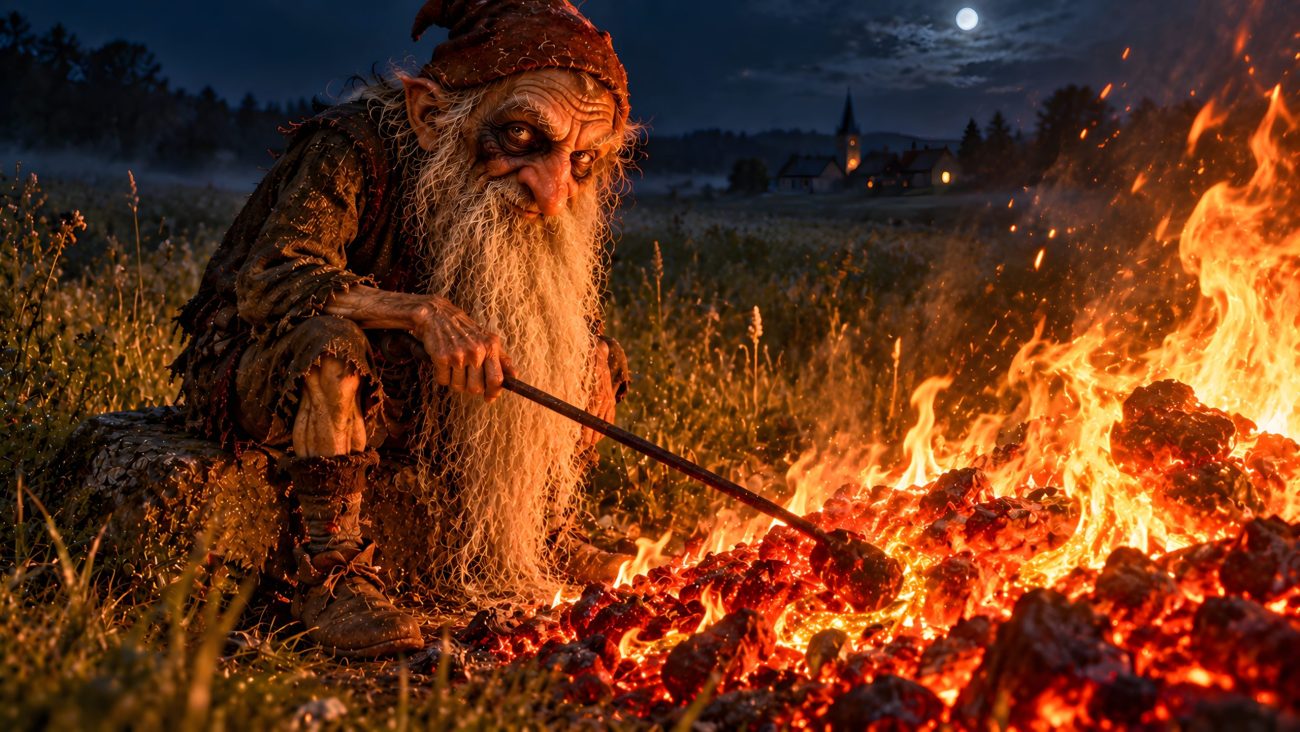
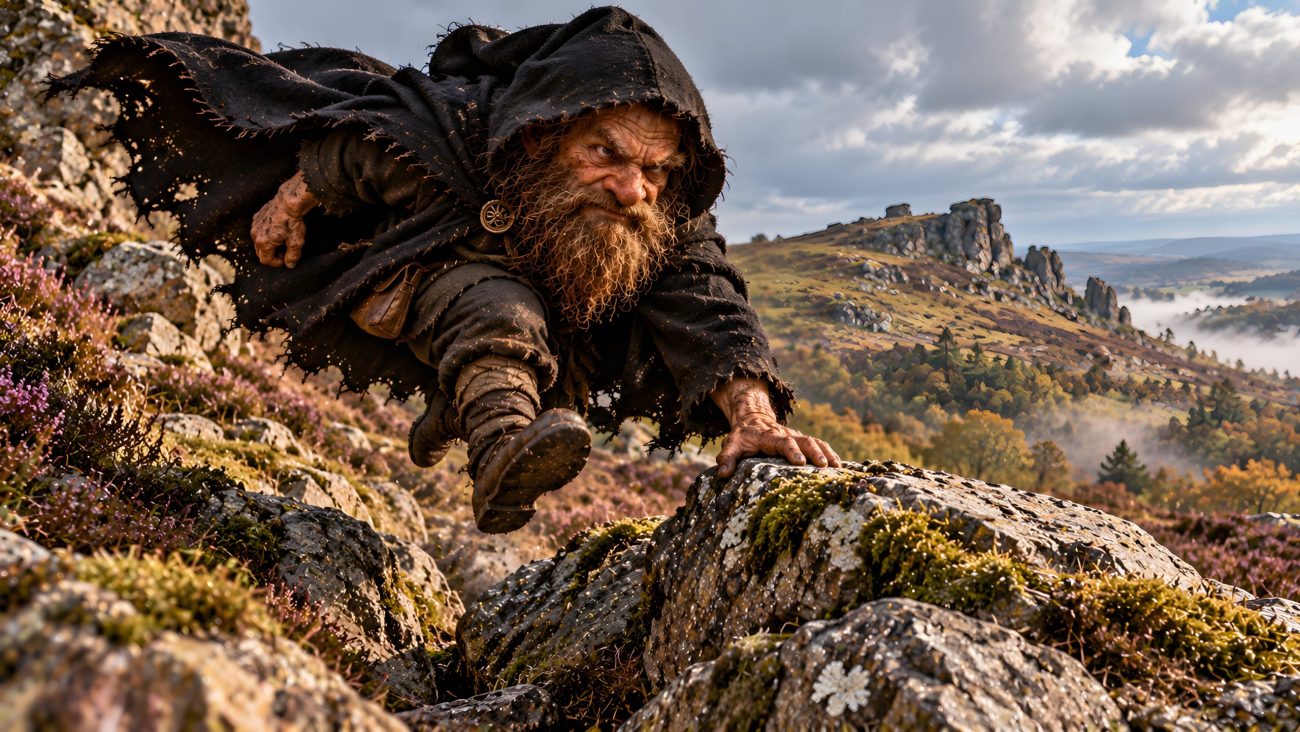
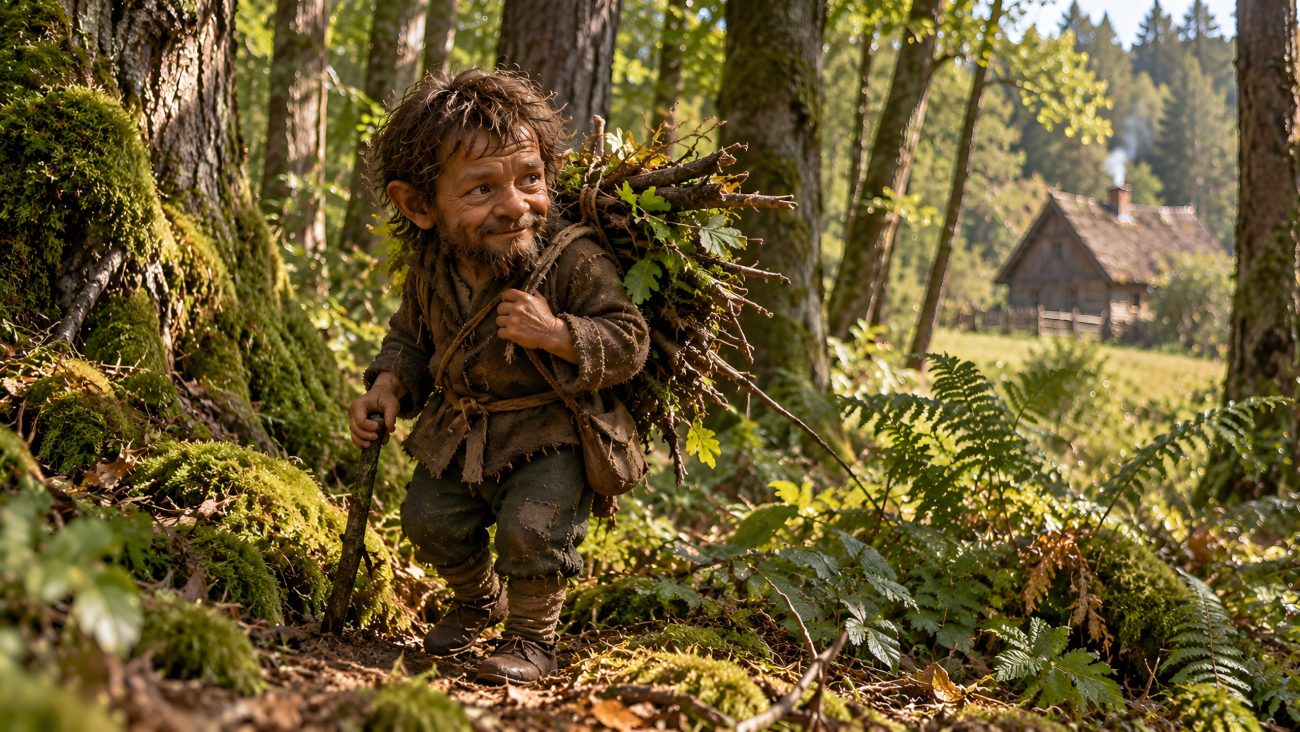
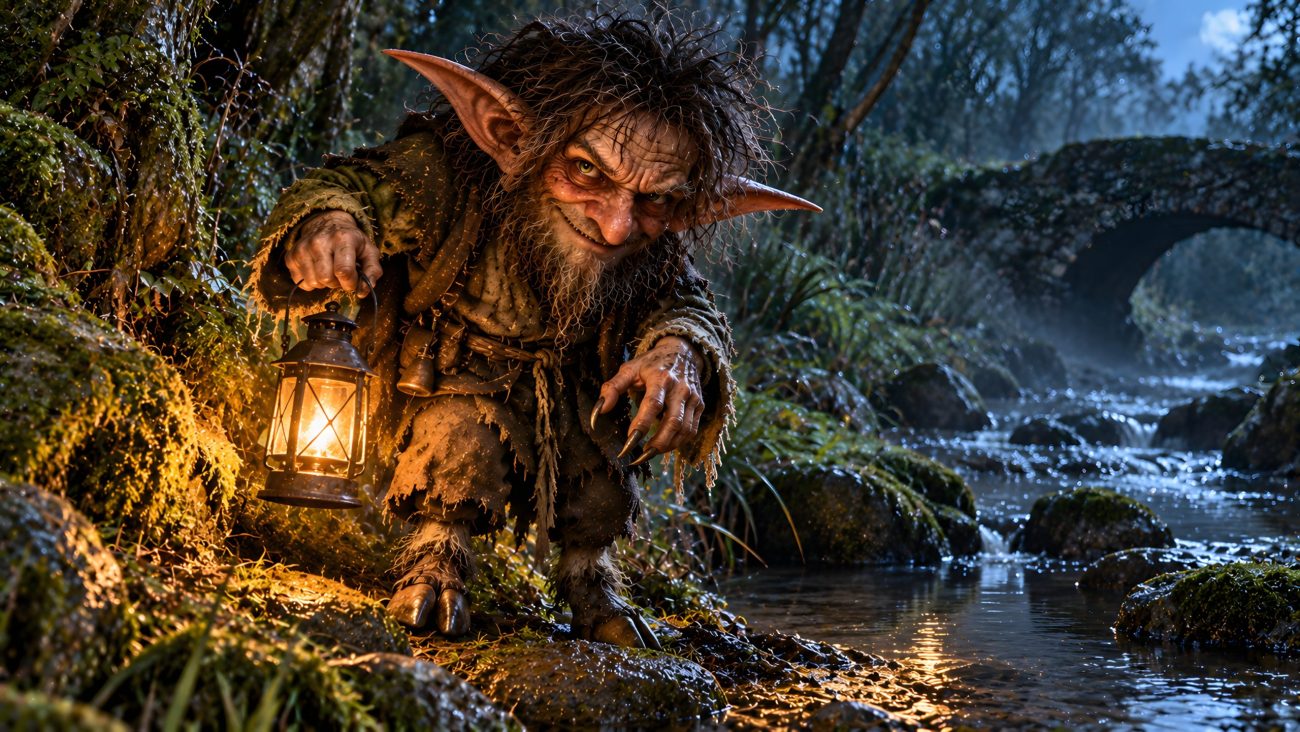
A small, thin man sits beside a mysterious fire burning on a meadow near a house in Straßen. He quietly tends the glowing embers while the fire burns continuously through the night. His connection with the supernatural fire is revealed when a poor servant girl approaches him looking for coals to relight the dead hearth in her master’s house.

The girl has been working for a farmer and is forced to rise around midnight to bake bread. Finding that there is no spark left in the kitchen hearth, she notices the strange fire burning on the nearby meadow. She takes a shovel and approaches the little man, politely asking whether she may take some of his glowing coals. He allows her to do so.

But when she carries the first shovel of coals back to the house and places them on the hearth, they immediately go out. The same thing happens with a second shovel. When she returns for a third load, the little man finally speaks. He tells her that she has now received her share of the inheritance from her uncle and warns her not to return.

Terrified, the girl carries the third load home. Once again the coals appear to die on the hearth. Yet when she lights the fire, she notices something glowing among the ashes. There, instead of ordinary coal, lies a pile of gold coins.

The girl wakes the farmer and his wife and tells them what happened. They call the local pastor, who advises them to bury the enchanted money seven fathoms deep in the earth at the place where the mysterious coal fire had once burned. They follow his advice and hide the gold beneath the meadow.

The supernatural fire, however, does not disappear. Even afterward, people occasionally see it burning on the meadow during the night. No one dares approach it or take its coals anymore.


Sources

La Fontaine, Edmond de. Luxemburger Sagen und Legenden. Luxemburg: Jos. Beffort, 1882. 187 pp.


Dwarf of the Earth’s Mirror

Tradition: Czech Mythology
Alternative Names: The Earth’s Mirror
Category: Dwarf


The Myth

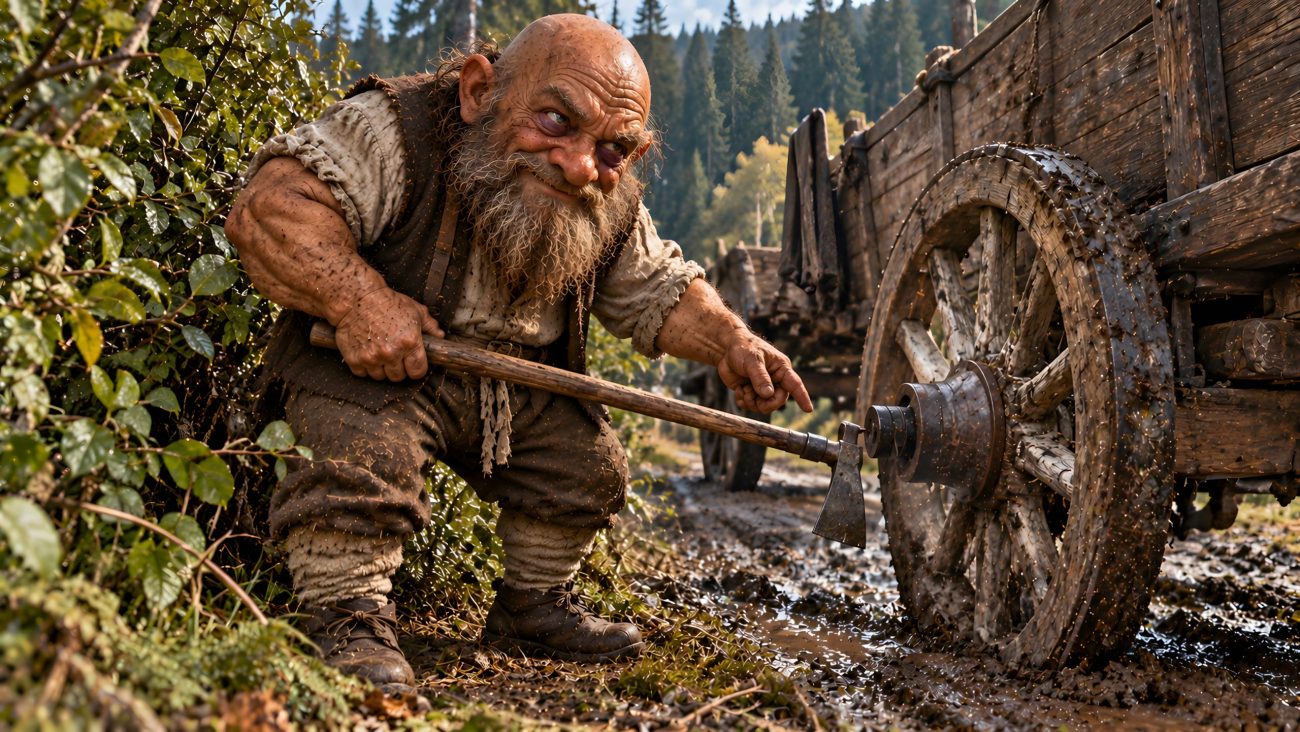
A farmer was returning home between Lichten and Siehstmichnit with an empty wagon when his oxen suddenly stopped. No matter how fiercely he struck them with his whip, the animals could not move the wagon. They strained against it, panting and bellowing, but the wagon seemed to have become completely frozen in place.

Then a little man emerged from the bushes. He told the farmer to strike the rear wheel with his hoe. The farmer followed the strange little man’s instructions, and as soon as the hoe struck the wheel, the wagon was able to move again.

When the farmer reached his village, he discovered something terrible. His neighbor was lying in his room with one of his feet severed.

The neighbor was a wicked sorcerer who possessed a mysterious mirror through which he could see what was happening elsewhere. While watching the farmer and his wagon in the mirror, the sorcerer had placed his own foot against the rear wheel as it appeared in the reflection. When the farmer struck the wheel with his hoe in the real world, the blow was transferred through the enchanted mirror and cut off the sorcerer’s foot in his room.

The strange little man had therefore given the farmer the means to break the sorcerer’s spell, turning the sorcerer’s own magical mirror against him.


Sources

Hans Watzlik. “Erdspiegel.” In Böhmerwald-Sagen. Budweis: Böhmerwalder Dorfbücher, 1921, Heft 5. Reproduced by SAGEN.at.
https://www.sagen.at/texte/sagen/tschechien/watzlik/erdspiegel.html


Dwarfs of Diekirch

Tradition: Luxembourgish Mythology
Alternative Names: Plattfüßchen
Category: Dwarf


The Myth

In a ravine between Diekirch and Ingeldorf, small underground beings were said to dwell. They were described as goblins, living beneath the earth and gathering in the hidden places around the ravine.

The Knights Templar were said to have gathered in this same ravine, where the little underground beings lived. The tradition therefore connects the secluded place with both the mysterious knights and the small supernatural inhabitants beneath the ground.

In the nearby plain of Wallebroch lived another kind of goblin known as the Plattfüßchen. These small beings also lived underground, and Wallebroch was said to be the place where they gathered together for councils.

The legend gives little more detail about the appearance or activities of these underground people, but preserves them as mysterious little inhabitants of the Luxembourgish landscape.


Sources

“Die Zwerge von Diekirch.” SAGEN.at – Traditionelle Sagen aus Luxemburg. Reproduced by SAGEN.at.
https://www.sagen.at/texte/sagen/luxemburg/Zwerge_Diekirch.html


Dwarf of Gonzen

Tradition: Swiss Mythology
Alternative Names: –
Category: Dwarf


The Myth

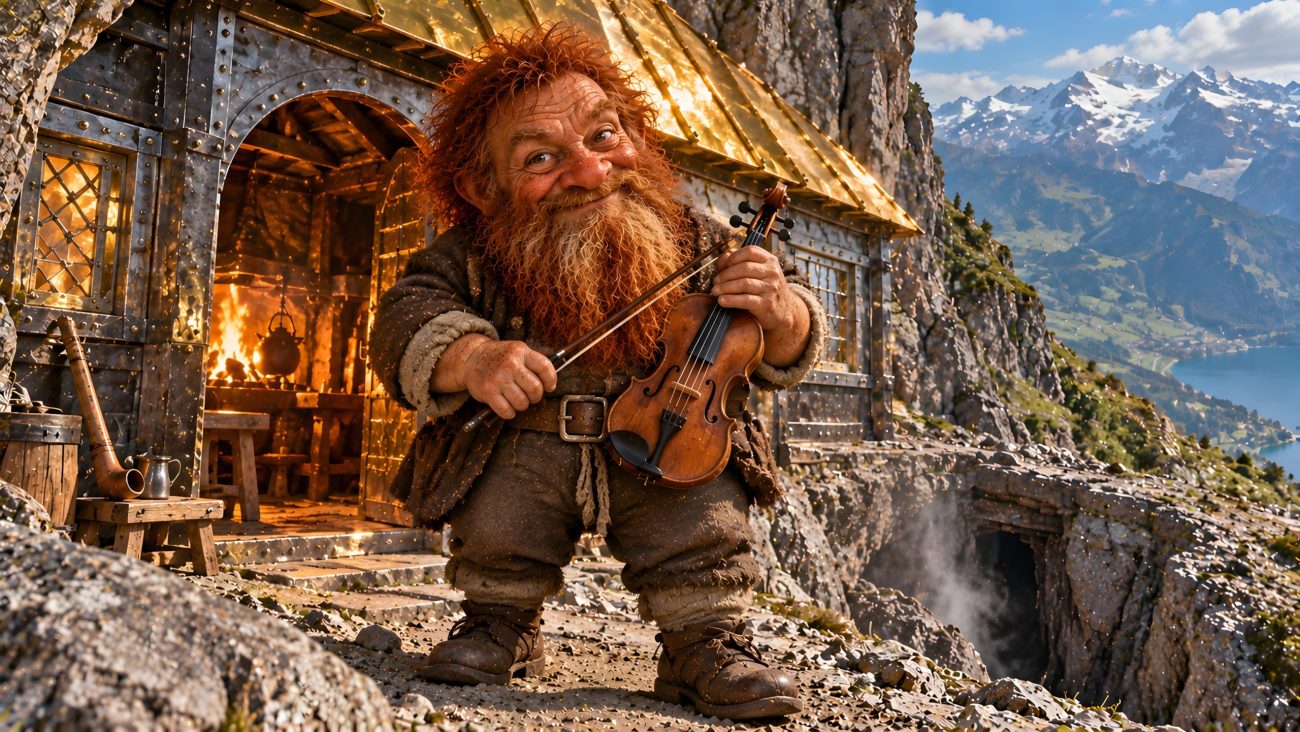
High on Gonzen, among the ancient ore-bearing rocks, lived a hidden people of dwarfs. They made their homes in deep holes within the mountain, where a cool wind rose from the underground passages. Their houses were said to be fashioned from iron and steel, with golden roofs and silver windows, making their underground dwelling as rich as the mountain itself.

During the warm months, the little men were busy working among the ore-bearing rocks. When winter came, however, their work stopped. They withdrew to their homes, gathered around a great hearth fire, and spent the cold season resting and enjoying themselves.

The dwarfs were especially fond of music. The sounds of violins and pipes were often heard coming from their hidden dwellings, accompanied by the dancing of the little people. Their music was so beautiful and clear that people above the mountain could sometimes hear the melodies as though they were floating down from the heavens.

Even the marmots living along the steep slopes were disturbed by the dwarfs’ winter celebrations. While the animals were trying to sleep through the winter in their underground shelters, the music of the hidden people could reach them beneath the mountain and interrupt their peaceful hibernation.


Sources

“Die Zwerge vom Gonzen.” SAGEN.at – Traditionelle Sagen aus der Schweiz (Kanton St. Gallen). Reproduced by SAGEN.at. https://www.sagen.at/texte/sagen/schweiz/st_gallen/zwerge_gonzen.html


Changeling

Tradition: Czech Mythology
Alternative Names: Changeling
Category: Dwarf


The Myth

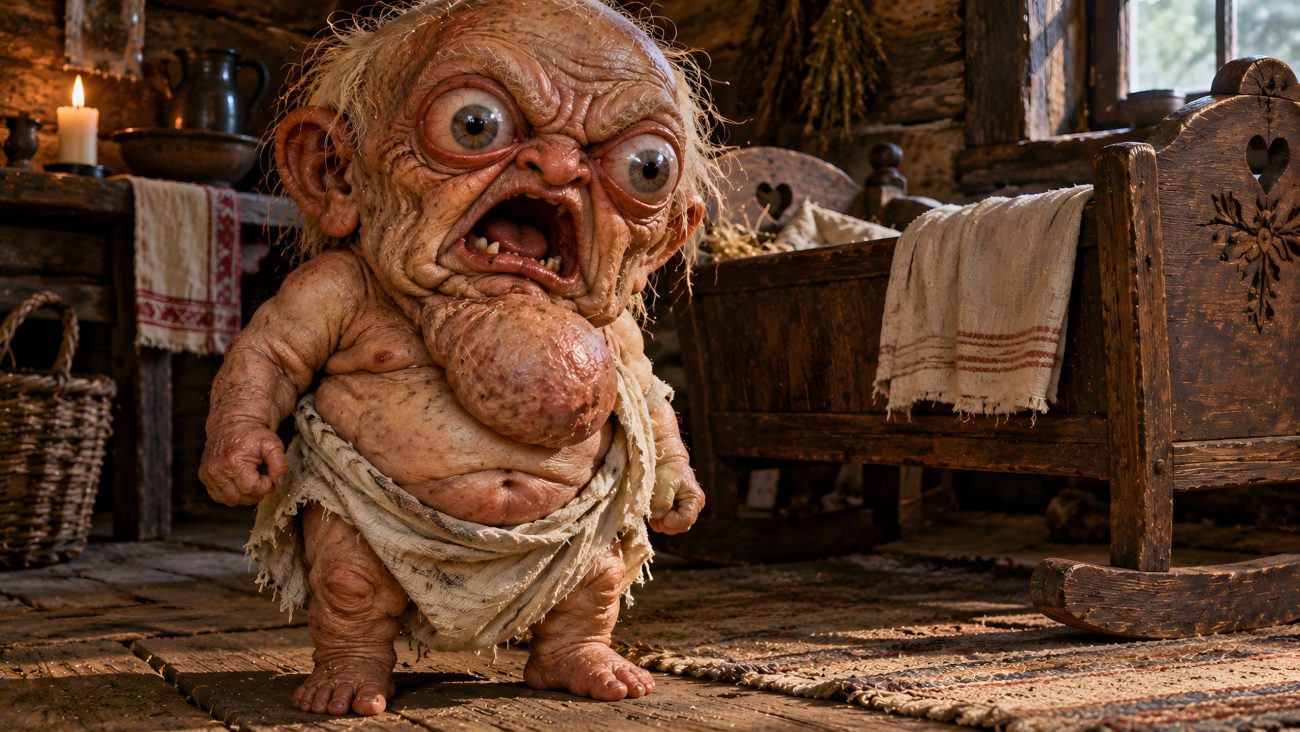
The changeling was a hideous creature placed in the cradle of a human child after a dwarf woman secretly stole the mother’s beautiful baby. Its head was unnaturally large, its eyes were like those of a frog, and a great goiter hung from its body. It also possessed an enormous appetite, eating so much that the mother could scarcely provide enough food for it.

When the mother discovered that the child in her cradle was not her own, she was overcome with grief. She begged and pleaded with the dwarf woman to return her beloved child, but the dwarf refused. The ugly creature remained in the cradle, crying out maliciously while the mother desperately tried to get her real child back.

Eventually, the mother prepared a strange drink and poured beer into an empty hen’s egg. She brought this to the screaming changeling. The bizarre sight caused the creature to suddenly stop crying. Then, to the mother’s astonishment, it spoke.

It declared that it was as old as the Bohemian Forest and had never witnessed such a strange custom in all its long life. By speaking like this, the creature revealed that it was no human child at all. The changeling immediately disappeared, and the dwarf woman was forced to return the stolen child to its mother.


Sources

Hans Watzlik. “Wechselbalg.” In Böhmerwald-Sagen. Budweis: Böhmerwalder Dorfbücher, 1921, Heft 5. Reproduced by SAGEN.at. https://www.sagen.at/texte/sagen/tschechien/watzlik/wechselbalg.html