Scarbo

Tradition: French Mythology
Alternative Names: –
Category: Dwarf, Vampire,


The Myth

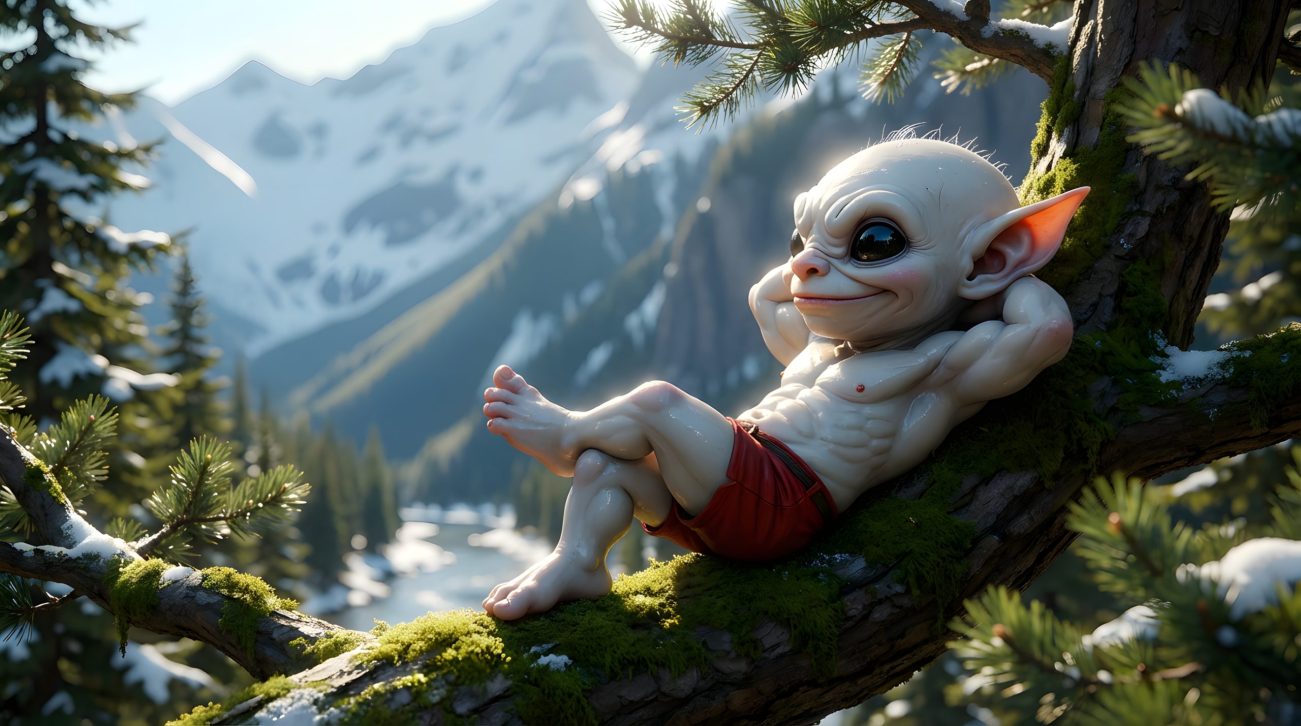
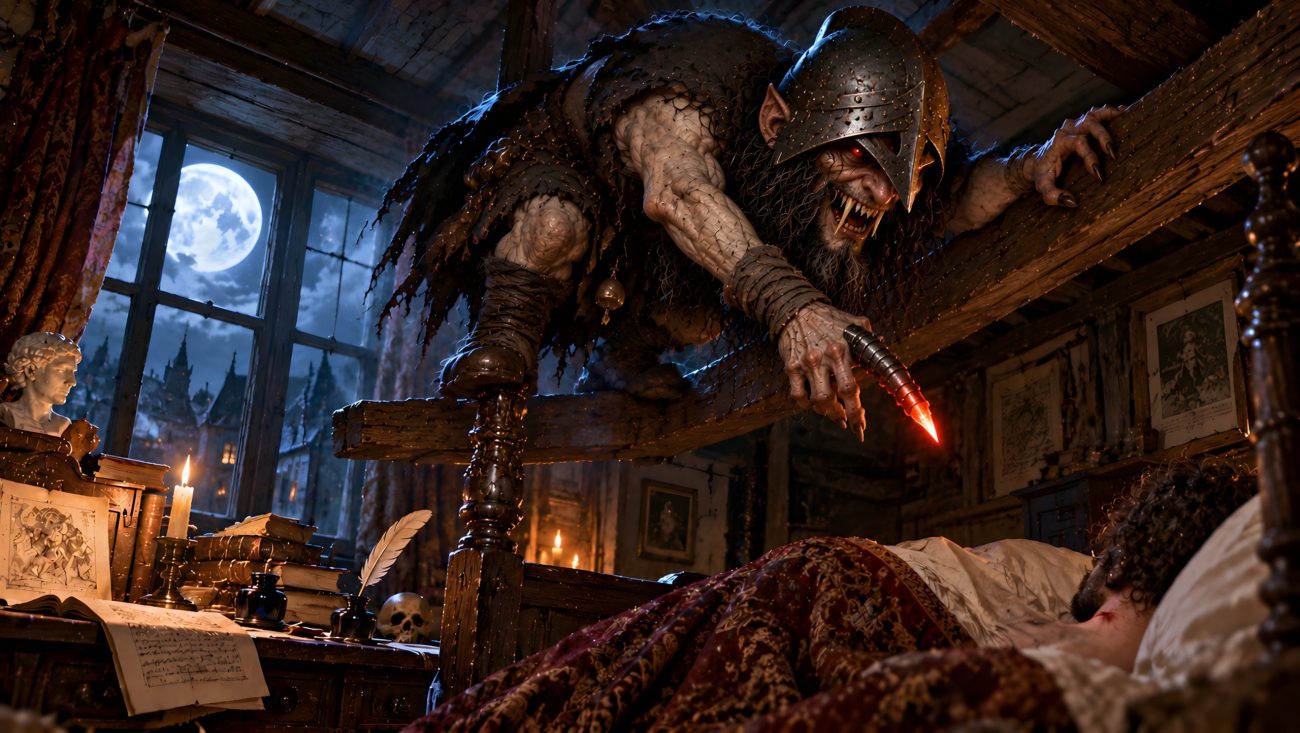
Scarbo is a vampiric dwarf who haunts the rooms of poets, artists, and writers during the night. He enters their chambers to torment them, creeping through the darkness with razor-sharp fangs. He bites his victim’s neck and then cauterizes the wound with one of his metal fingers, heated until it glows red. Throughout the night he clambers around the room, scratching at bedposts and rafters while whispering threats directly into his victim’s ears.

Scarbo delights in describing the fate he has prepared for those he torments. He speaks in detail of their burial shroud, the funeral he will arrange, and the grieving children who will weep after their death. As the moon rises, the dwarf becomes increasingly enormous, filling the room with his growing presence. He remains there throughout the night, terrorizing his victim until dawn approaches.

When morning nears, Scarbo begins to fade. His monstrous form flickers, turns blue and translucent, and finally disappears like a candle that has been snuffed out. His strange nocturnal presence became immortalized through the Gothic prose poem Gaspard de la Nuit and, later, Maurice Ravel’s famous piano composition of the same name, whose extraordinary difficulty mirrors the fiendish nature of the creature.


Sources

“Scarbo.” A Book of Creatures. March 25, 2015. https://abookofcreatures.com/2015/03/25/scarbo/


Nuton

Tradition: French Mythology
Alternative Names: Nuton, Nuiton, Nuto, Nutons, Nuton
Category: Dwarf


The Myth

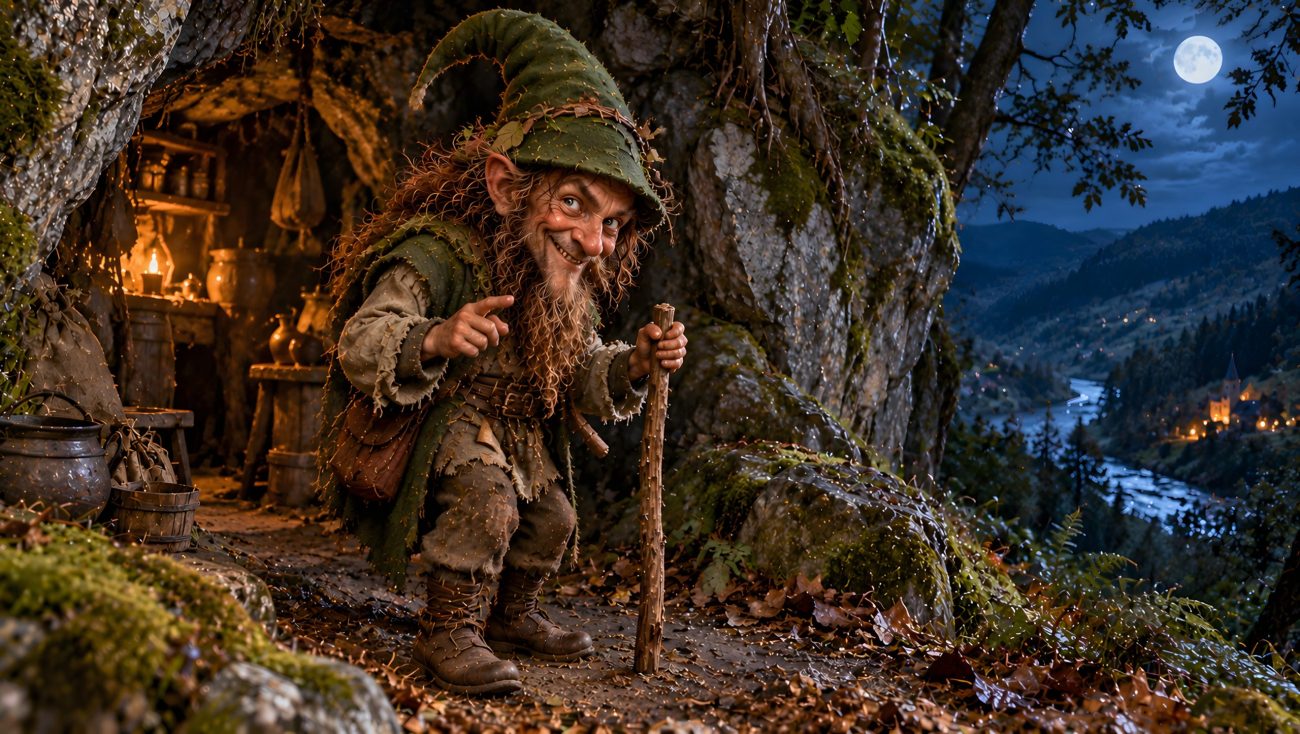
Nutons were mischievous nocturnal dwarfs who lived mainly in caves throughout Wallonia and the Ardennes, including the mountainous regions along the borders of Belgium, France, and Luxembourg. They were small, secretive beings who preferred the darkness of their underground homes and were known for their strange habits and practical skills.

Although Nutons had a reputation for being sullen and unsociable, they were remarkably helpful when treated properly. People traditionally left broken objects at the entrances of their caves together with a small treat. During the night, the Nutons would take the food and repair the damaged object, so that by morning it could be found restored. Their curses, however, were feared throughout the Ardennes, and the little dwarfs were not creatures to anger. One tale tells of a family that failed to work hard enough to harvest their fields before a storm. A Nuton cursed them for their laziness, and the coming storm destroyed their entire harvest.

The Nutons were believed to have been known for centuries. An early medieval account associated with Gervasius of Tilbury is said to describe tiny beings dressed in rags and scarcely half an inch tall. Their reputation survived in the folklore of the Ardennes, where they remained mysterious cave-dwelling dwarfs who could either reward people with their hidden skills or punish those who earned their displeasure.


Sources

“Nuton.” New Bestiary (Bestiary.us). Accessed October 4, 2026. https://www.bestiary.us/nuton


Korrigan

Tradition: French Mythology
Alternative Names: Korrigan, Korrig, Korrik, Korr, Poulpikan, Ozigan, Nozigan, Torrigan, Viltans
Category: Dwarf


The Myth

The Korrigans are small supernatural beings of Brittany, usually described as dwarfs or fairies. They are said to be beautiful yet dangerous creatures, with golden or shining hair and an enchanting appearance. Their homes are found around streams, springs, fountains, caves, and other wild places. Some are also said to live beneath the earth, guarding hidden treasures.

Korrigans are particularly active at night. Their golden hair is said to shine in the darkness, and when the moon is full they gather together to sing, dance, and play music. Their voices and songs are beautiful enough to enchant anyone who hears them. They dance in circles around their fountains and springs, sometimes inviting humans to join them. A person who approaches them, however, may find it difficult to escape their enchantment.

The Korrigans are not always hostile. They can be helpful toward people who treat them with respect, and they are known for possessing great knowledge of treasures, magic, and the hidden workings of the world. They may help humans who show them kindness, repair damaged tools, or reward someone who performs a service for them. But they are easily offended, and their anger can be dangerous.

They are especially protective of their homes and possessions. Korrigans are said to hide and guard treasures beneath the earth, and anyone who attempts to steal from them may suffer terrible consequences. Their mischievous nature also leads them to interfere with human households, causing disorder, playing tricks, and sometimes tangling people’s hair while they sleep.

Their beauty can conceal an even darker side. Korrigan women are said to lure men toward their fountains and springs, where the enchanted gatherings take place. Some men who encounter them fall desperately in love with them. The Korrigans may also appear in the form of beautiful women with long golden hair, making them particularly dangerous to travelers who encounter them at night.

The creatures are closely associated with music and dancing. At night, their singing and instruments can be heard in lonely places, while their dances continue beneath the moon. They may invite humans into their circles, but accepting the invitation can mean entering a supernatural world from which there is no easy return.

Korrigans are also said to possess the power to foresee the future. Their knowledge of hidden treasures and magical things makes them mysterious even among other supernatural beings. They belong to the wild places of Brittany, appearing around springs, streams, caves, and ancient underground places where the boundary between the human world and the world of the fairies seems thin.


Sources

“Korrigan.” New Bestiary (Bestiary.us). Accessed October 4, 2026. https://www.bestiary.us/korrigan
Couzzietti

Tradition / Region: Belgian Mythology, French Mythology
Alternate Names: —
Category: Dwarf


The Myth

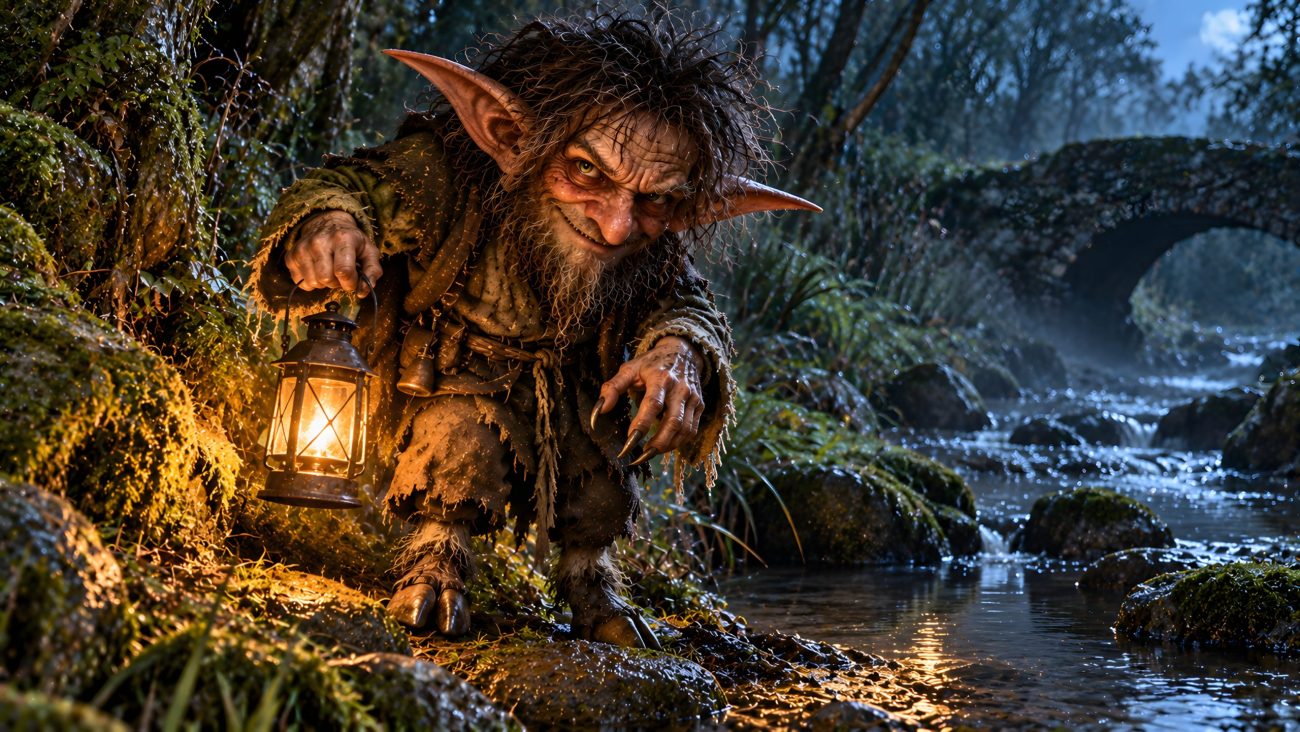
The Couzzietti is a forest-dwelling dwarf from the folklore of the Ardennes. He is said to haunt wooded areas near streams and washing places, where washerwomen come to clean their linen.

According to tradition, the Couzzietti sets traps to steal the freshly washed cloth. His presence is announced by loud cries echoing through the forest, shouting, “O Couzzietti, O Mould of Coutteni!” Those who hear the shouts know he is near.

The Couzzietti is remembered as a mischievous and thieving forest dwarf, whose tricks target washerwomen and whose voice betrays his hiding place among the trees.