Aerico

Tradition / Region: Albanian Mythology
Alternate Names: Aërico
Category: Goblin


The Myth

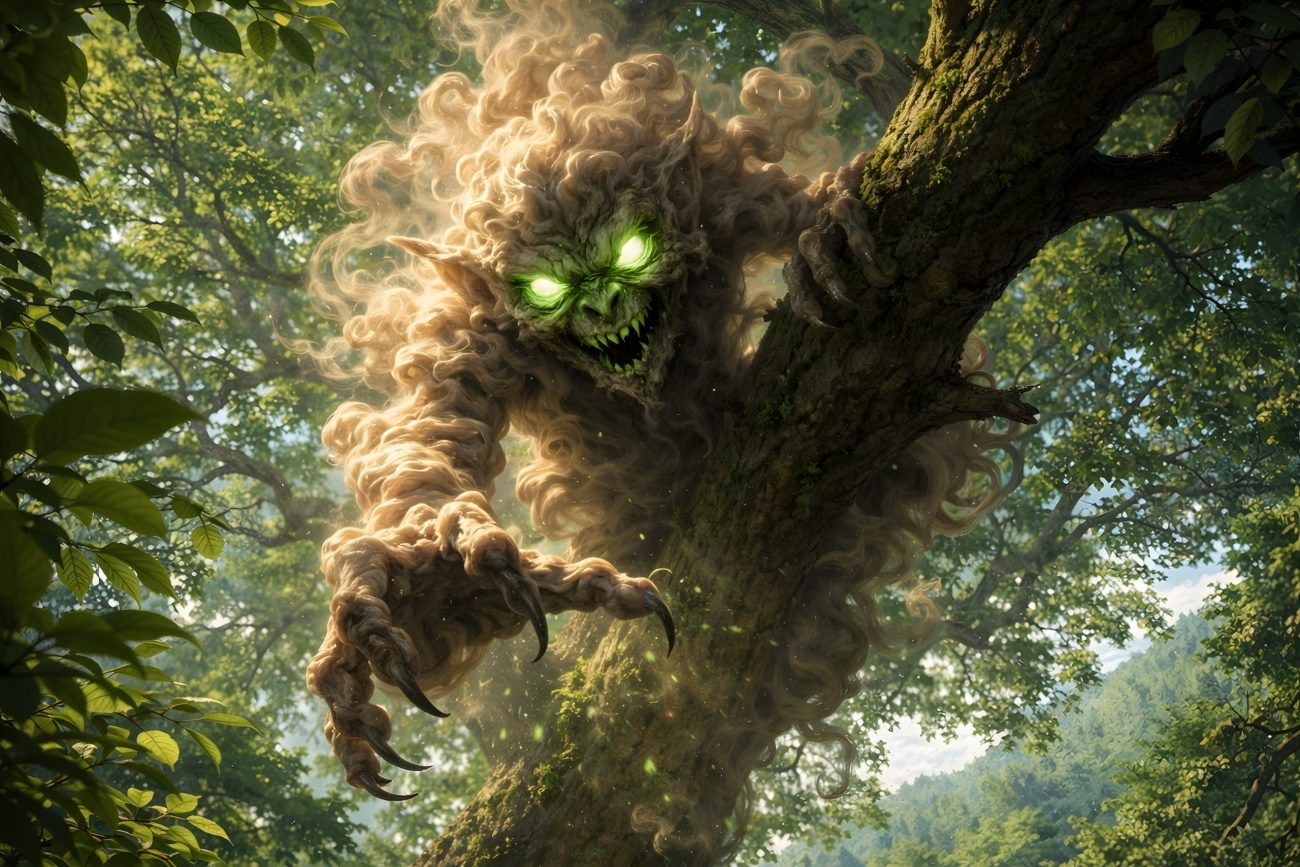
The Aerico is a solitary and malevolent goblin said to dwell in trees, particularly ancient cherry trees. It is fiercely territorial and hostile toward humans, defending its domain with harmful effects on those who come too close.

The creature inhabits old trees, favoring those that have stood for generations. It does not tolerate intrusion and reacts aggressively to any human presence near its dwelling. According to the tradition, even standing within the shadow of the tree it inhabits can bring harm. Those affected may experience swelling in their hands, feet, or other parts of the body.

The Aerico is described as deeply hostile to humans, acting without provocation simply due to proximity. Its presence is not tied to any specific narrative event but exists as a localized belief tied to particular places and trees.

In later interpretations, the physical effects attributed to the Aerico—especially swelling of limbs—have been associated with real illnesses, such as Elephantiasis. The myth itself, however, persists as part of older rural traditions, though it is now largely diminished.


Sources

fr-academic contributors. (n.d.). Aërico. In fr-academic, from https://fr-academic.com/dic.nsf/frwiki/56435


Sun Stag

Tradition / Region: Albanian Mythology
Alternate Names: —
Category: Deer


The Myth

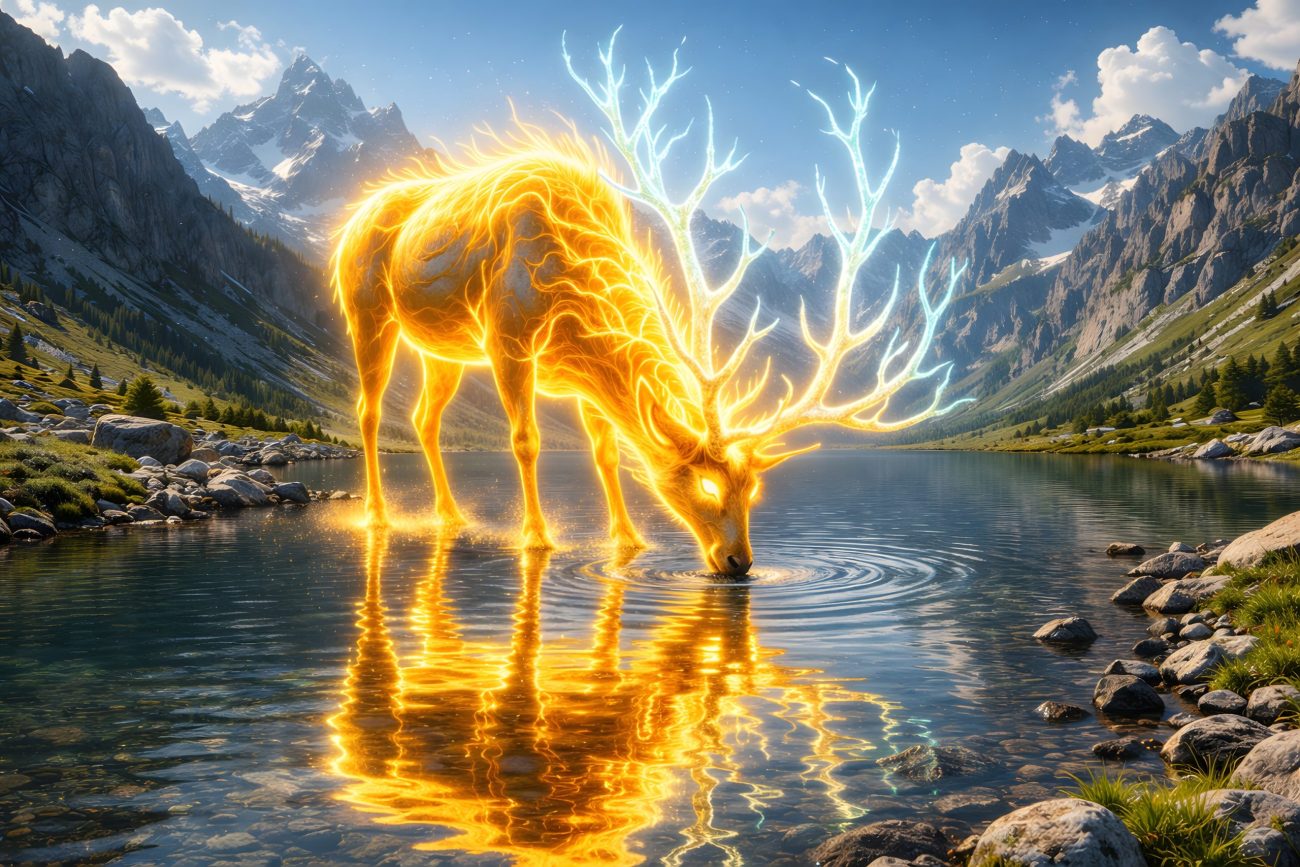
The Sun Stag is a benevolent animal associated with the sun, summoned to safely carry a maiden back to her home. It is distinguished from more dangerous creatures by its peaceful nature and willingness to help.

After being taken by the sun, a maiden longed to return to her mother. The sun told her to summon an animal to carry her home. First came the Kulshedra, which admitted it would devour her, and so it was rejected. Then the maiden summoned a stag. When asked what it would eat and drink, the stag replied that it would eat fresh grass and drink cold water. Satisfied, the sun chose the stag to escort her.

The stag carried the maiden on its antlers. Along the journey, it paused and told her to climb a tree while it searched for food, warning her not to come down for anyone else. When a Kulshedra approached and tried to lure her down, the maiden refused. The stag returned in time, took her again upon its antlers, and carried her safely home.

Before departing, the stag had asked that the maiden’s mother provide fresh hay in return for its help.


Sources

Albanian Literature contributors. (n.d.). Folktale 22. In Albanian Literature, from http://www.albanianliterature.net/folktales/tale_22.html

Dozon, A. (1879). Manuel de la langue chkipe ou albanaise: Grammaire, vocabulaire, chrestomathie. In Paris: Ernest Leroux (reprinted in Folklor shqiptar 1, Proza popullore, 1963). Translated by Elsie, R.


Sisters of the Sun

Tradition / Region: Albanian Mythology
Alternate Names: –
Category: Spirit


The Myth

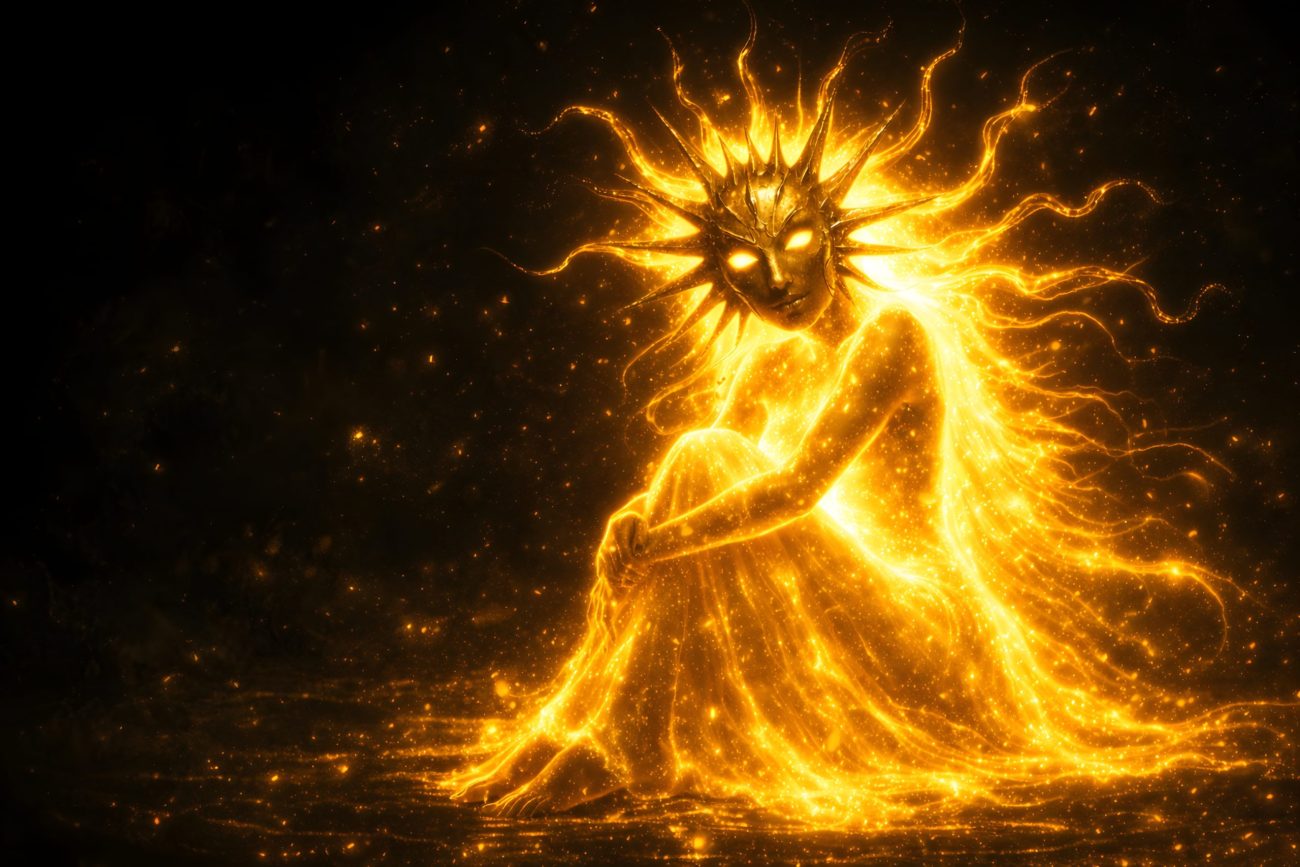
The Sun Sisters are supernatural maidens encountered beneath the earth who possess knowledge and provide guidance. They are associated with fire, ovens, and acts of labor, and reward kindness with assistance.

A young woman searching for her lost husband was told to descend into the earth. There she encountered the younger sister of the sun, who was baking bread and cleaning the oven with her bare hands and breasts. The young woman took pity on her and found tools to ease her work. In return, the sister directed her to the elder sister.

She then found the elder sister of the sun, who was also cleaning an oven in the same manner. Again, the young woman helped her by bringing proper tools. In return, the elder sister gave her a walnut, a hazelnut, and an almond, and told her to continue on her path, informing her where her husband could be found.


Sources

Albanian Literature contributors. (n.d.). Folktale 23. In Albanian Literature, from http://www.albanianliterature.net/folktales/tale_23.html

von Hahn, J. G. (1864). Das Schlangenkind. In Griechische und albanesische Märchen (pp. 116–124). Leipzig: Engelmann. Translated by Elsie, R.


Dream Black Wolf

Tradition / Region: Albanian Mythology
Alternate Names: —
Category: Sheep


The Myth

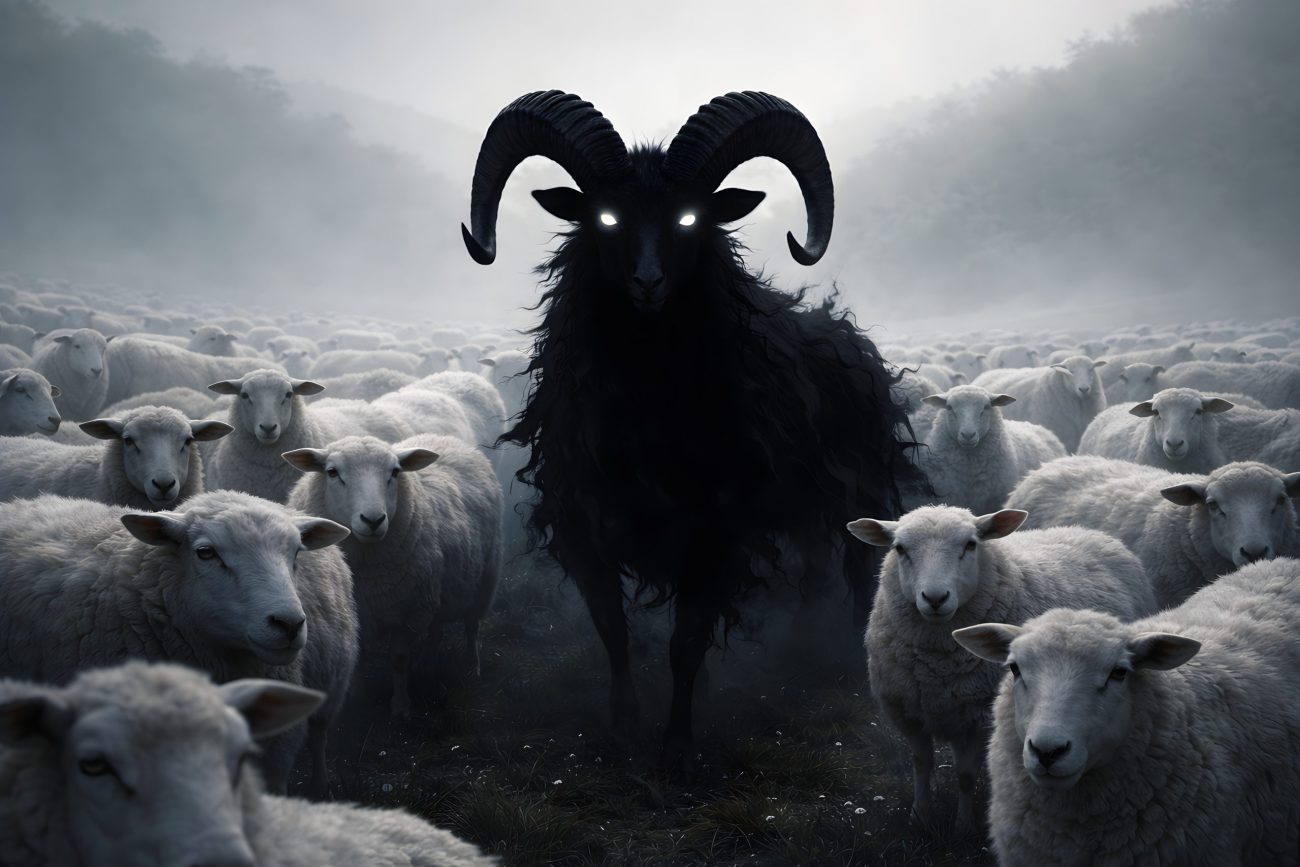
The Dream Black Wolf is a figure seen in a queen’s nightmare, appearing among a flock of sheep. It is described as resembling a large black ram and is associated with an ominous vision preceding events involving Halili and Tanusha.

In the city of Kotor, the queen suffered a troubling dream. She saw a great herd of sheep, three hundred in number, and among them stood a black wolf. The wolf resembled a large black ram as it moved within the flock. Disturbed by what she had seen, the queen rose in fear and went to the king.

She told him of the dream and urged him to act. The king prepared at once and rode out. When he reached the river, he counted the maidens and found one too many among them. This discovery led to the uncovering of Halili, who had been disguised among the maidens.


Sources

Albanian Literature contributors. (n.d.). Oral verse: Frontier Warriors (Këngë Kreshnikësh). In Albanian Literature, from http://www.albanianliterature.net/oralverse/verse_09_05.html

Palaj, B., & Kurti, D. (1937). Visaret e Kombit, vol. II (pp. 23–41); Haxhihasani, Q. (1966). Folklor shqiptar II, Epika legjendare (Cikli i kreshnikëve), Vëllimi i parë (pp. 71–86). In Tirana. Translated by Elsie, R., & Mathie-Heck, J. (2004), Songs of the Frontier Warriors (Këngë Kreshnikësh): Albanian Epic Verse.


Earthly Beauty

Tradition / Region: Albanian Mythology
Alternate Names: —
Category: Fairy


The Myth

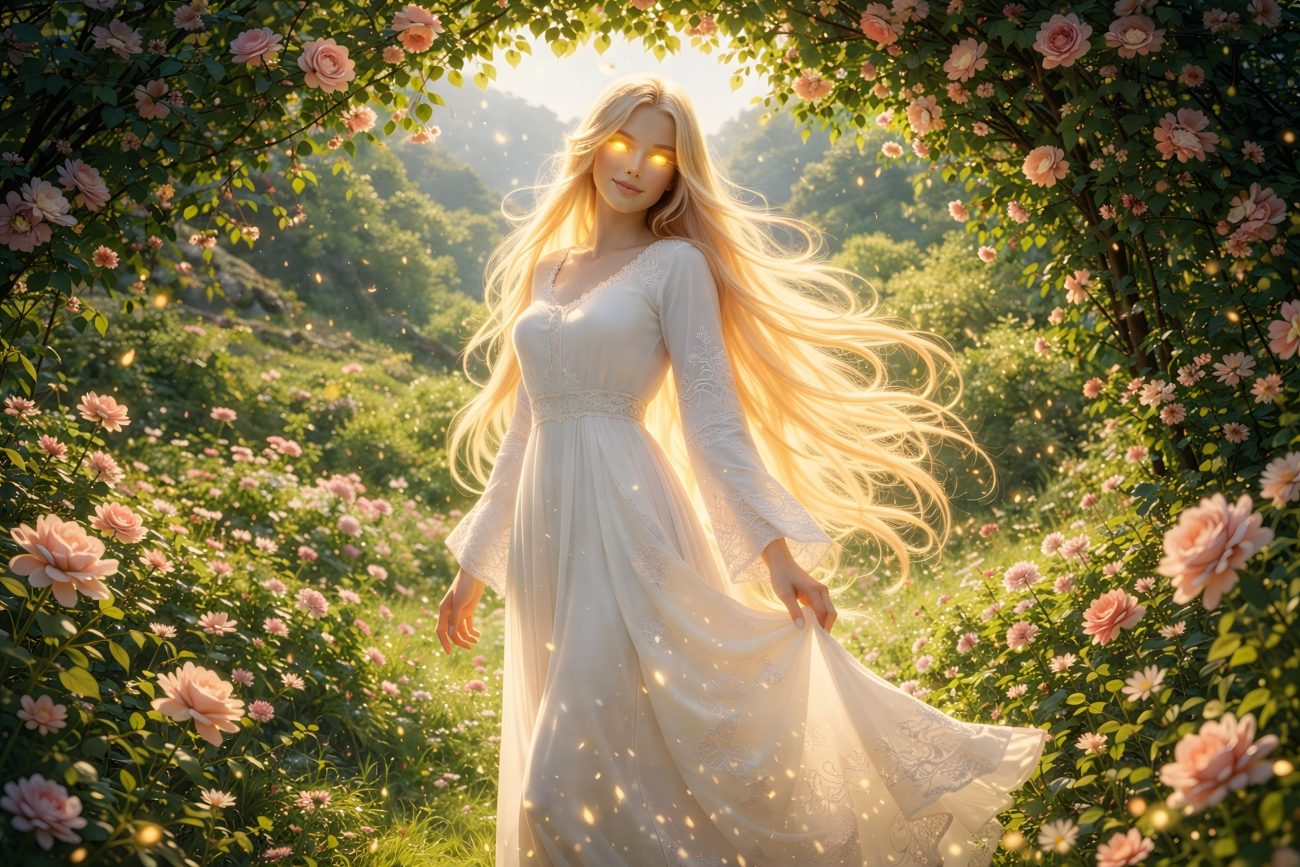
The Earthly Beauty is a supernatural maiden with the power to transform beings and grant wishes. She appears in a garden and is associated with the transformation of a skull into a living man.

A maiden, married to a skull, was troubled because her sisters wished to see her husband. While in distress, she followed a black cat into a garden where she saw a girl and a boy sleeping under a rose bush, with a baby lying in the sun. She covered the baby and carefully freed the girl’s hair from the thorns.

When the girl awoke, she called for the one who had helped her and promised to grant any wish. The maiden came forward and asked to see her husband as he had been before. The girl revealed that the man beside her was the maiden’s husband and that she had turned him into a skull. At that moment, the skull was transformed back into a living man.


Sources

Albanian Literature contributors. (n.d.). Folktale 11. In Albanian Literature, from http://www.albanianliterature.net/folktales/tale_11.html

Frashëri, S. (1936). Folklor shqipëtar. In Durrës (reprinted in Folklor shqiptar 1, Proza popullore, 1963). Translated by Elsie, R.


Eagle Maiden

Tradition / Region: Albanian Mythology
Alternate Names: —
Category: Bird, Nymph


The Myth

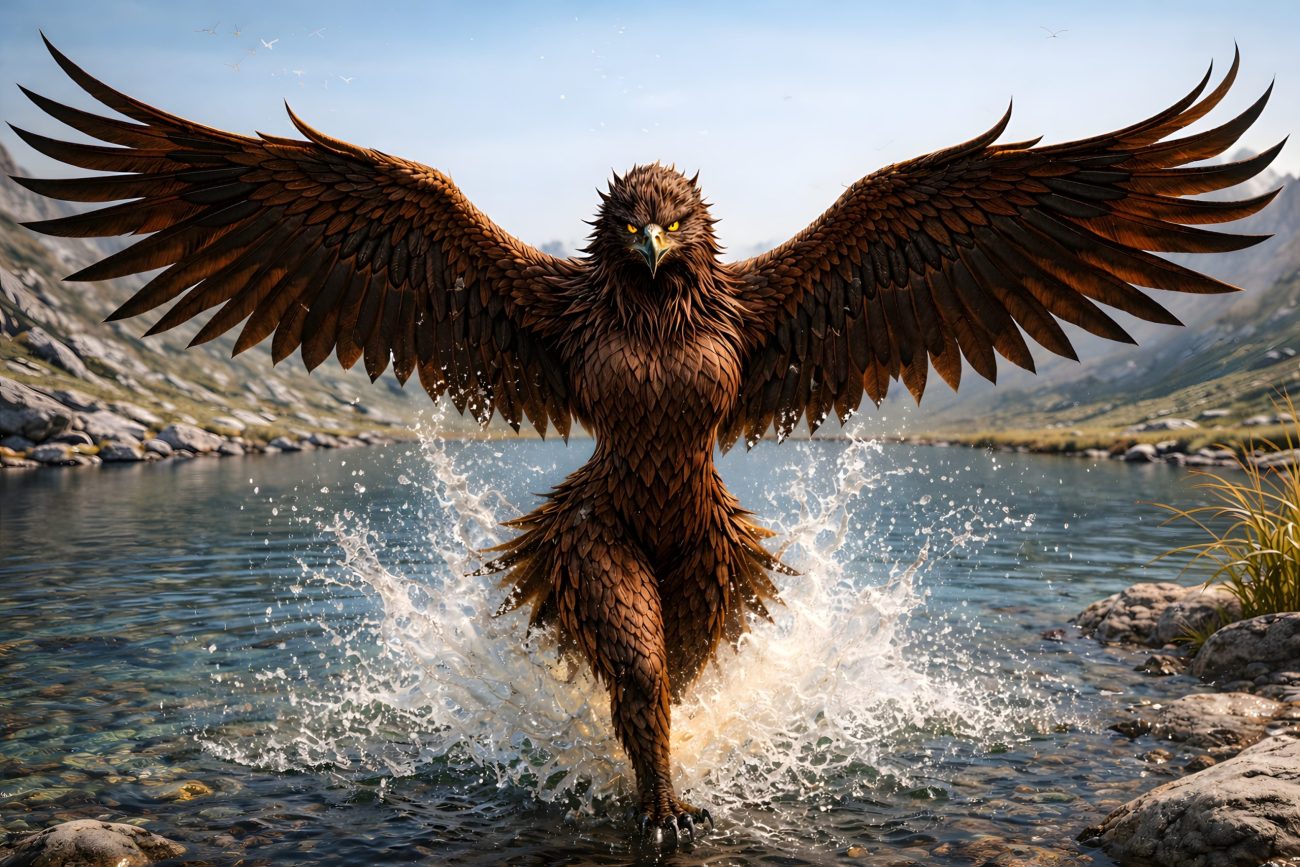
The Eagle Maidens are beings who take the form of eagles and transform into maidens by bathing in water. They are encountered by a traveler during his search for Gjizar the nightingale and possess knowledge of its location.

A youth traveling through a wilderness came upon a house where an old woman lived. She warned him that her daughters would return and devour him, then hid him in a closet with a hole through which he could see. After some time, three eagles arrived, each one wounded. They entered through the window, bathed in a bowl of water, and became maidens. They spoke with their mother and then ate.

The old woman asked what they would do if a man were present, and each maiden swore not to harm the one who had wounded her. The youth was then revealed, and he told them he was the one who had injured them. The maidens did him no harm and asked his purpose. He told them he was searching for Gjizar the nightingale. They said they knew where it was and that he could not reach it on foot.

They told him to remain with them for three months. After this time, they took him to the place where the nightingale was and left him there.


Sources

Albanian Literature contributors. (n.d.). Folktale 14. In Albanian Literature, from http://www.albanianliterature.net/folktales/tale_14.html

Pedersen, H. (1895). Albanesische Texte mit Glossar. In Abhandlungen der philologisch-historischen Classe der Königl. Sächsischen Gesellschaft der Wissenschaften, Vol. 15 (reprinted in Folklor shqiptar 1, Proza popullore, 1963). Translated by Elsie, R.


Healing Snake

Tradition / Region: Albanian Mythology
Alternate Names: —
Category: Snake


The Myth

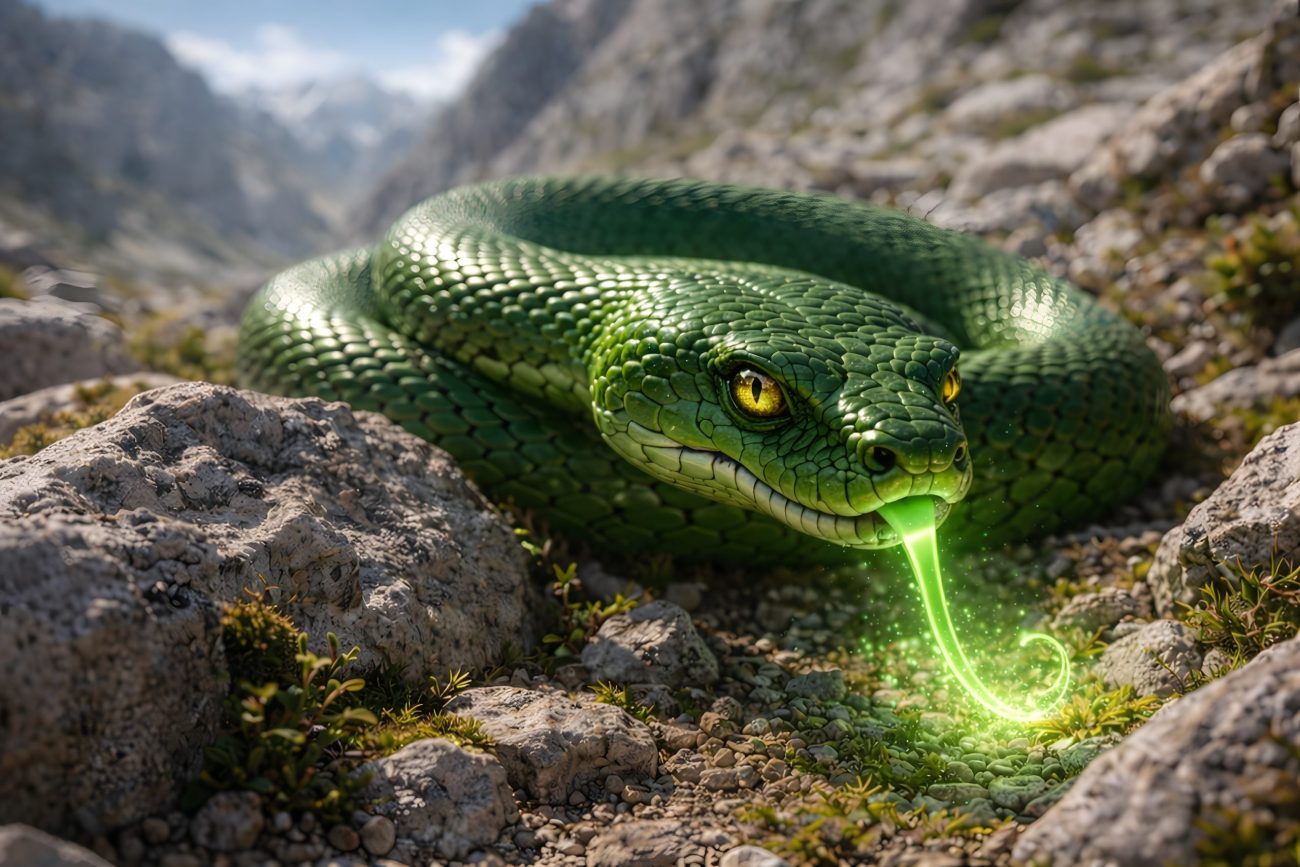
The healing snake is a serpent that attends the wounded hero Mujo, possessing restorative abilities. It is described as having remedies beneath its tongue and tending wounds directly, aiding in recovery and easing pain.

Mujo lay gravely wounded in his home, his body pierced and weakened. At his side were three beings: an ora at his head, a serpent upon his wounds, and a wolf at his feet. The serpent moved over his injuries and treated them. Under its tongue were nine kinds of ointments, which it used to cleanse his wounds three times a day. When the pain grew too strong, the serpent would sing a strange song. As it sang, Mujo’s pain faded and he fell into sleep. In this sleep, he saw himself whole again, hunting and resting in the mountains and waters. When he awoke, the pain had lessened.

The serpent remained with him, continuing its care, and was regarded as a source of help placed there to assist him in his suffering.


Sources

Albanian Literature contributors. (n.d.). Oral verse: Frontier Warriors (Këngë Kreshnikësh). In Albanian Literature, from http://www.albanianliterature.net/oralverse/verse_09_17.html

Palaj, B., & Kurti, D. (1937). Visaret e Kombit, vol. II. In Tirana, from Songs of the Frontier Warriors (Këngë Kreshnikësh): Albanian Epic Verse (Elsie, R., & Mathie-Heck, J., 2004)


Zana

Tradition / Region: Albanian mythology, Kosovo Mythology
Alternate Names: Zanë, Zërë, Xanë, Zâna, Zónja, Jashtësme
Category: Mountain dweller, Nymph


The Myth

High in the Albanian mountains, where cold springs run clear and forests cling to the slopes, dwell the Zana—wild and radiant maidens of the peaks. Each mountain is said to have its own Zana, who appears as a beautiful young woman with untamed hair and fearless eyes, often seen bathing in hidden streams or wandering among rocks and alpine flowers.

The Zana are guardians of nature—of forests, animals, springs, and the living strength that pulses through human beings. They walk accompanied by wild goats with golden horns, and the air grows tense with power wherever they pass. Though fair in form, they are fierce in spirit. Their courage is unmatched, and in Albanian speech it is said of a brave person: “He is as bold as a Zana.”

They favor warriors. In times of battle, a Zana may watch unseen from the mountainside. If she is pleased by a hero’s heart, she grants him strength beyond mortal limits. In the epic songs of the highlands, the young hero Muji was once found in the mountains by the Zana. They took pity on him and nursed him with their own milk. From that moment, Muji possessed the strength of many men, able to lift boulders and defeat giants. His power was the gift of the Zana.

Yet their favor is not lightly won, and their anger is dreadful. With a single glance, a Zana can paralyze a man, turning him stiff as stone. Those struck by such a gaze are said to be “touched by the Zana,” frozen in body and spirit.

In the northern highlands, the Zana also come by night in threes when a child is born. Like mysterious sisters of fate, they gather around the newborn and decide its destiny. One may grant fortune and health, another hardship and sorrow, and the third death itself. Their whispering shapes the path of a life before it has even begun.

Sometimes they reveal themselves to mortals. A soldier lost in the mountains may encounter a Zana at dusk. She may warn him of danger ahead—or lead him unknowingly toward it. In old tales, a captain once knelt before such a radiant being, believing her divine. She spoke to him gently, yet her words foretold tragedy, and fate unfolded as she had hinted.

The Zana are not bound by human law or morality. They belong to the mountains and to the older rhythms of the world. They can love, grieve, and rage. In epic song, when the maiden Tringa was slain, the Great Zana descended in fury, lifted her fallen companion, and called upon warriors to rise in vengeance. Her cry echoed through the valleys like a battle horn.

They are wild beauty and untamed force. Eternal maidens of the highlands, they move between tenderness and terror, between blessing and doom—spirits of the mountains who grant strength, shape destiny, and vanish like mist at dawn.


Sources

Wikipedia contributors. (n.d.). Zana (mythology). In Wikipedia, The Free Encyclopedia. Retrieved February 13, 2026, from https://en.wikipedia.org/wiki/Zana_(mythology)
Abja

Tradition / Region: Albanian Mythology
Alternate Names: —
Category: Ghost


The Myth

Abja is a ghostly figure in Albanian folklore, appearing in the form of a woman wrapped in a rough shroud or a thick cloak made of coarse woolen fabric. The name Abja derives from abá or abája, referring to such a garment.

She is described simply as a female apparition distinguished by this heavy, coarse covering, which conceals her body and form. No further actions, speech, or narrative events are consistently recorded; her defining characteristic is her appearance as a shrouded female ghost.


Sources

Elsie, R. (2001). A Dictionary of Albanian Religion, Mythology, and Folk Culture. p. 4.


Bardha

Tradition / Region: Albanian Mythology
Alternate Names: E Bardha (“The White One”)
Category: Nymph


The Myth

Bardha, whose name means “the White One,” is a mythological figure in Albanian folklore. She appears either as a zana, a nymph-like being of nature, or as an ora, a fate spirit connected with human destiny and fortune. Bardha is associated with goodwill and good luck, and is believed to favor humans rather than harm them.

In the beliefs of the people of the Dukagjini Mountains, there are three types of Ora. Bardha is the one who brings good fortune and wishes people well. Alongside her are e Verdha (“the Yellow One”), who brings misfortune and casts harmful spells, and e Zeza (“the Black One”), who determines death. Among these three, Bardha is the most benevolent.

In older folklore that treats her as a nymph-like being, Bardha is said to resemble the zana e malit, the mountain nymph. She is described as pale and nebulous in form, sometimes appearing indistinct or ghostlike. In some traditions, she is believed to dwell beneath the earth rather than openly in forests or mountains.

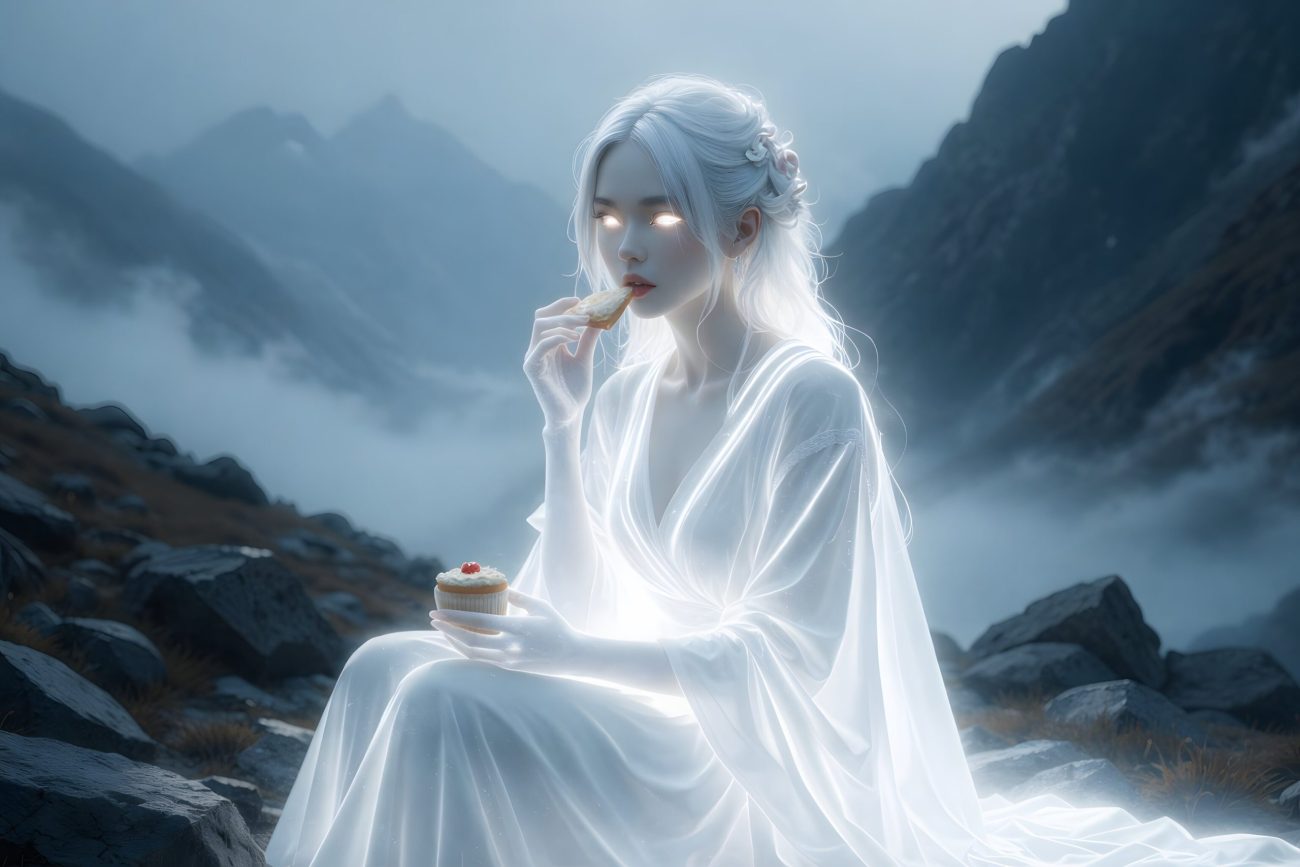
To gain Bardha’s favor or avoid offending her, people would leave offerings such as sugar or small cakes on the ground. These gifts were meant to appease her and invite her goodwill, ensuring luck and protection rather than misfortune.

Through these traditions, Bardha is remembered as a gentle and auspicious spirit, moving quietly between the worlds of fate and nature, and watching over human lives with benevolent intent.


Sources

Wikipedia contributors. (n.d.). Bardha. In Wikipedia, from https://en.wikipedia.org/wiki/Bardha