Ozark Howler

Tradition / Region: American Mythology
Alternative names:
Category: Bear


The Myth

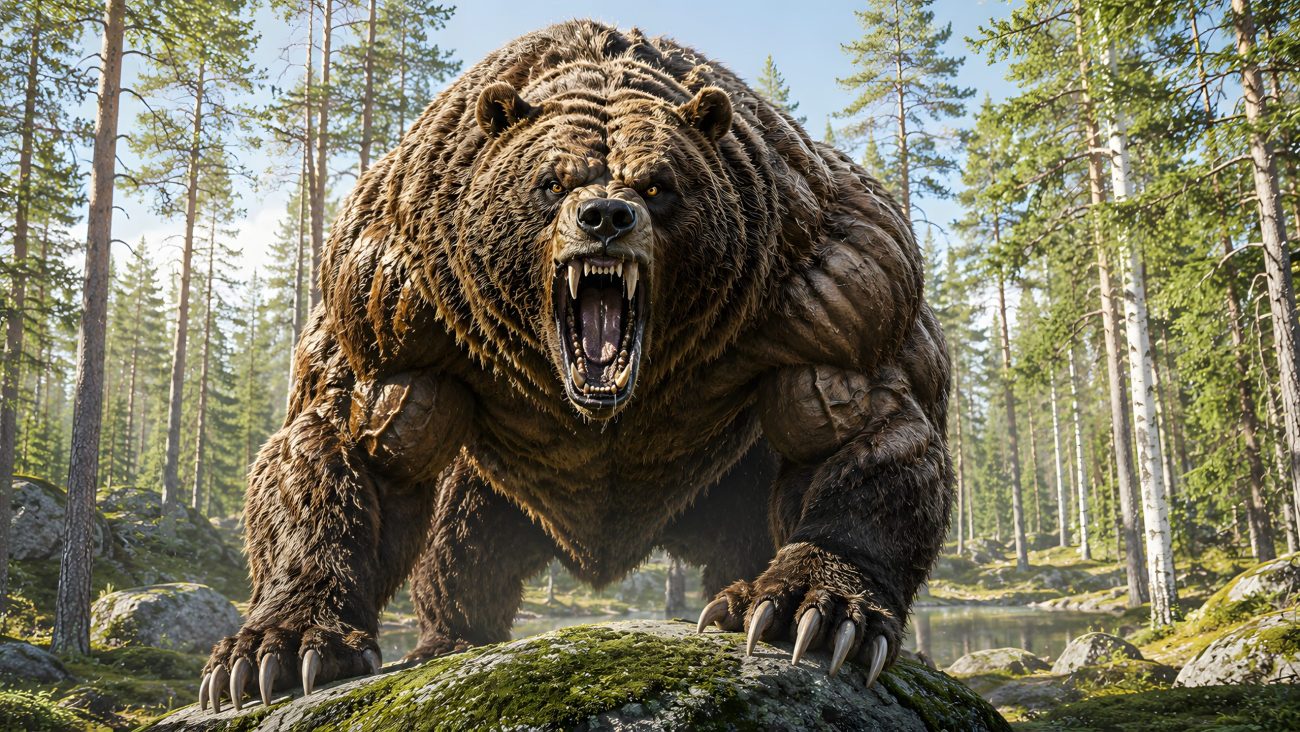
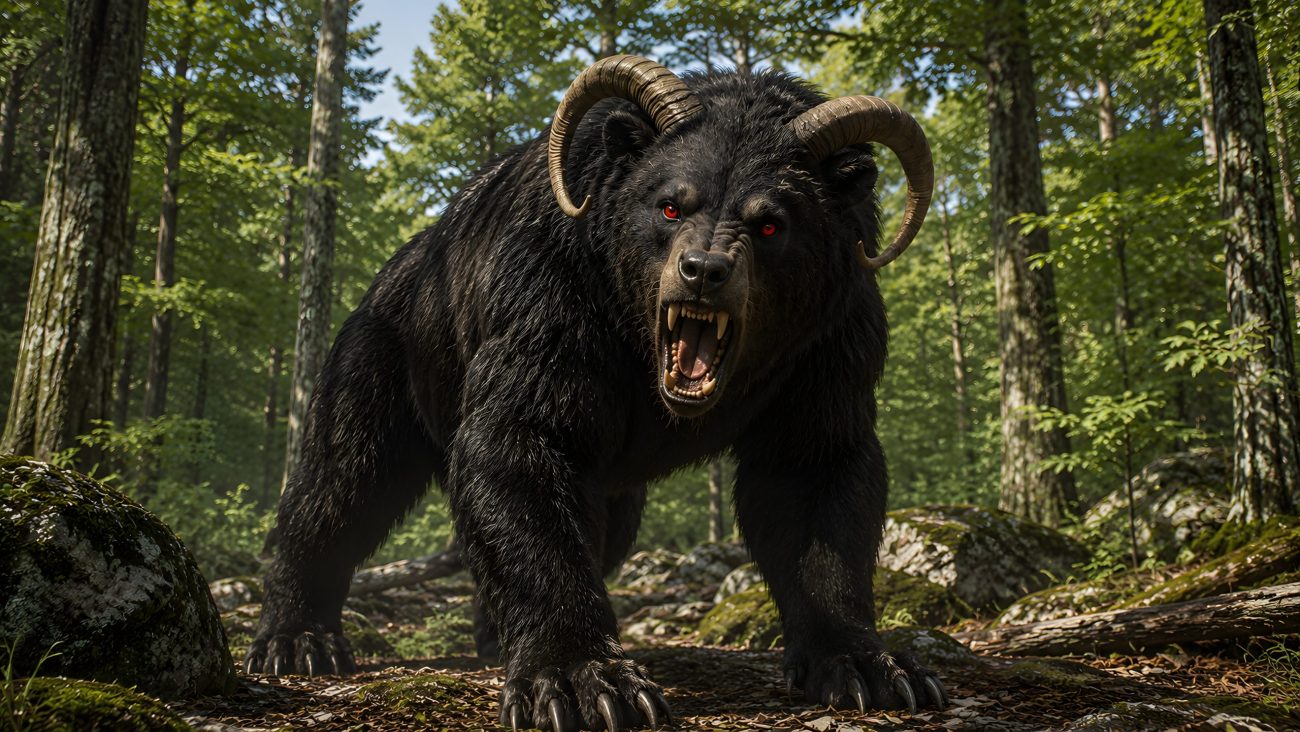
The Ozark Howler is a legendary cryptid said to inhabit the Ozark Mountains of northern Arkansas and southern Missouri. It is commonly described as a large, bear-like creature with a dark, shaggy coat that roams the remote forests. Although many consider it a myth or a case of mistaken identity, local folklore and reported sightings have kept the legend alive.

Some traditions trace the creature’s origins to the late eighteenth century, when the American frontiersman Daniel Boone reportedly claimed to have killed a large, hairy beast in the region. This account is often cited as one of the earliest stories connected to the Ozark Howler.

Reports of the creature became more common during the twentieth century. Witnesses have described encountering a large, fast-moving animal resembling a bear, though no evidence has confirmed its existence. In one reported incident from 2014, a motorist in Benton County, Arkansas, nearly collided with a large gray animal described as being about the size of a bear, prompting wildlife officials to investigate.

In 2015, photographs claimed to show the Ozark Howler were submitted to a local Arkansas television station. After reviewing the images, state wildlife officials concluded that they were a hoax. Despite the lack of verified evidence, stories of the mysterious bear-like creature continue to be part of the folklore of the Ozark Mountains.


Sources

Wikipedia contributors. (n.d.). Ozark Howler. In Wikipedia. Retrieved June 29, 2026, from https://en.wikipedia.org/wiki/Ozark_Howler
Onikuma

Tradition / Region: Japanese Mythology
Alternative names: Demon Bear
Category: Bear


The Myth

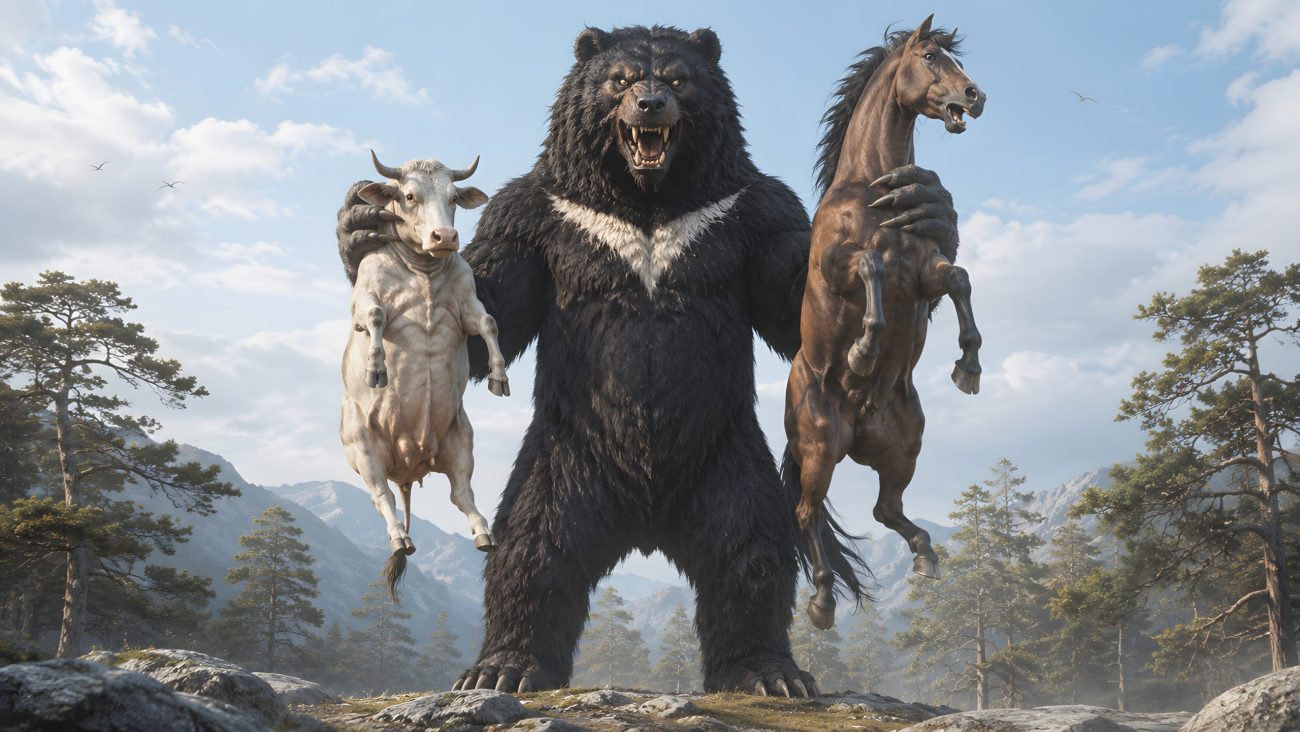
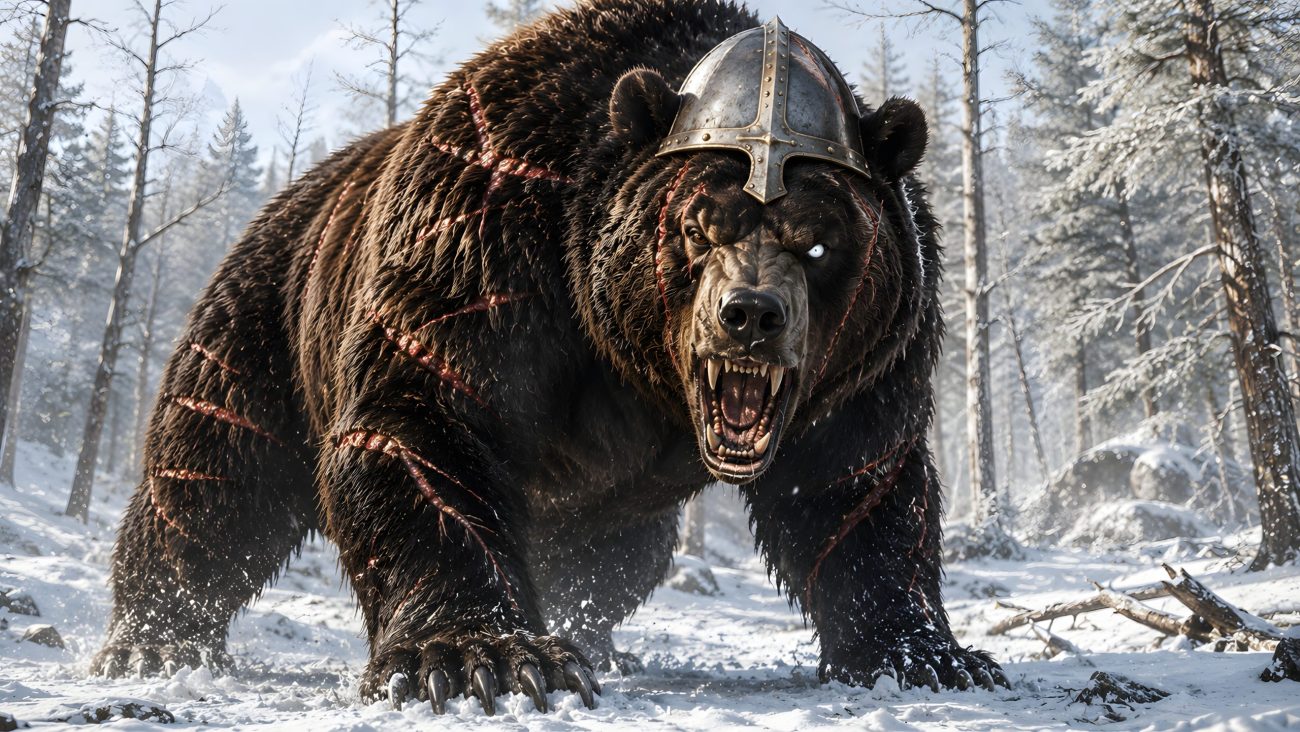
The Onikuma, meaning “demon bear,” is a fearsome yōkai said to originate in the mountain forests of Japan, particularly the Kiso Valley in Nagano Prefecture. It is believed that when an ordinary bear lives for many years, it transforms into an Onikuma, growing far larger than any natural bear and gaining immense supernatural strength.

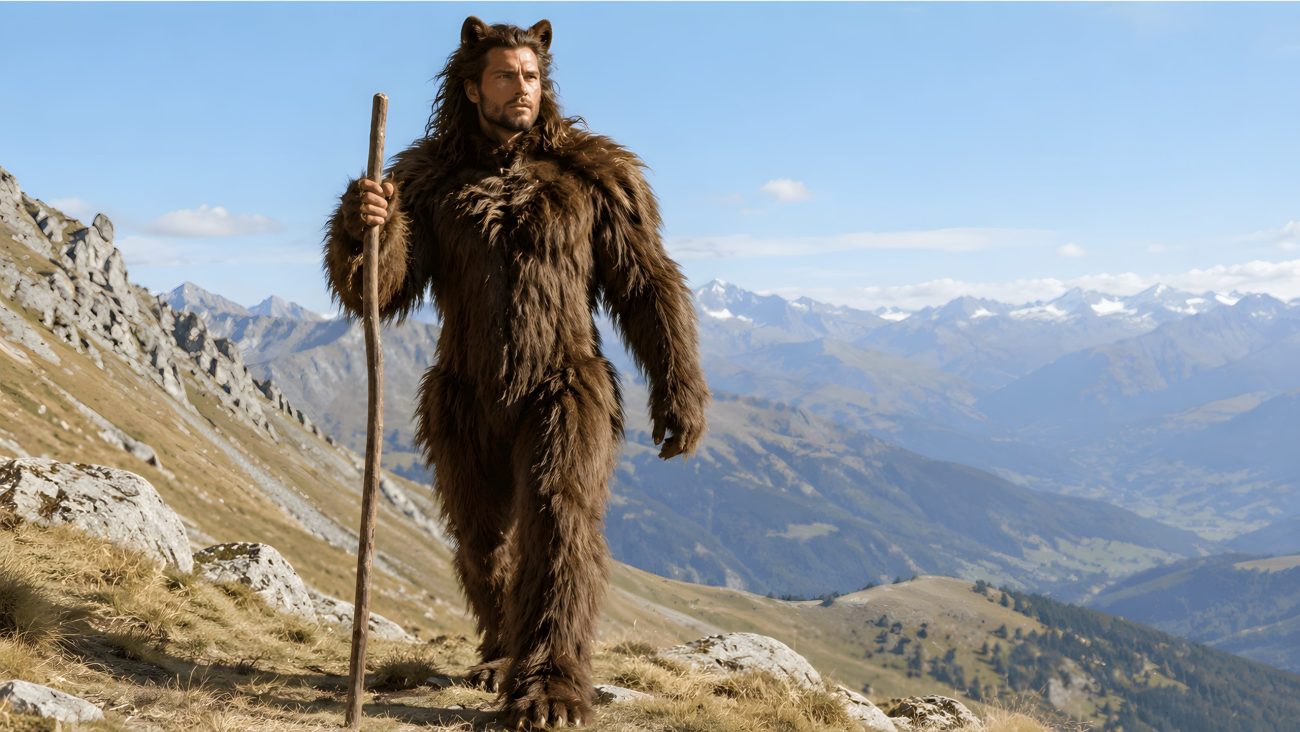
Unlike ordinary bears, an Onikuma is able to walk upright on two legs. It is powerful enough to move enormous boulders that even groups of men cannot shift, and it can crush small animals with a single blow. Although it lives deep within remote mountain forests and is active mainly at night, it occasionally descends into nearby villages in search of food.

When an Onikuma enters human settlements, it is known for carrying away livestock such as horses and cattle before disappearing back into the mountains. Because of its tremendous strength, encounters with the creature are rare but often deadly, leaving villagers with little choice but to organize dangerous hunts.

Traditional accounts describe a special method for killing an Onikuma. Hunters blocked the entrance to its den with a massive wooden frame covered in wisteria vines. They then forced branches and brush through the narrow openings until the beast’s shelter became completely filled. Eventually the trapped Onikuma burst through the entrance, where hunters waited to attack it with long spears and rifles.

According to legend, several Onikuma were slain during the Kyōhō era (1716–1736). Their hides were said to be so enormous that each one could cover an area of more than six tatami mats. Large boulders scattered throughout the Kiso Valley are also known as “Onikuma stones,” as local tradition claims they were hurled down the mountainsides by these mighty demon bears. In Hokkaido, bears that attacked humans were likewise feared and referred to as Onikuma.


Sources

Foster, M. D. (n.d.). Onikuma. In Yokai.com: The Illustrated Database of Japanese Folklore. Retrieved June 29, 2026, from https://yokai.com/onikuma/.

Wikipedia contributors. (n.d.). Onikuma. In Wikipedia. Retrieved June 29, 2026, from https://en.wikipedia.org/wiki/Onikuma.


Jean de l’Ours

Tradition / Region: French Mythology
Alternative names: John the Bear, John-of-the-Bear, Jean Bear
Category: Bear


The Myth

Jean de l’Ours, whose name means “John of the Bear,” is a legendary hero born from the union of a woman and a bear. Half human and half bear, he possessed extraordinary strength from childhood and was covered in thick body hair. While still young, he escaped the bear’s cave with his mother and later forged for himself a massive iron club that no ordinary man could lift.

Setting out on his adventures, Jean was joined by several companions renowned for their own great strength. During their travels they found an enchanted castle where each of his companions was defeated by a mysterious giant. Jean alone overcame the creature, forcing it to flee into a deep pit that led to the underworld.

Descending into the pit, Jean discovered an underground realm where three princesses were held captive. He defeated the monsters guarding them and rescued the princesses, who rewarded him with magical tokens. When his companions pulled the princesses back to the surface, they betrayed Jean by abandoning him in the underworld and claiming the rescue as their own.

After escaping the underworld through his own courage and endurance, Jean returned to the kingdom. By presenting the tokens given to him by the princesses, he proved that he was their true rescuer. The king rewarded him with the hand of the most beautiful princess in marriage, while the treacherous companions were punished for their betrayal.


Sources

Wikipedia contributors. (n.d.). Jean de l’Ours. In Wikipedia. Retrieved June 29, 2026, from https://en.wikipedia.org/wiki/Jean_de_l%27Ours


Bödvar Bjarki

Tradition / Region: Norse Mythology, Danish Mythology
Alternative names: Bǫðvarr Bjarki, Biarco
Category: Bear


The Myth

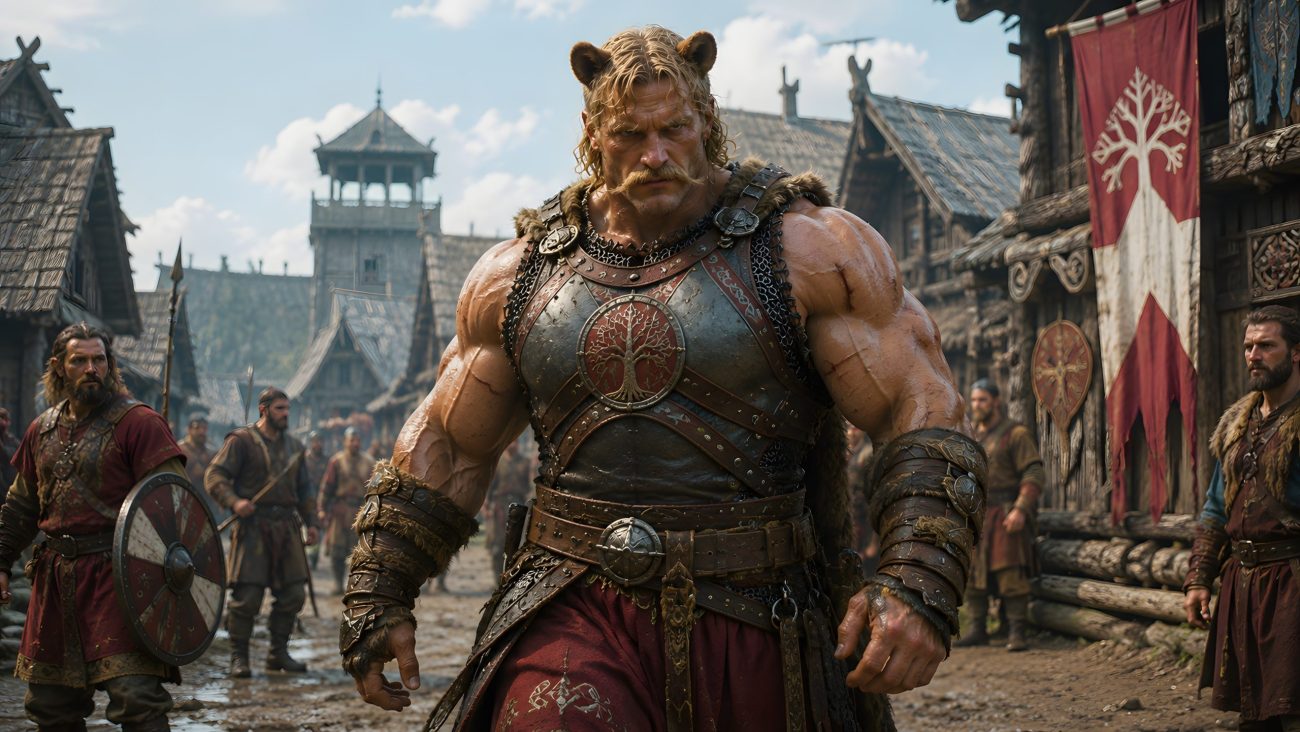
Bödvar Bjarki, whose name means “Warlike Little-Bear,” is one of the greatest heroes of Norse legend. Renowned for his immense strength and courage, he was believed to possess the supernatural ability to assume the form of a bear in battle.

His story began with his father, Björn, who had been transformed into a bear by the magic of his stepmother, Hvit. Forced to live as a bear by day and a man by night, Björn was eventually hunted down and killed. Before his death he warned his wife, Bera, not to eat his flesh, but she was persuaded to take a single bite. She later gave birth to three extraordinary sons. Two were born with animal features, while the youngest, Bödvar Bjarki, appeared entirely human.

As he grew older, Bjarki avenged his father by killing Hvit. He later visited his brother Elgfróði, who strengthened him by giving him some of his own blood to drink, greatly increasing Bjarki’s already remarkable power.

Bjarki eventually entered the service of King Hrólfr Kraki of Denmark. Soon after arriving, he slew a fearsome monster that had terrorized the king’s hall. He then forced the timid servant Hott to drink the monster’s blood, filling him with courage and strength. By arranging the creature’s body to appear alive, Bjarki allowed Hott to strike the final blow before the court, earning him honor and the new name Hjalti.

Bjarki became King Hrólfr’s greatest champion, defeating rival berserkers and serving as one of the king’s closest advisers. During the final battle at Lejre, however, he remained seated in a deep trance while a gigantic bear devastated the enemy army. The bear was revealed to be Bjarki’s spirit fighting apart from his body. When Hjalti awakened him, the spirit bear vanished. Bjarki entered the battle in human form, but without the bear’s supernatural power he and King Hrólfr were ultimately overwhelmed and slain.


Sources

Wikipedia contributors. (n.d.). Bödvar Bjarki. In Wikipedia. Retrieved June 29, 2026, from https://en.wikipedia.org/wiki/B%C3%B6dvar_Bjarki


Otso

Tradition / Region: Finnish Mythology
Alternative names: Karhu, Ohto, Kontio, Metsän kuningas, Mesikämmen
Category: Bear


The Myth

Otso is the sacred bear spirit of Finnish mythology and is regarded as the king of the forest and leader of all bears. Rather than being a single bear, Otso represents the collective spirit of every bear. The creature was deeply revered and feared by the ancient Finns and appears in the Kalevala, the Finnish national epic.

Different traditions tell different stories of Otso’s origin. One legend says that the weather god Ukko cast wool into the sea, from which Otso was born when it drifted ashore. Another tradition states that the great bear spirit descended from the constellation Ursa Major.

The oldest myths tell that Otso married the primordial mother of humankind, establishing a sacred bond between bears and people. Although Otso was said to have many wives and children, the stories also describe the great bear as devouring its own offspring.

When a bear was killed, the ancient Finns held a sacred ceremony known as the Peijaiset to honor its spirit. The bear was carefully skinned, its meat shared in a ritual feast, and a symbolic wedding was performed to return the bear to its mythical family. Afterwards, the bear’s skull was mounted high in a pine tree while prayers and chants were offered to Hongotar, the primordial mother of bears.

Finally, the bear’s bones were buried beneath the tree. The skull was treated as a sacred object and carefully preserved, for it was believed that by protecting it from decay, Otso’s spirit could return to the world, be reborn, and continue the eternal cycle of life.


Sources

Wikipedia contributors. (n.d.). Otso. In Wikipedia. Retrieved June 29, 2026, from https://en.wikipedia.org/wiki/Otso


Sermilik

Tradition / Region: Greenlandic Mythology
Alternative names:
Category: Bear


The Myth

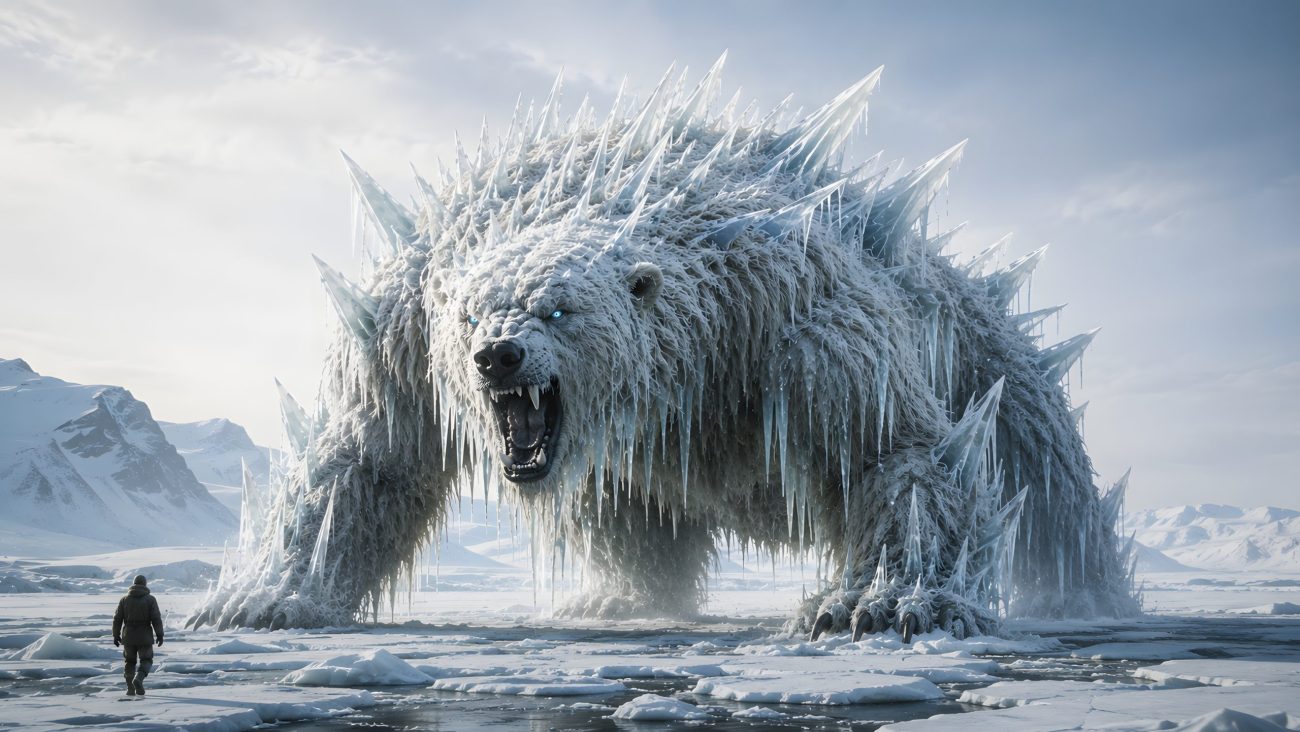
The Sermilik, meaning “ice-clad,” is a gigantic and extremely dangerous polar bear said to inhabit the seas around Aasiaat in Greenland. Although it resembles an ordinary polar bear, its exceptionally long fur is completely coated in ice, allowing it to blend into its frozen surroundings.

The creature is known for lying in ambush beneath the surface of the water. Hunters are taught that what appear to be four harmless lumps of floating ice may actually be the four paws of a waiting Sermilik.

According to tradition, young hunters are warned never to paddle near these suspicious patches of ice, for the hidden beast may suddenly emerge from the sea and attack anyone who ventures too close.


Sources

A Book of Creatures. (2019, June 21). Sermilik. Retrieved June 29, 2026, from https://abookofcreatures.com/2019/06/21/sermilik/


Lāčplēsis

Tradition / Region: Latvian Mythology
Alternative names: The Bear-Slayer
Category: Bear, Hero


The Myth

Lāčplēsis, whose name means “The Bear-Slayer,” is the legendary hero of the Latvian national epic. According to the story, he was destined by the gods to defend the Latvian people against foreign invaders. His extraordinary strength came from his bear-like heritage, as his mother was said to have been a she-bear, and his supernatural power resided in his bear ears.

As a young man, Lāčplēsis earned his name by saving his foster father from a charging bear. Grasping the animal by its jaws, he tore it apart with his bare hands. Afterwards, he journeyed to Burtnieki Castle to continue his education, but his travels soon led him into adventures involving witches, spirits, and the forces of the Devil.

While staying at the castle of Aizkrauklis, Lāčplēsis uncovered the secret activities of the witch Spīdala, who served the Devil. She attempted to kill him by casting him into the whirlpool of Staburags, but he was rescued by the goddess Staburadze and taken to her crystal palace beneath the waters. There he met the maiden Laimdota, with whom he fell in love, and later befriended the mighty hero Koknesis.

Lāčplēsis fought many supernatural enemies during his journeys. He battled the giant Kalapuisis before the two heroes made peace and united against the invading German crusaders. He also spent a night in a cursed sunken castle, breaking its enchantment, and later defeated monstrous beings with three, six, and nine heads on the Enchanted Island. During these adventures he freed Spīdala from her pact with the Devil and reunited with Laimdota and Koknesis.

Eventually the struggle against the German crusaders reached its climax. The traitor Kangars revealed the secret of Lāčplēsis’ strength to the enemy, explaining that his power came from his bear ears. During a final contest with the Dark Knight, both of Lāčplēsis’ bear ears were severed, robbing him of his immense strength. Even so, he wrestled his opponent to the edge of the Daugava, throwing the Dark Knight into the river while falling in himself.

Neither hero was seen again. The legend promises that the struggle was not truly finished and that one day Lāčplēsis will rise again to defeat the Dark Knight, bringing freedom to the Latvian people once more.


Sources

Wikipedia contributors. (n.d.). Lāčplēsis. In Wikipedia. Retrieved June 29, 2026, from https://en.wikipedia.org/wiki/L%C4%81%C4%8Dpl%C4%93sis


Human Bear

Tradition / Region: Bulgarian Mythology
Alternative names: Granny Bear (Baba Metsa) / Bear-Man
Category: Bear


The Myth

In Bulgarian folklore, the bear stood between the world of humans and the world of beasts. It was seen as almost human in thought and behavior, yet still a powerful creature of the wilderness. Because of this dual nature, stories arose about beings who were part human and part bear.

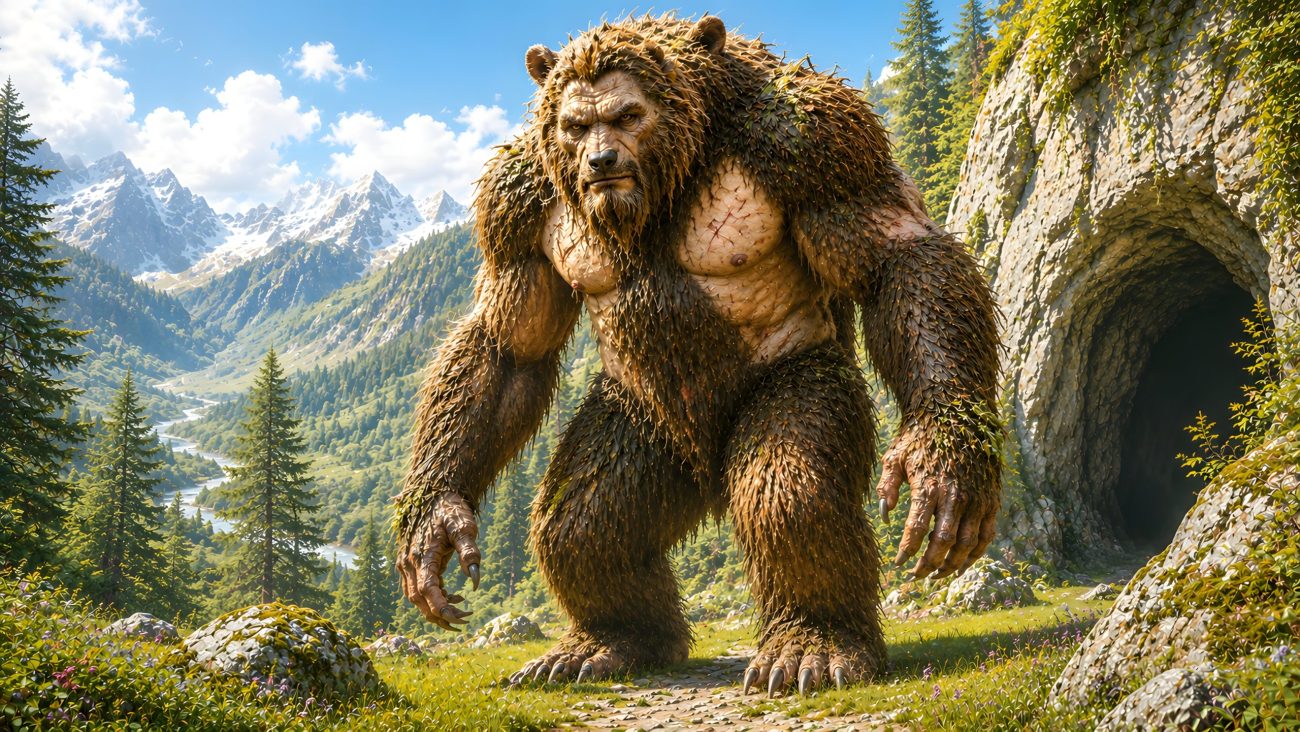
One of the best-known tales tells of a king’s daughter abducted by a great bear and carried deep into a mountain cave. There she gave birth to a child who was neither fully man nor fully beast. The child possessed terrifying strength, enormous size, and the wild nature of the bear combined with human intelligence. Such human-bear beings were feared as creatures belonging to both worlds at once.

Other legends claimed that certain women could become bears through curses, transformation, or magical punishment. In the Western Rhodopes, a story told of a girl forced by her cruel stepmother to wash black wool until it turned white. Through suffering and enchantment she eventually became a bear herself. In some traditions, girls who violated sacred rules or failed ritual tests were transformed into she-bears.

A related belief described dragon-women appearing in the form of flesh-eating bears. After magical rites removed their dragon nature, only the bear shape remained. Because of this, bears and dragons were often linked in Bulgarian myth as powerful earthly beings tied to fertility, wilderness, initiation, and hidden strength.

The bear was treated with unusual respect. People avoided calling it directly by name and instead used affectionate titles such as “Granny Bear.” Killing a bear was often forbidden. Special feast days were held in its honor, especially on Bear’s Day during late autumn, when people scattered beans and grain around the house to appease it and ask for protection from sickness and disaster.

In wedding rituals from Western Bulgaria, young women sometimes dressed as bears and performed dances imitating growling, running, and wild animal behavior. These rites preserved ancient beliefs that connected the bear to transformation, initiation, and the passage from girlhood into adulthood.

Bulgarian folklore viewed the Human Bear not simply as a monster, but as a powerful being standing on the boundary between civilization and the ancient untamed world.


Sources

Georgieva, I. (1985). Bulgarian mythology. Sofia: Svyat Publishers.