Zhu

Tradition / Region: Chinese Mythology
Alternative names: Zhū; Zhu Bird
Category: Bird


The Myth

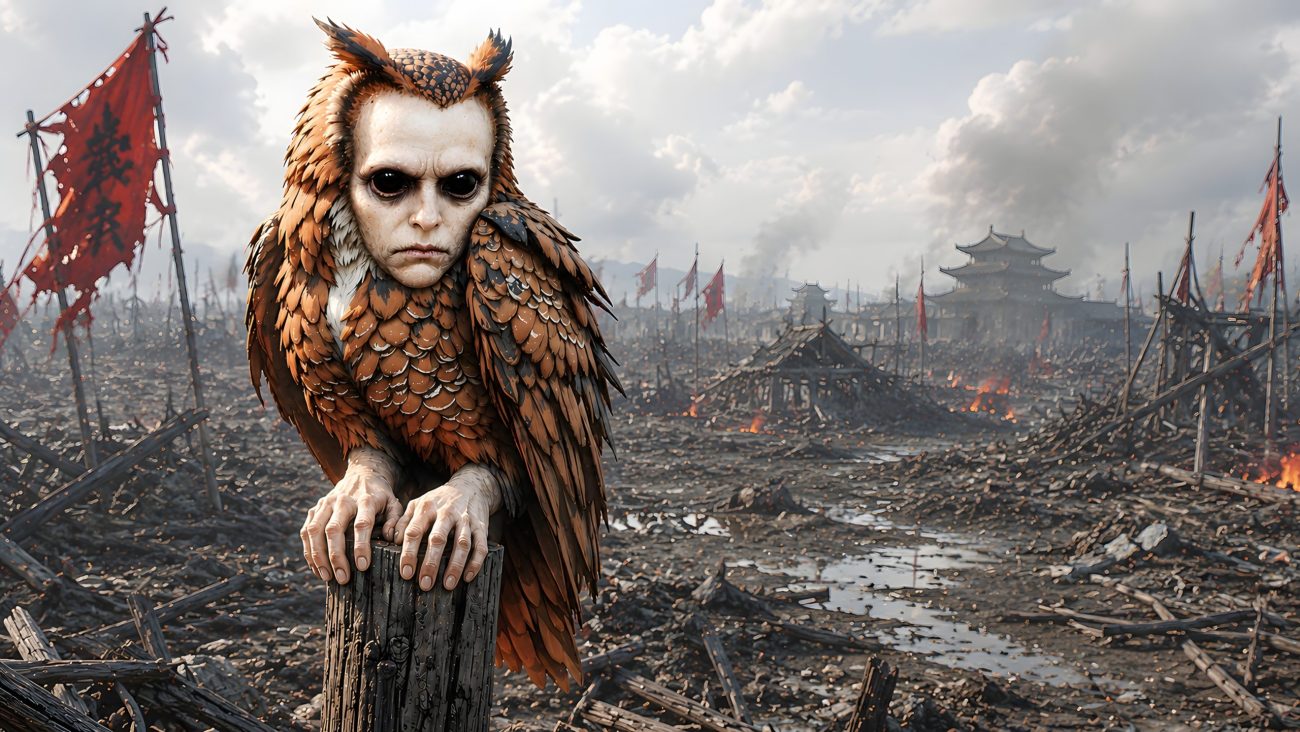
The Zhu is a strange bird described in the Classic of Mountains and Seas. It resembles an owl but has human hands instead of wings or claws. Its cry sounds like a loud quacking noise, and its appearance is said to foretell the banishment of virtuous and talented people from the region where it is seen.

Later tradition identifies the Zhu as the transformed form of Danzhu, the son of the legendary Emperor Yao. After rebelling against Emperor Shun and suffering defeat, Danzhu drowned himself in the South China Sea out of shame and became the Zhu bird. Because of this origin, the bird came to symbolize exile and misfortune. It is also said that Danzhu’s descendants founded the distant Kingdom of Danzhu, whose inhabitants possessed human faces and the wings of birds.


Sources

維基百科貢獻者. (n.d.). 鴸鳥. In 維基百科,自由的百科全書. Retrieved June 29, 2026, from https://zh.wikipedia.org/wiki/%E9%B4%B8%E9%B8%9F
Gu Diao

Tradition / Region: Chinese Mythology
Alternative names: Gudiao
Category: Bird


The Myth

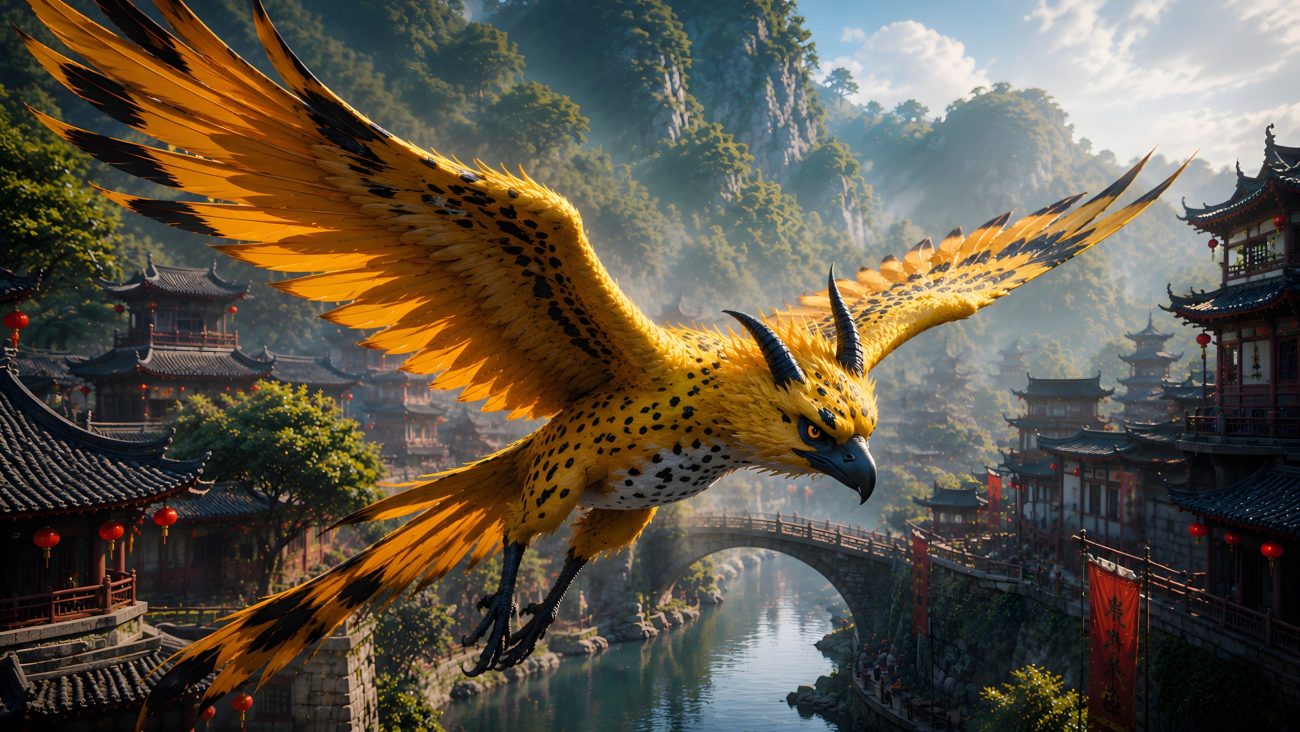
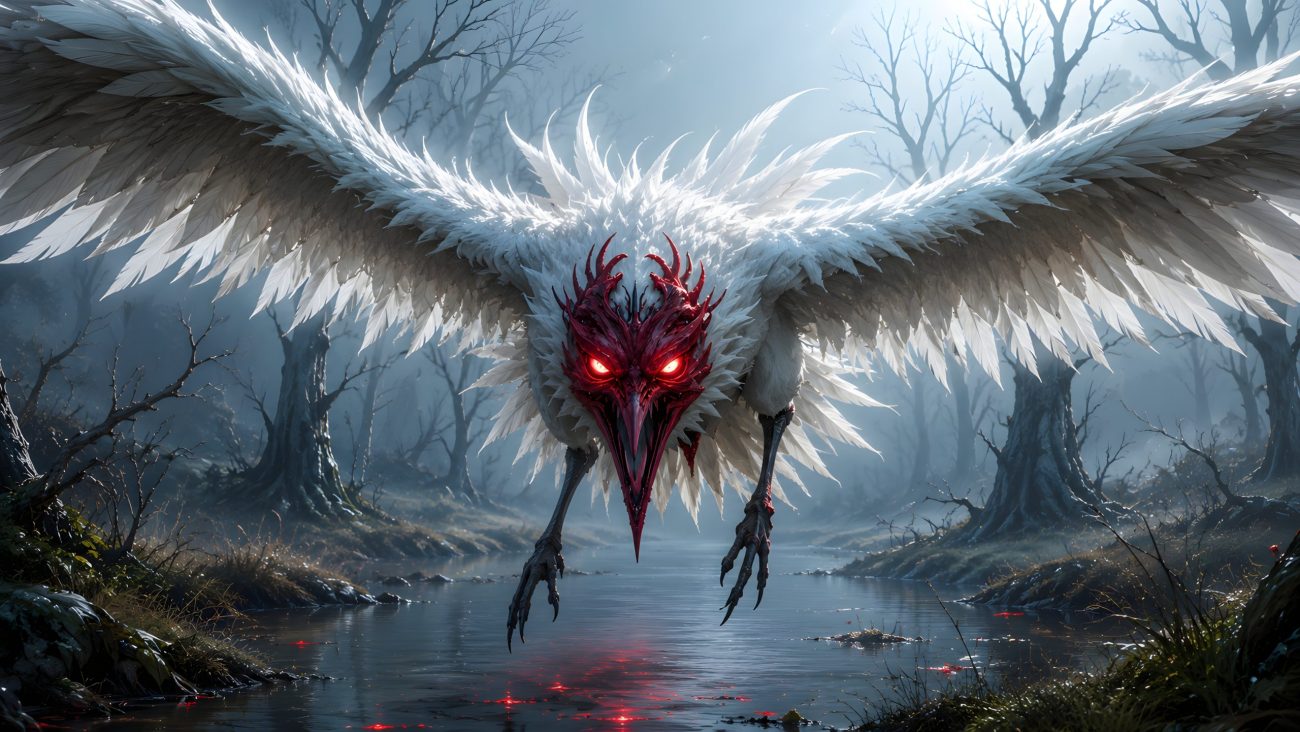
The Gu Diao is a man-eating monster described in the Classic of Mountains and Seas. It is said to live in the Zegeng River beside Mount Luwu. The creature resembles an eagle with horns upon its head, cries like a human infant, and preys upon people.

Later sources offer different descriptions of the Gu Diao. The Pianya also describes it as an eagle with horns, while the Book of Things and Things (Shiwu Ganzhu) portrays it as a leopard-like beast with a bird’s beak, a single horn, and the cry of a baby. Despite these differing appearances, all accounts describe it as a fearsome supernatural creature.


Sources

維基百科貢獻者. (n.d.). 蠱雕. In 維基百科,自由的百科全書. Retrieved June 29, 2026, from https://zh.wikipedia.org/wiki/%E8%A0%B1%E9%9B%95


Tsuru-bakemono

Tradition / Region: Japanese Mythology
Alternative names: Crane Monster; Tsuru-bakemono
Category: Bird


The Myth

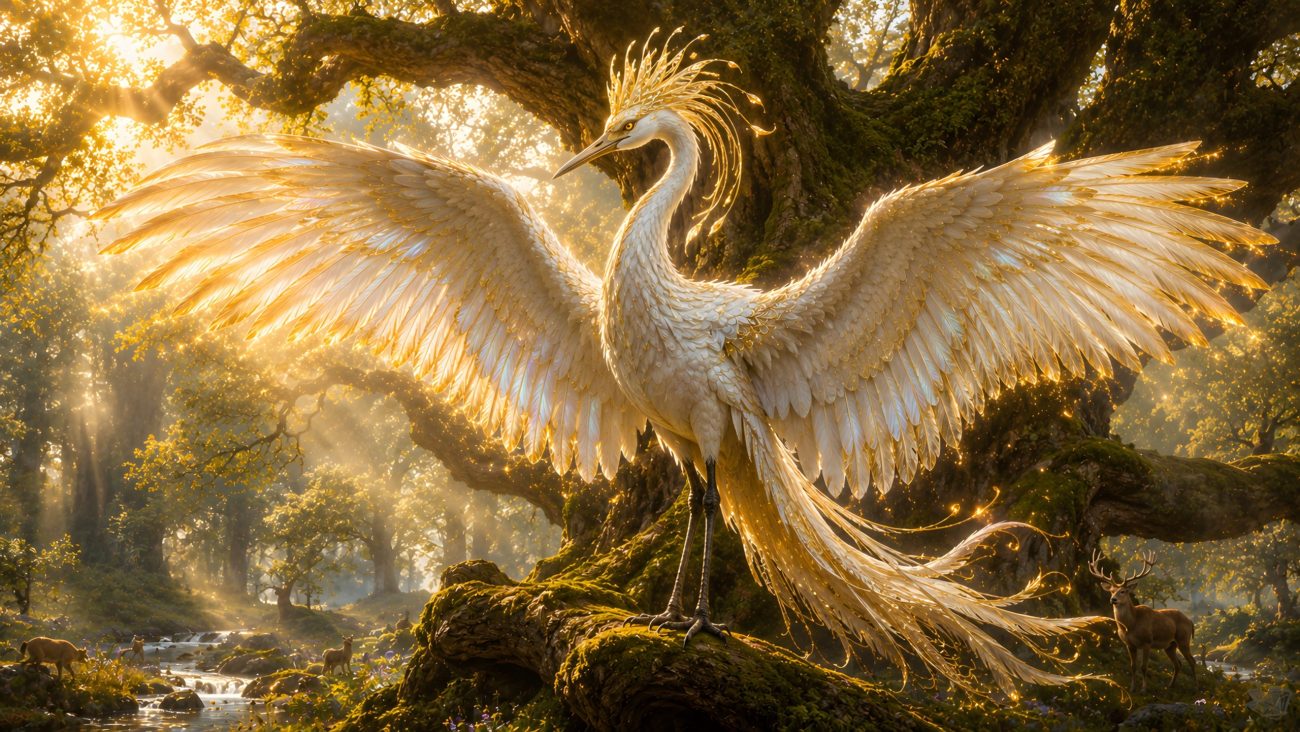
The Tsuru-bakemono is a yokai said to appear in the wetlands between Sanjo Town and Gomyō in present-day Niigata Prefecture. Travelers passing through the marshes at night may suddenly see a white, crane-like figure floating before their eyes.

Little else is recorded about the creature. It is simply described as a mysterious white apparition resembling a crane that haunts the marshes after dark, appearing unexpectedly before nighttime travelers.


Sources

TYZ. (2009, July 26). 鶴化け物 (Tsuru-bakemono). In 新版TYZ 妖怪図鑑. Retrieved June 29, 2026, from https://tyz-yokai.blog.jp/archives/1010653550.html


Bifang

Tradition / Region: Chinese Mythology
Alternative names: Bi Fang
Category: Bird


The Myth

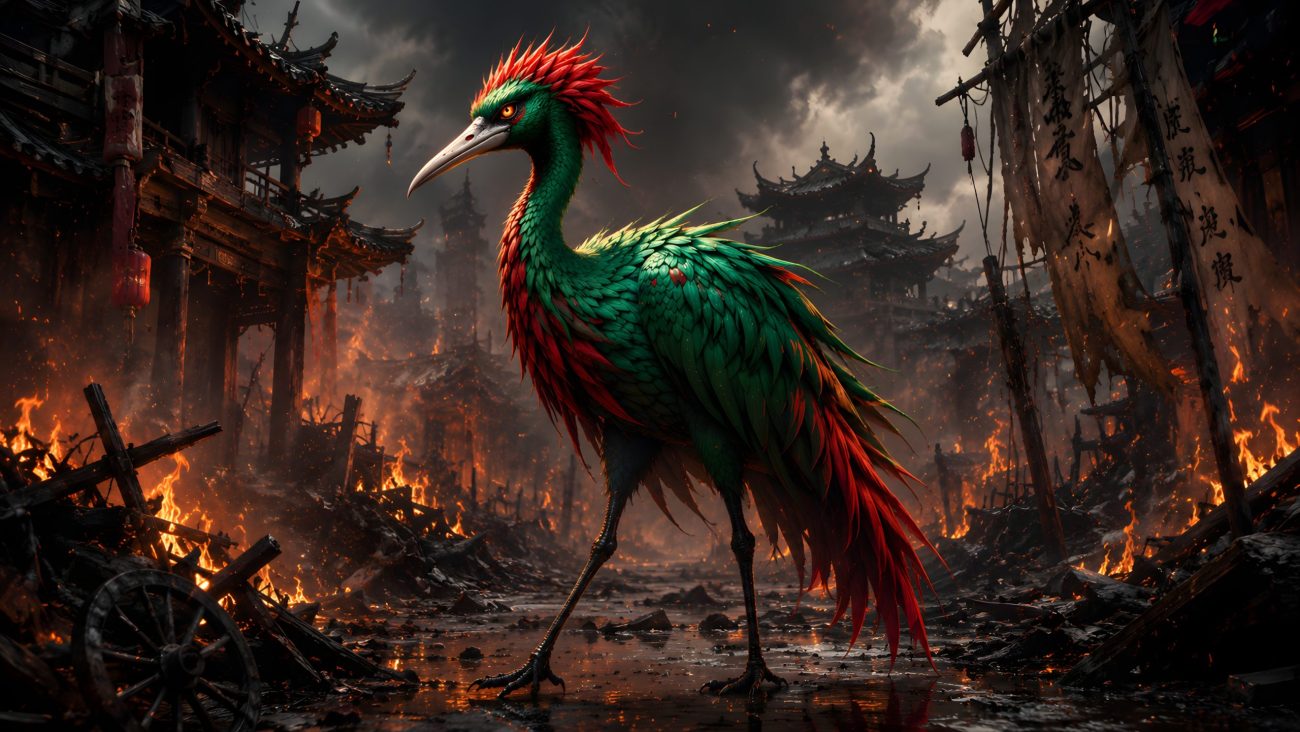
The Bifang is a legendary bird of Chinese mythology, most famously described in the Classic of Mountains and Seas (Shanhaijing). It is said to resemble a crane with a single leg, a green body marked with red patterns, and a white beak. Its name imitates the sound of its call, and it is believed to dwell on Mount Zhang’e, in the distant lands beyond the realm of ordinary people.

The Bifang is closely associated with fire. Its appearance is regarded as an omen that a great fire will soon occur, making it both a supernatural messenger and a harbinger of disaster. Despite this fearful reputation, the bird is not portrayed as malicious, but rather as a sign through which Heaven reveals what is to come.

Other ancient traditions present the Bifang in a more favorable light. The Hanfeizi describes it as a companion of the legendary Yellow Emperor (Huangdi), making it an auspicious creature connected with one of China’s greatest culture heroes. The Huainanzi further associates the bird with the element of Wood in the system of the Five Phases, reflecting its place within the cosmic order of ancient Chinese mythology.


Sources

Wikipedia contributors. (n.d.). Bifang. In Wikipedia. Retrieved June 29, 2026, from https://en.wikipedia.org/wiki/Bifang


Kogarasu

Tradition / Region: Japanese Mythology
Alternative names: Old Crow
Category: Bird


The Myth

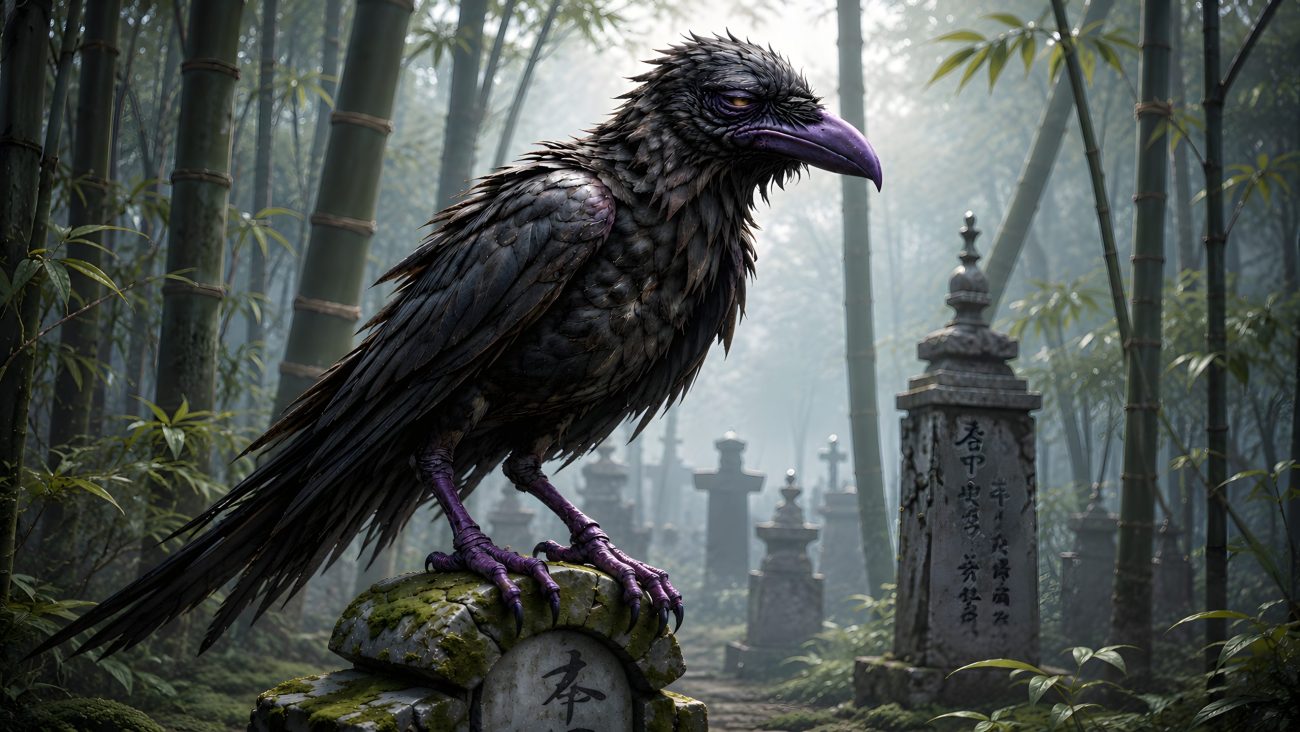
The Kogarasu (“Old Crow”) is a crow yokai from the Tosa Obake Zōshi (Tosa Ghost Scroll). According to the legend, it is an ordinary crow that has lived for a thousand years before transforming into a fearsome supernatural creature.

Unlike common crows, the Kogarasu remembers those who mistreated it during its lifetime. After gaining its yokai form, it takes revenge upon its former tormentors by digging up their graves after death and feeding upon their corpses. In this way, the creature punishes cruelty long after its victims have passed away.

The Kogarasu is portrayed as a grim embodiment of vengeance, demonstrating that even the smallest acts of malice toward living creatures may one day return to haunt those responsible. It remains one of the many strange yokai recorded in the Tosa Obake Zōshi, where ordinary animals become supernatural beings after surviving for an extraordinary length of time.


Sources

TYZ. (2009, July 26). 古烏 (Kogarasu). In 新版TYZ 妖怪図鑑. Retrieved June 29, 2026, from https://tyz-yokai.blog.jp/archives/1010652618.html


Queen Crane

Tradition / Region: Swedish Mythology
Alternative names: Crane Queen
Category: Bird


The Myth

The Queen Crane appears in a Swedish fairy tale as the magical protector of a poor shepherd known as Sheep-Peter. When the youth once aims his crossbow at a crane resting in an oak tree, the bird begs him to spare her life. In return she promises to help him whenever he is in danger, instructing him to call, “God aid me, and Queen Crane stay by me, and I will succeed!” whenever he needs her assistance.

When war breaks out, Sheep-Peter secretly visits the oak where Queen Crane dwells after pretending that his worn-out horse has become stuck in a swamp. Each time she equips him with a magnificent warhorse, enchanted armor, and a magical sword. By invoking her name, he defeats the enemy armies, though everyone believes that a heavenly angel has come to save the kingdom. After each victory he returns the enchanted equipment to the crane and resumes tending his sheep, keeping his identity hidden.

Queen Crane later continues to aid the shepherd when three monstrous meer-women threaten to carry away the king’s daughters. She again provides him with enchanted steeds, weapons, and armor, allowing him to rescue each princess and slay the monsters. Although false heroes claim the credit, the youngest princess recognizes her true savior. Sheep-Peter eventually proves his deeds before the king through the tokens he collected during his adventures, wins the youngest princess’s hand in marriage, and inherits the kingdom, all through the faithful assistance of Queen Crane.


Sources

Stroebe, K. (Ed.). (1921). The Swedish fairy book (F. H. Martens, Trans.; G. W. Hood, Illus.). Frederick A. Stokes Company. Retrieved June 29, 2026, from https://www.gutenberg.org/ebooks/37193


White Rooster Demon

Tradition / Region: Vietnamese Mythology
Alternative names: White Chicken Demon
Category: Bird


The Myth

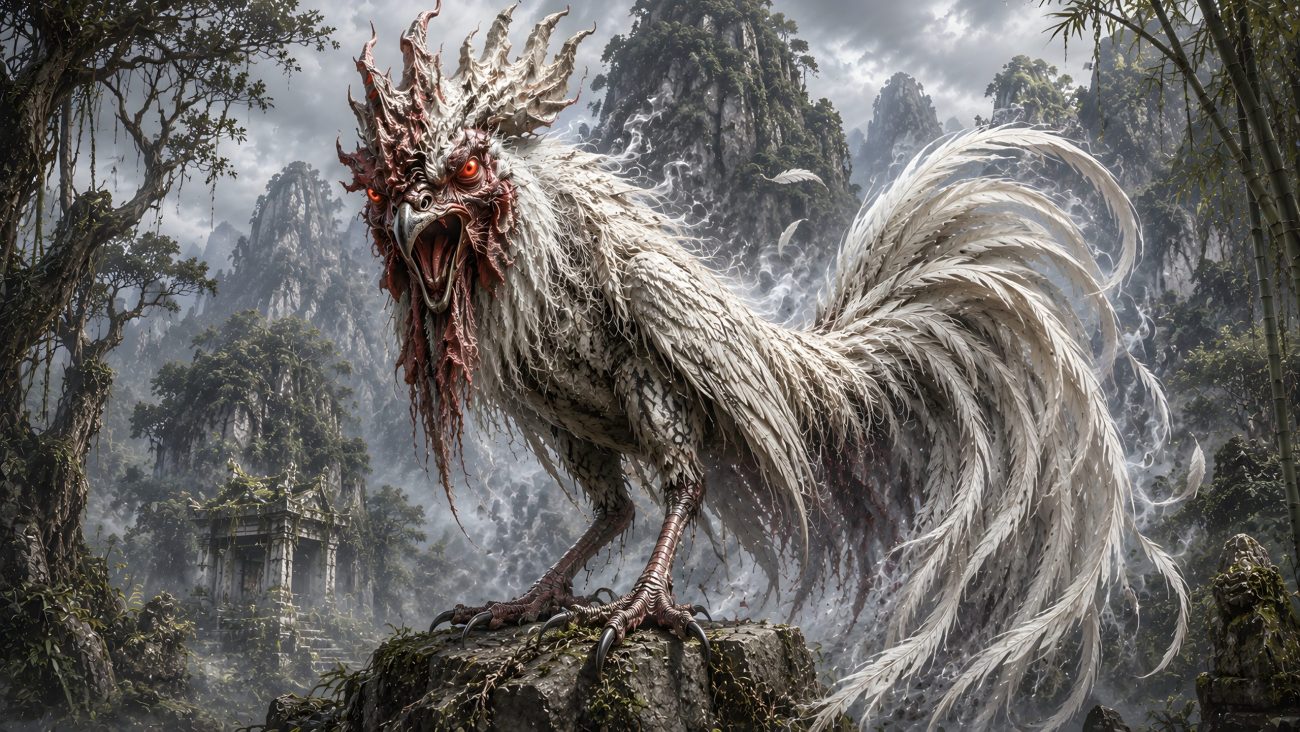
The White Rooster Demon appears in the Vietnamese legend of The Golden Turtle (Rùa Vàng). According to the Golden Turtle, a white rooster that had lived for a thousand years transformed into a powerful demon and dwelt upon Thất Diệu Mountain. The creature was bound to an evil spirit that haunted the region, causing travelers to perish through terrifying supernatural illusions and protecting the forces that prevented King An Dương Vương from completing the construction of Cổ Loa Citadel.

The Golden Turtle revealed that the White Rooster Demon and the innkeeper’s daughter were both manifestations of the same demonic influence. It instructed the king that the rooster had to be sacrificed before the evil spirit could be destroyed. Following this advice, the innkeeper killed the white rooster as an offering. At that very moment, his daughter also fell dead, and the demon’s power collapsed. The king then unearthed and burned the haunted remains hidden beneath Thất Diệu Mountain, ending the curse that had plagued the land.

With the White Rooster Demon destroyed, the evil spirit could no longer interfere with the construction of the citadel. Cổ Loa was completed, allowing An Dương Vương to establish his kingdom under the protection of the Golden Turtle.


Sources

Trần Đình Hoành. (2010, April 30). Lĩnh Nam Chích Quái – Truyện Rùa Vàng. TRẦN ĐÌNH HOÀNH. Retrieved June 29, 2026, from https://trandinhhoanh.wordpress.com/2010/04/30/truy%E1%BB%87n-rua-vang/


Golden Queen’s Eagle

Tradition / Region: Swedish Mythology
Alternative names: Eagle of the Mount of the Golden Queen
Category: Bird


The Myth

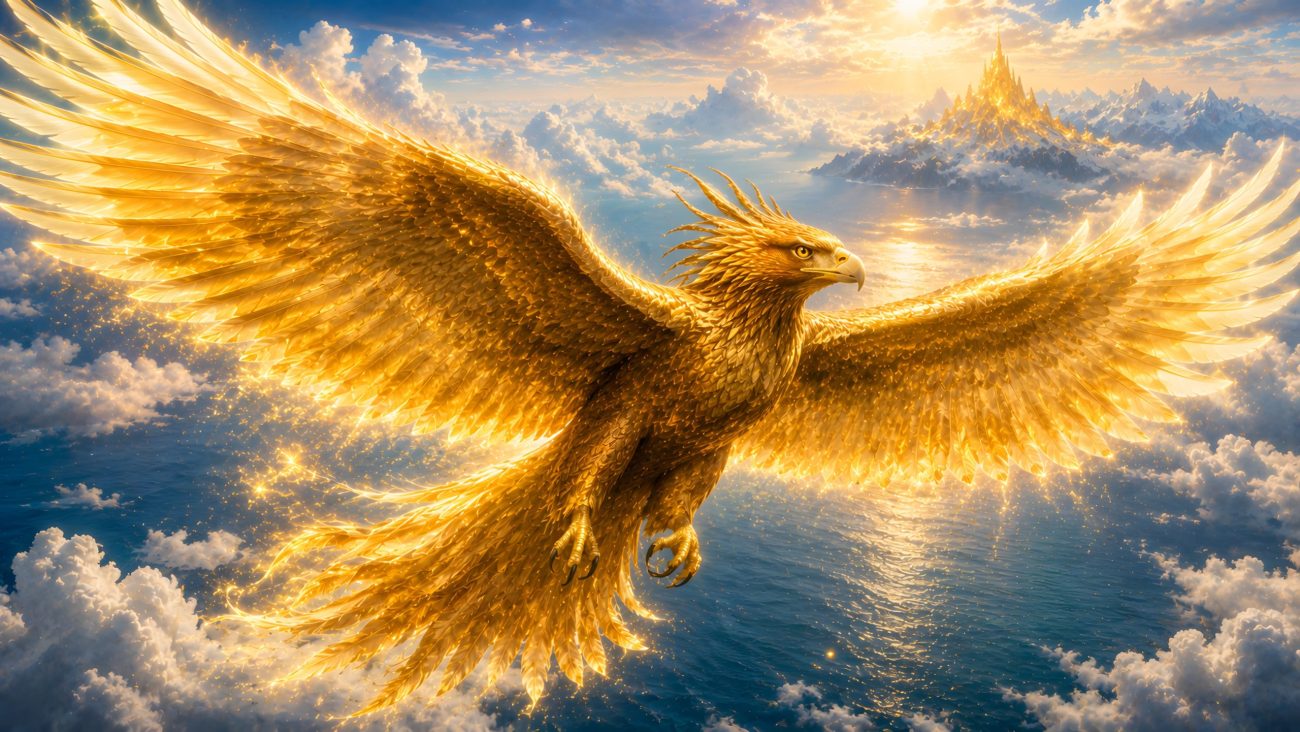
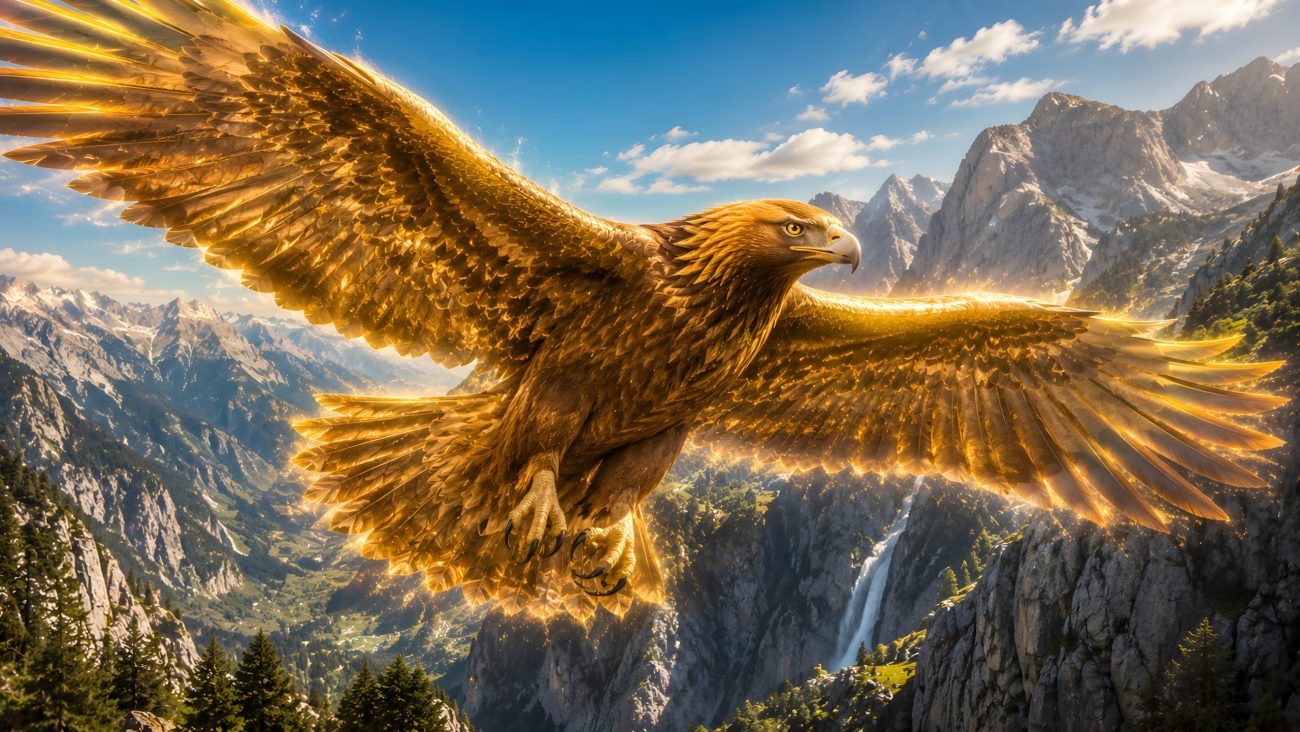
The Golden Queen’s Eagle appears in the Swedish fairy tale The Mount of the Golden Queen. During his quest to reach the mysterious mountain where the Golden Queen lives, a young herdsman seeks guidance from giants who summon every beast, fish, and bird in the world. While none of the animals know the mountain’s location, the eagle alone reveals that it has seen the hidden realm and agrees to carry the youth there at the giant’s request.

The eagle lifts the young man onto its back and flies over forests, mountains, and the endless sea. During the journey it repeatedly dips him into the ocean, first to his ankles and then to his knees, asking each time whether he is afraid. When the youth finally admits his fear, the eagle explains that the terror he now feels is the same fear the Golden Queen experienced when she secretly placed a letter and a golden band into his pocket while he slept, revealing that the eagle knew of the magical events that had set the quest in motion.

The eagle finally carries the youth to the Mount of the Golden Queen, a towering mountain sealed by a great iron door, before bidding him farewell and returning to its homeland. The youth presents the Queen with the golden band and the mysterious letter, breaking the enchantment upon the mountain. The mountain is transformed into a magnificent castle, and the Golden Queen is freed, fulfilling the purpose for which the eagle had guided the destined hero.


Sources

Stroebe, K. (Ed.). (1921). The Swedish fairy book (F. H. Martens, Trans.; G. W. Hood, Illus.). Frederick A. Stokes Company. Retrieved June 29, 2026, from https://www.gutenberg.org/ebooks/37193


White Bird

Tradition / Region: Vietnamese Mythology
Alternative names: White Bird; Watermelon Bird
Category: Bird


The Myth

The White Bird appears in the Vietnamese legend of Mai An Tiêm. After An Tiêm is banished by the Hùng King to a deserted sandy island with his family, he remains confident that Heaven will provide for them despite their isolation and dwindling supplies.

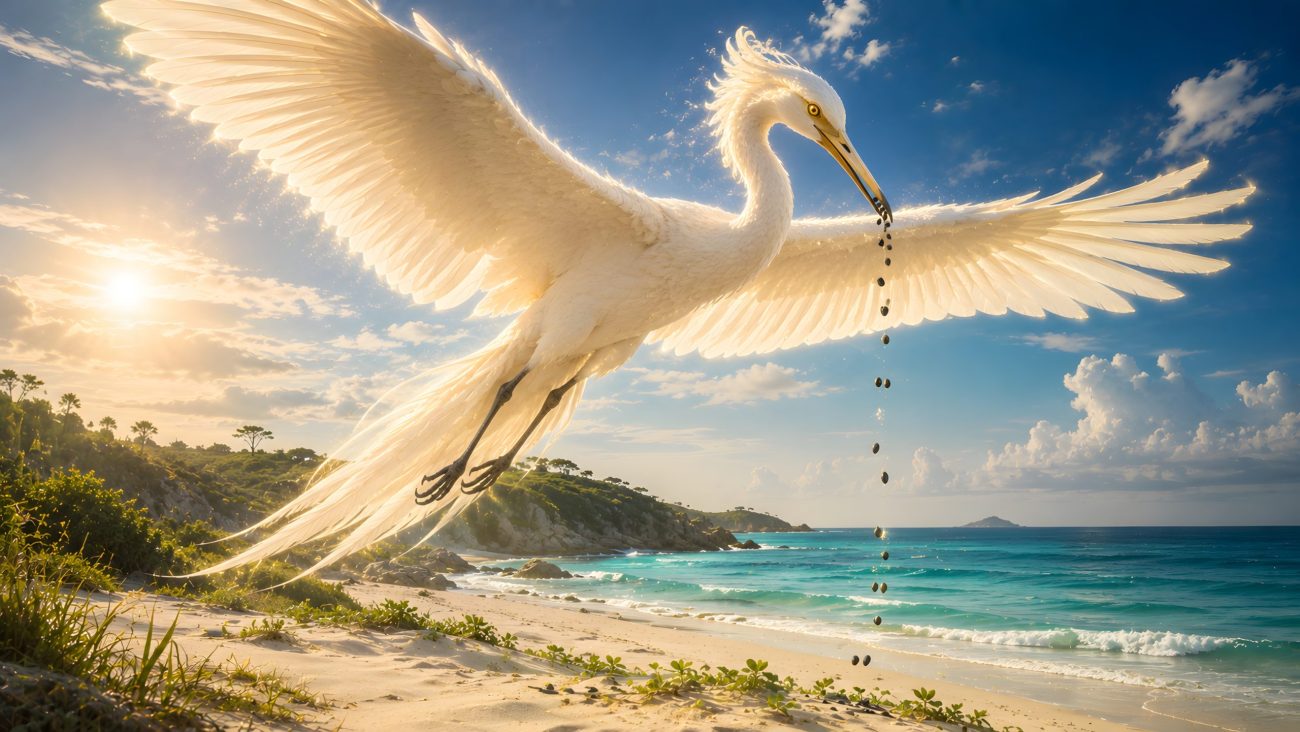
One day, a white bird flies from the west and lands upon the mountaintop. After calling out several times, it drops six or seven strange seeds onto the sand before flying away. The seeds quickly sprout into vigorous vines that produce many large fruits. An Tiêm tastes them and finds them sweet and refreshing, believing they are Heaven’s gift sent to preserve his family.

An Tiêm cultivates the fruit and exchanges the surplus with fishermen and merchants for rice and other necessities. Because the mysterious bird carried the seeds from the west, he names the fruit Tây Qua (“Western Melon”), later known as the watermelon. The fruit spreads throughout the land, and when the king learns that An Tiêm has survived through this miraculous gift, he recalls him from exile and restores his former rank. The White Bird is therefore remembered as the divine messenger whose gift brought the watermelon into Vietnam and saved An Tiêm’s family.


Sources

Trần Đình Hoành. (2010, April 10). Lĩnh Nam Chích Quái – Truyện dưa hấu. TRẦN ĐÌNH HOÀNH. Retrieved June 29, 2026, from https://trandinhhoanh.wordpress.com/2010/04/10/linh-nam-chich-quai-truy%E1%BB%87n-d%C6%B0a-h%E1%BA%A5u/


Mother Eagle

Tradition / Region: Albanian Mythology
Alternative names:
Category: Bird


The Myth

The Mother Eagle is a magical eagle who appears in the Albanian folktale The Barefaced Man and the Pasha’s Brother. While traveling with his companions, the hero discovers a nest of eaglets threatened by a snake climbing the tree to devour them. He kills the serpent, saving the young birds before their mother returns.

When the Mother Eagle arrives, she mistakes the hero for the attacker and swoops down to gouge out his eyes. Before she can strike, her eaglets cry out that he is their savior. Realizing her mistake, the eagle thanks the hero and asks how she may repay him. Although he requests nothing, she plucks one of her feathers and gives it to him, telling him to burn it whenever he is in need, promising that she will come to his aid at once.

Later, the hero faces an impossible task. He must retrieve the Water of Life from a distant cave beneath mountains whose peaks touch the sky. Remembering the eagle’s gift, he burns the feather. The Mother Eagle immediately appears, flies to the distant mountains, obtains the miraculous water, and returns with it, allowing the hero to complete his quest and ultimately triumph over his enemies.


Sources

Jarník, J. U. (1883). Příspěvky ku poznání nářečí albánských (Rada VI, díl 12). In Abhandlungen der Königlich-Böhmischen Gesellschaft der Wissenschaften zu Prag. Tiskem Dra. Edvarda Grégra. Reprinted in Folklor shqiptar (Vol. 1, Proza popullore). (1963). Tirana. English translation by Robert Elsie. Retrieved June 29, 2026, from http://www.albanianliterature.net/folktales/tale_17.html