Tradition / Region: Mordvin Mythology, Russian Mythology, Chuvash Mythology
Alternate Names: Kuigorysh, Tryamka (related figures)
Category: House dweller
The Myth
In Mordvin and Chuvash folklore, kuygorozh are mythical beings that bring wealth, goods, and prosperity to a household. They serve their owner by secretly delivering grain, money, livestock benefits, and other valuables—often by stealing these things from neighboring households. Because of this, families believed to possess a kuygorozh were often regarded with suspicion and hostility by others in the community.
A kuygorozh is not always acquired by chance. According to Moksha tradition, one way to obtain such a being is through a long and deliberate process. A rooster must be kept for seven years, after which it will lay two small eggs. These eggs are then incubated by the owner—an old man or woman—by keeping them under the arm for three, five, six, or seven weeks, depending on the account. From these eggs hatch kuigorysh, small spirits of enrichment and theft.
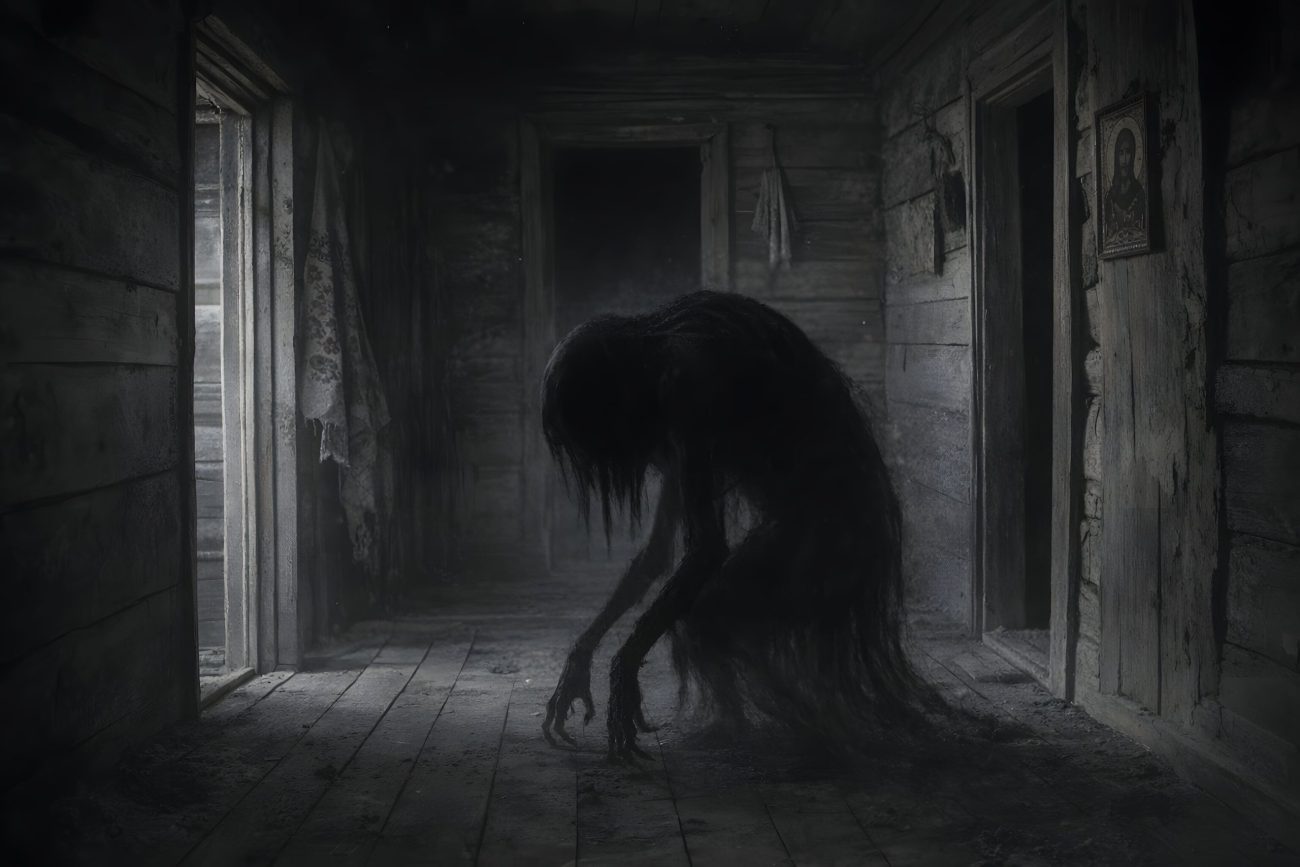
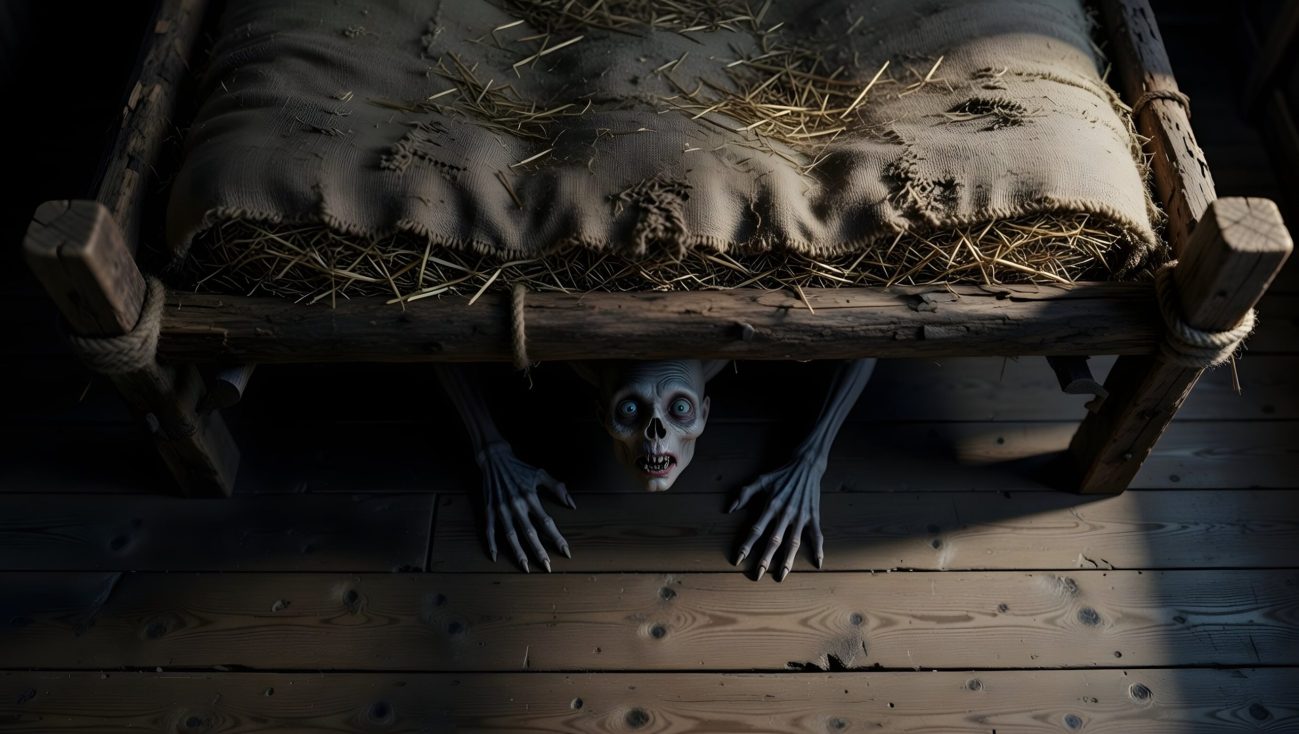
Kuigorysh are described as small, cat-sized beings that move unseen. Though invisible to most people, they are physical and active. They walk about stealing grain from other barns and carrying it back to their master. Their cheeks contain natural pouches that expand when filled, each capable of holding a considerable amount of grain or goods. When empty, they are barely noticeable; when full, their cheeks swell like bladders.
Other traditions describe different origins. A kuigorysh may hatch from the egg of a red rooster, the first egg of spring, an owl’s egg stolen from the forest, or the egg of a black hen—producing a black, invisible spirit. In some villages, kuigorozhi are not hatched from eggs at all but are invited. In such cases, the owner must go to a cemetery on the first dark night of spring and call out to the spirits. Small humanoid beings then rise from the ground, surrounding the petitioner and pleading in thin voices to be taken. The chosen ones follow the person home, while the others cry as they fade away.
These cemetery-invited kuigorozhi are often understood as ancestral spirits who continue to help their descendants. They must be fed and treated with care, just as ancestors once were. Kuigorozhi are tireless workers: they demand constant tasks and cannot remain idle. In a single night, they are said to be capable of building houses, barns, plowing and sowing fields, harvesting crops, caring for livestock, and preparing enormous quantities of food.
Although generally helpful, kuigorozhi are demanding. If neglected, treated harshly, or left without work, they may become destructive—spoiling food, mixing grain with manure, scattering sand into meals, or stealing excessively and bringing ruin upon their owner. Driving them away is difficult. One method involves assigning them an impossible task, such as weaving a rope from sand or scooping water from a swamp. If this succeeds, the kuigorozh departs, taking all wealth it brought with it.
It was widely believed that households keeping kuigorozhi could be identified by signs of disorder or by ritual tests. One such belief held that kuigorozhi always consumed festive porridge beneath the crust, leaving the surface intact. Priests were sometimes said to press the crust during visits; if the hand sank in, the household was suspected of keeping such spirits.
Kuigorozhi were believed to have individual personalities—some mischievous, some obedient, some bold, others timid—and even individual physical traits. Legends tell of people attempting to acquire new kuigorozhi only to find that the same ones returned, recognizable by defects such as a missing eye or a limp.
Over time, many Mordvins came to regard kuigorozhi as fairy-tale beings rather than literal spirits. Still, until the twentieth century, widespread belief held that unexplained wealth was often the work of such helpers. Similar figures appear in neighboring traditions under different names, but the kuygorozh remains one of the most detailed and persistent images of a spirit that brings prosperity—at a cost.
Sources
Bestiary.us contributors. (n.d.). Eterari. In Bestiary.us, from https://www.bestiary.us/eterari/