Ucumar

Tradition / Region: Bolivian Mythology, Argentine Mythology
Alternative names: Ucumarí, Jucumari, Ucumare
Category: Bear


The Myth

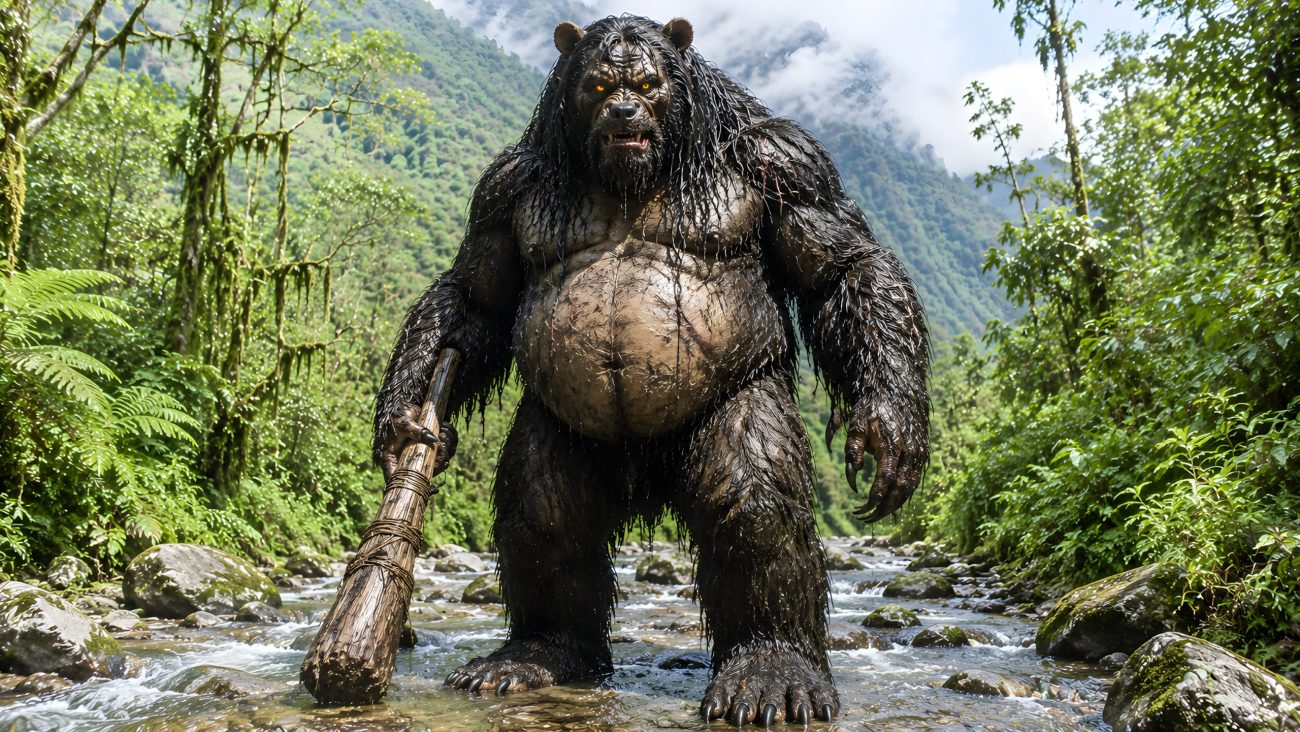
The Ucumar is a fearsome creature of Argentine and Andean folklore, particularly associated with northwestern Argentina and neighboring Bolivia. Its name means “bear” in Aymara, and it is commonly described as a bear-man whose appearance varies from a squat, shaggy bear with human features to a wild, hairy man with a long beard and a narrow forehead.

The creature is said to dwell in caves deep within ravines, although it frequently wanders along rivers and springs, where it bathes. Its large footprints, resembling those of a bear, are often said to reveal its presence. Traditions also describe it as immensely strong and agile enough to climb the tallest trees.

The Ucumar is most feared for kidnapping people. According to many legends, the male abducts women and fathers children with them, while other traditions tell of a female Ucumar that captures young men. It is also said to steal children, making it a common figure used to frighten youngsters into obedience.

Those who encounter the Ucumar describe it as appearing suddenly and inspiring overwhelming terror. If someone shouts at the creature, it is said to answer from a distance with voices that sound eerily human. When attacked by dogs, it defends itself by striking them with a heavy club.

Among the Colla people, the Ucumar is instead portrayed as a gigantic ape-like being that walks upright through the forests. In this tradition, the male pursues women while the female hunts men, carrying their victims into remote wilderness where they are beaten to death. Some later writers have suggested that stories of the Ucumar may have been inspired by encounters with the spectacled bear of the Andean forests, though the legendary creature itself is regarded as a supernatural being rather than an ordinary animal.


Sources

Pueblos Originarios. (n.d.). Ucumar. Retrieved June 29, 2026, from https://pueblosoriginarios.com/sur/andina/colla/ucumar.html

Aguara

Tradition / Region: Guarani Mythology, Bolivian Mythology
Alternate Names: Aguara-tunpa
Category: Fox


The Myth

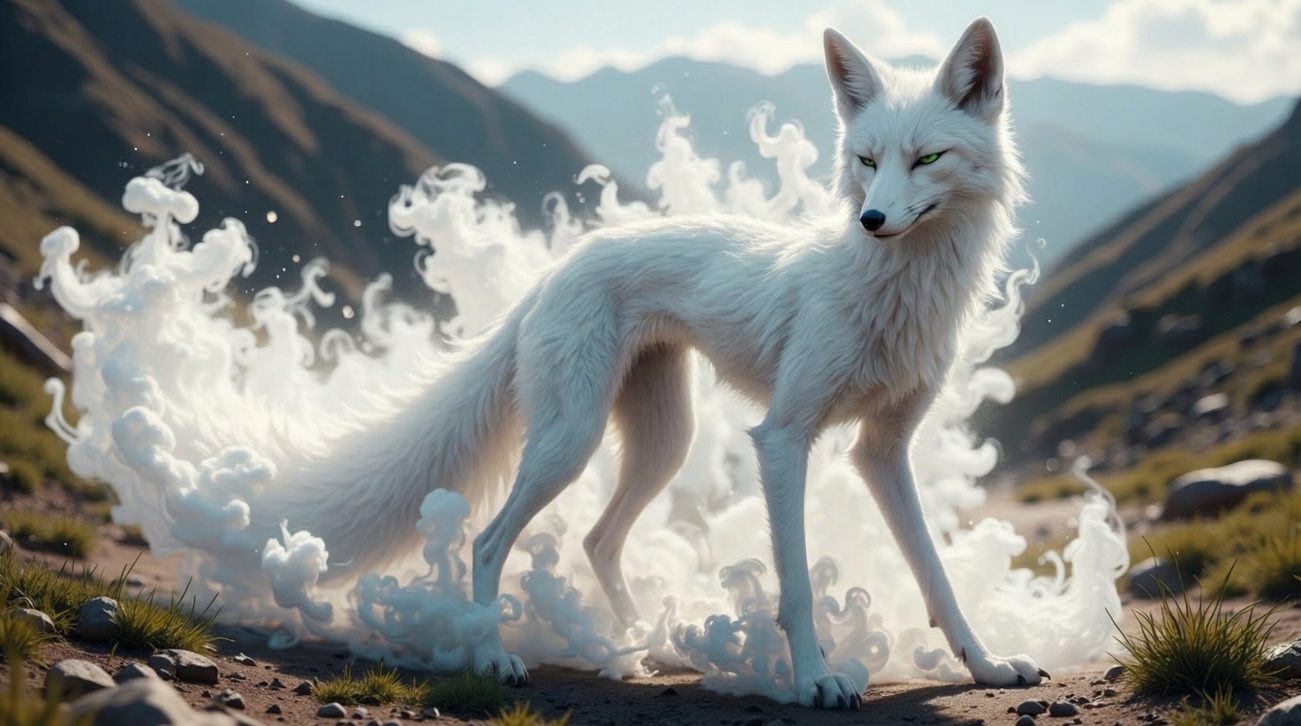
Among the Ava Guaraní and Chané peoples there is a fox spirit known as Aguara, often called Aguara-tunpa, the Sacred Fox.

Aguara moves freely between the worlds of animals, spirits, and humans. Clever and restless, he is known for his tricks, sometimes helpful and sometimes harmful. He deceives people, steals what he wants, and often appears in human form, fathering children with women before slipping away again.

Yet his cunning is not always selfish. In some stories, Aguara brings useful things into the world. He is said to have stolen algarroba seeds from the viscacha and given them to humanity so they could grow and eat them. In another tale he captured Vulture and demanded rubber as ransom, and from this act rubber came into human hands.

Aguara’s rival is Tatu-tunpa, the sacred armadillo. The two clash repeatedly in story after story, their contests filled with tricks, ambushes, and revenge. In the end, Aguara is said to overcome his rival, killing him and proving once again that cunning can defeat strength.

People also say Aguara left his mark in the sky. The constellation of Scorpius is linked to him, and the bend of the scorpion’s tail is remembered as the curve of his farming enclosure, set among the stars.

Thus Aguara is remembered as a fox of many faces — trickster, bringer of gifts, rival of spirits, and wanderer between earth and sky.


Sources

Wikipedia contributors. (n.d.). Aguara. In Wikipedia. Retrieved March 1, 2026, from https://en.wikipedia.org/wiki/Aguara.


Acalica

Tradition / Region: Bolivian Mythology
Alternate Names:
Category: Gnome, Cave dweller


The Myth

High in the Bolivian mountains, where clouds cling to stone and storms rise without warning, people speak of the Acalica. They are said to dwell deep within caves hidden in cliffs and ravines, places where thunder echoes long after the sky has cleared. These beings are rarely seen, and most who believe in them know them only through the sudden turning of the weather.

The Acalica are small, wizened men when they choose to appear, bent like ancient roots, their faces lined as though carved by wind and rain. But they do not often show themselves. Instead, their presence is felt when calm skies darken, when hail falls unexpectedly, or when drought ends with sudden rain. Shepherds and travelers say that storms do not come by chance in the mountains — they are sent.

It is believed that the Acalica govern rain, wind, and frost from their rocky shelters. When angered, they unleash violent weather that can ruin crops or make mountain paths deadly. When appeased, they bring gentle rains that nourish the fields. Because of this, people once spoke softly near caves and avoided disturbing stones or entrances in the highlands, fearing they might offend the hidden masters of the sky.

Though few claim to have seen them directly, the Acalica remain part of the living landscape — not creatures of open legend, but of whispered caution — reminders that in the Andes, the weather itself may be listening.


Sources

Wikipedia contributors. (n.d.). Acalica. In Wikipedia, The Free Encyclopedia, from https://en.wikipedia.org/wiki/Acalica