Dragon Children

Tradition / Region: Armenian Mythology
Alternate Names: Brood of the Vishap, Dragon offspring
Category: Dragon, Hybrid


The Myth

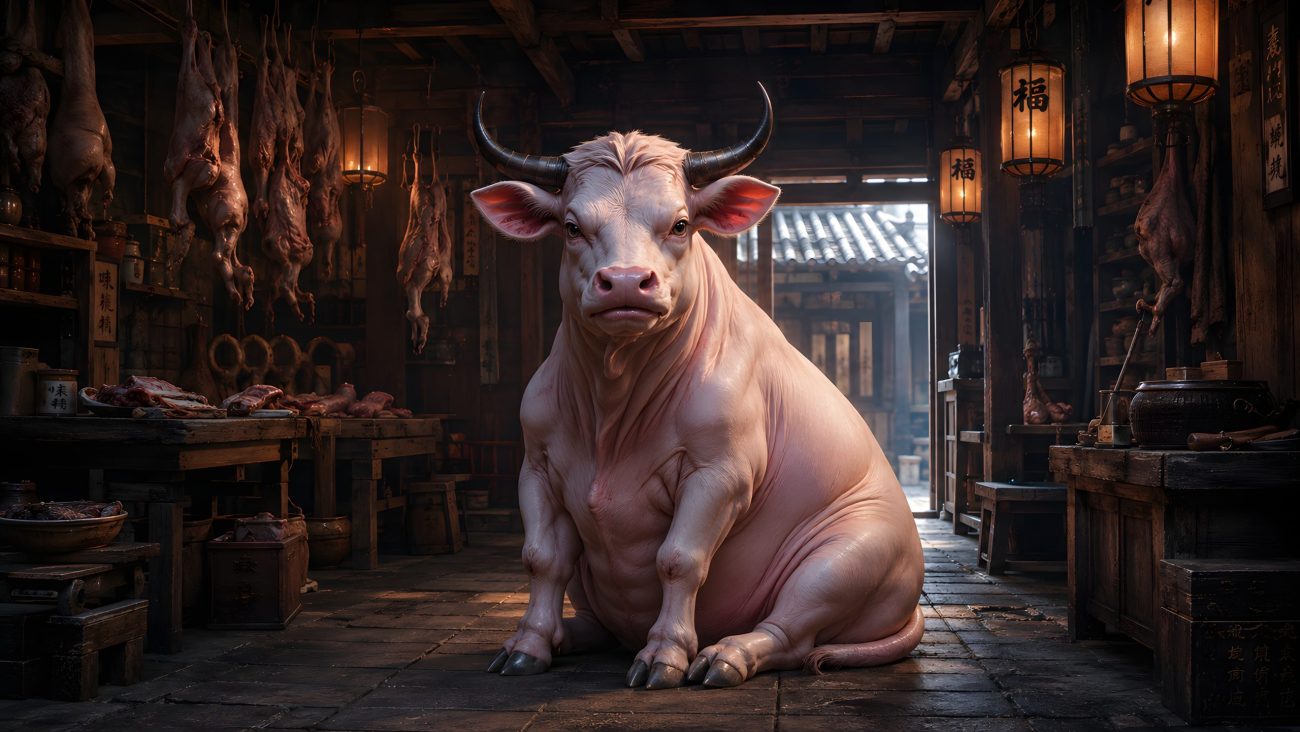
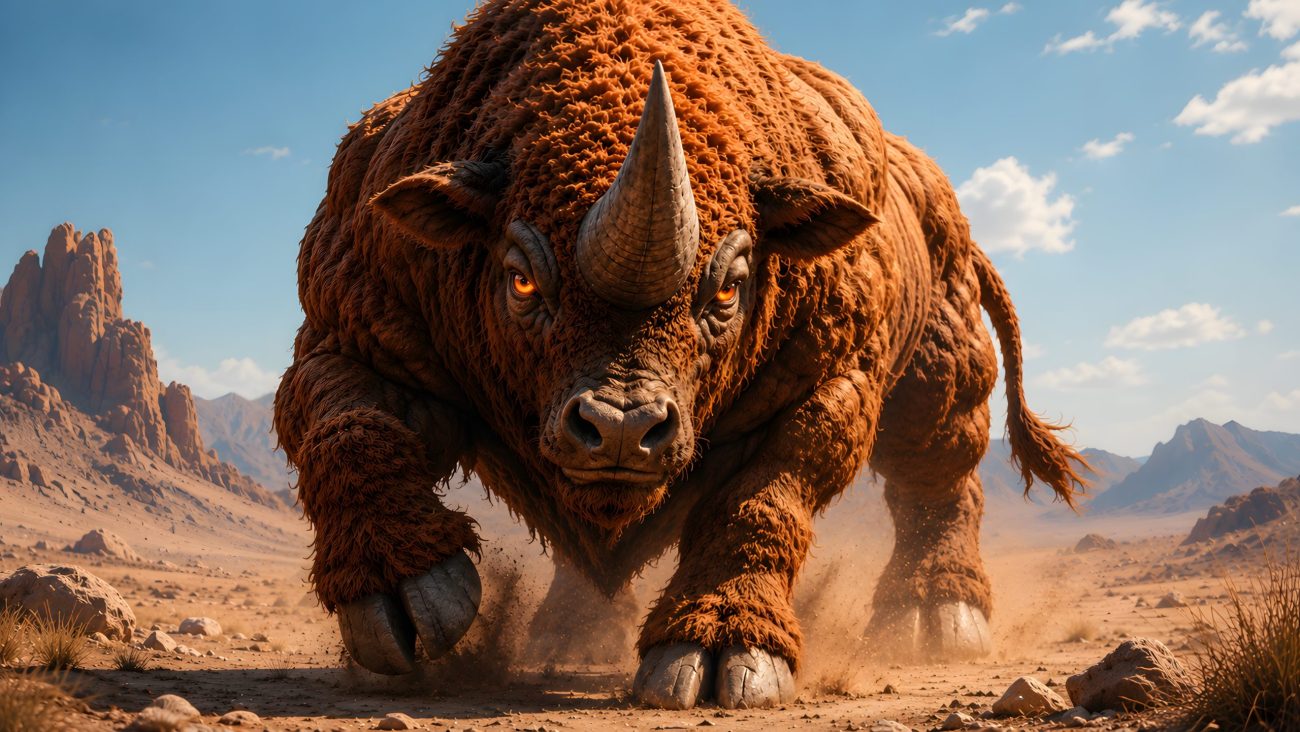
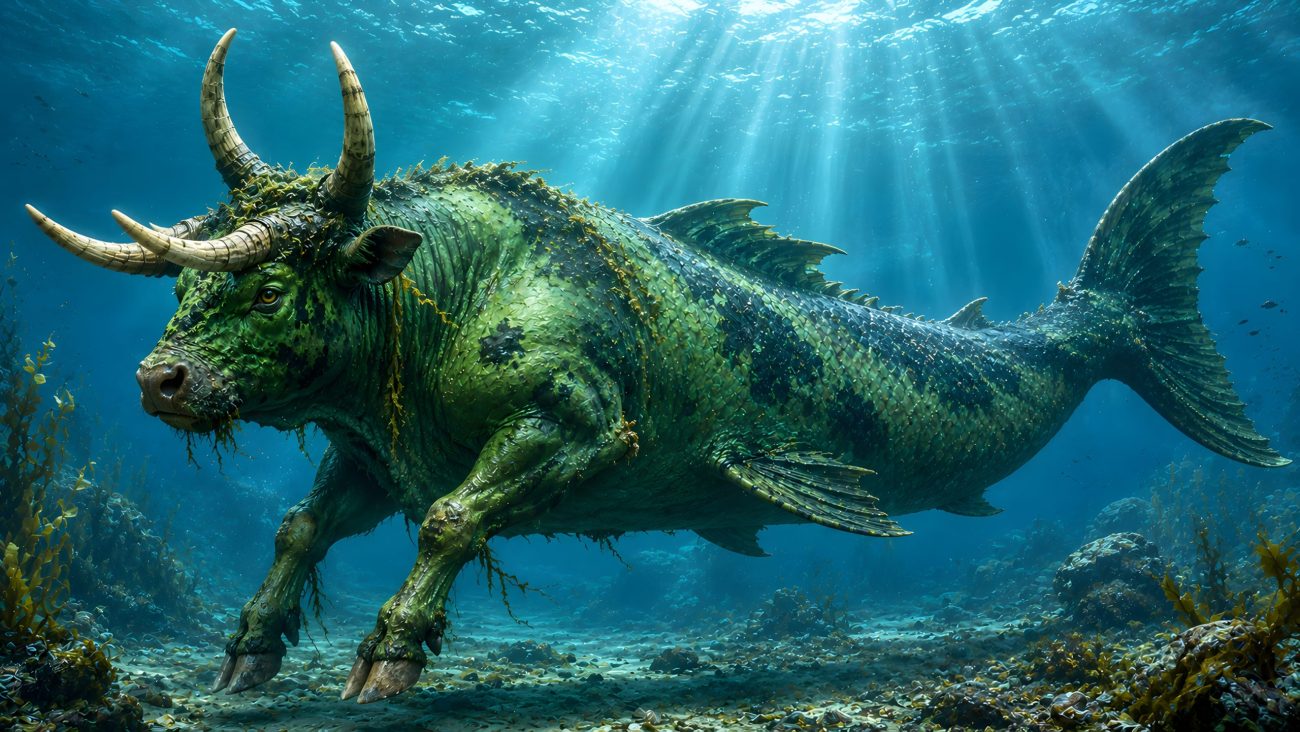
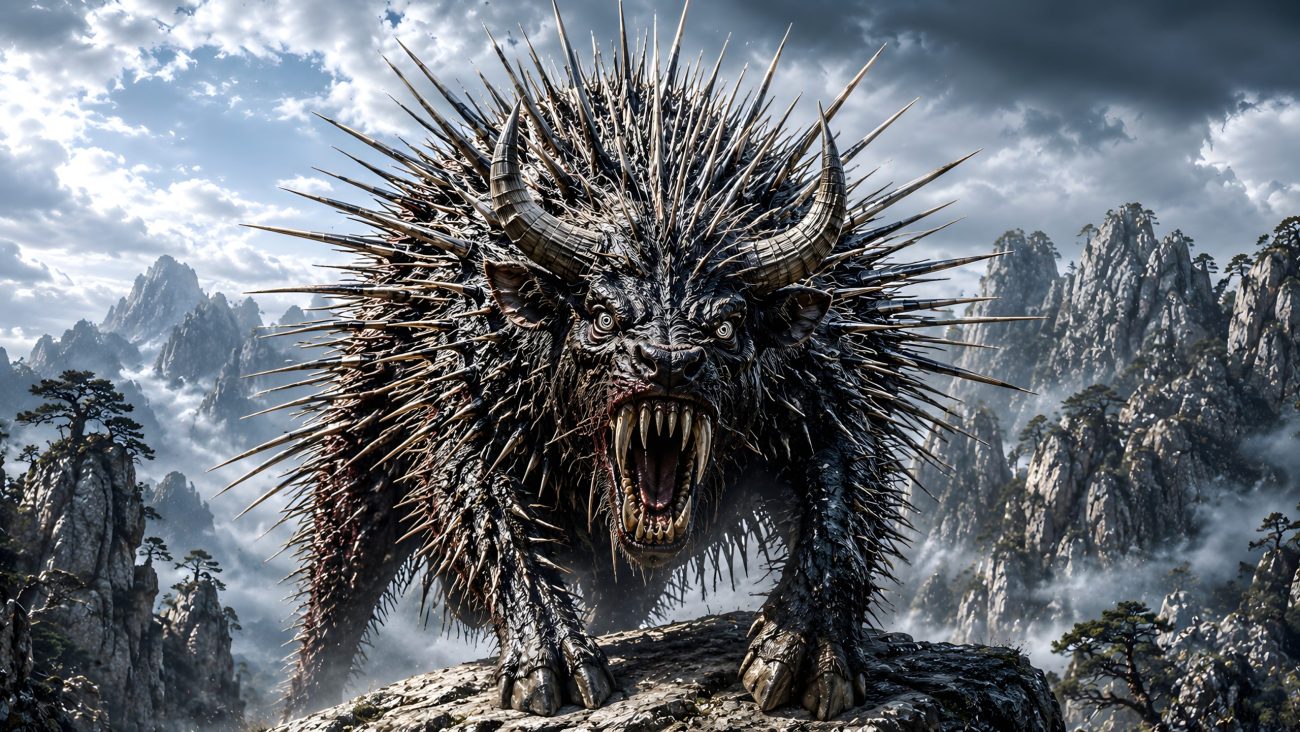
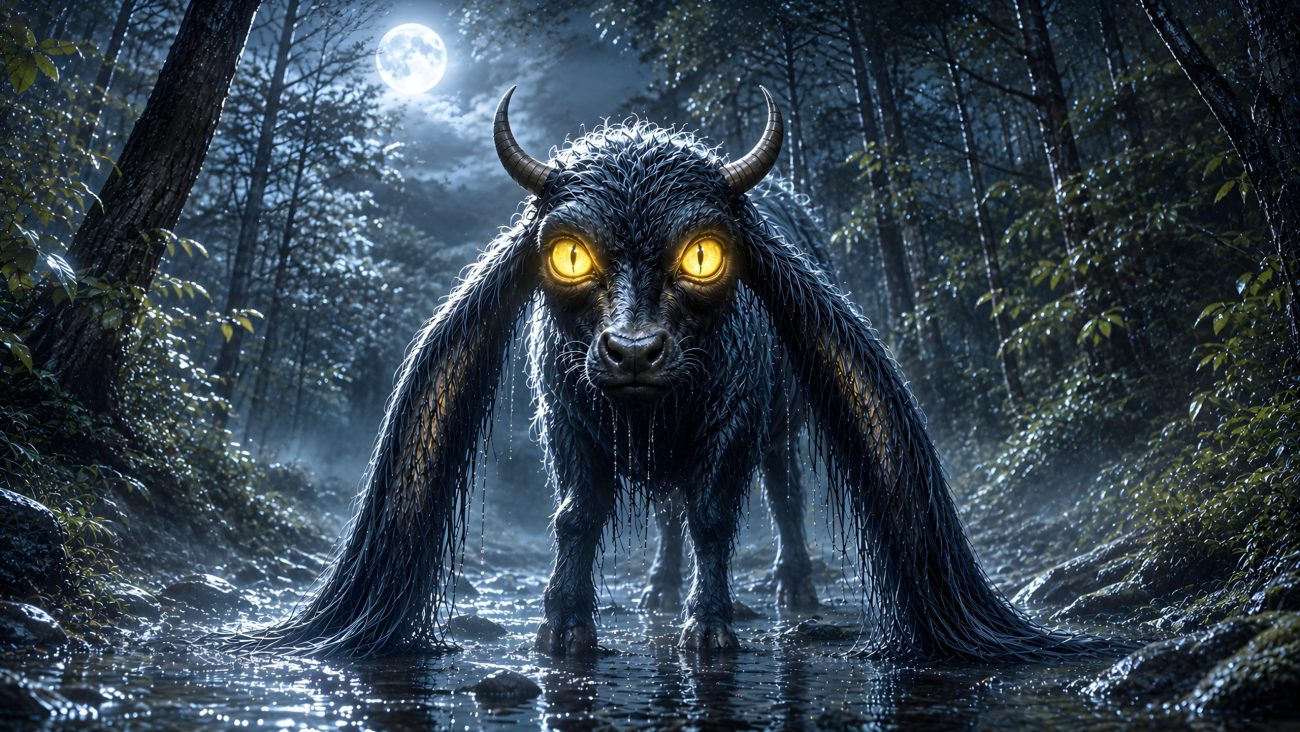
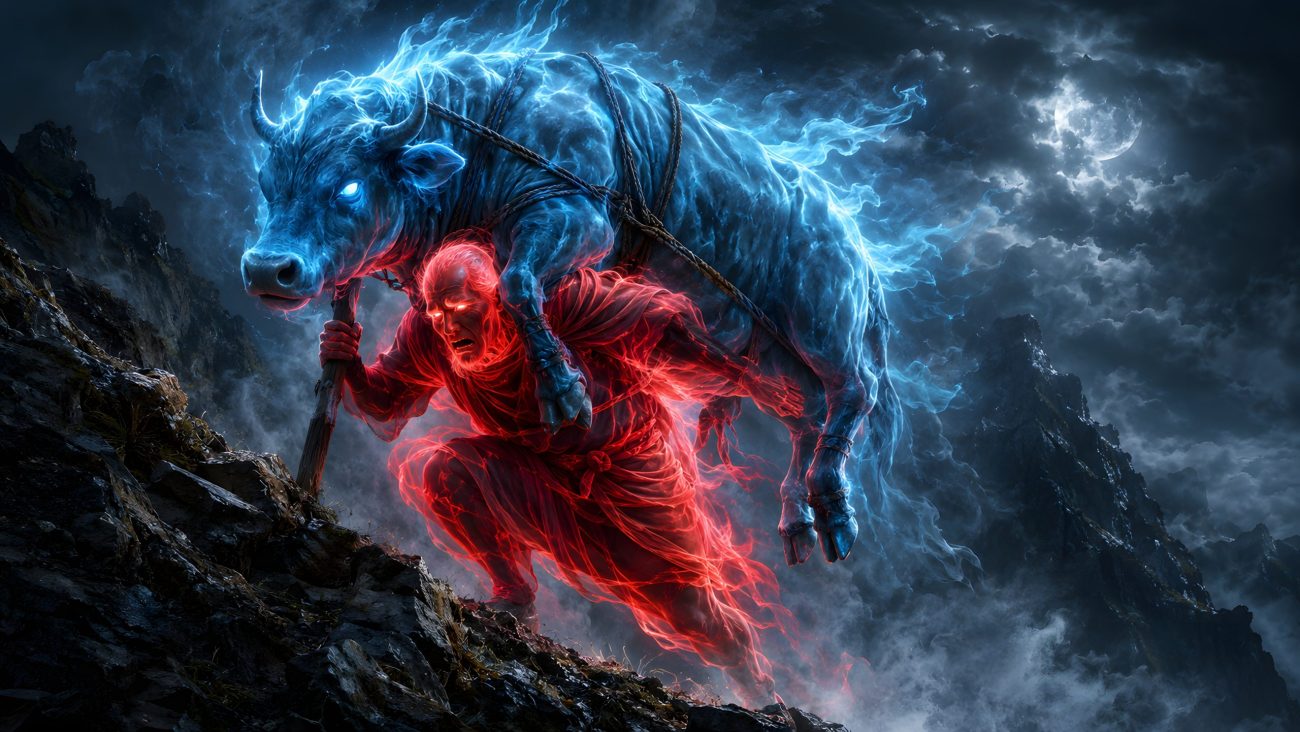
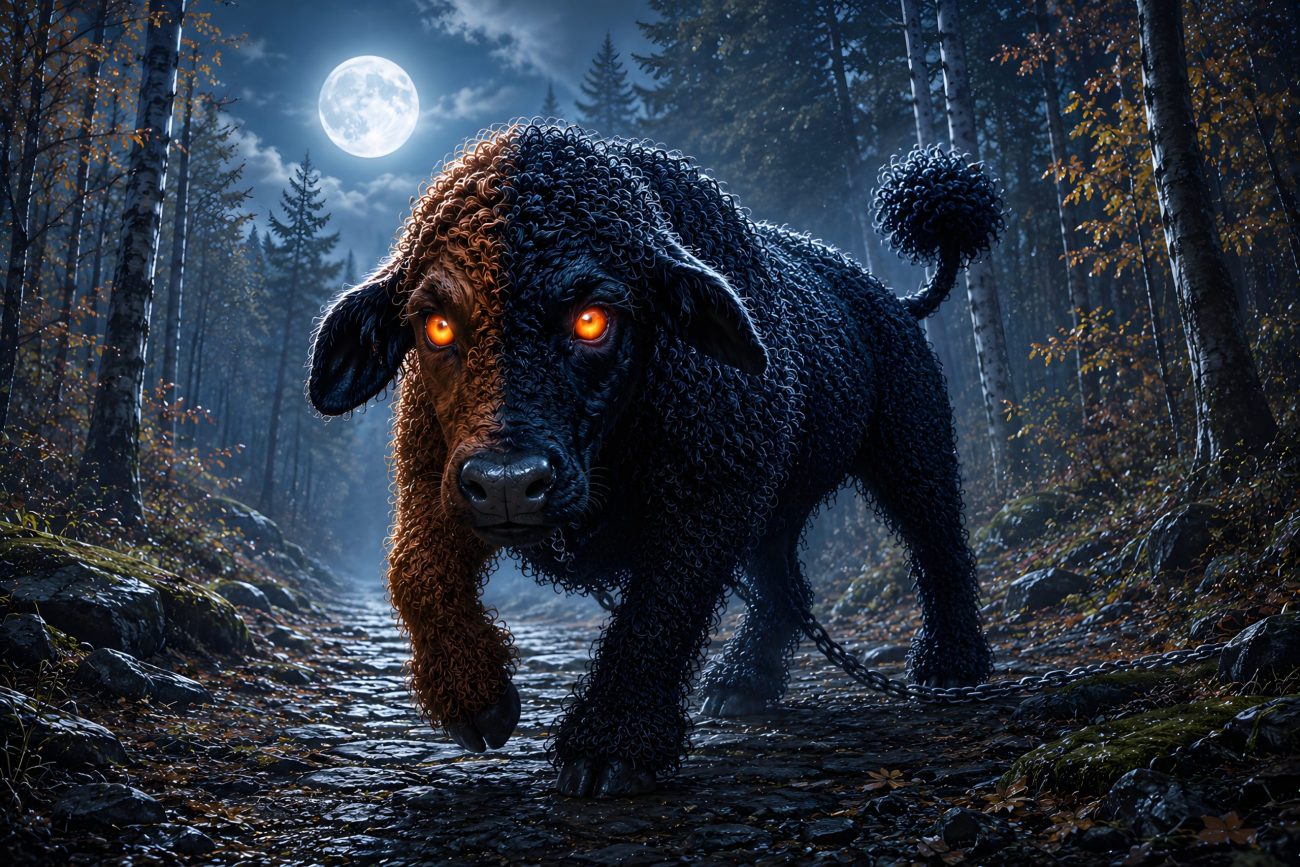
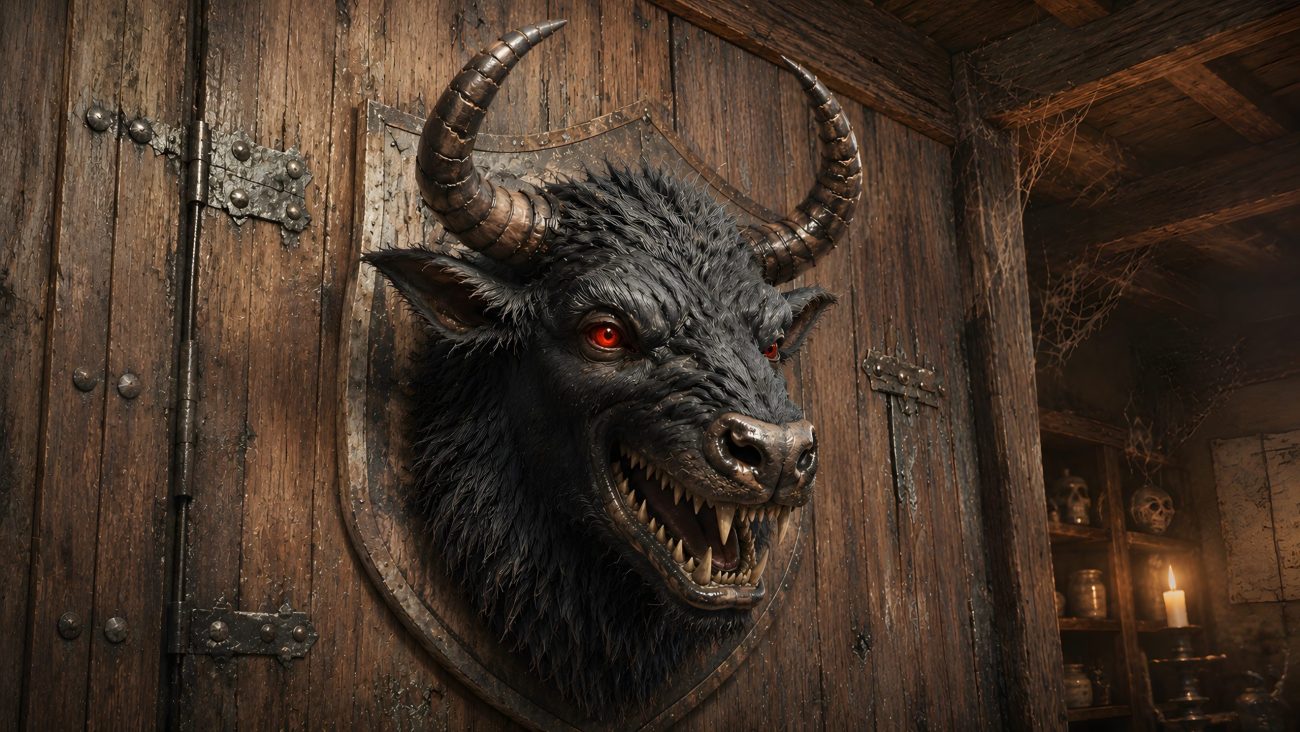
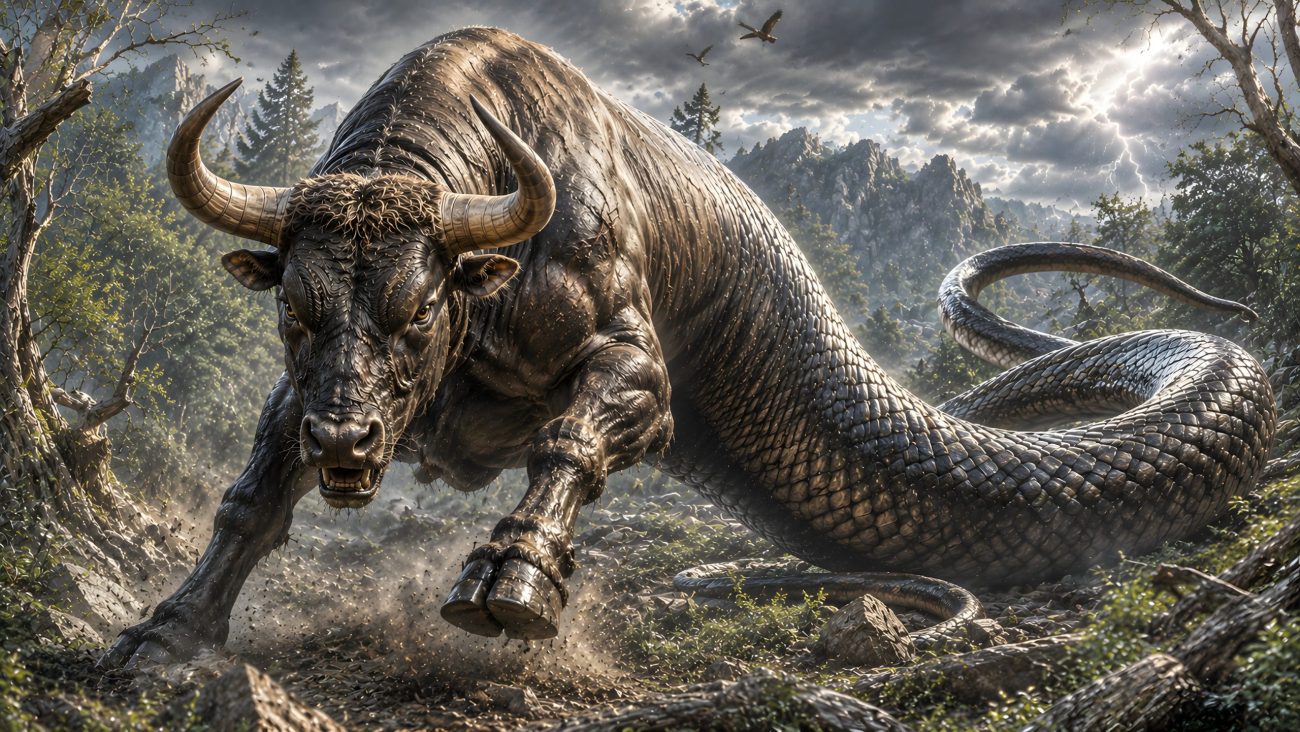
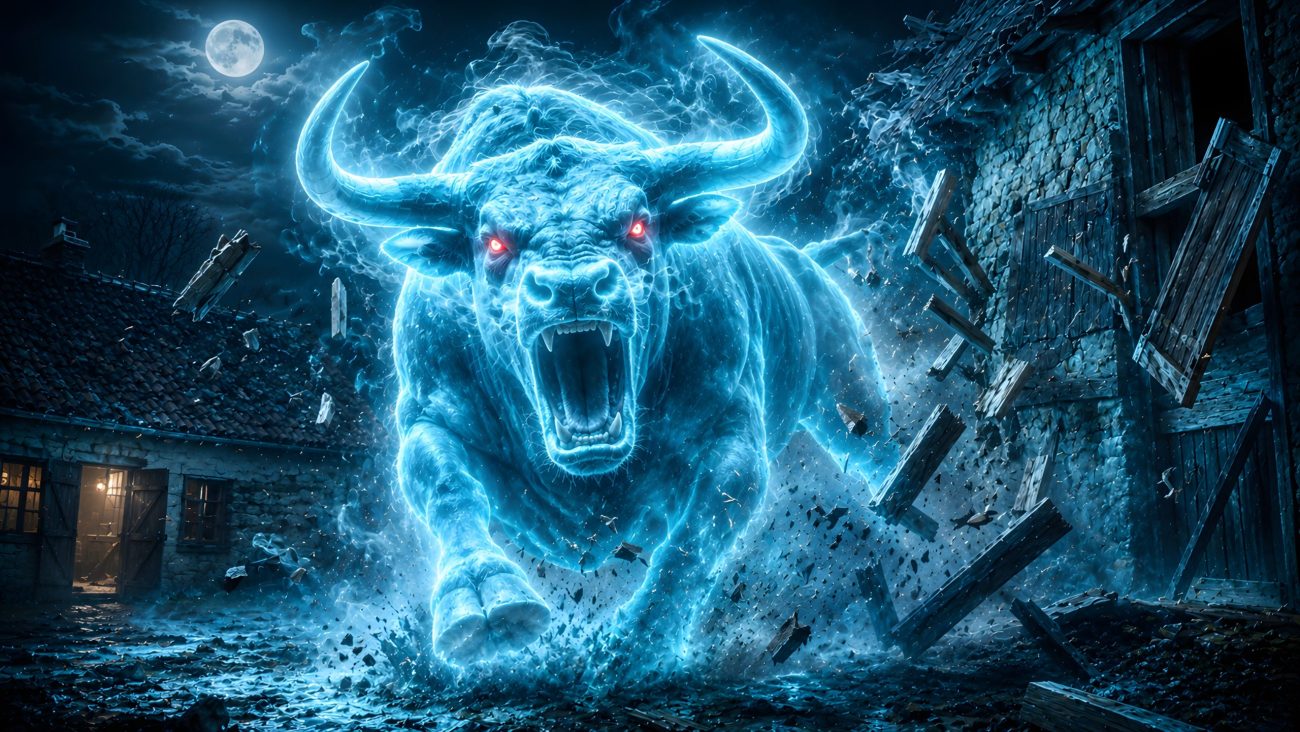
The Dragon Children are the offspring or brood of the Vishap, the great dragons of Armenian mythology. They are described as uncanny beings that exist between human and dragon, combining physical presence with ghostly and demonic traits.

These beings were believed to dwell around Mount Massis, the sacred mountain strongly associated with dragons. They lived near their parent creatures in hidden ravines, mountain palaces, and remote regions, forming a kind of extended dragon lineage or tribe.

In some traditions, they were not purely monstrous but could appear human or semi-human, suggesting that they were born from unions between dragons and human women. This gave rise to the idea of dragon-born individuals—people with unnatural origins, often marked by strange behavior, magical abilities, or a sinister nature.

The Dragon Children were closely linked to witchcraft and supernatural knowledge. They were said to possess skill in magic and deception, and their presence among humans often brought unease. Some were thought to infiltrate human society, living among people while hiding their true nature.

A particularly feared trait was their connection to changelings. Like their dragon parents, they were believed to steal human children and replace them with one of their own kind—offspring that appeared human but behaved wickedly and unnaturally.

Historical and legendary figures were sometimes associated with this lineage. Individuals of strange origin or destructive character were believed to have dragon ancestry, reinforcing the idea that the Dragon Children could influence human bloodlines.

Despite their danger, they were not purely chaotic monsters. Their behavior reflected a primitive, almost human way of life—they hunted, set traps, and lived in organized groups, much like early human societies. This blurred the boundary between monster and being.

Overall, the Dragon Children represent a disturbing and complex concept: a race born from dragons, existing between worlds, capable of blending into humanity while carrying the power, cunning, and danger of their ancient lineage.


Sources

Ananikian, M. H. (1925). Armenian Mythology. In The Mythology of All Races, Vol. 7. Published by the Archaeological Institute of America p. 77–79.


Vishap

Tradition / Region: Armenian Mythology
Alternate Names: Dragon, Vishap (from Persian, “poisonous”)
Category: Dragon


The Myth

The Vishap is a dragon-like being of Armenian mythology, often envisioned as a gigantic serpent or monstrous creature associated with mountains, especially Mount Massis. It is both a physical and supernatural entity, combining traits of beasts, spirits, and demons.

These dragons were believed to dwell in remote and dangerous places such as high mountain ravines, volcanic regions, and deep waters. Their connection to Mount Massis was especially strong, where eruptions, smoke, and fire reinforced their image as destructive and fearsome beings.

Vishaps were intelligent and magical creatures capable of shape-shifting, often appearing as humans or serpents. Despite their monstrous nature, they were not purely evil. While dangerous and sometimes hostile, they also possessed qualities that made them part of a broader mythological balance rather than absolute embodiments of evil.

They were known to abduct humans, especially children, sometimes replacing them with strange offspring of their own kind. In certain legends, they formed relationships with humans, suggesting the existence of dragon-born lineages or hybrid beings with supernatural abilities.

Vishaps also had strong ties to fertility and natural forces. They were said to steal milk from livestock and carry away crops, linking them to both abundance and loss. Their presence could disrupt human life, yet also indicated a deep connection to the cycles of nature.

In heroic mythology, they served as adversaries to divine or semi-divine figures. The god Vahagn, associated with fire and lightning, was known as a slayer of dragons, battling Vishaps in a role similar to storm gods defeating forces of chaos and drought.

They were believed to possess powerful talismans, such as serpent stones, and to have poisonous breath or essence. Their voices were terrifying, and their sheer size made them overwhelming to encounter.

Overall, the Vishap represents a complex dragon figure—part natural force, part demon, part ancient being—feared by humans but deeply embedded in the mythological landscape of Armenia.


Sources

Ananikian, M. H. (1925). Armenian Mythology. In The Mythology of All Races, Vol. 7. Published by the Archaeological Institute of America p. 77–79.


Shahapet

Tradition / Region: Armenian Mythology
Alternate Names: Shvaz, Shvod
Category: Snake, Spirit


The Myth

The Shahapet is a serpent-ghost, a guardian spirit tied to specific places such as fields, forests, mountains, homes, and especially graveyards. It can appear either as a snake or in human form, but its serpent aspect is the most common and deeply rooted.

In its role as a household spirit, the Shahapet was believed to be an ancestral presence, watching over the home and ensuring prosperity. When respected, it brought protection, fertility, and sometimes even wealth. However, if angered or driven away improperly, it could bring misfortune, poverty, and disorder upon the household.

The same spirit also existed beyond the home. As Shvaz, it guarded agricultural lands and was connected to seasonal cycles, appearing particularly in spring when farming resumed. As Shvod, it remained within the house, acting as a domestic guardian feared especially by children.

A unique ritual marked its transition between these roles. At the end of winter, villagers performed a ceremony to drive the household spirit out into the fields so it could aid agricultural work. They struck the walls of their homes, shouting for the spirit to leave, while placing water at the threshold to help guide its departure. Though forced away, the spirit was believed to labor in the fields and later return.

The Shahapet was not inherently malevolent. It was protective and beneficial by nature, but highly sensitive to human behavior. Hospitality, respect, and proper ritual ensured its favor. Neglect or disrespect, however, could transform it into a source of harm.

In some traditions, larger territorial serpent-spirits guarded entire regions, distinguishing between locals and outsiders—protecting their own while attacking strangers.

Overall, the Shahapet represents a complex fusion of ancestral ghost, land spirit, and protective serpent, deeply tied to both the home and the cycle of life, death, and fertility.


Sources

Ananikian, M. H. (1925). Armenian Mythology. In The Mythology of All Races, Vol. 7. Published by the Archaeological Institute of America p. 74-75.


White Lady of Aubinyà

Tradition / Region: Andorran Mythology
Alternate Names: —
Category: Witch


The Myth

The White Lady of Aubinyà is a mysterious and beautiful woman dressed entirely in white, associated with justice and supernatural punishment. She lived near the Aubinyà River and was known to warn those who abused power.

At the time, a bishop of Urgell ruled harshly over the Andorran people, taking heavy tributes and interfering in their freedoms. The White Lady warned him more than once to stop, but He ignored her and continued to oppress the people even more harshly.

One night, as the bishop and his entourage were returning after collecting tribute, they saw the Lady standing by the river, glowing in the moonlight. When the bishop approached her, she silently beckoned him closer and led him into the forest, where both disappeared and were never seen again.

After this, a violent wolf began terrorizing the area, attacking flocks and spreading fear. Eventually, the síndic of Andorra led a hunt and killed the beast.

Soon after, the síndic was plagued by terrifying dreams of fighting the wolf and fell into a fatal illness. As he lay dying, the White Lady appeared and revealed the truth: the wolf had been the bishop, transformed into a beast, and his death demanded a life in return.

The síndic died, and the Lady made clear that this was the price set by dark forces. From that moment on, no one dared to oppress the Andorran people again.


Sources

Valls, À., & Carol, R. (2023). Llegendes d’Andorra. In Encamp-Montellà: Anem Editors. p. 53.


Witch of Fener

Tradition / Region: Andorran Mythology
Alternate Names: —
Category: Witch


The Myth

The Witch of Fener is a mysterious woman associated with a real historical disaster, whose survival under impossible circumstances led people to believe she possessed supernatural powers.

In 1865, during a violent storm, a landslide began forming above the hamlet of Fener. A servant noticed the ground cracking and warned the villagers, who quickly fled and watched from a distance as the mountain collapsed, completely destroying the village.

Among the fleeing villagers was a woman who suddenly turned back, determined to retrieve a bag of money she had left behind in her house. The others assumed she had perished in the landslide, buried beneath the rubble.

However, when the survivors reached Les Escaldes, they were shocked to find that she was already there, unharmed, and still holding the bag of money.

No one could explain how she escaped a disaster that destroyed everything in its path. From that moment on, she was regarded with suspicion and awe, and became known as the Witch of Fener, a figure believed to possess unnatural abilities or protection beyond human understanding.


Sources

Valls, À., & Carol, R. (2023). Llegendes d’Andorra. In Encamp-Montellà: Anem Editors p. 60.


La Padrina

Tradition / Region: Andorran Mythology
Alternate Names: Godmother Witch
Category: Witch


The Myth

La Padrina is a powerful older woman with hidden magical abilities, appearing at first as an ordinary village godmother but capable of invoking supernatural punishment when faced with grave injustice.

During the time of the Carlist Wars, three deserter soldiers arrived in Andorra and were given shelter in a house where she lived with her granddaughter. Although they were initially grateful, the men soon revealed themselves to be violent and undisciplined, drinking heavily, causing disorder, and committing thefts.

One night, drunk and out of control, they demanded a supposed hidden treasure in the house and began destroying the home in search of it. They forced the young girl to join them, and the situation escalated into brutality, ending in her assault and murder.

Faced with this atrocity, the godmother revealed her true nature. In her grief and fury, she used her powers to exact immediate justice, transforming the three soldiers into stone.

These petrified figures are said to remain in the landscape as the “Xemeneies de les Fades,” serving as a permanent mark of punishment.

La Padrina represents a form of righteous supernatural justice, a figure who does not act until a moral boundary is crossed, but once it is, responds with absolute and irreversible power.


Sources

Valls, À., & Carol, R. (2023). Llegendes d’Andorra. In Encamp-Montellà: Anem Editors. p. 58.


Witches of Engolasters

Tradition / Region: Andorran Mythology
Alternate Names: —
Category: Witch, Sheep


The Myth

The Witches of Engolasters are a collective of witches from across the Pyrenees who gather at Lake Engolasters on the night of the summer solstice to renew their pact with the devil. The lake itself is considered a deeply esoteric place, associated with mystery and supernatural forces, where even falling stars are believed to sink into its depths.

On the night of Saint John, witches travel from distant mountains and valleys to assemble at the lake. Before the sabbath begins, they gather special herbs used to create a magical drink that grants them the power to cast spells. During this preparation, the devil marks them, altering their nature and distinguishing them from ordinary women.

At midnight, under the moonlight, the sabbath begins. The witches form circles around the devil, who appears in the form of a goat and plays music that drives the ritual forward. The dance becomes increasingly wild and chaotic, accompanied by shouting, whistling, and the drinking of enchanted potions. During this time, the witches declare the curses they will cast over their lands in the coming year.

Young men sometimes attempt to spy on the gathering, climbing toward the lake with protective branches. However, they are often discovered before reaching it. The witches use enchantment against them, transforming them into black cats and drawing them into the ritual itself.

By morning, the lake returns to silence. Those who were transformed awaken far from the scene, exhausted and with no memory of what occurred. The sabbath leaves no visible trace, but its effects are believed to linger throughout the year.


Sources

Valls, À., & Carol, R. (2023). Llegendes d’Andorra. In Encamp-Montellà: Anem Editors. p. 46.


Gastó

Tradition / Region: Andorran Mythology
Alternate Names: Gastó of Fontaneda
Category: Sorcerer


The Myth

Gastó is remembered as a powerful village sorcerer and healer, known for diagnosing and curing mysterious illnesses that ordinary medicine could not explain. His knowledge combined herbal remedies, ritual practices, and insight into hidden supernatural causes.

In the story of Cal Cametes, a young pregnant woman begins to waste away without any visible illness. Despite medical help, her condition worsens daily. Desperate, her husband travels across the land to seek Gastó’s aid.

The sorcerer first prescribes herbs to be taken as a drink, then additional remedies paired with prayers, and finally protective measures involving sacred symbols placed at the threshold of the home. When none of these work, Gastó realizes the illness is not natural.

He identifies the cause as the evil eye, cast by the woman’s own mother-in-law out of jealousy. To prove it, he instructs the husband to place an egg beneath his mother’s bed overnight. By morning, the egg has turned black and rotten, confirming the presence of malevolent influence.

Following Gastó’s guidance, the husband purifies the house with holy water and prayers, breaking the curse. The young woman recovers quickly and gives birth to a healthy child.

Gastó’s role in the tale is not that of a dark magician, but of a discerning practitioner who exposes hidden harm and restores balance, standing between human life and unseen destructive forces.


Sources

Valls, À., & Carol, R. (2023). Llegendes d’Andorra. In Encamp-Montellà: Anem Editors p. 56.


Fairy of Fontargent

Tradition / Region: Andorran Mythology
Alternate Names: Water Woman of Fontargent
Category: Fairy, Nymph


The Myth

The Fairy of Fontargent is one of the “water women,” ethereal beings tied to lakes and mountain waters, known for their beauty and benevolent nature. Unlike witches, they were admired and even venerated across the Pyrenees.

These beings were believed to depend on water, living near streams, springs, and high mountain lakes. Their presence symbolized purity, calm, and a hidden supernatural harmony within nature.

One of the most renowned among them dwelled in Lake Fontargent. On certain summer nights, when the moon aligned between the surrounding peaks, she would rise from the water wearing a long, flowing silk tunic. She moved silently across the lake’s surface, as if untouched by gravity, in complete stillness.

Her appearance was brief and sacred. At dawn, as the first light turned the lake blue and revealed the stark mountain landscape around it, the fairy would vanish back into the depths.

Over time, traditions say these fairies disappeared from the region, driven away by the spread of Christian belief, particularly associated with the Virgin of Meritxell.


Sources

Valls, À., & Carol, R. (2023). Llegendes d’Andorra. In Encamp-Montellà: Anem Editors p. 55.


Comitiva Fantasmal

Tradition / Region: Andorran Mythology
Alternate Names: Black Procession
Category: Ghost


The Myth

The Comitiva Fantasmal is a ghostly procession of dark, human-like figures that appears as a supernatural punishment for irreverence and mockery of sacred rites. It manifests as a silent, solemn group dressed in black, moving with ritual precision and carrying holy objects.

The legend tells of a group of young men who, feeling offended after being denied their own religious procession on Corpus Christi, decided to create a parody. They constructed a fake monstrance and imitated a sacred procession, singing and praying in a mocking but ceremonious way as they walked toward the hill of La Quera.

After completing their imitation, they stopped to rest and began laughing at what they had done. At that moment, they heard movement along the same path they had just taken. When they looked, they saw a second procession approaching.

This time it was real, but not human.

A silent line of figures dressed entirely in black advanced up the hill. They carried a true monstrance, surrounded by flowers, and at its center shone a radiant host with an intense, unnatural light. The entire scene had a heavy, otherworldly presence.

Overcome with terror, the young men fled in panic, believing they were witnessing a divine or supernatural punishment. They did not stop running until they reached the village.

After this event, the place became feared, and for many years no one dared to travel that path. The ghostly procession came to be understood as a manifestation of sacred forces correcting human disrespect, appearing not as chaos, but as a perfect and solemn imitation of the sacred — far more real than the living.


Sources

Valls, À., & Carol, R. (2023). Llegendes d’Andorra. In Encamp-Montellà: Anem Editors p. 74.