Līkcepure

Tradition / Region: Latvian Mythology
Alternate Names: Nagcepure
Category: Sorcerer


The Myth

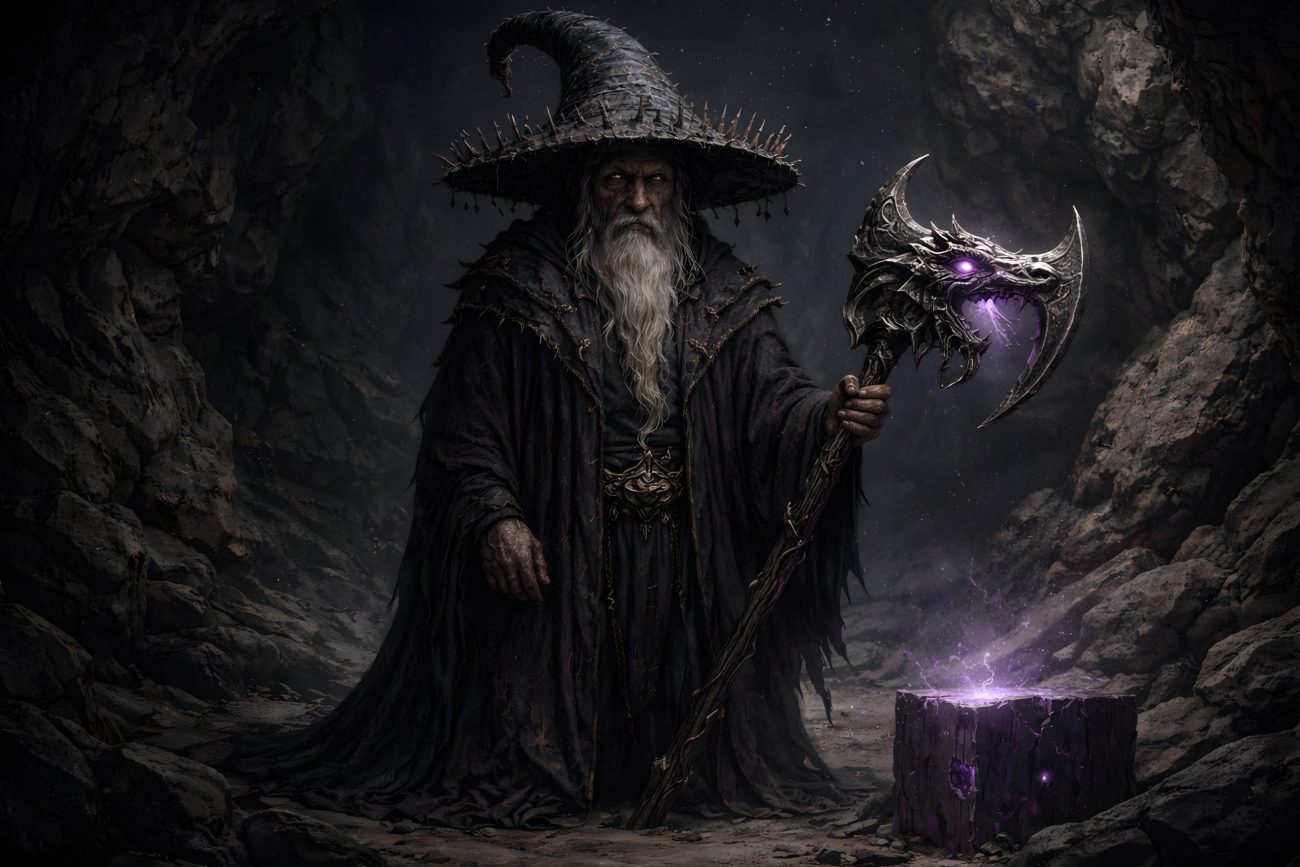
Līkcepure is described as the chief of witches, a powerful supernatural figure distinguished by a crooked hat with a brim made from human cut nails, and referred to as lame.

In the story, during the witches’ gathering inside the devil’s pit, Līkcepure appears after the others have performed their rituals. He emerges hissing and is identified as the leader among the witches. He asks whether everything is prepared, and upon confirmation, strikes a block with an axe. The room fills with fire, and the block transforms into a golden chariot, while the axe becomes a dragon harnessed to it.

He rides with the old witch and takes part in the gathering where the dragon breathes sparks and smoke. When a man named Kangars is brought before him, Līkcepure declares that his time has come and orders that he be thrown into the dragon’s throat. After Kangars begs for more time, Līkcepure offers to spare him if he agrees to certain conditions. Kangars accepts, and Līkcepure grants him additional years.

After this, Līkcepure announces that the matter is finished, departs with the witch, and disappears as fire fills the chamber again.


Sources

AILAB contributors. (n.d.). Pumpurs – Lāčplēsis (2. daļa). In AILAB, from https://web.archive.org/web/20060131100630/http://www.ailab.lv/Teksti/Senie/Pumpurs/2.dala.html

Pumpurs, A. (1888). Lāčplēsis (Bearslayer), II Song: The Bear-World’s First Heroic Deed. In Latvian national epic poetry.


Gastó

Tradition / Region: Andorran Mythology
Alternate Names: Gastó of Fontaneda
Category: Sorcerer


The Myth

Gastó is remembered as a powerful village sorcerer and healer, known for diagnosing and curing mysterious illnesses that ordinary medicine could not explain. His knowledge combined herbal remedies, ritual practices, and insight into hidden supernatural causes.

In the story of Cal Cametes, a young pregnant woman begins to waste away without any visible illness. Despite medical help, her condition worsens daily. Desperate, her husband travels across the land to seek Gastó’s aid.

The sorcerer first prescribes herbs to be taken as a drink, then additional remedies paired with prayers, and finally protective measures involving sacred symbols placed at the threshold of the home. When none of these work, Gastó realizes the illness is not natural.

He identifies the cause as the evil eye, cast by the woman’s own mother-in-law out of jealousy. To prove it, he instructs the husband to place an egg beneath his mother’s bed overnight. By morning, the egg has turned black and rotten, confirming the presence of malevolent influence.

Following Gastó’s guidance, the husband purifies the house with holy water and prayers, breaking the curse. The young woman recovers quickly and gives birth to a healthy child.

Gastó’s role in the tale is not that of a dark magician, but of a discerning practitioner who exposes hidden harm and restores balance, standing between human life and unseen destructive forces.


Sources

Valls, À., & Carol, R. (2023). Llegendes d’Andorra. In Encamp-Montellà: Anem Editors p. 56.


Qulyabani

Tradition / Region: Azerbaijani mythology
Alternate Names:
Category: Sorcerer


The Myth

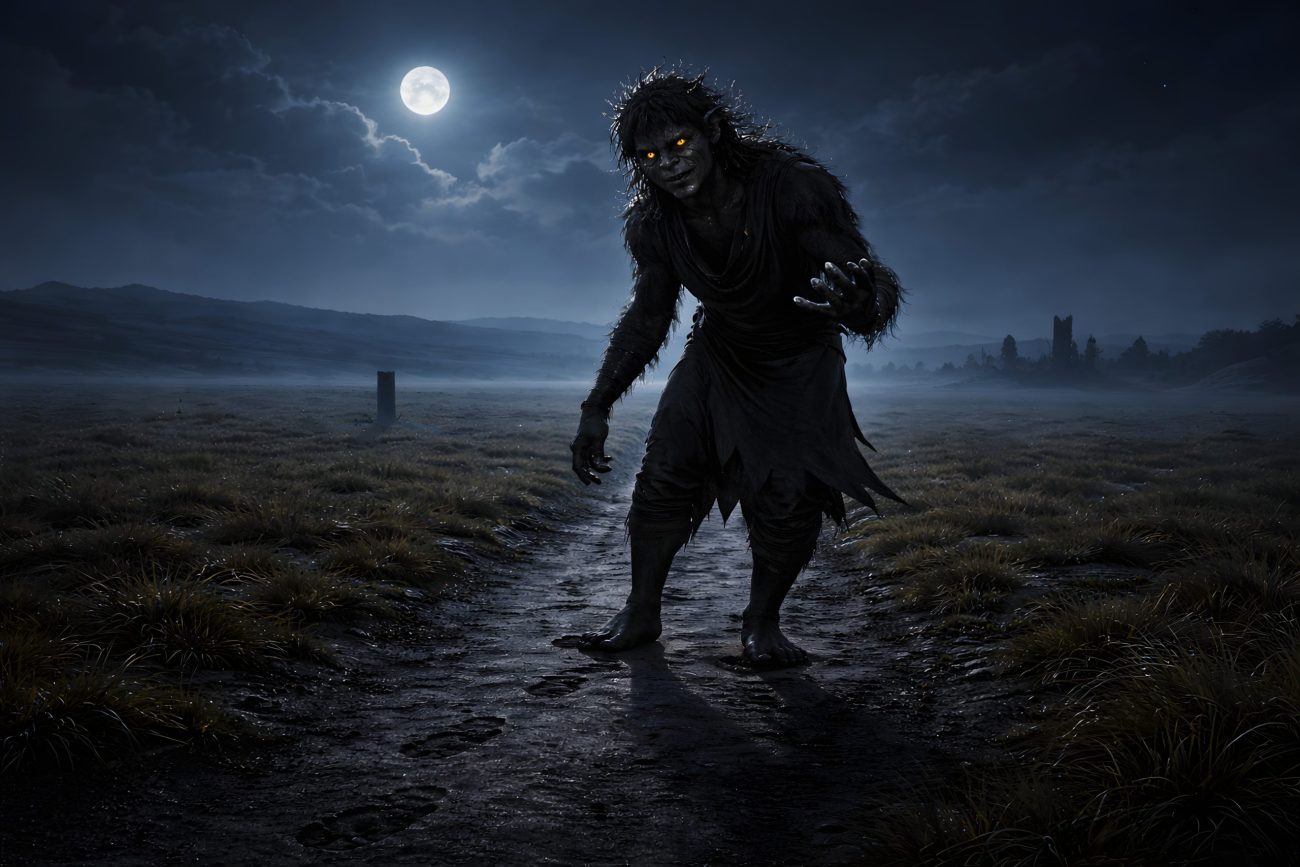
Qulyabani wanders the steppes and cemeteries, waiting for travelers who walk too late into the night. He looks like a man covered in dark hair, but his feet are turned backward, marking him as something unnatural. He speaks with a human voice and often challenges those he meets, delighting in fear and confusion.

Though dangerous, Qulyabani can be bound. If someone is clever enough to stick a needle into the collar of his clothing, he becomes their servant. Yet his obedience is twisted. Every command is fulfilled in reverse or in the most harmful way possible.

Thus, Qulyabani is both threat and temptation—a being whose power can be used, but never trusted, and whose tricks often punish those who believe they can control him.


Source

JAMnews contributors. (2017, August 20). The magical creatures of Azerbaijani mythology. In JAMnews, from https://jam-news.net/azerbaijani-demons/


Külmking

Tradition / Region: Estonian mythology
Category: Sorcerer


The Myth

Külmking is a spirit of the unholy dead, a being that did not find peace after death and now wanders on the margins of the human and forest worlds. It is said to prey upon children, particularly those who disturb or disrespect the spirits of the forest.

In this belief, Külmking acts as a grim enforcer of unseen boundaries. Children who mock, provoke, or ignore the presence of forest spirits risk drawing its attention, and once noticed, the punishment is fatal. The spirit is not described in detail, emphasizing its role rather than its form: it is the consequence of taboo-breaking rather than a creature meant to be clearly seen.

Külmking reflects a warning embedded in Estonian folklore—that the forest is not a place of careless behavior, and that disrespect toward its hidden powers can awaken forces born of death, impurity, and moral transgression.


Tuuslar

Tradition / Region: Estonian Mythology, Finnish Mythology
Alternate Names:
Category: Sorcerer


The Myth

A Finnish Tuuslar once fled across the sea to the island of Lavassaare, pursued by enemies who sought to destroy him. As he fled, he used his magic to defend himself. He transformed fish in the surrounding waters into terrifying sea monsters, hoping to frighten his pursuers away. Even so, they continued after him and reached the small island.

When the enemies landed, the Tuuslar took a handful of feathers from his beak and blew them into the air. At once, warriors fell from the sky like hail, filling the island and driving the attackers into panic. Terrified, they fled, leaving the Tuuslar alone on Lavassaare.

The Tuuslar remained on the island for many years. From there, he played tricks on the people living along the Viru coast, using his witchcraft to deceive and trouble them. At last, he departed, flying away on the back of a great northern eagle, and was never seen again.

After his departure, the island of Lavassaare stood empty for a long time. People feared to land there, believing the Tuuslar’s magic still lingered. Eventually, peaceful Finns arrived and settled the island. These settlers were said to have lost their witchcraft spells, and their descendants are believed to live on the island to this day.

According to the legend, children are sometimes seen playing and throwing feathers into the air, saying, “Let’s try—can we get shepherds?” remembering the Tuuslar’s magic.

Another tale tells that a Finnish Tuuslar once threw a stone at the sleeping Kalevipoeg, but missed. The stone was said to remain near the Suigu farm in Viru-Jaagupi, marking the place where the spell failed.