Abyzou

Tradition / Region: Mesopotamian, Greek, Byzantine
Alternate Names: Abizou, Obizuth, Obyzouth, Byzou, Gylou, Gello, Alabasandria, Anabardalea, and countless others
Category: Demon, Snake, Hybrid


The Myth

From the deepest darkness before the world was formed, Abyzou came forth. She rose from the primeval waters, from the abyss that existed before heaven and earth were divided. In that endless sea she was born barren, and from her barrenness grew envy without limit.

Abyzou wandered the world without rest or sleep. She moved silently through night and shadow, drawn to the cries of women in labor and the breath of newborn children. She was said to feel no mercy, for what she desired most had been denied her forever. Because she could not give life, she sought to take it.

When a woman lay ready to give birth, Abyzou would draw near. If she was not driven away, she strangled infants in their cradles, stole them in the night, or brought sickness upon them so that they wasted away. She whispered illness into bodies, closing throats, blinding eyes, twisting minds, and filling flesh with pain. Wherever she passed, suffering followed.

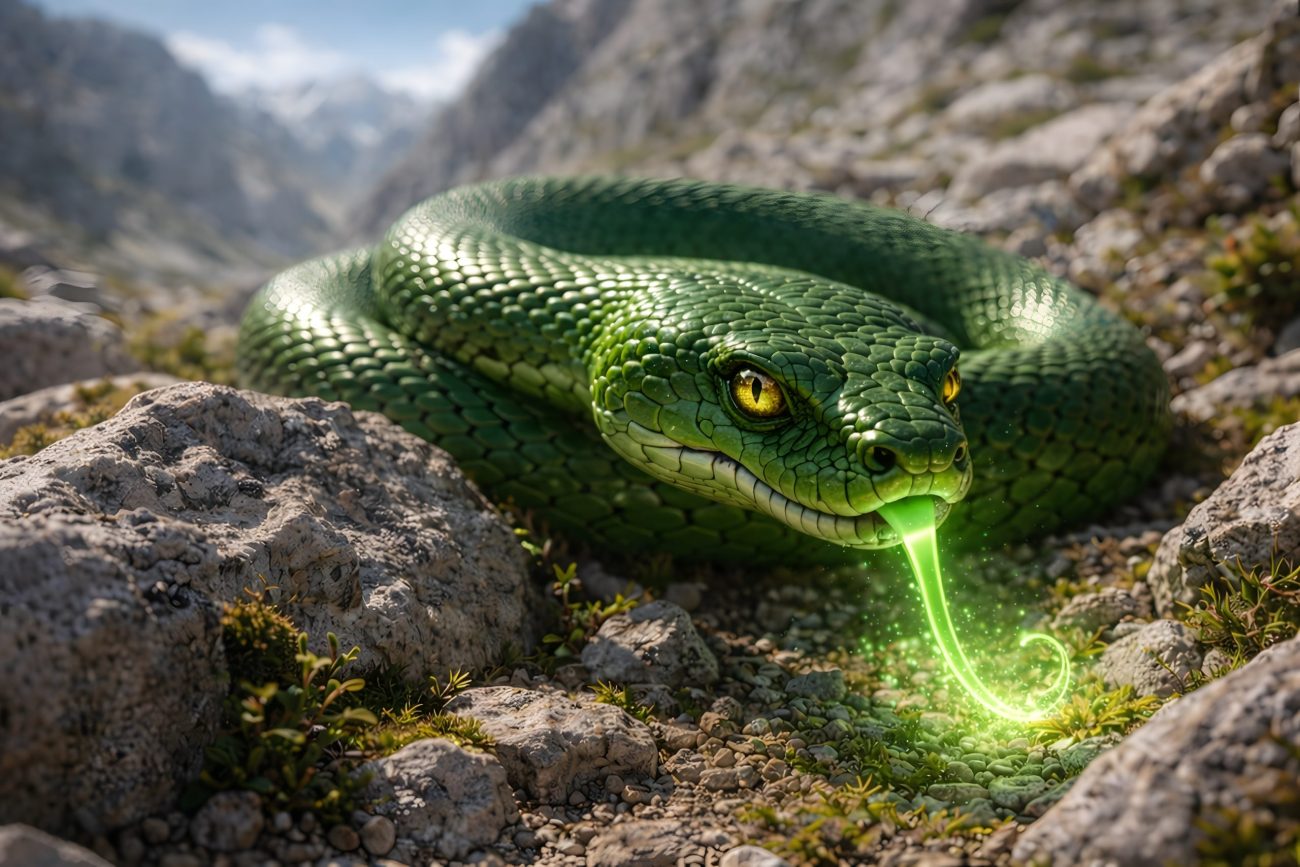
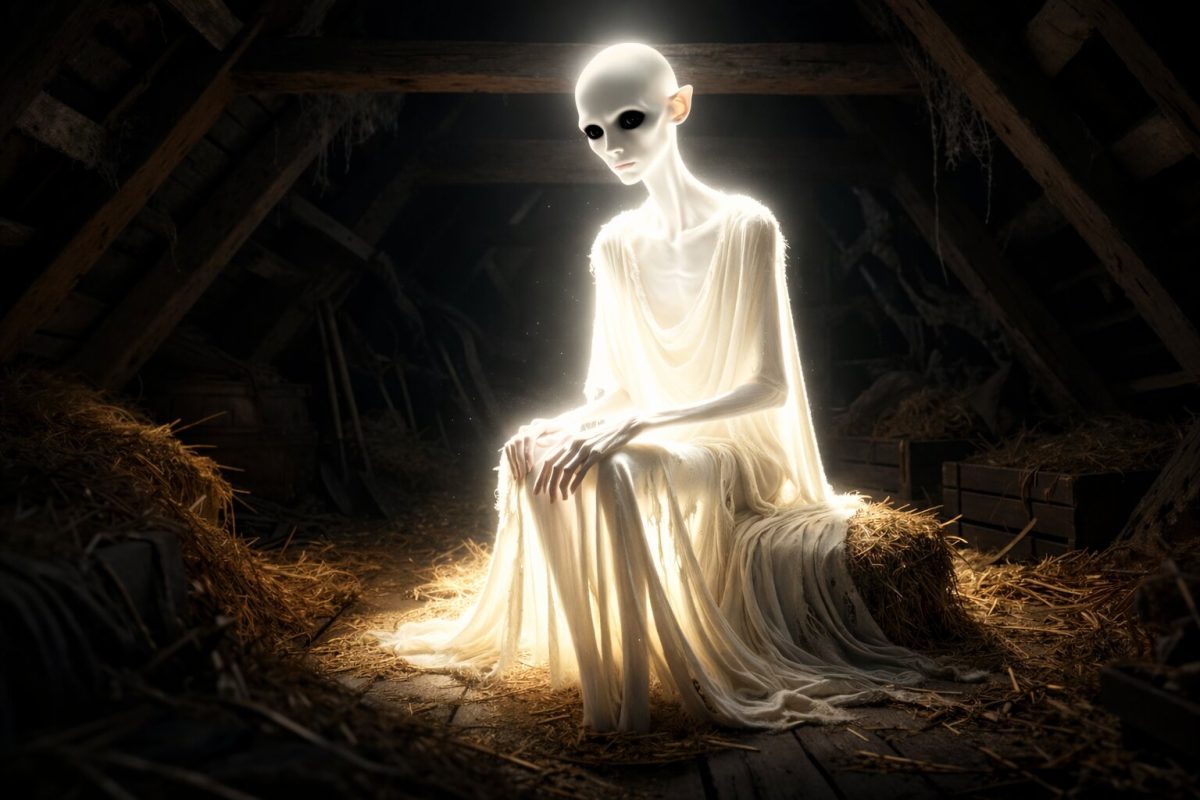
Abyzou did not walk openly among mortals. Her form was half-seen: a greenish, gleaming face framed by writhing, serpent-like hair, while the rest of her body dissolved into darkness. Sometimes she appeared with the scales or tail of a fish or serpent, for she belonged to the ancient waters. She claimed to possess countless names and shapes, changing them constantly so that none might easily command her.

In ancient times, King Solomon encountered her while binding demons to build the Temple. When she was brought before him in chains, she confessed her deeds freely, boasting that she never slept and that each night she sought children to destroy. Solomon ordered her bound by her own hair and displayed before the Temple, so that all might see the demon who preyed upon mothers and infants.

Yet Abyzou could never be destroyed. She could only be driven away.

Thus people learned to defend themselves through sacred names, seals, and charms. Her name was written on amulets, spoken aloud in childbirth, carved into metal and stone. When she was named correctly, she was forced to flee. When the names of her enemies—angels, saints, or divine protectors—were invoked, she recoiled in fury and envy.

In Egypt she was known as Alabasandria. In Byzantium she was Gylou or Gello. In each land she took a new name, but her hunger remained the same. Riders trampled her beneath their horses in sacred images. She was whipped, bound, cursed, and cast out in spells, yet always returned when vigilance failed.

Only one thing could stop her: knowledge of her names. When a woman about to give birth wore an amulet bearing those names, Abyzou was powerless. Forced by oath, she would turn away and retreat to the dark waters from which she had come.

And so Abyzou still wanders the edges of night, driven by envy, searching for life she can never possess—an ancient shadow born from the abyss, feared wherever children are born.


Gallery


Sources

Wikipedia contributors. (n.d.). Abyzou. In Wikipedia, The Free Encyclopedia, from https://en.wikipedia.org/wiki/Abyzou


Interpretive Lenses

Religious Readings
  • Christian Ascetic Deep Dive
Philosophical Readings
  • Nietzschean Deep Dive
Psychological Readings
  • Jungian Deep Dive
Esoteric Deep Dive
  • Hermetic Deep Dive
Political / Social Readings
  • Marxist Deep Dive
Other
  • How to Invite The Abyzou

Jatai

Tradition / Region: Japan (Ehime Prefecture and other regions)
Alternate Names:
Category: Object/ yōkai


The Myth

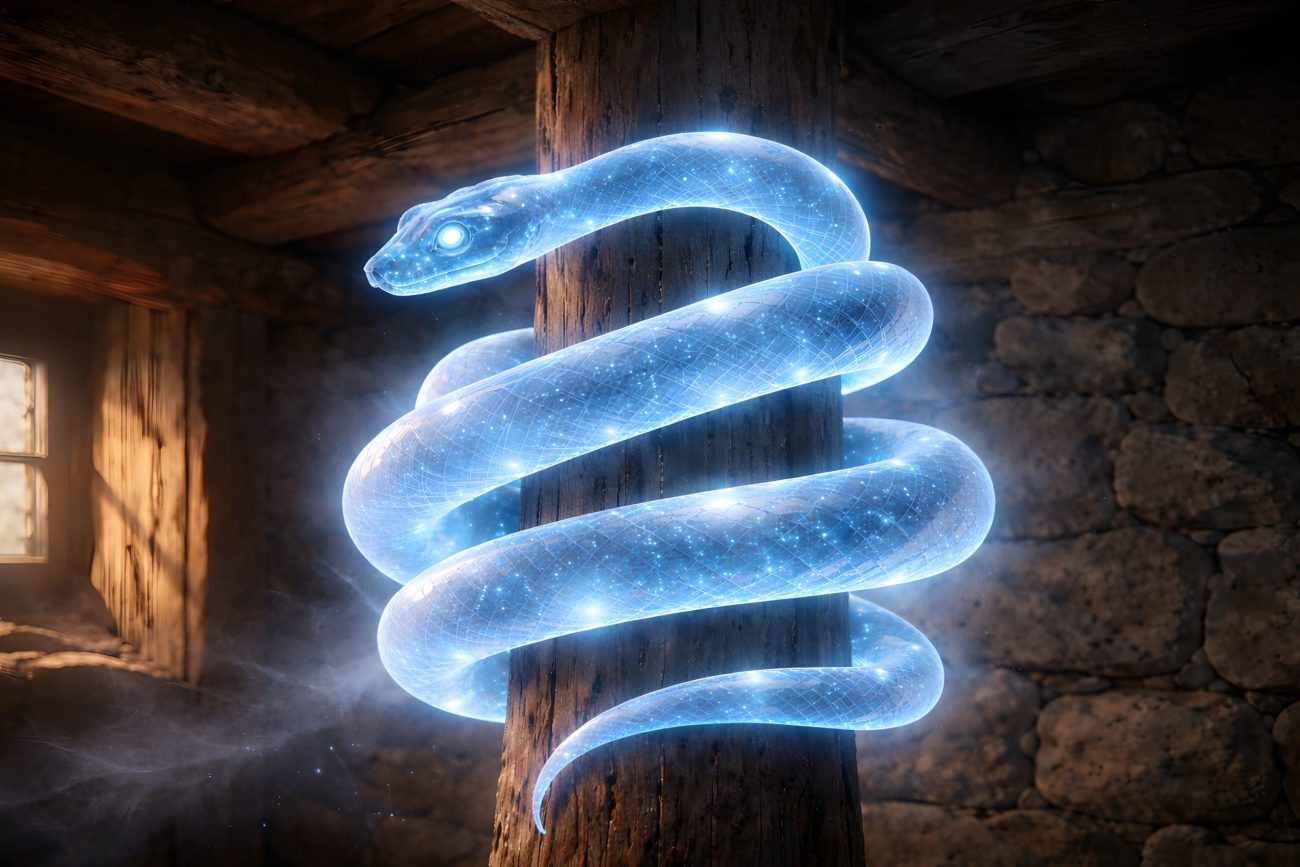
The Jatai is said to appear at night as a living obi, a kimono sash that moves on its own like a great snake. By day it is nothing more than a length of cloth, but after night falls it slithers from its resting place, coiling and gliding through rooms in search of victims.

According to old folk belief, if a person lays an obi near their pillow while sleeping, they may dream of snakes. From this belief grew the story that the obi itself can transform. Because the word for a snake’s body sounds the same as the word for a wicked heart, the sash was believed to awaken as a murderous being. In this form it becomes the Jatai, a dangerous tsukumogami born from jealousy and malice.

The Jatai is especially associated with an obi once worn by a jealous woman. After long use, the resentment bound into the garment gives it life. When it hunts, it wraps itself around sleeping men and strangles them in their beds.

The creature is described as a poisonous snake, long enough to coil itself around a person seven times. This detail is remembered as part of its fearsome nature and its unnatural length. Once the Jatai has tightened its coils, escape is said to be impossible.

The Jatai is depicted in Toriyama Sekien’s Konjaku Hyakki Shūi, where it appears as a living sash transformed into a deadly serpent. Through these tales, the Jatai is remembered as a reminder that strong emotions can linger in objects, waiting for the moment when they take on a life of their own.


Interpretive Lenses

Religious Readings
Philosophical Readings
Psychological Readings
Esoteric Deep Dive
Political / Social Readings
Other