Eisenbach Gnome

Tradition / Region: Luxembourg Mythology
Alternate Names: Wichtelcher of Eisenbach
Category: Gnome


The Myth

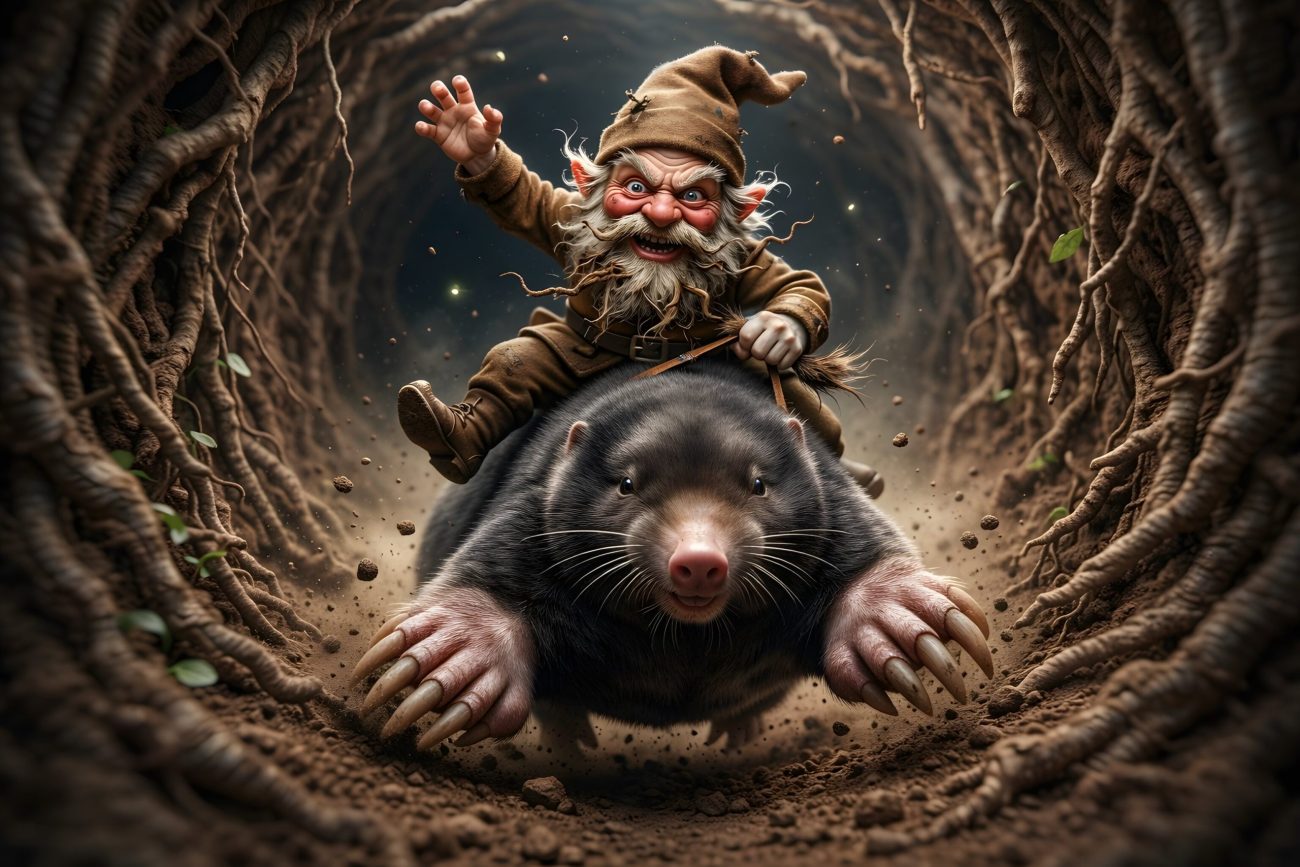
In the time before the land around Eisenbach was cultivated, when forest and wilderness covered everything, the area was said to be inhabited by the Wichtelcher. These little people were no more than a foot and a half tall, yet they were skilled and diligent beyond their size.

They lived beneath the ground in underground chambers, carved and arranged by their own hardworking hands. Stone walls and rooms formed their dwellings, shaped into homes that mirrored those of humans, only smaller and hidden from sight. Though they kept themselves unseen, their presence was known through the order and care of the spaces they built.

As the land was cleared and fields were formed, the Wichtelcher withdrew, sinking back into the earth or leaving the area altogether. Yet they did not vanish without a trace. Remains of stonework were said to still be visible in certain places, fragments of their underground homes exposed where the soil had shifted or been cut away.

These stones served as quiet proof, for those who believed, that before human hands shaped Eisenbach, the Little Ones had already lived and labored beneath its ground.


Gallery


Sources

SAGEN.at contributors. (n.d.). Wichtlein (Eisenbach). In SAGEN.at, from https://www.sagen.at/texte/sagen/luxemburg/Wichtlein_Eisenbach.html


Interpretive Lenses

Religious Readings
  • Christian Ascetic Deep Dive
Philosophical Readings
  • Nietzschean Deep Dive
Psychological Readings
  • Jungian Deep Dive
Esoteric Deep Dive
  • Hermetic Deep Dive
Political / Social Readings
  • Marxist Deep Dive
Other
  • How to Invite The Eisenbach Gnome
Wahlhausen Gnome

Tradition / Region: Luxembourg Mythology
Alternate Names: Wichtelcher of op dem Heidenhäuschen
Category: Gnome, Cave dweller


The Myth

Near Wahlhausen, on a mountain whose foot meets the Ur River, there is a place known as op dem Heidenhäuschen. Long ago, people believed this hill was not solid earth alone, but hollowed beneath by an underground dwelling.

Within that hidden space lived very small people, the Wichtelcher. They were said to inhabit rooms beneath the soil, sheltered from sight, living quietly below the fields. The place where they lived now lies under cultivated land, ploughed and walked upon, yet never entirely at rest.

Old villagers remembered that stone walls were once uncovered in the ground there—traces of something built, then buried again by time and soil. Even in more recent years, the land showed signs of what lay below. While people were working the rock nearby and paused to eat, the ground suddenly sank beneath them, dropping about the depth of a shoe, as if the earth itself had given way into a hollow space.

Such moments were taken as reminders that the Wichtelcher had not been a story alone. Though unseen, their former homes were believed to remain beneath the hill, fragile and empty now, but still capable of shifting the ground above. The place kept its quiet reputation, a reminder that beneath ordinary fields, the Little Ones were once said to live.


Sources

SAGEN.at contributors. (n.d.). Wichtlein (Wahlhausen). In SAGEN.at, from https://www.sagen.at/texte/sagen/luxemburg/Wichtlein_Wahlhausen.html


Waldbillig Gnome

Tradition / Region: Luxembourg Mythology
Alternate Names: Wichtelcher of Belliger Seitert
Category: Gnome


The Myth

Near Waldbillig, in front of the Belliger Seitert forest, there lies a field once owned by Theodor Broos. Those who worked the land noticed strange things beneath the soil: carefully worked stones, set as if by deliberate hands, and an ash pit like the kind found in old farmhouses.

These discoveries stirred an old memory. The grandfather of the family had often said that this place was once the home of the Wichtelcher, little earth folk who lived hidden beneath the field. They were said to be no taller than one or two shoes, small enough to pass unseen, yet capable of shaping stone and arranging their dwellings with care.

The Wichtelcher were believed to live much like humans, with hearths, ashes, and shelters of their own, but all concealed underground. When the land was still quiet and lightly worked, they remained there. As time passed and the fields were turned more deeply, they withdrew, leaving behind only stones and traces of their former homes.

Though no one sees them now, the field is still spoken of with a certain respect. The worked stones and the ash pit are taken as signs that the little people once lived there, reminding those who know the story that the land around Waldbillig was not always empty beneath the surface.


Gallery


Sources

SAGEN.at contributors. (n.d.). Wichtlein (Waldbillig). In SAGEN.at, from https://www.sagen.at/texte/sagen/luxemburg/Wichtlein_Waldbillig.html


Interpretive Lenses

Religious Readings
  • Christian Ascetic Deep Dive
Philosophical Readings
  • Nietzschean Deep Dive
Psychological Readings
  • Jungian Deep Dive
Esoteric Deep Dive
  • Hermetic Deep Dive
Political / Social Readings
  • Marxist Deep Dive
Other
  • How to Invite The Waldbillig Gnome

Wichtelchesleh Gnome

Tradition / Region: Luxembourg Mythology
Alternate Names: Wichtelcher of A Kungen
Category: Gnome


The Myth

Between Greisch and Tüntingen lies a meadow known as A Kungen, a quiet place bordered by stone and grass. In old times, the rocks there were believed to be inhabited by ancient male elves, small beings bound to the earth itself.

These beings were called the Wichtelchesleh, named after the stony ground in which they lived. They were never seen openly, yet their presence was known to those who worked the land. Stones would shift when no one touched them, and faint sounds were sometimes heard from within the rock, as if something small and living moved beneath the surface.

The Wichtelchesleh were thought to dwell deep inside the stones, emerging only when the meadow was empty and silent. Like many hidden folk, they avoided human eyes and withdrew if disturbed. Their world existed alongside the human one, separated by nothing more than a thin layer of earth and stone.

As fields were changed and the land grew busier, the Wichtelchesleh faded from memory. Yet the name of the place remains, a reminder that once, beneath the rocks of A Kungen, the Little Ones were believed to live.


Gallery


Sources

SAGEN.at contributors. (n.d.). Wichtelcher (Greisch). In SAGEN.at, from https://www.sagen.at/texte/sagen/luxemburg/wichtelcher_Greisch.html


Interpretive Lenses

Religious Readings
  • Christian Ascetic Deep Dive
Philosophical Readings
  • Nietzschean Deep Dive
Psychological Readings
  • Jungian Deep Dive
Esoteric Deep Dive
  • Hermetic Deep Dive
Political / Social Readings
  • Marxist Deep Dive
Other
  • How to Invite The Wichtelchesleh Gnome

Junglinster Gnome

Tradition / Region: Luxembourg Mythology
Alternate Names: Wichtelcher, Heinzelmännchen
Category: Gnome, House dweller


The Myth

In the lands around Junglinster, small hidden folk known as the Wichtelcher were once said to live close to humans, though rarely seen by them. They dwelled not in houses, but in quiet places where field, forest, and village met: the forest of Echels between Gonderingen, Junglinster, and Burglinster; the field called Gêschelt near Gonderingen; and the marshy ground of Bruchlach near Junglinster.

The Wichtelcher were tireless workers. At night, when human voices faded and lamps went dark, they emerged to tend fields, repair tools, and set right what had been left unfinished. By morning, tasks were mysteriously complete, as if done by invisible hands. No thanks was spoken aloud, for gratitude shown too directly might drive them away.

They lived close to the earth, slipping easily between soil, roots, and stone. When the land was disturbed or their places cleared away, they vanished without complaint, retreating deeper into the ground or leaving the area altogether. No one ever saw them depart; one day the help simply stopped.

Even after they were gone, people remembered the Wichtelcher as quiet helpers of an older time, beings who worked alongside humanity without reward, bound to the forests and fields as long as those places remained whole.


Gallery


Sources

SAGEN.at contributors. (n.d.). Wichtelcher (Junglinster). In SAGEN.at, from https://www.sagen.at/texte/sagen/luxemburg/wichtelcher_Junglinster.html


Interpretive Lenses

Religious Readings
  • Christian Ascetic Deep Dive
Philosophical Readings
  • Nietzschean Deep Dive
Psychological Readings
  • Jungian Deep Dive
Esoteric Deep Dive
  • Hermetic Deep Dive
Political / Social Readings
  • Marxist Deep Dive
Other
  • How to Invite The Junglinster Gnome

Tillepetchesfel Gnomes

Tradition / Region: Luxembourg Mythology
Alternate Names: Gnomes of the Tillepetchesfels
Category: Gnome


The Myth

On the wooded slope above Schläderbach rises the Tillepetchesfels, a rocky outcrop long feared and avoided. In ancient times, people said the stone was not empty, but alive with hidden folk.

Within the rock lived gnomes, small earth-dwellers who shared the place with heathens of an older, forgotten age. They were rarely seen, yet their presence was felt: footsteps where no one walked, whispered sounds in the trees, and the sense of being watched by eyes that never showed themselves.

The gnomes were said to belong to the mountain itself. They moved through stone as easily as humans move through air, emerging only when the forest was quiet and retreating again into the rock before dawn. No one knew whether they guarded buried treasures, ancient rites, or simply the land itself.

Those who climbed the Tillepetchesfels without respect were said to return uneasy, confused, or ill at ease, as though the mountain had rejected them. For this reason, the people believed the gnomes still lingered there, bound to the stone, keeping the memory of the old world alive beneath moss, roots, and rock.


Gallery


Sources

SAGEN.at contributors. (n.d.). Wichtelcher. In SAGEN.at, from https://www.sagen.at/texte/sagen/luxemburg/wichtelcher.html


Interpretive Lenses

Religious Readings
  • Christian Ascetic Deep Dive
Philosophical Readings
  • Nietzschean Deep Dive
Psychological Readings
  • Jungian Deep Dive
Esoteric Deep Dive
  • Hermetic Deep Dive
Political / Social Readings
  • Marxist Deep Dive
Other
  • How to Invite The Tillepetchesfel Gnomes

Little Fellows

Tradition / Region: Manx mythology
Alternate Names: Themselves, Little People, Little Ones, Lil’ Boys
Category: Gnome


The Myth

On the Isle of Man, the Little Fellows still walk the land—though never, ever should they be called fairies. To name them so is careless, even dangerous. They are spoken of politely, as Themselves or the Little People, for they may be listening.

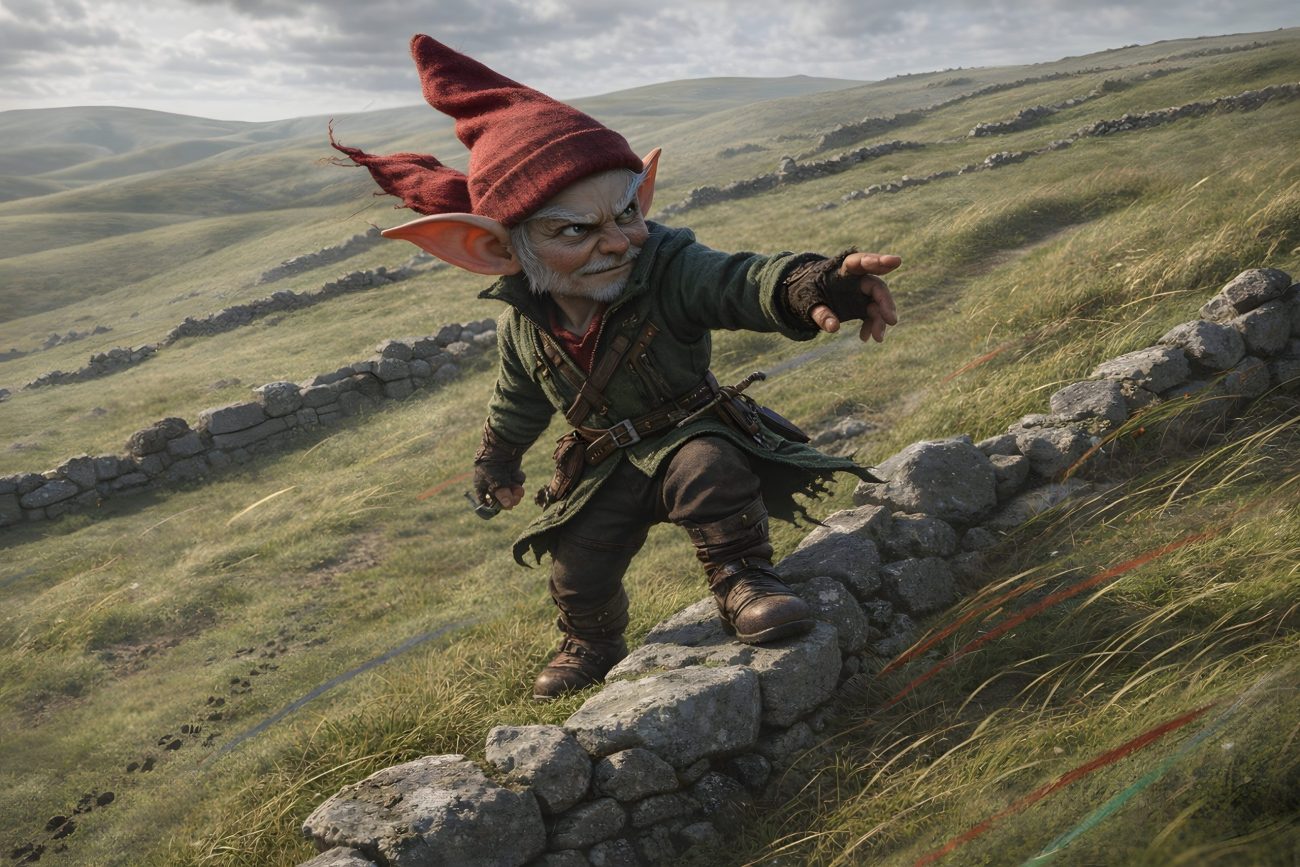
The Little Fellows are not tiny, winged creatures, but small folk, two to three feet tall, shaped much like humans. They dress in red caps and green jackets, and they love the hunt above all things. Many have seen them riding out on horseback, followed by packs of little hounds shimmering in every color of the rainbow. Their hunting parties pass swiftly through fields and hills, vanishing as suddenly as they appear.

They are clever, willful, and easily offended. Mischief comes naturally to them, and spite is never far away. A careless word, a disrespectful glance, or a failure to show courtesy may earn their anger. That is why the people of the island speak of them kindly and indirectly, giving them flattering names so as not to draw ill luck.

Though troublesome, the Little Fellows are not wholly evil. They live alongside the human world, slipping in and out of sight, riding the hills, running their hounds, and watching how people behave. Those who respect them may pass unharmed. Those who forget themselves may learn—too late—that the Little People have long memories, sharp tempers, and ways of reminding humans that Ellan Vannin is not theirs alone.


Sources

ManxLiterature.com contributors. (n.d.). Manx fairy tales. In ManxLiterature.com, from https://manxliterature.com/sort-by-genre/other/manx-fairy-tales/


Yumboes

Tradition / Region: Wolof mythology , Senegal Mythology
Alternate Names: Bakhna Rakhna (“the good people”)
Category: Gnome


The Myth

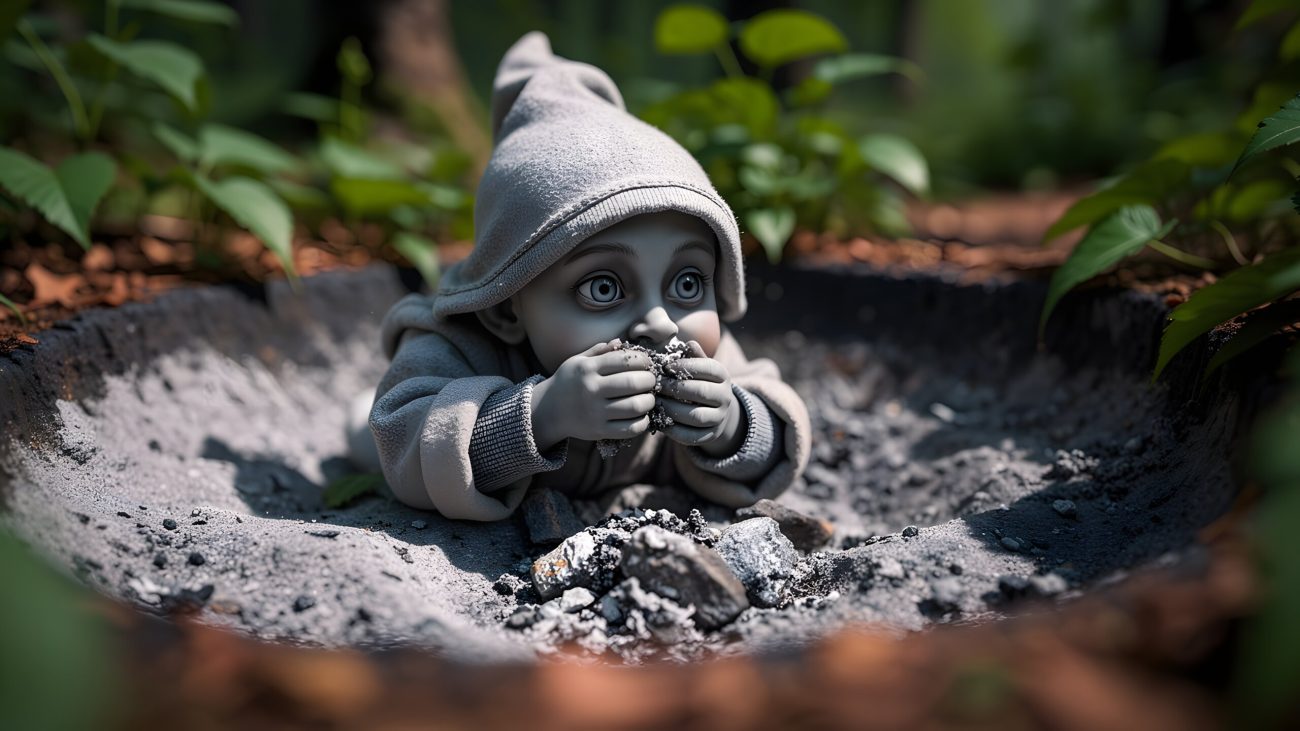
The Yumboes are the spirits of the dead, small and radiant beings who dwell just beyond the human world. They are said to be pearly white from head to toe, sometimes with hair that shines like silver in the moonlight. Though once human, they now exist in a lighter, more otherworldly form, standing no taller than a small child.

Their home lies beneath the Paps hills, hidden from ordinary sight. By day they remain concealed underground, but at night—especially under the full moon—they emerge to dance in open places. Their dances are graceful and joyful, and their laughter is said to drift softly through the night air.

The Yumboes hold great feasts beneath the moon. Long tables appear laden with food, though the servants who wait upon them are invisible, seen only as moving hands and feet. They eat corn, which they quietly take from human stores, and fish, which they catch themselves. These meals are not secretive: Yumboes are known to invite both locals and strangers to join them, welcoming humans into their celebrations without malice.

Though they belong to the realm of the dead, the Yumboes are gentle beings. Their alternate name, Bakhna Rakhna, means “the good people,” reflecting their benevolent nature. They do not haunt or terrify, but instead linger close to the living world, dancing, feasting, and reminding those who glimpse them that the boundary between life and death is thin, luminous, and sometimes joyful.


Gallery


Sources

Wikipedia contributors. (n.d.). Yumboes. In Wikipedia, The Free Encyclopedia, from https://en.wikipedia.org/wiki/Yumboes


Interpretive Lenses

Religious Readings
  • Christian Ascetic Deep Dive
Philosophical Readings
  • Nietzschean Deep Dive
Psychological Readings
  • Jungian Deep Dive
Esoteric Deep Dive
  • Hermetic Deep Dive
Political / Social Readings
  • Marxist Deep Dive
Other
  • How to Invite The Yumboes

Meuzelmannekens

Tradition / Region: Dutch Mythology
Alternate Names: —
Category: Gnome


The Myth

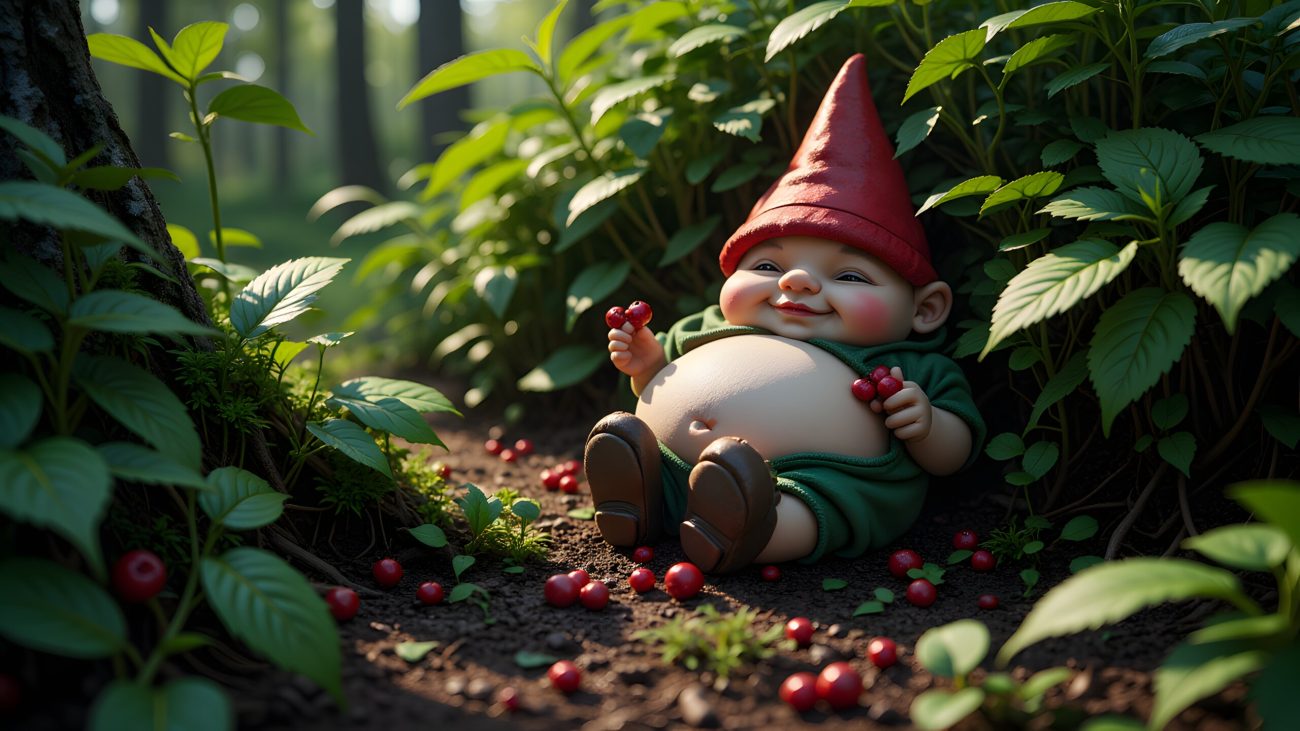
In the peatlands of the Soesterveen near Soest, people once spoke quietly of small beings called Meuzelmannekens. They were a kind of earth folk, living unseen among the turfhopen—the stacked piles of peat that lay drying on the land. While the peat remained, the Meuzelmannekens dwelled within it. When the turfhopen were taken away, they slipped back into the earth itself, vanishing without trace.

They were also said to live in the grain fields near the Lazarusberg. While the corn stood tall, the Meuzelmannekens remained hidden among the stalks. But when harvest time came and the fields were cut bare, they withdrew once more into the mountain. There, deep within the hill, they spent the entire winter, sheltered beneath the ground.

No one ever truly saw them. They caused no harm, stole nothing, and brought no illness or fear. Their presence was known only through tradition and quiet belief, as beings who shared the land but never troubled those who worked it.

The Meuzelmannekens were remembered as peaceful dwellers of soil and field, moving with the rhythms of harvest and winter, retreating into earth and hill as naturally as seeds sinking back into the ground.


Sources

Abe de Verteller contributors. (n.d.). Van aardmannetje tot zwarte juffer: Een lijst van Nederlandse en Vlaamse elfen en geesten. In Abe de Verteller, from https://abedeverteller.nl/van-aardmannetje-tot-zwarte-juffer-een-lijst-van-nederlandse-en-vlaamse-elfen-en-geesten/


Galgenjong

Tradition / Region: Belgian Mythology
Alternate Names: Galgenaas, Duivelsjongen
Category: Gnome, Demon


The Myth

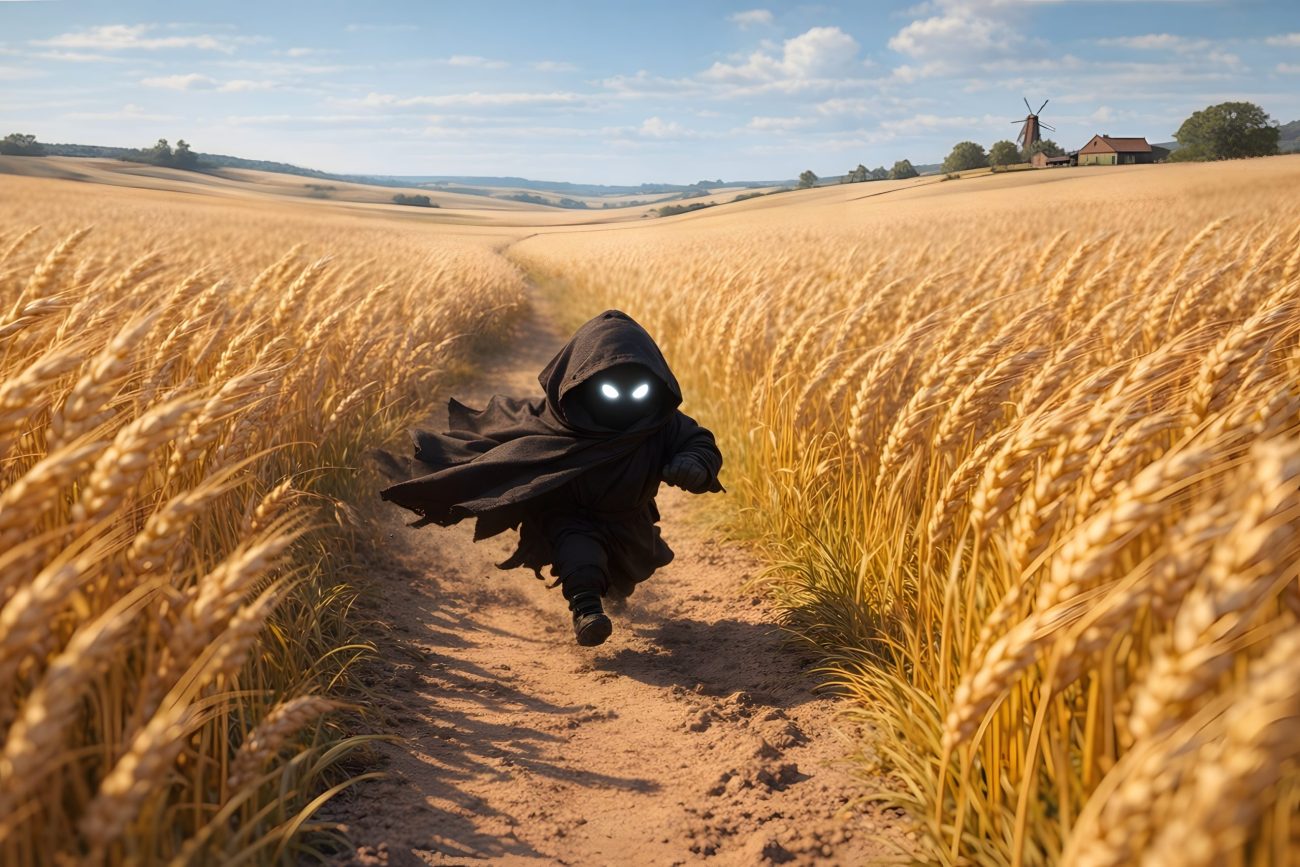
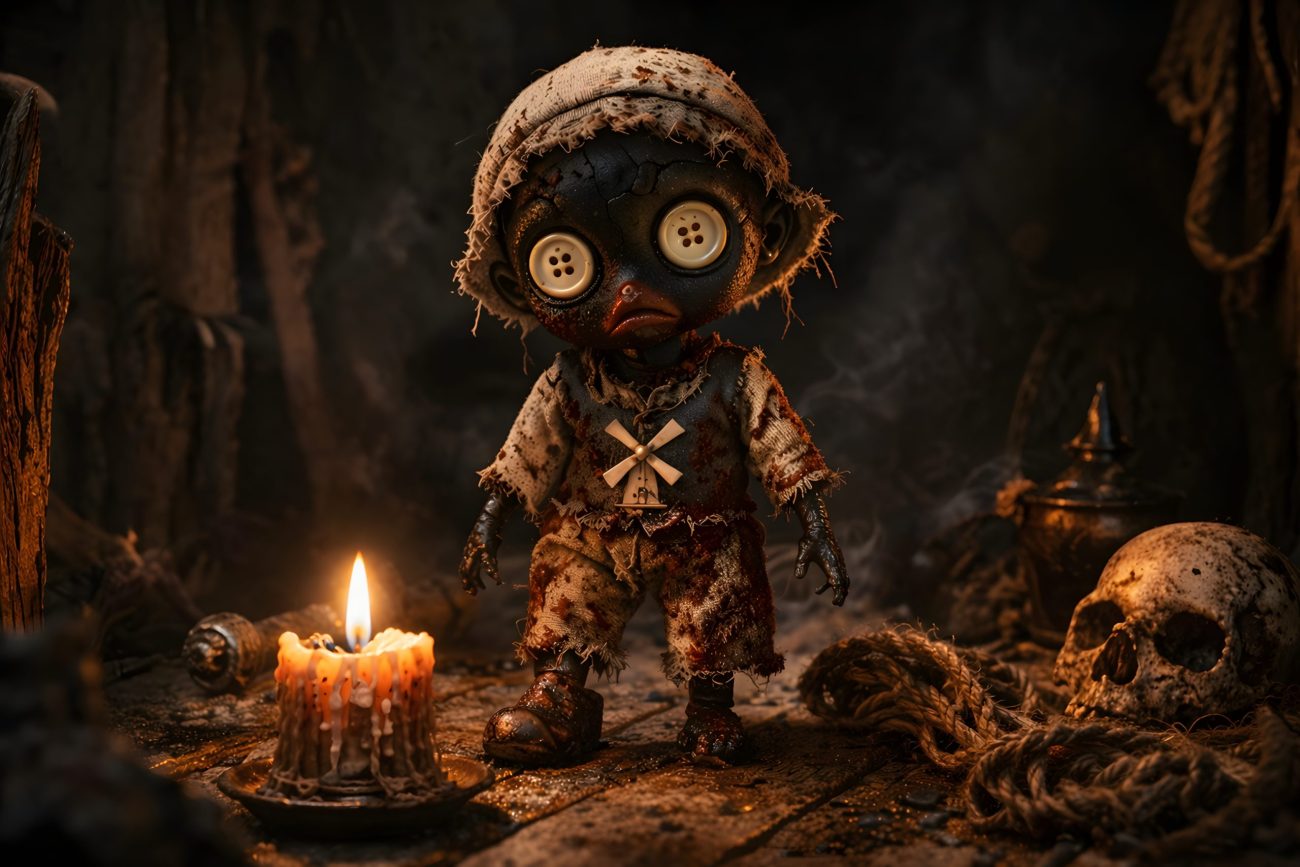
In old Flemish tales there is a sinister little being known as the Galgenjong, a creature bound to bargains and blood. In its smallest form it appears as a tiny black beast, no larger than a pea, with a blood-red mouth. At other times it takes on a clearer shape: a gnome-sized figure, as large as a child’s doll, black-skinned, with shining eyes and a red tongue. In this form it hides itself in a small box or a pouch, waiting for its owner’s command.

Whoever possesses a Galgenjong gains unnatural advantages. Their hands move faster than any other worker’s, their strength exceeds human limits, and luck follows them—especially in games of cards. The creature can see what is yet to come and knows where hidden treasures lie, whispering secrets no ordinary person could uncover.

But its gifts are never free. Each day the Galgenjong must be fed a drop of its owner’s blood. Without this offering it grows restless and dangerous. Though it brings fortune to its master, it spreads misfortune to everyone around them. Neighbors fall into bad luck, accidents multiply, and prosperity withers wherever the creature lingers.

To obtain a Galgenjong, one must commit oneself to darkness. Some say it can be gained by fasting for three days in honor of the Devil. Others claim it comes only through joining a secret and wicked brotherhood. Once acquired, the creature is almost impossible to be rid of. It cannot be dismissed or destroyed by its owner’s will alone. Only if someone else steals it away can its bond be broken.

If the Galgenjong remains with its master until death, it claims its final payment. When the owner dies, the creature carries their soul with it, dragging it down to hell as the last fulfillment of the pact.

Thus the Galgenjong is remembered as a source of power and ruin alike: a tiny servant of immense danger, promising success in life while quietly ensuring damnation in the end.


Sources

Abe de Verteller contributors. (n.d.). Van aardmannetje tot zwarte juffer: Een lijst van Nederlandse en Vlaamse elfen en geesten. In Abe de Verteller, from https://abedeverteller.nl/van-aardmannetje-tot-zwarte-juffer-een-lijst-van-nederlandse-en-vlaamse-elfen-en-geesten/