Galgenjong

Tradition / Region: Belgian Mythology
Alternate Names: Galgenaas, Duivelsjongen
Category: Gnome, Demon, Familiar


The Myth

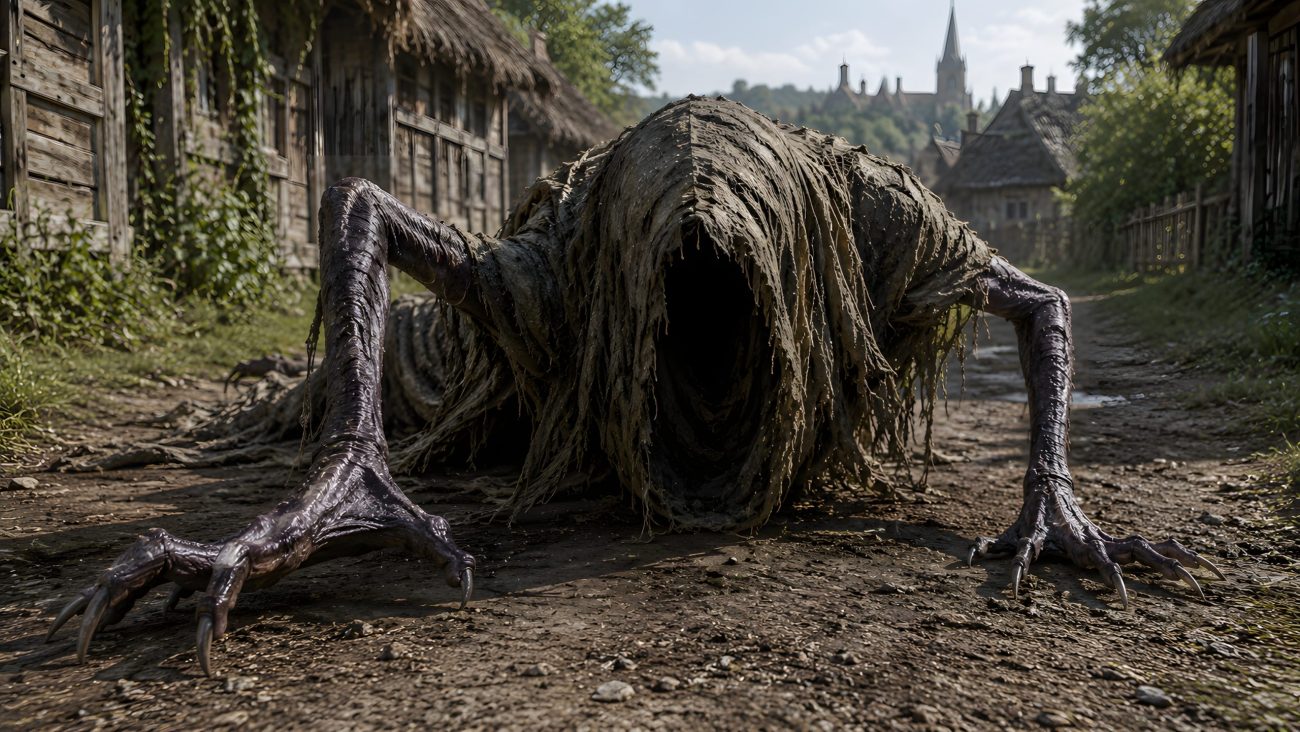
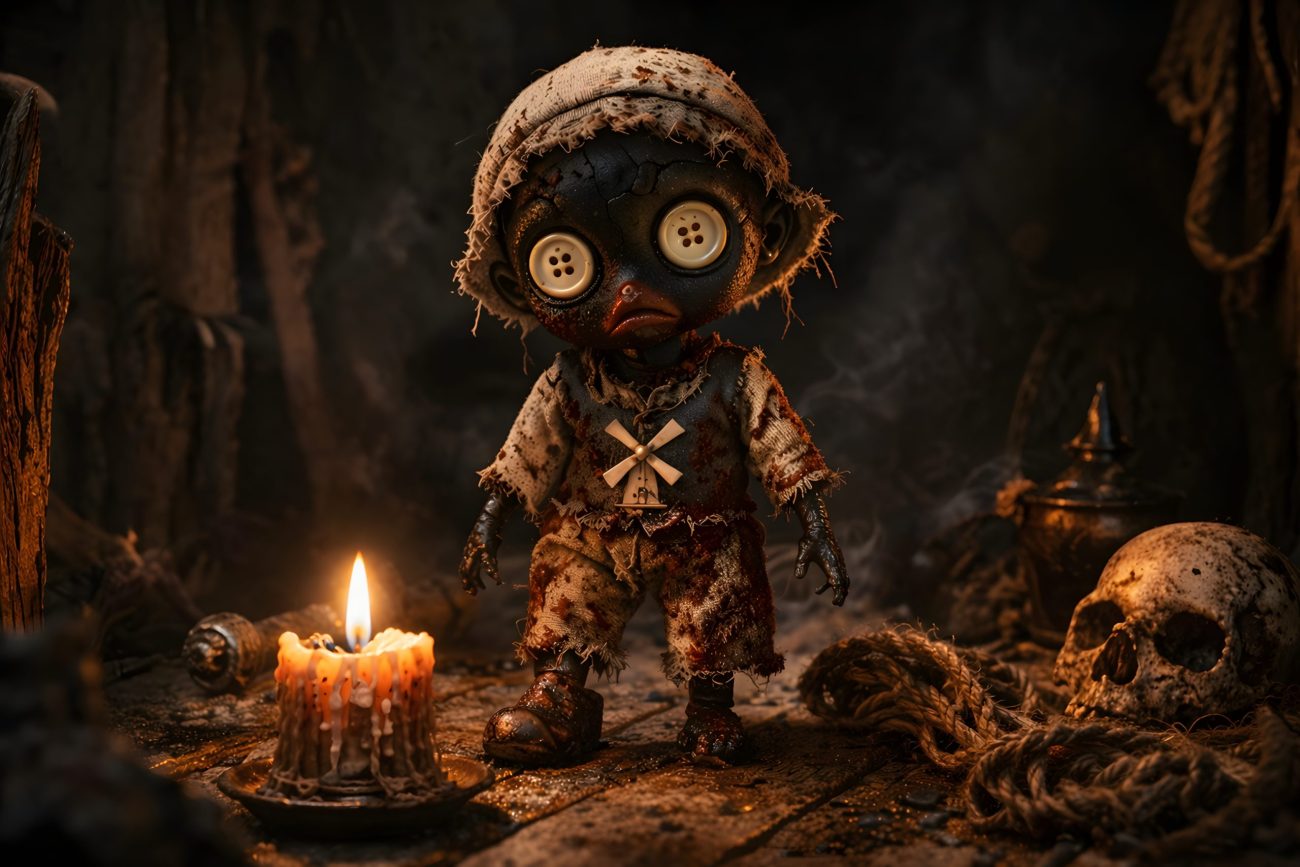
In old Flemish tales there is a sinister little being known as the Galgenjong, a creature bound to bargains and blood. In its smallest form it appears as a tiny black beast, no larger than a pea, with a blood-red mouth. At other times it takes on a clearer shape: a gnome-sized figure, as large as a child’s doll, black-skinned, with shining eyes and a red tongue. In this form it hides itself in a small box or a pouch, waiting for its owner’s command.

Whoever possesses a Galgenjong gains unnatural advantages. Their hands move faster than any other worker’s, their strength exceeds human limits, and luck follows them—especially in games of cards. The creature can see what is yet to come and knows where hidden treasures lie, whispering secrets no ordinary person could uncover.

But its gifts are never free. Each day the Galgenjong must be fed a drop of its owner’s blood. Without this offering it grows restless and dangerous. Though it brings fortune to its master, it spreads misfortune to everyone around them. Neighbors fall into bad luck, accidents multiply, and prosperity withers wherever the creature lingers.

To obtain a Galgenjong, one must commit oneself to darkness. Some say it can be gained by fasting for three days in honor of the Devil. Others claim it comes only through joining a secret and wicked brotherhood. Once acquired, the creature is almost impossible to be rid of. It cannot be dismissed or destroyed by its owner’s will alone. Only if someone else steals it away can its bond be broken.

If the Galgenjong remains with its master until death, it claims its final payment. When the owner dies, the creature carries their soul with it, dragging it down to hell as the last fulfillment of the pact.

Thus the Galgenjong is remembered as a source of power and ruin alike: a tiny servant of immense danger, promising success in life while quietly ensuring damnation in the end.


Sources

Abe de Verteller contributors. (n.d.). Van aardmannetje tot zwarte juffer: Een lijst van Nederlandse en Vlaamse elfen en geesten. In Abe de Verteller, from https://abedeverteller.nl/van-aardmannetje-tot-zwarte-juffer-een-lijst-van-nederlandse-en-vlaamse-elfen-en-geesten/
Lange Wapper

Tradition / Region: Belgian Mythology
Alternate Names:
Category: Demon


The Myth

Lange Wapper is a water spirit said to dwell in the black mud of the canals and moats of Antwerp. He hides beneath the water and emerges to wander the city and its outskirts, playing cruel and often dangerous tricks on humans.

According to a legend from Wilrijk dating to the sixteenth century, Lange Wapper was once an ordinary boy. One day, he saved an old woman—revealed to be a witch—from drowning. As a reward, she granted him the power of shapeshifting. With this gift, he could alter his size at will, becoming so enormous that he could leap from one city to another in a single bound. From this ability, he gained his name, meaning “Long Strider.”

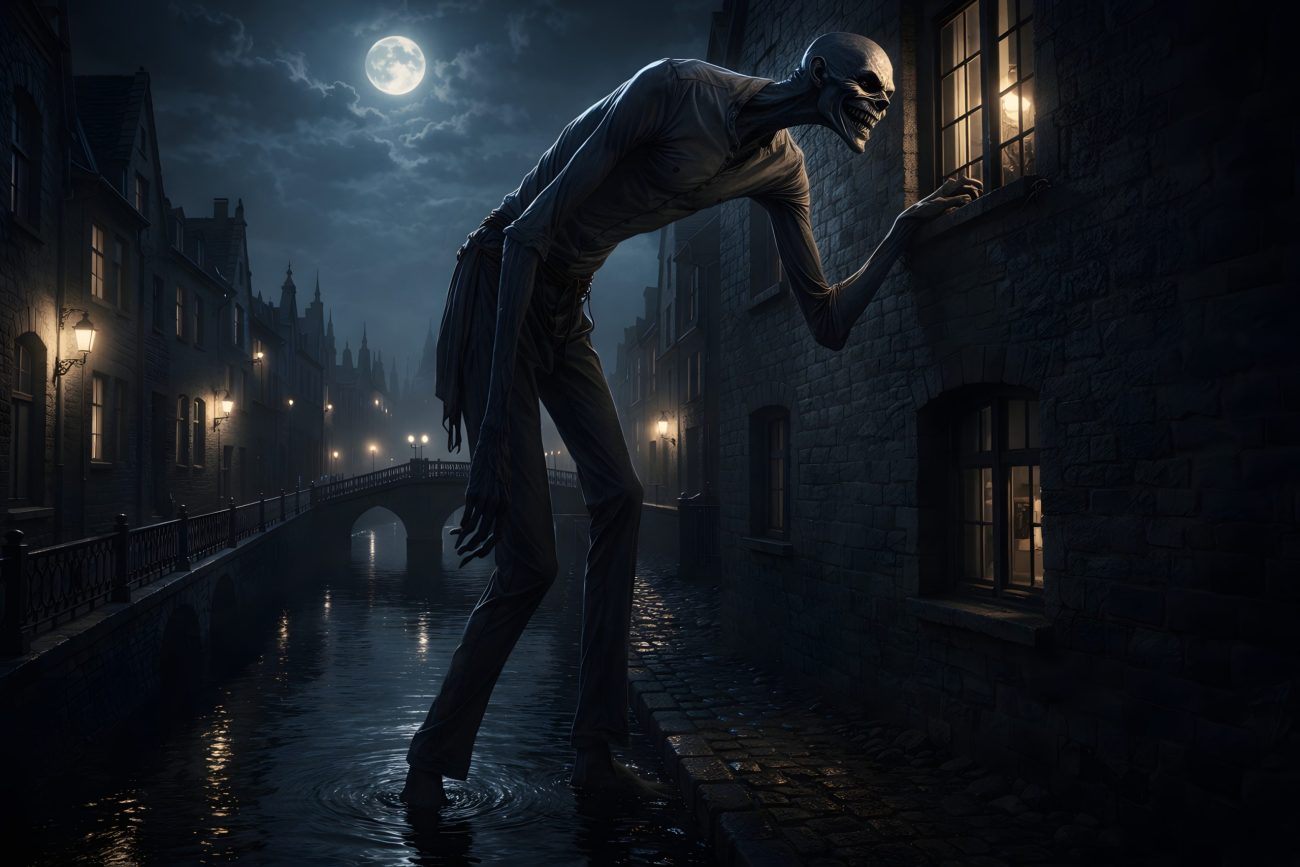
Lange Wapper can take many forms. He appears as a cat, a dog, a man, a child, or even as an ordinary object such as a white napkin. He may grow immensely tall, with long legs that allow him to peer into the windows of houses, or shrink himself to a tiny size. He can even duplicate himself. In one guise, he becomes a boy who plays with other children until he provokes a violent quarrel. In another, he transforms into a crying infant; when a young mother, moved by pity, offers him her breast, he suddenly resumes his true form as a large man and mocks her cruelly.

Many of his pranks ended in death. He was said to delay servants sent to fetch a midwife, causing newborns to die before baptism. He strangled drunkards by simply twisting their necks. Because of these acts, people came to regard Lange Wapper as a devil rather than a mere spirit.

When his mischief was complete, Lange Wapper would announce himself with a horrific, unmistakable laugh, so that people knew who had tormented them. According to tradition, his presence in Antwerp ended only after statues of the Virgin Mary were placed on street corners throughout the city. After this, Lange Wapper fled Antwerp and was seen no more.