Igrets

Tradition / Region: Russian Mythology
Alternative Name: –
Category: Spirit


The Myth

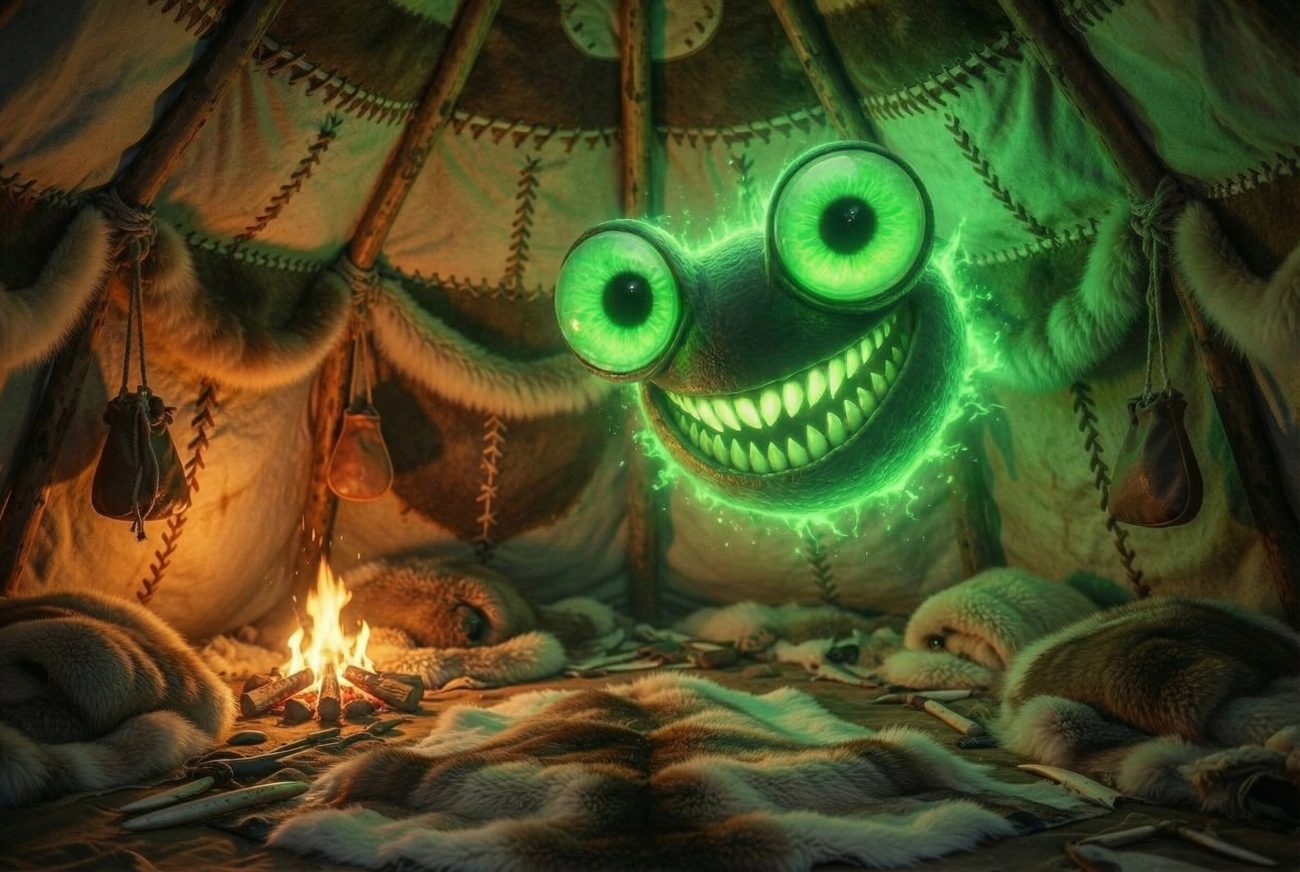
Igrets is a figure from Russian folk belief understood as a malicious type of domovoi, the household spirit. Unlike the more ambivalent or protective domovoi, the igrets is known specifically for cruel and troublesome behavior. It hides objects, causes disorder in the house, torments livestock, and interferes with daily life through spiteful tricks rather than playful mischief.

In popular belief, the igrets is sometimes identified directly with the house spirit itself, and in other cases confused with the devil or a demonic presence dwelling within the household. Its actions are described as aggressive and harmful: breaking things, frightening people, and provoking physical or emotional distress. Because of this, its “jokes” were considered dangerous rather than humorous.

Belief in the igrets was widespread in central and southern regions of Russia, including the Ryazan, Tambov, Kursk, Tula, Voronezh, Penza, and Oryol provinces, as well as the Don region. From at least the 19th century, everyday speech in these areas included expressions such as “Igrets take you,” “Igrets knows him,” or “Igrets is with you,” used to explain misfortune, sudden anger, or destructive behavior.

In some regions, the word igrets was also used to describe physical or psychological disturbances. In Kursk province, it could refer to a violent fit or hysterical episode accompanied by screaming. In Tambov and the Don region, it could mean paralysis or sudden loss of control over one’s limbs. These meanings suggest that the igrets was associated not only with household disorder, but also with unexplained illness or loss of bodily control.

Overall, the igrets represents the darker side of domestic spirits in Russian folklore: a presence within the home that causes chaos, suffering, and fear, and serves as an explanation for sudden misfortune, destructive impulses, or frightening physical episodes.


Angako-di-Ngato

Tradition / Region: Philippines Mythology
Alternate Names: Angako-De-Ngato
Category: Spirit


The Myth

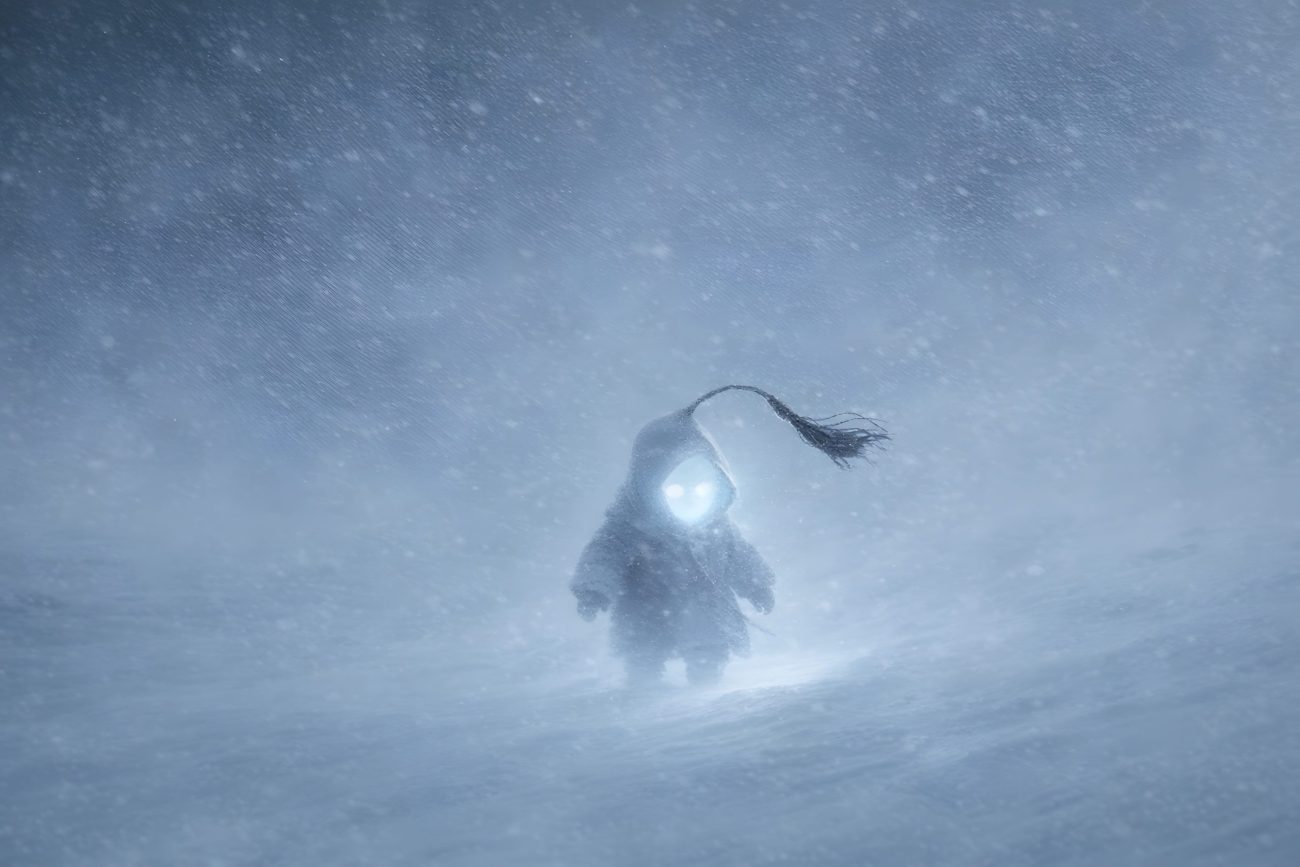
Angako-di-Ngato are spirits feared in the folklore of the Kalinga people of northern Luzon. They are believed to be the cause of illness, afflicting humans with sickness when they draw near or are offended.

When disease strikes without an obvious cause, it is said that Angako-di-Ngato are responsible. These spirits act invisibly, entering the human body or lingering around people, weakening them and bringing suffering.

In Kalinga belief, illness is not merely physical but the result of contact with these malevolent spirits, whose presence disrupts the balance between humans and the unseen world.


Source

Bestiary.us contributors. (n.d.). Angako di Ngato. In Bestiary.us — Mythical Creatures of the World, from https://www.bestiary.us/angako-di-ngato/en


Interpretive Lenses

Religious Readings
Philosophical Readings
Psychological Readings
Esoteric Deep Dive
Political / Social Readings
Other
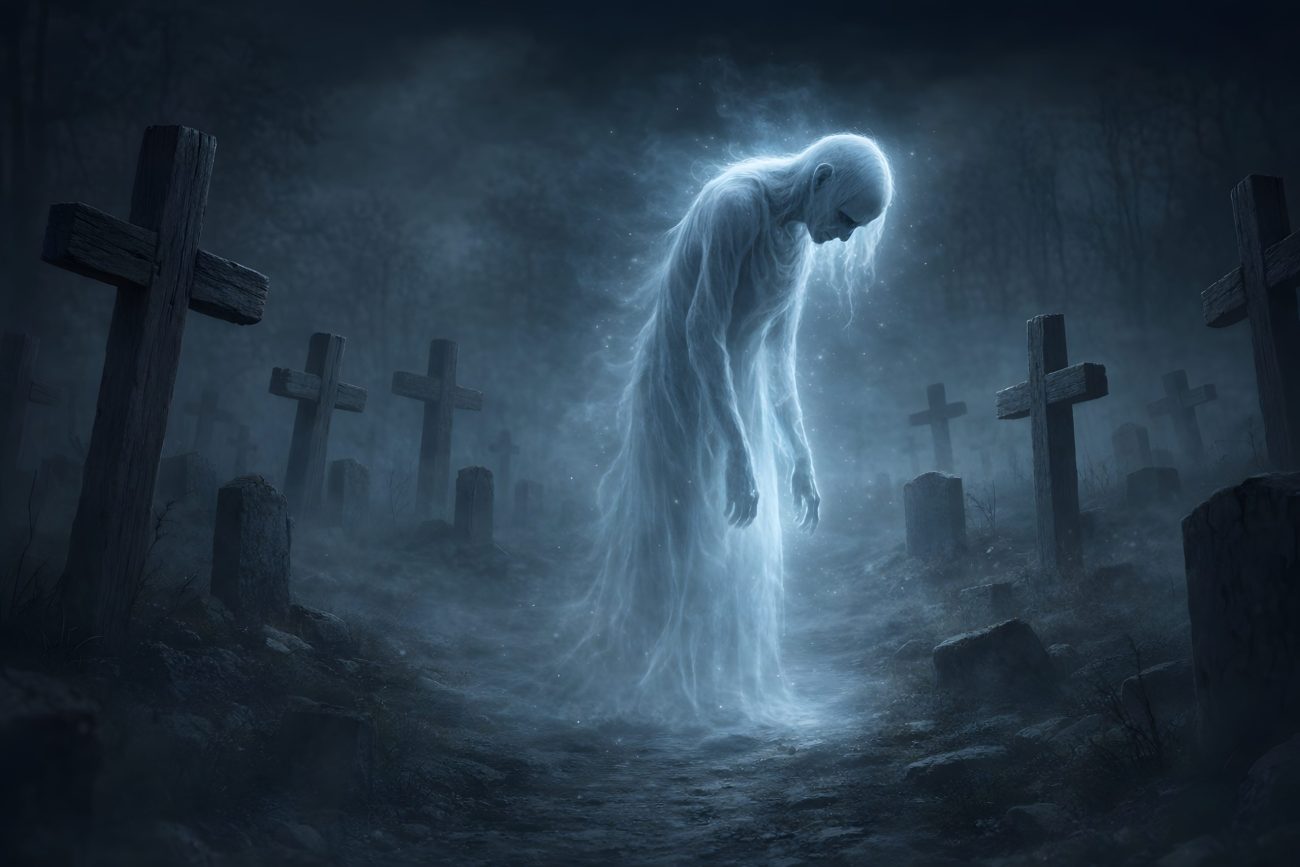
Vette

Tradition / Region: Icelandic Mythology, Norwegian Mythology
Alternate Names: Vaett, Land-vætt, Wight, Vaette-houer
Category: Nature spirit / house spirit


The Myth

In Scandinavian folklore, a vette (or vætt) is a supernatural being associated with nature, land, and human dwellings. Vættir are understood as spirits bound to specific places, such as farms, burial mounds, waterfalls, fields, or outbuildings. When connected to the land itself, they are known as Land-vættir, guardian spirits of a particular locality.

Early Scandinavian law codes reflect belief in these beings. According to Ulfliot’s law, sailors approaching land were required to remove carved figureheads from their ships so as not to frighten the Land-vættir with their gaping mouths or beaks. The Gulathing law states that Land-vættir were believed to dwell in burial mounds and waterfalls. Spirits associated specifically with burial mounds were known as Vaette-houer.

Over time, the image of the vette expanded beyond guardians of land to include spirits tied to farms and household buildings. These beings were believed to live close to humans, inhabiting barns, stables, storehouses, and homes. They were capable of working tirelessly, completing chores such as feeding livestock, tending children, sweeping floors, and carrying water. When well-disposed, they ensured the prosperity and order of the household.

However, vettir were also known for mischief. If offended or simply inclined to play tricks, they might pull blankets off sleeping people, tickle their heels with cold fingers, mix pepper or mustard into sugar bowls, paint faces, or let animals loose from their pens. Such acts could drive the victims to anger and confusion.

Vettir were typically described as small, stout beings with long gray beards, deep-set eyes, round bellies, thin legs, and rough, low voices. They wore old-fashioned peasant clothing, sometimes red jackets and red stockings, and were often said to walk with birch sticks. Like similar household spirits elsewhere in Europe, they disliked being given clothing openly, though some traditions say they would accept garments if left quietly in a hidden place.

In a broader sense, the word vættir could refer to supernatural beings in general. It was sometimes used as a collective term encompassing elves, dwarves, trolls, giants, and even the gods themselves.

Through these traditions, vettir are remembered as ever-present spirits of place—guardians, workers, tricksters, and unseen neighbors who shared the landscape and daily life of the Scandinavian world.


Alvina

Tradition / Region: Belgian Mythology
Alternate Names:
Category: Spirit


The Myth

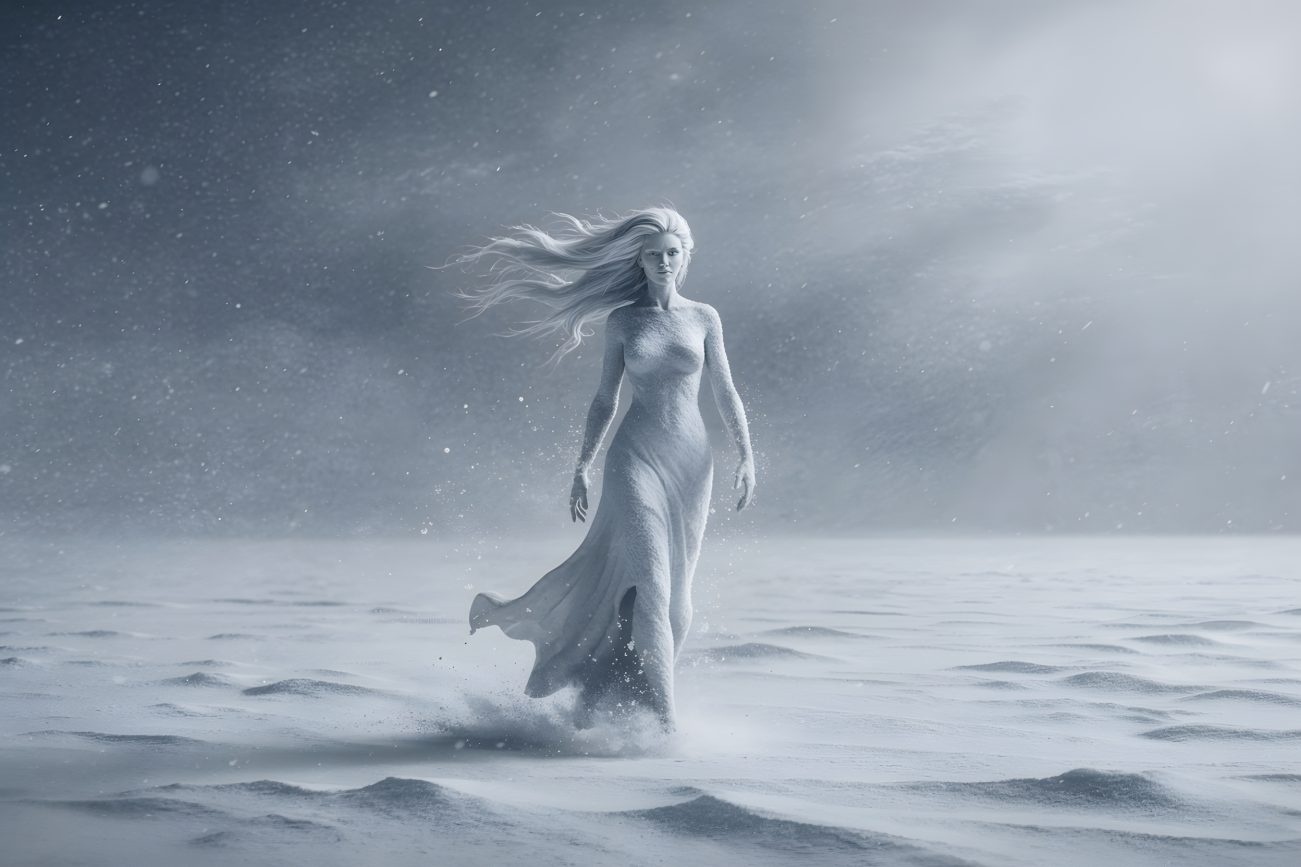
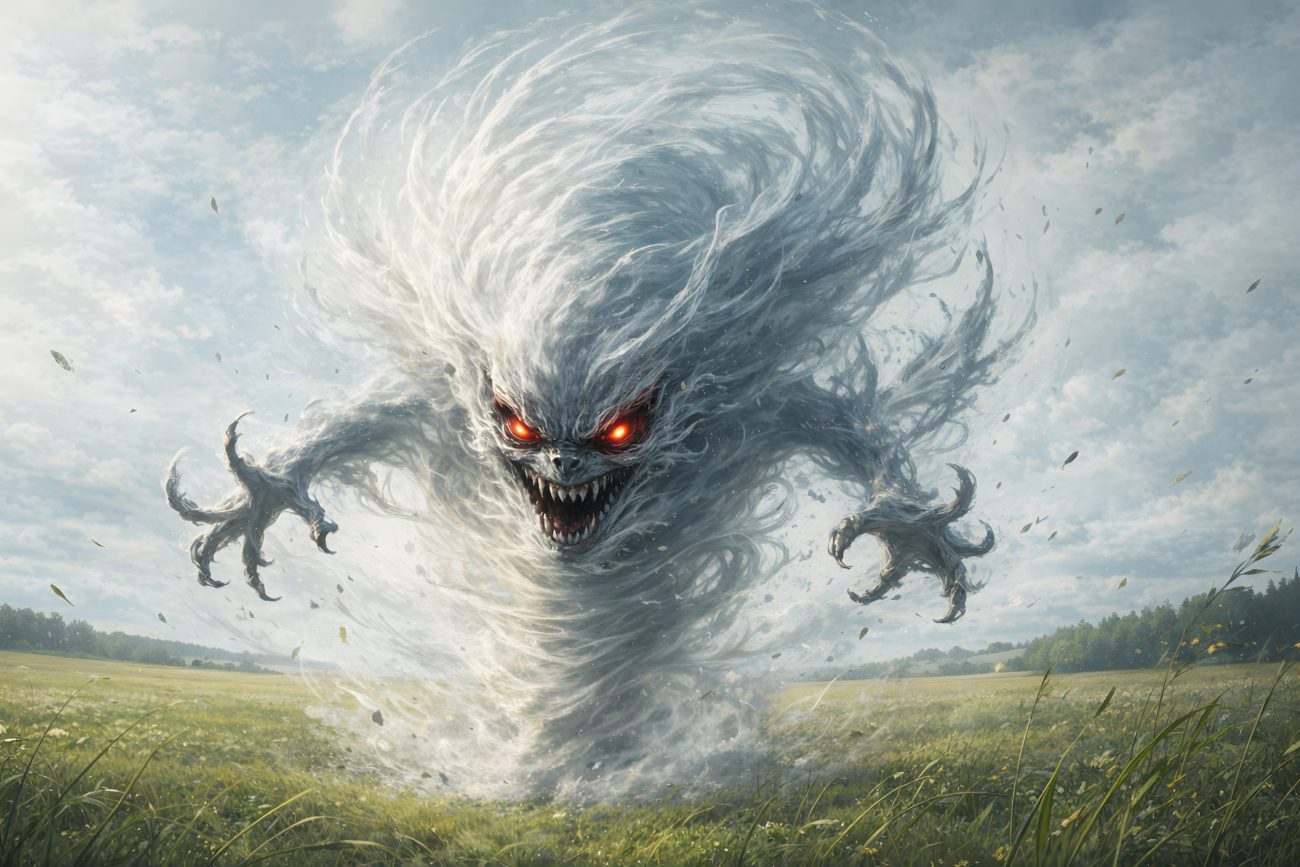
Alvina is a spirit of the air, known to wander endlessly through the sky. When the wind howls and roars, people say, “Listen! Alvina is crying.” Her presence is heard rather than seen, carried on storms and restless gusts that sweep across the land.

According to the legend, Alvina was once a king’s daughter. Against her parents’ wishes, she married the wrong man. For this act, her parents cursed her to wander forever, stripped of rest or peace. From that moment on, she was bound to the winds, condemned to eternal roaming.

Her name has led some to believe that she was the daughter of an elven king, linking her to an otherworldly royal lineage rather than a purely human one. Whether princess or elf-child, Alvina’s fate remained the same: to drift endlessly through the air, her sorrow echoing whenever the wind rises.

Thus, Alvina is remembered as a mournful air spirit, her lament still heard whenever the wind cries across West Flanders.


Source

Abe de Verteller. (2014). Van aardmannetje tot zwarte juffer: Een lijst van Nederlandse en Vlaamse elfen en geesten. In AbeDeVerteller.nl, from https://abedeverteller.nl/van-aardmannetje-tot-zwarte-juffer-een-lijst-van-nederlandse-en-vlaamse-elfen-en-geesten/


Näcken

Tradition / Region: Swedish Mythology
Alternate Names: Strömkarlen, Bäckamannen, Kvarngubbe, Kvarnrå, Forskarlen, Dammapågen
Category: Water spirit


The Myth

In Swedish folklore, Näcken dwelled in lakes, rivers, streams, and mill waters, haunting places where the current moved quietly or gathered strength beneath the surface. He was not a single spirit but a powerful water-being known by many names, feared and respected wherever people lived close to water.

Näcken most often appeared as a naked man, sometimes young and slender, sometimes old and bearded, seated upon a rock or at the water’s edge. His hair was said to be green or woven with foliage, as if grown from the river itself. In his hands he held an instrument, most often a violin, though he was also known to play horns, flutes, or other melodies. His music was said to be irresistibly beautiful. Those who heard it felt drawn toward the sound, their feet carrying them closer to the water without their will.

Näcken was a master of deception. Though water might seem shallow and harmless, he could seize a person’s footing, locking their legs in place and pulling them beneath the surface. Many drownings were blamed on him, and children were warned never to trust the calm of a stream or the beauty of music drifting across the water at dusk.

At times, Näcken took other forms. He could appear as animals — a black or white horse, a bull, a dog, or a cat — and these shapes often bore a subtle wrongness, such as having three legs instead of four. He could also disguise himself as floating objects or tempting treasures, lying in wait for the unwary.

Näcken was not merely a minor spirit, but a powerful force of the natural world, sometimes spoken of as nearly divine. He embodied the danger of water itself: beautiful, life-giving, and deadly. To encounter him was to be reminded that rivers and lakes were alive, watching, and never fully under human control.


Raróg

Tradition / Region: Polish Mythology
Alternate Names: Raroh, Raróg
Category: Bird, Spirit


The Myth

The Raróg is a being of fire, most often seen as a flaming falcon or hawk streaking across the sky. It is not a creature of nests or forests, but one bound to heat, flame, and the upper reaches of the world. When it moves, it may blaze like a living ember, spiral through the air like a whirlwind, or descend suddenly in a flash of fire.

Some traditions tell that the Raróg may be born in an unusual way. An egg kept warm upon a household stove for nine days and nights can hatch into the spirit. Once it comes into being, it does not remain fixed in shape. At times it appears as a fiery bird, at others as a dragon-like form, a small humanoid spirit, or a spinning column of flame. Like fire itself, its nature is unstable and ever-changing.

The Raróg is said to dwell at the crown of the Slavic world tree, where it guards the entrance to Vyraj, a warm and radiant realm associated with life, renewal, and the seasonal flight of birds away from winter. From this height, it watches the boundary between the human world and a distant paradise beyond decay and cold.

In some regions, particularly in Polish folklore, the Raróg appears in a smaller and gentler form. It is described as a tiny fire-bird that can be carried in a pocket and brings good fortune to the one who possesses it. Even in this form, it remains a creature of flame, closely tied to later legends of the Firebird, whose feathers continue to glow long after being plucked.

Across all its tellings, the Raróg endures as a living embodiment of fire itself — swift, radiant, and dangerous, forever moving between worlds in flickers of flame.