Łapiduch

Tradition: Polish Mythology
Alternative Names: Lapiduch
Category: Demon


The Myth

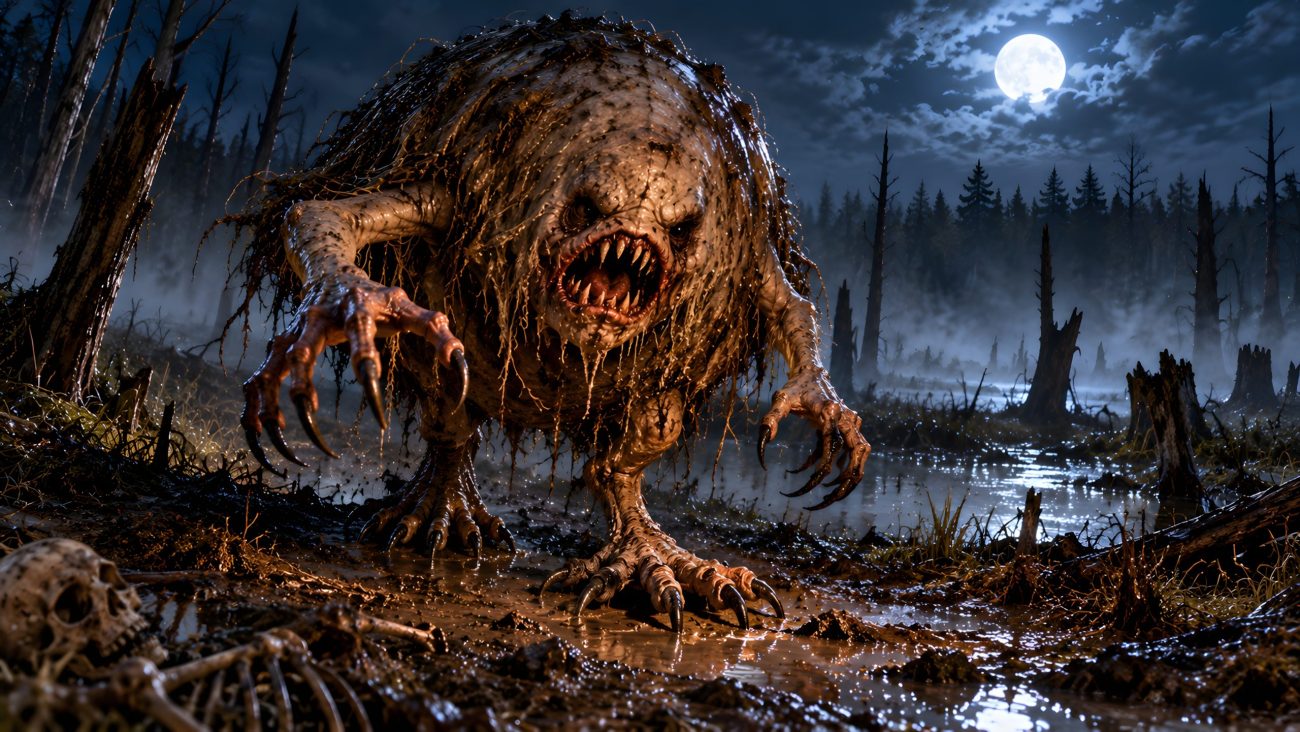
Łapiduch is a grotesque demon from Polish folklore, particularly associated with the Sandomierz Forest region. It has a bulbous, rounded body supported by clawed feet with five toes. Its short arms end in long fingers armed with sharp claws, giving it a monstrous appearance suited to its role as a tormentor of the dead.

The demon dwells in desolate wastelands, where it waits in ambush for penitent souls. When one of these souls enters its territory, Łapiduch captures it and subjects it to terrible torment, making the unfortunate spirit cry out in suffering. Unlike many demons, however, Łapiduch does not attack living people. Its targets are exclusively the souls of the dead, whom it torments in the lonely places where it lurks.


Sources

“Łapiduch.” Wikipedia, wolna encyklopedia (Polish Wikipedia). Wikimedia Foundation. Accessed October 11, 2026. https://pl.wikipedia.org/wiki/%C5%81apiduch


Dydko

Tradition: Polish Mythology
Alternative Names: Didko, Ditko, Dytko, Dydo
Category: Demon


The Myth

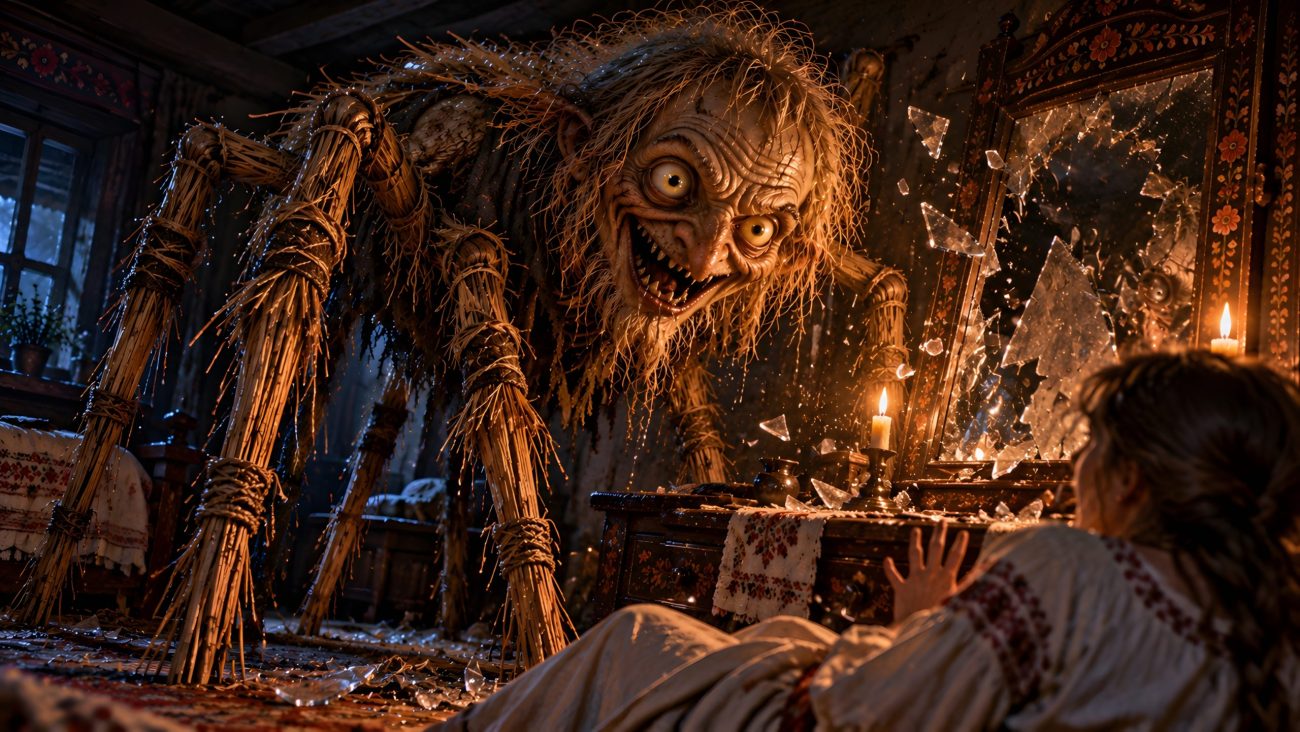
Dydko is a strange supernatural creature from Polish folklore, originally feared as a demon and later transformed into a bogeyman used to frighten children. It is usually depicted as an awkward, grotesque figure with an enormous head and long, spindly legs made of straw, resembling the legs of a spider. Its unnatural appearance makes it a disturbing presence, particularly when encountered in the darkness.

In earlier beliefs, Dydko was associated with household guardian spirits, but over time it became a more sinister being connected with the wilderness and the night. It was feared as a forest devil before eventually becoming a creature invoked by adults to frighten disobedient children. Like other bogeymen, it lurks in the imagination as a threat waiting for those who misbehave.

According to later tales, Dydko appears in mirrors to young women who spend too much time admiring their reflections. It is said to emerge between midnight and half past three in the morning, producing a disgusting slurping sound that reveals its presence. Its association with mirrors, darkness, and the late hours of the night makes Dydko a particularly unsettling figure in Polish folklore.


Sources

“Dydko.” Wikipedia: The Free Encyclopedia. Wikimedia Foundation. Accessed October 11, 2026. https://en.wikipedia.org/wiki/Dydko


Julki

Tradition: Polish Mythology
Alternative Names: Julki
Category: Dwarf


The Myth

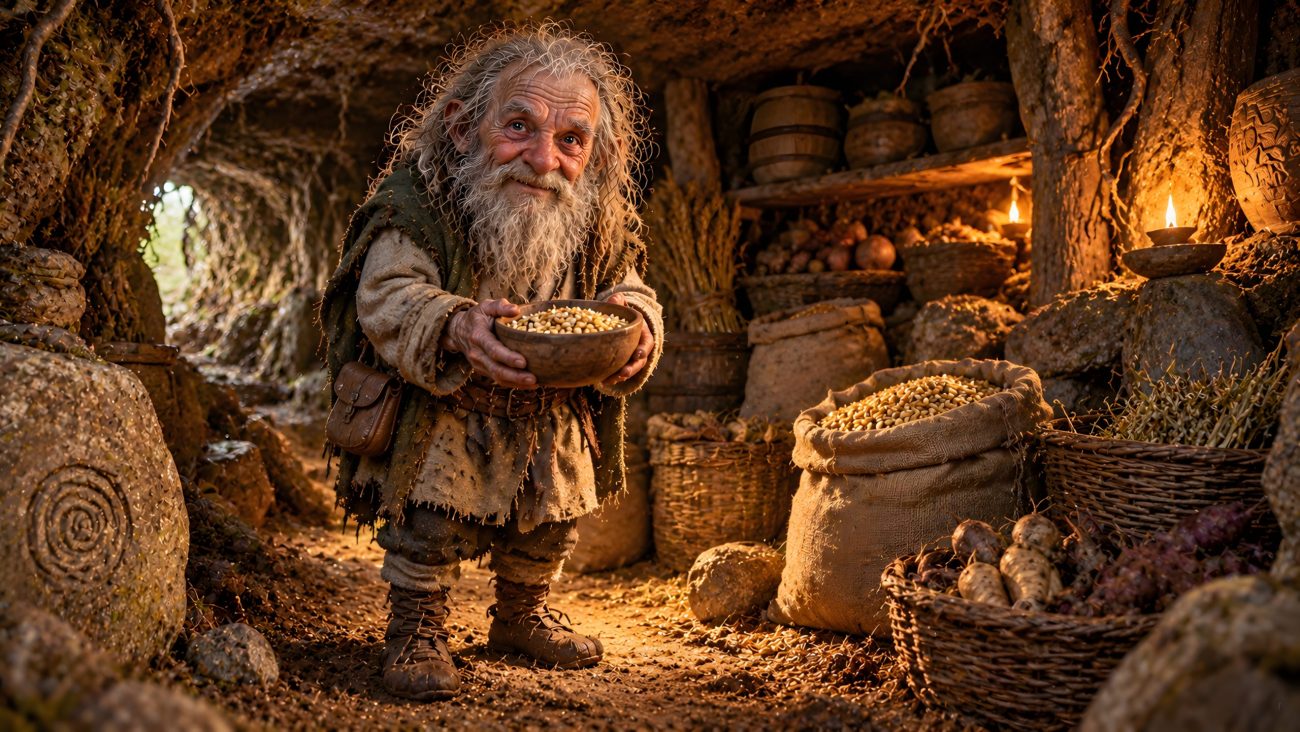
The Julki were dwarfs who lived beneath hills and ancient burial mounds in the region around Łabusz and Jamno. According to local belief, they may have been the souls of deceased ancestors who continued to dwell beneath the earth after death.

Although they lived hidden underground, the Julki were benevolent toward people. During times of famine, they would come to the aid of those suffering from hunger by sharing their own food supplies with them. Their hidden homes beneath the hills and barrows therefore became places associated not only with the dead, but also with protection and generosity toward the living.


Sources

“Julki.” Wikipedia, wolna encyklopedia (Polish Wikipedia). Wikimedia Foundation. Accessed October 4, 2026. https://pl.wikipedia.org/wiki/Julki


Barstuk

Tradition: Polish Mythology
Alternative Names: Barstuk
Category: Dwarf


The Myth

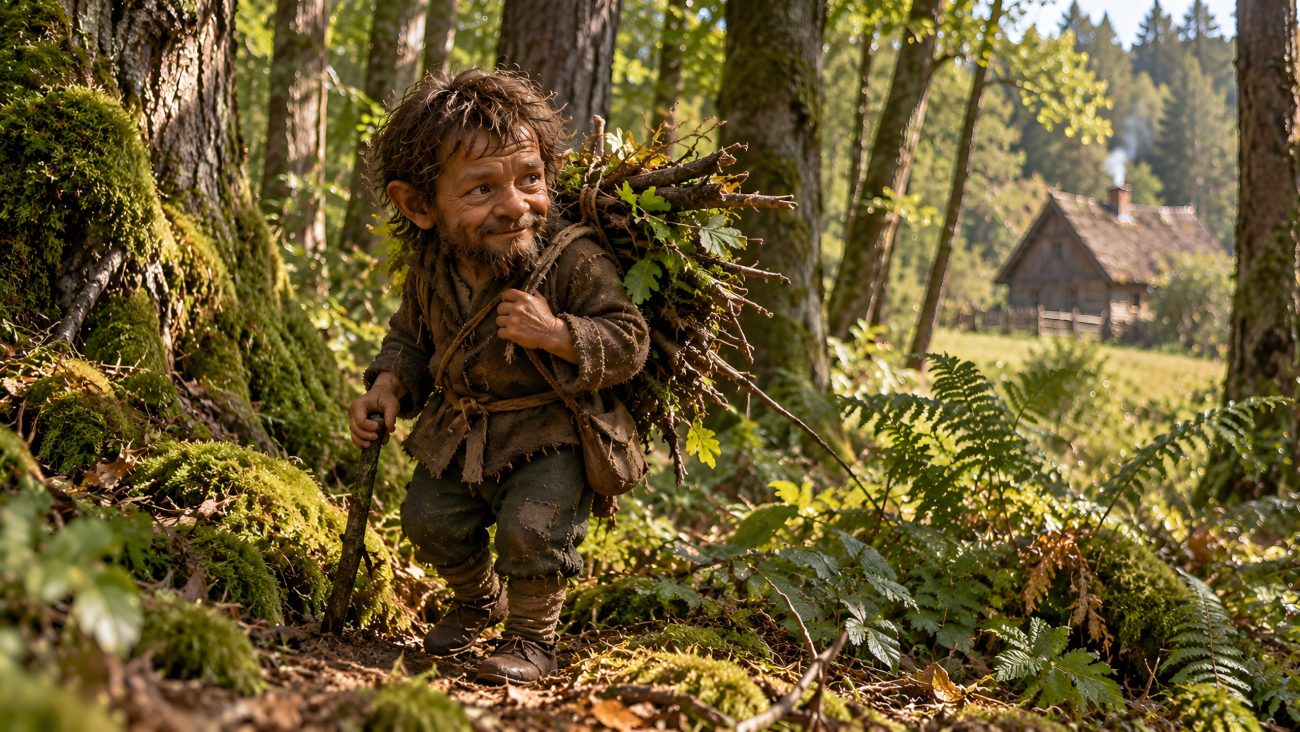
The Barstuk is a small dwarf-like creature from the folk traditions of Warmia and Masuria. It is said to inhabit the forests, living away from human settlements and remaining mostly hidden from view.

Despite its secluded nature, the Barstuk is considered a helpful being. It secretly visits people’s houses and assists the inhabitants without revealing itself. Its quiet presence makes it a benevolent little spirit of the forest, helping those whose homes it chooses to visit.


Sources

“Barstuk.” Wikipedia: The Free Encyclopedia. Wikimedia Foundation. Accessed October 4, 2026. https://en.wikipedia.org/wiki/Barstuk


Wawel Dragon

Tradition: Polish Mythology
Alternative Names: Smok Wawelski, Dragon of Wawel Hill, Wawel Dragon
Category: Dragon


The Myth

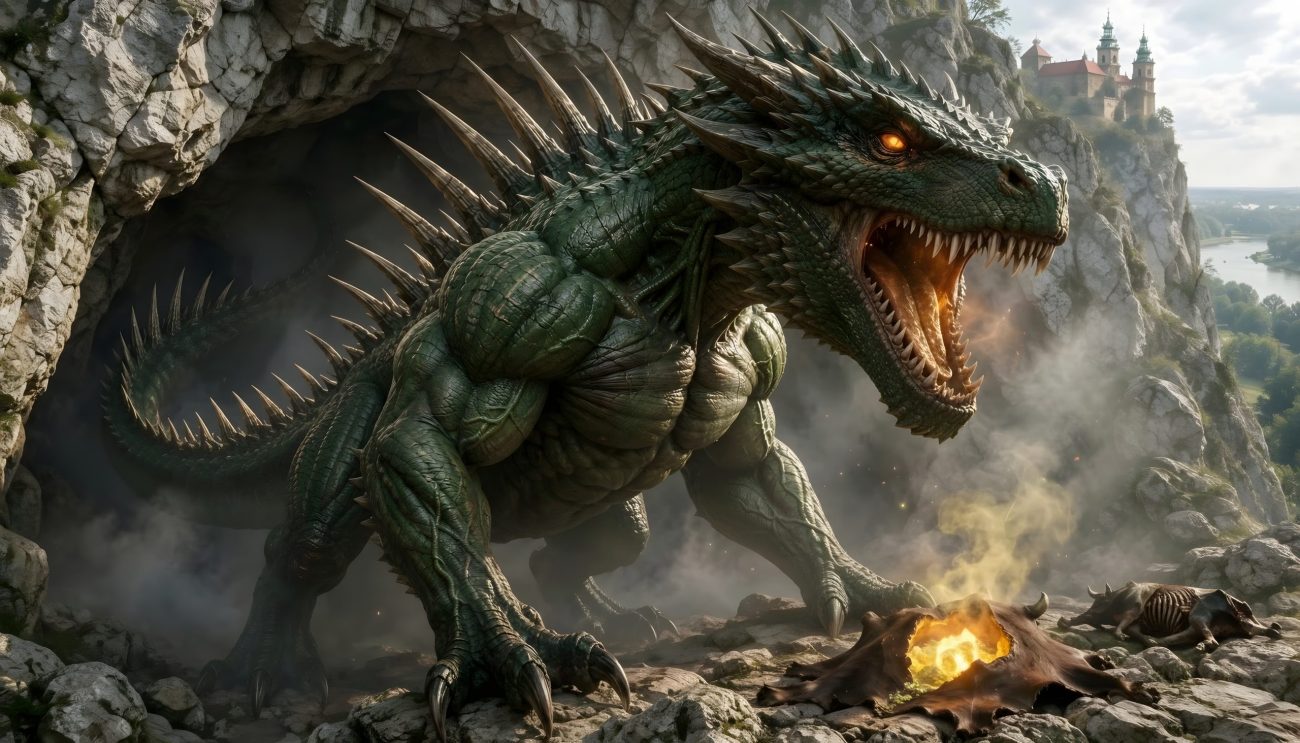
The Wawel Dragon was a terrible man-eating beast that lived in the depths of a rocky cave beneath Wawel Hill in Kraków. It was described as a cruel monster that devoured humans and animals, forcing the inhabitants to provide it with regular offerings of cattle. If the weekly offering was not provided, the dragon would turn to human victims instead.

The earliest known account, from the 13th century, tells how King Krak called upon his two sons to destroy the beast. Unable to defeat the dragon by force, the princes devised a trick. They filled a cattle hide with smoldering sulfur and offered it to the monster. The dragon swallowed the bait, and the burning sulfur killed it.

The victory, however, brought tragedy. The younger prince murdered his elder brother and blamed the dragon for his death, hoping to claim sole credit for its destruction. His crime was eventually discovered, and he was banished from the kingdom. His sister, Princess Wanda, then succeeded to the throne.

Later tellings changed parts of the story. In the 15th-century chronicle of Jan Długosz, the roles of the brothers were reversed, while King Krak himself was credited with devising the plan. The bait was stuffed not only with sulfur but also tinder, wax, pitch, and tar. The dragon consumed the burning carcass and died while breathing fire. Długosz also firmly placed the dragon’s lair in a cave on Wawel Hill beneath the castle.

A later version, recorded by Marcin Bielski in 1597, gave the dragon-slaying scheme to a shoemaker named Skub or Skuba. The dragon demanded several animals to satisfy its enormous appetite, while Skub prepared a calf’s hide filled with sulfur as bait. After swallowing it, the dragon became desperately thirsty and drank from the Vistula until it died. The cave beneath Wawel Castle was thereafter known as the Dragon’s Cave, Smocza Jama.

In the popular fairy-tale tradition, the dragon became an even greater terror, roaming the countryside, destroying property, killing people, and devouring livestock. Warriors from across the land attempted to defeat it and failed, until a humble shoemaker’s apprentice named Skuba accepted the challenge. He placed a sulfur-filled lamb outside the dragon’s cave. After eating it, the dragon became so thirsty that it drank enormous quantities of water from the Vistula until its body burst.


Sources

“Wawel Dragon.” Wikipedia: The Free Encyclopedia. Wikimedia Foundation. Accessed October 3, 2026.
https://en.wikipedia.org/wiki/Wawel_Dragon
Kasny

Tradition: Polish Mythology
Alternative Names: Kasny
Category: Snake


The Myth

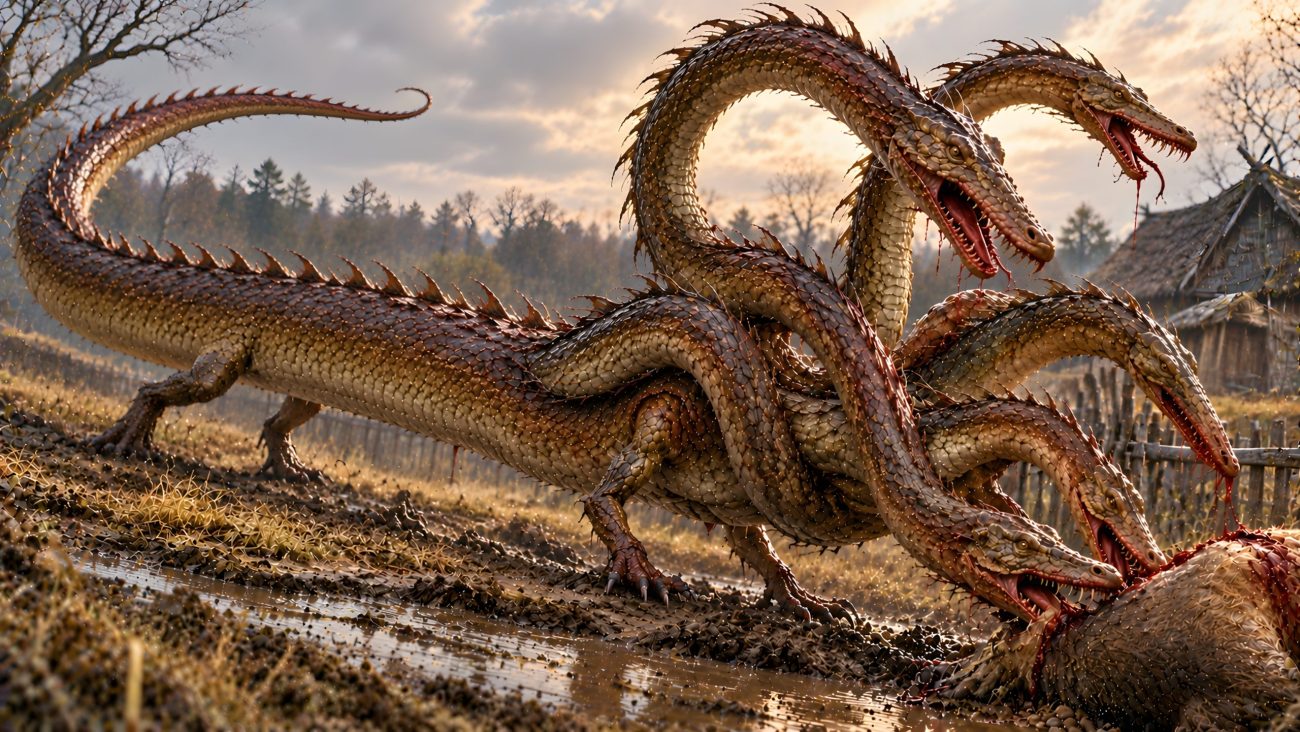
Kasny were disgusting, serpent-like creatures that fed upon the blood of their victims. Alone they were relatively harmless, but when they attacked in groups they became deadly. A whole swarm would throw itself upon a person from every direction, biting relentlessly and fastening onto every part of the body like leeches.

Once they began feeding, the Kasny would fall into a frenzy. They attacked with savage determination, sucking up their victim’s blood while paying no attention to the wounds inflicted upon them in the struggle. Their hunger was so intense that they continued attacking even when seriously injured.

Sometimes a Kasny became so swollen with the blood it had consumed that it died together with its victim. Only the strongest individuals were capable of surviving such an attack and retreating once again into their hiding places.

This suicidal manner of feeding fortunately meant that Kasny remained extremely rare creatures. Their greatest danger came not from a single creature, but from the sudden appearance of an entire swarm, descending upon a victim and overwhelming them through sheer numbers.


Sources

Zych, Paweł, and Witold Vargas. Bestiariusz słowiański. Część pierwsza i druga. Warsaw: Bosz, 2017.


Krepel

Tradition: Polish Mythology
Alternative Names: Bytom Dragon, Smok Bytomski, Bytōmski Smok
Category: Dragon


The Myth

Krepel was a dragon said to live in the forests surrounding the early settlement of Bytom in Upper Silesia. Unlike many Polish dragons, he was not a cruel beast that preyed upon the local people, but a remarkably well-mannered creature who guarded a great treasure.

In the days when Bytom was still a small settlement on St. Margaret’s Hill, surrounded by dense and seemingly impenetrable forests, stories spread among the elders of a dragon protecting hidden riches. A young farmhand, tempted by the promise of treasure, decided to venture into the wilderness and claim it for himself.

As he approached the dragon’s territory, he passed through scorched fields and forests littered with fallen trees. The remains of knights’ armor lay scattered about, convincing him that he had finally reached the lair of the beast. He soon discovered a grotto and gripped his club, preparing himself for a battle.

But before he could enter, a voice came from inside the grotto. The dragon asked why the young man wished to begin such an unequal fight when Krepel had done him no harm. Instead of attacking him, the dragon invited him into his home and even offered him some of its treasure. There was only one problem: the grotto was too small, so the dragon asked the farmhand to go to its second residence while it went ahead to put the kettle on.

The farmhand accepted the strange invitation rather than fighting. He followed Krepel to the dragon’s other residence, where the two spent time together peacefully. Krepel kept his promise and gave the young man some of his treasure.

With his newfound wealth, the farmhand later bought a tenement in Bytom and placed an image of Krepel there in honor of the dragon who had become his friend.


Sources

“Krepel (mythology).” Wikipedia: The Free Encyclopedia. Wikimedia Foundation. Accessed September 26, 2026. https://en.wikipedia.org/wiki/Krepel_(mythology)


Żyrownik

Tradition: Polish Mythology
Alternative Names: Żyrownik, Zhyrownik
Category: Demon


The Myth

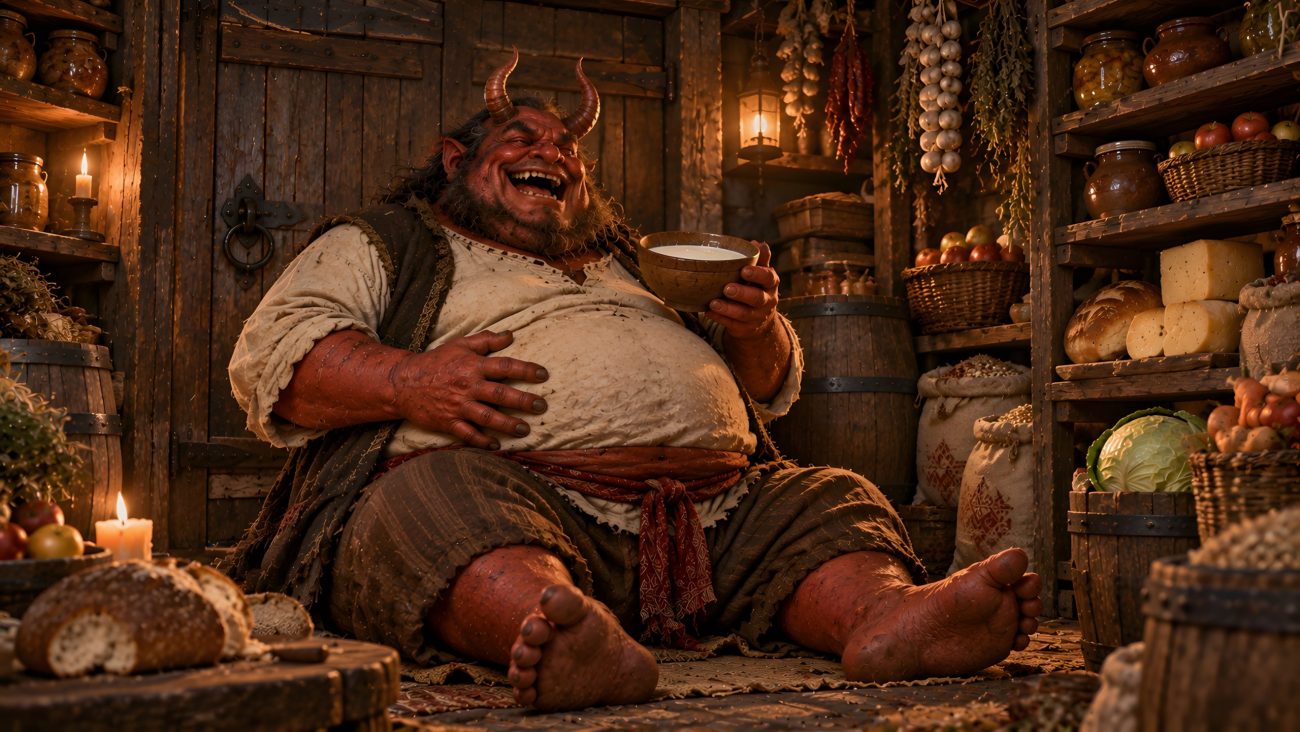
Żyrownik is a fat, obese demon that lives in household pantries and chambers.

When properly treated and fed, usually with fresh cow’s milk, Żyrownik helps increase the household’s supply of food and protects the home from evil spirits. Once a year, the household holds a symbolic feast for him as thanks for his protection.

If the household neglects or mistreats Żyrownik, he does not take revenge. Instead, hunger leaves him too weak to protect the house. Hostile demons, including the devil, can then enter the household.


Sources

“Żyrownik.” Wikipedia, wolna encyklopedia (Polish Wikipedia). Wikimedia Foundation. Accessed September 12, 2026. https://pl.wikipedia.org/wiki/%C5%BByrownik


Bobak

Tradition: Polish Mythology
Alternative Names: Bobak, Bobaki
Category: Demon


The Myth

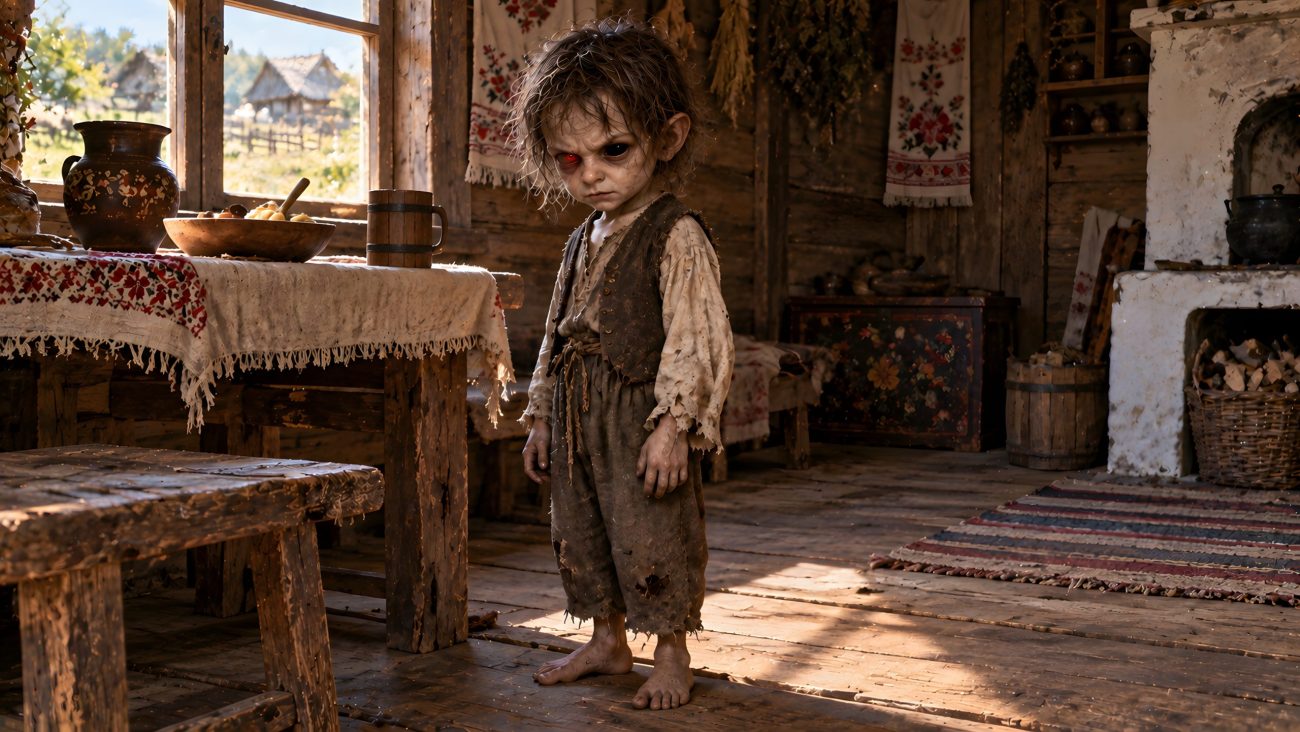
Bobak is a demonic creature found in several forms in Slavic folklore. In some traditions, it is a bogeyman of unspecified appearance, while in others it can take the form of a white dog or a cat.

In southeastern Łódź, Bobak was associated with the odmieniec, a demonic changeling believed to be a human child replaced by the demoness Boginka-Mamuna. Unlike an ordinary child, the demonic child was quiet, barely moved, and showed no appetite while other members of the household were present.

When left alone in the house, however, the Bobak became voracious and was also fond of alcohol. If the demonic child survived into adulthood, it was said to become disabled and distrustful of people, although this was uncommon because Bobaks generally died during infancy.

In the Wieluń region, Bobaks were instead described as mischievous dwarves. In the region of Kutno, they were believed to be small devils or demonic children.


Sources

“Bobak (Slavic demon).” Wikipedia: The Free Encyclopedia. Wikimedia Foundation. Accessed September 10, 2026. https://en.wikipedia.org/wiki/Bobak_(Slavic_demon)


Błędnica

Tradition: Polish Mythology
Alternative Names: Błędnica
Category: Demon


The Myth

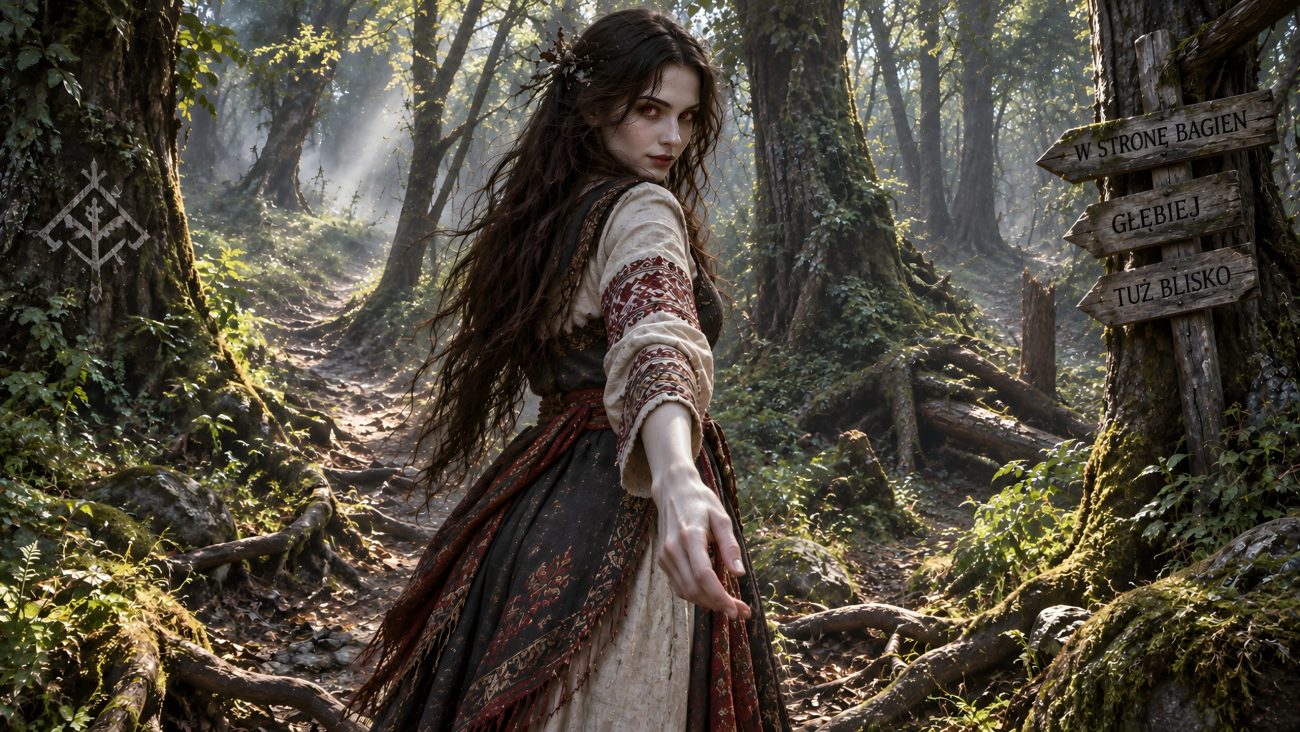
Błędnica is a forest demoness who appears most often as a young and beautiful girl. She inhabits the forest and leads people astray, causing them to become lost deep among the trees.

Those who fall under Błędnica’s influence are led farther and farther into the forest until they are completely lost. The demoness then abandons them in the wilderness, where they may eventually die from starvation or be eaten by wild animals.

Błędnica could be driven away through powerful spells or by making a sacrifice. Such offerings could be made at home or during a hunt in an attempt to protect people from the demoness.


Sources

“Błędnica (Slavic demoness).” Wikipedia: The Free Encyclopedia. Wikimedia Foundation. Accessed September 10, 2026. https://en.wikipedia.org/wiki/B%C5%82%C4%99dnica_(Slavic_demoness)