Clurichaun

Tradition / Region: Irish mythology
Alternate Names: Clúrachán, Clobhair-ceann, Cluracan, Cluracaun, Cluricaun, Cluricaune
Category: Gnome, Fairy


The Myth

The clurichaun is a solitary fairy who loves drink above all else. He haunts breweries, pubs, wine cellars, and any place where alcohol is stored, and once he chooses a household or cellar, he is extremely difficult to get rid of.

He appears as a tiny old man, often no taller than a foot, with a red and weathered face, twinkling eyes, and a nose stained purple from constant drinking. He usually wears red—most often a red nightcap—along with fine little shoes fastened by silver buckles. Though small, his presence is loud and unmistakable: laughter, singing, banging, and drunken mischief echo wherever he settles.

At night, the clurichaun drinks whatever he can find. He rides atop wine casks like a king on a throne, draining barrels and singing merrily to himself. Servants who are careless suffer his wrath. If a tap is left running, he may wedge his own body into the barrel to stop the flow, waiting patiently until someone comes. But if he is neglected, insulted, or denied food or drink, his temper turns vicious. He pulls people from their beds, throws them down stairs, or beats them black and blue in fits of drunken fury.

Despite this, the clurichaun is not purely malicious. If treated well, he becomes fiercely loyal. He guards the cellar, protects the household’s property, and punishes dishonest servants who steal wine. Many families learned to leave him food and drink each night, fearing his anger more than his appetite.

Some tales say the clurichaun can slip through keyholes, ride through the air on reeds like a witch on a broom, or turn bog rushes into horses for midnight journeys. Others tell of unlucky men who refused to pay him for a drink and were forced into years of service, freed only by calling upon divine blessing.

Like his close cousin the leprechaun, the clurichaun is bound to place rather than people. If a household tries to flee him by moving away, he simply comes along, laughing from inside the new cellar. Once he chooses his haunt, he stays—drinking, singing, guarding, and tormenting—until the wine runs dry or the house falls to ruin.

The clurichaun is thus remembered as a spirit of excess and contradiction: drunken and dangerous, yet protective; cruel when offended, yet loyal when respected—a reminder that hospitality, once given to the unseen, must never be withdrawn.


Gallery


Sources

Wikipedia contributors. (n.d.). Clurichaun. In Wikipedia, The Free Encyclopedia, from https://en.wikipedia.org/wiki/Clurichaun


Interpretive Lenses

Religious Readings
  • Christian Ascetic Deep Dive
Philosophical Readings
  • Nietzschean Deep Dive
Psychological Readings
  • Jungian Deep Dive
Esoteric Deep Dive
  • Hermetic Deep Dive
Political / Social Readings
  • Marxist Deep Dive
Other
  • How to Invite The Clurichaun

Far Darrig

Tradition / Region: Irish mythology
Alternate Names: Fear Dearg, Red Man, Rat Boys
Category: Gnome


The Myth

The far darrig is one of the darker little folk of Ireland, a solitary fairy feared not for strength, but for cruelty and laughter. He is known as the Red Man, for he appears dressed in a red coat and cap, a bright color that makes his presence unmistakable when he chooses to be seen.

Unlike fairies who help or bargain, the far darrig lives for practical jokes, and his humor is often grim. He delights in frightening people, humiliating them, or leading them into situations that end in terror or shame. His favorite victims are the helpless and the unsuspecting, and his tricks often carry lasting consequences.

One of the most dreaded acts attributed to the far darrig is the exchange of infants. He is said to steal human babies from their cradles and replace them with changelings—sickly, unnatural beings that cry endlessly and never thrive. Families who suffered such losses believed the far darrig had passed through their home unseen, laughing as he worked.

In some tales, the far darrig is linked to nightmares. He presses upon sleepers, twists their dreams, and fills their sleep with fear. People who wake in terror, unable to move or speak, were sometimes said to have been visited by him in the night.

Though small, ugly, and misshapen—sometimes described as squat and heavy with a snout-like face and a thin tail—the far darrig is never harmless. He belongs to the same shadowy company as the leprechaun and the clurichaun, but where they mock and tease, the far darrig torments. His laughter is not playful; it is a warning that mischief, once invited, can turn cruel.


Gallery


Sources

Wikipedia contributors. (n.d.). Far Darrig. In Wikipedia, The Free Encyclopedia, from https://en.wikipedia.org/wiki/Far_darrig


Interpretive Lenses

Religious Readings
  • Christian Ascetic Deep Dive
Philosophical Readings
  • Nietzschean Deep Dive
Psychological Readings
  • Jungian Deep Dive
Esoteric Deep Dive
  • Hermetic Deep Dive
Political / Social Readings
  • Marxist Deep Dive
Other
  • How to Invite The Far Darrig

Bó Find

Tradition / Region: Irish mythology
Alternate Names:
Category: Cow


The Myth

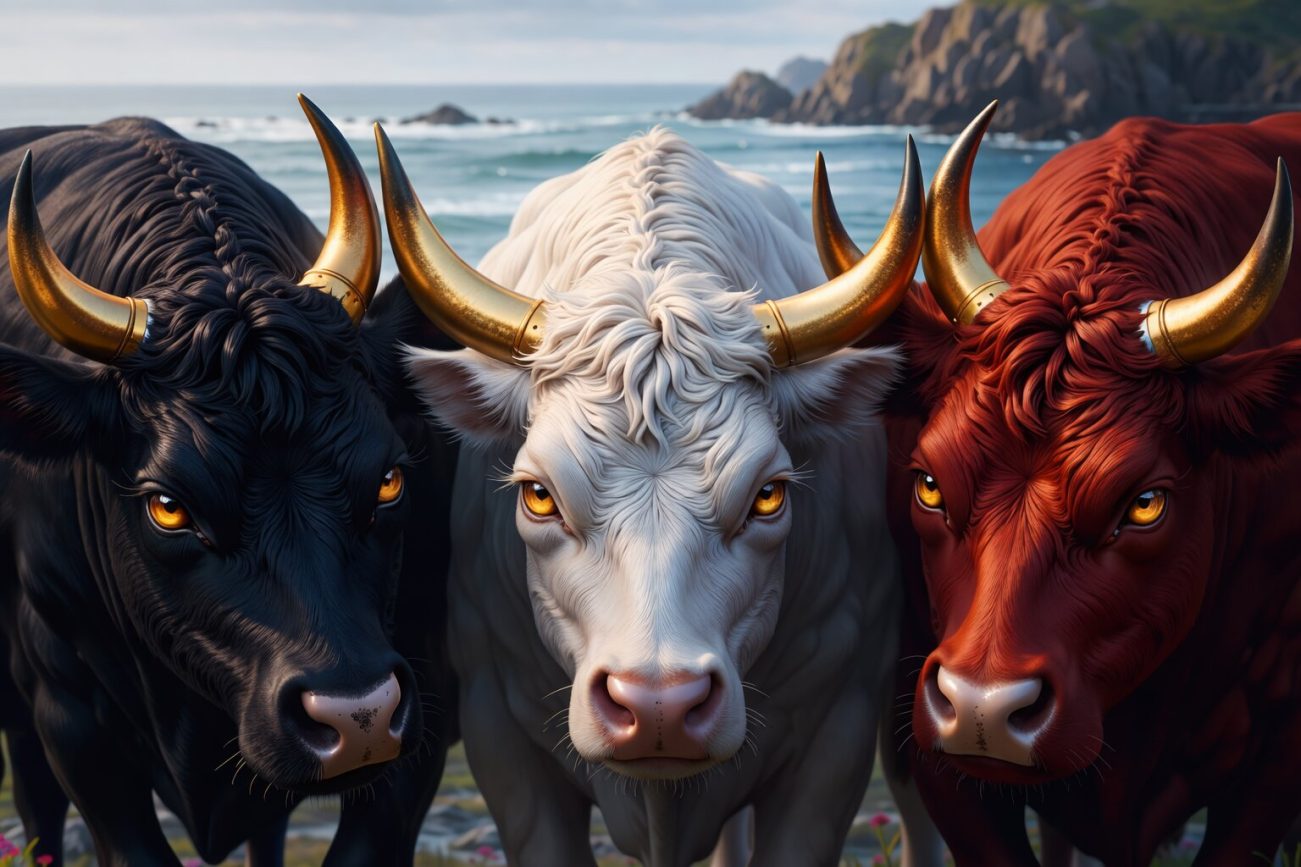
In the earliest age of Ireland, before grass grew or herds roamed, the island lay empty and barren. From the western sea came three cows, rising from the waves as if born from the ocean itself. They were sisters: Bó Find, white as light; Bó Ruadh, red as flame; and Bó Dhu, black as night.

When they reached the shore, the sisters parted ways. Bó Ruadh turned north, and Bó Dhu went south. Bó Find alone walked inland, toward the heart of the island. Wherever the three cows traveled, the land behind them changed. The empty ground became fertile, cattle appeared where none had existed, and life followed in their wake. By their passage, Ireland was transformed from a lifeless place into one that could sustain its people.

Bó Find journeyed on until she reached the center of the island. There she gave birth to two calves, one male and one female. From these twins descended all the cattle of Ireland, and through them the island gained abundance and nourishment.

The memory of Bó Find did not fade. Her path was said to remain marked upon the land itself, preserved in place-names that carried the word . In this way, the people remembered that the life of Ireland flowed from a white cow who walked ashore from the western sea and filled the empty land with living herds.


Gallery


Sources

Monaghan, P. (2004). The Encyclopedia of Celtic Mythology and Folklore. Facts on File, p. 52.


Interpretive Lenses

Religious Readings
  • Christian Ascetic Deep Dive
Philosophical Readings
  • Nietzschean Deep Dive
Psychological Readings
  • Jungian Deep Dive
Esoteric Deep Dive
  • Hermetic Deep Dive
Political / Social Readings
  • Marxist Deep Dive
Other
  • How to Invite The Bó Find

Alp-Luachra

Tradition / Region: Irish Mythology
Alternate Names:
Category: Lizard, Newt, Hunger


The Myth

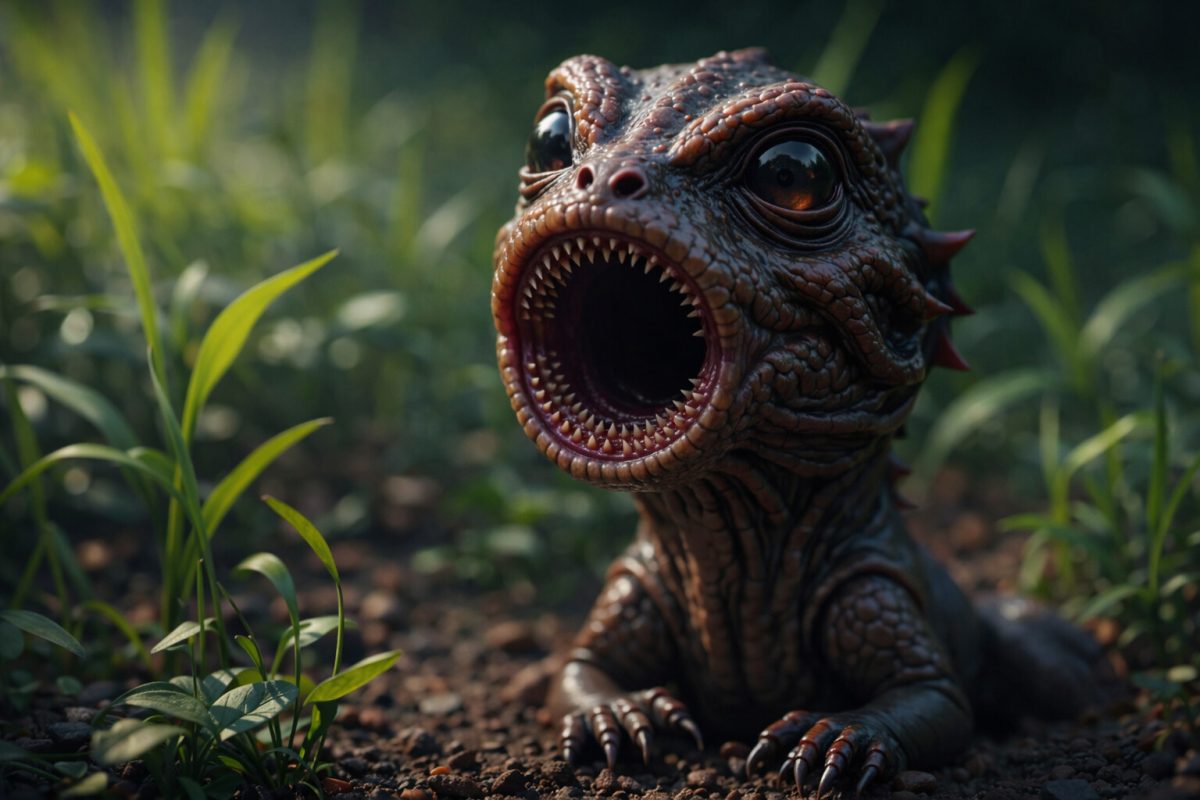
The Alp-Luachra is a dark fairy said to dwell throughout Ireland, feared for its quiet and dreadful way of feeding upon humans. Small and newt-like in form, it resembles a smooth, slippery creature of the grass and water, yet it is far from harmless. It waits for the careless sleeper who lies upon the earth beneath the open sky.

When a person sleeps outdoors with mouth unguarded, the Alp-Luachra slips silently inside. It passes down the throat and settles in the stomach, unseen and unfelt. There it does not eat flesh, but lives upon the essence of food itself, draining the strength and nourishment meant for the host. As time passes, the creature grows and multiplies within the body, while the victim feels constant hunger no matter how much is eaten.

Because of the fairy’s enchantment, the afflicted person does not know the true cause of their suffering. Months or even years may pass as the body weakens and wastes away. If nothing is done, the victim eventually dies of starvation, though food was always close at hand.

Those who know the old ways say the Alp-Luachra can be driven out by cunning rather than force. Strong-smelling or savory foods tempt it toward the mouth, while heavily salted meat brings unbearable thirst. When the victim lies near running water and opens their mouth, the creatures crawl out one by one, seeking the stream. Sometimes many emerge, and at last a larger one, said to be their mother.

Once expelled, the Alp-Luachra loses its power over the host. It is said that the creature itself still holds strange virtue, and that licking it can cure burns. But none who have suffered its presence ever forget the lesson it brings.

Thus the Alp-Luachra remains a warning in Irish lore: that unseen dangers dwell close to the body, that hunger may come from within, and that the earth itself is not always a safe bed for the unwary.


Gallery


Sources

A Book of Creatures contributors. (2015). Alp-luachra. In ABookOfCreatures.com, from https://abookofcreatures.com/2015/03/17/alp-luachra/


Interpretive Lenses

Religious Readings
  • Christian Ascetic Deep Dive
Philosophical Readings
  • Nietzschean Deep Dive
Psychological Readings
  • Jungian Deep Dive
Esoteric Deep Dive
  • Hermetic Deep Dive
Political / Social Readings
  • Marxist Deep Dive
Other
  • How to Invite The Alp-Luachra

Adhnúall

Tradition / Region: Irish mythology, Celtic Mythology
Alternate Names: Adnual
Category: Dog


The Myth

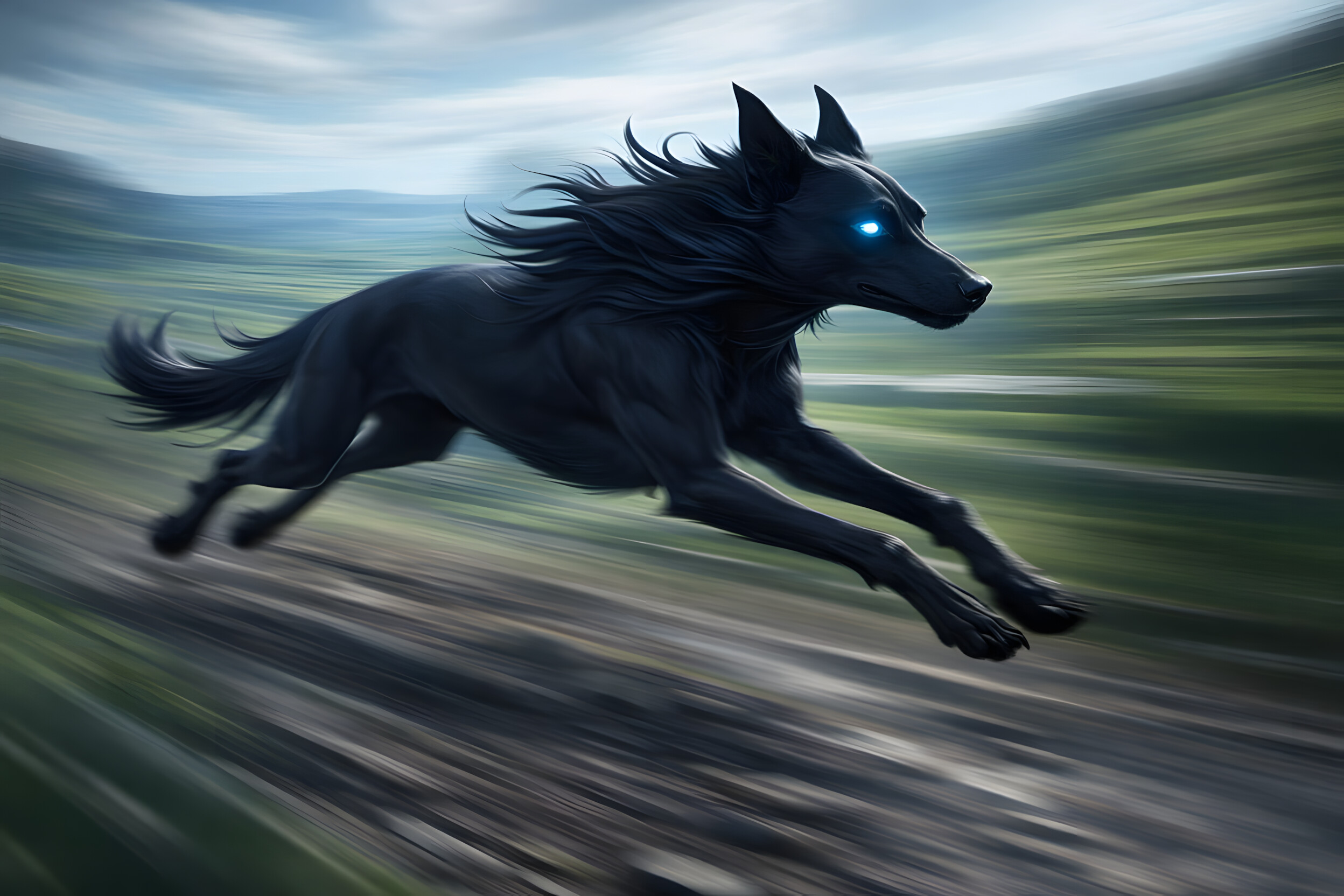
Adhnúall, whose name means “Sweet of Sound,” was one of the hunting dogs of Fionn mac Cumhaill, leader of the Fianna. Unlike the more famous hounds, Adhnúall was remembered not for ferocity alone, but for a voice so beautiful and sorrowful that it could stir the heart.

Once, the dog was stolen by Arthur, the son of the king of Britain. The Fianna pursued the matter and reclaimed Adhnúall, restoring him to Fionn. From that time on, the hound remained closely bound to his master’s fate.

It was said that Adhnúall played a quiet but decisive role in love as well as in the hunt. Through the dog’s presence and guidance, Sadhbh was led into Fionn’s heart, beginning a bond that would shape both their lives.

In later days, a great battle was fought in Leinster, and many of the Fianna were slain. The loss weighed heavily upon Adhnúall. Stricken with grief, the hound ran the full circuit of Ireland three times, as though seeking every fallen companion and every memory of the Fianna.

When his strength was spent, Adhnúall returned to the battlefield. He went to a hill where three warriors of the Fianna and their lovers lay buried together. There, he lifted his head and gave three long howls, each filled with sorrow and farewell. When the last cry faded, Adhnúall lay down and died of grief.

Thus ended the life of the sweet-voiced hound, whose loyalty bound him to love, loss, and the fate of the Fianna themselves.


Gallery


Sources

Wikipedia contributors. (n.d.). Adhnúall. In Wikipedia, The Free Encyclopedia, from https://en.wikipedia.org/wiki/Adhn%C3%BAall


Interpretive Lenses

Religious Readings
  • Christian Ascetic Deep Dive
Philosophical Readings
  • Nietzschean Deep Dive
Psychological Readings
  • Jungian Deep Dive
Esoteric Deep Dive
  • Hermetic Deep Dive
Political / Social Readings
  • Marxist Deep Dive
Other
  • How to Invite The Adhnúall