Sand Squink

Tradition: American Mythology
Alternative Names: Sand Squink
Category: Rabbit


The Myth

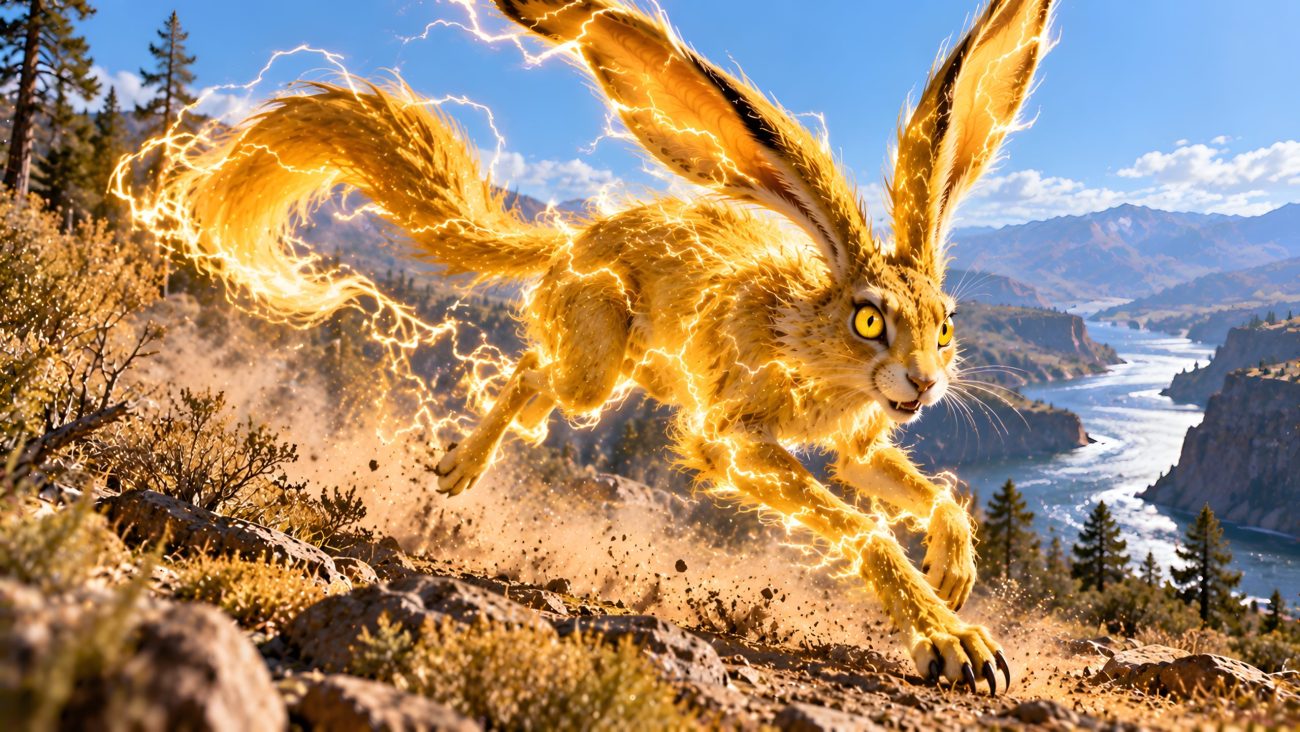
The Sand Squink is a nocturnal predator said to inhabit the Columbia River region. It resembles a strange mixture of coyote, bobcat, fox, and jackrabbit, with long ears, a bushy tail that curves backward, and quick, furtive movements. This unusual mammal nests in dens lined with rubber and lays eggs with hard Bakelite shells. It feeds mainly on the imaginary electric eels of the Columbia River, absorbing their electricity and storing static energy in its body.

When charged with electricity, the Sand Squink becomes bold and begins luring lone travelers into the wilderness. It emits hypnotic flashes of static electricity from its ears and tail, producing dazzling lights that captivate anyone who sees them. Those who follow the mysterious lights disappear and are never seen again.

Nobody knows whether the Sand Squink kills its victims or whether they simply vanish after falling under its spell. Part trickster and part electric predator, it is a strange creature associated with the hidden wilderness and the dangers of wandering too far from familiar paths.


Sources

“Peschanyi Zvyak” (Sandy Squink). New Bestiary (Bestiary.us). https://www.bestiary.us/peschanyi-zvyak


Jiibayaabooz

Tradition: American Mythology
Alternative Names: ᒋᐸᔮᐴᔅ, Chipiapoos, Cheeby-aub-oozoo, Spirit Rabbit, Ghost of Rabbit
Category: Rabbit


The Myth

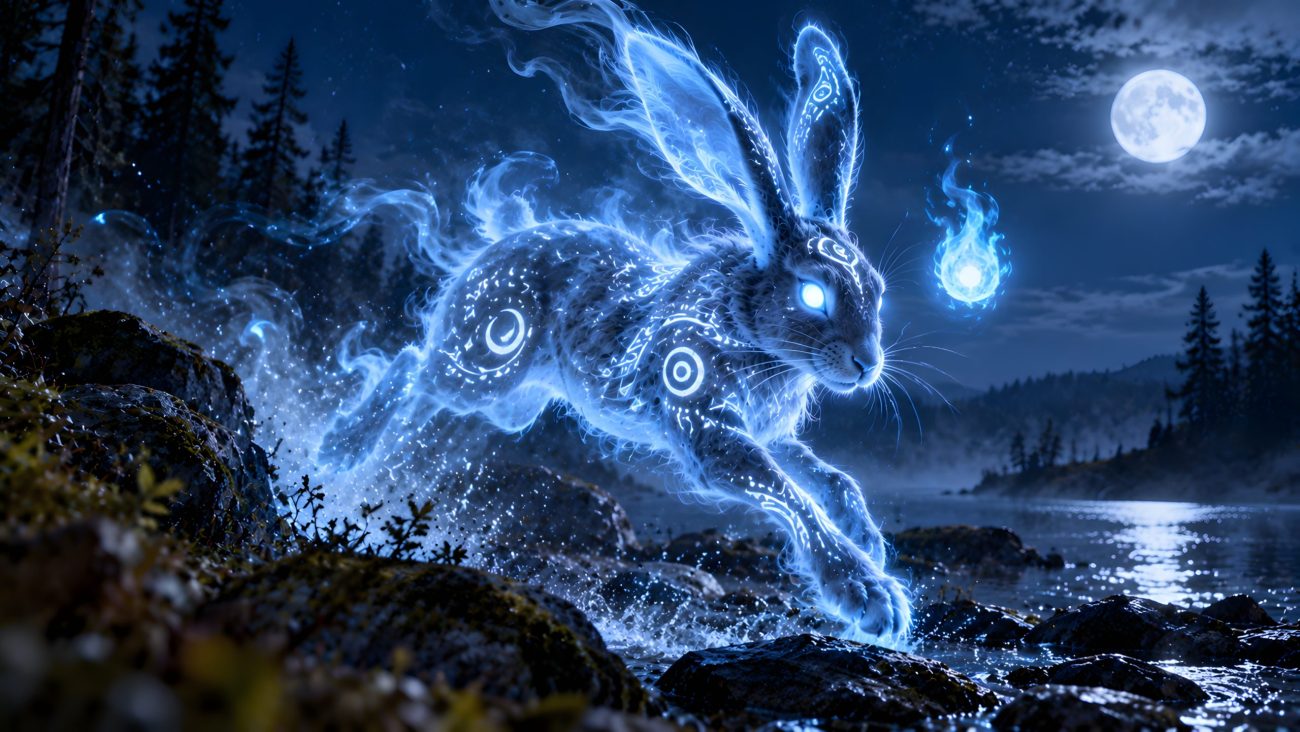
Jiibayaabooz is a rabbit spirit from Ojibwe mythology who was fascinated by the mysterious world of spirits known as manitous. He was the son of Wiininwaa, a human mother, and E-bangishimog, a spirit father. Through dreams and communication with the manitous, he learned about the spiritual world and taught humans how to communicate with spirits through their dreams.

His older brother, Majiikiwis, often teased him, and one of his dares eventually led to Jiibayaabooz’s death. However, death did not end his spiritual work. His ghost continued teaching people about vision quests, purification ceremonies, and the relationship between humans and the spirit world.

Jiibayaabooz eventually became known as the Chief of the Underworld. According to Ojibwe tradition, he also gave the Anishinaabe people the spirit of music, chants, and poetry. A related figure appears in Abenaki mythology as Mateguas, a rabbit who returns from the dead and teaches his brother Gluskab sacred ceremonies to help him cope with his grief. Gluskab then passes these teachings on to humanity.


Sources

“Jiibayaabooz.” Wikipedia: The Free Encyclopedia. Wikimedia Foundation. https://en.wikipedia.org/wiki/Jiibayaabooz


Jackalope

Tradition: American Mythology
Alternative Names: Jack Rabbit, Horned Rabbit, Lepus antilocapra
Category: Rabbit


The Myth

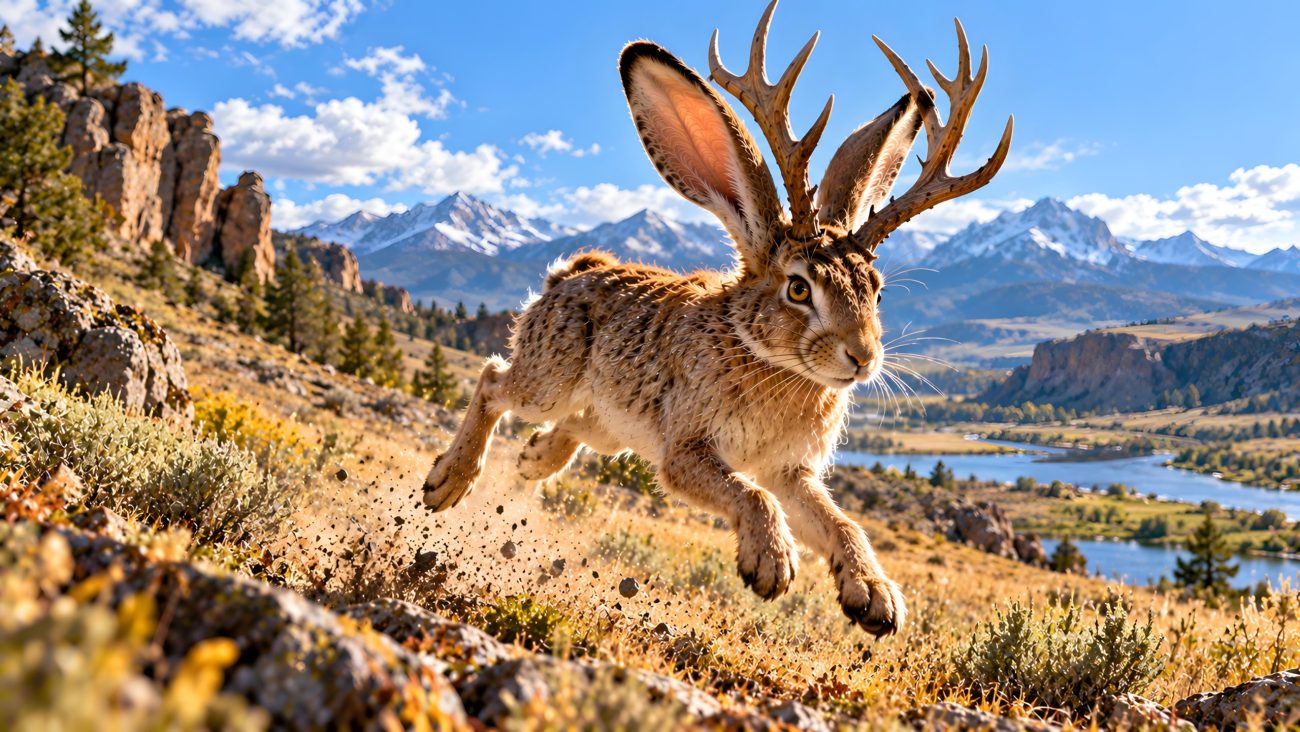
The Jackalope is a legendary North American creature resembling a jackrabbit with antelope-like horns or deer antlers. It is usually portrayed as a rabbit with a hare’s body and branching horns, and is one of the best-known examples of the tall-tale animals called fearsome critters. According to humorous legends, jackalopes are dangerous and difficult to hunt, so hunters must wear stovepipes over their legs to protect themselves from being gored. They are said to enjoy drinking whiskey, imitate human voices around campfires, and sing along with cowboys in a tenor voice. Some stories claim they breed only during lightning storms, which supposedly explains their rarity.

The jackalope became especially popular in the United States during the 1930s, when Douglas Herrick and his brother, taxidermists from Douglas, Wyoming, began attaching deer antlers to jackrabbit carcasses and selling the resulting mounts. Their creations helped turn the creature into a local legend and a popular tourist attraction. Jackalope mounts, postcards, souvenirs, and other merchandise subsequently spread throughout the country, and the animal became associated with Wyoming’s identity.

Although the modern American jackalope was popularized through taxidermy and tall tales, legends of horned hares existed in other cultures long before its creation. One possible explanation for some historical reports of horned rabbits is infection with Shope papillomavirus, which can cause horn-like growths on rabbits’ heads and bodies. The jackalope remains a playful mixture of folklore, practical jokes, and regional identity, blurring the line between mythical beast and deliberate hoax.


Sources

“Jackalope.” Wikipedia: The Free Encyclopedia. Wikimedia Foundation. https://en.wikipedia.org/wiki/Jackalope


Moon Rabbit

Tradition: Chinese Mythology, Japanese Mythology, Korean Mythology, Vietnamese Mythology, American Mythology
Alternative Names: Jade Rabbit, Yutu, 玉兔, Moon Hare, Lunar Rabbit
Category: Rabbit


The Myth

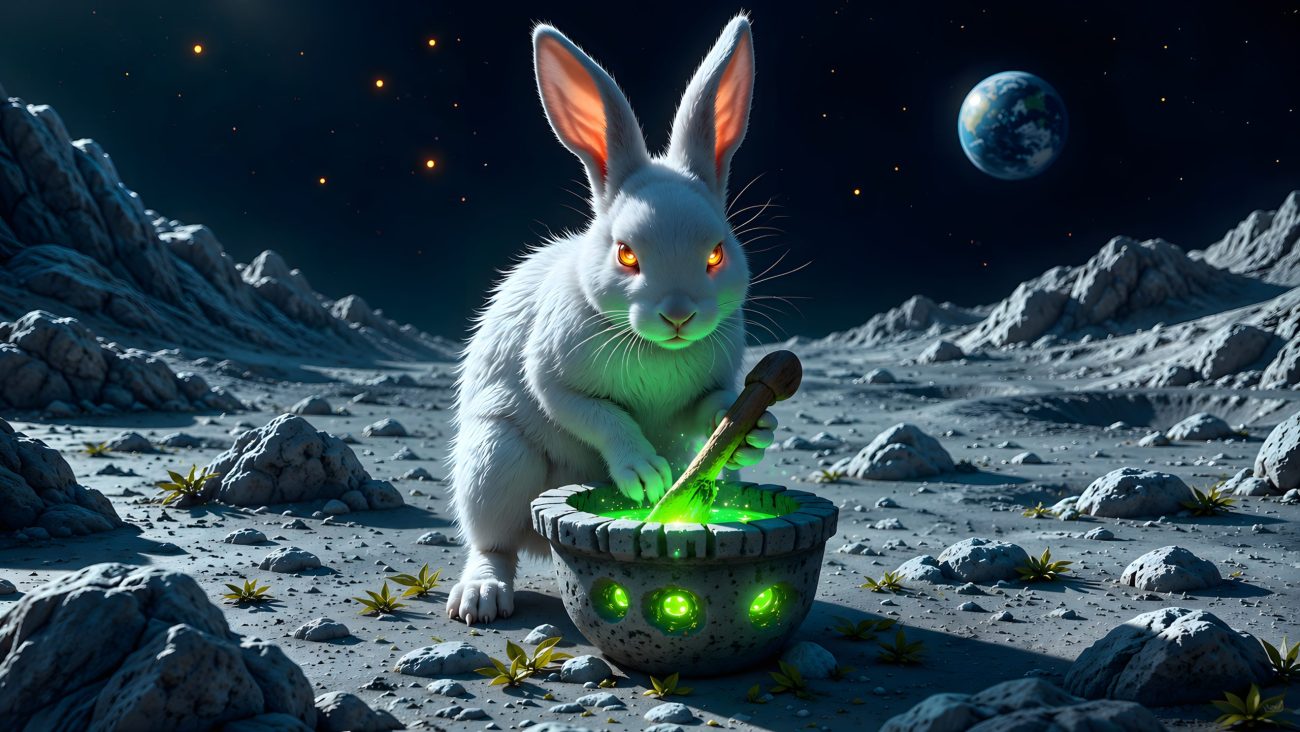
The Moon Rabbit, also known as the Jade Rabbit or Moon Hare, is a mythical rabbit or hare believed to inhabit the Moon. Its image originates from interpretations of the dark markings on the lunar surface, which resemble a rabbit. The creature appears in traditions across East Asia, including China, Japan, Korea, and Vietnam, as well as in some Indigenous American cultures. In East Asian mythology, the Moon Rabbit is commonly depicted pounding ingredients with a mortar and pestle. The substance it prepares varies between traditions: Chinese and Vietnamese accounts often describe it making the elixir of immortality, while Japanese and Korean versions commonly portray it preparing rice cakes, such as mochi or tteok. Some Chinese depictions also show the rabbit making medicine for mortals or preparing mooncakes.

In Chinese tradition, the Moon Rabbit is frequently associated with Chang’e, the goddess of the Moon, for whom it prepares the elixir of life. References to a lunar hare appear in early Chinese literature, including the Chu Ci, a collection of poems compiled during the Western Han period. Later sources also mention the Jade Hare and Gold Hare, names used poetically for the animal on the Moon and, by extension, for the Moon itself. The image of the rabbit preparing medicine remained influential in Chinese poetry and art, including depictions embroidered on imperial robes.

A Buddhist story offers another explanation for the rabbit’s presence on the Moon. In the Jataka tales, a monkey, an otter, a jackal, and a rabbit resolve to practise charity on the full-moon day. When an old man asks them for food, the other animals gather what they can find, but the rabbit can offer only grass. To demonstrate its generosity, it throws itself into a fire so that the man can eat its flesh. The rabbit remains unharmed, and the old man reveals himself to be Śakra, king of the gods. Moved by the rabbit’s selflessness, he places its likeness on the Moon so that its virtue will be remembered. The rabbit is consequently regarded in this story as a Bodhisattva. A Japanese version recorded in the Konjaku Monogatarishū features a fox and a monkey as the rabbit’s companions.

The Moon Rabbit also appears in the Chinese novel Journey to the West. In one episode, a celestial rabbit escapes from the Moon Palace and disguises herself as a woman, intending to marry the monk Tang Sanzang and absorb his vital yang essence. Sun Wukong discovers her identity and battles her. Before he can defeat her, the celestial figure Taiyin Xingjun arrives and reveals that the creature is the Jade Rabbit, a guardian of the mystical elixir in the Moon Palace. Taiyin Xingjun explains that the rabbit secretly escaped from the palace and asks Sun Wukong to spare her. The Monkey King agrees, and the rabbit is returned to the Moon. The Moon Rabbit is also closely connected with lunar festivals across Asia, including China’s Mid-Autumn Festival, Japan’s Tsukimi, Korea’s Chuseok, and Vietnam’s Tết Trung Thu, where it forms part of the imagery and traditions associated with the Moon.


Sources

“Moon Rabbit.” Chinese Wikipedia. Wikimedia Foundation. https://zh.wikipedia.org/wiki/%E6%9C%88%E5%85%94