Margyg

Tradition / Region: Norse mythology, Greenlandic Mythology
Alternate Names: —
Category: Mermaid


The Myth

Sailors in the northern seas told of a strange being that appeared only when storms were near.

It was called the margyg.

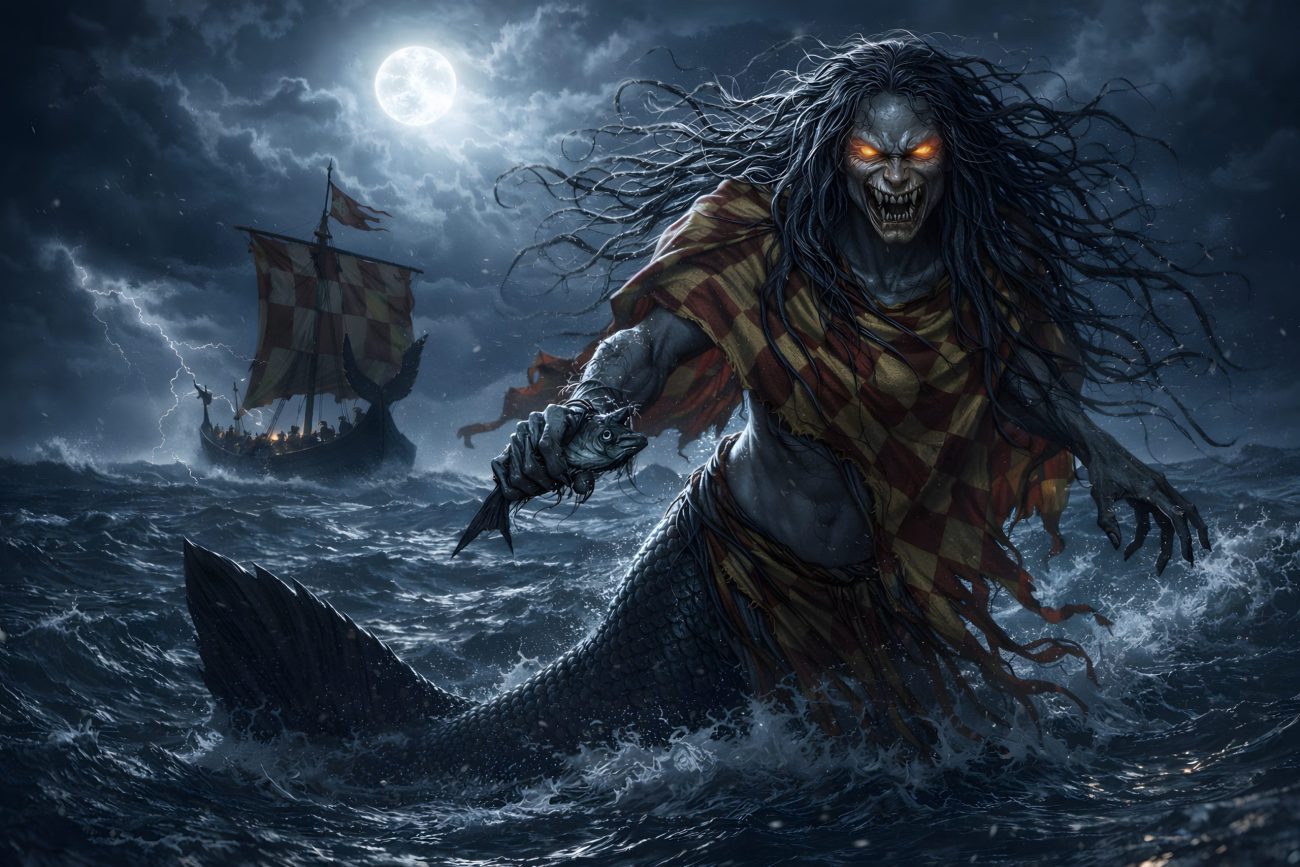
Those who saw it said it rose from the sea like a woman from the waist up, but vast and unsettling in form. Its chest was heavy, its arms long, and its hair streamed down wet over its shoulders. Its head and neck resembled those of a human, yet its face was coarse and fearsome, with a wide mouth, heavy cheeks, and a low brow. Its hands were large, and the fingers were joined together by webbing like the feet of seabirds.

Below the waist, it was wholly a fish, covered in scales with fins and a powerful tail.

The margyg was said to appear rarely, and almost always before a great storm. Sailors would spot it rising above the waves, holding a fish in its hands.

If it swam toward a ship, tossing the fish toward the vessel or playing with them as it approached, the crew believed disaster was coming and feared they would not survive the storm.

But if the margyg ate the fish, or threw them away from the ship and turned aside, the sailors took heart. Though the storm might still strike, they believed they would live through it.

For this reason, the margyg was not merely a monster of the sea, but a sign — a creature whose brief appearance foretold the fate of those who sailed beneath the darkening sky.


Sources

Bestiary.us contributors. (n.d.). Margjug. In Bestiary.us, from https://www.bestiary.us/margjug/

Igtuk

Tradition / Region: Inuit mythology, Greenlandic Mythology, Canadian Mythology
Alternate Names: The Boomer
Category: Mountain dweller


The Myth

In the far northern lands, when the mountains echo with deep, hollow booming sounds, the Inuit say it is Igtuk who is moving. The sound rolls across the country without warning, rising from the rocks and valleys as if the land itself were breathing.

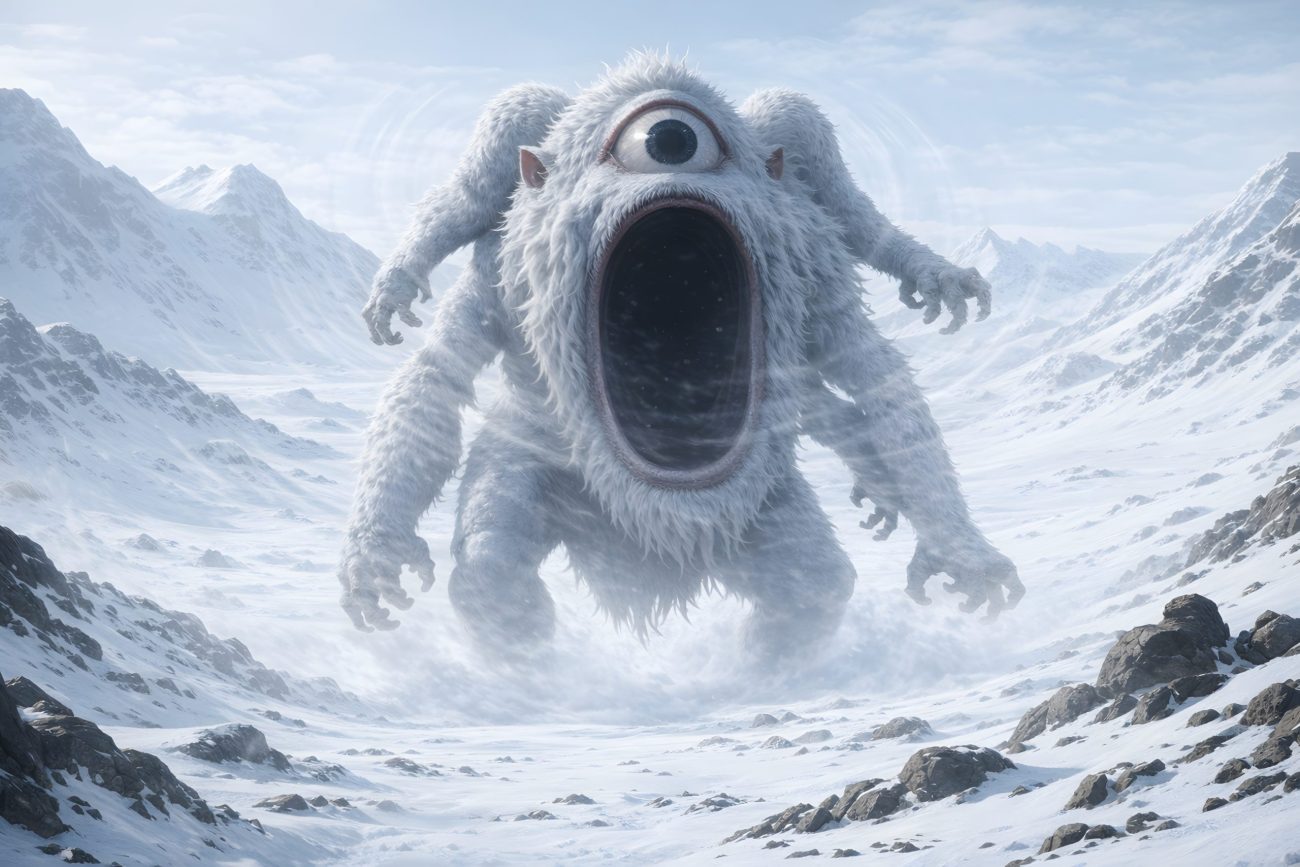
No one knows where Igtuk lives. He has no fixed dwelling and no trail that can be followed. He is said to be made unlike any other living thing. His arms and legs grow from the back of his body, twisted in a way no human or animal could endure. His great single eye sits level with his arms, staring outward, while his nose is hidden inside his mouth. Beneath his mouth, on his chin, hangs a thick tuft of hair, and his ears lie strangely aligned with his eye.

When Igtuk opens his mouth, it reveals not teeth or a tongue, but a dark, endless abyss. As his jaws move, the booming begins. The sound spreads across the mountains and tundra, shaking the silence and reminding those who hear it that something vast and unnatural is present, though unseen.

The Inuit do not hunt Igtuk, nor do they seek him out. He is not a creature to be challenged or approached. He is simply there—an unseen force whose voice rolls through the land. When the booming echoes across the mountains, people know it is Igtuk making himself known, even if no one will ever see where he stands.


Sources

Rasmussen, K. (1930). Intellectual culture of the Hudson Bay Eskimos.


Nålaqnaq

Tradition / Region: Inuit mythology
Category: Spirit


The Myth

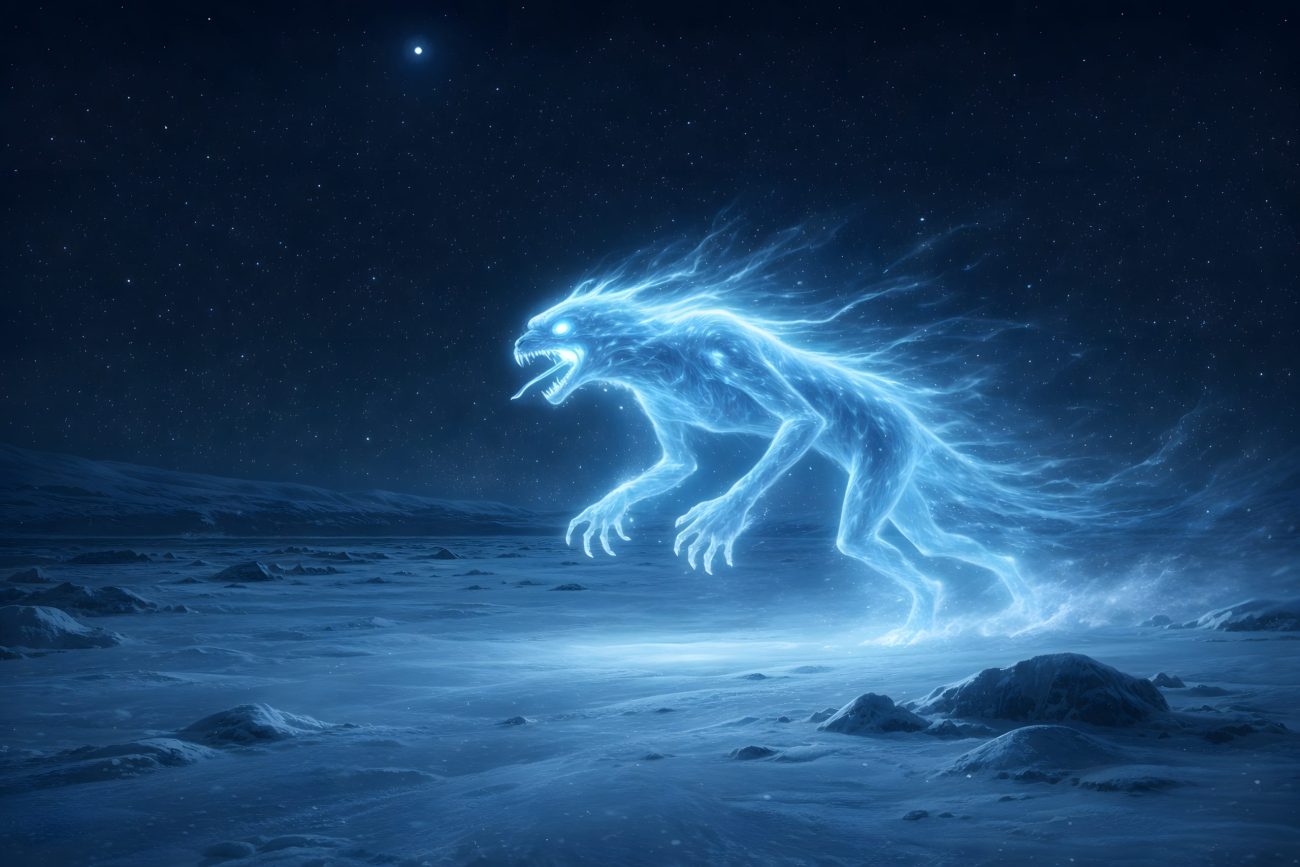
Nålaqnaq, known as the Listener, is a strange and unsettling spirit distinguished by its exaggerated sensory features. It is described as having a large, gaping mouth, two prominent teeth, and a tongue that protrudes outward, emphasizing its nature as a being that listens, hears, and perceives beyond ordinary limits. Its hands are shapeless, each bearing six fingers, marking it unmistakably as non-human.

Nålaqnaq is said to move at a run, suggesting constant alertness and restless awareness, as though it is forever attuned to sounds, words, or cries that escape human notice. Rather than embodying physical strength, it represents heightened perception—a spirit whose power lies in attention and awareness of the unseen.

As the Listener, Nålaqnaq reflects an Inuit understanding that nothing spoken—or unspoken—passes unheard. Its presence reinforces the importance of caution, respect, and mindfulness in speech and behavior, reminding people that words, intentions, and hidden actions may always be perceived by forces beyond the human world.


Interpretive Lenses

Religious Readings
Philosophical Readings
Psychological Readings
Esoteric Deep Dive
  • Hermetic Deep Dive
Political / Social Readings
Other

Kamingmålik

Tradition / Region: Inuit mythology (Tuneq people)
Alternate Names: —
Category: Spirit of the dead


The Myth

Kamingmålik is the spirit of a woman belonging to the Tuneq people. She is remembered as a human spirit that persists after death, retaining her identity as a woman of the Tuneq. Her presence places her among the spirits that originate from human lives rather than purely natural or animal forces.


Interpretive Lenses

Religious Readings
Philosophical Readings
Psychological Readings
Esoteric Deep Dive
  • Hermetic Deep Dive
Political / Social Readings
Other

Norssutilik

Tradition / Region: Inuit mythology
Alternate Names: —
Category: Spirit


The Myth

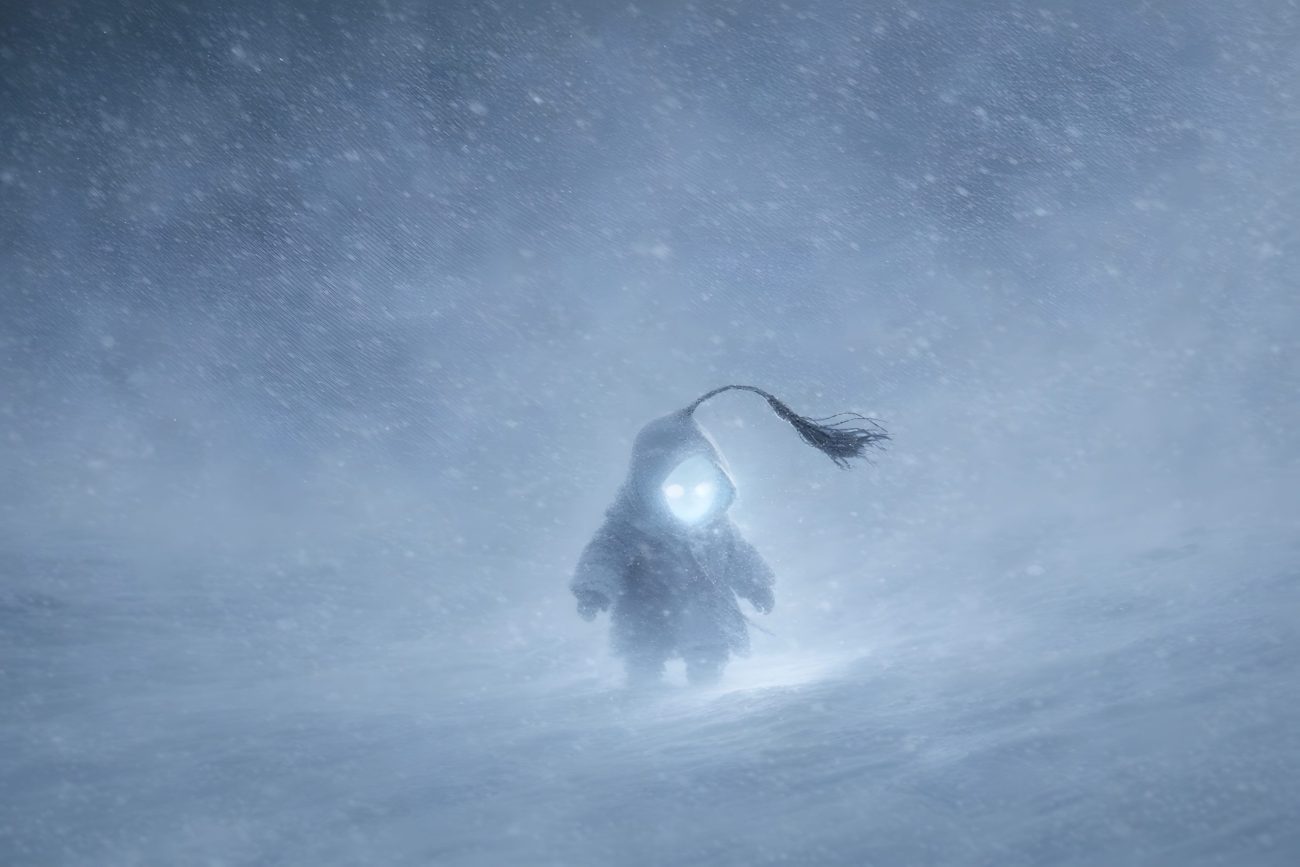
Norssutilik is the name given to two spirits in Inuit belief who share the same defining feature: a norjut, a tassel attached to a flexible stick worn or placed over the hood of a frock.

Because both spirits possess this distinctive tassel, they are known by the same name. The norjut serves as their identifying mark, distinguishing them from other spirits encountered in Inuit tradition.


Interpretive Lenses

Religious Readings
Philosophical Readings
Psychological Readings
Esoteric Deep Dive
  • Hermetic Deep Dive
Political / Social Readings
Other